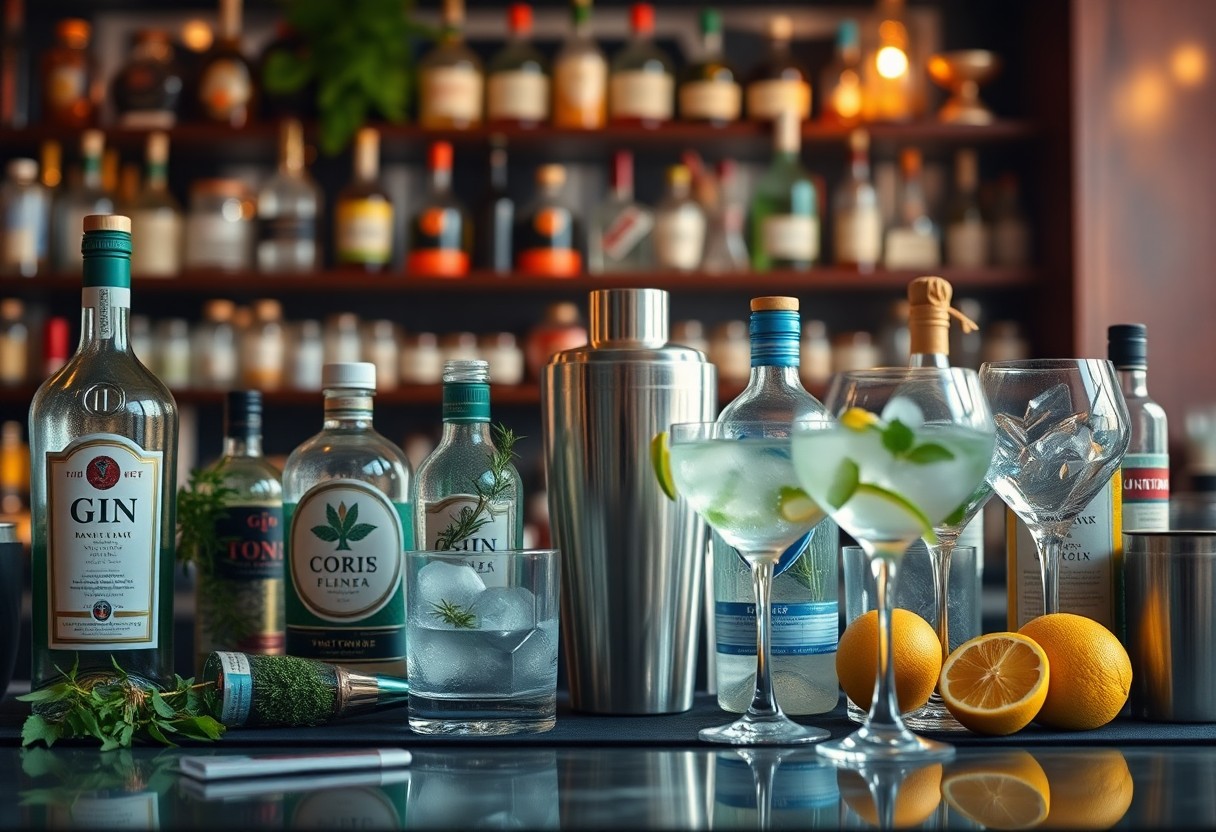
Many people are drawn to the refreshing and versatile nature of gin, making it a popular choice for cocktails at any gathering. In this guide, you will discover simple gin cocktail recipes that cater to various tastes and occasions, whether you’re hosting a casual get-together or celebrating a special event. With easy-to-follow instructions and a few key ingredients, you’ll be mixing delightful gin cocktails in no time. Get ready to impress your friends and elevate your cocktail game with these inviting recipes!
Types of Gin
While there are numerous types of gin available, understanding their differences can enhance your cocktail experience. Each type varies in flavor profile, distillation process, and intended use. Here’s a quick overview to help guide your choices:
| Type of Gin | Description |
| London Dry Gin | Classic and juniper-forward with a dry finish. |
| Old Tom Gin | Sweeter gin, perfect for a vintage cocktail vibe. |
| Geneva | Rich and malty, often less botanically intense. |
| Plymouth Gin | Earthy and less dry, exclusive to Plymouth. |
| Sloe Gin | Fruit liqueur made from gin and sloe berries. |
Knowing about these types of gin allows you to make informed choices when mixing your cocktails.
London Dry Gin
London Dry Gin is the quintimperative type of gin you’ll encounter. With its dominant juniper flavor, it is known for being clear, dry, and crisp. This style uses a traditional distillation process and does not allow any added sugars after distillation. Perfect for a classic gin and tonic or a martini, London Dry is a versatile choice for your cocktail repertoire.
Old Tom Gin
The Old Tom Gin has an intriguing history, originating in the 18th century. This style is typically sweeter than London Dry due to the addition of sugar or other sweetening agents. Old Tom was popularized in the 19th century and offers a rich, floral profile that makes it an excellent choice for cocktails like the Tom Collins or the Martinez.
Types of Old Tom Gin vary between producers, but common characteristics include a smoother mouthfeel and an aromatic blend of botanicals. This sweetness and complexity make Old Tom a delightful option for inventive cocktails or vintage drink recipes. It’s a perfect way to explore gin’s various flavors while adding a unique touch to your mixology skills.
Essential Ingredients for Gin Cocktails
If you’re looking to craft the perfect gin cocktail, understanding the vital ingredients is key. At the heart of every great gin cocktail lies quality gin, known for its botanical complexities. Along with this, you’ll need mixers and garnishes that complement and enhance the flavors, allowing you to create a drink perfect for your occasion.
Common Mixers
Now, when it comes to mixers, tonic water reigns supreme for gin cocktails, enhancing the spirit’s botanical notes while adding a light, refreshing fizz. Other popular options include soda water, which offers a clean taste, and juice from citrus fruits like lemon or lime, which provide vital acidity for balance.
Garnishes and Flavor Enhancers
Even the simplest gin cocktail can be elevated with the right garnishes and flavor enhancers. Fresh herbs, such as basil or rosemary, add aromatic qualities, while citrus peels or slices bring brightness to your drink. You can also experiment with unique flavors like cucumber or cardamom to create depth and intrigue in your cocktails.
Cocktails are all about personal expression, and garnishes play a pivotal role in achieving that. A sprig of mint or a twist of lemon peel not only adds a pop of color but also enhances the overall aroma of your drink. Don’t hesitate to get creative; using different fruits or even spices can surprise your palate and take your gin cocktails to new heights.
Tips for Mixing Gin Cocktails
Clearly, mastering the art of mixing gin cocktails requires attention to detail. Here are some tips to enhance your cocktail crafting skills:
- Always use high-quality gin for better flavor.
- Fresh ingredients enhance the overall taste.
- Garnish wisely; herbs and fruits can elevate your drink.
- Experiment with different mixers for unique profiles.
- Chill your glassware to keep your beverages refreshing.
This will ultimately lead to delicious outcomes that impress your guests.
Choosing the Right Glassware
Assuming you want to serve your gin cocktails to their best advantage, selecting the appropriate glassware is vital. From highball glasses for gin and tonics to coupe glasses for gin martinis, the right vessel can enhance the drinking experience and present your cocktails beautifully. Utilizing the correct glass will not only elevate the aesthetic appeal but also affect how you enjoy the aromas and flavors of your drink.
Balancing Flavors
Glassware plays an vital role in balancing the flavors in gin cocktails. Each type of glass serves a unique purpose, influencing how the drink interacts with air and how your senses perceive it. For instance, wider glasses allow for more air exposure, which can soften the botanicals’ intensity and enhance aromas, capturing your attention from the first sip. Choosing the right glass is about more than style; it’s about ensuring that every ingredient works harmoniously together in your cocktail, creating a balanced and enjoyable experience.
A well-crafted gin cocktail is not just about mixing ingredients; it’s about achieving harmony among flavors. Take time to consider the sweetness, acidity, and herbal notes of your gin, balancing them with mixers and garnishes appropriately. Sweeteners like vermouth can add depth, while citrus juices introduce vital acidity that brightens the drink. Don’t hesitate to taste as you mix, as this will guide you toward the right balance. The goal is to create a cocktail that pleases your palate without overpowering the delicate botanicals of the gin.
Step-by-Step Guide to Classic Gin Cocktails
Keep your cocktail skills sharp by mastering these classic gin recipes. Below, you’ll find a straightforward breakdown of necessary gin cocktails that are perfect for any gathering or simply enjoying at home.
| Cocktail | Ingredients |
| Gin and Tonic | 2 oz gin, tonic water, lime wedge |
| Martini | 2 oz gin, 1/2 oz dry vermouth, olive or lemon twist |
Gin and Tonic
Some classic combinations never go out of style, and the Gin and Tonic is a prime example. Simply pour your favorite gin over ice, top it with tonic water, and finish with a fresh lime wedge to elevate the flavors. This refreshing drink is a go-to for any occasion, offering a balanced sour and bitter profile that captivates the palate.
Martini
Classic martinis are a timeless staple in any cocktail repertoire, showcasing the sophisticated combination of gin and vermouth. With just two main ingredients, you can create a drink that’s elegant and easy to prepare.
Plus, the versatility of the martini means you can adjust the ratio of gin to vermouth according to your taste. Whether you prefer a dry martini with minimal vermouth or a wetter version with more, garnishing with an olive or a lemon twist adds a nice finishing touch. This iconic drink is not just about taste; it also symbolizes cocktail culture, making it a must-try for every gin enthusiast.
Factors to Consider When Making Gin Cocktails
All gin cocktails can be enhanced by considering a few key factors. Your choices can significantly influence the final flavor and experience of your drink. Here are some aspects to think about:
- The type of gin you select
- Your intended flavor profiles
- The garnishes used
- The mixers that complement gin
Assume that tailoring these factors to suit your taste will elevate your gin cocktails.
Personal Preferences
Even within the vast universe of gin cocktails, your personal taste should guide your choices. Explore different gins, mixers, and garnishes to discover combinations that you truly enjoy. Don’t hesitate to experiment with flavors and balance to create drinks that please your palate.
Seasonal Ingredients
While crafting cocktails, consider incorporating seasonal ingredients that reflect current flavors. Using fruits, herbs, and vegetables that are in season not only enhances the taste but also provides a refreshing twist to traditional recipes.
Understanding the benefits of seasonal ingredients can elevate your cocktail-making experience. Fresh strawberries in the summer, vibrant citrus in winter, or aromatic herbs in spring can transform your gin cocktails. Each season offers unique flavors that inspire creativity, allowing your drinks to embody the essence of the moment. By aligning your ingredients with the seasons, you’ll not only amplify taste but also create visually stunning cocktails that celebrate nature’s bounty.
Pros and Cons of Various Gin Cocktails
Despite the growing popularity of gin cocktails, each option presents its own set of advantages and disadvantages. Understanding these can help you make the best choice for your next gathering or personal enjoyment. Below is a detailed breakdown of the pros and cons of various gin cocktails.
| Pros | Cons |
|---|---|
| Refreshing taste | Can be high in calories |
| Versatile ingredients | Some recipes can be complex |
| Perfect for summer | Not always suitable for colder months |
| Easy to customize | Quality gin matters significantly |
| Great for social occasions | May require garnishes that aren’t always available |
Popular Gin Cocktails
While some gin cocktails have stood the test of time and reign supreme at any bar, they are often classics for a reason. Classics like the gin and tonic, martini, and negroni are favorites among gin enthusiasts. Each offers a unique twist, blending traditional ingredients with your choice of botanicals, allowing you to enjoy many flavors, from sweet to bitter.
Lesser-Known Gin Cocktails
Assuming you’re ready to explore beyond the typical gin drinks, lesser-known gin cocktails can surprise you with their delightful flavors. These hidden gems often bring unique combinations that highlight the versatility of gin, enabling you to impress your friends at gatherings or simply enjoy a refreshing drink at home.
For instance, cocktails like the Ramos Gin Fizz offer a creamy texture with its combination of cream, egg white, and orange flower water, making for an indulgent sip. Alternatively, the Bramble showcases the balance between gin, fresh lemon juice, and blackberry liqueur, providing a refreshing tartness. Exploring these lesser-known options allows you to expand your gin cocktail repertoire and find personalized favorites that may not be on the typical menu.
To wrap up
Upon reflecting on your journey into the world of gin cocktails, you’ll find that these simple recipes can elevate any occasion. As you explore various combinations and techniques, you’ll gain confidence in crafting your favorite drinks. With this beginner’s guide, you have the tools to impress your friends and enjoy delightful sips at home. Embrace your creativity, and don’t hesitate to experiment—there’s a whole world of flavors waiting for you in gin.
Leave a Reply