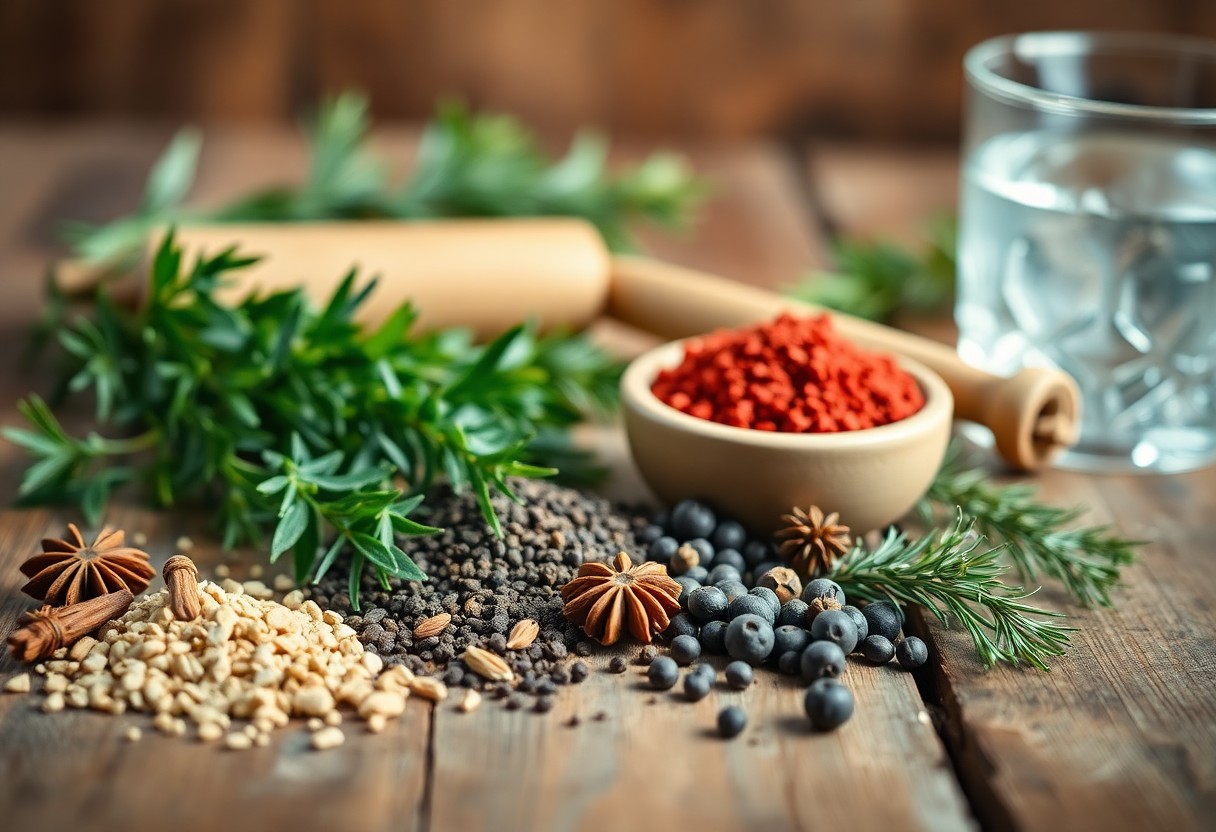
As you explore the world of gin-inspired cuisine, you’ll discover that the right spices can elevate your dishes to new heights. You’re likely familiar with the distinctive flavor of juniper, but what other enigmatic spices will complement its notes in your cooking? Your culinary creations can benefit from the perfect blend of spices, and understanding which ones to use will take your gin-infused meals from ordinary to extraordinary, allowing you to create unique and captivating flavors that showcase your skill and creativity.
The Botanical Symphony of Gin
The world of gin is a complex and fascinating one, with a multitude of botanicals coming together to create a unique flavor profile. As you investigate into the world of gin-inspired cuisine, you’ll discover that the juniper notes are just the beginning. You’ll find that the combination of botanicals used in gin production creates a symphony of flavors, with each one complementing and enhancing the others. Your exploration of gin-inspired cuisine will take you on a journey of discovery, as you uncover the various ways in which these botanicals can be used to create delicious and innovative dishes.
The art of pairing gin with food is a highly personal one, and as you experiment with different combinations, you’ll develop your own unique understanding of how the various botanicals interact with different ingredients. You’ll find that the floral notes of some gins pair perfectly with delicate fish dishes, while the spicy notes of others complement rich and savory meats. As you explore the world of gin-inspired cuisine, you’ll begin to appreciate the incredible versatility of this spirit, and the many ways in which it can be used to elevate and enhance your cooking.
Juniper’s Aromatic Character
One of the most distinctive and recognizable flavors in gin is the juniper berry, which provides a piney, slightly bitter note that is both refreshing and invigorating. As you work with gin in your cooking, you’ll find that the juniper flavor is a versatile one, pairing well with a wide range of ingredients, from citrus and herbs to meats and vegetables. You’ll discover that the juniper flavor can be used to add depth and complexity to a variety of dishes, from soups and stews to sauces and marinades. Your use of juniper will become a key element in your gin-inspired cuisine, as you learn to balance and blend this distinctive flavor with other ingredients.
One of the key challenges of working with juniper is finding the right balance of flavors, as the piney note can quickly overpower other ingredients. However, as you experiment with different combinations, you’ll develop a sense of how to use juniper to enhance and complement your dishes, rather than overwhelming them. You’ll find that the juniper flavor is a powerful tool in your culinary arsenal, and one that can be used to add a unique and distinctive twist to a wide range of recipes.
Historical Significance in Cuisine
Harmoniously, the use of gin in cuisine has a long and storied history, dating back to the Middle Ages, when gin was first used as a medicinal tonic. As you explore the historical significance of gin in cuisine, you’ll discover that this spirit has played a major role in shaping the course of culinary history, from the traditional gin-based cocktails of the 19th century to the modern gin-infused dishes of today. Your understanding of the historical context of gin will deepen your appreciation for this spirit, and provide you with a new perspective on its use in cooking.
Symphonically, the combination of gin and food has been a staple of fine dining for centuries, with many classic dishes featuring gin as a key ingredient. You’ll find that the use of gin in cuisine is not limited to modern recipes, but has a rich and storied history that spans centuries and continents. As you investigate into the world of historical gin-based cuisine, you’ll discover a wide range of traditional dishes that showcase the versatility and flavor of this spirit.
Historically, the significance of gin in cuisine is closely tied to the spirit’s medicinal properties, which were highly valued in the Middle Ages. As you explore the historical use of gin, you’ll discover that this spirit was often used to treat a range of ailments, from indigestion to influenza, and was highly prized for its perceived health benefits. Your understanding of the historical context of gin will provide you with a new appreciation for the spirit’s versatility and flavor, and inspire you to experiment with new and innovative recipes that showcase its unique characteristics.
Complementary Spice Profiles
Some of the most enigmatic spices that complement the juniper notes in gin-inspired cuisine are those that add a warm, aromatic depth to dishes. As you explore the world of gin-pairing, you’ll find that certain spice profiles stand out for their ability to enhance the botanicals found in gin. Your culinary creations will benefit from the addition of spices that not only complement the juniper flavor but also add a unique character to your dishes. By experimenting with different spice combinations, you’ll discover the perfect balance of flavors to elevate your gin-inspired cuisine.
As you explore deeper into the world of complementary spice profiles, you’ll encounter a variety of options that will enhance your culinary creations. You’ll find that certain spices have a natural affinity for the juniper notes in gin, and by combining them in innovative ways, you can create truly unique flavor experiences. Your understanding of these spice profiles will allow you to craft dishes that not only showcase the flavors of gin but also add a new level of sophistication to your cuisine.
Cardamom and Coriander Harmonies
Akin to the complex flavor profile of gin, cardamom and coriander spices offer a harmonious balance of warm, aromatic notes that complement the juniper flavor. As you experiment with these spices, you’ll find that they add a unique depth to your dishes, from savory meats to sweet desserts. Your use of cardamom and coriander will depend on the specific gin-inspired cuisine you’re creating, but you’ll discover that they pair exceptionally well with a variety of ingredients.
Alongside the juniper notes in gin, cardamom and coriander spices create a fascinating flavor dynamic that will elevate your culinary creations. You’ll appreciate the way these spices enhance the aromatic qualities of gin, adding a new level of sophistication to your dishes. By incorporating cardamom and coriander into your recipes, you’ll be able to craft unique flavor experiences that showcase the versatility of gin-inspired cuisine.
Pink Peppercorn and Citrus Peel Dynamics
Above the subtle nuances of gin’s botanicals, pink peppercorn and citrus peel spices add a vibrant, refreshing quality to dishes. As you explore the combination of these spices with juniper notes, you’ll discover a fascinating interplay of flavors that will enhance your culinary creations. Your use of pink peppercorn and citrus peel will depend on the specific gin-inspired cuisine you’re creating, but you’ll find that they pair exceptionally well with a variety of ingredients, from seafood to desserts.
Understanding the dynamics of pink peppercorn and citrus peel spices is imperative to creating balanced flavor profiles in your gin-inspired cuisine. You’ll find that these spices not only complement the juniper notes but also add a bright, citrusy quality that cuts through rich or heavy flavors. By incorporating pink peppercorn and citrus peel into your recipes, you’ll be able to craft dishes that are both refreshing and sophisticated, perfect for showcasing the unique flavor profile of gin.
Mediterranean Influences
If you’re looking to complement the juniper notes in gin-inspired cuisine, you may want to consider the bold flavors of the Mediterranean. The region’s cuisine is known for its use of aromatic spices and herbs, which pair perfectly with the botanicals found in gin. As you explore the world of Mediterranean flavors, you’ll discover a variety of ingredients that will enhance your gin-inspired dishes. From the sweetness of citrus to the earthiness of thyme, the options are endless, and you’ll find that your culinary creations will be elevated to new heights.
As you investigate deeper into the world of Mediterranean cuisine, you’ll notice that certain spices and herbs are used repeatedly in various dishes. This is because these ingredients have been perfected over time, and their flavors have become an integral part of the region’s culinary identity. You’ll find that your gin-inspired cuisine will benefit from the use of these ingredients, as they will add depth and complexity to your dishes. Whether you’re creating a simple appetizer or a complex main course, the flavors of the Mediterranean will provide you with a wealth of inspiration and guidance.
Bay Leaf and Rosemary Connections
Influenced by the sun-kissed hills of the Mediterranean, you’ll discover that bay leaves and rosemary are two herbs that pair perfectly with the juniper notes in gin. These herbs have a long history of use in Mediterranean cuisine, and their flavors have been refined over time to create a perfect balance of bitter and sweet. As you experiment with bay leaves and rosemary in your gin-inspired cuisine, you’ll find that they add a subtle yet distinctive flavor to your dishes. You can use them to create a fragrant sauce or as a seasoning for your favorite meats and vegetables.
Insights into the use of bay leaves and rosemary in Mediterranean cuisine will help you to understand how these herbs can be used to enhance your gin-inspired dishes. You’ll find that the key to using these herbs effectively is to balance their flavors with other ingredients, creating a harmonious blend of tastes and aromas. As you gain experience with bay leaves and rosemary, you’ll become more confident in your ability to create delicious and complex gin-inspired dishes that showcase the unique flavors of the Mediterranean.
Fennel and Anise Undertones
For a more subtle approach to complementing the juniper notes in gin, you may want to consider the use of fennel and anise. These ingredients have a delicate, licorice-like flavor that pairs perfectly with the botanicals found in gin. As you experiment with fennel and anise in your gin-inspired cuisine, you’ll find that they add a sophisticated and refined flavor to your dishes. You can use them to create a flavorful sauce or as a seasoning for your favorite meats and vegetables.
Furthermore, you’ll discover that fennel and anise are versatile ingredients that can be used in a variety of dishes, from appetizers to desserts. Anise, in particular, has a unique flavor that is both sweet and savory, making it a great addition to many gin-inspired dishes. As you continue to explore the world of fennel and anise, you’ll find that they become an important part of your culinary repertoire, allowing you to create complex and delicious dishes that showcase the unique flavors of the Mediterranean.
Anise, with its distinctive flavor and aroma, is an ingredient that will add a new dimension to your gin-inspired cuisine. You’ll find that it pairs perfectly with the juniper notes in gin, creating a balanced and refined flavor profile. As you experiment with anise, you’ll discover that it can be used in a variety of dishes, from savory meats to sweet desserts, and that its unique flavor will elevate your culinary creations to new heights.
Eastern Spice Traditions
Many of the spices that complement the juniper notes in gin-inspired cuisine have their roots in Eastern traditions. As you explore the world of gin, you’ll find that the bold flavors of Eastern spices can elevate your dishes to new heights. You may be familiar with the warm, aromatic flavors of spices like cinnamon, cardamom, and star anise, but there are many more exotic spices to discover. From the spicy kick of Szechuan pepper to the sweet, floral flavor of galangal, Eastern spices offer a wealth of options for adding depth and complexity to your gin-inspired creations.
As you explore into the world of Eastern spices, you’ll find that many of them have been used for centuries in traditional medicine and cooking. You can use these spices to create unique and delicious flavor profiles that will set your gin-inspired dishes apart. Whether you’re looking to add a subtle hint of spice or a bold, pungent flavor, Eastern spices have something to offer. With a little experimentation, you can find the perfect combination of spices to complement the juniper notes in your favorite gin and take your cooking to the next level.
Grains of Paradise and Cubeb Berries
Above all, the spices that you choose will depend on your personal taste preferences and the type of dish you’re creating. You may find that grains of paradise, with their slightly sweet, spicy flavor, are the perfect addition to your gin-inspired soup or stew. Alternatively, you might prefer the unique, slightly bitter flavor of cubeb berries, which pair well with the bold, juniper notes of gin. As you experiment with different spices, you’ll find that the possibilities are endless, and you can create a wide range of delicious and unique flavor profiles.
Alike other Eastern spices, grains of paradise and cubeb berries have been used for centuries in traditional medicine and cooking. You can use them to add a subtle hint of spice or a bold, pungent flavor to your dishes. Whether you’re looking to create a traditional gin-inspired dish or something entirely new, these spices are definitely worth considering. With a little creativity, you can use grains of paradise and cubeb berries to create truly unforgettable flavor experiences.
Galangal and Green Szechuan Notes
To begin exploring the world of galangal and green Szechuan notes, you’ll want to start by familiarizing yourself with the unique flavors of these spices. You’ll find that galangal, with its sweet, floral flavor, pairs perfectly with the bold, juniper notes of gin. Green Szechuan notes, on the other hand, offer a spicy, slightly numbing flavor that can add a fascinating dimension to your dishes. As you experiment with these spices, you’ll find that they can be used in a wide range of applications, from soups and stews to marinades and sauces.
Similarly, you can use galangal and green Szechuan notes to add a touch of exotic flair to your gin-inspired creations. You might find that the sweet, floral flavor of galangal is the perfect addition to your gin-infused desserts, while the spicy kick of green Szechuan notes pairs perfectly with the bold flavors of your favorite gin. With a little experimentation, you can create truly unique and delicious flavor profiles that will set your dishes apart.
This combination of galangal and green Szechuan notes is particularly interesting when used in conjunction with other Eastern spices. You can use it to create a complex, layered flavor profile that will add depth and sophistication to your gin-inspired dishes. As you continue to experiment with these spices, you’ll find that the possibilities are endless, and you can create a wide range of delicious and unique flavor experiences that showcase the versatility of gin-inspired cuisine.
Nordic Spice Elements
Your exploration of gin-inspired cuisine will undoubtedly lead you to Nordic spice elements, where the bold and aromatic flavors of the region’s botanicals await. As you investigate into the world of Nordic spices, you’ll discover a plethora of options to complement the juniper notes in your dishes. From the earthy undertones of caraway to the bright, citrusy notes of dill, the possibilities are endless. You’ll find that these spices not only enhance the flavor profile of your gin-inspired creations but also add a unique cultural twist to your culinary endeavors.
Your Nordic spice journey will take you through a variety of flavor landscapes, each with its own distinct character. As you experiment with different spice combinations, you’ll begin to appreciate the nuances of Nordic cuisine and how they intersect with the botanicals found in gin. Whether you’re crafting a traditional Scandinavian dish or innovating a modern gin-paired recipe, the Nordic spice elements will provide you with a rich foundation to build upon. With each new discovery, you’ll find yourself drawn deeper into the world of gin-inspired cuisine, eager to explore the next flavor combination.
Caraway and Dill Interactions
Beneath the surface of Nordic cuisine lies a complex interplay of flavors, where caraway and dill interact in fascinating ways. Between the slightly bitter, nutty flavor of caraway and the bright, airy taste of dill, you’ll find a beautiful balance that complements the juniper notes in gin perfectly. As you experiment with these spices, you’ll discover that caraway adds a satisfying depth to your dishes, while dill provides a refreshing contrast that cuts through the richness of other ingredients. You’ll find yourself reaching for these spices again and again as you develop your own unique gin-inspired recipes.
Between the traditional uses of caraway and dill in Nordic cuisine and your own innovative applications, lies a world of possibilities waiting to be explored. You’ll find that these spices pair exceptionally well with the botanicals found in gin, particularly the juniper and coriander. As you continue to experiment with caraway and dill, you’ll develop a deeper understanding of how they interact with other flavors and how they can be used to enhance your gin-inspired creations. With each new discovery, you’ll become more confident in your ability to craft unique and delicious dishes that showcase the best of Nordic spice elements.
Arctic Thyme Possibilities
For the adventurous chef, Arctic thyme presents a fascinating array of possibilities. For those willing to experiment, this humble herb offers a unique flavor profile that pairs exceptionally well with the juniper notes in gin. You’ll find that Arctic thyme adds a subtle, slightly minty flavor to your dishes, which complements the botanicals in gin perfectly. As you explore the possibilities of Arctic thyme, you’ll discover that it pairs well with a variety of ingredients, from the brightness of citrus to the richness of game meats.
It is worth noting that Arctic thyme is a versatile herb that can be used in a variety of applications, from marinades and sauces to soups and stews. You’ll find that it adds a unique, slightly bitter flavor to your dishes, which balances perfectly with the sweetness of other ingredients. As you continue to experiment with Arctic thyme, you’ll develop a deeper appreciation for its subtlety and nuance, and you’ll find yourself reaching for it again and again as you craft your own unique gin-inspired recipes. With Arctic thyme, the possibilities are endless, and you’ll discover that it is a valuable addition to your culinary arsenal.
Modern Culinary Applications
Not only is gin a popular spirit, but its unique flavor profile has also inspired a new wave of culinary creations. As you explore the world of gin-inspired cuisine, you’ll discover a variety of dishes that showcase the versatility of juniper notes. From savory meats to sweet desserts, the possibilities are endless, and it’s up to you to experiment with different flavors and ingredients to create your own signature dishes. You can start by incorporating gin-infused ingredients, such as gin-pickled vegetables or gin-glazed meats, into your recipes to add a depth of flavor that will elevate your cooking to the next level.
As you examine deeper into the world of gin-inspired cuisine, you’ll find that the key to creating successful dishes lies in balancing the bold flavors of the gin with complementary ingredients. You can draw inspiration from traditional pairings, such as juniper and game meats, or experiment with more modern combinations, like gin and seafood. The important thing is to trust your palate and have fun with the process, as the world of gin-inspired cuisine is all about innovation and creativity.
Savory Dish Innovations
By exploring the savory side of gin-inspired cuisine, you’ll discover a range of innovative dishes that showcase the versatility of juniper notes. You can try pairing gin-glazed pork chops with roasted root vegetables, or experiment with gin-infused sauces to add a depth of flavor to your favorite meat dishes. As you experiment with different ingredients and flavor combinations, you’ll find that the possibilities are endless, and it’s up to you to push the boundaries of what’s possible with gin-inspired cuisine.
By combining gin with other bold flavors, such as garlic and rosemary, you can create savory dishes that are both complex and delicious. You can try making a gin-infused marinade for your favorite meats, or experiment with gin-based sauces to add a tangy flavor to your dishes. As you explore the world of savory gin-inspired cuisine, you’ll find that the key to success lies in balancing flavors and trusting your instincts, so don’t be afraid to experiment and try new things.
Sweet Flavor Combinations
Innovations in sweet gin-inspired cuisine are just as exciting as their savory counterparts, and you’ll find that the possibilities are endless when it comes to combining gin with sweet ingredients. You can try making a gin-infused syrup to add a unique flavor to your favorite desserts, or experiment with gin-based sauces to add a tangy flavor to your sweet treats. As you explore the world of sweet gin-inspired cuisine, you’ll discover a range of innovative flavor combinations that will take your desserts to the next level.
Innovations in sweet gin-inspired cuisine often involve combining gin with other sweet ingredients, such as fruit or chocolate, to create unique and delicious flavor combinations. You can try making a gin-infused chocolate truffle, or experiment with gin-based sauces to add a tangy flavor to your favorite fruit desserts. As you experiment with different ingredients and flavor combinations, you’ll find that the key to success lies in balancing flavors and trusting your instincts, so don’t be afraid to try new things and push the boundaries of what’s possible with sweet gin-inspired cuisine.
Considering the unique flavor profile of gin, it’s no surprise that it pairs well with a range of sweet ingredients, from citrus fruits to rich chocolates. You can try making a gin-infused lemon tart, or experiment with gin-based sauces to add a tangy flavor to your favorite chocolate desserts. As you explore the world of sweet gin-inspired cuisine, you’ll discover a range of innovative flavor combinations that will take your desserts to the next level, and you’ll find that the possibilities are endless when it comes to combining gin with sweet ingredients.
To wrap up
Summing up your exploration of gin-inspired cuisine, you’ll find that the enigmatic spices that complement the juniper notes are a fascinating combination. As you explore into the world of flavors, you’ll discover that spices like coriander, cardamom, and cinnamon play a significant role in enhancing the botanicals present in gin. You’ll notice that these spices add a warm, aromatic flavor profile that balances out the bitterness of the juniper, creating a harmonious and complex taste experience. Your sense of adventure will be rewarded as you experiment with different spice blends and discover the unique characteristics each one brings to the table.
As you continue to explore gin-inspired cuisine, you’ll develop a deeper understanding of how these enigmatic spices interact with the juniper notes to create a truly unique flavor experience. You’ll learn to appreciate the subtle nuances of each spice and how they contribute to the overall flavor profile of a dish. Your culinary skills will be elevated as you master the art of combining these spices with other ingredients to create innovative and delicious gin-inspired recipes. With your newfound knowledge, you’ll be able to impress your friends and family with your creations, and your appreciation for the complexity of gin-inspired cuisine will continue to grow, inspiring you to experiment with new flavors and ingredients.
Leave a Reply