
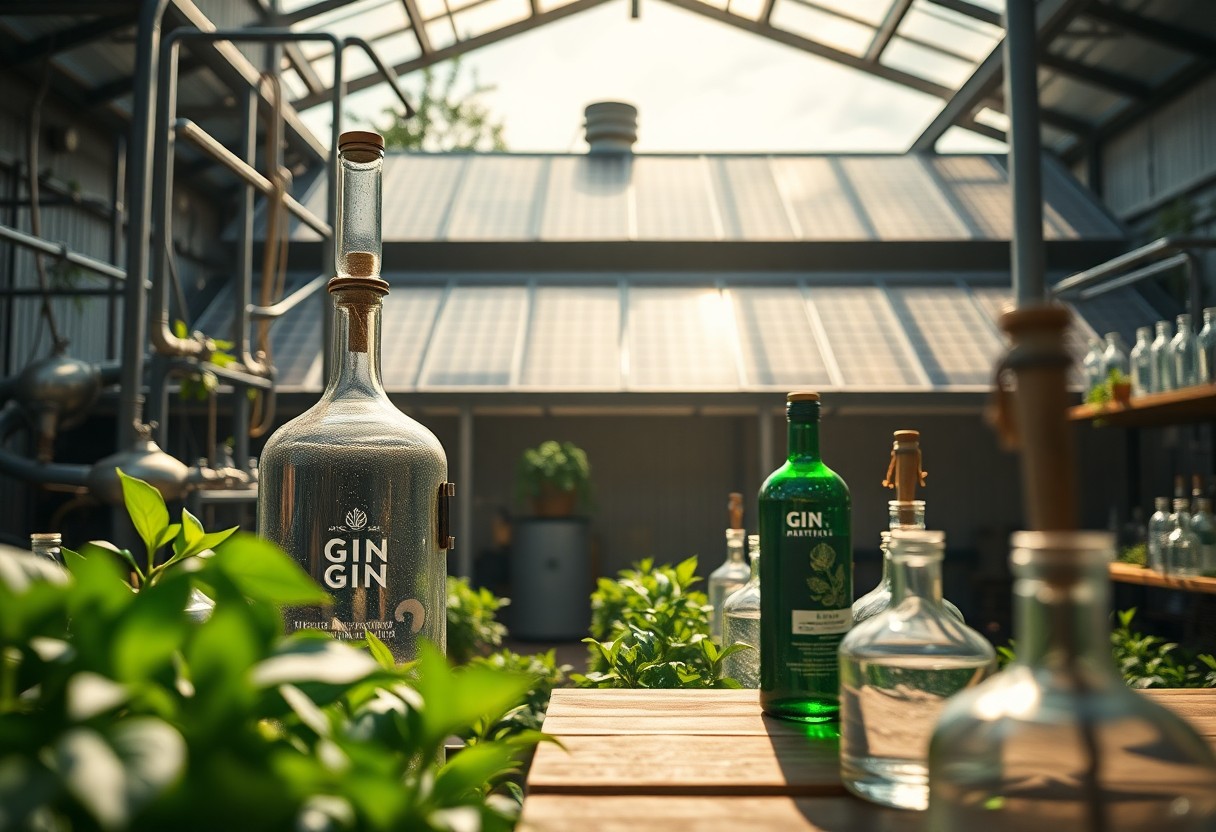
With the rising awareness of environmental issues, you may be curious about how your favorite spirits are crafted—particularly gin. Sustainable gin represents a harmonious blend of tradition and innovation, as distillers adopt eco-friendly practices to reduce their environmental footprint. In this post, you’ll discover how sustainable sourcing, renewable energy, and innovative production methods contribute to a greener gin industry. Join us in exploring the eco-friendly distilling practices that allow you to enjoy your gin responsibly, knowing that your choices support a healthier planet.
The Importance of Sustainability in Distilling
As distillation continues to evolve, the significance of sustainability in this industry cannot be overstated. Implementing eco-friendly practices not only preserves the environment but also aligns with the values of conscious consumers like you. By prioritizing sustainable methods, distillers effectively contribute to a healthier planet while offering high-quality products, engaging you with brands that truly care about their ecological footprint.
Environmental Impact of Traditional Distilling
Across the globe, traditional distilling practices often generate significant waste and consume excessive water and energy. This can lead to detrimental effects on local ecosystems, as pollution from distillation byproducts infiltrates waterways while the demand for natural resources escalates. As a consumer, you have the power to influence these practices by supporting sustainable distilling options that prioritize environmental health and reduce their overall impact.
Consumer Demand for Eco-Friendly Products
Sustainability has become a key factor in consumer purchasing decisions, as more individuals seek products that reflect their values. You are part of a growing movement that prioritizes eco-friendly options, driving distilleries to adopt innovative practices that reduce their environmental footprint. This shift encourages brands to explore sustainable sourcing, greener production methods, and transparent practices that resonate with you and your commitment to the planet.
Consumer interest in eco-friendly products continues to rise, with many individuals actively choosing brands that demonstrate environmental responsibility. This shift not only influences purchasing habits but also inspires distilleries to adopt more sustainable practices, ensuring they appeal to your values. By opting for sustainable gin, you support a market that prioritizes the health of our planet, encouraging further innovation and environmental transparency in the distilling industry.
Sourcing Sustainable Ingredients
Now, as you examine into the world of sustainable gin, it’s crucial to understand the significance of sourcing sustainable ingredients. By carefully selecting botanicals that are grown and harvested responsibly, you not only enhance your gin’s flavor profile but also contribute to environmental conservation. Sustainable sourcing involves considering practices that support organic farming, reduce carbon footprints, and promote biodiversity, all of which play a vital role in the future of distilling.
Organic Botanicals
One way to elevate your gin while prioritizing sustainability is by using organic botanicals. Sourced from farms that utilize organic farming practices, these botanicals are grown without synthetic pesticides or fertilizers. This not only ensures a cleaner, more natural flavor but also promotes healthier ecosystems, helping you craft a spirit that aligns with your values.
Local Sourcing and Biodiversity
Sourcing your ingredients locally can significantly enhance the sustainability of your gin by reducing transportation emissions and supporting regional economies. When you prioritize local botanicals, you also promote biodiversity, as diverse plant varieties can thrive in their native environments. This practice not only enriches your gin’s flavor but fosters a stronger connection between your product and the land it comes from.
Further exploring local sourcing opens new avenues for creativity in your gin-making process. By collaborating with local farmers, you can discover unique flavors that reflect the terroir of your region. This approach not only embodies the essence of sustainability but also invites a deeper appreciation for the environmental impact of your choices. Supporting local agriculture not only strengthens community ties but also contributes to the conservation of native flora and promotes ecological health in your area.
Eco-Friendly Distillation Techniques
If you want to explore sustainable gin production, understanding eco-friendly distillation techniques is imperative. These methods prioritize minimizing environmental impacts while maintaining the quality of the spirit. Distillers are increasingly adopting innovative practices to reduce waste and lower their carbon footprint, ensuring that enjoying gin does not come at the cost of the planet.
Energy Efficiency in the Distillation Process
Between various distillation methods, energy efficiency plays a significant role in reducing the environmental impact of gin production. Techniques such as using modern heat exchange systems and renewable energy sources can optimize energy consumption, resulting in a smaller carbon footprint. With these improvements, you can enjoy your favorite spirit guilt-free, knowing the distillation process is more sustainable.
Water Conservation Strategies
After examining distillation techniques, it’s equally important to consider water conservation strategies in gin production. Water usage in distilleries can be high, but there are sustainable practices to minimize waste and ensure responsible consumption.
Water plays a vital role in gin production, from the base spirits to the final product. By implementing rainwater harvesting, recycling processes, and using advanced filtration systems, distilleries can significantly reduce their water consumption. Greater awareness of water usage, combined with efficient practices, not only minimizes waste but also conserves this precious resource, allowing you to enjoy your gin while supporting sustainable practices that benefit the environment.
Packaging and Waste Reduction
Keep a close eye on the way your favorite gin is packaged. Many distilleries are now prioritizing eco-friendly materials and designs that minimize waste. From recyclable bottles to biodegradable labels, sustainable packaging is key in reducing environmental impact. By choosing brands that embrace these practices, you contribute to a more sustainable future for the spirits industry.
Sustainable Bottling Solutions
One innovative approach to sustainable bottling is the use of lightweight glass and alternative materials, which reduce the carbon footprint associated with transportation. Many distilleries are also exploring refillable bottle programs, allowing you to return your bottles and receive a discount on your next purchase. This not only encourages responsible consumption but also cuts down on single-use waste.
Recycling and Reusability Initiatives
Around the world, gin producers are actively launching initiatives to promote recycling and reusability. These programs encourage customers to return empty bottles for reuse or recycling, creating a circular economy within the industry.
Plus, many distilleries are collaborating with local recycling programs to ensure that their packaging materials are disposed of responsibly. By participating in these initiatives, you play a vital role in promoting sustainability. Supporting brands that prioritize recycling not only helps reduce landfill waste but also sets a standard for future production practices. Your choices can inspire others and contribute to a more eco-friendly spirit industry.
Case Studies of Sustainable Gin Brands
After exploring the landscape of sustainable gin, you might find it fascinating to examine specific brands leading the way. Here are several notable examples demonstrating eco-friendly distilling practices:
- Seedlip: A pioneer in non-alcoholic spirits, their carbon-neutral distillation process uses botanicals sourced from local farms.
- Hendrick’s Gin: Implements sustainable farming practices, employing solar energy and water conservation techniques at their distillery.
- Monkey 47: Focuses on biodynamic agriculture, utilizing wild botanicals in the Black Forest of Germany.
- Brooklyn Gin: Partners with local farmers to source organic ingredients, reducing their carbon footprint.
- Adnams Copper House: The first distillery in the UK to be powered by a biomass boiler, focusing on sustainable energy sources.
Innovative Practices from Leading Distillers
After highlighting these brands, it’s clear that innovative practices are transforming the gin industry. Leaders in the field are adopting techniques such as closed-loop systems, where waste products are reused in production, and using local botanicals to minimize transportation emissions. By embracing technology and resourcefulness, these distillers are enhancing quality while reducing environmental impact.
Success Stories and Industry Impact
To truly appreciate the shift towards sustainability in gin production, you should consider the success stories emerging from these eco-friendly practices. Brands that incorporate these initiatives not only enhance their image but also drive positive change throughout the industry.
With numerous gin brands embracing sustainable distilling methods, we’ve seen a ripple effect across the spirits sector. These success stories promote consumer awareness about eco-friendly choices, encouraging other distillers to adopt sustainable practices. The increased demand for premium, ethically produced spirits is reshaping the industry, fostering a culture of responsibility and innovation that can inspire future generations to make environmentally sound decisions.
Future Trends in Sustainable Distilling
All signs indicate that the future of gin distillation is leaning heavily towards sustainability. As environmental awareness grows, distillers are embracing innovative practices that reduce waste, conserve resources, and promote biodiversity. Expect to see an increase in eco-conscious brands that prioritize ethical sourcing and sustainable ingredients, paving the way for a new era in gin production.
Technological Advances
Above all, technological advances are transforming sustainable distilling practices. Innovations such as energy-efficient distillation equipment and waste-reduction technologies are becoming commonplace, allowing you to enjoy your favorite gin with a smaller environmental footprint. Digital monitoring systems can optimize the distillation process, ensuring minimal resource usage while maintaining high-quality standards.
Shifts in Consumer Behavior
Around the globe, shifts in consumer behavior are driving the demand for sustainable spirits. You may find that conscious consumerism is becoming the norm, with increasing numbers of gin drinkers prioritizing brands that demonstrate a commitment to sustainability. This trend encourages distillers to become more transparent about their practices and ingredients.
Consumer preferences are evolving as more individuals seek out brands that align with their values. You are likely to gravitate towards gins that not only taste exceptional but also contribute positively to the environment. Enhanced labeling that highlights sustainable practices and ingredient sourcing allows you to make informed choices, thereby supporting distillers who prioritize eco-friendly methods. As a result, the gin market is increasingly reflecting a commitment to sustainability, driven by your growing awareness and demand for responsible consumption.
To wrap up
Summing up, as you explore sustainable gin, you gain insight into the innovative eco-friendly distilling practices that not only enhance the quality of your drinks but also contribute to environmental preservation. By choosing brands that prioritize sustainability, you actively participate in creating a more responsible spirits industry. Your choices can encourage distillers to adopt greener practices, fostering a positive impact on local ecosystems and communities. Embrace the movement towards sustainability in gin production, and enjoy a drink that aligns with your values.
Leave a Reply