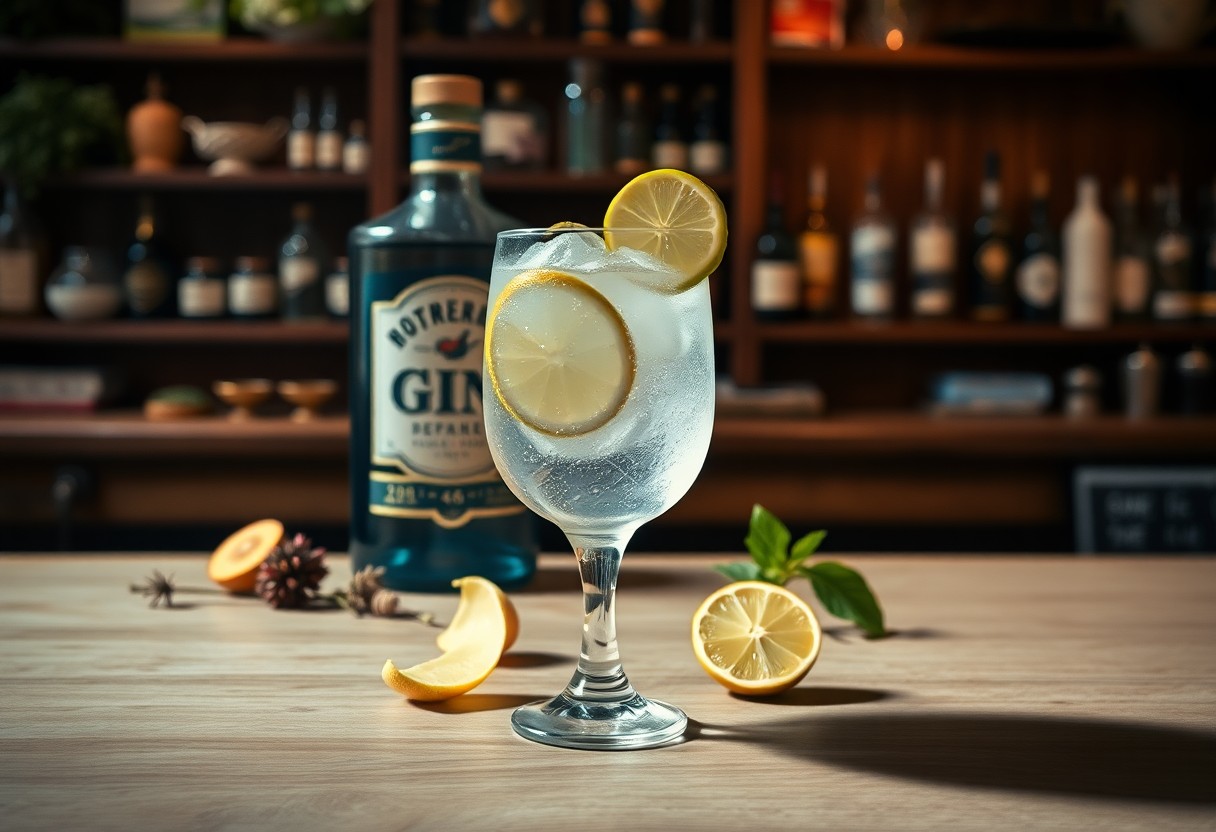
Over the years, gin has emerged as a beloved spirit, fascinating enthusiasts with its unique botanicals and rich history. In this guide, you will discover everything you need to know about gin, from its origins and production process to the various styles and perfect cocktails. Whether you are just beginning to explore the world of gin or looking to deepen your knowledge, this comprehensive overview will equip you with important insights for appreciating and enjoying this timeless spirit to the fullest.
History of Gin
The history of gin is as rich and diverse as the spirit itself, tracing back to the 16th century when it was first produced in the Netherlands. Originally used for medicinal purposes, gin quickly gained popularity in England during the early 18th century, leading to the “Gin Craze,” where its consumption soared. This fascinating timeline showcases the transformation of gin from a simple herbal remedy to one of the most celebrated spirits in the world today.
Origins and Evolution
The origins of gin can be linked to the Dutch spirit, genever, which combined malt and juniper berries. As the spirit made its way to England in the early 17th century, it underwent significant evolution, becoming the clear, juniper-forward drink you know today. The evolution of gin has resulted in various styles, including London Dry and Old Tom, each with its unique taste profile that caters to diverse preferences.
Cultural Significance
At the heart of gin’s appeal is its cultural significance, as it has woven itself into the social fabric of numerous societies. From classic gin cocktails that have defined mixology to a burgeoning craft gin movement, this spirit has inspired camaraderie and creativity across generations. Furthermore, gin has played a role in various historical events, illustrating its influence on society and leisure.
Further, gin has become synonymous with celebration and relaxation, often enjoyed in social settings. Its presence in iconic drinks like the gin and tonic signifies not just refreshment, but also a gathering place for friends and family. You can find gin festivals and tastings that celebrate artistry and innovation, showcasing new distillation techniques and botanicals. This cultural significance celebrates community, creativity, and enjoyment, solidifying gin’s status as a timeless spirit in your bar or home.
Types of Gin
Clearly, gin falls into various categories, each offering a unique flavor profile and drinking experience. Below are the main types of gin you’ll likely encounter:
- London Dry Gin
- Old Tom Gin
- Genever
- New Western or Contemporary Gin
- Sloe Gin
Knowing the differences between these types will enhance your appreciation and help you select the right gin for your taste and cocktail preferences.
| London Dry Gin | Classic gin style with a robust juniper flavor and no added sweetness. |
| Old Tom Gin | A slightly sweeter gin, often used in classic cocktails. |
| Genever | A malty, smoother spirit that is the predecessor to modern gin. |
| New Western Gin | Focuses on botanical flavors beyond juniper, making it unique. |
| Sloe Gin | Flavored gin made from sloe berries, often sweet and fruity. |
London Dry Gin
By choosing London Dry Gin, you opt for a spirit renowned for its crisp and clean taste, predominantly flavored with juniper berries. This style is appreciated for its lack of artificial flavorings and sweeteners, making it an ideal base for classic cocktails like the Gin and Tonic or the Martini. You’ll find that its balanced profile emphasizes the botanicals, offering a refreshing experience in each sip.
Old Tom and Genever
Against the backdrop of modern gin, Old Tom and Genever stand out with their rich histories and distinct flavors. Old Tom gin is a sweeter style that gained popularity in the 18th century, making it a perfect choice for various classic cocktails. Genever, hailing from the Netherlands, features a malty base and is often richer and more complex compared to other types. Both styles are key players in the evolution of gin and offer a wonderful contrast to today’s drier varieties.
Even though Old Tom and Genever have fallen out of favor relative to their drier counterparts, they are worth exploring. Old Tom is typically sweeter and produces a smooth yet flavorful profile, making it excellent in cocktails that require a hint of sweetness. Genever, characterized by its maltiness, can range from young and approachable to aged and complex, offering a taste of gin’s historical roots. By experimenting with these unique styles, you open yourself to a richer palette of flavors and experiences within the fascinating world of gin.
Production Process
Assuming you’re keen to understand gin, it’s crucial to probe into the intricate production process. Gin begins as a neutral spirit, derived primarily from grain or malt, which is then flavored with botanicals, primarily juniper berries. The art of gin-making combines traditional practices with modern techniques, ensuring that each batch is unique. You’ll find that every distillery has its own signature recipes, which can lead to a diverse range of flavor profiles, from aromatic and floral to spiced and herbal.
Ingredients Used
Against popular belief, the key ingredient in gin is not just the juniper but also a variety of botanicals that add depth and complexity. Commonly used ingredients include coriander, angelica root, and citrus peels, but some distillers get creative with local herbs and spices, resulting in distinctive flavors. This variety allows you to select gins that suit your personal palate, whether you prefer the fresh zing of citrus or the grounding taste of earthy botanicals.
Distillation Methods
Below the surface, the distillation method plays a significant role in the final product’s character. Different techniques such as pot still distillation or column still distillation offer varying results. Pot still distillation is favored by craft distillers for its ability to retain robust flavors, while column still distillation often leads to a cleaner spirit suitable for mass production.
For instance, pot stills allow for the infusion of botanicals during the initial distillation, enhancing the spirit’s aromatic qualities. In contrast, column stills can efficiently produce high-proof spirits, ideal for large-scale gin brands. The choice of distillation method will depend on the desired flavor profile; therefore, paying attention to how your gin was produced can elevate your tasting experience.
Flavor Profiles
Your exploration of gin wouldn’t be complete without acknowledging its diverse flavor profiles. Ranging from the traditional juniper-forward taste to more modern interpretations that highlight various botanicals, each gin offers a unique experience. These profiles can be influenced by distillation methods, the quality of botanicals used, and even the region it hails from. As you research into gin tasting, you’ll discover a wide array of flavors, from floral and citrusy to earthy and spicy, making gin an incredibly versatile spirit for cocktails and sipping alike.
Botanical Influences
About the fascinating world of botanicals, these ingredients form the bedrock of gin’s flavor. While juniper berries are the primary botanical, gins can incorporate a myriad of other elements, including coriander, angelica root, citrus peels, and even exotic spices. Each botanical contributes its unique characteristics, creating a harmonious blend that defines the gin’s personality. By experimenting with different gins, you can uncover how these botanical influences shape not only the aroma but also the taste experience you enjoy in your drink.
Tasting Notes
Influences from the diverse botanicals used in production come alive during a tasting session. You might encounter bright citrus notes, fragrant herbs, or even hints of spice on the palate. This complexity not only highlights the craftsmanship behind each bottle but also invites you to appreciate the subtle differences as you sip. As you identify and savor these tasting notes, you’ll gain a deeper understanding of how the various botanicals work together to create the signature flavor of your chosen gin.
In fact, tasting notes can vary so widely that they often lead to exciting discussions among gin enthusiasts. For example, a sip might reveal zesty lemon followed by a whisper of rosemary, or a bold expression of cardamom backed by sweeter floral nuances. Keeping a tasting journal can help you articulate these experiences and fine-tune your palate, enabling you to discover your preferences and recommend gins that might cater to your tastes. Engaging with these notes elevates your overall gin experience, allowing you to savor every flavorful detail.
Popular Cocktails
Unlike many spirits, gin’s versatility shines through in its myriad of cocktails. From timeless classics to contemporary concoctions, gin can elevate any gathering. Whether you prefer the refreshing notes of a gin and tonic or the elegant bitterness of a Negroni, there’s a gin cocktail that suits every palate and occasion.
Classic Gin Cocktails
Classic gin cocktails have endured the test of time, showcasing the spirit’s botanical complexities. Iconic drinks such as the Martini and the Gimlet highlight gin’s crisp character and are foundational recipes you should master. These cocktails not only offer a glimpse into gin’s rich history but also serve as the perfect introduction for any budding mixologist.
Modern Mixology
Any enthusiast venturing into modern mixology will find that gin is at the forefront of innovative cocktail creation. Bartenders today blend unexpected ingredients with traditional gin to create exciting new flavor profiles. From herb-infused syrups to artisanal tonic waters and unique garnishes, modern mixology invites you to experiment and discover your own signature gin cocktail.
Considering the rise of craft cocktails, it’s worth exploring how bartenders are reimagining gin. Many are incorporating unexpected ingredients, such as spicy peppers or seasonal fruits, allowing you to experience gin in completely new ways. By embracing modern mixology techniques, you can craft cocktails that not only delight the palate but also showcase your creativity as a mixologist.
Health Aspects
After enjoying a gin cocktail, you might wonder about its impact on your health. While gin can be part of a balanced lifestyle, moderation is key. This spirit is low in calories compared to many other alcoholic beverages, and when consumed responsibly, it can complement social gatherings without excessive calorie consumption or sugar intake.
Nutritional Information
To understand gin better, it’s important to know its nutritional content. A standard serving of gin (1.5 ounces) typically contains around 97 calories and negligible fats, carbohydrates, or sugars. It also has no vitamins or minerals, so while it may be enjoyable, it offers little nutritional benefit.
Responsible Consumption
Along with enjoying gin, maintaining responsible consumption habits is imperative. Pacing yourself, staying hydrated, and knowing your limits can help you savor your drink while minimizing negative effects on your health and well-being.
Considering the impact of alcohol on your body, aim to drink water between cocktails and set a limit for your intake. Understanding your personal tolerance and planning your drinking environment can enhance your experience and ensure you enjoy the sociability and flavors of gin without overindulging. Prioritizing your health allows you to appreciate this beloved spirit fully.
Conclusion
Conclusively, understanding gin can greatly enhance your appreciation of this timeless spirit. From its rich history and diverse botanicals to the various styles and serving methods, you now have the foundational knowledge to explore and enjoy gin to its fullest. Whether you’re mixing classic cocktails or savoring it neat, your newfound insights will elevate your drinking experience. Embrace the versatility of gin, and enjoy discovering how it fits into your own taste preferences and social occasions.
Leave a Reply