
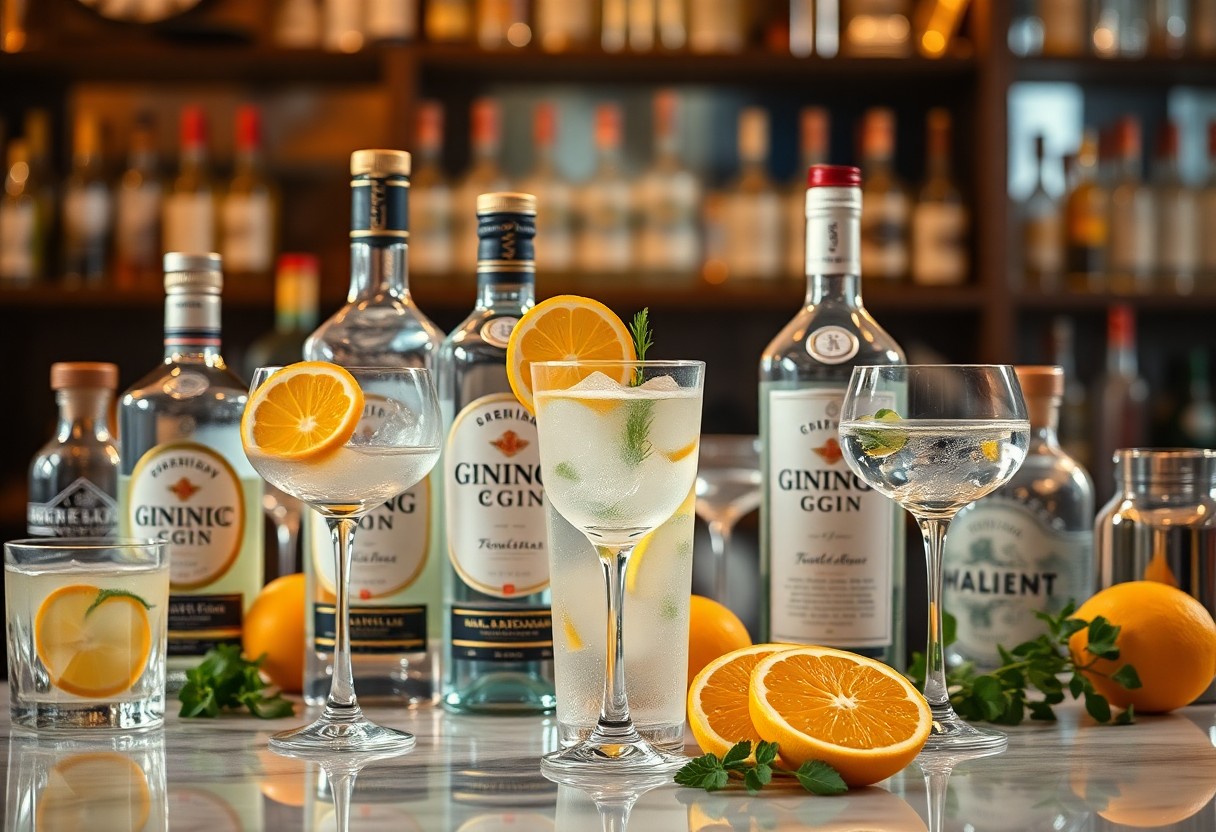
Many gin enthusiasts seek to perfect the art of crafting a traditional British gin and tonic, a classic drink that has stood the test of time. In this guide, you will discover the vital components, techniques, and tips to elevate your G&T experience. From selecting the right gin to garnishing with the finest botanicals, you’ll learn how to create a refreshing drink that honors this beloved staple. Get ready to impress your friends and elevate your cocktail game with your newfound knowledge!
Understanding British Gin
While gin has gained global popularity, its roots are deeply embedded in British culture. You should know that British gin is not just a spirit; it represents a tradition that spans centuries. Its primary botanical, juniper, gives gin its distinctive flavor, setting it apart from other spirits. With a range of flavor profiles and distillation methods, you can explore a world of gin that suits your taste preferences perfectly.
History and Origins
While the exact origins of gin can be debated, its early connections to Britain trace back to the 17th century. Initially used for medicinal purposes, gin quickly became a popular recreational drink among the masses, notably during the Gin Craze of the early 18th century. As you explore into its history, you’ll discover how gin has shaped British society and the craft distilling industry over the decades.
Types of Gin
While exploring the different types of gin, you will encounter a variety of styles, each with its own unique characteristics. Distillation methods, flavoring techniques, and regional ingredients all contribute to the diversity of gin. Here are some common types:
| Type of Gin | Description |
| London Dry Gin | Known for its crisp and aromatic profile. |
| Plymouth Gin | A slightly sweeter style with a rich heritage. |
| Old Tom Gin | A sweetened version from the 18th century. |
| Sloe Gin | A fruit gin made with sloe berries. |
| Navy Strength Gin | High-proof gin traditionally used by sailors. |
- London Dry Gin is the most common type for cocktails.
- Plymouth Gin is geographically protected, offering unique flavors.
- Old Tom Gin brings a history of sweetness to your drinks.
- Sloe Gin can be enjoyed neat or in cocktails for a berry twist.
- Perceiving the subtle distinctions between these types can enhance your gin experience.
It is crucial to understand the various types of gin to fully appreciate their nuances. By familiarizing yourself with these categories, you will enhance your gin selection for cocktails or sipping. Here’s a deeper look at the distinctions:
| Style | Main Characteristics |
| Aromatic | Heavy on scents and botanicals. |
| Citrusy | Prominent lemon and lime notes. |
| Herbal | Includes various herbs in the profile. |
| Spicy | Infused with spices for a warm taste. |
| Perceiving | the complexity of gin encourages creativity in your mixology. |
- Aromatic gin often pairs well with herbal tonic waters.
- Citrusy gins work great in fresh summer cocktails.
- Herbal gins can elevate classic cocktails with their depth.
- Spicy gins add warmth to your favorite gin mixes.
- Perceiving these flavors can inspire your cocktail crafting adventures.
Essential Ingredients for the Perfect G&T
Some of the key components that elevate your gin and tonic experience include the right gin, premium tonic water, and fresh garnishes. Selecting these ingredients carefully will ensure that every sip of your G&T is refreshing and full of flavor. Prioritize quality and taste over price, and you will find the perfect balance that defines this classic British beverage.
Choosing the Right Gin
Assuming you want to create a well-rounded G&T, your choice of gin plays an crucial role in achieving the desired flavor profile. From London dry gins with their bold juniper flavors to sweeter variations, consider what particular characteristics you enjoy most. Sample a few different brands to find one that resonates with your palate, and don’t hesitate to experiment with craft distilleries for unique options.
Selecting Tonic Water
For the ideal G&T, the type of tonic water you choose can significantly impact the overall taste. Quality tonic water complements the botanicals in your gin, enhancing its flavors. Look for tonics that use real ingredients, such as natural sugars or quinine sourced from the best regions, as these will provide a crisp and delightful finish.
With a growing array of tonic waters available, it’s worth exploring different brands and flavor profiles to discover what pairs best with your chosen gin. Many artisanal options now boast added botanicals, which can harmonize beautifully with your gin’s distinct notes. It’s about finding the right balance; a well-crafted tonic will elevate your drink, making it crisp and refreshing, rather than overpowering the delicate flavors of the gin.
Mastering the Perfect Ratio
Even slight variations in the ratio of gin to tonic can significantly impact the overall flavor profile of your drink. Finding the perfect balance ensures that the botanicals in your gin shine without overwhelming the refreshing qualities of the tonic. Strive for a harmonious combination that enhances your experience, allowing you to savour each sip of this classic beverage.
Classic Ratios Explained
Clearly, the traditional gin and tonic ratio is typically 1:3, meaning one part gin to three parts tonic. This classic combination allows the crispness of the tonic to complement the gin’s botanical flavors beautifully. However, variations like 1:2 or even 1:4 can highlight different aspects of the drink, depending on the type of gin and tonic used.
Personalizing Your Mix
With your taste preferences in mind, you can easily customize your gin and tonic to create a unique beverage experience. Adjusting the gin-to-tonic ratio according to the botanicals in your chosen gin will enhance specific flavors, allowing you to tailor the drink to your liking.
Personalizing your gin and tonic can take you on a delightful journey of flavor exploration. You might prefer a more robust drink with a 1:2 ratio if you enjoy a stronger gin flavor, while a lighter touch can be achieved with a 1:4 mix. Additionally, experimenting with various tonics—ranging from classic to flavored options—and adding garnishes, such as herbs or fruits, can elevate your drink to new heights. Make it your own and enjoy the process of discovering your ideal gin and tonic combination.
Enhancing Flavor with Garnishes
Now that you’ve mastered the basics of crafting a classic gin and tonic, it’s time to elevate your drink with the right garnishes. Using fresh ingredients can not only enhance the visual appeal of your cocktail but also add depth and complexity to its flavor profile. Thoughtfully chosen garnishes can turn a simple beverage into a sophisticated experience, enticing your taste buds with intriguing aromas and tastes.
Traditional Garnishes
Flavor plays an imperative role in the gin and tonic experience, especially when it comes to traditional garnishes. Lemon and lime wedges are the classic choices, but you might also consider adding a sprig of mint or a slice of cucumber. These time-honored options complement the botanicals in gin beautifully and offer a refreshing balance that enhances your drink without overpowering it.
Creative Garnish Ideas
Assuming you want to explore new dimensions of flavor, consider incorporating more adventurous garnishes into your gin and tonic. Think about using fresh herbs like basil or thyme, fruits like berries or grapefruit, and even spices such as black pepper or cardamom. These unique ingredients can create delightful contrasts and harmonies that will surprise your palate.
This exploration of creative garnishes allows you to personalize your gin and tonic experience. Combining various flavors opens up a world of potential, where experimenting with combinations can lead to a truly outstanding cocktail. Try muddling herbs or infusing your tonic water with fruits beforehand for a unique twist that’ll surely impress your guests. The key is to balance the flavors while staying true to your gin’s personality, creating a drink that is uniquely yours.
Tips for Serving
Many enthusiasts overlook the details when serving a gin and tonic. However, here are some tips to elevate your presentation:
- Use fresh garnishes to enhance flavor and visual appeal.
- Choose the right tonic water for a balanced blend.
- Experiment with various gins to find your favorite flavor profile.
- Ensure you have an appropriate ice-to-gin ratio for optimal dilution.
Assume that your attention to these details will elevate your gin and tonic experience.
Glassware Choices
There’s a world of difference in presentation depending on your choice of glassware. For a classic gin and tonic, consider using a highball glass or a copa de balon for an elegant touch. The shape of the glass can enhance the aromas and help you appreciate the drink’s complexity.
Temperature and Presentation
For the best gin and tonic experience, temperature plays a pivotal role. The table below provides helpful insights:
Temperature Guidelines
| Element | Ideal Temperature |
|---|---|
| Gin | Chilled to around 0-4°C (32-39°F) |
| Tonic Water | Chilled to around 4-6°C (39-43°F) |
| Glassware | Chilled or at room temperature (depends on preference) |
For instance, serving your gin and tonic at the right temperature will enhance your drink’s taste and refreshment. Consider the table below for additional temperature insights:
Extended Temperature Tips
| Tip | Detail |
|---|---|
| Use Ice | Fill your glass with ice to chill the contents rapidly. |
| Pre-chill Ingredients | Store gin and tonic in the fridge prior to serving. |
| Layering Ingredients | Add tonic gently after gin to retain bubbles. |
Factors Influencing Flavor Profiles
Despite the simplicity of a gin and tonic, various factors influence its flavor profile, allowing for an endless array of combinations. These include:
- The type of gin used
- The choice of tonic water
- Fresh garnishes
- The ice quality and quantity
Thou shalt discover that your choice in these elements will shape your gin and tonic experience like no other.
Botanical Variations
Even the botanicals in your gin play a significant role in the flavor profile. Gins can showcase a variety of botanicals, ranging from juniper to spices, herbs, and even floral notes, all of which create a unique taste experience. By exploring different brands, you can personalize your gin and tonic to suit your palate.
Regional Influences
Now, various regions have distinct styles of gin that reflect local ingredients, traditions, and distillation methods, enhancing the flavor journey of your drink. These regional nuances often lead you to discover unique combinations of botanicals that resonate with specific cultural influences.
Another enriching aspect of regional influences is the diversity of gin produced worldwide. For instance, London Dry gin offers a classic flavor, while New Western gins may feature an experimentation of flavors, like cucumber or citrus. You’ll often find that the tonic waters, too, may vary regionally, sometimes integrating local ingredients for an even deeper connection to the locale in which your drink is crafted. Embracing these regional aspects can elevate your gin and tonic experience to celebrate not only the spirit itself but also the culture behind it.
To wrap up
The mastery of traditional British gin and tonic recipes elevates your cocktail-making skills and allows you to appreciate this classic drink in its full glory. By understanding the key components, from selecting high-quality gin to choosing the perfect garnishes, you can create personalized variations that reflect your taste. Embrace the art of mixing and enjoy sharing your creations with friends or savoring a moment of relaxation on your own. With these timeless techniques, your gin and tonic experience will never be the same.
Leave a Reply