
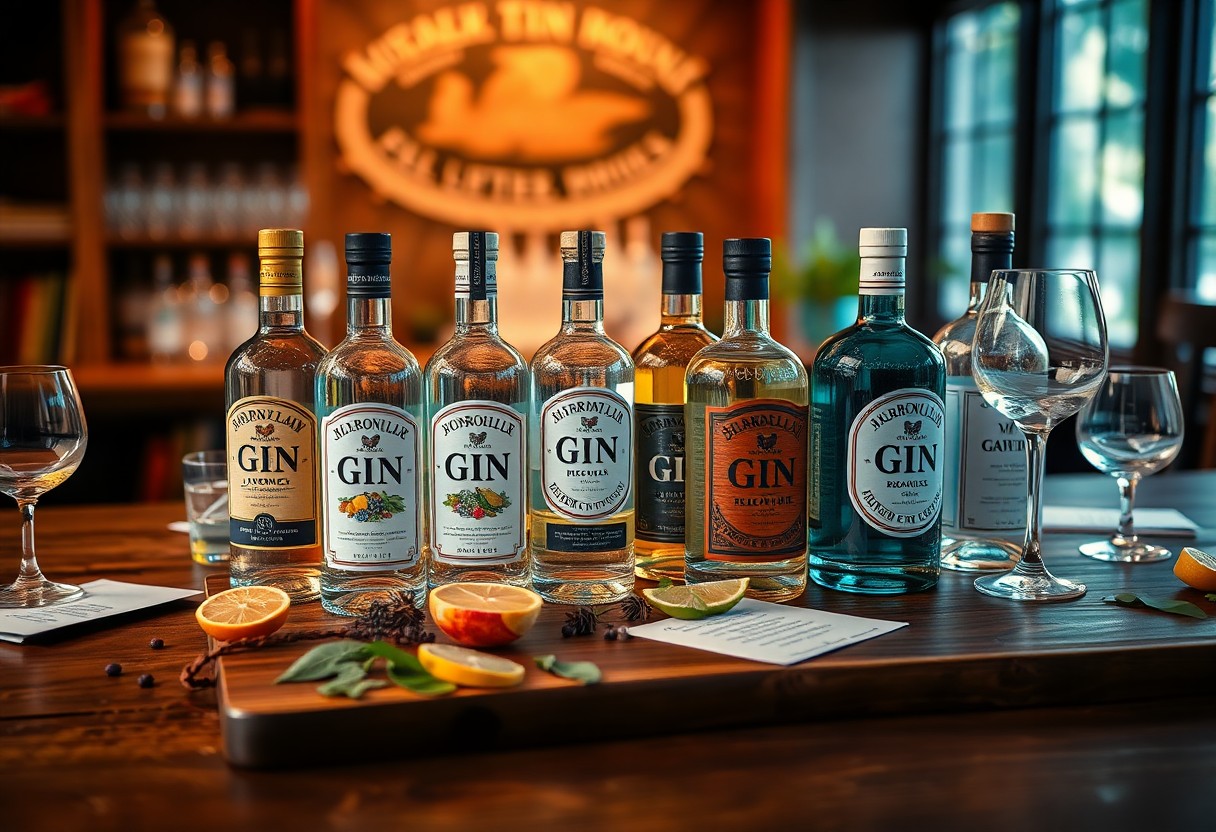
You are about to commence on a delightful journey through the diverse and complex world of gin flavor profiles. Understanding the various botanicals and tasting notes in gin can elevate your cocktail experience and enhance your appreciation for this beloved spirit. In this guide, you will learn the fundamental aspects of gin tasting, from identifying different flavors to making your own comparisons. So, get ready to explore the captivating essence of gin and discover how to fully enjoy its unique characteristics.
Understanding Gin: An Overview
While gin has experienced a remarkable resurgence in recent years, it remains a category of spirits that often baffles newcomers. With a rich history and diverse flavor profiles, understanding gin can greatly enhance your appreciation for this versatile spirit. By familiarizing yourself with the basics, you’ll be well on your way to exploring the various gins available in the market and discovering your personal favorites.
What is Gin?
Now, let’s define gin. Gin is a distilled spirit that derives its predominant flavor from juniper berries, along with a range of botanicals. Originally developed in the 11th century, this aromatic spirit has evolved into numerous styles, including London Dry, Old Tom, and Plymouth, each offering unique tasting notes and characteristics that can enhance any cocktail or sip-to-savor experience.
Key Distillation Processes
Even if you’re new to gin, grasping the key distillation processes can elevate your understanding of its flavors. Distillation is the process that separates alcohol from the fermented mash and infuses it with botanicals. The two primary methods used are pot still distillation and column still distillation, each resulting in different qualities of gin.
Understanding the distillation processes is necessary to appreciating the intricacies of gin. Pot still distillation provides a more artisanal approach, allowing for greater retention of flavors, while column still distillation enables large-scale production and a clean, neutral spirit. Additionally, the specific botanicals and their infusion timing, whether distilled “with” or “after” the alcohol, significantly influence the final flavor profile, making each gin unique in taste and aroma.
Factors Influencing Gin Flavor Profiles
If you want to examine deeper into gin’s flavor, it’s imperative to understand the various factors that shape its profile. These include:
- The type of botanicals used
- The distillation method
- The base spirit quality
- Flavor infusion techniques
- Region of production
Perceiving these elements will enhance your appreciation of gin’s complexity.
Types of Botanicals
One key aspect of gin is the botanicals, which define its unique characteristics. Common botanicals include:
- Juniper berries
- Coriander seeds
- Citrus peels
- Cardamom
- Angelica root
The combination of these botanicals creates a diverse range of flavors.
| Botanical | Flavor Profile |
| Juniper Berries | Piney, resinous notes |
| Coriander Seeds | Spicy, citrus undertones |
| Citrus Peels | Bright, zesty flavors |
| Cardamom | Warm, herbal elements |
| Angelica Root | Earthy, aromatic qualities |
Base Spirit Characteristics
Botanicals play a significant role, but the base spirit also influences the flavor. The base is typically made from grains, malt, or sugarcane, impacting the smoothness and mouthfeel of the gin.
Characteristics like alcohol concentration, sweetness, and any residual flavors from the distillation process will shape your overall tasting experience. A high-quality base spirit contributes to a cleaner taste, allowing the botanicals to shine. Consider how the base spirit interacts with the botanicals when exploring different gin varieties, as this synergy contributes to the intricacy of each gin you taste.
How to Taste Gin Like a Pro
One of the best ways to deepen your appreciation for gin is to adopt a professional approach to tasting. Starting with the right mindset, focus on engaging your senses—sight, smell, and taste. Take your time with each sip, allowing the gin to unfold its complexities. Cleanse your palate between different samples to ensure you can identify the unique flavors in each gin. With a little practice, you will enhance your understanding of this diverse spirit.
Proper Tasting Techniques
Proper tasting techniques begin by selecting a clean glass that showcases the gin’s color. Swirl the liquid gently to observe its legs and clarity. Take a moment to inhale the aroma, letting the various scents reveal themselves. Then, take a small sip, letting it coat your tongue and appreciating the texture before swallowing. This process allows you to appreciate not just the flavor but also the body and finish of the gin.
Identifying Flavor Notes
Some flavors in gin can be quite pronounced, while others may linger subtly. Pay attention to the layers of taste as you sip, noting the botanical ingredients that create your drink’s signature character. Often, you can detect citrus, spices, or herbal notes, each contributing to the overall profile. With practice, you will become more adept at distinguishing these flavors and enhancing your gin-tasting experience.
Identifying flavor notes in gin sets the stage for a rich tasting experience. Focus on the initial taste upon your palate, as this can indicate key botanicals like juniper, coriander, or citrus. As the gin develops, take note of the mid-palate flavors that might include floral hints or spices, and finally, consider the finish—whether it’s crisp, smooth, or lingering. By training your palate to recognize these elements, you can learn to appreciate the artistry behind each gin, elevating your tasting skills significantly.
Tips for Pairing Gin with Food
All gin lovers can elevate their tasting experience by thoughtfully pairing gin with food. Try these tips to create the perfect matches:
- Consider the gin’s botanicals.
- Seek balance between the food and gin’s flavor intensity.
- Experiment with different textures.
- Don’t hesitate to explore regional pairings.
Assume that the right pairing can enhance both your gin and the meal, unlocking new taste experiences.
Complementary Flavors
Pairing gin with food involves selecting dishes that highlight the gin’s botanicals. For example, a floral gin can shine when served alongside citrus-based dishes or light salads, while a spicier gin pairs well with rich, savory foods. Explore these interactions to discover new flavor dimensions.
Popular Pairing Choices
To make the most of your gin experience, consider popular pairing choices that have proven successful. Classic combinations include gin with seafood, citrus-infused dishes, and herbaceous appetizers, all of which complement gin’s botanical profile.
Plus, you can explore artisanal cheese and charcuterie boards, which often harmonize beautifully with gin’s diverse flavors. This approach not only enriches your palate but also encourages experimentation with various ingredients, leading to delightful surprises in flavor. Don’t hesitate to try different combinations, as your preferences may lead you to unexpected favorites!
Exploring Gin Cocktails
To truly appreciate the diverse flavor profiles of gin, it’s vital to research into the world of gin cocktails. Each cocktail presents an opportunity to highlight the unique botanical ingredients, allowing you to discover how they blend and complement one another. From timeless classics to inventive creations, exploring gin cocktails can enhance your understanding of this versatile spirit and expand your palate.
Classic Gin Cocktails
There’s a reason classic gin cocktails like the Martini, Negroni, and Gimlet have stood the test of time. Their simplicity and balance showcase gin at its finest, allowing the subtleties of the botanicals to shine through. By mastering these drinks, you build a solid foundation for your gin cocktail journey.
Innovative Gin Mixology
Any exploration of gin cocktails isn’t complete without experimenting with innovative mixology techniques. Creative bartenders are continually pushing the boundaries, infusing gins with unexpected flavors or using unusual ingredients to craft unique beverages that surprise and delight.
Exploring innovative gin mixology opens doors to endless possibilities, allowing you to create refreshing, contemporary cocktails that elevate your home bar experience. Experiment with fresh herbs, seasonal fruits, and unconventional mixers to elevate classic recipes or invent your own beverages. By thinking outside the box, you can refine your mixology skills while discovering flavor combinations that suit your personal taste preferences.
Building Your Gin Collection
Now that you’ve taken the first steps into the world of gin, it’s time to build your personal gin collection. Start by exploring various styles and flavors, which will not only enhance your palate but also give you a great foundation for mixing cocktails. Consider the balance between classic and innovative gins, as a diverse collection will allow you to experience the wide range of what gin can offer.
Essential Bottles to Start With
Clearly, there are several standout gins that should be a part of your initial collection. Look for classic London Dry gins like Tanqueray or Beefeater, which embody the traditional gin character. You may also want to include a few modern options such as Hendrick’s, known for its infusion of cucumber and rose. These vital bottles will provide a solid base for understanding different flavor profiles.
Sourcing Unique Gins
Bottles of unique gins can elevate your collection and offer exciting flavor variations. Exploring local distilleries is a great way to find one-of-a-kind options, as many craft producers experiment with botanicals unique to their region. Additionally, keep an eye out for seasonal or limited editions that highlight innovative ingredients and techniques. This approach will not only enhance your collection but also provide memorable tasting experiences.
Unique gins often reflect the creativity of their distillers, showcasing botanicals and flavors that you won’t find in mainstream offerings. Consider attending gin festivals or tasting events, where you can sample and purchase rare bottles directly from producers. You can also explore specialty liquor stores and online retailers that focus on craft spirits. Each unique acquisition will add depth to your collection, making your exploration of gin even more rewarding.
Conclusion
With this in mind, you can confidently launch on your journey to explore gin flavor profiles. By understanding the basic components and techniques for tasting gin, you can enhance your appreciation for this versatile spirit. Experiment with different brands, botanicals, and cocktails to discover your personal preferences. Engage in discussions with fellow enthusiasts and broaden your knowledge. The world of gin is vast, and your exploration will not only deepen your palate but also enrich your overall drinking experience.
Leave a Reply