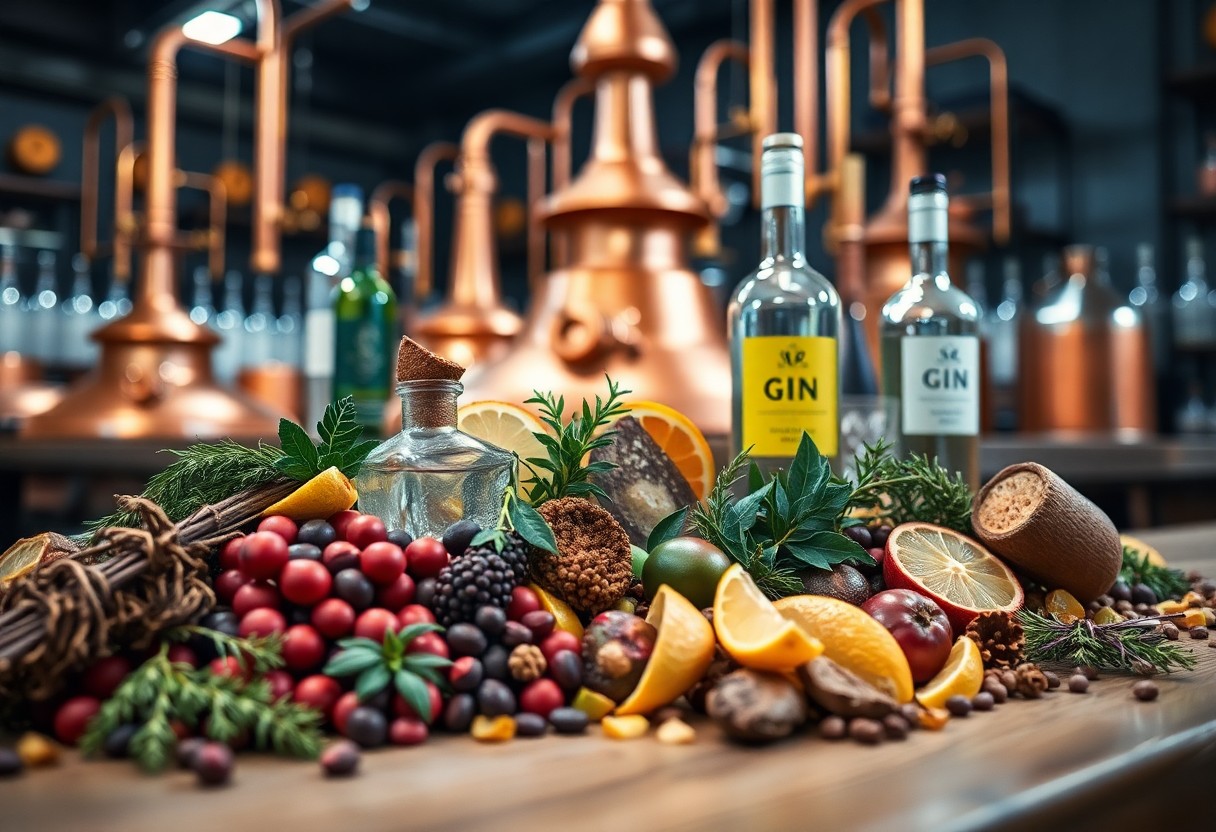
You might be surprised to learn that the concept of terroir, commonly associated with wine, also extends to the world of gin. The unique environmental factors, such as soil composition, climate, and even local flora, can significantly shape the botanicals used in your gin, ultimately influencing its taste profile. As you explore different gins, understanding the origin of these botanicals can enhance your appreciation for the complex flavors in your favorite spirits. Join us as we explore into how terroir plays a vital role in crafting unique gin experiences.
Understanding Terroir
For gin enthusiasts, the term “terroir” extends beyond wine to encompass the complex interplay of environmental factors influencing the flavor of botanicals. This concept suggests that the specific geographic location, climate, and soil conditions impact the taste profiles of the ingredients used in your gin, leading to unique expressions from distillery to distillery. By recognizing terroir, you can deepen your appreciation for the intricacies that define your favorite spirits.
Definition of Terroir
Any discussion about terroir begins with the acknowledgment that it refers to the unique characteristics of a specific environment that influence the growth and flavor of plants. In the context of gin production, these factors include the geographical area, climate variations, and soil types that affect the botanicals used in distillation. Understanding terroir helps you appreciate the nuances in flavor and aroma that come from these environmental specifics.
Components of Terroir
Definition of terroir encompasses a variety of components that play a pivotal role in shaping the flavors of botanicals. These components primarily include geography, climate, soil composition, and cultivation practices. Each factor contributes uniquely to the sensory attributes of the plants, enhancing flavors, aromas, and characteristics distinct to their growth environment.
Also, exploring the components of terroir offers insight into how specific climates can yield botanicals with varying degrees of sweetness, bitterness, or aromatic complexity. For example, a warm, sunny climate may produce juniper berries that are richer and more aromatic, whereas cooler conditions might result in more subdued flavors. Soil quality also cannot be overlooked; the mineral content can infuse the plants with distinctive qualities that ultimately affect the final gin profile, providing you with a more layered tasting experience.
The Role of Botanicals in Gin
Now, when you think of gin, the first thing that likely comes to mind is its diverse and aromatic flavor profile. The various botanicals used in crafting gin not only define its character but also exemplify the art of gin-making. Each botanical contributes unique aromas and flavors, allowing for endless combinations, ultimately enhancing your tasting experience. It’s this intricate balance that makes gin a versatile spirit, appealing to a wide range of palates.
Common Botanicals Used in Gin
Used in gin production are a variety of botanicals, with juniper berries being the most imperative. Alongside juniper, common additions include coriander, angelica root, citrus peels, and various herbs and spices. Each botanical brings distinct flavors and aromas, shaping the final product into something truly unique. As you explore different gins, you’ll notice how these botanicals create a tapestry of flavors that can range from floral and fruity to earthy and spicy.
Influence of Botanical Selection
Around the world, the selection of botanicals significantly impacts the overall flavor profile of gin. Distillers often experiment with local ingredients, resulting in a product that reflects the spirit of its origin. This means that, as you sample gins from different regions, you may find variations that highlight the unique characteristics of the botanicals used. The result is a diverse array of gins that not only taste different but also tell a story of their terroir.
Common examples include gins made with locally sourced botanicals that infuse a sense of place, whether it’s fresh herbs from a Mediterranean garden or spices from an Asian market. By choosing particular botanicals, distillers craft flavors that resonate with the landscape and culture of their region, allowing you to experience a taste of the local terroir in your gin. This connection between the land and the distillation process enriches your tasting experience, making each sip an exploration of its origins.
Regional Influences on Botanical Characteristics
The origin of botanicals plays a significant role in shaping the flavor and aroma profiles of your gin. Various regions boast unique flora, which can imbue their gin with distinctive characteristics that reflect local environmental conditions and agricultural practices. Each botanical’s specific traits will be enhanced or muted depending on where they are sourced, leading to an array of possibilities for flavor exploration in your gin experience.
Climate and Soil Effects
The climate influences not only the growth patterns of your botanicals but also their chemical compositions. Different temperatures, humidity levels, and soil types create distinct growing conditions, resulting in variations in flavor intensity and aromatic qualities. For example, herbs grown in nutrient-rich, well-drained soils often exhibit more robust flavors, while those from harsher environments may develop a more subdued taste, adding complexity to your gin.
Local Distillation Practices
Across different regions, distillation methods can impact the final character of your gin, leading to unique flavor profiles. Each distillery may employ distinctive practices, such as pot distillation or column distillation, which influence how the botanicals’ flavors are extracted and blended into the spirit.
Even minimal variations in local distillation techniques can lead to substantial differences in your gin’s overall taste. For instance, some distillers may choose to macerate botanicals for extended periods, which can enhance the extraction of flavors, while others might opt for a vacuum distillation process to preserve delicate aromatic compounds. These local practices not only define the character of your gin but also contribute to the spirit’s story, making each bottle a reflection of its surroundings.
Taste Profile Variations
Keep in mind that the taste profile of gin can greatly vary based on the botanicals used and their sources. Different regions produce unique flavors, influenced by the soil, climate, and growing conditions. By exploring these variances, you can deepen your understanding of gin and find your perfect match.
Comparing Different Gin Producers
Taste the diversity in gin by comparing different producers and their distinctive botanical selections and processing methods. The following table highlights some key distinctions:
| Gin Producer | Botanicals Used |
| Producer A | Juniper, citrus peels, coriander |
| Producer B | Juniper, spices, local herbs |
| Producer C | Juniper, floral notes, roots |
Influence of Terroir on Flavor Profiles
Around the world, the terroir of botanicals plays a significant role in shaping the flavor profiles of gins. You may notice that gins produced in coastal areas carry a briny note, while those from mountainous regions may have herbal and earthy qualities, reflecting their environments.
Profiles are often influenced by the local flora, climate, and soil composition, leading to an array of aromatic experiences. For instance, a gin distilled with botanicals sourced from a coastal region often carries a unique maritime essence. Understanding how these elements affect flavor can enhance your gin tasting experiences and allow you to appreciate the intricacies of various brands. Explore these profiles, and you may find new favorites that reflect the character of their origins.
Case Studies of Terroir-Inspired Gins
Not all gins are created equally, especially when influenced by their surroundings. Here are some notable case studies showcasing how terroir shapes gin flavors:
- 1. Sipsmith London Dry Gin – Utilizes local hedgerow botanicals yielding vibrant citrus and floral notes.
- 2. Hendrick’s Gin – Infuses cucumber sourced from the UK, adding an unusual refreshing element to its profile.
- 3. Tanqueray No. Ten – Features botanicals from the Mediterranean, contributing to its zesty grapefruit undertones.
- 4. The Botanist Islay Dry Gin – Incorporates 22 hand-foraged botanicals from the Isle of Islay, reflecting its coastal terroir with earthy notes.
Notable Regions and Their Gins
Around the globe, various regions imbue their gins with unique characteristics derived from local botanicals. For instance, gins from the United Kingdom often showcase a harmony of juniper and citrus, while gins produced in regions like the Mediterranean highlight herbal and floral elements. Each area’s climate and local flora impart exclusive flavors that enhance the gin experience.
Tasting Notes and Profiles
About each gin, nuances reveal themselves through careful tasting. By exploring these terroir-inspired spirits, you uncover distinct notes that reflect their origins, from herbaceous to fruity and beyond. Pairing them with different mixers or enjoying them neat will further highlight their unique profiles.
Tasting these gins, you may experience a range of flavor dimensions, from bright, zesty citrus to earthy, herbaceous undertones. For example, Sipsmith brings forth floral aromas combined with the crispness of citrus, while The Botanist showcases a complex blend of botanicals, providing a rich, earthy flavor profile. By focusing on the terroir, you gain deeper appreciation for how the land shapes your gin experience.
The Future of Terroir in Gin Production
Many producers are beginning to explore the unique characteristics of local botanicals and their impact on gin’s flavor profiles. As the appreciation for artisanal spirits continues to grow, it is expected that terroir-driven gins will gain popularity. This evolution could lead to new regional expressions and storytelling through your favorite gin brands, emphasizing the importance of place and local ingredients in crafting exceptional spirits.
Trends in Craft Distilling
Above all, the craft distilling movement has intensified interest in the sources of botanicals, encouraging you to seek out gins that showcase unique local flavors. With a focus on transparency and sustainability, distilleries are more inclined to highlight the provenance of their ingredients, offering you a deeper connection to the spirits you enjoy.
Consumer Preferences and Market Impact
On the other hand, consumer preferences are shifting towards authentic and locally-sourced products, influencing the market dynamics of gin production. This shift recognizes the importance of flavor diversity and authenticity, prompting brands to adapt their offerings accordingly.
Consumer interest in unique and locally-sourced products is reshaping the gin market, pushing distilleries to prioritize transparency and connection to their ingredients. As you increasingly favor artisanal spirits, brands are responding by promoting their use of local botanicals and storytelling through terroir. This not only enhances your drinking experience but also supports local economies, encouraging sustainable practices and reinforcing the importance of place in craft distillation.
To wrap up
Upon reflecting, it becomes clear that the terroir of botanicals indeed plays a significant role in shaping your gin’s taste profile. The unique environmental factors—such as soil, climate, and local flora—affect how botanicals develop their distinctive flavors. By selecting gins that emphasize these regional influences, you can deepen your appreciation for the nuances in each sip, enhancing your overall tasting experience. Exploring gins from different regions can also give you a broader understanding of how geography and tradition interplay to create diverse flavor profiles.
Leave a Reply