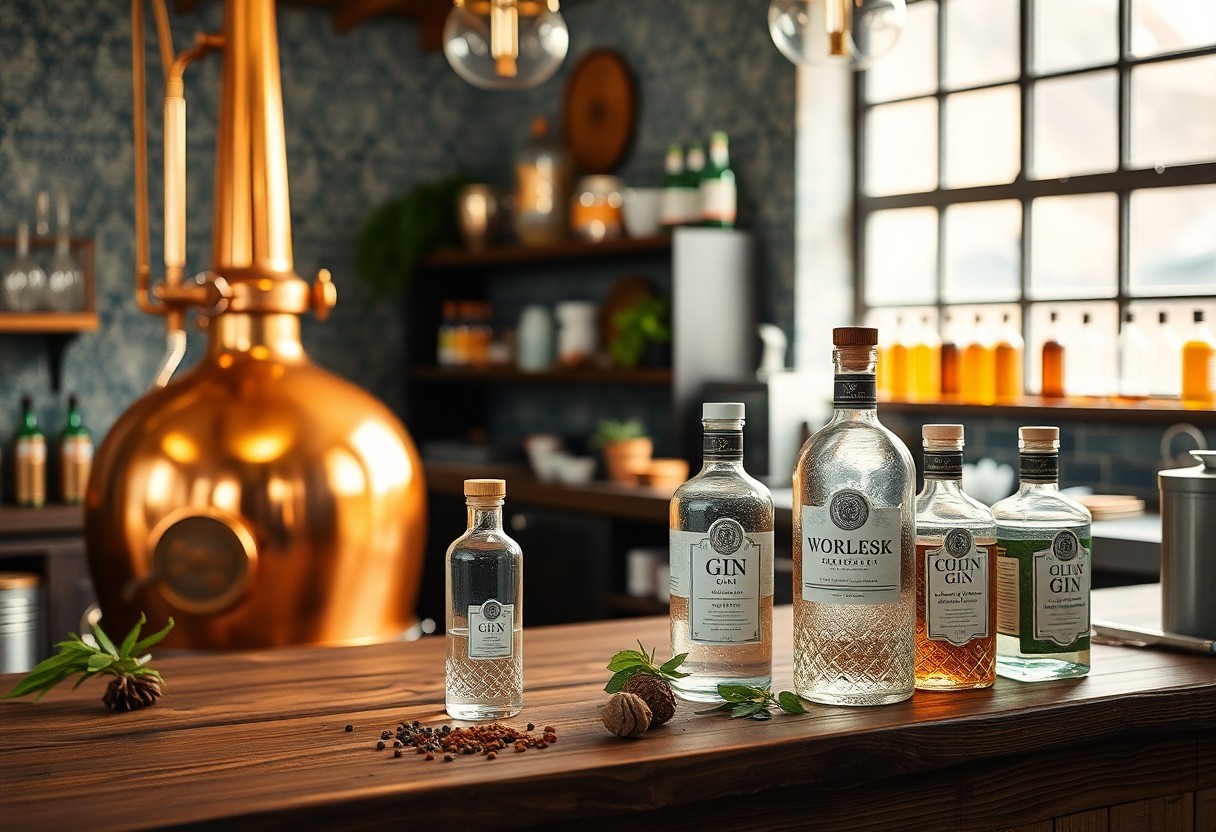
Just as you savor a glass of small-batch artisan gin, you may wonder what techniques and ingredients contribute to its unique character. In this article, we will explore the intricate processes that distillers employ—from the selection of botanicals to the fermentation and distillation techniques that give each gin its distinctive flavor profile. Understanding these craft secrets will deepen your appreciation for this artisanal spirit and illuminate the artistry behind every sip you enjoy.
The History of Artisan Gin
To truly understand small-batch artisan gins, you must probe into their rich history. Born from centuries of tradition, gin has evolved from a medicinal tonic in the 17th century to a beloved spirit enjoyed worldwide. As you explore this journey, you’ll discover how cultural influences and innovations have shaped the craft, leading to the complex flavors and unique distilling techniques that define today’s artisan gins.
Origins and Evolution
Origins of artisan gin can be traced back to the early days of distillation when juniper berries were first utilized for their medicinal properties. Over time, gin transitioned from a pharmacy staple to a popular alcoholic beverage. You’ll find that as people experimented with various botanicals and distilling methods, the beverage began to evolve, spawning a plethora of regional styles and flavors that laid the groundwork for modern artisan gins.
The Craft Revival
History shows that the craft revival in the early 21st century reignited interest in artisan gins, as passionate distillers sought to reconnect with traditional practices. Indeed, this movement has prompted a resurgence of small-batch production, allowing you to experience gins that reflect local ingredients and artisan craftsmanship. Each bottle tells a story, emphasizing creativity, innovation, and a commitment to quality. As you explore the diverse landscape of artisanal gins, you will appreciate the meticulous care and artistry that go into crafting each unique spirit.
The Distillation Process
Any distillation process involves the careful extraction of flavors and aromas from your chosen botanicals, transforming them into a unique spirit that embodies the essence of small-batch artisan gin. The journey begins with mashing, followed by fermentation, and ultimately the distillation itself, where your selected botanicals are added to the still, allowing their character to shine through. Quality and attention to detail at each step ensure a rich, complex final product that truly reflects the artistry of the distiller.
Ingredients and Botanicals
Below the surface of any exceptional gin lies a meticulous selection of ingredients and botanicals, which may range from traditional juniper to exotic spices and local herbs. The balance and combination of these elements directly influence your gin’s flavor profile, aroma, and overall character, providing depth and individuality to each batch crafted.
Techniques in Small-Batch Production
For small-batch production, you will find that distillers often employ various techniques that highlight their craftsmanship and dedication to quality. These methods may include hand-selecting ingredients, utilizing pot stills, and practicing traditional methods that enhance the gin’s complexity while maintaining a personal touch.
With a focus on quality over quantity, small-batch distillers often experiment with innovative techniques such as vapor infusion, where botanicals are placed above the boiling wash, allowing their delicate flavors to infuse through steam. This process results in a more fragrant spirit and preserves the integrity of the botanicals. Each technique contributes to the final product’s uniqueness, reflecting the distiller’s individual style and commitment to creating exceptional gin experiences.
Flavor Profiles and Variations
Some small-batch artisan gins boast a diverse range of flavor profiles, inviting you to explore the unique botanicals and techniques that define each creation. From the traditional juniper base to innovative infusions like lavender, cucumber, or exotic spices, these gins offer an array of tasting experiences that cater to various palates. As you research into the world of artisan gins, you’ll discover how master distillers blend their individual styles, allowing you to enjoy new and exciting interpretations of this beloved spirit.
Regional Influences
On your journey through the world of gin, you’ll find that regional influences play a significant role in shaping flavor profiles. Distillers often harness locally sourced botanicals, which not only adds a sense of place but also creates a dialogue with the terroir. You may encounter gins infused with sea herbs near coastal areas or citrus notes from warmer climates, revealing how geography, culture, and traditions intertwine to produce distinctive gin variations.
Crafting Unique Recipes
Flavor is the heart of crafting unique gin recipes, enabling distillers to express their creativity and passion. Each recipe is a delicate balance, combining botanicals, spices, and seasonal ingredients, often inspired by personal history or local heritage. This artistic approach results in one-of-a-kind flavor experiences that can’t be replicated, inviting you to savor the stories behind each bottle.
Indeed, crafting unique recipes is a labor of love for many distillers, who experiment with myriad combinations to achieve the perfect balance in flavor. You will find that this process often involves trial and error, as they adjust ratios and ingredient sources until they strike gold. From the initial concept to the final product, every element is meticulously chosen to reflect their vision. This devotion to artistry not only amplifies the taste but also adds layers of complexity, encouraging you to think of every sip as an adventure in flavor.
The Role of Terroir
Now, you may not realize it, but the concept of terroir deeply influences the profile of small-batch artisan gins. Terroir encompasses the environmental factors, such as soil, climate, and geography, that shape the uniqueness of a spirit. When distillers embrace the distinctive characteristics of their locale, they create gins that reflect the identity of their region, delivering complex flavors that tell a story of place.
Impact of Local Ingredients
Ingredients play a vital role in the flavor complexity and authenticity of artisan gins. By sourcing botanicals, fruits, and herbs from local farms, distillers can infuse their gins with the essence of their surroundings. This commitment to local sourcing not only highlights seasonal freshness but also ensures that your gin retains a true connection to the landscape from which it originates.
Seasonal Variations
Around the world, the seasons dictate the availability of botanicals, directly influencing the flavor profile of your gin. As distillers adapt to the changing seasons, they may introduce new ingredients or alter their recipes to embrace seasonal offerings, resulting in gins that are unique to specific times of year.
Even subtle shifts in temperature and rainfall can dramatically affect the taste of the botanicals, making it crucial for distillers to adapt their recipes accordingly. This dynamic approach keeps your gin fresh and seasonal, providing an exciting tasting journey that reflects the natural rhythms of the environment. By embracing these variations, you not only enjoy a unique spirit but also support sustainable practices that honor the land and its resources.
Regulatory Challenges and Standards
Unlike larger distilleries, small-batch artisan gin makers often grapple with an array of regulatory challenges. Navigating local, national, and international laws can be intricate, as each jurisdiction may impose distinct standards for production, labeling, and quality control. These regulations can impact everything from the sourcing of your botanicals to the methods you use for distillation, making it necessary for you to stay well-informed about compliance to maintain the integrity of your craft.
Definitions of Artisan Gin
Below, you’ll find various definitions of artisan gin that emphasize the importance of traditional craftsmanship, quality ingredients, and small-scale production methods. These definitions often serve as guidelines that help you differentiate your product within the rapidly growing gin market, ensuring that your brand embodies the true essence of artisanal spirit-making.
Labeling and Quality Control
Below, you’ll discover that labeling requirements and quality control processes are vital for ensuring your gin meets established standards while conveying accurate information to consumers. These elements not only help protect your brand’s reputation but also enhance consumer trust, guiding them toward making informed purchasing decisions.
For instance, adherence to specific labeling guidelines ensures that you provide necessary details like alcohol content, ingredients, and origin. These details help consumers understand what they’re drinking, fostering a sense of transparency. Implementing quality control measures throughout your distillation process further guarantees that your product remains consistent and reflects the high standards expected of artisan gin. Regular testing and quality assessments can protect your brand from potential disputes and enhance your standing in a competitive market.
Consumer Trends and Market Growth
Many consumers today are shifting towards premium, handcrafted spirits, resulting in a significant surge in the small-batch artisan gin market. This trend reflects a broader desire for authenticity and unique flavors, prompting distillers to innovate and create distinctive profiles that resonate with discerning palates. As you explore this evolving landscape, you’ll find that the market for artisan gins is not only expanding but also diversifying, catering to a growing audience that values quality over quantity.
The Rise of Gin Enthusiasts
Above all, the recent explosion in gin popularity can be attributed to a passionate community of gin enthusiasts. You may find yourself among those who eagerly seek new tasting experiences and knowledge about the craft, exploring various botanicals and distillation methods. This movement has sparked a newfound appreciation for the artistry behind small-batch gins, encouraging local distilleries to flourish and expand their creative horizons.
Influence of Social Media and Craft Culture
One of the most significant factors driving the growth of artisan gin is the influence of social media and craft culture. You are likely aware that platforms like Instagram and Facebook have provided a vibrant space for distillers and consumers alike. Here, gin aficionados share their experiences, recipes, and recommendations, helping to forge a connected community that celebrates distillation as both an art form and a lifestyle.
Enthusiasts are now using social media to engage with brands and each other, sharing their unique tasting notes and exploring new releases. This interaction creates a sense of belonging and empowers consumers to dive deeper into the world of spirits. With the rise of craft culture, you can appreciate how these platforms not only increase visibility for small-batch distilleries but also nurture an environment where creativity is celebrated and experimentation is encouraged. As you navigate this exciting arena, the insights and connections gained from social media will undoubtedly enhance your personal gin journey.
Final Words
Hence, as you explore the nuanced world of small-batch artisan gins, understanding the intricate processes, regional influences, and the passion behind each distillation elevates your appreciation for this craft. The meticulous selection of botanicals, innovative distilling techniques, and commitment to quality not only shape the final product but also tell a unique story. By diving deeper into these elements, you enrich your gin experience and enhance your ability to select and savor exceptional small-batch offerings.
Leave a Reply