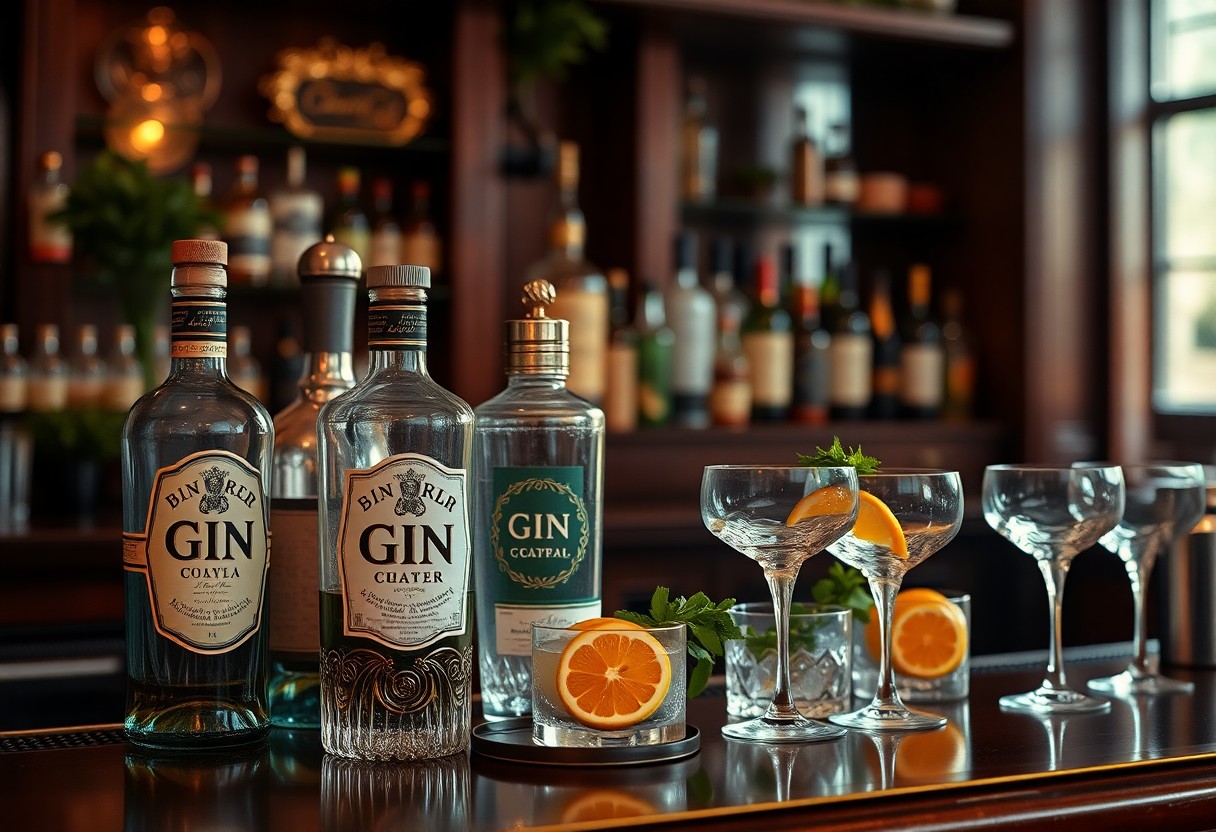
Many enthusiasts and mixologists alike often overlook the rich history of gin, which has evolved from a humble medicinal spirit to a cocktail cornerstone. Understanding gin’s fascinating journey can profoundly influence your own cocktail creations, allowing you to infuse modern drinks with historical nuances and flavors. By exploring gin’s heritage, you can unlock unique methods, ingredients, and serving styles that reflect centuries of innovation and tradition, ultimately enhancing your cocktail experience and impressing your guests with stories of the past.
The Origins of Gin
Before it became the popular spirit you enjoy today, gin originated as a medicinal tonic in the 17th century. Initially created by distilling malt wine, gin evolved as Dutch brewers infused their spirit with juniper berries. This combination not only added flavor but also provided purported health benefits, paving the way for gin’s eventual rise in popularity across Europe.
Historical Background
Across Europe, gin’s early adoption in Holland and England played a significant role in its evolution. As it found its way into English society, it became a symbol of both innovation and social turbulence during the Gin Craze of the 18th century. This cultural phenomenon led to rapid consumption and the opening of numerous gin houses, particularly in London, shaping your modern understanding of spirits.
Early Distillation Techniques
Techniques used in early distillation were fundamental in crafting the gin you enjoy today. The distillation process involved the careful heating of fermented grains or malt, allowing vapors to rise and condense into a potent liquid. By infusing botanicals like juniper, your early gin makers developed a spirit that was not only more palatable but also versatile in cocktails, influencing mixology practices for generations to come.
Also, the emergence of pot stills played a significant role in refining these distillation techniques. This method allowed distillers to create a more concentrated spirit while maintaining unique flavors. As you investigate into the rich history of gin, you will uncover the innovative practices that continue to inspire modern mixologists in their craft, showcasing how traditional methods laid the groundwork for today’s diverse cocktail culture.
The Evolution of Gin
Some of the most significant changes in gin’s history illustrate its transformation from a basic spirit to a sophisticated staple of modern cocktails. This journey reflects societal attitudes and innovations in distillation techniques, shaping gin into the beloved drink you enjoy today. From its early roots to its current status, understanding this evolution deepens your appreciation for gin’s complexity.
From Dutch Genever to London Dry
An important part of gin’s history is its evolution from Dutch Genever, a malt-based spirit, which laid the groundwork for today’s gin. By the 18th century, London Dry gin emerged, characterized by its clean, crisp flavors and fragrant botanicals. This shift not only refined the spirit but also marked a pivotal moment in how you experience gin in cocktails.
The Gin Craze and Its Cultural Impact
Genever played an important role in the 18th-century Gin Craze in England, a period of rapid gin consumption that influenced social behavior and public health policies. During this time, gin became accessible to the masses, leading to both cultural celebrations and widespread concerns about alcohol abuse. As you explore gin’s evolution, consider how this frenzy shaped modern cocktail culture, encouraging the artistry and variety of gin you see today.
At its core, the Gin Craze not only fueled the drink’s popularity but also inspired social change. The loud debates surrounding gin consumption prompted reforms in legislation and public health, ultimately paving the way for a more refined cocktail culture. This era showcases how gin served as a social lubricant, uniting people and fostering creativity in mixology—the impact of which you can still feel in your favorite gin cocktails today.
The Role of Gin in Cocktail Culture
Clearly, gin serves as a versatile backbone in the contemporary cocktail scene. Its unique flavor profile and various botanicals allow for creativity and experimentation, enriching experiences for both drinkers and mixologists alike. From classic concoctions to innovative craft cocktails, gin remains integral to the evolution of your cocktail culture.
Classic Gin Cocktails
Cocktail aficionados often turn to timeless classics like the Martini and Negroni, showcasing the pure essence of gin. These staple drinks not only highlight gin’s botanical notes but also serve as a foundation for your mixology repertoire, inviting you to explore flavor combinations and garnish techniques that enhance your drinking experience.
Modern Interpretations and Innovations
To truly appreciate gin’s role today, you should explore the myriad of innovative cocktails that have emerged in recent years. Bartenders are reimagining traditional recipes, incorporating unexpected ingredients such as unique bitters or house-made infusions. This experimentation allows you to discover new dimensions of gin and adds excitement to your cocktail adventures.
It’s fascinating to observe how modern mixologists push the boundaries of gin-based cocktails. You may find local distilleries crafting unique gins infused with regional botanicals, while bartenders play with textural elements like foams or gels. This adventurous spirit encourages you to experiment at home, honoring gin’s rich history while crafting contemporary drinks that reflect your personal taste and creativity.
The Craft Cocktail Movement
Not only has the craft cocktail movement revitalized interest in quality ingredients and innovative techniques, but it has also brought gin back into the limelight. With a focus on artisanal spirits, craft bartenders are exploring the diverse world of gin, pushing boundaries and creating unique flavor profiles that reflect the spirit’s storied history. This movement celebrates the return to craftsmanship and creativity, inviting you to explore new and exciting gin-based cocktails that resonate with the past while igniting contemporary tastes.
Revival of Artisan Practices
Behind the scenes, a resurgence of artisan practices is transforming the cocktail landscape. Bartenders are now championing small-batch distilleries, sourcing fresh botanicals, and whisking you away on a journey through the nuances of gin. This connection to craftsmanship encourages transparency in production methods, allowing you to appreciate the dedication and skill that goes into every bottle. By embracing tradition and innovation, today’s mixologists are blending classic cocktails with a modern twist, elevating your drinking experience.
Gin’s Influence on Modern Mixology
For contemporary mixologists, gin has become a versatile foundation for creative exploration. The myriad of flavors found in gin, from herbal and floral to citrus and spicy, allows you to enjoy an array of cocktails that cater to your taste. These qualities invite experimentation and blend harmoniously with other ingredients, inspiring you to savor new concoctions. As bartenders investigate into gin’s rich history, they craft drinks that not only honor the past but also showcase innovation and artistry, enriching your cocktail experience.
Revival of gin’s influence on modern mixology is evident in the increasing number of gin-centric bars and cocktail menus highlighting the spirit. This renewed fascination encourages you to discover a variety of styles, such as London Dry, Old Tom, and Plymouth Gin, each offering a distinct personality for your cocktails. You can explore an infinite combination of flavors in innovative drinks like gin fizzes, negronis, and martinis while appreciating how the spirit’s rich history contributes to your modern drinking culture. With mixologists constantly reinventing classics, gin remains at the forefront of an exciting evolution in the cocktail scene.
Flavor Profiles and Botanicals
After centuries of refinement, gin’s unique flavor profiles stem from an array of botanicals, which include juniper, coriander, citrus peels, and many more. Each ingredient brings its own character to the spirit, creating complex and versatile profiles that have inspired a wave of modern cocktail creations. As you explore these flavors, consider how the interplay of botanicals can elevate your cocktails, offering a balance of herbal notes and refreshing zest that captivates the palate.
Understanding Gin Composition
Above all, understanding gin’s composition is foundational to appreciating its diverse expressions. The base spirit is typically neutral grain alcohol, which serves as a canvas for the carefully selected botanicals. Juniper, as the dominant flavor, is complemented by various herbs, spices, and fruits, allowing you to experiment with different styles and flavor combinations that resonate with your taste preferences.
Pairing Gin with Ingredients
Before crafting your next cocktail, consider how gin interacts with various ingredients. Its herbal and aromatic qualities can harmonize beautifully with fresh fruits, spices, and even bitters, offering you endless possibilities for flavor enhancements. Each ingredient can transform the overall experience, from revitalizing citrus to deeper herbal tones, creating a balanced and satisfying drink.
The key to successful gin pairings lies in understanding the nuances of both the spirit and your chosen ingredients. For example, citrus fruits like lemon or grapefruit can brighten the drink, while aromatic herbs like basil or rosemary can add depth and complexity. Experiment with flavored syrups, vermouths, or tonic waters to discover how they interact with the gin’s botanicals and enhance your cocktail experience. By thoughtfully selecting your components, you can create a cocktail that not only reflects your style but also pays homage to gin’s opulent history.
Global Perspectives on Gin
Despite its British origins, gin has evolved into a global phenomenon, captivating palates across continents. You will find unique interpretations of gin that reflect local ingredients, culture, and preferences, showcasing its adaptability and international appeal. From the juniper-rich spirits of the Netherlands to the vibrant flavors emerging from Australia, every region offers a distinctive take on this timeless spirit.
Regional Variations
Along your journey through gin culture, you will come across a fascinating array of regional variations. Each locale interprets the classic spirit through its lens, often incorporating indigenous botanicals. For instance, Spanish gins frequently highlight Mediterranean herbs, while Japanese gins may infuse elements like yuzu or matcha, bringing forth an intriguing blend of tradition and innovation.
International Gin Festivals and Trends
With a rise in global interest, gin festivals have become a popular platform for enthusiasts and producers alike. These events enable you to explore a multitude of brands and styles, celebrating both heritage and modern artistry in gin-making.
Global gin festivals showcase a variety of trends, offering tastings, masterclasses, and opportunities to connect with craft distillers. You can immerse yourself in the latest flavor innovations, discover how different cultures celebrate gin, and explore the burgeoning world of small-batch and artisanal producers. Engaging with these events not only broadens your understanding but also deepens your appreciation for the rich history and diverse expressions of gin around the world.
Conclusion
Conclusively, exploring the opulent history of gin can profoundly enrich your cocktail culture experience. By understanding its evolution, unique botanicals, and regional variations, you can elevate your mixology skills and appreciate the craftsmanship behind each drink. Embracing the stories and traditions that have shaped gin over centuries will not only enhance your cocktail creations but also foster meaningful conversations with fellow enthusiasts. Allow the illustrious past of gin to inspire your present-day cocktails, making every sip a toast to history.
Leave a Reply