
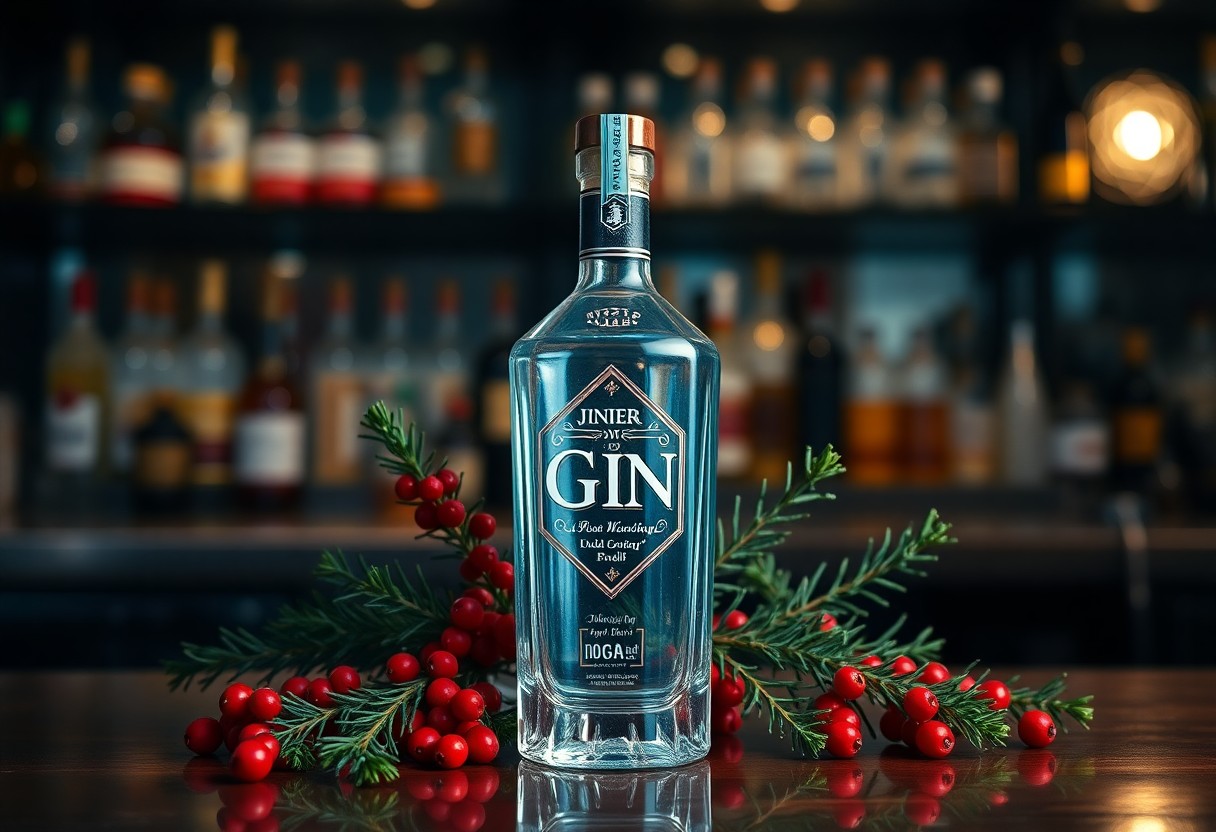
There’s a fascinating dialogue brewing in the world of gin, where the traditional essence of juniper is being reinterpreted by contemporary distillers. As you explore this vibrant landscape, you may find that innovative techniques and unique botanicals can elevate your gin experience, placing a spotlight on juniper while welcoming new flavors. This blog post researchs into how these modern approaches challenge the classic profiles of gin, inviting you to rethink what you know about this beloved spirit and discover how it can be reshaped for today’s palate.
Historical Significance of Juniper
The historical significance of juniper dates back centuries, as it has been celebrated for its aromatic properties and medicinal uses. You’ll find its roots embedded in various ancient cultures, where juniper was revered not only for flavoring beverages but also for its role in spiritual practices. This evergreen berry serves as a bridge connecting the past to present-day culinary and distillation arts, providing a rich heritage for modern gin creations.
Traditional Uses in Distillation
About the traditional uses of juniper, it has long been associated with the art of distillation. You may be surprised to learn that its berries were the primary botanical used in the creation of gin, stemming from a European tradition that sought to capture its complex flavor profile. Juniper’s distinct notes contributed to flavoring spirits, paving the way for the diverse world of contemporary gin today.
Cultural Associations and Symbolism
By exploring cultural associations and symbolism, you uncover the deep-rooted connections that juniper holds in various societies. Often seen as a protective herb, juniper has been utilized in rituals to ward off negativity, bringing with it a sense of safety and reassurance. Its presence in folklore and traditional practices highlights its multifaceted significance and the ongoing allure it holds for gin enthusiasts.
This symbolic essence is further evident in its use in various cultural festivities and healing traditions. You can find juniper employed in cleansing ceremonies, where it is burned to purify spaces, reflecting its longstanding status as a powerful agent of protection. As you examine deeper into the world of gin, understanding these cultural associations enriches your appreciation for juniper’s role not only as a flavoring ingredient but as a living symbol of tradition and community connection.
The Role of Juniper in Gin
You might be surprised to learn that juniper is the heart and soul of gin, providing its unmistakable character and anchor for various botanical flavors. This aromatic berry not only defines gin but also sets it apart from other spirits. The legal definition of gin mandates that juniper be the predominant ingredient, leading to diverse interpretations that cater to different palates. Understanding the role of juniper allows you to appreciate the complex landscape of flavors that modern distillers are creating in gin today.
Flavor Profile and Distinct Characteristics
Against the backdrop of its prominent pine notes, juniper offers a rich tapestry of flavors that can range from earthy to sweet, with hints of citrus, resin, and spice. This complexity allows for a versatile foundation in gin that can harmonize with other botanicals, making each expression unique. As you explore different gin varieties, you’ll notice how the juniper’s character influences the overall taste and aroma, inviting you to discover what resonates best with your palate.
Juniper Varieties and Their Impact
Impact on flavor profiles largely hinges on the type of juniper used in gin production. Each variety imparts distinct characteristics, contributing to the spirit’s overall complexity. From the sharp, zesty notes of common juniper to the mellower, sweeter profiles found in others, your choice of gin can transport you through a landscape of flavors based on these botanical selections.
Juniper berries come in several varieties, each developing unique flavor profiles influenced by factors like region and climate. For example, Mediterranean juniper often delivers a sweeter and more aromatic taste, while the North American variant can impart a more piney and robust character. This variation allows distillers to craft gins that reflect their terroir, enabling you to experience a sense of place with each sip. When choosing your gin, taking the time to understand these differences can elevate your tasting experience, guiding you toward your favorite expressions.
Contemporary Gin Trends
Assuming you’re exploring the exciting world of gin today, you’ll notice a vibrant landscape where tradition meets innovation. With a growing appreciation for unique flavor profiles, contemporary gin is evolving, embracing not only the classic juniper but also a variety of exotic botanicals. This renaissance invites gin enthusiasts like you to discover new palate experiences that elevate this timeless spirit, allowing you to connect with its heritage in a fresh context.
Innovative Ingredients and Flavor Pairings
After years of sticking to the traditional ingredients, modern gin distillers are pushing boundaries by experimenting with unconventional botanicals. From floral notes like hibiscus and chamomile to savory spices like black pepper and cardamom, the potential for flavor pairings is limitless. By trying these innovative combinations, you can uncover new dimensions of gin that excite your taste buds and inspire your cocktails.
Craft Distilling and Small Batch Production
About the craft distilling movement, it emphasizes quality over quantity, skillfully crafting gin in small batches. This method allows distillers to maintain control over every aspect of production, ensuring each bottle reflects their unique vision and character. As a gin enthusiast, you can appreciate the artisanal approach and personalized flavors that small-batch producers bring to the table, often highlighting local ingredients and sustainable practices.
To truly understand the importance of craft distilling and small-batch production, you should explore the stories behind these brands. Each distiller often pours their passion and creativity into the gin-making process, allowing you to enjoy artisanal spirits that showcase regional botanicals and traditional techniques. This attention to detail not only enhances the flavor but also fosters a deeper connection between you and the distillation process, making every sip of gin a unique experience worth savoring.
Reimagining Juniper in Modern Creations
For contemporary gin enthusiasts, the spirit of juniper isn’t merely a traditional cornerstone; it’s an avenue for creative exploration. By experimenting with diverse botanicals and innovative distillation techniques, you can uncover new flavor profiles that celebrate but also expand upon the essence of juniper. Modern distillers are embracing this challenge, merging heritage with avant-garde concepts to produce gins that engage the palate in exciting ways.
Bold New Infusions and Recipes
Below are examples of bold new infusions and recipes that push the boundaries of traditional gin while still honoring juniper’s foundational role:
- Lavender and Lemon Zest Gin – Combining floral notes with citrus for a refreshing twist.
- Spicy Chai Gin – Infusing traditional gin with chai spices for a warm, complex flavor.
- Berry Blend Gin – Utilizing seasonal berries to create vibrant, fruity gins.
- Herbal Garden Gin – Incorporating fresh herbs like basil and rosemary for an earthy tone.
Case Studies of Distillers Leading the Change
After examining trends in gin distillation, you’ll find several distillers at the forefront of this juniper evolution:
- Seedlip – The world’s first non-alcoholic spirit, uses unique plant distillation techniques, resulting in three varieties that highlight diverse flavor profiles.
- Monkey 47 – A Black Forest gin incorporating 47 botanicals, showcasing an intricate balance between juniper and other flavors.
- Hendrick’s – Known for its infusion of cucumber and rose, expanding the traditional gin experience into uncharted territory.
- Sipsmith – Pioneering the revival of traditional craftsmanship while experimenting with unusual botanicals.
For instance, Seedlip’s approach has not only revolutionized the non-alcoholic sector but also inspired traditional distillers to contemplate new possibilities with juniper. Monkey 47 stands out with its diverse botanical mix, supported by its impressive popularity, with shares growing by 20% annually. Hendrick’s has seen a 30% increase in sales directly attributed to its inventive infusions, proving that consumers are eager for innovation. Lastly, Sipsmith’s commitment to hand-crafted distillation emphasizes quality and authenticity, driving a renaissance in the gin market and encouraging you to explore these remarkable creations.
Consumer Preferences and Trends
Keep in mind that the evolving landscape of consumer preferences is shaping the future of gin. As drinkers seek out more diverse and innovative options, your understanding of these trends will enhance your appreciation for contemporary gin creations. Tailoring your palate to accommodate these preferences can lead to exciting tasting experiences and a deeper connection to the gin community.
The Rise of Gin Popularity
Against a backdrop of cocktail culture resurgence, gin has experienced a remarkable surge in popularity. The revival of classic cocktails and the creative twists put on them have made gin a staple on bar menus everywhere. With its versatility and wide-ranging flavor profiles, you may find that gin fits perfectly into your social and culinary experiences, inviting you to explore new combinations and styles.
Market Demand for Unique Flavors
Across the globe, consumers are increasingly interested in unique and exotic flavors in their beverages, leading to a heightened demand for innovative gin blends. As you sample these diverse options, you’ll discover an abundance of profiles influenced by botanicals from various regions. This trend encourages distillers to experiment, allowing you to enjoy distinctive and refreshing spins on traditional gin.
Indeed, as you probe into the market demand for unique flavors, you’ll find that the fusion of traditional juniper with unconventional botanicals is transforming the gin landscape. Craft distillers are eager to respond to your craving for novelty, experimenting with ingredients such as floral, herbal, and even savory notes. This ongoing exploration not only reflects your diverse tastes but also broadens the horizon for gin enthusiasts, paving the way for a vibrant and dynamic drinking culture where inventive flavors take the spotlight.
Challenges of Reinterpreting Juniper
Despite the rich heritage of juniper in traditional gin-making, reinterpreting its essence poses various challenges. You must consider the delicate balance of flavors while experimenting with innovative techniques and ingredients. This task requires a nuanced understanding of juniper’s profile, ensuring that its unique characteristics shine through in your contemporary creations. Furthermore, the existing stigma surrounding unconventional gin can limit your potential audience, making it important to navigate this landscape carefully.
Balancing Tradition with Innovation
Below the surface of innovation lies a deep-rooted tradition that you must respect when creating new gin. This balance is pivotal in ensuring that your reinterpretation resonates with both gin aficionados and adventurous drinkers. You can achieve this by infusing contemporary flavors while retaining the classic juniper backbone, creating a bridge between the past and present.
Navigating Consumer Expectations
Across the ever-evolving spirits market, consumer expectations continuously shape the landscape of gin production. Understanding your audience becomes important as you begin on reimagining juniper’s role in contemporary creations. Consumers often have preconceived notions about gin that can either challenge or inspire your innovative approaches.
And as you explore new flavor profiles, it’s vital to communicate your artistic intentions clearly. You want to engage your audience’s curiosity while also honoring their expectations. By educating consumers about the process and intention behind your creations, you can foster a stronger connection to this traditional ingredient and invite them to try your innovative interpretations with open minds.
Conclusion
Ultimately, you can appreciate how the quintessence of juniper continues to be reimagined in contemporary gin creations. By exploring innovative infusions and production techniques, distillers are pushing the boundaries of flavor while honoring the traditional essence of this beloved spirit. This dynamic evolution invites you to experiment with various gin styles, enhancing your tasting experiences and finding new favorites that resonate with your palate. Enjoy the journey of discovering how juniper can inspire both classic and avant-garde gin expressions.
Leave a Reply