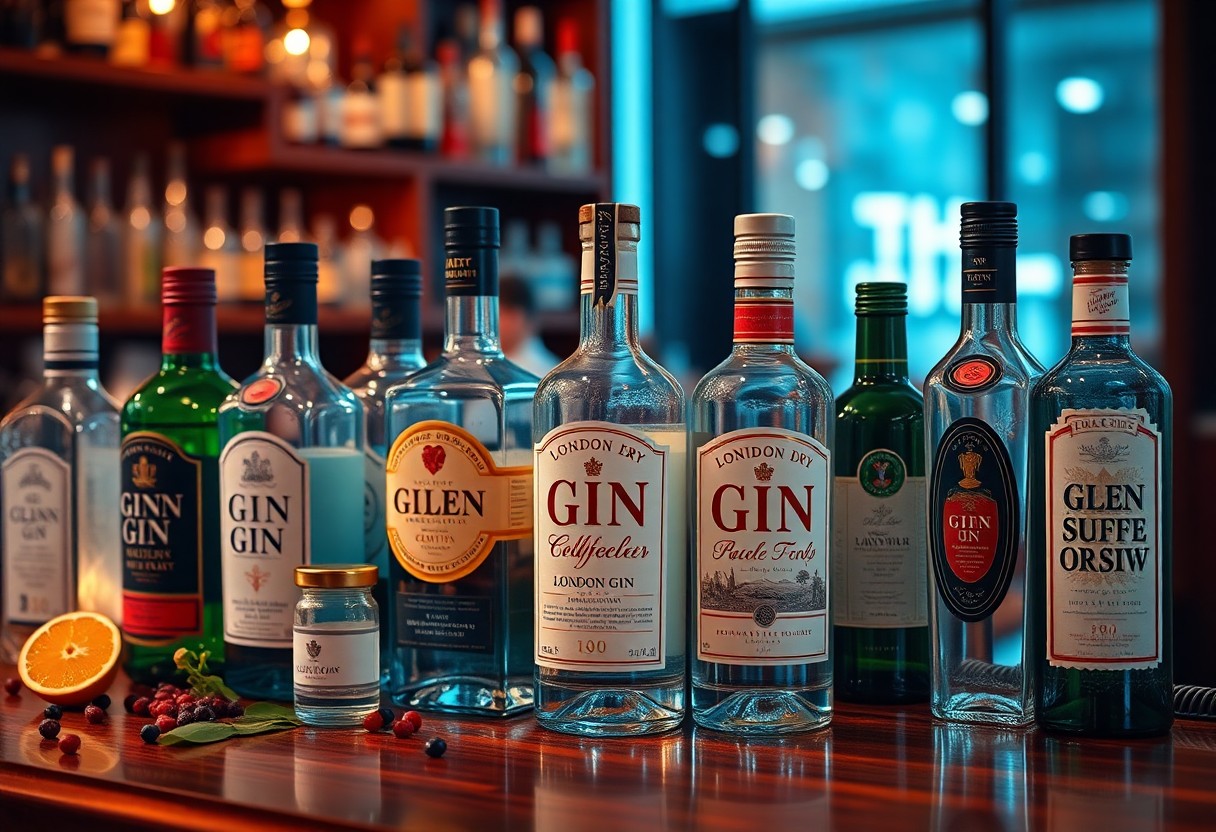
Esoteric as it may seem, gin offers an expansive world of flavors and styles that often goes unappreciated. In this tutorial, you will explore the distinctive types of gin available, from traditional London Dry to contemporary varieties infused with exotic botanicals. Understanding the nuances between these gins will enhance your appreciation and ability to select the perfect bottle for your next cocktail. Get ready to research into the captivating realm of gin and elevate your drinking experience to new heights.
The Origins of Gin
As you examine into the fascinating history of gin, it’s imperative to acknowledge its roots. Gin’s origins can be traced back to the Middle Ages in Europe, particularly in the Netherlands, where it was initially crafted as a medicinal tonic made from distilled grain and infused with juniper berries. This spirit evolved through the centuries, becoming a beloved beverage across the continent, particularly in England during the 18th century, where it gained immense popularity and cultural significance.
Historical Background
One of the earliest recipes for gin is believed to have been developed by Dutch physician Franciscus Sylvius in the 16th century. Originally intended as medicine, gin quickly transitioned into a popular drink, especially in England. By the 18th century, the spirit had become widely consumed, leading to the infamous “Gin Craze,” where excessive consumption raised social concerns. This historical context is pivotal in understanding gin’s journey toward becoming the refined spirit we enjoy today.
Evolution of Production Techniques
An imperative aspect of gin’s history is the evolution of its production techniques. Early gin was often rudimentary and varied widely in quality, but advancements in distillation methods allowed for more consistent and refined spirits. As you explore this topic, you will discover how innovations such as column stills and the introduction of flavoring techniques have significantly impacted gin, leading to the diverse selection of styles and profiles available today.
Understanding the evolution of production techniques sheds light on how gin transitioned from a rough, colloquial drink to a sophisticated spirit that meets your discerning palate. Initially, simple pot stills were used, creating gin that was often harsh in taste. However, with the advent of continuous column stills, distillers were able to achieve higher alcohol content and cleanliness in flavor. Additionally, advancements in botanical infusion methods have allowed for a wide array of flavor profiles, inviting you to explore the myriad of gins available, each with its unique story and character.
Types of Gin
One way to appreciate gin is by understanding its various types. Each type has unique characteristics that can elevate your gin experience. Here are some common gin varieties:
- London Dry Gin
- Old Tom Gin
- Plymouth Gin
- Sloe Gin
- Distilled Gin
Knowing these types will enhance your ability to select the perfect gin for any occasion.
| Type of Gin | Description |
|---|---|
| London Dry Gin | Characterized by its strong juniper flavor and dry finish. |
| Old Tom Gin | Sweetened gin offering a softer profile. |
| Plymouth Gin | Made in Plymouth, England, it has a distinctive earthy flavor. |
| Sloe Gin | A liqueur made by infusing gin with sloe berries. |
| Distilled Gin | Produced by distilling grain alcohol with botanicals. |
London Dry Gin
An iconic style of gin, London Dry Gin is defined by its bold infusion of juniper berries and its lack of sweetness. This gin must not have any added sugars after distillation, which contributes to its dry nature. It’s versatile for various cocktails or can be enjoyed neat.
Old Tom Gin
Assuming you prefer a sweeter gin, Old Tom Gin may be your answer. This historical style is typically sweeter than London Dry Gin but remains true to its gin roots, allowing for complex flavor profiles with botanicals. It’s excellent for cocktails that require a little more depth and sweetness.
For instance, Old Tom Gin was immensely popular in the 18th century and is often celebrated in various classic cocktails. Its slightly sweet, smooth character makes it an excellent choice for a Gin Fizz or a Tom Collins, providing a delicious balance with citrus and tonic. You might find that the rich flavor enhances your cocktail experience, allowing you to explore a more diverse range of taste.
Key Ingredients in Gin
While there are several components that go into the creation of gin, the key ingredients form the backbone of its unique flavor profile. Primarily, gin is flavored with juniper berries, which provide that characteristic botanical taste. Additionally, a variety of other botanicals are added, which can include herbs, spices, fruits, and flowers, all contributing to the gin’s complexity and overall character. Understanding these ingredients will enhance your appreciation for different types of gin and how they can elevate your cocktail experience.
Juniper Berries
Assuming you are new to the gin world, it’s crucial to know that juniper berries are the distinguishing factor that defines gin from other spirits. These small, dark blue berries provide a fresh, piney aroma and slightly resinous flavor, serving as the backbone of the gin’s profile. Without juniper, you wouldn’t have true gin, making it an indispensable ingredient that sets this spirit apart.
Botanical Variations
Now, let’s explore the fascinating world of botanical variations in gin. While juniper is the star ingredient, you will find an incredible array of other botanicals that lend their distinctive notes to the spirit.
The diversity of botanicals used in gin allows for a wide spectrum of flavors and aromas, appealing to different palates. Common additions include coriander, angelica root, citrus peels, fennel, and even exotic spices like cardamom or anise. Each distiller has their secret blend, which can result in gins that range from floral and fragrant to earthy and spicy. Experimenting with gin made from various botanical combinations can lead you to discover your unique preferences, enhancing your overall enjoyment of this versatile spirit.
Distillation Methods
Many factors influence the production of gin, and one of the most significant is the distillation method used. Each technique affects the flavor profile, aroma, and overall quality of the gin you enjoy. Understanding these methods helps you appreciate your gin choices more, whether you prefer a lighter, floral spirit or a rich, robust flavor. The two primary methods of gin distillation are pot distillation and column distillation, each offering unique characteristics that can enhance your drinking experience.
Pot Distillation
Any gin crafted through pot distillation is often seen as artisanal, as this traditional method allows for a fuller and more complex flavor profile. In pot distillation, the gin is typically distilled in batches using a pot still, which means that the distillation process is less efficient but offers greater control over the flavor and aroma. This method captures more vital oils and botanicals, resulting in a spirit that reflects the nuances of its ingredients, making it a favorite among craft producers.
Column Distillation
On the other hand, column distillation is a more modern and efficient method, favored by large-scale gin manufacturers. This continuous process allows for the rapid production of high-proof spirits by using a column still with multiple plates, enabling separation of different compounds as the alcohol vapor rises. As a result, gins produced this way tend to have a cleaner and more neutral taste, which can better showcase subtle botanical flavors, making them versatile for mixing in cocktails.
A key benefit of column distillation is its ability to produce gin on a larger scale while maintaining consistent quality. The efficiency of this method means that distillers can create a wide range of gins that cater to various tastes and preferences. Many mainstream gin brands utilize column distillation to achieve a smooth, refined spirit that can serve as an excellent base for mixed drinks. Despite its industrial nature, some producers still add unique botanicals post-distillation to introduce distinctive flavors, allowing for creativity while benefiting from the method’s precision.
Flavor Profiles
Unlike many spirits, gin offers an extensive range of flavor profiles that cater to diverse palates. The botanical selection, primarily juniper, shapes the drink’s character, while additional herbs, spices, or fruits can further personalize the experience. As you explore different brands and styles, you’ll discover unique tastes, from refreshing citrus notes to deep earthy undertones, each contributing to gin’s renowned versatility in cocktails or sipped neat.
Traditional Flavors
To understand traditional gin flavors, think of the classic London Dry style, which emphasizes a strong juniper presence complemented by botanicals like coriander and angelica root. These foundational flavors create a crisp, dry finish that has defined gin for centuries. When you choose a traditional gin, you can expect an aromatic and refreshing experience that highlights the spirit’s natural attributes.
Contemporary Innovations
Traditional methods have inspired contemporary innovations in the gin world, allowing distillers to experiment with unconventional botanicals. These modern gins embrace diverse flavors, using ingredients like exotic fruits, spices, and even floral elements to craft unique expressions. You can explore this dynamic range to find gins that suit your personal taste, from sweet and fruity to boldly savory.
Understanding the contemporary innovations in gin means recognizing the creativity that today’s distillers bring to the craft. You can find gins infused with everything from cucumber and elderflower to wasabi and black pepper, showcasing a broader spectrum of flavors. As the gin landscape continues to evolve, unique and innovative options allow you to tailor your drinking experience, whether mixing cocktails or enjoying a neat pour. This exploration reveals how the spirit’s versatility can meet your diverse flavor preferences and elevate your gin journey.
The Role of Gin in Cocktails
For many cocktail enthusiasts, gin serves as a versatile base spirit that complements a wide array of flavors. Its botanical notes and distinctive profiles allow you to experiment with various mixers and ingredients, making it a preferred choice for classic and contemporary concoctions alike. Whether in a refreshing gin and tonic or a sophisticated Negroni, gin undeniably brings balance and complexity to your drink creations.
Classic Gin Cocktails
Clearly, classic gin cocktails like the Martini, Negroni, and Tom Collins have stood the test of time. These iconic drinks highlight the unique botanical character of gin, showcasing its ability to harmonize with other ingredients. By incorporating your choice of gin, you can achieve a signature twist on these beloved recipes, enhancing your cocktail experience.
Modern Mixology Trends
Clearly, modern mixology trends emphasize creativity and innovation, pushing the boundaries of traditional gin cocktails. You will find craft cocktails featuring artisanal gin paired with unique flavor infusions, such as herbal syrups or exotic fruits. This evolution encourages you to experiment and tailor your drinks to reflect your personal tastes.
Understanding how modern mixology trends influence gin cocktails can elevate your home bartending skills. By exploring specialty gins, unique bitters, and fresh ingredients, you can create drinks that honor classic recipes while introducing unexpected flavors. This flexible approach prepares you to impress your guests and indulge in a more personalized drinking experience, all while reflecting your individuality in each sip.
Conclusion
With this in mind, understanding the differences in gin can enhance your appreciation and selection of this versatile spirit. From the distinct flavor profiles of London Dry to the richness of Old Tom and the contemporary twists in modern craft gins, each style offers unique tasting experiences. By exploring these variations, you can elevate your cocktail creations and find the perfect gin for your palate, ensuring that every sip reflects your personal taste and preferences.