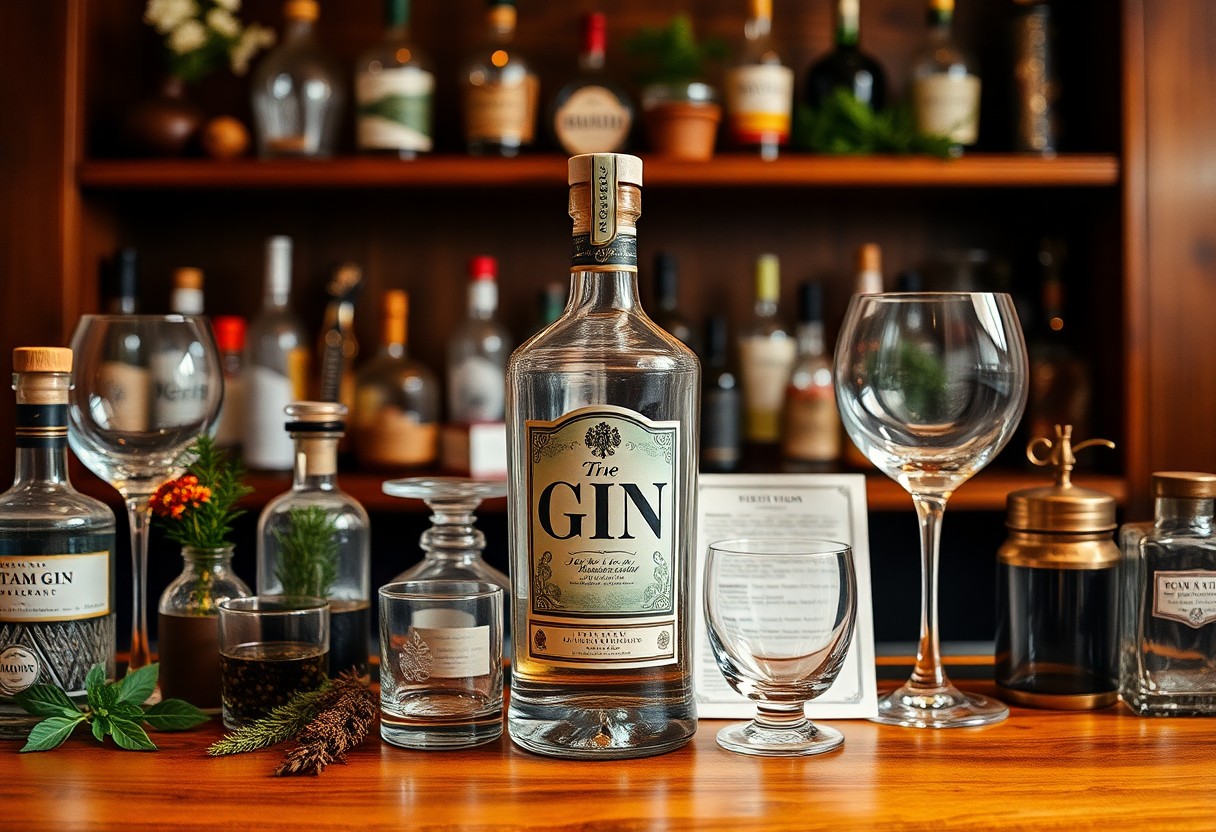
Gin offers a fascinating journey that intertwines history, craftsmanship, and flavor. In this ultimate guide, you will explore the rich origins of gin, the various styles available, and the distinctive tasting notes that define them. Whether you’re a novice or an experienced enthusiast, you’ll gain insights into how to appreciate gin like never before. Get ready to immerse yourself in the world of gin, enhancing your knowledge and possibly even your palate along the way.
The History of Gin
A fascinating journey through time, the history of gin spans several centuries and reflects its transformation from a medicinal tonic to a beloved spirit. You will discover that it has deep roots in Europe, with its origins tracing back to the early 17th century in the Netherlands, where it began as jenever, a juniper-flavored spirit. Over the years, gin evolved, gaining popularity in England and evolving into the varieties you enjoy today.
Origins and Evolution
An exploration of gin’s beginnings reveals its roots in the medicinal use of juniper berries. You will find that Dutch physician Franciscus Sylvius is often credited with distilling the first gin in the 1600s, intended for health benefits. The spirit soon made its way to England, where it was embraced and adapted, leading to the gin craze of the 18th century, which forever changed the perception and production of this iconic beverage.
Key Milestones in Gin Production
If you’re tracking the advancement of gin, several key milestones highlight its evolution. The introduction of the column still in the 19th century marked a turning point, allowing for purer and higher-quality spirit production. The proliferation of gin distilleries in England during this period resulted in a diverse array of styles and flavors, setting the stage for today’s craft gin movement.
Another pivotal moment occurred with the invention of London Dry Gin in the late 19th century, which became synonymous with quality and refinement. You may also appreciate that the use of unique botanicals has expanded since then, leading to modern artisanal gins showcasing innovative flavors. This rich timeline demonstrates that gin is not just a drink, but a vibrant story of cultural and technological progress.
Types of Gin
Now, let’s explore the diverse types of gin that cater to various palates and preferences. You’ll find that each style offers unique flavors and production methods. Here’s a snapshot:
| Type | Description |
| London Dry Gin | Classic style, known for its dryness and strong juniper flavor. |
| Old Tom Gin | Sweeter style of gin, often used in cocktails. |
| Sloe Gin | Infused with sloe berries, offering a fruity taste. |
| Plymouth Gin | Distinctively earthy and slightly fruity. |
| Western Dry Gin | Variety of gins with less emphasis on juniper. |
Knowing each type will help you discover the right gin for your personal taste and occasion.
London Dry Gin
Assuming you are familiar with classic spirits, London Dry Gin is a quintvital style that defines gin for many enthusiasts. Distilled with a high proportion of juniper and often featuring botanicals like coriander and angelica, it offers a clean, crisp taste. This style is versatile for cocktails, from martinis to gin and tonics.
Old Tom Gin
To take a step back in time, Old Tom Gin offers a sweeter alternative to its London Dry counterpart. This type has seen a resurgence in popularity as cocktail culture evolves. It contains a touch of sugar during the distillation process, providing a smoother and more approachable flavor profile that complements many classic cocktails.
With its rich history dating back to the 18th century, Old Tom Gin was traditionally enjoyed by the general public when gin was not yet regulated. Today, its revival has led to many craft distilleries producing unique variations, often incorporating different botanicals for a modern twist.
Sloe Gin
With a unique character, Sloe Gin is not a traditional gin but rather a liqueur made by infusing gin with sloe berries, which are the fruit of the blackthorn bush. The resulting drink is rich, sweet, and tart, providing delightful fruitiness and a beautiful ruby color.
Types of Sloe Gin can vary significantly depending on the gin used and the recipe followed. Some versions maintain a higher gin content, giving it a stronger backbone, while others lean more on the sweetness of the sloe berries, making it perfect for sipping on its own or using in cocktails.
Tasting Notes
Your journey into the world of gin tasting begins with understanding its complexities. Each gin offers a unique experience, allowing you to explore a range of flavors and aromas. By paying close attention to the subtleties in each sip, you will develop an appreciation for the craftsmanship behind this beloved spirit. Whether you’re sampling a classic London Dry or a contemporary craft gin, capturing the essence of your tasting experience will deepen your enjoyment.
Flavor Profiles
To fully appreciate gin, you should explore its diverse flavor profiles that range from floral and citrus to herbal and spicy. Each distillation technique and ingredient contributes to the overall taste, creating a broad spectrum of experiences. As you sample different gins, take note of how these flavors interact and evolve on your palate, revealing the intricacies of each expression.
Aromatic Components
While flavor is vital, the aromatic components of gin play an equally important role in the tasting experience. The scent of gin often hints at its flavor profile, providing rich olfactory cues that enhance your enjoyment and understanding of the drink. Paying attention to these nuances can elevate your tasting and deepen your appreciation of the spirit.
The aromatic components of gin can include a variety of botanicals, with juniper berries being the primary ingredient that gives gin its quintvital character. Depending on the recipe, you might also encounter notes of citrus peels, spices like coriander, or botanicals such as lavender or rosemary. These scents can evoke memories or impressions, enhancing your overall tasting experience. Experiment with different gins to discover how influential aromas contribute to the perception of taste, allowing you to savor the complexities of each spirit.
Tips for Tasting Gin
Unlike many spirits, tasting gin requires a discerning approach to appreciate its complex flavors. Here are some tips to enhance your gin-tasting experience:
- Choose a clean glass to prevent any residual flavors.
- Use the right temperature; gin is best at slightly chilled.
- Take time to smell the gin before tasting.
- Pay attention to the botanicals and how they evolve as you sip.
After following these tips, you’ll gain a deeper understanding and appreciation of your gin experience.
How to Properly Taste Gin
The proper tasting technique involves several steps: Start by observing the gin’s appearance in your glass. Next, gently swirl it to release the aromas, and take a moment to inhale deeply. Focus on identifying distinct botanical notes before taking a small sip, allowing the spirit to coat your palate. Finally, take time to reflect on the flavors and how they transition while you sip.
Common Mistakes to Avoid
With gin tasting, it’s easy to overlook details that can impact your experience. One prevalent mistake is rushing through the tasting process without savoring the aromas and flavors. Avoid using mixers or ice initially, as they can mask the gin’s natural qualities. Also, don’t hesitate to keep a tasting note journal to track your observations and preferences.
Understanding these pitfalls is vital for enhancing your gin appreciation. Many enthusiasts skip the smelling step, underestimating its role in flavor perception. Additionally, using inappropriate glassware can limit your ability to experience aromatics. Don’t forget the importance of palate clarity; eating strongly flavored foods beforehand may taint your tasting experience. By avoiding these common mistakes, you’ll develop a refined palate and a richer appreciation for this versatile spirit.
Factors Influencing Gin Quality
All gin enthusiasts know that several factors determine the quality of your favorite spirit. Key elements contributing to superior gin include:
- Ingredient quality
- Botanical selection
- Distillation techniques
- Age and storage conditions
- Water source
After understanding these factors, you can appreciate the craftsmanship behind every gin bottle.
Ingredients and Botanical Selection
If you want to elevate your gin experience, pay attention to the ingredients and botanicals used. A wide range of botanicals, including juniper berries, herbs, and spices, creates the distinct flavor profiles you taste in different gins. Each distiller crafts their unique blend, making the choice of ingredients vital to flavor complexity and quality.
Distillation Methods
Methods used in the distillation process also significantly affect the final result. Traditional pot stills impart rich flavors, while column stills create a cleaner, more neutral spirit. The method chosen can enhance the botanical choices and, consequently, the gin’s aromatic profile.
Factors such as distillation time and temperature can further influence gin quality. Typically, longer distillation processes allow for a more refined taste as volatile compounds evaporate and leave behind a smoother spirit. Different distillers also experiment with unique techniques, such as vapor infusion or maceration, impacting flavor extraction and overall character. Understanding these nuances can help you appreciate the artistry behind each gin bottle you encounter.
Pros and Cons of Different Gin Types
Once again, understanding the pros and cons of various gin types helps you make an informed choice tailored to your palate and preferences. Each gin has its unique characteristics that can enhance your drinking experience. Below, you will find a comparison of the different gin types to help guide your selection.
| Type | Pros | Cons |
|---|---|---|
| London Dry | Classic and versatile | May lack complexity |
| New Western | Innovative flavor profiles | Can be polarizing |
| Old Tom | Rounded sweetness | Less availability |
| Plymouth | Distinct regional identity | More limited distribution |
| Sloe Gin | Unique fruity notes | Not a traditional gin |
Advantages of Each Type
Some gin varieties have specific advantages that can enhance your drinking experience. For instance, London Dry gin’s classic profile makes it an ideal base for cocktails, while New Western gins allow for experimentation with fresh flavors. Old Tom gin can offer a delightful sweetness, and Plymouth gin is celebrated for its maritime heritage. Sloe gin provides a unique twist, especially for those interested in sweeter options. Each type can cater perfectly to various preferences and occasions.
Disadvantages to Consider
Now, considering the disadvantages is just as important when exploring gin types. Some gins may not suit your taste or may be limited in availability, which can frustrate your search. London Dry can sometimes feel too straightforward, whereas New Western’s bold flavors may not appeal to traditionalists. Sloe gin, while unique, may not align with everyone’s expectations of a classic spirit.
Types of gin can also bring certain challenges for you. For example, while Old Tom has pleasant sweetness, this characteristic isn’t always favored among gin enthusiasts seeking more neutrality. Plymouth gin has a rich legacy, but it is not as widely distributed, meaning you might have trouble finding it. Each gin offers a distinct experience, but it’s crucial to recognize if that experience aligns with your preferences and expectations.
Conclusion
Taking this into account, you now have a comprehensive understanding of gin’s rich history, diverse types, and intricate tasting notes. With this knowledge, you can confidently explore various brands and styles, enhancing your appreciation for this timeless spirit. Whether you’re a novice or an enthusiast, your journey into the world of gin will be all the more enjoyable as you savor the complexities and subtleties that each bottle has to offer.
Leave a Reply