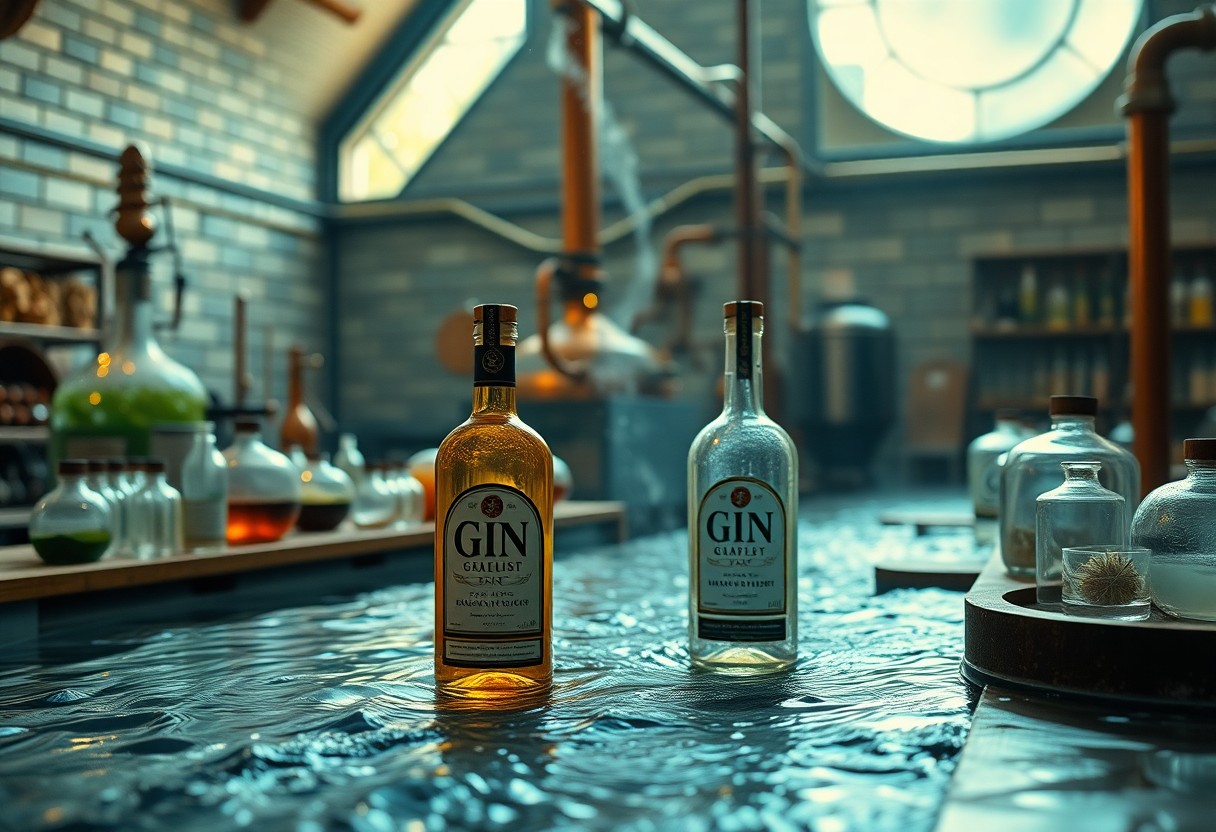
Most gin enthusiasts overlook the impact of celestial harmony on flavor development, yet it plays a significant role in crafting the perfect spirit. By exploring the interplay between lunar phases and herbal growth cycles, you’ll gain insights into how the natural world influences gin’s botanical balance. Understanding this relationship can enhance your appreciation of gin and guide your choices when selecting or mixing your favorite brands. Join us as we investigate into the fascinating connection between celestial harmony and the intricate flavor profiles of gin.
Understanding Celestial Harmony
Before stepping into the intricate world of gin, it’s important to grasp the concept of celestial harmony. This principle reflects the balance and connection between natural elements, which play a pivotal role in the distillation and flavoring processes of gin. By understanding celestial harmony, you can appreciate how the alignment of ingredients, environment, and even the time of year impacts the gin you enjoy.
Definition and Components
The components of celestial harmony encompass the relationships between botanicals, water sources, and atmospheric conditions that affect flavor. These elements must work together in perfect harmony to create a gin that delivers a well-rounded tasting experience. This synergy ensures that each ingredient complements rather than clashes with the others, enhancing your appreciation for gin.
Historical Context
Historical records unveil that the pursuit of harmony between celestial elements and flavor dates back centuries, particularly within ancient distilling practices.
Considering this historical context, you’ll find that distillers have long believed in the influence of the cosmos on their creations. Many cultures traditionally aligned their brewing schedules with celestial events, using lunar phases and seasonal changes to perfect their gin’s flavor profile. This deep-rooted connection not only emphasizes the importance of celestial harmony in distilling but also showcases how centuries of craftsmanship continue to influence modern gin today.
The Science of Flavor in Gin
The intricate science of flavor in gin stems from its unique combination of botanicals and distillation processes. As you probe deeper into the world of gin, you’ll find that various ingredients contribute to its aromatic and taste profile, resulting in a delightful experience with each sip. Understanding these components allows you to appreciate and select gins that suit your palate and elevate your drinking experience.
Key Flavor Profiles in Gin
By exploring the key flavor profiles in gin, you will uncover the primary elements that shape its character. Juniper berries often serve as the backbone, imparting earthy and pine-like flavors. Additionally, citrus, floral, and spice notes can enhance the complexity, enriching the overall sensory experience. Recognizing these profiles enables you to choose gins that appeal to your preferences.
Role of Botanicals and Distillation
Flavor plays a pivotal role in your gin experience, driven by the diverse botanicals and the meticulous distillation process. Each botanical adds its unique essence, whether it’s the depth from coriander seeds, the brightness from citrus peels, or the herbal qualities from herbs. The distillation process further refines these flavors, allowing the master distiller to balance and highlight specific notes, resulting in a well-rounded final spirit.
Plus, the interplay between botanicals and distillation techniques can greatly impact the flavor profile of gin. You may find that some distillers employ vapor infusion, where botanicals are placed in the vapor path of the distillation process, resulting in lighter and more fragrant aromas. In contrast, others may choose maceration, allowing botanicals to steep in the base spirit before distillation, which can lead to a more robust and bold flavor. Understanding these methods enhances your appreciation of the craftsmanship behind every gin, helping you choose a spirit that resonates with your taste preferences.
Celestial Influences on Botanical Growth
It is widely recognized that the celestial movements have a profound effect on the growth and development of botanicals used in gin production. Factors such as the alignment of planets, the moon’s position, and seasonal cycles influence the flavors, aromas, and overall quality of the plants you cultivate. By understanding these cosmic interactions, you can harness their potential to perfect your gin’s flavor profile.
Lunar Phases and Plant Development
About many botanists and distillers observe the phases of the moon to determine the optimal times for planting and harvesting. The waxing moon, for instance, is said to promote growth, while the waning moon is considered ideal for harvesting, as it encourages plants to focus energy on flavor concentration.
Astrological Timing in Harvesting
Celestial influences also extend to the timing of your harvesting based on astrological patterns. Different planets govern certain crops, and by aligning your harvest with these planetary movements, you can enhance the vibrancy of the botanicals, ensuring that your gin reflects the utmost quality.
With careful attention to astrological timing, you can elevate the process of harvesting your botanicals. By selecting dates that are astrologically favorable for the crops you’re using, you’ll be able to ensure that the flavors are at their peak. This practice, which has roots in traditional agriculture, allows you to capture not just the essence of the plants but also the nuances that can enhance your gin’s complexity.
The Art of Crafting Gin
Despite the allure of commercial spirits, the art of crafting gin invites you into a world of creativity and precision. Each batch of gin offers an opportunity to explore diverse botanicals and flavor combinations, allowing you to express your own taste preferences. By understanding both the science and the artistry behind gin-making, you can enhance your palate and appreciate the subtleties that characterize this versatile spirit.
Traditional Methods vs. Modern Techniques
Before embracing modern innovations, it’s important to consider the traditional methods that have defined gin production for centuries. Techniques such as pot distillation and the use of classic botanicals highlight the craftsmanship involved in creating gin. While contemporary methods may streamline processes or introduce new flavors, understanding these foundational practices can enrich your appreciation for the spirit’s heritage.
Importance of Timing and Celestial Alignment
Above all, the timing of your distillation process can significantly affect the final flavor profile of your gin. Celestial alignment, including lunar phases and seasonal changes, is believed to influence the quality of botanicals and the overall essence of your spirit. By paying attention to these natural cycles, you can elevate the characteristics of your gin and create a product that resonates with harmony.
Modern gin distillers often recognize that aligning their distillation processes with celestial events can enhance the flavors of their botanicals. For example, harvesting botanicals during a full moon is thought to amplify their aromatic qualities. By observing the moon’s phases and other natural cycles, you can make informed decisions about when to distill, infusing your gin with a distinct sense of place and time, ultimately crafting a more complex and refined flavor profile that reflects the rhythmic patterns of nature.
Case Studies of Successful Gins
Once again, a look at several gins illustrates how celestial harmony influences flavor profiles. These case studies highlight various successful brands that have effectively utilized atmospheric elements in crafting their gin:
- Hendrick’s Gin – Balances floral notes with cucumber infusion, leading to a unique taste; 92 points in consumer ratings.
- Tanqueray No. Ten – Uses citrus botanicals with a perfect balance of juniper; achieved 90 points from experts.
- Monkey 47 – Combines 47 botanicals, resulting in complex flavors; noted for 95 points from gin enthusiasts.
- Beefeater 24 – Incorporates Japanese teas and Asian botanicals, earning a 91-point score from taste testers.
Examples of Celestial Harmony in Practice
An exploration of these gins reveals how celestial harmony, such as seasonal influences and geographic terroir, greatly impacts their botanical selection and flavor development. Seasonal harvesting of botanicals can enhance freshness, creating a more vibrant gin, while the geographic location contributes to distinct flavor notes attributable to local flora.
Taste Comparisons and Consumer Perceptions
Studies indicate that consumers often perceive gins with harmonious flavor profiles as higher quality. Data from a recent survey shows that about 78% of consumers prefer gins with well-integrated botanicals over those with overpowering or discordant flavors.
Consumer Preference Ratings
| Gin Brand | Preference Rating (%) |
|---|---|
| Hendrick’s Gin | 85 |
| Monkey 47 | 90 |
| Beefeater 24 | 75 |
Examples show a strong correlation between taste profiles and consumer preferences. Gins noted for their celestial balance often receive higher ratings, reinforcing that the harmony of flavors plays a significant role in consumer satisfaction and brand loyalty. Distillers who adopt this principle enjoy a competitive edge in the market.
Flavor Profile Assessments
| Flavor Quality | Expert Rating (points) |
|---|---|
| Floral and Fruity | 92 |
| Crisp and Fresh | 90 |
| Complex and Layered | 95 |
Overall, the highlighted case studies emphasize how successful gins masterfully incorporate celestial harmony into their flavor profiles, influencing both expert ratings and consumer preferences. This balance not only enhances the drinking experience but also fosters consumer loyalty to the brands that excel in this artistry.
Expert Opinions on Celestial Harmony and Flavor
To understand the significance of celestial harmony in perfecting gin’s flavor profile, consider the insights from industry experts. Many distillers assert that the alignment of natural elements, from lunar phases to seasonal changes, profoundly influences the botanical selection and distillation processes, leading to a more refined and balanced spirit. Their experiences suggest that when gin is crafted in tune with these cosmic rhythms, the result is an elevated and distinctive flavor profile that resonates with consumers on a deeper level.
Distillers’ Testimonials
Across the gin industry, distillers have shared personal anecdotes about their experiments with celestial harmony. They often describe how particular moon phases inspire the selection of botanicals, leading to unique and harmonious flavor profiles. These hands-on experiences reinforce the idea that blending tradition with nature’s rhythms can yield exceptional gins that are both pleasurable and memorable.
Scientific Perspectives
Before you dismiss the connection between celestial alignment and flavor profiles, explore the insights offered by scientists studying the impact of environment on botanical growth. They argue that various factors, such as light quality and atmospheric pressure during lunar cycles, can affect flavor compounds in plants used for gin. This scientific backing adds another layer of validity to the distillers’ experiences and highlights the intricate interplay between nature and craft.
Plus, research has indicated that the timing of harvests can alter the chemical composition of herbs and botanicals. When gathered at specific lunar phases, these plants may yield higher concentrations of imperative oils, impacting flavor intensity and aromatic properties. By marrying scientific understanding with traditional practices, you can appreciate how celestial harmony contributes to the art of crafting gin that delights the senses.
Summing up
Taking this into account, you begin to appreciate how celestial harmony intricately influences the flavor profile of gin. By understanding the cycles of the moon and the planets, you can enhance your gin-making process, from choosing botanicals to timing distillation. This alignment with nature not only cultivates unique flavors but also elevates your overall crafting experience, allowing you to create a spirit that resonates with both balance and complexity. Ultimately, aligning your gin-making with celestial rhythms can lead to a product that is not only more flavorful but also a true reflection of your personal artistry.
Leave a Reply