Author: admin

  • Timeless How-To – Master Traditional British Gin & Tonic Recipes

    Timeless How-To – Master Traditional British Gin & Tonic Recipes

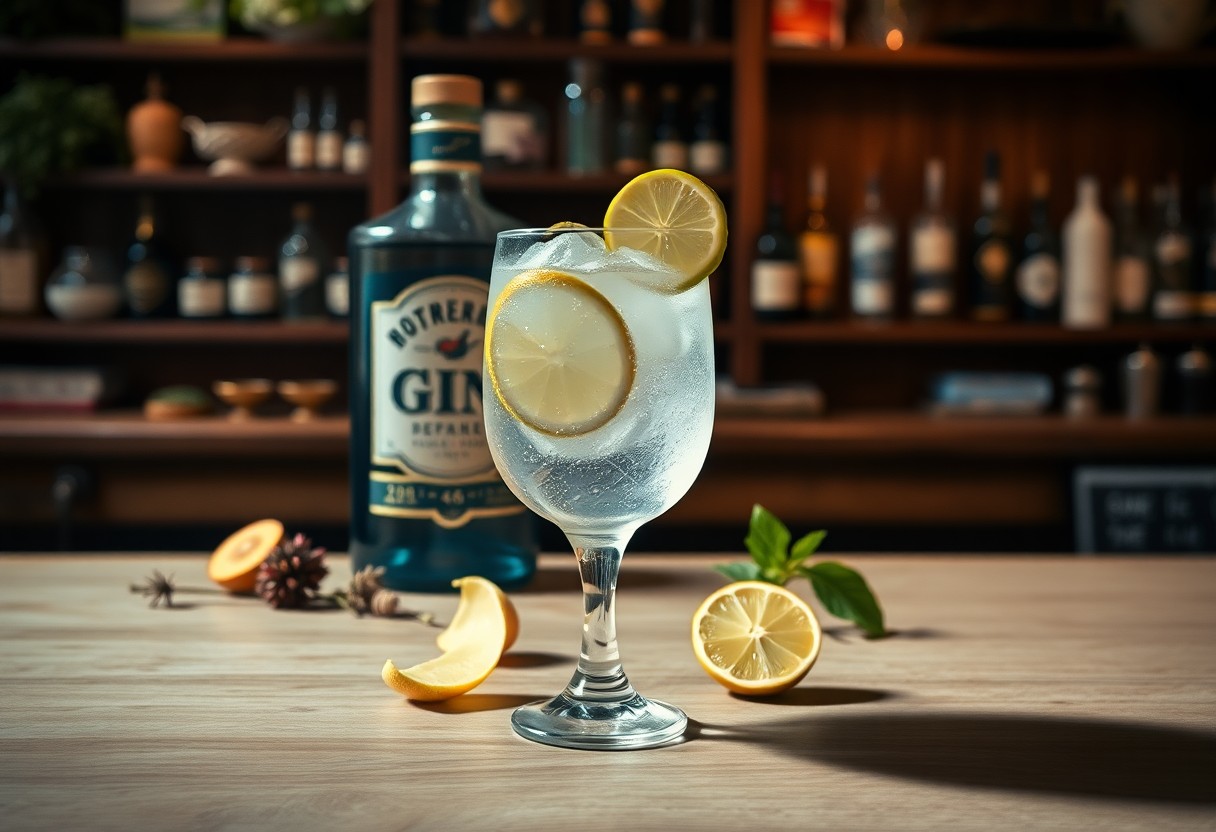
    Many gin enthusiasts seek to perfect the art of crafting a traditional British gin and tonic, a classic drink that has stood the test of time. In this guide, you will discover the vital components, techniques, and tips to elevate your G&T experience. From selecting the right gin to garnishing with the finest botanicals, you’ll learn how to create a refreshing drink that honors this beloved staple. Get ready to impress your friends and elevate your cocktail game with your newfound knowledge!

    Understanding British Gin

    While gin has gained global popularity, its roots are deeply embedded in British culture. You should know that British gin is not just a spirit; it represents a tradition that spans centuries. Its primary botanical, juniper, gives gin its distinctive flavor, setting it apart from other spirits. With a range of flavor profiles and distillation methods, you can explore a world of gin that suits your taste preferences perfectly.

    History and Origins

    While the exact origins of gin can be debated, its early connections to Britain trace back to the 17th century. Initially used for medicinal purposes, gin quickly became a popular recreational drink among the masses, notably during the Gin Craze of the early 18th century. As you explore into its history, you’ll discover how gin has shaped British society and the craft distilling industry over the decades.

    Types of Gin

    While exploring the different types of gin, you will encounter a variety of styles, each with its own unique characteristics. Distillation methods, flavoring techniques, and regional ingredients all contribute to the diversity of gin. Here are some common types:

    Type of Gin Description
    London Dry Gin Known for its crisp and aromatic profile.
    Plymouth Gin A slightly sweeter style with a rich heritage.
    Old Tom Gin A sweetened version from the 18th century.
    Sloe Gin A fruit gin made with sloe berries.
    Navy Strength Gin High-proof gin traditionally used by sailors.
    • London Dry Gin is the most common type for cocktails.
    • Plymouth Gin is geographically protected, offering unique flavors.
    • Old Tom Gin brings a history of sweetness to your drinks.
    • Sloe Gin can be enjoyed neat or in cocktails for a berry twist.
    • Perceiving the subtle distinctions between these types can enhance your gin experience.

    It is crucial to understand the various types of gin to fully appreciate their nuances. By familiarizing yourself with these categories, you will enhance your gin selection for cocktails or sipping. Here’s a deeper look at the distinctions:

    Style Main Characteristics
    Aromatic Heavy on scents and botanicals.
    Citrusy Prominent lemon and lime notes.
    Herbal Includes various herbs in the profile.
    Spicy Infused with spices for a warm taste.
    Perceiving the complexity of gin encourages creativity in your mixology.
    • Aromatic gin often pairs well with herbal tonic waters.
    • Citrusy gins work great in fresh summer cocktails.
    • Herbal gins can elevate classic cocktails with their depth.
    • Spicy gins add warmth to your favorite gin mixes.
    • Perceiving these flavors can inspire your cocktail crafting adventures.

    Essential Ingredients for the Perfect G&T

    Some of the key components that elevate your gin and tonic experience include the right gin, premium tonic water, and fresh garnishes. Selecting these ingredients carefully will ensure that every sip of your G&T is refreshing and full of flavor. Prioritize quality and taste over price, and you will find the perfect balance that defines this classic British beverage.

    Choosing the Right Gin

    Assuming you want to create a well-rounded G&T, your choice of gin plays an crucial role in achieving the desired flavor profile. From London dry gins with their bold juniper flavors to sweeter variations, consider what particular characteristics you enjoy most. Sample a few different brands to find one that resonates with your palate, and don’t hesitate to experiment with craft distilleries for unique options.

    Selecting Tonic Water

    For the ideal G&T, the type of tonic water you choose can significantly impact the overall taste. Quality tonic water complements the botanicals in your gin, enhancing its flavors. Look for tonics that use real ingredients, such as natural sugars or quinine sourced from the best regions, as these will provide a crisp and delightful finish.

    With a growing array of tonic waters available, it’s worth exploring different brands and flavor profiles to discover what pairs best with your chosen gin. Many artisanal options now boast added botanicals, which can harmonize beautifully with your gin’s distinct notes. It’s about finding the right balance; a well-crafted tonic will elevate your drink, making it crisp and refreshing, rather than overpowering the delicate flavors of the gin.

    Mastering the Perfect Ratio

    Even slight variations in the ratio of gin to tonic can significantly impact the overall flavor profile of your drink. Finding the perfect balance ensures that the botanicals in your gin shine without overwhelming the refreshing qualities of the tonic. Strive for a harmonious combination that enhances your experience, allowing you to savour each sip of this classic beverage.

    Classic Ratios Explained

    Clearly, the traditional gin and tonic ratio is typically 1:3, meaning one part gin to three parts tonic. This classic combination allows the crispness of the tonic to complement the gin’s botanical flavors beautifully. However, variations like 1:2 or even 1:4 can highlight different aspects of the drink, depending on the type of gin and tonic used.

    Personalizing Your Mix

    With your taste preferences in mind, you can easily customize your gin and tonic to create a unique beverage experience. Adjusting the gin-to-tonic ratio according to the botanicals in your chosen gin will enhance specific flavors, allowing you to tailor the drink to your liking.

    Personalizing your gin and tonic can take you on a delightful journey of flavor exploration. You might prefer a more robust drink with a 1:2 ratio if you enjoy a stronger gin flavor, while a lighter touch can be achieved with a 1:4 mix. Additionally, experimenting with various tonics—ranging from classic to flavored options—and adding garnishes, such as herbs or fruits, can elevate your drink to new heights. Make it your own and enjoy the process of discovering your ideal gin and tonic combination.

    Enhancing Flavor with Garnishes

    Now that you’ve mastered the basics of crafting a classic gin and tonic, it’s time to elevate your drink with the right garnishes. Using fresh ingredients can not only enhance the visual appeal of your cocktail but also add depth and complexity to its flavor profile. Thoughtfully chosen garnishes can turn a simple beverage into a sophisticated experience, enticing your taste buds with intriguing aromas and tastes.

    Traditional Garnishes

    Flavor plays an imperative role in the gin and tonic experience, especially when it comes to traditional garnishes. Lemon and lime wedges are the classic choices, but you might also consider adding a sprig of mint or a slice of cucumber. These time-honored options complement the botanicals in gin beautifully and offer a refreshing balance that enhances your drink without overpowering it.

    Creative Garnish Ideas

    Assuming you want to explore new dimensions of flavor, consider incorporating more adventurous garnishes into your gin and tonic. Think about using fresh herbs like basil or thyme, fruits like berries or grapefruit, and even spices such as black pepper or cardamom. These unique ingredients can create delightful contrasts and harmonies that will surprise your palate.

    This exploration of creative garnishes allows you to personalize your gin and tonic experience. Combining various flavors opens up a world of potential, where experimenting with combinations can lead to a truly outstanding cocktail. Try muddling herbs or infusing your tonic water with fruits beforehand for a unique twist that’ll surely impress your guests. The key is to balance the flavors while staying true to your gin’s personality, creating a drink that is uniquely yours.

    Tips for Serving

    Many enthusiasts overlook the details when serving a gin and tonic. However, here are some tips to elevate your presentation:

    • Use fresh garnishes to enhance flavor and visual appeal.
    • Choose the right tonic water for a balanced blend.
    • Experiment with various gins to find your favorite flavor profile.
    • Ensure you have an appropriate ice-to-gin ratio for optimal dilution.

    Assume that your attention to these details will elevate your gin and tonic experience.

    Glassware Choices

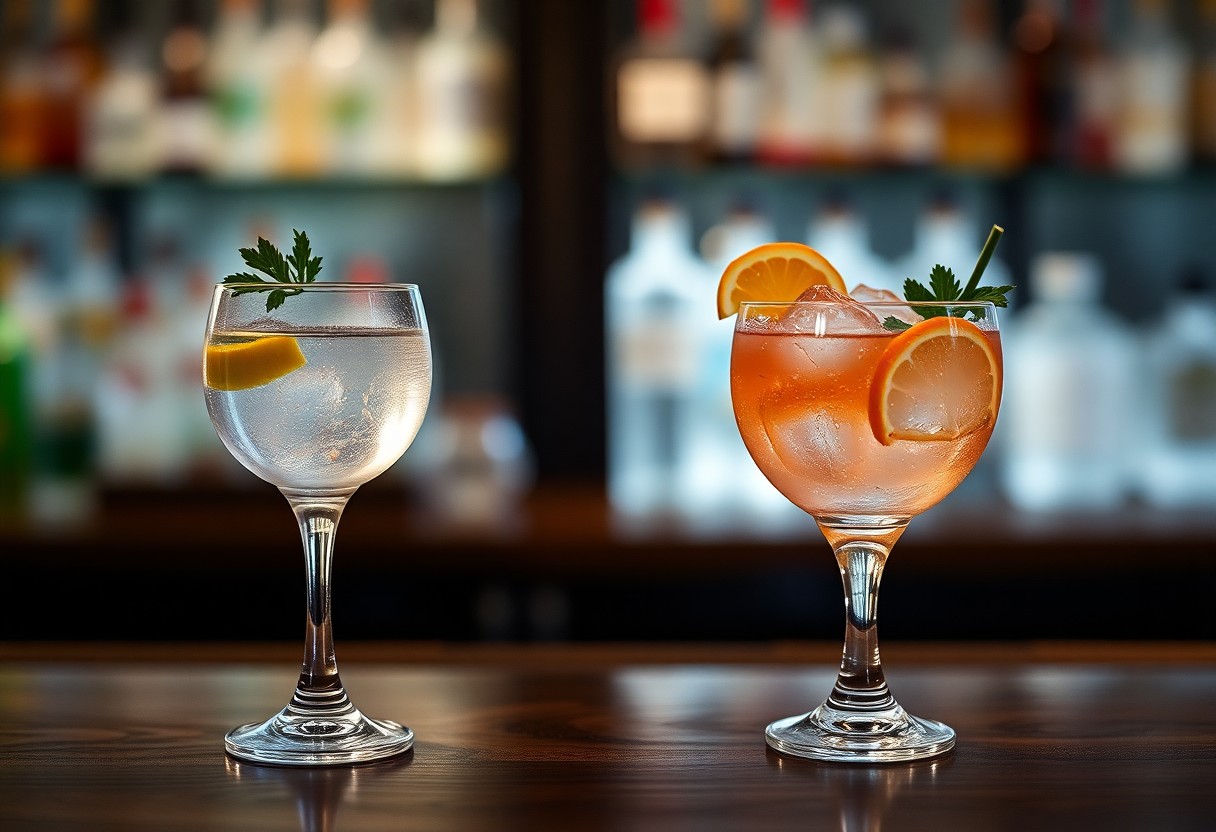
    There’s a world of difference in presentation depending on your choice of glassware. For a classic gin and tonic, consider using a highball glass or a copa de balon for an elegant touch. The shape of the glass can enhance the aromas and help you appreciate the drink’s complexity.

    Temperature and Presentation

    For the best gin and tonic experience, temperature plays a pivotal role. The table below provides helpful insights:

    Temperature Guidelines

    Element Ideal Temperature
    Gin Chilled to around 0-4°C (32-39°F)
    Tonic Water Chilled to around 4-6°C (39-43°F)
    Glassware Chilled or at room temperature (depends on preference)

    For instance, serving your gin and tonic at the right temperature will enhance your drink’s taste and refreshment. Consider the table below for additional temperature insights:

    Extended Temperature Tips

    Tip Detail
    Use Ice Fill your glass with ice to chill the contents rapidly.
    Pre-chill Ingredients Store gin and tonic in the fridge prior to serving.
    Layering Ingredients Add tonic gently after gin to retain bubbles.

    Factors Influencing Flavor Profiles

    Despite the simplicity of a gin and tonic, various factors influence its flavor profile, allowing for an endless array of combinations. These include:

    • The type of gin used
    • The choice of tonic water
    • Fresh garnishes
    • The ice quality and quantity

    Thou shalt discover that your choice in these elements will shape your gin and tonic experience like no other.

    Botanical Variations

    Even the botanicals in your gin play a significant role in the flavor profile. Gins can showcase a variety of botanicals, ranging from juniper to spices, herbs, and even floral notes, all of which create a unique taste experience. By exploring different brands, you can personalize your gin and tonic to suit your palate.

    Regional Influences

    Now, various regions have distinct styles of gin that reflect local ingredients, traditions, and distillation methods, enhancing the flavor journey of your drink. These regional nuances often lead you to discover unique combinations of botanicals that resonate with specific cultural influences.

    Another enriching aspect of regional influences is the diversity of gin produced worldwide. For instance, London Dry gin offers a classic flavor, while New Western gins may feature an experimentation of flavors, like cucumber or citrus. You’ll often find that the tonic waters, too, may vary regionally, sometimes integrating local ingredients for an even deeper connection to the locale in which your drink is crafted. Embracing these regional aspects can elevate your gin and tonic experience to celebrate not only the spirit itself but also the culture behind it.

    To wrap up

    The mastery of traditional British gin and tonic recipes elevates your cocktail-making skills and allows you to appreciate this classic drink in its full glory. By understanding the key components, from selecting high-quality gin to choosing the perfect garnishes, you can create personalized variations that reflect your taste. Embrace the art of mixing and enjoy sharing your creations with friends or savoring a moment of relaxation on your own. With these timeless techniques, your gin and tonic experience will never be the same.

  • Sophisticated How-To – Pair Gin With Gourmet Food For An Unforgettable Meal

    Sophisticated How-To – Pair Gin With Gourmet Food For An Unforgettable Meal

    Just imagine elevating your dining experience by expertly pairing gin with gourmet food. With its diverse botanicals and refreshing profile, gin can beautifully complement a variety of flavors and dishes, making each bite and sip a memorable experience. In this guide, you’ll learn how to select the perfect gin and match it with exquisite meals, ensuring your culinary creations shine. Prepare to impress your guests and indulge in the art of pairing gin with gourmet cuisine like a true connoisseur!

    Understanding Gin

    For a truly remarkable dining experience, it’s imperative to understand the spirit at hand—gin. Known for its botanical richness, gin is a versatile and aromatic distilled beverage that serves as a fantastic pairing for a variety of gourmet foods. Understanding its characteristics will help you elevate your meals and create memorable moments.

    Types of Gin

    For those new to gin, recognizing the different types can enhance your selection process. Below are the primary categories:

    Type Description
    London Dry Clean, juniper-forward flavor; no artificial sweetness.
    Old Tom Slightly sweeter and rounder than London Dry.
    Geneva Rich, malty flavor; typically a Dutch style.
    Craft Gin Small-batch, unique botanicals and flavors.
    Barrel-Aged Gin Complex flavors from aging in wooden barrels.

    The type of gin you choose can greatly influence your culinary pairing options, bringing out different facets in your gourmet meals.

    Flavor Profiles

    Now that you understand the various types of gin, you can probe into their diverse flavor profiles. Each expression offers a unique blend of botanicals and characteristics that can harmonize beautifully with specific dishes.

    With an array of ingredients such as juniper, citrus, herbs, and floral notes, gin can evoke a spectrum of flavors. For instance, a London Dry might enhance a dish featuring earthy ingredients like mushrooms, while a floral craft gin could harmonize perfectly with delicate seafood. Pay attention to these profiles to select the ideal gin for your meal, ensuring a delightful culinary experience.

    Choosing Gourmet Food

    Clearly, selecting the right gourmet food is important to create a memorable pairing with gin. Gourmet dishes often emphasize high-quality ingredients and meticulous preparation, making them the perfect complement to the sophisticated botanical notes of gin. This approach will elevate your dining experience and showcase the versatility of this beloved spirit.

    Types of Gourmet Dishes

    • Fresh seafood like ceviche or grilled octopus
    • Artisan cheeses paired with cured meats
    • Delicate pasta dishes such as truffle tagliatelle
    • Exquisite desserts like chocolate tarts or fruit sorbets
    • Seasonal vegetable preparations with vibrant herbs

    The right selection can elevate your gin pairing to new culinary heights.

    Dish Type Suggested Gin Pairing
    Seafood Herbaceous gin
    Cheese Citrus-forward gin
    Pasta Spicy gin
    Desserts Floral gin

    Flavor Complementation

    You need to consider how flavors interact when choosing gourmet dishes to pair with gin. The natural botanicals in gin can enhance or contrast with the flavors of your food, creating a harmonious dining experience. Aim for dishes that either mirror the gin’s profile or offer a refreshing contrast, ensuring that both elements shine on your palate.

    A thoughtful pairing can highlight the unique botanicals in your gin while enriching the flavors of your gourmet dishes. For instance, a citrusy gin pairs beautifully with light seafood, whereas a spicier gin will complement robust, savory meals. By understanding how different flavors work together, you can craft an unforgettable meal that delights the senses and accentuates the complexity of your chosen gin.

    Pairing Principles

    Even when navigating the world of gin and gourmet food, understanding a few key pairing principles can significantly enhance your dining experience. Focus on the complementary aspects of both gin and the dish you choose; consider the botanicals in your gin, the texture of the food, and how they can work together to create harmony on your palate. Adopting a mindful approach to your selections will elevate your meal and leave a lasting impression.

    Matching Intensity

    There’s a delicate balance in matching the intensity of your gin with that of your dish. Lighter gins feature floral and citrus notes, lending themselves well to delicate foods like seafood or salads. In contrast, more robust gins with earthy or herbal undertones can hold their own against richer, heartier dishes such as grilled meats or spicy cuisine, ensuring that neither the gin nor the food overpowers the other.

    Balancing Flavors

    Some ingredients in your dishes can clash with your chosen gin; hence, flavor balancing is vital. You should aim for a synergistic relationship between the botanicals in your gin and the flavors in your food. This means if your gin presents a botanical bouquet of rosemary, pairing it with lamb or a herbed potato dish can create a delightful match that highlights both elements.

    Another approach to balancing flavors is considering contrasting elements. A gin with strong citrus notes pairs wonderfully with rich, creamy dishes, as the acidity cuts through the richness, creating a well-rounded experience. By consciously choosing textures and flavor profiles that either complement or contrast with your gin, you can craft a sophisticated dish that resonates with your palate, achieving a memorable dining experience.

    How-To Pair Gin with Food

    Now, pairing gin with food can elevate your dining experience to new heights. The spirit’s diverse botanicals and crisp profile complement a range of flavors, providing endless possibilities. Consider the elements of your dish—sweet, savory, or herbal—and choose your gin accordingly. Experiment with combinations until you find the balance that delights your palate.

    Step-by-Step Pairing Guide

    Now, follow these simple steps to ensure a harmonious pairing of gin with your gourmet meal:

    Dish Type Recommended Gin Pairing
    Seafood Citrus or herbal gin
    Poultry Spicy or floral gin
    Meat Rich, juniper-focused gin
    Dessert Sweet or fruit-infused gin

    Expert Tips

    With your menu in mind, master the art of food and gin pairing by considering these pro suggestions:

    • Try cocktails or infusions that incorporate the food elements for cohesion.
    • Introduce herbs from your dish into the gin by creating a garnish.
    • Host tastings to explore different pairings and discover your favorites.

    This will deepen your understanding of flavor combinations and enhance your overall experience.

    Pair up your culinary creations with the right gin to transform your meals into gourmet experiences. Here are some additional insights:

    • Choose locally distilled gins to support regional flavors.
    • Adjust tonic-to-gin ratios to highlight specific botanicals.
    • Don’t shy away from unexpected pairings to ignite your creativity.

    This can lead to delightful surprises that will captivate your guests and keep them talking long after the meal is over!

    Tips for Serving

    Many factors come into play when serving gin with gourmet food to create a memorable dining experience. Consider the following tips:

    • Choose the right glassware to enhance the aroma and taste.
    • Experiment with garnishes such as herbs and fruits for added visual appeal and flavor.
    • Maintain the correct temperature for both gin and food for optimum enjoyment.
    • Pair gin and food according to flavor profiles for the best compatibility.

    Thou shall craft a culinary journey like no other.

    Presentation Techniques

    Little details can elevate your gin pairing presentation. Use elegant plates and glasses to showcase your culinary art. Arrange food thoughtfully to create visual harmony, and don’t shy away from using fresh herbs or edible flowers to add color and vibrancy. A well-set table adds to the overall dining atmosphere, enhancing the luxury of your experience.

    Enhancing the Experience

    The ambiance complements your gin and gourmet food adventure. Soft lighting, intriguing music, and thoughtful table settings can create a welcoming environment that engages the senses beyond taste. Engaging conversation will round out the experience, allowing you and your guests to relish each moment with the gin-infused creations before you.

    Tips for enhancing the experience include considering your guest’s preferences, selecting an atmosphere that matches the theme of your meal, and adjusting lighting accordingly for the desired vibe. Dishes should be paired thoughtfully with gin tastings, allowing flavor notes to evolve as your meal progresses. Finally, sharing food stories or gin background can foster connection among your guests, making the meal even more memorable.

    Factors to Consider

    After identifying your gourmet meal, it’s imperative to consider several factors when pairing gin with food. Take note of the following:

    • The gin’s botanical profile
    • Your choice of ingredients
    • The preparation style of the dish
    • The desired flavor balance
    • Serving temperature

    This thoughtful consideration is key to creating an unforgettable dining experience.

    Seasonal Ingredients

    You can elevate your dish by focusing on seasonal ingredients that harmonize with the botanicals in your gin. Fresh produce not only enhances the flavor profile of your meal but also ensures the pairing feels vibrant and alive. Think about incorporating herbs and fruits that reflect the current season for an added touch of sophistication.

    Personal Preferences

    While exploring gin pairings, your personal tastes should guide your choices. An appreciation for specific flavors, such as botanical notes or level of sweetness, can significantly enhance your dining experience. Tailoring your selections to match what you enjoy will encourage greater satisfaction.

    Seasonal flavors can also play a vital role in your personal preferences. Think about what flavors resonate with you during different times of the year. For instance, if you love bright, citrusy tones in summer or rich, earthy notes in the fall, let these seasonal inspirations guide your selection of both gin and ingredients, creating a dining experience that is uniquely yours.

    Summing up

    The art of pairing gin with gourmet food elevates your dining experience to new heights. By understanding the distinct botanicals in your gin and complementing them with flavors from your chosen dishes, you create a harmonious balance that tantalizes the palate. Experiment with various gin styles alongside thoughtfully selected gourmet ingredients, and you’ll find endless combinations that delight your guests and enhance your culinary journey. With these insights, you can confidently craft unforgettable meals that showcase the sophisticated interplay of gin and food.

  • Adventurous How-To – Explore Unconventional Gin Ingredients And Mixes

    Adventurous How-To – Explore Unconventional Gin Ingredients And Mixes

    Many gin enthusiasts are on the lookout for creative ways to elevate their beloved spirit beyond traditional botanicals. In this guide, you’ll discover how to experiment with unconventional ingredients and mixes that will transform your gin-drinking experience. From exotic spices to surprising fruits, we’ll explore how you can innovate your cocktails and impress your friends at your next gathering. Get ready to begin on a flavorful adventure and unleash your inner mixologist with these inventive ideas!

    Understanding Gin Ingredients

    Before venturing into the world of innovative gin mixes, it’s vital to familiarize yourself with the fundamental ingredients that shape this beloved spirit. At its core, gin is defined by its predominant botanical, juniper, along with a variety of other herbs, spices, and fruits that contribute to its unique flavor profile. Understanding these elements will empower you to experiment confidently with unconventional mixes, transforming your gin cocktails into extraordinary creations.

    Exploring Botanicals

    You can ignite your creativity by exploring the diverse range of botanicals that influence gin’s distinct character. From classic flavors like coriander and angelica root to more adventurous options like lavender or hibiscus, each botanical adds a unique layer to your gin experience. As you play with these flavors, consider how they harmonize with gin’s base and how they can elevate your cocktails to new heights.

    Uncommon Ingredients to Consider

    Now, let’s elevate your gin game by incorporating uncommon ingredients that will truly wow your taste buds. By integrating elements such as exotic fruits, herbs from your garden, or even spices typically used in savory cooking, you can create cocktails that stand out from the standard offerings.

    Consider using ingredients like chili peppers for a spicy kick, or fruits like passionfruit and lychee to add a fresh and tropical twist to your gin recipes. Incorporating herbs such as basil or rosemary can introduce an aromatic complexity. By experimenting with these unusual additions, you can create a unique flavor profile that reflects your personal taste while captivating your guests’ palates. The possibilities are endless when you step off the beaten path!

    How to Choose Your Base Gin

    The key to creating a remarkable gin cocktail lies in selecting the right base gin. Your choice will greatly influence the flavor profile and overall experience of your concoction. Explore various options from traditional dry gins to those flavored with unique botanicals, and consider how each will complement your unconventional ingredients and mixes.

    Key Factors in Selection

    There’s a variety of factors you should weigh when selecting your base gin. Consider the following elements:

    • Flavor Profile – Determine if you prefer a citrusy, herbal, or spicy essence
    • Alcohol Content – Higher proof gins can amplify flavors
    • Region – Different regions produce distinctive styles and characteristics
    • Craftsmanship – Look for artisanal producers with a reputation for quality

    This selection process will set the stage for your adventurous cocktail journey.

    How to Taste and Evaluate

    You should take your time to taste and evaluate different gins to find the one that resonates with your palate. Pay attention to the aroma, mouthfeel, and finish to gain deeper insights into the gin’s unique characteristics.

    Evaluate each gin by swirling it gently in your glass and inhaling the aromatic notes to uncover its botanical nuances. Take small sips, allowing the spirit to coat your tongue, noting the initial flavors and how they evolve. Is it bright and zesty, or does woodiness dominate? Consider the lingering finish and whether it plays well with the ingredients you foresee using. Exploring these sensory elements will help you curtail your selection to a base gin that elevates your adventurous cocktail creations.

    Experimenting with Flavor Pairings

    Clearly, exploring unconventional ingredients for your gin cocktails opens up a world of exciting flavor pairings. By combining unexpected elements—such as herbs, fruits, and even spices—you can create a unique tasting experience that tantalizes your palate. Delve into bold flavors like cardamom or hibiscus, and discover how they complement the botanical notes of gin, inspiring you to innovate and craft cocktails that stand out from the typical gin and tonic.

    Mixing Techniques for Unique Profiles

    If you’re looking to elevate your gin creations, experimenting with mixing techniques can deliver unique profiles that make your drinks shine. Try techniques such as infusing your gin with interesting ingredients or using a sous-vide method to extract flavors more intensely. Shake, stir, or muddle your way to finding the perfect balance that highlights your unconventional additions.

    Tips for Balancing Flavors

    Now, achieving harmony in your gin cocktails is key to ensuring all ingredients complement each other. Focus on identifying the dominant notes and adjusting them with complementary or contrasting flavors to strike the right balance. Consider these vital tips to guide you:

    • Start with a base flavor and build around it.
    • Experiment with sweetness and acidity to enhance different notes.
    • Use a tasting spoon to test flavors before finalizing your mix.

    After highlighting important characteristics of your ingredients, you can fine-tune your cocktail blend for maximum enjoyment.

    Unique pairings can significantly transform your gin-based drinks, allowing you to craft personalized flavors tailored to your preferences. To perfect your cocktails, consider the following guidelines:

    • Combine bold flavors with milder ones for a balanced experience.
    • Use seasoning ingredients sparingly, as they can overpower your creation.
    • Incorporate fresh garnishes to brighten your drink and enhance its appeal.

    After you’ve successfully balanced your flavors, you’ll find a whole new dimension opens up within your cocktails, inviting you to explore even more inventive pairings.

    Creative Mixes: Cocktails Beyond the Classics

    Many gin enthusiasts are stepping outside traditional gin-and-tonic combos to explore adventurous flavors. By incorporating unconventional ingredients like herbal liqueurs, exotic fruits, or even savory elements, you can create a cocktail experience that surprises and delights your palate. Delve into unique mixes that elevate your cocktail game and impress your guests with innovative drink selections.

    Unique Cocktail Recipes

    Now is the perfect time to unleash your creativity with unique cocktail recipes that feature unexpected ingredients. Consider infusing your gin with fresh herbs or creating a refreshing twist using artisanal sodas and fresh juices. Think outside the box and try combining bitter aperitifs or seasonal fruits to craft your very own signature drinks, turning your home bar into an exciting cocktail laboratory.

    How to Craft Signature Drinks

    While exploring the wide world of flavors, you have the chance to craft signature drinks that reflect your personal style and taste. By experimenting with various components, from garnishes to mixers, you can create distinctive cocktails that set your offerings apart from the crowd.

    Cocktails allow you to explore endless combinations, so start by considering flavors that you enjoy and how they might complement gin. For instance, pairing gin with fresh grapefruit and a hint of rosemary creates a refreshing concoction. Additionally, adding a touch of rare bitters or using house-made syrups can introduce an impressive layer of depth. The key is to balance sweetness, acidity, and herbal notes to achieve a well-rounded drink that showcases your unique flair. Enjoy the creative process as you refine your craft and develop drinks that tantalize the senses!

    Tips for Hosting an Adventurous Gin Tasting

    Not every gin tasting has to be ordinary; elevate your gathering with unique flavors. To create an engaging and memorable experience, consider the following tips:

    • Choose a variety of unconventional gins.
    • Incorporate unusual mixers and garnishes.
    • Provide tasting notes and pairing suggestions.
    • Encourage guests to share their impressions.

    This will set the stage for an unforgettable experience.

    Setting Up Your Space

    With the right setup, you can create an inviting atmosphere for your gin tasting. Arrange a clean, spacious table with clear glassware and tasting cards for your guests. Use good lighting to showcase your gin selections and consider adding some decor that ties into the theme of adventure, such as maps or travel-themed elements, to encourage conversation and exploration.

    Engaging Your Guests

    On a successful adventure, participation is key, especially in a gin tasting. Engage your guests by encouraging their input on flavors and aromas, prompting discussions about their favorite ingredients. This interactive approach not only breaks the ice but also fosters a lively atmosphere.

    Plus, you can incorporate fun activities like blind tastings or flavor-matching games. Consider offering small prizes for the most accurate guesses or the most creative cocktail contributions. This adds an element of friendly competition and keeps everyone invested in the experience, making it more enjoyable for all involved.

    Factors to Consider When Creating Your Own Gin

    For the adventurous mixologist, crafting your own gin involves several key considerations. Begin by evaluating:

    • Your choice of base spirit
    • The botanicals that will define your flavor profile
    • The distillation method you intend to use
    • The balance of sweetness and bitterness
    • Your desired alcohol content

    Assume that each element significantly influences your gin’s final character and experience.

    Understanding the Distillation Process

    Consider the nuances of distillation as you commence on your gin-making journey. This process involves heating your chosen ingredients to separate the alcohol from the other components, allowing you to capture the essence of your botanicals while creating a smooth spirit. Mastering distillation techniques can elevate your unique recipes to new heights.

    Regulations and Legal Considerations

    Some important factors include licensing, production limits, and labeling requirements in your region. Understanding these regulations is necessary to ensuring that your gin-making activities are compliant and legitimate.

    Considerations surrounding regulations can vary widely based on your location. You may need to apply for permits for distilling spirits, adhere to specific safety standards, and follow labeling laws intended to protect consumers. It’s critical to research local legislation to avoid potential fines and legal issues that can dampen your gin-making adventure.

    Conclusion

    On the whole, exploring unconventional gin ingredients and mixes opens up a world of unique flavors and experiences for your cocktail crafting. By experimenting with botanical infusions, exotic fruits, or unexpected spices, you can elevate your gin game and impress friends at your next gathering. Embrace your adventurous spirit, and don’t hesitate to think outside the bottle. Your journey through the diverse landscape of gin awaits, offering delightful surprises and endless creativity at every turn.

  • Perfectly Balanced How-To – Craft Refreshing Gin Fizz Variations

    Perfectly Balanced How-To – Craft Refreshing Gin Fizz Variations

    Over time, the classic gin fizz has evolved into a beloved favorite for cocktail enthusiasts. In this guide, you will learn how to craft your own refreshing variations that highlight the invigorating flavors of gin while balancing sweetness and acidity. With a few simple ingredients and techniques, you can elevate your mixology skills and impress your friends at any gathering. Whether you prefer fruity, herbal, or zesty twists, let’s explore how to create perfectly balanced gin fizz variations that awaken your senses and quench your thirst.

    Understanding the Classic Gin Fizz

    For a refreshing twist on a traditional favorite, the classic Gin Fizz combines the botanical notes of gin with the vibrant zing of citrus. This cocktail is typically known for its fizzy texture and bright flavor, making it a perfect option for any occasion. Mastering the basics of this delightful drink will pave the way for your own unique variations, allowing you to explore the breadth of creativity within this timeless recipe.

    Key Ingredients

    The classic Gin Fizz is composed of four main ingredients: gin, fresh lemon juice, simple syrup, and soda water. The gin provides the backbone of flavor, while the lemon juice adds refreshing acidity. Simple syrup adds just the right amount of sweetness to balance the tartness, and soda water contributes that beloved effervescence that makes this drink so enjoyable.

    Essential Equipment

    One of the key components to crafting the perfect Gin Fizz is having the right equipment on hand. You will need a cocktail shaker for mixing, a jigger for accurate measurements, and a fine strainer to achieve a smooth consistency. Additionally, a citrus juicer will help you extract the freshest juice from your lemons, ensuring vibrant flavor in every sip.

    Another handy tool to have in your cocktail-making arsenal is a highball glass or Collins glass for serving. These glass types showcase the refreshing fizz and are typically used for cocktails that include soda water. A muddler can also be helpful if you want to add fresh herbs or fruits to your Gin Fizz variations, providing even more opportunities to customize and elevate your cocktails.

    How-To Craft a Basic Gin Fizz

    Now you’re ready to master the art of the gin fizz. This classic cocktail combines the refreshing notes of gin, lemon, and soda for a revitalizing drink that’s perfect for any occasion. With just a few simple ingredients and steps, you can create a delicious gin fizz that highlights the bright flavors of your gin while offering a bubbly finish. Let’s look into the basic recipe!

    Step-by-Step Instructions

    Now, follow these easy steps to mix your own gin fizz:

    Step Instructions
    1. Fill a shaker with ice.
    2. Add 2 oz. of gin.
    3. Pour in 1 oz. of fresh-squeezed lemon juice.
    4. Add 1 oz. of simple syrup.
    5. Shake vigorously for about 15 seconds.
    6. Strain into an ice-filled glass.
    7. Top with soda water and garnish with a lemon wedge.

    Tips for Perfecting the Classic

    To elevate your gin fizz, consider these tips to ensure it’s perfectly balanced and refreshing. Focus on using fresh ingredients, as they often result in a superior flavor. Stirring the soda gently into the mixture helps maintain carbonation and enhance the drink’s texture. Your attention to detail will elevate your gin fizz to new heights.

    • Choose a high-quality gin that you enjoy.
    • Experiment with different types of citrus for unique twists.
    • Try incorporating flavored syrups or herbs for an added layer of complexity.

    Another way to refine the classic is to experiment with the proportions to find your ideal balance. Adjusting the sweetness or citrus levels can make a notable difference in taste. Your goal should be to create a fizz that complements your palate perfectly.

    • Use less simple syrup for a drier cocktail.
    • Incorporate egg white for a richer texture and velvety finish.
    • Let the mixture chill before serving for an extra refreshing sip.

    Exploring Flavor Variations

    It’s time to take your gin fizz to new heights by exploring flavor variations that elevate this classic cocktail. By incorporating different ingredients, you can create a refreshing twist that reflects your unique taste preferences and seasonal availability. Get ready to experiment with fruits, herbs, and spices that will transform your gin fizz into a personalized masterpiece.

    Citrus Infusions

    Exploring the world of citrus infusions can add brightness and zest to your gin fizz. Think beyond the classic lemon and lime; consider using blood oranges, grapefruits, or even a splash of tangerine juice. Each variation brings its own distinct flavor profile, allowing you to tailor the cocktail to suit your mood or the occasion.

    Herb and Spice Additions

    Assuming you want to take your gin fizz beyond fruity infusions, consider adding herbs and spices to create a more complex flavor experience. Fresh herbs like basil, mint, or rosemary can add a delightful botanical essence, while spices such as cardamom or ginger can introduce warmth and depth.

    Herb additions can significantly enhance your gin fizz by complementing the botanical flavors already present in your gin. For instance, muddle fresh basil or mint in the shaker before mixing, as their aromatic qualities brighten up the drink. Alternatively, a dash of rosemary syrup can deliver an earthy twist that balances the drink’s brightness. Meanwhile, integrating spices such as ginger can introduce warmth and a mild spiciness that rounds out the sweetness of the fizz. The key is to start with small amounts and adjust according to your taste, ensuring that you create a harmonious fusion of flavors in your cocktail.

    Balancing Sweetness and Acidity

    To create a perfectly balanced gin fizz, understanding the harmony between sweetness and acidity is necessary. The natural flavors of your ingredients can either enhance or overpower each other, so striking the right balance will lead to a refreshing drink that tantalizes your taste buds.

    Factors to Consider

    Consider several key factors that influence sweetness and acidity in your gin fizz:

    • The choice of gin – some are inherently sweeter than others.
    • The type of citrus juice you use – lemons have more acidity than limes.
    • The sweetener you select – simple syrup, honey, or flavored liqueurs can vary in sweetness levels.

    Assume that balancing these elements can involve a few trials before achieving your ideal formula.

    Adjusting Ingredients for Balance

    An effective way to adjust your gin fizz for a more balanced flavor profile is by modifying the amounts of sweeteners and citrus. Start by tasting your concoction as you go, making incremental changes to find that perfect ratio that suits your palate.

    Ingredients play a significant role in achieving this balance. If your mixture leans too sweet, consider adding a splash more citrus juice or a dash of bitters to enhance acidity. Conversely, if you find it overly tart, balance it out with a bit more sweetness. Each element in your drink interacts with one another, so tailoring your ingredients will elevate your gin fizz to new heights.

    Garnishing Your Gin Fizz

    Keep your gin fizz visually stunning and delicious by carefully selecting your garnishes. Fresh herbs, vibrant citrus slices, and colorful edible flowers not only enhance the look of your drink but also complement the flavors within. A well-thought-out garnish can elevate your cocktail experience and impress your guests, making your refreshing creation even more memorable.

    Visual Appeal

    You can transform your gin fizz into a visual masterpiece by using bright and fresh garnishes. Consider a sprig of rosemary or a twist of lemon peel, which not only adds color but also invites aromas that enhance your sipping experience. An eye-catching garnish makes a lasting impression and elevates the overall enjoyment of the cocktail.

    Flavor Enhancements

    Flavor enhancements can take your gin fizz to the next level and provide a unique twist that surprises the palate. Simple additions like fresh herbs and unique fruits can introduce new flavor dimensions that harmonize with your base ingredients. Crafting your drink with these enhancements brings complexity and personal flair to your cocktail.

    Enhancements such as muddled berries, a splash of herbal liqueur, or infused syrups allow you to experiment with different flavor profiles. Try incorporating cucumber slices or experimenting with flavored tonic waters to create new layers of taste. These subtle yet impactful adjustments can refresh your gin fizz while catering to your personal preferences and those of your guests.

    Troubleshooting Common Issues

    All cocktails can have hiccups, and your Gin Fizz is no exception. If you encounter common issues such as flat fizz or overpowering flavors, knowing how to troubleshoot can help save your drink. These tips will ensure that every Gin Fizz you craft captures the perfect balance between refreshing and flavorful, enhancing your overall cocktail experience.

    Flat Fizz Results

    The key to a bubbly and refreshing Gin Fizz lies in your carbonation. If your drink turns out flat, consider using freshly opened soda water and pouring it gently into the shaker to maintain effervescence. Additionally, avoid shaking too vigorously or for too long; the goal is to create froth without losing those delightful bubbles.

    Overpowering Flavors

    Overpowering flavors can easily overwhelm your Gin Fizz, leading to an unbalanced drink. The choice of ingredients matters; use high-quality gin and fresh juices for a brighter flavor. Adjust the proportions, ensuring that each element complements rather than dominates. Also, consider the additional flavorings you use; herbs or bitters can enhance the drink but should be added in moderation.

    Another factor contributing to overpowering flavors is the quality and quantity of your sweetener. If you find the sweetness too intense, try reducing the syrup or switching to a less syrupy alternative like honey or agave. Balancing sweet and tart flavors will create that signature refreshing taste you aim for in a Gin Fizz, allowing all elements to shine harmoniously.

    Final Words

    Following this guide, you can confidently explore and create refreshing gin fizz variations that suit your palate. By experimenting with different citrus juices, sweeteners, and garnishes, you can craft a cocktail tailored to your taste preferences. Don’t hesitate to tweak the recipes and find the perfect balance that excites your senses. With these tips at your disposal, you’re well on your way to impressing your friends or enjoying a delightful drink on your own.

  • The Ultimate Guide To Gin – History, Types, And Tasting Notes

    The Ultimate Guide To Gin – History, Types, And Tasting Notes

    Gin offers a fascinating journey that intertwines history, craftsmanship, and flavor. In this ultimate guide, you will explore the rich origins of gin, the various styles available, and the distinctive tasting notes that define them. Whether you’re a novice or an experienced enthusiast, you’ll gain insights into how to appreciate gin like never before. Get ready to immerse yourself in the world of gin, enhancing your knowledge and possibly even your palate along the way.

    The History of Gin

    A fascinating journey through time, the history of gin spans several centuries and reflects its transformation from a medicinal tonic to a beloved spirit. You will discover that it has deep roots in Europe, with its origins tracing back to the early 17th century in the Netherlands, where it began as jenever, a juniper-flavored spirit. Over the years, gin evolved, gaining popularity in England and evolving into the varieties you enjoy today.

    Origins and Evolution

    An exploration of gin’s beginnings reveals its roots in the medicinal use of juniper berries. You will find that Dutch physician Franciscus Sylvius is often credited with distilling the first gin in the 1600s, intended for health benefits. The spirit soon made its way to England, where it was embraced and adapted, leading to the gin craze of the 18th century, which forever changed the perception and production of this iconic beverage.

    Key Milestones in Gin Production

    If you’re tracking the advancement of gin, several key milestones highlight its evolution. The introduction of the column still in the 19th century marked a turning point, allowing for purer and higher-quality spirit production. The proliferation of gin distilleries in England during this period resulted in a diverse array of styles and flavors, setting the stage for today’s craft gin movement.

    Another pivotal moment occurred with the invention of London Dry Gin in the late 19th century, which became synonymous with quality and refinement. You may also appreciate that the use of unique botanicals has expanded since then, leading to modern artisanal gins showcasing innovative flavors. This rich timeline demonstrates that gin is not just a drink, but a vibrant story of cultural and technological progress.

    Types of Gin

    Now, let’s explore the diverse types of gin that cater to various palates and preferences. You’ll find that each style offers unique flavors and production methods. Here’s a snapshot:

    Type Description
    London Dry Gin Classic style, known for its dryness and strong juniper flavor.
    Old Tom Gin Sweeter style of gin, often used in cocktails.
    Sloe Gin Infused with sloe berries, offering a fruity taste.
    Plymouth Gin Distinctively earthy and slightly fruity.
    Western Dry Gin Variety of gins with less emphasis on juniper.

    Knowing each type will help you discover the right gin for your personal taste and occasion.

    London Dry Gin

    Assuming you are familiar with classic spirits, London Dry Gin is a quintvital style that defines gin for many enthusiasts. Distilled with a high proportion of juniper and often featuring botanicals like coriander and angelica, it offers a clean, crisp taste. This style is versatile for cocktails, from martinis to gin and tonics.

    Old Tom Gin

    To take a step back in time, Old Tom Gin offers a sweeter alternative to its London Dry counterpart. This type has seen a resurgence in popularity as cocktail culture evolves. It contains a touch of sugar during the distillation process, providing a smoother and more approachable flavor profile that complements many classic cocktails.

    With its rich history dating back to the 18th century, Old Tom Gin was traditionally enjoyed by the general public when gin was not yet regulated. Today, its revival has led to many craft distilleries producing unique variations, often incorporating different botanicals for a modern twist.

    Sloe Gin

    With a unique character, Sloe Gin is not a traditional gin but rather a liqueur made by infusing gin with sloe berries, which are the fruit of the blackthorn bush. The resulting drink is rich, sweet, and tart, providing delightful fruitiness and a beautiful ruby color.

    Types of Sloe Gin can vary significantly depending on the gin used and the recipe followed. Some versions maintain a higher gin content, giving it a stronger backbone, while others lean more on the sweetness of the sloe berries, making it perfect for sipping on its own or using in cocktails.

    Tasting Notes

    Your journey into the world of gin tasting begins with understanding its complexities. Each gin offers a unique experience, allowing you to explore a range of flavors and aromas. By paying close attention to the subtleties in each sip, you will develop an appreciation for the craftsmanship behind this beloved spirit. Whether you’re sampling a classic London Dry or a contemporary craft gin, capturing the essence of your tasting experience will deepen your enjoyment.

    Flavor Profiles

    To fully appreciate gin, you should explore its diverse flavor profiles that range from floral and citrus to herbal and spicy. Each distillation technique and ingredient contributes to the overall taste, creating a broad spectrum of experiences. As you sample different gins, take note of how these flavors interact and evolve on your palate, revealing the intricacies of each expression.

    Aromatic Components

    While flavor is vital, the aromatic components of gin play an equally important role in the tasting experience. The scent of gin often hints at its flavor profile, providing rich olfactory cues that enhance your enjoyment and understanding of the drink. Paying attention to these nuances can elevate your tasting and deepen your appreciation of the spirit.

    The aromatic components of gin can include a variety of botanicals, with juniper berries being the primary ingredient that gives gin its quintvital character. Depending on the recipe, you might also encounter notes of citrus peels, spices like coriander, or botanicals such as lavender or rosemary. These scents can evoke memories or impressions, enhancing your overall tasting experience. Experiment with different gins to discover how influential aromas contribute to the perception of taste, allowing you to savor the complexities of each spirit.

    Tips for Tasting Gin

    Unlike many spirits, tasting gin requires a discerning approach to appreciate its complex flavors. Here are some tips to enhance your gin-tasting experience:

    • Choose a clean glass to prevent any residual flavors.
    • Use the right temperature; gin is best at slightly chilled.
    • Take time to smell the gin before tasting.
    • Pay attention to the botanicals and how they evolve as you sip.

    After following these tips, you’ll gain a deeper understanding and appreciation of your gin experience.

    How to Properly Taste Gin

    The proper tasting technique involves several steps: Start by observing the gin’s appearance in your glass. Next, gently swirl it to release the aromas, and take a moment to inhale deeply. Focus on identifying distinct botanical notes before taking a small sip, allowing the spirit to coat your palate. Finally, take time to reflect on the flavors and how they transition while you sip.

    Common Mistakes to Avoid

    With gin tasting, it’s easy to overlook details that can impact your experience. One prevalent mistake is rushing through the tasting process without savoring the aromas and flavors. Avoid using mixers or ice initially, as they can mask the gin’s natural qualities. Also, don’t hesitate to keep a tasting note journal to track your observations and preferences.

    Understanding these pitfalls is vital for enhancing your gin appreciation. Many enthusiasts skip the smelling step, underestimating its role in flavor perception. Additionally, using inappropriate glassware can limit your ability to experience aromatics. Don’t forget the importance of palate clarity; eating strongly flavored foods beforehand may taint your tasting experience. By avoiding these common mistakes, you’ll develop a refined palate and a richer appreciation for this versatile spirit.

    Factors Influencing Gin Quality

    All gin enthusiasts know that several factors determine the quality of your favorite spirit. Key elements contributing to superior gin include:

    • Ingredient quality
    • Botanical selection
    • Distillation techniques
    • Age and storage conditions
    • Water source

    After understanding these factors, you can appreciate the craftsmanship behind every gin bottle.

    Ingredients and Botanical Selection

    If you want to elevate your gin experience, pay attention to the ingredients and botanicals used. A wide range of botanicals, including juniper berries, herbs, and spices, creates the distinct flavor profiles you taste in different gins. Each distiller crafts their unique blend, making the choice of ingredients vital to flavor complexity and quality.

    Distillation Methods

    Methods used in the distillation process also significantly affect the final result. Traditional pot stills impart rich flavors, while column stills create a cleaner, more neutral spirit. The method chosen can enhance the botanical choices and, consequently, the gin’s aromatic profile.

    Factors such as distillation time and temperature can further influence gin quality. Typically, longer distillation processes allow for a more refined taste as volatile compounds evaporate and leave behind a smoother spirit. Different distillers also experiment with unique techniques, such as vapor infusion or maceration, impacting flavor extraction and overall character. Understanding these nuances can help you appreciate the artistry behind each gin bottle you encounter.

    Pros and Cons of Different Gin Types

    Once again, understanding the pros and cons of various gin types helps you make an informed choice tailored to your palate and preferences. Each gin has its unique characteristics that can enhance your drinking experience. Below, you will find a comparison of the different gin types to help guide your selection.

    Type Pros Cons
    London Dry Classic and versatile May lack complexity
    New Western Innovative flavor profiles Can be polarizing
    Old Tom Rounded sweetness Less availability
    Plymouth Distinct regional identity More limited distribution
    Sloe Gin Unique fruity notes Not a traditional gin

    Advantages of Each Type

    Some gin varieties have specific advantages that can enhance your drinking experience. For instance, London Dry gin’s classic profile makes it an ideal base for cocktails, while New Western gins allow for experimentation with fresh flavors. Old Tom gin can offer a delightful sweetness, and Plymouth gin is celebrated for its maritime heritage. Sloe gin provides a unique twist, especially for those interested in sweeter options. Each type can cater perfectly to various preferences and occasions.

    Disadvantages to Consider

    Now, considering the disadvantages is just as important when exploring gin types. Some gins may not suit your taste or may be limited in availability, which can frustrate your search. London Dry can sometimes feel too straightforward, whereas New Western’s bold flavors may not appeal to traditionalists. Sloe gin, while unique, may not align with everyone’s expectations of a classic spirit.

    Types of gin can also bring certain challenges for you. For example, while Old Tom has pleasant sweetness, this characteristic isn’t always favored among gin enthusiasts seeking more neutrality. Plymouth gin has a rich legacy, but it is not as widely distributed, meaning you might have trouble finding it. Each gin offers a distinct experience, but it’s crucial to recognize if that experience aligns with your preferences and expectations.

    Conclusion

    Taking this into account, you now have a comprehensive understanding of gin’s rich history, diverse types, and intricate tasting notes. With this knowledge, you can confidently explore various brands and styles, enhancing your appreciation for this timeless spirit. Whether you’re a novice or an enthusiast, your journey into the world of gin will be all the more enjoyable as you savor the complexities and subtleties that each bottle has to offer.

  • Crafting The Perfect Gin Cocktail – Recipes For Every Occasion

    Crafting The Perfect Gin Cocktail – Recipes For Every Occasion

    It’s time to elevate your cocktail game with gin, a spirit that offers endless versatility and sophistication. Whether you’re hosting a summer garden party, celebrating a cozy evening indoors, or simply unwinding after a long day, you can impress your guests or treat yourself to a delightful drink. In this blog post, you will discover a variety of gin cocktail recipes tailored for every occasion, ensuring you have the perfect mix at your fingertips. Get ready to shake, stir, and savor the wonderful world of gin cocktails!

    Understanding Gin

    Before entering into cocktail recipes, it’s important to understand the spirit at the heart of these drinks: gin. Originating in the 17th century, gin is a distilled alcoholic beverage that derives its predominant flavor from juniper berries. This unique flavor profile allows gin to be incredibly versatile, making it a beloved choice for various cocktails.

    Types of Gin

    To appreciate gin fully, you should be aware of the different types available:

    Type Description
    London Dry Pungent juniper flavor, no additional sweeteners.
    Old Tom A touch of sweetness, more herbal nuances.
    Geneva Malty, carries a deeper grain flavor.
    Sloe Gin Infused with sloe berries; sweet and fruity.
    New Western Focuses on botanicals other than juniper.

    Knowing these types will help you choose the right gin for your cocktails, enhancing your experience.

    Key Flavor Profiles

    With its variety of botanicals, gin offers a diverse range of flavor profiles that can elevate any cocktail. The traditional juniper notes can be complemented by other ingredients such as citrus, spices, or floral elements, creating a complex drinking experience.

    Plus, each gin type expresses unique flavors that can dramatically vary your cocktail outcomes. For example, a London Dry gin brings a sharp, crisp edge to drinks, while a New Western gin may introduce softer botanical notes, making it delightful in fresh and experimental cocktails. Understanding these flavor dynamics will empower you to craft cocktails that suit your taste preferences perfectly.

    Essential Ingredients

    It’s important to equip yourself with the right ingredients when crafting the perfect gin cocktail. Your foundation should include a quality gin—choose one that resonates with your palate, whether it’s a fragrant floral option or a bold, juniper-heavy variety. Additionally, consider various mixers, syrups, and fresh garnishes to elevate your beverage. With these imperatives, you’re well on your way to creating an unforgettable gin cocktail experience.

    Fresh Garnishes

    Between the botanicals in your gin and the mixers you choose, fresh garnishes play a significant role in the overall flavor and presentation. Simple ingredients like citrus peels, herbs, and edible flowers can enhance the aroma and taste of your cocktail. Don’t shy away from experimenting with seasonal options, as they can add unique touches and vibrancy to your drinks.

    Mixers and Syrups

    Before you start mixing, take a moment to select your mixers and syrups. The right combination can complement your gin and create a delightful balance of flavors, so consider options like tonic water, soda, or fruit juices. You might also like to explore flavored syrups to add a touch of sweetness and complexity to your cocktail.

    Also, think about enhancing your cocktail experience by using artisanal mixers and homemade syrups. Utilizing fresh fruit purées or herb-infused syrups gives you more control over the flavor profile of your drink. By experimenting with various combinations, you can discover your personal favorites and push the boundaries of traditional gin cocktails.

    Classic Gin Cocktails

    There’s something timeless and sophisticated about classic gin cocktails that makes them a must-try for any spirit enthusiast. Whether you prefer a refreshing drink to sip on a hot day or a crisp concoction to serve at your sophisticated gatherings, these classic recipes are sure to elevate your cocktail experience. From the simple Gin and Tonic to the elegant Martini, you’ll find a world of flavor waiting to be explored.

    Gin and Tonic

    Any gin enthusiast knows that the Gin and Tonic is a foundational cocktail that celebrates the botanical complexities of gin. The combination of your favorite gin with tonic water and a twist of citrus creates a refreshing drink that’s perfect for any occasion. Customize it with different garnishes like cucumber, herbs, or even spices for a unique twist that reflects your personal style.

    Martini Variations

    On the other hand, if you’re looking to explore another classic, Martini variations offer endless possibilities. The traditional gin martini is a blend of gin and dry vermouth, but don’t shy away from experimenting with ratios or adding flavors like olive brine or fruit-infused vodkas. Each twist allows you to put your own spin on this iconic drink, creating something uniquely yours.

    This versatility is what makes martini variations exciting. You can cater the drink to your taste by adjusting the gin, vermouth, and garnishes to create your ideal flavor profile. Consider using flavored gins or substituting the dry vermouth for a more robust option, like sweet vermouth or even a flavored liqueur. The options are endless, allowing you to craft the perfect martini, whether you’re hosting a glamorous soiree or enjoying a quiet evening at home.

    Seasonal Gin Recipes

    All year round, gin offers an array of versatile recipes that capture the essence of each season. Whether you’re celebrating a warm summer evening or cozying up in winter, gin can be the star ingredient in cocktails that reflect the flavors and moods of the time of year. Explore these stunning seasonal gin recipes that will elevate any occasion and appeal to your tastes.

    Summer Refreshers

    After the sun has risen high, you’ll want to quench your thirst with vibrant, refreshing gin cocktails. Summertime calls for botanicals that complement citrus and fruity flavors. Think of a gin and tonic infused with fresh herbs and berries or a classic gin fizz that lightens your spirits while keeping you cool on a hot day.

    Winter Warmers

    An inviting gin cocktail can transform your winter evenings into something truly special. From rich, spiced concoctions to warming mulled gin, these recipes bring comfort during colder months. Enjoy drinks that feature seasonal flavors like cinnamon, orange, and cloves, creating a cozy atmosphere perfect for fireside gatherings or festive celebrations.

    Further enhancing the charm of winter warmers, you can experiment with different gins that provide unique flavor profiles. Consider using a spiced or citrus-forward gin to complement ingredients like apple cider or mulled wine spices. You’ll discover that each cocktail not only warms you up but also brings a sense of indulgence to your chilly evenings, making them memorable for you and your guests.

    Crafting Your Own Signature Cocktail

    For those who want to elevate their cocktail-making skills, crafting your own signature gin cocktail is a fantastic way to showcase your creativity and personal taste. By combining various ingredients and techniques, you can create a unique drink that reflects your individual style and preferences. The process allows for endless possibilities, so grab your favorite gin and start experimenting!

    Experimenting with Flavors

    To create a standout signature cocktail, start by experimenting with different flavors and ingredients. Consider adding unique infusions, herbs, or even spices that complement the botanicals in your gin. You can also play with the balance of sweet, sour, and bitter elements to achieve a well-rounded taste.

    Presentation Tips

    Cocktail presentation is just as important as flavor, as it enhances the overall drinking experience. A well-presented cocktail can make an impression on your guests, so take the time to focus on the details. Here are some tips to enhance your cocktail’s appearance:

    • Choose the right glassware to match your cocktail’s character.
    • Garnish with fresh herbs, fruits, or edible flowers to add color and texture.
    • Consider employing unique ice shapes or sizes for added flair.

    Any effort you put into presentation will reward you with compliments and admiration from your friends.

    Experimenting with your cocktail’s appearance can open new realms of creativity. Don’t hesitate to try unusual glassware, ice molds, or garnishes that resonate with your theme. A personal touch in presentation helps convey your distinctive style. Here are some more ideas:

    • Use vibrant straws or fun drink stirrers to add whimsy.
    • Incorporate themed decorations for special occasions.
    • Pay attention to layering techniques for visually stunning drinks.

    Any small detail can elevate your cocktail into a true work of art.

    Gin Cocktail Pairings

    Despite being a versatile spirit, gin pairs beautifully with a variety of flavors, making it a perfect choice for numerous occasions. The aromatic botanicals in gin complement an array of dishes and settings, elevating your drinking experience to new heights. By understanding these pairings, you can enhance your cocktail enjoyment and impress your guests with your thoughtful selections.

    Food Pairing Suggestions

    Any good gin cocktail deserves food that enhances its flavor profile. Light, citrus-forward cocktails, like a gin and tonic, pair well with seafood dishes, while herbaceous options, such as a gin fizz, complement grilled vegetables and fresh salads. For heartier fare, try a classic martini alongside rich cheeses or charcuterie, allowing each element to enhance the other.

    Occasion-Based Recommendations

    Along with food suggestions, considering the occasion can help you choose the perfect gin cocktail for your gathering. Whether you’re hosting a casual brunch, a summer barbecue, or an elegant dinner party, there’s a gin cocktail ideal for creating the right atmosphere.

    This thoughtful approach allows you to tailor your gin selections to fit the mood. For relaxed settings, consider refreshing gin spritzers, while a sophisticated martini can set the tone at more formal events. Adjust your garnish and presentation to further reflect the occasion, ensuring your gin cocktails not only taste delightful but also look appealing as well.

    Conclusion

    Hence, by exploring various recipes and understanding the art of crafting the perfect gin cocktail, you can enhance your mixology skills for any occasion. Whether you prefer a classic gin and tonic or a more adventurous concoction, your creativity and knowledge will allow you to impress your guests and elevate your gatherings. Embrace the versatility of gin, experiment with flavors, and enjoy the process of creating delightful cocktails that reflect your personal taste. Cheers to your newfound expertise in gin mixology!

  • Exploring The Botanical Wonders Of Gin – Ingredients That Make The Magic

    Exploring The Botanical Wonders Of Gin – Ingredients That Make The Magic

    Many enthusiasts of this beloved spirit often find themselves captivated by the unique flavors that define gin. You may not realize that the secret lies in the botanicals—the array of herbs, spices, and fruits that create its distinct profile. In this post, we will examine into the fascinating world of gin’s ingredients, revealing how they come together to create the magic in your glass. By understanding these components, you can elevate your appreciation for gin and perhaps even inspire your next cocktail creation.

    The History of Gin

    While gin has evolved into a beloved spirit worldwide, its roots trace back to the 17th century. Initially used for medicinal purposes, this spirit gained immense popularity in the Dutch and English drinking culture. The drink’s unique combination of botanicals and juniper berries captured the hearts of many, leading to the gin boom that shaped its history and countless variations, influencing the way you enjoy your cocktails today.

    Origins of Gin

    With its origins deeply embedded in the Dutch spirit, genever, gin emerged in England during the 1600s. The drink was crafted from distilled grain spirits infused with juniper and other botanicals, originally marketed as a remedy for various ailments. As it made its way into English society, gin became a cultural icon, often associated with the working class, paving the way for the diverse gin styles we have now.

    Evolution of Botanical Usage

    Any exploration of gin reveals that botanicals have significantly evolved over the centuries. Historical recipes included primarily juniper, but as gin-making advanced, distillers began experimenting with an array of herbs, spices, and fruits. This dynamic experimentation not only led to unique flavor profiles but also gave rise to regional variations, providing you with a vast selection to discover and enjoy.

    Also, as consumers’ palates expanded, so did the interest in unusual botanicals. Today, you’ll find gins infused with everything from citrus peels and floral notes to exotic spices and even local ingredients unique to specific regions. This evolution reflects a broader appreciation for artisanal crafting, allowing you to explore flavors beyond the traditional while still celebrating the historic roots of gin. With every sip, you connect with this rich botanical heritage that continues to evolve and inspire.

    Key Botanicals in Gin

    If you’re delving into the world of gin, understanding its key botanicals is crucial to appreciating its complex flavors. These ingredients not only contribute unique tastes but also play a significant role in defining various styles of gin. By exploring these botanicals, you’ll gain insight into the artistry and craftsmanship that goes into creating this beloved spirit.

    Juniper Berries

    Among the myriad botanicals that flavor gin, juniper berries stand out as the most iconic and defining element. These tiny blue-purple fruits impart a piney, resinous quality that serves as the backbone of every gin. Their distinct aroma and flavor profile set the stage for the other botanicals to shine, creating a harmonious balance in your gin experience.

    Other Common Botanicals

    Around juniper, you’ll find a variety of other botanicals that enhance its character. These can include coriander, angelica root, orris root, citrus peels, and an array of spices and herbs that lend depth and complexity to the gin. Each distiller may have unique combinations, resulting in a diverse range of flavors that reflect the distillery’s individual style.

    For instance, coriander seeds often contribute a warm spice note, while citrus peels add brightness and freshness. Angelica root can provide earthy undertones and stability in the overall profile. You might also encounter unique botanicals such as cardamom, lavender, or even indigenous plants that regional distillers incorporate, allowing you to experience an exciting taste of place. This diversity is part of what makes every gin tasting an adventure in flavor exploration.

    The Role of Distillation

    One of the most fascinating aspects of gin production is the distillation process, which transforms raw ingredients into the aromatic spirit you love. Distillation allows for the extraction of flavors from botanicals while removing impurities, resulting in a refined and vibrant gin. This artful technique not only defines the spirit’s character but also enhances the botanical complexities that make each gin unique.

    Process of Distillation

    Against a backdrop of heat and science, distillation begins with a mash of grains or botanicals immersed in water. As the mixture heats up, the alcohol evaporates, carrying with it the distinctive flavors of the botanicals. These vapors then rise through a column or pot still, where they cool and condense back into liquid form, ultimately delivering a high-proof spirit that retains the essence of its ingredients.

    Impact on Flavor Profiles

    By carefully controlling the distillation process, you can influence the final flavor profile of your gin, highlighting specific botanicals or harmonizing various tastes. Different distillation methods, such as pot still or column still, play a significant role in determining how herbaceous, floral, or citrusy your gin will taste.

    To truly appreciate the impact of distillation on gin’s flavor profiles, consider how variations in distillation time, temperature, and the choice of still can emphasize or mitigate specific botanical characteristics. A slower distillation might yield a more robust and intricate flavor profile, while a quicker approach can produce a lighter and more delicate spirit. Understanding these nuances allows you to choose gins that deliver the botanical wonders you crave, enhancing your tasting experience.

    Creative Botanical Combinations

    Not all gins are created equal; their unique profiles come from the artful combinations of botanicals that distillers employ. As you explore different brands, you’ll discover how juniper is expertly paired with herbs, flowers, spices, and even fruits, creating a diverse spectrum of flavors. Whether you prefer a traditional gin or something more experimental, your palate can launch on a delightful journey of discovery through these creative botanical blends.

    Regional Variations

    With gin production deeply rooted in various regions around the world, local botanicals often play a significant role in determining flavor profiles. For instance, Mediterranean gins might feature rosemary and thyme, while Nordic varieties often incorporate ingredients like birch and rowan berries. As you travel or enjoy tastings, consider how regional plants reflect the culture and history behind each gin’s creation.

    Innovative Blends

    Blends are where the real magic happens, often taking traditional recipes and giving them a modern twist. Distillers are increasingly experimenting with non-traditional ingredients and unexpected flavors, resulting in gins that can surprise and delight your senses.

    Botanical diversity extends far beyond the typical herbs and spices as innovative blends push the boundaries of gin. You might encounter unique combinations such as matcha, lemongrass, or even rose petals, each adding a distinct character to the spirit. By entering into these inventive concoctions, you open the door to a world of flavor that’s constantly evolving, making every sip an exciting experience. Be prepared to let your taste buds guide you through this ever-expanding realm of possibilities.

    Crafting Your Own Gin

    Now that you understand the botanical wonders of gin, it’s time to immerse yourself in the art of crafting your own. Making gin at home allows you to experiment with different flavors and create a spirit that truly reflects your taste. With just a bit of guidance, you can transform a simple neutral spirit into a bespoke blend that captures your personal preferences.

    Ingredients and Equipment

    Beside your creativity, you’ll need some necessary ingredients and equipment to start your gin-making journey. The primary components include a neutral base spirit, various botanicals, and a suitable distilling apparatus. Ensuring you have quality supplies is key to achieving the flavors you desire.

    Ingredients | Equipment
    — | —
    Neutral base spirit (e.g., vodka or grain alcohol) | Pot still or infusion jar
    Botanicals (juniper berries, herbs, spices) | Measuring utensils
    Water | Funnel
    Glass bottles for storage | Labels

    Step-by-step Guide

    Beside gathering your ingredients and equipment, following a clear step-by-step guide will help you produce a delicious homemade gin. Here’s a simplified overview of the process to get you started:

    Steps | Description
    — | —
    1. Prepare your botanicals | Select and measure your desired botanicals
    2. Combine botanicals and spirit | Place botanicals in your still with the base spirit
    3. Distill your mixture | Heat the still to extract flavors
    4. Adjust and dilute | Add water to reach your desired alcohol content
    5. Bottle and label | Store your gin in glass bottles; don’t forget to label!

    Considering the nuances of gin-making, it’s important to keep track of your ingredient proportions and distillation times to adapt to your taste preferences. Each batch may produce unique flavors based on the botanicals you choose, so take notes. As you refine your technique, you’ll develop a distinct signature gin that showcases your taste and craftsmanship, making each sip a truly personal experience.

    Considerations | Tips
    — | —
    Botanical selection | Experiment with different combinations for unique flavors
    Distillation time | Control the heat for desired intensity
    Storage conditions | Keep your gin in a cool, dark place to maintain quality
    Taste testing | Create small batches to fine-tune your recipe before scaling up

    The Future of Gin

    Once again, the gin industry is evolving, with innovative distillers pushing the boundaries of flavor and sustainability. As consumer preferences shift toward more artisanal and locally-sourced products, you can expect to see unique botanicals and creative blends becoming even more prominent. The future of gin promises to be a vibrant tapestry of taste, embodying a harmonious blend of tradition and innovation.

    Trends in Botanical Selection

    Against a backdrop of heightened interest in craft spirits, you’ll find the botanical selection in gin undergoing transformative changes. Distillers are experimenting with exotic and locally-sourced ingredients, creating unique flavor profiles that cater to diverse palates. By embracing seasonal and regional botanicals, you can expect to discover gins that tell the story of their origins, offering a more personalized drinking experience.

    Sustainability in Gin Production

    Between rising environmental awareness and consumer demand for ethical practices, sustainability is becoming a defining feature of gin production. You will see distilleries implementing eco-friendly practices, sourcing botanicals responsibly, and minimizing waste. This focus not only enhances the quality of the gin but also contributes to a better world for future generations to enjoy.

    Sustainability in gin production goes beyond just sourcing ingredients. Many distilleries are adopting renewable energy sources, reducing water consumption, and utilizing environmentally-friendly packaging to lessen their ecological footprint. As you explore the world of gin, look for brands that are committed to sustainable practices; by supporting them, you contribute to a thriving industry that values not only quality spirits but also the health of our planet.

    Conclusion

    To wrap up, exploring the botanical wonders of gin unveils a world of flavors and aromas that can elevate your drinking experience. By understanding the various ingredients that contribute to gin’s unique profile, you can appreciate the craftsmanship behind each bottle. From juniper and coriander to exotic herbs and spices, these elements come together to create a spirit that is both versatile and delightful. As you savor your next gin cocktail, you’ll have a new appreciation for the artistry involved in its creation.

  • Gin 101 – Everything You Need To Know About This Timeless Spirit

    Gin 101 – Everything You Need To Know About This Timeless Spirit

    Over the years, gin has emerged as a beloved spirit, fascinating enthusiasts with its unique botanicals and rich history. In this guide, you will discover everything you need to know about gin, from its origins and production process to the various styles and perfect cocktails. Whether you are just beginning to explore the world of gin or looking to deepen your knowledge, this comprehensive overview will equip you with important insights for appreciating and enjoying this timeless spirit to the fullest.

    History of Gin

    The history of gin is as rich and diverse as the spirit itself, tracing back to the 16th century when it was first produced in the Netherlands. Originally used for medicinal purposes, gin quickly gained popularity in England during the early 18th century, leading to the “Gin Craze,” where its consumption soared. This fascinating timeline showcases the transformation of gin from a simple herbal remedy to one of the most celebrated spirits in the world today.

    Origins and Evolution

    The origins of gin can be linked to the Dutch spirit, genever, which combined malt and juniper berries. As the spirit made its way to England in the early 17th century, it underwent significant evolution, becoming the clear, juniper-forward drink you know today. The evolution of gin has resulted in various styles, including London Dry and Old Tom, each with its unique taste profile that caters to diverse preferences.

    Cultural Significance

    At the heart of gin’s appeal is its cultural significance, as it has woven itself into the social fabric of numerous societies. From classic gin cocktails that have defined mixology to a burgeoning craft gin movement, this spirit has inspired camaraderie and creativity across generations. Furthermore, gin has played a role in various historical events, illustrating its influence on society and leisure.

    Further, gin has become synonymous with celebration and relaxation, often enjoyed in social settings. Its presence in iconic drinks like the gin and tonic signifies not just refreshment, but also a gathering place for friends and family. You can find gin festivals and tastings that celebrate artistry and innovation, showcasing new distillation techniques and botanicals. This cultural significance celebrates community, creativity, and enjoyment, solidifying gin’s status as a timeless spirit in your bar or home.

    Types of Gin

    Clearly, gin falls into various categories, each offering a unique flavor profile and drinking experience. Below are the main types of gin you’ll likely encounter:

    • London Dry Gin
    • Old Tom Gin
    • Genever
    • New Western or Contemporary Gin
    • Sloe Gin

    Knowing the differences between these types will enhance your appreciation and help you select the right gin for your taste and cocktail preferences.

    London Dry Gin Classic gin style with a robust juniper flavor and no added sweetness.
    Old Tom Gin A slightly sweeter gin, often used in classic cocktails.
    Genever A malty, smoother spirit that is the predecessor to modern gin.
    New Western Gin Focuses on botanical flavors beyond juniper, making it unique.
    Sloe Gin Flavored gin made from sloe berries, often sweet and fruity.

    London Dry Gin

    By choosing London Dry Gin, you opt for a spirit renowned for its crisp and clean taste, predominantly flavored with juniper berries. This style is appreciated for its lack of artificial flavorings and sweeteners, making it an ideal base for classic cocktails like the Gin and Tonic or the Martini. You’ll find that its balanced profile emphasizes the botanicals, offering a refreshing experience in each sip.

    Old Tom and Genever

    Against the backdrop of modern gin, Old Tom and Genever stand out with their rich histories and distinct flavors. Old Tom gin is a sweeter style that gained popularity in the 18th century, making it a perfect choice for various classic cocktails. Genever, hailing from the Netherlands, features a malty base and is often richer and more complex compared to other types. Both styles are key players in the evolution of gin and offer a wonderful contrast to today’s drier varieties.

    Even though Old Tom and Genever have fallen out of favor relative to their drier counterparts, they are worth exploring. Old Tom is typically sweeter and produces a smooth yet flavorful profile, making it excellent in cocktails that require a hint of sweetness. Genever, characterized by its maltiness, can range from young and approachable to aged and complex, offering a taste of gin’s historical roots. By experimenting with these unique styles, you open yourself to a richer palette of flavors and experiences within the fascinating world of gin.

    Production Process

    Assuming you’re keen to understand gin, it’s crucial to probe into the intricate production process. Gin begins as a neutral spirit, derived primarily from grain or malt, which is then flavored with botanicals, primarily juniper berries. The art of gin-making combines traditional practices with modern techniques, ensuring that each batch is unique. You’ll find that every distillery has its own signature recipes, which can lead to a diverse range of flavor profiles, from aromatic and floral to spiced and herbal.

    Ingredients Used

    Against popular belief, the key ingredient in gin is not just the juniper but also a variety of botanicals that add depth and complexity. Commonly used ingredients include coriander, angelica root, and citrus peels, but some distillers get creative with local herbs and spices, resulting in distinctive flavors. This variety allows you to select gins that suit your personal palate, whether you prefer the fresh zing of citrus or the grounding taste of earthy botanicals.

    Distillation Methods

    Below the surface, the distillation method plays a significant role in the final product’s character. Different techniques such as pot still distillation or column still distillation offer varying results. Pot still distillation is favored by craft distillers for its ability to retain robust flavors, while column still distillation often leads to a cleaner spirit suitable for mass production.

    For instance, pot stills allow for the infusion of botanicals during the initial distillation, enhancing the spirit’s aromatic qualities. In contrast, column stills can efficiently produce high-proof spirits, ideal for large-scale gin brands. The choice of distillation method will depend on the desired flavor profile; therefore, paying attention to how your gin was produced can elevate your tasting experience.

    Flavor Profiles

    Your exploration of gin wouldn’t be complete without acknowledging its diverse flavor profiles. Ranging from the traditional juniper-forward taste to more modern interpretations that highlight various botanicals, each gin offers a unique experience. These profiles can be influenced by distillation methods, the quality of botanicals used, and even the region it hails from. As you research into gin tasting, you’ll discover a wide array of flavors, from floral and citrusy to earthy and spicy, making gin an incredibly versatile spirit for cocktails and sipping alike.

    Botanical Influences

    About the fascinating world of botanicals, these ingredients form the bedrock of gin’s flavor. While juniper berries are the primary botanical, gins can incorporate a myriad of other elements, including coriander, angelica root, citrus peels, and even exotic spices. Each botanical contributes its unique characteristics, creating a harmonious blend that defines the gin’s personality. By experimenting with different gins, you can uncover how these botanical influences shape not only the aroma but also the taste experience you enjoy in your drink.

    Tasting Notes

    Influences from the diverse botanicals used in production come alive during a tasting session. You might encounter bright citrus notes, fragrant herbs, or even hints of spice on the palate. This complexity not only highlights the craftsmanship behind each bottle but also invites you to appreciate the subtle differences as you sip. As you identify and savor these tasting notes, you’ll gain a deeper understanding of how the various botanicals work together to create the signature flavor of your chosen gin.

    In fact, tasting notes can vary so widely that they often lead to exciting discussions among gin enthusiasts. For example, a sip might reveal zesty lemon followed by a whisper of rosemary, or a bold expression of cardamom backed by sweeter floral nuances. Keeping a tasting journal can help you articulate these experiences and fine-tune your palate, enabling you to discover your preferences and recommend gins that might cater to your tastes. Engaging with these notes elevates your overall gin experience, allowing you to savor every flavorful detail.

    Popular Cocktails

    Unlike many spirits, gin’s versatility shines through in its myriad of cocktails. From timeless classics to contemporary concoctions, gin can elevate any gathering. Whether you prefer the refreshing notes of a gin and tonic or the elegant bitterness of a Negroni, there’s a gin cocktail that suits every palate and occasion.

    Classic Gin Cocktails

    Classic gin cocktails have endured the test of time, showcasing the spirit’s botanical complexities. Iconic drinks such as the Martini and the Gimlet highlight gin’s crisp character and are foundational recipes you should master. These cocktails not only offer a glimpse into gin’s rich history but also serve as the perfect introduction for any budding mixologist.

    Modern Mixology

    Any enthusiast venturing into modern mixology will find that gin is at the forefront of innovative cocktail creation. Bartenders today blend unexpected ingredients with traditional gin to create exciting new flavor profiles. From herb-infused syrups to artisanal tonic waters and unique garnishes, modern mixology invites you to experiment and discover your own signature gin cocktail.

    Considering the rise of craft cocktails, it’s worth exploring how bartenders are reimagining gin. Many are incorporating unexpected ingredients, such as spicy peppers or seasonal fruits, allowing you to experience gin in completely new ways. By embracing modern mixology techniques, you can craft cocktails that not only delight the palate but also showcase your creativity as a mixologist.

    Health Aspects

    After enjoying a gin cocktail, you might wonder about its impact on your health. While gin can be part of a balanced lifestyle, moderation is key. This spirit is low in calories compared to many other alcoholic beverages, and when consumed responsibly, it can complement social gatherings without excessive calorie consumption or sugar intake.

    Nutritional Information

    To understand gin better, it’s important to know its nutritional content. A standard serving of gin (1.5 ounces) typically contains around 97 calories and negligible fats, carbohydrates, or sugars. It also has no vitamins or minerals, so while it may be enjoyable, it offers little nutritional benefit.

    Responsible Consumption

    Along with enjoying gin, maintaining responsible consumption habits is imperative. Pacing yourself, staying hydrated, and knowing your limits can help you savor your drink while minimizing negative effects on your health and well-being.

    Considering the impact of alcohol on your body, aim to drink water between cocktails and set a limit for your intake. Understanding your personal tolerance and planning your drinking environment can enhance your experience and ensure you enjoy the sociability and flavors of gin without overindulging. Prioritizing your health allows you to appreciate this beloved spirit fully.

    Conclusion

    Conclusively, understanding gin can greatly enhance your appreciation of this timeless spirit. From its rich history and diverse botanicals to the various styles and serving methods, you now have the foundational knowledge to explore and enjoy gin to its fullest. Whether you’re mixing classic cocktails or savoring it neat, your newfound insights will elevate your drinking experience. Embrace the versatility of gin, and enjoy discovering how it fits into your own taste preferences and social occasions.

  • From Classic To Contemporary – The Evolution Of Gin Cocktails

    From Classic To Contemporary – The Evolution Of Gin Cocktails

    It’s fascinating to explore how gin cocktails have transformed over the years, evolving from timeless classics to innovative contemporary concoctions. As you examine into the world of gin, you’ll discover the rich history behind iconic drinks like the Martini and Negroni, along with exciting modern interpretations that embrace new flavors and techniques. This journey through the evolution of gin cocktails will not only enhance your appreciation for this versatile spirit but also inspire you to craft your own unique drinks at home.

    The Origins of Gin

    While you may enjoy the various modern twists on gin, the spirit’s rich history is deeply intertwined with its evolution as a beloved cocktail base. Originating in the 16th century as a medicinal tonic in the Netherlands, gin has centuries of stories behind it, setting the stage for its influential role in mixology. From its inception, gin was crafted for both health benefits and enjoyment, making it the perfect candidate for cocktails.

    Historical Context

    An appreciation for gin can be traced back to its roots during the 17th century, when Dutch distillers began producing genever, a juniper-flavored spirit. As it made its way to England through soldiers returning from the Thirty Years’ War, gin quickly gained popularity among the masses, leading to the Gin Craze. This fervent love for gin in Britain laid the groundwork for an exploration into cocktails and innovative drink mixing.

    The Birth of Gin Cocktails

    To fully understand the evolution of gin cocktails, you must recognize that the 19th century marked an era of creativity in the world of mixology. Bartenders began experimenting with gin, combining it with various ingredients, and thus, the first gin cocktails emerged. This period saw drinks like the gin sling and the Martinez, paving the way for the sophisticated concoctions that we now enjoy.

    Even as cocktail culture blossomed, the early gin cocktails served to highlight the spirit’s unique characteristics. Bartenders experimented with citrus, bitters, and sweeteners, balancing and enhancing the natural botanicals of gin. This experimentation was vital in ushering forth a new age of mixology, where gin cocktails became a staple, laying the groundwork for countless creative recipes that continue to evolve today.

    Classic Gin Cocktails

    Clearly, classic gin cocktails have stood the test of time, showcasing the spirit’s versatility and sophistication. From prohibition speakeasies to modern-day lounges, these enduring recipes maintain their charm and flavor. By understanding the history and composition of these cocktails, you can appreciate the craftsmanship behind each sip. Let’s look into some iconic cocktails that have shaped the gin landscape.

    The Martini

    Below, you’ll discover the Martini—a defining symbol of elegance and refinement. This cocktail balances the floral notes of gin with dry vermouth, typically garnished with an olive or lemon twist. Each element plays a role in creating a timeless drink that has captivated discerning palates for generations.

    The Gimlet

    Behind the Gimlet lies a refreshing simplicity, combining gin with lime juice and sugar. This cocktail’s origins trace back to sailors who used lime to ward off scurvy, making it as practical as it is enjoyable. You can fine-tune this drink according to your taste, varying the ratios of gin to lime for a perfect balance.

    This cocktail is particularly appealing for its adaptability and refreshing qualities. You may explore variations, such as using different citrus juices or flavored gins, to elevate your Gimlet experience. Classic or modern, the Gimlet remains a vivid representation of how gin can seamlessly blend tradition with personal preference. Crafting the perfect Gimlet allows you to celebrate the gin revival while paying homage to its storied past.

    The Golden Age of Cocktails

    Some consider the early 20th century the Golden Age of Cocktails, where mixology flourished and gin became a pivotal ingredient in myriad refreshing drinks. The art of cocktail creation became widespread, celebrated in bars, and gin was at the forefront, captivating patrons with its versatility and vibrant flavors. Bartenders experimented with a variety of mixers and garnishes, ensuring that gin cocktails were not only delicious but also visually appealing, thereby leaving a lasting imprint on bars and restaurant menus worldwide.

    Prohibition and Its Impact

    Beside the rising popularity of cocktail culture, Prohibition enacted in the 1920s drastically altered the landscape of drinking in America. Speakeasies, underground bars, emerged to meet the demand for alcoholic beverages, but the quality of drinks suffered as poorly distilled spirits flooded the market. Gin became synonymous with low quality, as many turned to it for a quick buzz, often masking its taste with mixers. You may find this era fascinating as it paved the way for a renewed focus on the quality and craftsmanship of cocktails post-Prohibition.

    The Revival of Gin

    Prohibition broke the flow of cocktail culture, but once it ended, gin’s reputation began to rebuild as a premium spirit, which reinvigorated the cocktail scene. Bartenders and enthusiasts sought high-quality gins infused with a growing range of botanicals, leading to an explosion of artisanal gins. You may appreciate how this revival encouraged a return to classic recipes while simultaneously inspiring contemporary interpretations, allowing gin cocktails to flourish and adapt to modern tastes.

    Golden opportunities emerged in the wake of gin’s revival, transforming it into a favorite among mixologists and cocktail lovers alike. You witnessed a parallel expansion in gin distilleries, often using unique botanicals that reflect local flavor profiles, further diversifying the category and elevating your drinking experience. Classic cocktails were reimagined with fresh perspectives, giving new life to beloved recipes while ensuring that each gin cocktail offered something unique and delightful. This period not only honored tradition but also embraced innovation, making gin once again a staple in cocktail culture.

    Contemporary Gin Trends

    After years of revival and experimentation, contemporary gin trends reflect a vibrant, dynamic industry. You will find an emphasis on artisanal quality and an inspired learning journey as mixologists experiment with botanicals and unique flavor profiles. With a renewed focus on sustainability and local ingredients, today’s gin cocktails illustrate a fascinating blend of tradition and innovation that captivates the modern palate.

    Craft Distilling

    To understand contemporary gin, you must explore the craft distilling movement. This grassroots approach has led to the establishment of countless small distilleries, each offering unique takes on classic gin. You’ll discover a wealth of botanicals, flavors, and production methods that highlight local and seasonal ingredients, making each bottle a reflection of its origin.

    Innovative Mixology Techniques

    Above all, you will notice that innovative mixology techniques have redefined how gin cocktails are created. Bartenders are now incorporating methods such as sous-vide infusion, fat-washing, and molecular gastronomy to create unique textures and flavor experiences.

    Trends in innovative mixology emphasize creativity and sophistication in craft cocktails. You may encounter spirits infused with exotic ingredients, vibrant garnishes, or even cocktails served in unconventional vessels. By pushing the boundaries of traditional recipes, mixologists are transforming how you perceive and enjoy gin, creating a thrilling spectrum of flavor experiences and visual presentations that will entice and surprise.

    Flavor Profiles and Garnishes

    To explore the flavor profiles of gin cocktails is to discover a rich tapestry of taste, influenced by various botanicals and complementary garnishes. Each gin carries its distinct character, bringing a delightful range of flavors that can be enhanced or balanced through thoughtful garnishing. From citrusy notes to herbal undertones, the choices you make can elevate your cocktail experience while providing necessary visual appeal.

    Botanical Ingredients

    Ingredients in gin cocktails play a vital role, with botanicals such as juniper, coriander, and angelica root contributing unique flavors and aromas. These ingredients not only define the gin itself but also set the stage for how they interact with other components in your cocktail. When combined with mixers and garnishes, the herbal and floral nuances create a mesmerizing sensory journey.

    The Art of Garnishing

    Against a backdrop of botanical richness, the art of garnishing serves to enhance your cocktail’s visual and aromatic presence. The right garnish can amplify flavors, adding a lively burst of freshness or a subtle aromatic hint that transforms your drink into a sensory delight.

    For instance, a twist of lemon can add brightness to a classic gin and tonic, while fresh herbs like thyme or basil introduce an unexpected depth that invites you to take a sip. Fruits like cucumber or berries not only beautify your drink but also complement the underlying flavors, creating harmony in every glass. Thoughtful garnishing allows you to explore and express your creativity while enhancing the overall enjoyment of your cocktails.

    Popular Modern Gin Cocktails

    Unlike classic gin cocktails that rely heavily on a few core ingredients, modern creations showcase an array of flavors and unique presentations. Today, bartenders experiment with diverse botanicals, infusions, and garnishes to elevate your drinking experience. This evolution has given rise to iconic drinks that reflect both tradition and innovation, allowing you to explore the versatility of gin in exciting ways.

    The Negroni

    Against the backdrop of its classic roots, the Negroni has surged in popularity as a symbol of sophistication. This delightful blend of gin, vermouth, and Campari tempts your palate with its bittersweet balance. The simplicity of its ingredients contrasts beautifully with the depth of flavor, making it a favorite among cocktail enthusiasts like you.

    The Gin and Tonic Reimagined

    To truly appreciate the modern interpretation of the Gin and Tonic, it’s crucial to explore into its creative possibilities. Skilled mixologists have elevated this classic beverage by incorporating various gins, tonics, and an array of botanicals and garnishes.

    With choices like elderflower tonic, fresh herbs, and exotic fruits, the Gin and Tonic has transformed into a canvas for your taste preferences. Each aspect, from the type of gin to the garnish, allows you to craft a personalized drink that elevates your gin experience. Whether you prefer a zesty lime or aromatic rosemary, the reimagined Gin and Tonic invites you to experiment and discover your ideal flavor profile. Enjoy the journey!

    Conclusion

    The evolution of gin cocktails from classic to contemporary reflects not only changing tastes but also innovative techniques and ingredients that expand your cocktail repertoire. As you explore the rich history of gin, you’ll find timeless classics that laid the foundation for modern creations, allowing you to appreciate the spirit’s versatility. Embrace the journey from vintage recipes to experimental mixes, and delight in crafting your own signature gin cocktails that resonate with both tradition and modernity.