Author: admin

  • The Ultimate Guide To Gin Pairing – Cocktails That Complement Every Dish

    The Ultimate Guide To Gin Pairing – Cocktails That Complement Every Dish

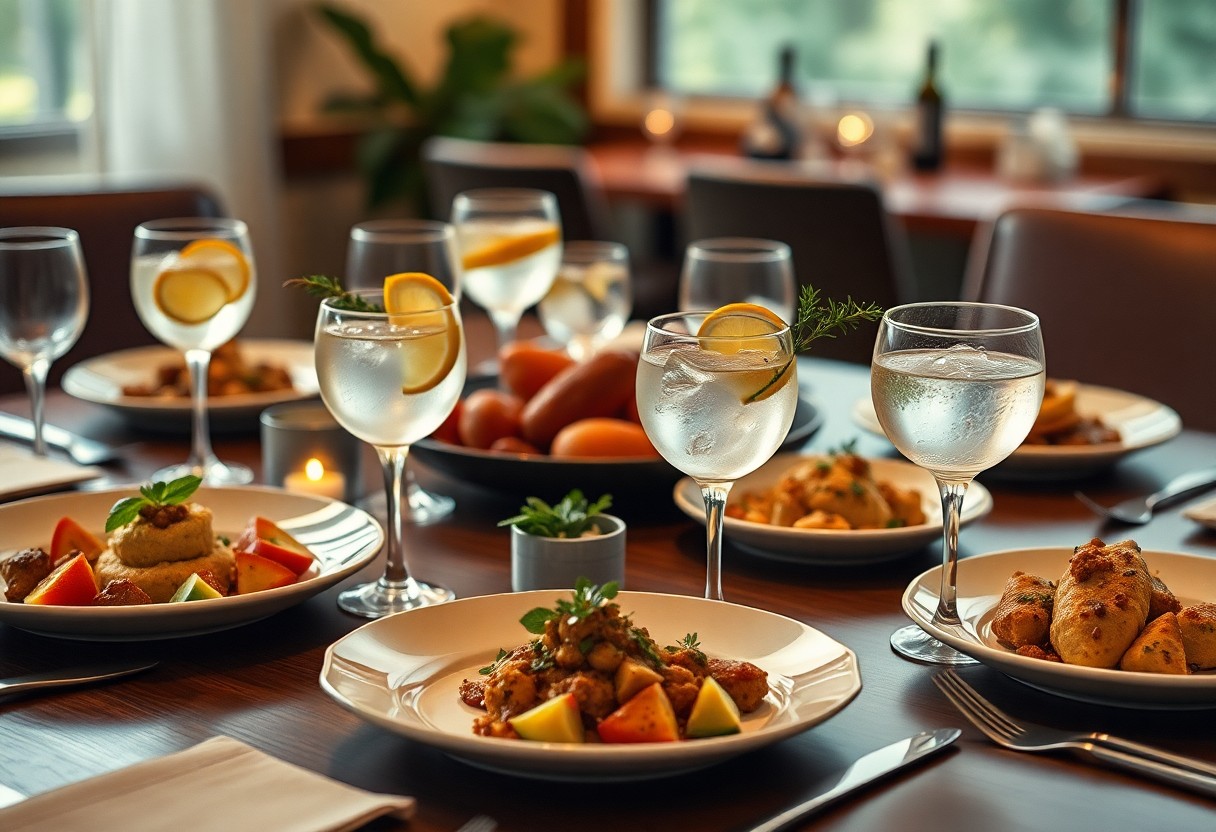
    You’re about to begin on a flavorful journey that elevates your dining experience with the perfect gin cocktails. This guide will provide you with expert insights on how to pair gin with various dishes, ensuring that each sip enhances your meal. From refreshing gin and tonics to sophisticated martinis, learn how to make thoughtful cocktail choices that complement every cuisine. Let’s look into the vitals of gin pairing and discover the delightful harmony of flavors that awaits you!

    Types of Gin

    For gin enthusiasts and novice drinkers alike, understanding the different types of gin is key to selecting the perfect spirit for your cocktail or meal. Here are some main categories of gin:

    Type of Gin Description
    London Dry Gin Known for its strong juniper flavor and dry finish.
    Old Tom Gin A sweeter style of gin that bridges the gap between Dutch Genever and London Dry.
    Plymouth Gin A geographical indication that offers a slightly earthy flavor.
    Sloe Gin A fruit liqueur made by steeping sloe berries in gin.
    Geneva A Dutch gin that is maltier and more robust than traditional gins.

    Recognizing these types will enhance your understanding of how to pair gin with various dishes.

    London Dry Gin

    While London Dry Gin is one of the most popular types, it is also one of the most strictly regulated. To be labeled as London Dry, the gin must be distilled with botanicals—particularly juniper—resulting in a clean and crisp spirit. This gin lends itself well to classic cocktails like the Gin and Tonic or the Martini, making it a versatile choice.

    Old Tom Gin

    Any gin lover will appreciate Old Tom Gin for its unique sweetness, which sets it apart from its drier counterparts. It is a historical style that often contains more sugar, making it a delightful base for cocktails like the Tom Collins and the Martinez. This style dates back to the 18th century and has gained newfound popularity in craft cocktail culture.

    This revival of Old Tom Gin emphasizes its balanced flavor profile with a delightful sweetness that enhances many cocktails, particularly those that benefit from a touch of sugar, like the classic Ramos Gin Fizz. Its rich heritage and versatile nature make it a fascinating choice for your gin collection.

    Plymouth Gin

    Even though Plymouth Gin is produced in the city of Plymouth, England, it doesn’t carry the same stringent regulations as London Dry. It offers a fuller body with a slightly earthy quality and a subtle sweetness and can be enjoyed straight or mixed in cocktails. Its lower juniper content makes it a fantastic choice for those who prefer a milder flavor.

    Understanding Plymouth Gin’s distinctive profile can enhance your cocktail experience, as it works well in both gin-focused beverages and mixed drinks. Its smoothness allows it to mix delightfully in classic cocktails like the Gin Fizz or modern interpretations, allowing your palate to explore its rich characteristics.

    Sloe Gin

    Little do many know, Sloe Gin is not a traditional gin but rather a liqueur that combines gin and sloe berries—small, tart fruits. This delightful concoction typically has a lower alcohol content and a sweet, fruity flavor, making it an excellent choice for sipping or using in cocktails like the Sloe Gin Fizz.

    A fun fact about Sloe Gin is that its deep purple color and sweet-tart flavor profile make it a delightful addition to various cocktails, especially in winter months. Made by infusing gin with sloe berries for several months, it offers a charming twist on traditional gin that adds a fruity complexity to your drinks.

    Tips for Successful Pairing

    Some effective tips can help you achieve the perfect gin pairings for your dishes. Consider these recommendations:

    • Match the intensity of flavors in your gin and food.
    • Experiment with citrus or herbal botanicals to enhance freshness.
    • Use garnishes that mirror flavors present in your dish.
    • Try contrasting flavors for a surprising twist.
    • Don’t shy away from using flavored gins for specific dishes.

    Knowing these basics will elevate your pairing experience.

    Understanding Flavor Profiles

    Now, to create outstanding pairings, you must first learn about flavor profiles. Each gin has a unique blend of botanicals that define its character, such as juniper, citrus, or floral notes. Understanding these distinct flavors helps you choose complementary dishes or opposing flavors that create harmony on the palate.

    Considering Food Texture

    Profiles can vary not only in flavor but also in texture, which plays a significant role in successful pairing. For instance, a smooth, creamy dish may be beautifully complemented by a refreshing, crisp gin, while a rough, hearty meal might benefit from a bold, complex spirit that can stand up to the dish.

    Understanding how food texture interacts with gin can deepen your appreciation for the overall dining experience. A light, effervescent gin pairs exceptionally well with crunchy salads or fried items, as it cleanses the palate. In contrast, if you’re indulging in rich, unctuous dishes like creamy pasta or stews, opt for a gin that has depth and warmth, which can match the dish’s weight and complexity, creating a balanced and enjoyable meal.

    The Step-by-Step Pairing Guide

    Your journey to the perfect gin pairing begins with understanding the flavors and nuances of both gin and the dishes you are serving. Use this concise table as a guide to help you explore various combinations that will elevate your dining experience to new heights.

    Dish Type Recommended Gin Pairing
    Appetizers Citrus-forward gins
    Main Courses Herbaceous or spicy gins
    Desserts Sweet or floral gins

    Matching Gin with Appetizers

    StepbyStep, begin your pairing journey with appetizers that stimulate the palate. Opt for gin varieties with bright citrus notes, which enhance the fresh flavors of starters like bruschetta or shrimp cocktails. The refreshing essence of these gins prepares your taste buds for a delightful dining experience.

    Pairing Gin with Main Courses

    You can elevate your main courses by choosing gins that harmonize with the dish’s primary ingredients. Spicy or herbaceous gins complement rich meat dishes, while lighter, botanical gins work well with seafood or vegetarian options. These pairings enhance both the drink and the meal, creating a balanced flavor experience.

    Guide your palate through the pairing process by considering flavors that naturally resonate. For example, a gin infused with botanicals can enhance the earthiness of a mushroom risotto or align with the zesty notes in grilled chicken. The synergy between your gin and the main course will elevate your dining experience.

    Complementing Desserts with Gin

    Desserts can be a delightful finale to your meal, and pairing them with the right gin adds an intriguing twist. Select sweet or floral gins that harmonize with your dessert’s flavor profile, whether it’s chocolate mousse or fruit tart.

    With the right gin, you can enhance the sweetness of desserts, creating a layered tasting experience. For instance, pairing a floral gin with berry tarts reinforces the fruitiness, while a sweeter gin complements richer, creamier desserts. This enchanted combination can transform your dessert course into an exquisite delight.

    Factors to Consider in Gin Pairing

    After selecting your favorite gin, consider key factors that can enhance your cocktail experience. These aspects can significantly influence how your drink complements your meal:

    • The base spirit: Different gins have various flavor profiles.
    • Aromatics: The bouquet can enhance or clash with your dish.
    • Preparation method: Shaken or stirred can change texture and taste.
    • Seasonal ingredients: Fresh produce adds vibrancy to your cocktails.

    After weighing these elements, you’ll be better equipped to make informed choices for perfect pairings.

    Aromatics and Botanicals

    Some gins are richly aromatic, infused with botanicals that can elevate your cocktail’s flavor. Pay attention to the herbal and floral notes present in the gin, as these can help to create a harmonious balance with your dish. For instance, a gin with strong citrus or spicy undertones may pair well with seafood or grilled meats, while more delicate, floral gins might complement lighter fare such as salads or seafood.

    Cocktail Presentation

    Even the visual aspect of your cocktail plays a role in the overall dining experience. Presentation can enhance your drink’s appeal, making it more inviting and enjoyable. Consider glassware, garnishes, and the overall aesthetic when serving gin cocktails.

    With the right glass and garnishes, you can create a visually stunning cocktail that not only complements your dish but also marvels your guests. Utilizing elegant glassware, bright garnishes like fresh herbs or fruit slices, and thoughtful layering can elevate your gin cocktails. These details not only enhance the taste but also create an impressive visual that makes dining more enjoyable.

    Pros and Cons of Gin Pairing

    Keep in mind that while gin pairing can enhance your culinary experience, it comes with its own set of advantages and disadvantages. Here’s a breakdown of the pros and cons:

    Pros Cons
    Versatile flavor profiles Can be overpowering if not balanced
    Complementary to various dishes May clash with certain flavors
    Enhances the dining experience Requires knowledge of mixers
    Refreshing and aromatic Not everyone enjoys the taste
    Variety of styles and brands Mixing complexities can confuse

    Advantages of Gin in Culinary Pairing

    To elevate your meals, gin boasts a broad spectrum of botanical flavors, making it a versatile choice for pairing. Its refreshing and aromatic quality can lift the palate, complementing a wide variety of dishes from seafood to desserts. The diverse range of gin styles—from traditional London Dry to more contemporary craft variations—affords you the opportunity to find the perfect match for any meal, enhancing your overall dining experience.

    Potential Challenges

    An important aspect to consider is that pairing gin with food can sometimes present challenges. The complex flavor profiles and botanical notes might not blend harmoniously with every dish.

    Understanding these challenges is vital for achieving an optimal pairing. Not only can gin be too dominant in some combinations, but the choice of additional mixers also plays a significant role. You may find that its herbal notes clash with certain meats or spices, leading to an imbalance. Being aware of your gin’s flavors, as well as the characteristics of the dishes you’re pairing, will help you navigate these potential pitfalls and ensure a harmonious dining experience.

    Frequently Asked Questions

    Many readers often wonder about the best ways to pair gin with different types of dishes. Understanding how flavors interact can elevate your dining experience, and knowing these crucial pairing guidelines will help you make the most of your gin cocktails. This section addresses common queries to enhance your gin knowledge and culinary adventures.

    Common Misconceptions

    While many people believe that gin only pairs well with tonic or citrus, the truth is that its diverse flavor profiles can complement a wide range of dishes. From savory to sweet, gin’s botanicals offer unique possibilities that go beyond traditional pairings. You’ll discover that creativity can lead to delightful combinations.

    Gin Pairing Resources

    Asked often for recommendations, resources on gin pairing can guide you in your culinary journey. Various books, online guides, and tasting events can provide insights into the nuances of gin flavors and their ideal food companions.

    Common resources include dedicated gin pairing websites, cookbooks with suggested pairings, and social media groups focused on gin enthusiasts. Engaging with these materials helps you learn more about the intricacies of gin, enabling you to experiment confidently with your own food and cocktail pairings. Don’t hesitate to explore different insights to enhance your appreciation of this versatile spirit.

    Conclusion

    Upon reflecting on ‘The Ultimate Guide To Gin Pairing – Cocktails That Complement Every Dish’, you can see that the world of gin offers a diverse range of flavors to enhance your dining experience. By thoughtfully pairing gin cocktails with various dishes, you can elevate your meals and impress your guests. Whether you’re enjoying a light salad or a rich dessert, the right gin pairing can transform the ordinary into something extraordinary. Embrace these combinations to enrich your palate and make your culinary endeavors more delightful.

  • Crafting Unique Flavors – How To Create Your Own Infused Gin Recipes

    Crafting Unique Flavors – How To Create Your Own Infused Gin Recipes

    Infused with creativity and a passion for flavor, crafting your own gin recipes allows you to personalize your drinking experience. You can transform ordinary gin into an extraordinary spirit by thoughtfully selecting botanicals, fruits, and spices that resonate with your taste preferences. In this guide, you’ll learn the art of infusion, step-by-step, empowering you to create bespoke blends that will impress your friends and elevate your cocktail game. Let’s explore the world of infused gin and unlock endless flavor possibilities!

    Understanding the Basics of Gin

    Before submerging into the creative process of crafting your own infused gin recipes, it’s necessary to grasp the fundamentals of gin. This spirit, primarily made from grain, is defined by its predominant flavoring of juniper berries and can vary widely depending on the botanicals used, resulting in diverse profiles and characteristics that appeal to different palates.

    The Distillation Process

    An understanding of the distillation process is vital to creating your own gin. Typically, gin is produced by distilling grain alcohol and infusing it with various botanicals. The alcohol is distilled multiple times to achieve a high purity level before the job of flavor infusion begins, allowing you to experiment with different ingredients to achieve your desired taste.

    Common Botanicals and Their Profiles

    You will find a variety of botanicals used in gin, each offering unique flavors and aromas. While juniper is the predominant botanical, others like coriander, angelica root, and citrus peels can create a balanced profile that resonates with your taste. Understanding how these various botanicals contribute to the overall flavor and aroma of your gin will empower you to craft personalized infusions that truly express your vision.

    Understanding the distinct profiles of common botanicals allows you to explore the flavors that best suit your palate. Juniper berries infuse piney and resinous notes, while coriander provides a citrusy and spicy warmth. Angelica root adds earthiness, helping to balance the flavors, while citrus peels lend brightness and zest. By familiarizing yourself with these components, you can begin to combine botanicals creatively, resulting in an infused gin that captures your unique flavor aspirations.

    How to Choose Your Infusion Ingredients

    Even seasoned mixologists find that choosing the right infusion ingredients for your gin can greatly influence the final flavor profile. Start by considering the taste sensations you wish to highlight—whether it’s herbal, fruity, spicy, or floral. Balance is key, as complementary flavors elevate your gin while contrasting ones can add an exciting twist.

    Factors to Consider for Flavor Pairing

    Ingredients should enhance each other rather than overpower. Consider the following factors:

    • Flavor intensity—ensure a balanced proportion between stronger and milder ingredients.
    • Seasonality—fresh, in-season ingredients often yield the best flavors.
    • Botanical characteristics—pair flavors that naturally complement each other.

    Thou shalt always aim for harmony in your concoctions.

    Tips for Selecting Fresh and Unique Botanicals

    Ingredients play a vital role in defining the uniqueness of your infused gin. To select fresh and distinctive botanicals, consider:

    • Visiting local markets for seasonal finds.
    • Choosing organic or sustainably sourced ingredients whenever possible.
    • Experimenting with unexpected pairings for a bold twist.

    Perceiving the subtleties in fresh ingredients can lead to delightful discoveries.

    Understanding how to select fresh and unique botanicals is vital in crafting your infused gin. Engaging with local producers or foraging for your ingredients allows you to discover diverse flavors that might be overlooked. Consider these tips:

    • Opt for vibrant colors and enticing aromas as indicators of quality.
    • Experiment with both familiar and unconventional choices to broaden your palette.
    • Keep a record of successful combinations for future reference and experimentation.

    Perceiving the world of herbs, fruits, and spices around you will greatly enhance your infusion endeavors.

    Crafting Your Infusion

    Some of the most enjoyable aspects of creating your unique gin is the infusing process. It allows you to experiment with different ingredients, aromas, and flavors to craft a spirit that truly reflects your personal taste. Whether you prefer botanical herbs, fruity elements, or spicy notes, the infusion process opens a world of possibilities for you to explore and refine your own signature gin recipe.

    Step-by-Step Guide to Infusing Gin

    Guide yourself through the infusion process with this simple table that outlines the necessary steps:

    Step Description
    1. Choose Ingredients Select your desired botanicals, fruits, or spices for infusion.
    2. Combine Add the chosen ingredients to a jar with your gin.
    3. Seal Ensure the jar is tightly sealed to prevent air from entering.
    4. Infuse Let the gin sit in a cool, dark place for 3-10 days.
    5. Strain Remove the solids using a fine strainer or cheesecloth.
    6. Store Transfer your infused gin to a clean bottle and enjoy!

    Tips for Achieving Balanced Flavors

    An necessary aspect of infusing gin is ensuring the flavors balance perfectly. Here are some tips to help you navigate the infusion process successfully:

    • Start with small amounts of strong-flavored ingredients.
    • Taste frequently during the infusion to monitor flavor intensity.
    • Mix complementary flavors that enhance each other without overpowering.

    Recognizing the importance of balance will guide you in refining your gin to achieve the perfect harmony of flavors.

    Your approach to flavor balance can significantly impact your infusion’s ultimate success. Consider these additional tips:

    • Keep track of ingredient ratios for consistency in future batches.
    • Experiment with steeping times to find your preferred strength.
    • Incorporate a touch of sweetness for a smoother finish.

    Recognizing how flavors interact will empower you to craft a personalized gin that truly reflects your taste preferences.

    Experimenting with Flavors

    For an unforgettable infused gin experience, you should embrace the art of experimentation. Gather a variety of botanicals, fruits, and spices that intrigue you. Consider the balance of flavors and how they interact with each other, allowing your palate to dictate the direction of your infusions. Infusing gin is about personal expression, so don’t hesitate to try unconventional combinations that reflect your unique taste preferences.

    How to Create Signature Blends

    Flavors should harmonize within your infused gin, creating a signature blend that sets your creation apart. Begin with a base recipe, then introduce distinct botanicals, adjusting ratios as you go. Don’t shy away from testing seasonal ingredients or local favorites. Document your process to refine your blends over time and cultivate a personal recipe that will delight your taste buds.

    Factors That Influence Flavor Development

    An array of factors will influence how your infused gin develops flavor, including the ingredients you select, infusion time, and temperature. Key considerations include:

    • Quality of botanicals and fruits used
    • Infusion time for optimal extraction
    • Storage conditions, such as light and temperature

    After experimenting with these elements, you will notice significant differences in your gin’s flavor profile.

    That means each choice you make can significantly affect the final outcome of your infusion. Understanding these components will help you create better profiles tailored to your preferences. Consider the balance between sweet, bitter, savory, and aromatic qualities when selecting items for infusion. Key points to keep in mind include:

    • Freshness of ingredients enhances flavor
    • Time needed to achieve desired intensity
    • Potential interactions among various flavors

    After honing your technique, your infused gin will express your creative vision like never before.

    Bottling and Storing Your Infused Gin

    Keep your infused gin fresh and flavorful by using clean, airtight bottles for storage. Ideally, choose glass containers to preserve the quality of your creation, and make sure they are completely dry before filling. Store your bottles in a cool, dark place away from direct sunlight, which can degrade the infusion over time. Well-stored infused gin can last for several months, but for the best experience, enjoy it within three to six months.

    Best Practices for Preservation

    Storing your infused gin properly will help retain its unique flavors. Always make sure to seal your bottles tightly after each use. If you notice any sediment or discoloration, strain the gin through a coffee filter or fine mesh to maintain its clarity. Regularly checking your bottles will ensure that you enjoy your infusion at its best.

    Tips for Labeling and Presenting Your Creation

    Now that you’ve crafted your unique infusion, you’ll want to showcase it beautifully. Consider labeling your bottles with the name of the infused gin, the ingredients used, and the date of infusion. This not only adds a personal touch but also highlights the uniqueness of your creation. When presenting your infused gin, remember the following:

    • Use decorative labels for a polished look.
    • Include tasting notes to inform your guests.
    • Consider adding a serving suggestion for cocktails.

    The presentation can elevate your infused gin experience and make it a conversation starter!

    It’s also a lovely idea to personalize your labels further. You might think about including a brief story behind your infusion or the inspiration for the flavor combinations. Adding a small decorative element, like a sprig of the main botanical or a colorful ribbon, can enhance visual appeal. Consider these strategies:

    • Handwriting labels for a personal touch.
    • Incorporating seasonal themes for different infusions.
    • Creating a themed gift set with complementary ingredients.

    The ultimate goal is to create a memorable experience for your guests!

    Hosting Gin Tastings

    Not only is hosting a gin tasting a fun way to explore unique flavors, but it also allows you and your guests to appreciate the artistry behind infused gin. By curating a selection of your handcrafted recipes, you can create an engaging atmosphere where tasting notes and personal preferences come alive, enhancing everyone’s appreciation for this versatile spirit.

    How-to Organize a Flavor Exploration Event

    Hosting a flavor exploration event starts with selecting the right theme, whether it’s seasonal ingredients or a specific flavor profile. Gather your infused gins, mixers, and garnishes, and set up tasting stations where your guests can explore each infusion in depth. A guided discussion can help everyone share their thoughts and preferences!

    Tips for Pairing Infused Gin with Mixers and Garnishes

    Some of the best experiences come from thoughtfully pairing your infused gins with mixers and garnishes. Consider the flavor profiles of your creations and balance them with complementary or contrasting tastes. Here are some guidelines to enhance your tasting experience:

    • Use herbal mixers for floral-infused gins.
    • Opt for citrus garnishes with fruit-forward infusions.
    • Incorporate spices to add depth to your drinks.
    • Experiment with tonic, soda, or fruit juices for refreshing combinations.

    The right pairings can elevate your infused gin to new heights!

    Event planning should also take into account the overall theme and the guest experience. Engaging your guests with creative mixer combinations can make your gin tasting even more memorable. Here are a few ideas for successfully pairing infused gins with mixers and garnishes:

    • Use herbal and botanical elements as garnishes.
    • Consider seasonal fruits to highlight the infusion ingredients.
    • Try unique elements like flavored tonics to surprise your guests.
    • Encourage guests to share their favorite combinations.

    The key is to have fun while exploring the myriad of flavors available in infused gins!

    Summing up

    Now that you know the steps to craft your own unique infused gin recipes, it’s time to explore your creativity and experiment with flavors that resonate with your palate. By selecting the right botanicals, spices, and fruits, you can create a personalized spirit that tells your own story. Make sure to consider the balance of flavors and allow sufficient time for infusion, ensuring that your final product is both delightful and distinctive. Enjoy the process and have fun, as crafting unique gin blends is all about expressing your taste and preferences.

  • Savor The Season – 5 Gin Recipes Perfect For Every Time Of Year

    Savor The Season – 5 Gin Recipes Perfect For Every Time Of Year

    Over the course of the year, your palate can crave different flavors that embody each season, and gin offers a versatile base for crafting delightful cocktails throughout. In this post, you’ll discover five gin recipes, each tailored to enhance your seasonal experiences. Whether you’re enjoying a refreshing summer sip or a warming winter concoction, these recipes will elevate your gatherings and personal moments alike. Get ready to impress your friends and indulge your taste buds all year round with these creative gin cocktails!

    Spring Sips: Floral Gin Cocktails

    As the days grow longer and nature awakens, the arrival of spring calls for refreshing floral gin cocktails that showcase vibrant flavors. These delightful drinks not only brighten up your entertaining but also embrace the season’s essence. You can create your own imaginative concoctions or simply follow classic recipes that highlight the beauty of blossoms infused into gin. Get ready to bask in the aromas and flavors of spring as you mix up these perfect drinks for your gatherings.

    Lavender Lemonade Gin Fizz

    Any gin enthusiast will appreciate the calming taste of the Lavender Lemonade Gin Fizz. Combining the floral notes of lavender with zesty lemonade, this invigorating cocktail is sure to refresh your spirit as spring unfolds. Simply mix gin, fresh lemon juice, lavender syrup, and soda water to create a fizzy oasis that is as beautiful as it is tasty. Garnish with edible flowers for an extra touch of elegance.

    Cucumber Mint Spritz

    Above all, the Cucumber Mint Spritz is a quintimperative drink for warm spring afternoons. Featuring crisp cucumber and aromatic mint, this light cocktail is perfect for those who enjoy a fresh and invigorating sip. Paired with your favorite gin and topped with tonic water, you’ll find it effortlessly refreshing. Ideal for leisurely picnics or garden parties, it encapsulates the essence of spring with every sip.

    Another fantastic aspect of the Cucumber Mint Spritz is its simplicity and versatility. You can easily adjust the flavors to suit your taste, whether you prefer a stronger cucumber presence or a more pronounced mint flavor. Consider muddling fresh mint leaves at the bottom of your glass before adding gin and cucumber slices for a more aromatic experience. Experimenting with different gin brands can also highlight unique botanical notes, making each sip a delightful surprise. So, gather your friends, and enjoy this refreshing spritz as you celebrate the beauty of springtime.

    Summer Refreshers: Citrus and Fruit-Based Gin Drinks

    It’s time to embrace the warm, vibrant days of summer with gin cocktails that burst with citrusy and fruity flavors. These refreshing drinks not only quench your thirst but also elevate your spirits, making them perfect for picnics, barbecues, or lazy afternoons by the pool. From classic concoctions to innovative twists, you’ll find the ideal gin-based drinks to sip and savor all season long.

    Gin and Tonic with a Twist

    Before pouring yourself a classic Gin and Tonic, consider giving it a refreshing twist that enhances the botanicals of your gin. You can add slices of fresh cucumber, a sprig of rosemary, or a splash of elderflower cordial to elevate this simple drink. By infusing seasonal ingredients, you create a delightful personal touch that complements the crispness. This way, your G&T will stand out, offering a new flavor experience on a hot summer day.

    Berry Basil Smash

    At the peak of summer, indulge in a Berry Basil Smash that combines fresh berries and aromatic basil with gin. This cocktail not only looks beautiful with its vibrant colors but also delivers a perfect balance of sweetness and herbal freshness. Ideal for gatherings or a refreshing solo treat, this drink showcases the best of summer’s bounty.

    Drinks are more enjoyable when they’re rich in flavor and visually appealing. In the Berry Basil Smash, muddle a mix of your favorite berries—such as strawberries, raspberries, or blackberries—with basil leaves to release their natural juices. Add a splash of gin, a squeeze of fresh lime juice, and top it off with club soda for a fizzy finish. Serve over ice in a tall glass, garnished with additional basil leaves and a berry or two for an unforgettable summer cocktail experience.

    Autumn Aromas: Spiced and Earthy Gin Creations

    There’s a certain magic in the air during autumn, as the crisp leaves and cozy sweaters inspire you to sip on delightful gin blends. This season invites you to explore the captivating depth of spiced and earthy flavors that gin can offer, perfectly complementing the aromas of warm spices and harvest fruits. Embrace the rich hues of fall with these invigorating gin recipes that capture the essence of the season, providing you with the comfort and warmth you crave.

    Apple Cinnamon Gin Fizz

    Apple delights mingle beautifully with the botanical notes of gin, making the Apple Cinnamon Gin Fizz a seasonal favorite. This effervescent concoction combines fresh apple juice and a hint of cinnamon, creating a refreshing drink that perfectly embodies autumn. A splash of tonic water adds some sparkle, while a garnish of apple slices brings the presentation to life, making it an ideal choice for festive gatherings or cozy nights spent indoors.

    Maple Ginger Gin Mule

    Behind the scenes of the Maple Ginger Gin Mule lies a harmonious blend of flavors that will tantalize your taste buds. This innovative twist on the classic mule combines the warmth of maple syrup with zesty ginger beer, creating a comforting experience that defines fall. The natural sweetness of maple enhances the gin’s botanicals, while the ginger adds a delightful kick that makes each sip a perfect accompaniment to your autumn evenings.

    Cinnamon takes center stage in the Maple Ginger Gin Mule, giving it that quintvital autumn flavor you crave. The comforting aroma of cinnamon infuses the concoction, wrapping you in warmth with every taste. To prepare, simply mix your favorite gin with a touch of maple syrup and top it off with ginger beer. Garnish with a cinnamon stick or a slice of fresh ginger to amplify the cozy vibe. This mule not only delights the palate but also evokes the essence of fall, making it a go-to drink as the seasons change.

    Winter Warmers: Cozy Gin Cocktails

    Keep yourself warm and festive this winter with these delightful gin cocktails. As the temperatures drop, cozying up with a freshly crafted drink is the perfect way to embrace the season. From warming spices to vibrant flavors, these gin recipes will not only invigorate your spirits but also create a comforting atmosphere that you can enjoy with friends and family. So, grab your shaker and let’s explore some irresistible winter warmers!

    Hot Gin and Tonic

    The key to a delightful Hot Gin and Tonic is the balance between the warm, aromatic essence of the gin and the refreshing zest of tonic water. To make your own, heat tonic water and add your favorite gin along with a slice of lemon and a sprig of rosemary for an aromatic finish. This comforting twist on the classic drink is sure to warm you from the inside out and can easily be tailored to your personal tastes.

    Spiced Cranberry Gin Punch

    One delightful option for your winter gatherings is a Spiced Cranberry Gin Punch. This seasonal cocktail combines gin with tart cranberry juice, aromatic spices like cinnamon and cloves, and a splash of ginger ale to create a refreshing yet warming drink suitable for the season’s celebrations. Perfect for holiday parties or cozy evenings by the fire, this punch is not only visually appealing but also a crowd-pleaser that will spark joy and warmth in every sip.

    And to elevate your Spiced Cranberry Gin Punch, consider garnishing it with fresh cranberries and an orange wheel for a pop of color. You can also experiment with different spice levels by adjusting the amount of cinnamon and cloves used. Serve it in a large punch bowl for a festive touch while allowing your guests to serve themselves. This recipe is simple, delicious, and captures the essence of winter, making it an unforgettable addition to your seasonal celebrations.

    Tips for Selecting the Perfect Gin

    Your choice of gin can significantly elevate your cocktail experience. To find the right one for your palate, consider the following factors:

    • Botanical profile: Explore gins with unique botanicals for varied flavors.
    • Distillation method: Look for craft or artisanal distilleries for quality options.
    • ABV content: Higher alcohol content often leads to bolder flavors.
    • Flavor pairing: Assess how a gin will complement your mixers and garnishes.
    • Brand reputation: Trust well-reviewed brands that suit your personal taste.

    Perceiving the nuances in your gin will lead to a more satisfying drinking experience throughout the seasons.

    Garnishes: Elevating Your Gin Experience

    Not all garnishes are created equal, and choosing the right one can transform your gin cocktail into an extraordinary experience. You can enhance the botanical notes in your gin by pairing it with complementary garnishes like fresh herbs, citrus peels, or even edible flowers. For instance, a sprig of rosemary adds depth, while lemon zest brings brightness. Experimenting with different garnishes allows you to personalize your drink, showcasing your creativity and taste. Elevate your gin experience by making garnishes an crucial part of your cocktail-making routine.

    Final Words

    Considering all points, you can elevate your seasonal celebrations with these five gin recipes, each designed to highlight the unique flavors that every time of year brings. Whether you’re sipping a refreshing gin and tonic on a warm summer day or indulging in a cozy spiced gin cocktail as the leaves change, these recipes cater to your palate. Embrace the essence of the seasons and impress your friends and family with your mixology skills, ensuring that every gathering becomes a delightful experience.

  • Gin Lovers Unite – 7 Signature Recipes For The Perfect Gin Party

    Gin Lovers Unite – 7 Signature Recipes For The Perfect Gin Party

    Just imagine hosting the ultimate gin party that leaves your friends raving about it for weeks. To achieve this, you need delightful recipes that showcase the versatility of gin while appealing to different palates. In this blog post, you will discover seven signature gin recipes that elevate any gathering, ensuring that your event is both fun and flavorful. Get ready to impress your guests and become the go-to host for all things gin!

    The History of Gin

    A rich tapestry of tradition and innovation defines the history of gin. Originally crafted as a medicinal tonic in the 17th century, this spirit transformed over time to become a beloved drink in social settings. The evolution of gin reflects not only advancements in distillation techniques but also cultural influences that have shaped its various forms. Understanding its past will deepen your appreciation of this versatile spirit at your gin party.

    Origins and Evolution

    Between the 1600s and the 1700s, gin gained popularity in Europe, particularly in England, where it was often consumed by the working class seeking a remedy for ailments. The Gin Craze in London, marked by cheap prices and unregulated production, led to significant social changes and eventually prompted government regulations. This evolution paved the way for modern distillation methods, allowing gin to flourish as a high-quality spirit known for its aromatic complexity.

    Types of Gin

    History shows that gin comes in various styles, each with distinct flavors and characteristics. You should explore these types to find your personal favorites for your gin party:

    • London Dry Gin
    • Old Tom Gin
    • Geneva
    • Distilled Gin
    • Flavored Gin

    Knowing the nuances of these types will enhance your ability to select gins that suit your taste and impress your guests.

    Type of Gin Description
    London Dry Gin Crisp and juniper-focused; no added sweeteners.
    Old Tom Gin Sweetened style often seen in cocktails from the 19th century.
    Geneva A maltier spirit with a more pronounced grain flavor.
    Distilled Gin Produced from a neutral spirit, emphasizing botanicals.
    Flavored Gin Infused with various fruits, spices, or botanicals for unique profiles.

    With the variety of gin styles available, you can choose ingredients that best suit your guests’ tastes. The diversity found in gin allows for imaginative cocktails and unique flavor experiences:

    • Craft cocktails
    • Refreshing gin and tonics
    • Classic martinis
    • Innovative infusions
    • Seasonal gin-based creations

    Knowing how to combine these different types will surely elevate your gin party, making it unforgettable for you and your friends.

    Cocktail Type Key Ingredients
    Craft Cocktail Premium gin, fresh juices, unique mixers.
    Gin and Tonic London Dry gin, tonic water, garnish such as lime.
    Martini Gin, dry vermouth, olive or lemon twist.
    Infused Gin Basic gin with herbs, fruits, or spices.
    Seasonal Creation Seasonal fruits and herbs with your choice of gin.

    Essential Gin Ingredients

    Clearly, the foundation of a successful gin party lies in selecting the right ingredients that enhance the spirit’s botanical flavors. Focus on high-quality gins, premium mixers, and vibrant garnishes to elevate your cocktails and impress your guests. Understanding the important components will not only refine your gin-making skills but also create an unforgettable experience for everyone involved.

    Quality Gins to Consider

    Between the wide variety of gins available, you should choose those that showcase unique flavors and craftsmanship. Consider options like London Dry gin for its classic profile, or opt for an Old Tom for a sweeter twist. Craft gins often highlight local botanicals, adding an artisanal flair that can leave your guests in awe.

    Must-Have Mixers and Garnishes

    An important aspect of crafting exquisite gin cocktails includes selecting the right mixers and garnishes. These elements will not only complement your gins but also add visual appeal and enhance the drinking experience.

    The right mixers, such as tonic water, club soda, and various fruit juices, can amplify the botanicals in your gin. Pair these with garnishes like fresh herbs, citrus peels, or berries to bring out the unique flavors of each gin. Consider the aromatic qualities of rosemary or the zest of a lemon twist, as these can add sophisticated dimensions to your cocktails, making your gin party a hit!

    Seven Signature Gin Recipes

    Some of the best gin recipes cater to diverse tastes and preferences, making your gin party truly memorable. From the timeless classic gin and tonic to innovative concoctions, these seven signature recipes will elevate your gathering and impress your guests. So, grab your favorite gin and get ready to mix up some delightful drinks!

    Classic Gin and Tonic

    Along with its simple elegance, the classic gin and tonic is an evergreen favorite. Made with your choice of gin, tonic water, and a garnish of fresh lime or cucumber, this cocktail is incredibly refreshing and easy to prepare. The balance of botanicals and slight bitterness in the tonic creates a harmonious blend that will please any gin lover.

    Refreshing Gin Fizz

    Signature serves with a twist of lemon lend the refreshing gin fizz an effervescent charm. This delightful cocktail blends gin, lemon juice, sugar, and soda water, resulting in a bubbly drink that is perfect for warm weather or lively get-togethers. It’s a crowd-pleaser that showcases the bright flavors of your gin, making it an important addition to your party menu.

    Understanding the components of a refreshing gin fizz opens up endless variations and flavor profiles. You can experiment with different citrus fruits or enhance it with fresh herbs, giving you the freedom to tailor the drink to suit your personal style. The light, fizzy nature makes it incredibly accessible, ensuring your guests return for more.

    Herbal Gin Smash

    Before crafting an herbal gin smash, ensure you have fresh herbs available, as they are the star of this cocktail. Combining gin with muddled herbs like basil or mint, fresh lemon juice, and a splash of soda, this invigorating drink highlights the botanical flavors of gin while offering a refreshing alternative to traditional cocktails.

    With the herbal gin smash, you can play with garden-fresh ingredients, allowing your creativity to shine through. This cocktail not only offers a delightful sip but also serves as a treat for the eyes, adorned with vibrant herb sprigs. It’s perfect for outdoor gatherings and pairs beautifully with light appetizers.

    Elegant Negroni

    To craft an elegant negroni, you’ll need equal parts gin, Campari, and sweet vermouth. This richly flavored cocktail is known for its striking balance of bitter and sweet, making every sip a sophisticated experience. Served on the rocks with an orange twist, it adds a touch of class to any drink menu.

    Further enhancing its allure, the negroni invites experimentation with gin varieties or even infused spirits, allowing each bartender to put a personal spin on the drink. This cocktail not only showcases the complexity of gin but stands out as a timeless choice for those with a discerning palate.

    Fruity Gin Sour

    Elegant and fruity, the gin sour brings a delightful twist to traditional cocktails. Combining gin with fresh fruit juice, simple syrup, and a splash of lemon juice, this drink is both refreshing and vibrant. It’s ideal for showcasing seasonal fruits and can easily be tailored to your taste preferences.

    Recipes can vary widely for a fruity gin sour, making it a versatile option for your gin party. You can incorporate flavors like raspberry, peach, or even lavender, ensuring that every guest finds a favorite. This cocktail’s balance of sweetness and acidity will surely entice and excite your taste buds.

    Botanical Martini

    Botanical martinis are perfect for you if you appreciate a more sophisticated approach to gin cocktails. By mixing gin with dry vermouth and your choice of garnish, you can enjoy a drink that highlights the intricate botanical flavors while maintaining a clean and crisp finish.

    Hence, creating the ideal botanical martini is all about the balance of ingredients. You can customize the proportions of gin and vermouth to suit your taste, while garnishes like an olive or lemon twist can elevate your drink’s visual and flavor profile. This cocktail is a staple for any true gin aficionado.

    Spiced Gin Mule

    To add some excitement to your gin offerings, consider making a spiced gin mule. This twist on the classic mule combines gin with ginger beer, fresh lime juice, and a hint of spice. Served in a copper mug, it’s a refreshing drink with a warm finish that will intrigue your guests.

    Seven distinct flavors meld together in this unique cocktail, making the spiced gin mule a standout choice for your party. The ginger beer brings a zesty kick, while the spices from the gin provide depth and complexity. Each sip will leave your guests wanting more of this spirited and tantalizing concoction.

    Hosting the Perfect Gin Party

    Once again, it’s time to gather your friends for a delightful gin party that will be the talk of the season. A well-hosted evening combines an inviting atmosphere, exceptional gin selections, and engaging activities that bring everyone together. From selecting the right spirits to creating the perfect ambiance, you’ll be able to offer a memorable experience that celebrates the beloved gin. Get ready to impress your guests and elevate your hosting skills!

    Setting the Scene

    Party etiquette starts with the right atmosphere. Use soft lighting, comfortable seating, and fragrant botanicals like rosemary or juniper around the space to create a warm ambiance. Choose decor that reflects the elegance of gin, such as vintage glassware and refreshing floral arrangements. Play some soothing background music to ensure that your guests feel relaxed and engaged while they explore the delightful world of gin.

    Gin Tasting Tips

    Hosting a gin tasting can elevate your gathering into a refined experience for you and your guests. You should start by selecting a variety of gins with distinctive profiles and flavors. Provide tasting notes for each gin to facilitate discussions, and encourage your guests to compare the aromas and tastes. Set up a guided tasting process to enhance the journey:

    • Choose a diverse range of gin types.
    • Prepare palate cleansers between samples.
    • Encourage guests to jot down their thoughts on each gin.

    This will help create a lively conversation around the nuances of each spirit.

    Due to the diverse range of gins available, take time to learn about their origins and characteristics. You can share interesting facts about each gin, why it pairs well with certain mixers, and suggestions for garnishes. This level of insight enriches the tasting experience and fosters lively discussions among your guests:

    • Explore classic and contemporary gin flavors.
    • Incorporate seasonal ingredients for cocktails.
    • Encourage creative cocktail experimentation.

    This adds an interactive element to your gathering, keeping everyone engaged and excited about the tasting journey.

    Pairing Food with Gin

    To elevate your gin party, it’s imperative to pair food that complements the complex flavors of gin. The aromatic botanicals can enhance the dining experience, with choices varying from light appetizers to exquisite desserts. Consider how specific botanicals in your gin can align with the flavor profiles of your dishes to create a memorable experience for your guests.

    Appetizer Suggestions

    About appetizers, you’ll find that fresh, herbaceous bites work beautifully with gin. Opt for cucumber sandwiches or smoked salmon canapés topped with dill cream cheese. The crispness of these flavors will harmonize with the gin’s botanical notes, setting the perfect tone for your gathering.

    Dessert Pairings

    Suggestions for dessert pairings include light and fruity concoctions that balance the spirited essence of gin. Think of lemon sorbet or gin-infused cupcakes that will refresh your palate and provide a playful twist to traditional desserts.

    But, when selecting desserts, pay attention to the sweetness level. A tart gin and tonic sorbet pairs beautifully with a citrus tart, while a cream-based dessert can work wonders with a classic gin fizz. Experiment with flavors, and don’t hesitate to try gin-infused syrups over cakes or fresh fruit to discover new delightful combinations.

    Final Words

    From above, you can see that hosting a gin party is all about creativity and enjoyment. With these 7 signature recipes, you can elevate your gathering and impress your guests with unique flavors and refreshing combinations. The art of gin mixing allows you to explore different botanicals and infusions, making your party memorable. So, gather your ingredients, invite your friends, and create an unforgettable gin experience that showcases your passion for this timeless spirit.

  • From Gin And Tonic To Gimlet – An Exploration Of Versatile Gin Recipes

    From Gin And Tonic To Gimlet – An Exploration Of Versatile Gin Recipes

    Gin offers a dazzling array of flavors and cocktails that can elevate any occasion. While you may be familiar with the classic gin and tonic, there’s a world of versatile gin recipes waiting to be discovered. In this post, you’ll explore varied concoctions that showcase gin’s unique botanicals, from refreshing and simple drinks to intricate mixes that tantalize your palate. By the end, you’ll be inspired to experiment with your own gin creations, expanding your cocktail repertoire and impressing your friends with a selection of vibrant and delicious drinks.

    The History of Gin

    The story of gin begins in the 17th century, when Dutch physicians began distilling juniper-flavored spirits for medicinal purposes. Over time, this herbal concoction made its way to England, where it quickly gained popularity. The combination of its medicinal qualities and newfound accessibility made gin a staple among the masses, leading to multiple variations and styles that you can enjoy today.

    Evolution of Distillation

    Around the 8th century, the art of distillation began to take shape in the Middle East, mainly for the production of perfumes and alcohol. As the technique evolved, it traveled to Europe, with key advancements made in Italy and France. By the 12th century, distillation techniques had further improved, paving the way for the creation of spirits like gin, transforming the way you experience flavors in your cocktails.

    The Gin Craze

    For much of the 18th century, gin dominated the drinking culture in England, resulting in a period known as the Gin Craze. This phenomenon saw distilleries popping up rapidly, giving rise to low-quality products consumed by a large swath of the populace. People flocked to gin for its affordability, which led to widespread addiction and social issues that caught the attention of lawmakers.

    A prime reason for the Gin Craze’s impact was its affordability, making it accessible to all social classes. As gin consumption skyrocketed, cities grappled with the adverse effects of rampant intoxication, leading to a series of regulations aimed at curbing over-consumption. This period ultimately laid the foundation for improved distillation practices, resulting in more refined gin options that you can savor today, showcasing the versatility and rich history of this beloved spirit.

    Classic Gin Cocktails

    If you’re looking to explore the world of gin, classic cocktails are the perfect place to start. These time-honored recipes not only highlight gin’s unique botanicals but also provide a canvas for your creativity. Whether you prefer the simple elegance of a Gin and Tonic or the zesty brightness of a Gimlet, each of these classic cocktails offers its own delightful experience, inviting you to experiment with flavors while enjoying gin at its finest.

    The Timeless Gin and Tonic

    After a long day, few things are more refreshing than a Gin and Tonic. This classic cocktail combines your favorite gin with crisp tonic water and is typically garnished with a slice of lime or lemon. While the recipe is as straightforward as it gets, the choice of gin and the type of tonic can completely transform your drink, inviting you to explore various flavor profiles.

    The Refreshing Gimlet

    After mastering the Gin and Tonic, you’ll want to try the Gimlet, a classic cocktail that perfectly balances the brightness of lime with the smoothness of gin. Traditionally made with gin and fresh lime juice, the Gimlet is a refreshing option that’s ideal for any season. You can easily adjust the sweetness by adding simple syrup, allowing you to create the perfect balance for your palate.

    Another delightful aspect of the Gimlet is its versatility; you can swap gin for vodka for a different take, called a Vodka Gimlet. You may also experiment with infused gins or flavored liqueurs to add an exciting twist. Garnish your drink with a lime wedge or twist to enhance presentation and aroma, making the Gimlet not just a superb sipping experience but also a visual treat.

    Unique Gin Recipes

    While gin’s versatility is well-known, exploring unique gin recipes can elevate your cocktail experience. From the sweet notes of a flower-infused gin to the savory tastes of herbed concoctions, adding unexpected elements can transform classic drinks into exciting new creations. You’ll find that experimenting with flavors like citrus, spices, and even bitters allows you to craft a cocktail that reflects your personal taste.

    Gin Fizz Variations

    Behind the classic Gin Fizz lies a world of variations that can suit any occasion. By simply changing the base or adding unique ingredients, you can create delightful twists that tailor to your palate. Whether it’s a fruity touch or a spicy kick, each version offers a new adventure in flavor.

    The Negroni Twist

    Any seasoned gin lover knows the Negroni, but you can elevate this timeless cocktail with your own twist. By incorporating different spirits or infusions, you can create variations that still pay homage to the classic recipe. This allows you to enjoy the bold, bitter flavors of the original while introducing a personalized flair.

    It’s quite simple to put your spin on the Negroni. Try swapping the gin with a flavored variety, such as cucumber or rosemary, and replacing Campari with a fruit-infused aperitif. You can even experiment with vermouth types, opting for sweeter or drier alternatives to suit your taste. Each small modification gives you the freedom to craft a Negroni that’s uniquely yours, all while highlighting the robustness of gin.

    Ingredients That Complement Gin

    After selecting your favorite gin, the next step is to explore ingredients that elevate your cocktails. Various herbs, fruits, and mixers can seamlessly blend with gin’s distinct botanicals to create a delightful drinking experience. When you understand how to balance these components, your gin cocktails will reach new heights of flavor and refreshment.

    Herbs and Botanicals

    Beside the traditional botanicals found in gin, you can enhance your drink by adding fresh herbs. Ingredients like basil, rosemary, and thyme bring out the earth tones in gin, offering an aromatic dimension that complements the spirit’s inherent flavors. Experimenting with different herbs can elevate your cocktail to a whole new level.

    Fruits and Mixers

    By incorporating fruits and mixers, you can transform your gin cocktails into vibrant refreshments. Citrus fruits like lemons and limes provide acidity that balances gin’s botanical profile, while berries add a touch of sweetness. Tonic water, sodas, or even herbal teas can intensify the drink’s flavor, giving you endless possibilities for creativity.

    But don’t limit yourself to just the classic accompaniments. Mixing various fruit flavors, such as pineapple or grapefruit, can lead to unexpected yet delightful combinations. You might find that a splash of elderflower cordial or a hint of ginger beer also pairs exceptionally well, transforming your gin cocktail into a standout treat. The key is to explore and find the combinations that resonate with your palate, allowing you to create your signature gin experience.

    Crafting Your Own Gin Cocktails

    To create exceptional gin cocktails, you need to embrace your creativity while keeping a few crucial principles in mind. Start by experimenting with different flavor profiles and ingredients, such as fresh herbs, fruits, or spices, and strive to find the perfect balance that resonates with your palate. With an array of gin varieties available, from floral to citrusy, the possibilities are endless, allowing you to craft unique concoctions that reflect your personal taste.

    Essential Bar Tools

    Across the world of cocktail crafting, having the right tools can significantly enhance your mixing experience. Invest in a jigger for precise measurements, a shaker to combine and chill your ingredients, a fine strainer for smooth texture, and a muddler to release crucial flavors from herbs and fruits. These tools not only add to the efficiency of your cocktail creation but also elevate your presentation, allowing you to showcase your gin masterpieces with pride.

    Techniques for Mixing

    Across various cocktail recipes, the right mixing techniques play a vital role in achieving the desired taste and texture. From shaking to stirring and muddling, each method brings out different characteristics of the ingredients. Understanding the purpose behind each technique will empower you to craft cocktails that align with your flavor preferences and desired outcomes.

    Understanding the art of mixing is fundamental for transforming your gin cocktails from ordinary to extraordinary. Shaking, for instance, is ideal for cocktails that require chilling and aeration, like gin and tonics or gimlets, while stirring is best reserved for spirit-forward drinks, focusing on maintaining a silky mouthfeel. Muddling herbs or fruits can infuse your drinks with vibrant flavors. By mastering these techniques, you’ll unlock the full potential of your concoctions, making your cocktails not just drinks but a delightful experience for you and your guests.

    Gin Pairing with Food

    Despite being a spirit often enjoyed on its own, gin can elevate your dining experience when paired thoughtfully with food. Its complex botanical flavors, ranging from herbaceous to floral, allow it to complement a wide variety of dishes. By understanding how to match gin with your meals, you can enhance both the drink and the cuisine, creating a harmonious experience for your palate.

    Appetizer Matches

    With a range of flavors to choose from, gin pairs beautifully with appetizers. Consider serving dry gin alongside seafood, like oysters or shrimp cocktail, to highlight the crispness of the drink. If you prefer something heartier, gin complements charcuterie and cheese boards well, particularly those with herbal or citrus notes, enhancing the overall flavor profile.

    Main Course Complement

    An adventurous approach to pairing gin with main courses can yield delightful results. Pair your gin choices with dishes that incorporate herbs, citrus, or even smokiness, which harmonize beautifully with the spirit’s characteristics.

    Even when selecting proteins like grilled chicken or seared fish, gin can shine through as a versatile partner. A gin-based sauce, infused with fresh herbs or citrus, will elevate your main dish while mirroring the botanicals in your drink. As you explore the different flavor combinations, you’ll discover that gin not only enhances your meal but also adds an element of sophistication to your dining experience.

    Final Words

    Presently, exploring versatile gin recipes from Gin and Tonic to Gimlet offers you a delightful journey into the world of mixology. Your appreciation for gin can be enhanced as you experiment with various flavor profiles and ingredients. Whether indulging in classic combinations or creating your own unique concoctions, you’ll find that gin’s adaptability makes it a suitable choice for every occasion. Embrace the versatility of gin, and enjoy crafting the perfect cocktail that reflects your personal taste.

  • A Beginner’s Guide To Gin Cocktails – Simple Recipes For Every Occasion

    A Beginner’s Guide To Gin Cocktails – Simple Recipes For Every Occasion

    Many people are drawn to the refreshing and versatile nature of gin, making it a popular choice for cocktails at any gathering. In this guide, you will discover simple gin cocktail recipes that cater to various tastes and occasions, whether you’re hosting a casual get-together or celebrating a special event. With easy-to-follow instructions and a few key ingredients, you’ll be mixing delightful gin cocktails in no time. Get ready to impress your friends and elevate your cocktail game with these inviting recipes!

    Types of Gin

    While there are numerous types of gin available, understanding their differences can enhance your cocktail experience. Each type varies in flavor profile, distillation process, and intended use. Here’s a quick overview to help guide your choices:

    Type of Gin Description
    London Dry Gin Classic and juniper-forward with a dry finish.
    Old Tom Gin Sweeter gin, perfect for a vintage cocktail vibe.
    Geneva Rich and malty, often less botanically intense.
    Plymouth Gin Earthy and less dry, exclusive to Plymouth.
    Sloe Gin Fruit liqueur made from gin and sloe berries.

    Knowing about these types of gin allows you to make informed choices when mixing your cocktails.

    London Dry Gin

    London Dry Gin is the quintimperative type of gin you’ll encounter. With its dominant juniper flavor, it is known for being clear, dry, and crisp. This style uses a traditional distillation process and does not allow any added sugars after distillation. Perfect for a classic gin and tonic or a martini, London Dry is a versatile choice for your cocktail repertoire.

    Old Tom Gin

    The Old Tom Gin has an intriguing history, originating in the 18th century. This style is typically sweeter than London Dry due to the addition of sugar or other sweetening agents. Old Tom was popularized in the 19th century and offers a rich, floral profile that makes it an excellent choice for cocktails like the Tom Collins or the Martinez.

    Types of Old Tom Gin vary between producers, but common characteristics include a smoother mouthfeel and an aromatic blend of botanicals. This sweetness and complexity make Old Tom a delightful option for inventive cocktails or vintage drink recipes. It’s a perfect way to explore gin’s various flavors while adding a unique touch to your mixology skills.

    Essential Ingredients for Gin Cocktails

    If you’re looking to craft the perfect gin cocktail, understanding the vital ingredients is key. At the heart of every great gin cocktail lies quality gin, known for its botanical complexities. Along with this, you’ll need mixers and garnishes that complement and enhance the flavors, allowing you to create a drink perfect for your occasion.

    Common Mixers

    Now, when it comes to mixers, tonic water reigns supreme for gin cocktails, enhancing the spirit’s botanical notes while adding a light, refreshing fizz. Other popular options include soda water, which offers a clean taste, and juice from citrus fruits like lemon or lime, which provide vital acidity for balance.

    Garnishes and Flavor Enhancers

    Even the simplest gin cocktail can be elevated with the right garnishes and flavor enhancers. Fresh herbs, such as basil or rosemary, add aromatic qualities, while citrus peels or slices bring brightness to your drink. You can also experiment with unique flavors like cucumber or cardamom to create depth and intrigue in your cocktails.

    Cocktails are all about personal expression, and garnishes play a pivotal role in achieving that. A sprig of mint or a twist of lemon peel not only adds a pop of color but also enhances the overall aroma of your drink. Don’t hesitate to get creative; using different fruits or even spices can surprise your palate and take your gin cocktails to new heights.

    Tips for Mixing Gin Cocktails

    Clearly, mastering the art of mixing gin cocktails requires attention to detail. Here are some tips to enhance your cocktail crafting skills:

    • Always use high-quality gin for better flavor.
    • Fresh ingredients enhance the overall taste.
    • Garnish wisely; herbs and fruits can elevate your drink.
    • Experiment with different mixers for unique profiles.
    • Chill your glassware to keep your beverages refreshing.

    This will ultimately lead to delicious outcomes that impress your guests.

    Choosing the Right Glassware

    Assuming you want to serve your gin cocktails to their best advantage, selecting the appropriate glassware is vital. From highball glasses for gin and tonics to coupe glasses for gin martinis, the right vessel can enhance the drinking experience and present your cocktails beautifully. Utilizing the correct glass will not only elevate the aesthetic appeal but also affect how you enjoy the aromas and flavors of your drink.

    Balancing Flavors

    Glassware plays an vital role in balancing the flavors in gin cocktails. Each type of glass serves a unique purpose, influencing how the drink interacts with air and how your senses perceive it. For instance, wider glasses allow for more air exposure, which can soften the botanicals’ intensity and enhance aromas, capturing your attention from the first sip. Choosing the right glass is about more than style; it’s about ensuring that every ingredient works harmoniously together in your cocktail, creating a balanced and enjoyable experience.

    A well-crafted gin cocktail is not just about mixing ingredients; it’s about achieving harmony among flavors. Take time to consider the sweetness, acidity, and herbal notes of your gin, balancing them with mixers and garnishes appropriately. Sweeteners like vermouth can add depth, while citrus juices introduce vital acidity that brightens the drink. Don’t hesitate to taste as you mix, as this will guide you toward the right balance. The goal is to create a cocktail that pleases your palate without overpowering the delicate botanicals of the gin.

    Step-by-Step Guide to Classic Gin Cocktails

    Keep your cocktail skills sharp by mastering these classic gin recipes. Below, you’ll find a straightforward breakdown of necessary gin cocktails that are perfect for any gathering or simply enjoying at home.

    Cocktail Ingredients
    Gin and Tonic 2 oz gin, tonic water, lime wedge
    Martini 2 oz gin, 1/2 oz dry vermouth, olive or lemon twist

    Gin and Tonic

    Some classic combinations never go out of style, and the Gin and Tonic is a prime example. Simply pour your favorite gin over ice, top it with tonic water, and finish with a fresh lime wedge to elevate the flavors. This refreshing drink is a go-to for any occasion, offering a balanced sour and bitter profile that captivates the palate.

    Martini

    Classic martinis are a timeless staple in any cocktail repertoire, showcasing the sophisticated combination of gin and vermouth. With just two main ingredients, you can create a drink that’s elegant and easy to prepare.

    Plus, the versatility of the martini means you can adjust the ratio of gin to vermouth according to your taste. Whether you prefer a dry martini with minimal vermouth or a wetter version with more, garnishing with an olive or a lemon twist adds a nice finishing touch. This iconic drink is not just about taste; it also symbolizes cocktail culture, making it a must-try for every gin enthusiast.

    Factors to Consider When Making Gin Cocktails

    All gin cocktails can be enhanced by considering a few key factors. Your choices can significantly influence the final flavor and experience of your drink. Here are some aspects to think about:

    • The type of gin you select
    • Your intended flavor profiles
    • The garnishes used
    • The mixers that complement gin

    Assume that tailoring these factors to suit your taste will elevate your gin cocktails.

    Personal Preferences

    Even within the vast universe of gin cocktails, your personal taste should guide your choices. Explore different gins, mixers, and garnishes to discover combinations that you truly enjoy. Don’t hesitate to experiment with flavors and balance to create drinks that please your palate.

    Seasonal Ingredients

    While crafting cocktails, consider incorporating seasonal ingredients that reflect current flavors. Using fruits, herbs, and vegetables that are in season not only enhances the taste but also provides a refreshing twist to traditional recipes.

    Understanding the benefits of seasonal ingredients can elevate your cocktail-making experience. Fresh strawberries in the summer, vibrant citrus in winter, or aromatic herbs in spring can transform your gin cocktails. Each season offers unique flavors that inspire creativity, allowing your drinks to embody the essence of the moment. By aligning your ingredients with the seasons, you’ll not only amplify taste but also create visually stunning cocktails that celebrate nature’s bounty.

    Pros and Cons of Various Gin Cocktails

    Despite the growing popularity of gin cocktails, each option presents its own set of advantages and disadvantages. Understanding these can help you make the best choice for your next gathering or personal enjoyment. Below is a detailed breakdown of the pros and cons of various gin cocktails.

    Pros Cons
    Refreshing taste Can be high in calories
    Versatile ingredients Some recipes can be complex
    Perfect for summer Not always suitable for colder months
    Easy to customize Quality gin matters significantly
    Great for social occasions May require garnishes that aren’t always available

    Popular Gin Cocktails

    While some gin cocktails have stood the test of time and reign supreme at any bar, they are often classics for a reason. Classics like the gin and tonic, martini, and negroni are favorites among gin enthusiasts. Each offers a unique twist, blending traditional ingredients with your choice of botanicals, allowing you to enjoy many flavors, from sweet to bitter.

    Lesser-Known Gin Cocktails

    Assuming you’re ready to explore beyond the typical gin drinks, lesser-known gin cocktails can surprise you with their delightful flavors. These hidden gems often bring unique combinations that highlight the versatility of gin, enabling you to impress your friends at gatherings or simply enjoy a refreshing drink at home.

    For instance, cocktails like the Ramos Gin Fizz offer a creamy texture with its combination of cream, egg white, and orange flower water, making for an indulgent sip. Alternatively, the Bramble showcases the balance between gin, fresh lemon juice, and blackberry liqueur, providing a refreshing tartness. Exploring these lesser-known options allows you to expand your gin cocktail repertoire and find personalized favorites that may not be on the typical menu.

    To wrap up

    Upon reflecting on your journey into the world of gin cocktails, you’ll find that these simple recipes can elevate any occasion. As you explore various combinations and techniques, you’ll gain confidence in crafting your favorite drinks. With this beginner’s guide, you have the tools to impress your friends and enjoy delightful sips at home. Embrace your creativity, and don’t hesitate to experiment—there’s a whole world of flavors waiting for you in gin.

  • DIY Gin Cocktails – Creative Recipes To Impress Your Guests At Home

    DIY Gin Cocktails – Creative Recipes To Impress Your Guests At Home

    DIY gin cocktails can elevate your home entertaining game, turning ordinary gatherings into extraordinary experiences. With a few simple ingredients and some creative flair, you can craft unique gin-based drinks that are sure to impress your guests. Explore various recipes, infusions, and garnishing techniques that will highlight your mixology skills and delight your friends. Whether you prefer classic flavors or adventurous combinations, these creative gin cocktails will truly showcase your bartending prowess at home.

    Essential Ingredients for your DIY Gin Cocktails

    To create impressive gin cocktails at home, it’s vital to equip your bar with the right ingredients. High-quality gin varieties, mixers, and garnishes will elevate your cocktails and leave a lasting impression on your guests. Pay attention to both the flavor profiles and textures of each ingredient to craft a masterpiece that tantalizes the taste buds.

    Types of Gin

    To better understand your options, here are some popular types of gin you should consider:

    • London Dry Gin
    • Old Tom Gin
    • Plymouth Gin
    • Sloe Gin
    • Genever

    After choosing the right gin, you can start mixing it with your favorite flavors.

    Type of Gin Flavor Profile
    London Dry Gin Juniper-forward with a crisp finish
    Old Tom Gin Sweet, aromatic, and softer
    Plymouth Gin Earthy and less dry
    Sloe Gin Fruity and sweet, infused with sloe berries
    Genever Malty with a complex flavor

    Key Mixers and Garnishes

    An vital aspect of your DIY gin cocktails lies in the mixers and garnishes you choose. These ingredients can significantly enhance the overall flavor and presentation of your drinks.

    But don’t oversimplify your choices; condiments like tonic water, soda, fresh juices, and herbal infusions can make or break your cocktail experience. Pair your chosen mixers with fresh herbs, citrus peels, or even edible flowers for an eye-catching finish. Experimenting with various combinations will lead you to discover your signature cocktail that perfectly fits your style and taste!

    Classic Gin Cocktails Reimagined

    Clearly, classic gin cocktails have stood the test of time, offering beloved favorites that are easy to enjoy. However, by incorporating unique ingredients and innovative techniques, you can add a fresh twist to these traditional recipes. These reimagined cocktails not only elevate the original flavors but also impress your guests with your creativity, transforming familiar classics into standout options for any gathering.

    The Perfect Gin and Tonic

    About the gin and tonic—it’s a quintcrucial drink that embodies simplicity and elegance. You can easily upgrade this classic by experimenting with various gins, tonic waters, and garnishes. Consider using artisanal tonic waters infused with herbs or spices, and explore different botanicals in your gin selection. Fresh herbs, citrus, or even edible flowers can elevate the presentation and flavor profile of your drink, allowing you to create a personal touch that your guests will certainly appreciate.

    Revamped Negroni Recipe

    Cocktails are all about balance, and the Negroni is no exception. By reimagining this iconic Italian drink, you can put your spin on a traditional mix of gin, vermouth, and Campari. Explore using flavored gins or infusing your own with fresh ingredients. You can also swap the sweet vermouth for a dryer alternative or utilize a different bitter liqueur for a unique taste. There are countless variations to this classic cocktail that allow you to personalize the experience while staying true to the original’s essence.

    Consequently, your revamped Negroni recipe will not only showcase your mixology skills but also invite your guests to experience a familiar drink in an entirely new light. You could infuse the gin with seasonal fruits for a refreshing twist or even muddle some fresh herbs to add complexity. Allowing your guests to appreciate the intricate balance of flavors in your taking on this classic will certainly make for a memorable cocktail hour, enhancing the overall experience at your gathering.

    Unique Flavor Profiles for Creative Cocktails

    Any cocktail enthusiast knows that exploring unique flavor profiles can elevate your gin cocktails to new heights. By experimenting with diverse botanicals and seasonal ingredients, you can create tantalizing drinks that will impress your guests. Dive into the world of creativity and discover how to blend flavors that harmonize beautifully with your favorite gin, making each sip a memorable experience.

    Botanical Infusions

    Unique botanicals are the backbone of gin, and utilizing them in your cocktails can add depth and complexity. From lavender and rosemary to lemon verbena and cardamom, infusing your gin with fresh herbs and spices can create rich, aromatic bases for your drinks. Consider crafting simple syrups or infusions to personalize your cocktails, allowing the natural flavors to shine through.

    Seasonal Ingredients

    Along with unique botanicals, incorporating seasonal ingredients can reinvent your cocktails and keep them fresh and exciting. Utilizing locally-sourced fruits, vegetables, and herbs during their peak seasons ensures your cocktails are not only vibrant but also flavorful. Seasonal ingredients also encourage experimentation, giving you the freedom to adapt your recipes to varying tastes and inspirations throughout the year.

    Cocktails created with seasonal ingredients can enhance your gin drinks by adding layers of flavor and freshness. For instance, in spring, you could use fresh peas and mint, while summer might inspire you to incorporate berries and citrus. By recognizing and embracing seasonal changes, you will create vibrant cocktails that showcase the best of what’s available and cater to your guests’ palates, ensuring a delightful drinking experience every time.

    Signature Cocktails to Impress Your Guests

    For an unforgettable evening, serving signature gin cocktails can take your hosting skills to the next level. With unique flavors and eye-catching presentations, these creative recipes will undoubtedly leave a lasting impression on your guests, making it a night to remember. Get ready to shake, stir, and serve some delectable concoctions that highlight the versatility of gin.

    The Elderflower Fizz

    One delightful option is The Elderflower Fizz, a refreshing cocktail that combines gin, elderflower syrup, fresh lemon juice, and tonic water. Serve it over ice in a tall glass garnished with a lemon twist, and your guests will be captivated by its floral notes and lively effervescence.

    Spicy Gin Mule

    Your taste buds will love the Spicy Gin Mule, a zesty twist on the classic Moscow Mule that adds a kick with jalapeño slices. This invigorating drink blends gin with ginger beer and fresh lime juice, creating a perfect balance of sweetness and spice. Garnish with a sprig of mint for a refreshing finish.

    Spicy Gin Mule is not just about flavor; it’s also a fun, vibrant drink that can liven up any gathering. The heat from the jalapeños pairs exceptionally well with the aromatic gin and the zing from the ginger beer. Adjust the spice level to suit your guests’ preferences, and be sure to muddle some fresh mint leaves to enhance the drink’s refreshing quality. Your friends will love this adventurous cocktail that brings a little excitement to the usual gin offerings.

    Tips for Crafting the Perfect Cocktail Experience

    Not only does a well-made cocktail delight the palate, but it also creates a memorable experience for you and your guests. Consider these tips for your next gathering:

    • Choose the right glassware for each cocktail.
    • Pay attention to temperature – chill glasses when necessary.
    • Incorporate music to set the mood.
    • Engage your guests with cocktail preparation demos.

    Recognizing the importance of an immersive cocktail atmosphere can elevate any event into a celebration.

    Glassware and Presentation

    At first glance, glassware plays a vital role in your cocktail’s presentation. Invest in a variety of glasses that suit the drinks you’re serving; from elegant coupe glasses for gin fizzes to traditional highballs for refreshing gin and tonics. The right glass not only enhances the visual appeal but also affects taste perception. Don’t forget to consider the table setting as well, as beautifully arranged spaces captivate your guests before they even take a sip.

    Garnishing Like a Pro

    An eye-catching garnish can turn a simple cocktail into a work of art. Use fresh herbs, colorful fruits, or unique spices to enhance not only the appearance but also the aroma of your drinks. Experiment with different cutting techniques or presentation styles, such as floating herbs or suspending garnishes on cocktail picks, to create striking visuals and tantalizing scents that will impress your guests.

    The possibilities for garnishing are endless! Explore various combinations, like rosemary sprigs with a citrus twist for a gin martini or cucumber ribbons for a refreshing gin and tonic. Elevate your drink’s character by pairing flavors that complement your chosen gin. The key is to be playful and creative, making each cocktail an enjoyable sensory experience that stands out at your gathering.

    Hosting a DIY Gin Cocktail Night

    Now that you’re ready to elevate your gathering, hosting a DIY gin cocktail night is a fantastic way to impress your guests. You can provide a selection of ingredients and let everyone unleash their creativity. Not only will it be entertaining, but it also encourages interaction and allows you to showcase different gin options and mixers. With a bit of preparation, you can create a memorable experience that your friends will be raving about long after the last cocktail is poured.

    Creating a Gin Bar Setup

    Behind the success of your gin cocktail night lies a well-organized gin bar setup. Dedicate a table or corner in your space where guests can easily find all the necessarys. Stock it with various gin brands, an array of mixers, fresh herbs, fruits, and necessary garnishes. Don’t forget the bar tools, including shakers and strainers, to ensure everyone can craft their cocktails with ease.

    Engaging Your Guests

    Setup engaging activities that encourage your guests to get involved in the mixology process. By providing recipe cards or hosting a mini cocktail-making competition, you can foster a playful environment where everyone feels included. Consider offering a prize for the most creative cocktail, which will inspire friendly competition and spark conversations among your guests.

    Also, providing your guests with opportunities to share their own cocktail recipes or variations can create a lively and interactive atmosphere. You might even consider having a themed chart where guests can vote for their favorite concoctions. This not only makes your event more engaging but also helps everyone bond over their shared love for gin, ensuring a fun and memorable experience for all.

    Conclusion

    Summing up, DIY gin cocktails offer you an exciting way to impress your guests with creativity and flair. By exploring various unique recipes and experimenting with different ingredients, you can customize your drinks to suit any palate. With your newfound knowledge of mixology, your home gatherings will undoubtedly become the talk of the town. So gather your supplies, unleash your inner bartender, and let your imagination guide you to create unforgettable gin cocktails that your friends and family will rave about.

  • Gin’s Global Journey – Discover International Gin Cocktail Recipes

    Gin’s Global Journey – Discover International Gin Cocktail Recipes

    You are about to launch on an exciting exploration of gin’s worldwide legacy through diverse cocktail recipes that showcase this beloved spirit. Originating from humble beginnings, gin has traveled across continents and evolved into a versatile ingredient in countless drinks. In this blog post, you will uncover unique gin cocktail recipes inspired by various cultures, helping you expand your palate and impress your guests with international flavors. Get ready to shake, stir, and savor the global tastes of gin in your very own home bar.

    The History of Gin

    For centuries, gin has captivated palates around the world with its unique flavor profiles and versatility in cocktails. Originating from ancient medicinal concoctions, this spirit has evolved dramatically, transitioning from a herbal remedy to a beloved drinking staple. Understanding the history of gin allows you to appreciate not only its rich heritage but also the global influence it continues to exert in today’s cocktail culture.

    Origins and Evolution

    The journey of gin began in the 16th century in the Netherlands, where the Jenever, a malt wine infused with botanicals, was first crafted. It then made its way to England, where it underwent significant transformation, gaining popularity during the 18th century with the advent of gin distilleries. The distinctive character of gin emerged as distillers experimented with diverse botanicals, paving the way for the beloved spirit you enjoy today.

    International Influence

    History reveals that gin has not only evolved locally but has also made its mark on cultures around the globe.

    In fact, gin’s global journey has seen it adapted into myriad regional styles, each reflecting local tastes and traditions. From British gin and its classic cocktails like the Martini to Spanish Gintonic, a refreshing twist on the traditional, and even Japan’s craft gin movement, you can explore the fascinating ways gin has been embraced around the world. The interplay of unique ingredients, such as regional botanicals and mixers, also illustrates how this spirit has transcended borders, inviting you to experience various cultural interpretations right through your glass.

    Gin Basics

    Some may wonder what sets gin apart in the vast world of spirits. At its core, gin is a distilled alcoholic drink that gains its distinctive flavor from juniper berries, but it also often incorporates a variety of botanicals. Understanding the fundamental concepts surrounding gin will enhance your appreciation for its versatility and the intriguing cocktails it can create.

    Types of Gin

    Some of the gin varieties you encounter have unique characteristics and flavor profiles:

    • London Dry Gin
    • Old Tom Gin
    • Geneva
    • New Western Dry Gin
    • Sloe Gin

    Any of these styles can serve as the foundation for a delightful cocktail.

    Type of Gin Description
    London Dry Gin A classic dry gin, often with a strong juniper flavor.
    Old Tom Gin A slightly sweeter gin that dates back to the 18th century.
    Geneva A Dutch-style gin made from malt wine, offering a rich flavor.
    New Western Dry Gin A modern interpretation that emphasizes diverse botanicals.
    Sloe Gin A liqueur made from sloe berries and gin, sweet and fruity.

    Essential Ingredients

    Basics of making gin include understanding its imperative ingredients. The key component is, of course, juniper berries, which provide the characteristic flavor. Besides juniper, you may find other botanicals such as coriander, angelica root, and citrus peels, each contributing to the complexity and depth of the spirit.

    Further exploration of gin’s components reveals the important role of each botanical in crafting unique flavors. The process starts with neutral spirits, which are infused with juniper and other botanicals during distillation. The balance of these ingredients is what allows you to customize your gin experience, making each sip a journey through various flavor profiles. Whether you enjoy it straight, in a cocktail, or mixed with tonic, the ingredients provide a world of possibilities for your palate.

    Classic Gin Cocktails

    Now that you’re ready to explore gin’s versatility, it’s time to probe the classic gin cocktails that have stood the test of time. These signature drinks highlight gin’s botanical flavors and are perfect for both intimate gatherings and sophisticated soirées. Whether you prefer a strong and elegant taste or a refreshing drink, classic gin cocktails can elevate any occasion with their timeless charm.

    The Martini

    One of the most iconic gin cocktails, the Martini has an alluring simplicity that has captivated mixologists and enthusiasts alike for generations. Combining gin with dry vermouth, this cocktail can be customized to your preference—whether you prefer it shaken or stirred, dirty or straight up—making it a true classic with endless possibilities.

    The Gin and Tonic

    On a hot day or at a lively gathering, nothing beats the refreshing zest of a Gin and Tonic. This drink showcases the delightful harmony between gin and tonic water, allowing the botanical notes of your chosen gin to shine through. The addition of lime or a fresh herb garnish enhances the flavor, making it a go-to cocktail worldwide.

    Considering the Gin and Tonic’s rise to popularity, it’s fascinating to see how this simple combination has become a staple in bars and homes alike. Originating in the 19th century, the tonic water—initially used for its medicinal properties—perfectly complements the crispness of gin. You can experiment with various gins and garnishes, such as cucumber or rosemary, to create a refreshing twist that reflects your personal taste.

    International Gin Cocktails

    All around the world, gin cocktails have evolved, blending unique cultural influences and local ingredients. From refreshing spritzes to comforting sours, international gin cocktails offer a delightful journey for your palate. You can explore these diverse concoctions, each reflecting the spirit of its region while showcasing the versatility of gin as a base spirit. Let’s investigate two standout recipes that capture the essence of gin’s global appeal.

    Spanish Gin Fizz

    Below is a refreshing twist on the classic gin fizz, the Spanish Gin Fizz is a vibrant cocktail that combines gin with sparkling water and a touch of citrus. Its effervescent nature makes it the perfect drink for sunny afternoons or festive gatherings. With a garnish of fresh herbs or fruits, this cocktail is sure to brighten your spirits.

    Filipino Ginebra Sour

    To experience a unique filipino twist on a traditional sour, the Filipino Ginebra Sour combines the local favorite, Ginebra San Miguel, with zesty calamansi juice. This gin cocktail showcases the bright, citrusy flavors of the Philippines and is heralded for its wonderfully balanced taste that’s both sweet and tangy.

    Also, the Ginebra Sour is not just a drink; it’s a local experience. Popularized in the Philippines, it reflects the country’s love for gin and distinctive flavors. The drink is usually shaken with simple syrup and fresh calamansi juice, creating a frothy, inviting presentation. As you sip this cocktail, you’ll appreciate its balance and the refreshing touch of local ingredients, making it a perfect addition to your cocktail repertoire.

    Crafting Unique Gin Cocktails

    Keep exploring the world of gin to create unique cocktails that impress. With an array of botanicals and flavor profiles, you can tailor your drinks to suit any occasion. Experimenting with spirits inspired by international influences can lead to exciting combinations, allowing you to showcase your creativity and mixology skills. So gather your ingredients, put on your bartending apron, and let the crafting begin!

    Infusions and Flavors

    One of the best ways to elevate your gin cocktails is through infusions and flavors. You can enjoy experimenting with seasonal fruits, herbs, and spices to create personalized spirits that enhance the natural botanicals found in gin. Whether you prefer citrusy notes or earthy tones, the possibilities are virtually endless. Exploring new ingredients will give you insights into regional gin styles while adding your unique touch.

    Garnishes and Presentation

    Any cocktail’s charm often lies in its garnishes and presentation. Thoughtfully chosen garnishes not only enhance the visual appeal of your drink but also amplify its aroma and flavor. By integrating fresh herbs, exotic fruits, or even edible flowers, you can transform a classic gin cocktail into a stunning masterpiece that draws attention.

    Hence, consider the art of presentation when crafting your unique gin cocktails. The choice of glassware, the arrangement of garnishes, and even the ice used can completely change the drink’s appeal. Whether you opt for a simple sprig of rosemary or an elaborate twist of citrus, your attention to detail can elevate the drinking experience, making it more memorable for you and your guests. So, take the time to present your cocktails beautifully and enjoy the extra flair they bring to your gatherings.

    Gin Culture Around the World

    Many cultures have embraced gin, each adding their unique flair to this beloved spirit. From the classic gin and tonic enjoyed on sweltering summer days to intricate botanical blends that showcase local ingredients, the global appreciation for gin has resulted in diverse drinking traditions that you can explore. Whether in a bustling London pub or a cozy Italian bar, gin serves as a common thread that connects people and cultures, inviting you to discover new flavors and experiences from around the world.

    Festivals and Events

    Across the globe, gin festivals and events celebrate the spirit’s rich heritage and innovative future. You’ll find bustling gatherings in cities like London, Barcelona, and Melbourne, where distillers showcase their finest creations alongside cocktail masterclasses, tastings, and lively entertainment. These events not only give you the chance to sample unique craft gins but also immerse you in the vibrant community of gin enthusiasts who share your passion.

    Noteworthy Distilleries

    To truly appreciate gin’s diverse offerings, you may want to explore noteworthy distilleries that have made a mark on this industry. Many of these establishments take pride in their artisanal methods, using traditional recipes combined with innovative techniques and locally sourced botanicals.

    Indeed, some distilleries are celebrated for their impeccable craftsmanship and unique approaches to gin-making. For example, the iconic Tanqueray distillery in Scotland produces renowned varieties like London Dry Gin, while the small-scale Sipsmith distillery offers small-batch gins brimming with character. Visiting these distilleries often provides you with an insider’s glimpse into the gin-making process, allowing you to appreciate the intricate details that influence your favorite gin cocktails. Connecting with distillers themselves can also enhance your understanding of how regional ingredients shape the flavors of gin across the world.

    Final Words

    With this in mind, your exploration into international gin cocktail recipes opens up a world of flavors and traditions. By embracing diverse ingredients and techniques from various cultures, you enhance not only your cocktail-making skills but also your appreciation for the spirit’s rich heritage. Each sip carries the story of its origin, allowing you to journey around the globe from the comfort of your home. Dive into this adventure, let your creativity flow, and elevate your gatherings with exquisite gin cocktails that impress and delight.

  • The Differences in Gin

    The Differences in Gin

    Esoteric as it may seem, gin offers an expansive world of flavors and styles that often goes unappreciated. In this tutorial, you will explore the distinctive types of gin available, from traditional London Dry to contemporary varieties infused with exotic botanicals. Understanding the nuances between these gins will enhance your appreciation and ability to select the perfect bottle for your next cocktail. Get ready to research into the captivating realm of gin and elevate your drinking experience to new heights.

    The Origins of Gin

    As you examine into the fascinating history of gin, it’s imperative to acknowledge its roots. Gin’s origins can be traced back to the Middle Ages in Europe, particularly in the Netherlands, where it was initially crafted as a medicinal tonic made from distilled grain and infused with juniper berries. This spirit evolved through the centuries, becoming a beloved beverage across the continent, particularly in England during the 18th century, where it gained immense popularity and cultural significance.

    Historical Background

    One of the earliest recipes for gin is believed to have been developed by Dutch physician Franciscus Sylvius in the 16th century. Originally intended as medicine, gin quickly transitioned into a popular drink, especially in England. By the 18th century, the spirit had become widely consumed, leading to the infamous “Gin Craze,” where excessive consumption raised social concerns. This historical context is pivotal in understanding gin’s journey toward becoming the refined spirit we enjoy today.

    Evolution of Production Techniques

    An imperative aspect of gin’s history is the evolution of its production techniques. Early gin was often rudimentary and varied widely in quality, but advancements in distillation methods allowed for more consistent and refined spirits. As you explore this topic, you will discover how innovations such as column stills and the introduction of flavoring techniques have significantly impacted gin, leading to the diverse selection of styles and profiles available today.

    Understanding the evolution of production techniques sheds light on how gin transitioned from a rough, colloquial drink to a sophisticated spirit that meets your discerning palate. Initially, simple pot stills were used, creating gin that was often harsh in taste. However, with the advent of continuous column stills, distillers were able to achieve higher alcohol content and cleanliness in flavor. Additionally, advancements in botanical infusion methods have allowed for a wide array of flavor profiles, inviting you to explore the myriad of gins available, each with its unique story and character.

    Types of Gin

    One way to appreciate gin is by understanding its various types. Each type has unique characteristics that can elevate your gin experience. Here are some common gin varieties:

    • London Dry Gin
    • Old Tom Gin
    • Plymouth Gin
    • Sloe Gin
    • Distilled Gin

    Knowing these types will enhance your ability to select the perfect gin for any occasion.

    Type of GinDescription
    London Dry GinCharacterized by its strong juniper flavor and dry finish.
    Old Tom GinSweetened gin offering a softer profile.
    Plymouth GinMade in Plymouth, England, it has a distinctive earthy flavor.
    Sloe GinA liqueur made by infusing gin with sloe berries.
    Distilled GinProduced by distilling grain alcohol with botanicals.

    London Dry Gin

    An iconic style of gin, London Dry Gin is defined by its bold infusion of juniper berries and its lack of sweetness. This gin must not have any added sugars after distillation, which contributes to its dry nature. It’s versatile for various cocktails or can be enjoyed neat.

    Old Tom Gin

    Assuming you prefer a sweeter gin, Old Tom Gin may be your answer. This historical style is typically sweeter than London Dry Gin but remains true to its gin roots, allowing for complex flavor profiles with botanicals. It’s excellent for cocktails that require a little more depth and sweetness.

    For instance, Old Tom Gin was immensely popular in the 18th century and is often celebrated in various classic cocktails. Its slightly sweet, smooth character makes it an excellent choice for a Gin Fizz or a Tom Collins, providing a delicious balance with citrus and tonic. You might find that the rich flavor enhances your cocktail experience, allowing you to explore a more diverse range of taste.

    Key Ingredients in Gin

    While there are several components that go into the creation of gin, the key ingredients form the backbone of its unique flavor profile. Primarily, gin is flavored with juniper berries, which provide that characteristic botanical taste. Additionally, a variety of other botanicals are added, which can include herbs, spices, fruits, and flowers, all contributing to the gin’s complexity and overall character. Understanding these ingredients will enhance your appreciation for different types of gin and how they can elevate your cocktail experience.

    Juniper Berries

    Assuming you are new to the gin world, it’s crucial to know that juniper berries are the distinguishing factor that defines gin from other spirits. These small, dark blue berries provide a fresh, piney aroma and slightly resinous flavor, serving as the backbone of the gin’s profile. Without juniper, you wouldn’t have true gin, making it an indispensable ingredient that sets this spirit apart.

    Botanical Variations

    Now, let’s explore the fascinating world of botanical variations in gin. While juniper is the star ingredient, you will find an incredible array of other botanicals that lend their distinctive notes to the spirit.

    The diversity of botanicals used in gin allows for a wide spectrum of flavors and aromas, appealing to different palates. Common additions include coriander, angelica root, citrus peels, fennel, and even exotic spices like cardamom or anise. Each distiller has their secret blend, which can result in gins that range from floral and fragrant to earthy and spicy. Experimenting with gin made from various botanical combinations can lead you to discover your unique preferences, enhancing your overall enjoyment of this versatile spirit.

    Distillation Methods

    Many factors influence the production of gin, and one of the most significant is the distillation method used. Each technique affects the flavor profile, aroma, and overall quality of the gin you enjoy. Understanding these methods helps you appreciate your gin choices more, whether you prefer a lighter, floral spirit or a rich, robust flavor. The two primary methods of gin distillation are pot distillation and column distillation, each offering unique characteristics that can enhance your drinking experience.

    Pot Distillation

    Any gin crafted through pot distillation is often seen as artisanal, as this traditional method allows for a fuller and more complex flavor profile. In pot distillation, the gin is typically distilled in batches using a pot still, which means that the distillation process is less efficient but offers greater control over the flavor and aroma. This method captures more vital oils and botanicals, resulting in a spirit that reflects the nuances of its ingredients, making it a favorite among craft producers.

    Column Distillation

    On the other hand, column distillation is a more modern and efficient method, favored by large-scale gin manufacturers. This continuous process allows for the rapid production of high-proof spirits by using a column still with multiple plates, enabling separation of different compounds as the alcohol vapor rises. As a result, gins produced this way tend to have a cleaner and more neutral taste, which can better showcase subtle botanical flavors, making them versatile for mixing in cocktails.

    A key benefit of column distillation is its ability to produce gin on a larger scale while maintaining consistent quality. The efficiency of this method means that distillers can create a wide range of gins that cater to various tastes and preferences. Many mainstream gin brands utilize column distillation to achieve a smooth, refined spirit that can serve as an excellent base for mixed drinks. Despite its industrial nature, some producers still add unique botanicals post-distillation to introduce distinctive flavors, allowing for creativity while benefiting from the method’s precision.

    Flavor Profiles

    Unlike many spirits, gin offers an extensive range of flavor profiles that cater to diverse palates. The botanical selection, primarily juniper, shapes the drink’s character, while additional herbs, spices, or fruits can further personalize the experience. As you explore different brands and styles, you’ll discover unique tastes, from refreshing citrus notes to deep earthy undertones, each contributing to gin’s renowned versatility in cocktails or sipped neat.

    Traditional Flavors

    To understand traditional gin flavors, think of the classic London Dry style, which emphasizes a strong juniper presence complemented by botanicals like coriander and angelica root. These foundational flavors create a crisp, dry finish that has defined gin for centuries. When you choose a traditional gin, you can expect an aromatic and refreshing experience that highlights the spirit’s natural attributes.

    Contemporary Innovations

    Traditional methods have inspired contemporary innovations in the gin world, allowing distillers to experiment with unconventional botanicals. These modern gins embrace diverse flavors, using ingredients like exotic fruits, spices, and even floral elements to craft unique expressions. You can explore this dynamic range to find gins that suit your personal taste, from sweet and fruity to boldly savory.

    Understanding the contemporary innovations in gin means recognizing the creativity that today’s distillers bring to the craft. You can find gins infused with everything from cucumber and elderflower to wasabi and black pepper, showcasing a broader spectrum of flavors. As the gin landscape continues to evolve, unique and innovative options allow you to tailor your drinking experience, whether mixing cocktails or enjoying a neat pour. This exploration reveals how the spirit’s versatility can meet your diverse flavor preferences and elevate your gin journey.

    The Role of Gin in Cocktails

    For many cocktail enthusiasts, gin serves as a versatile base spirit that complements a wide array of flavors. Its botanical notes and distinctive profiles allow you to experiment with various mixers and ingredients, making it a preferred choice for classic and contemporary concoctions alike. Whether in a refreshing gin and tonic or a sophisticated Negroni, gin undeniably brings balance and complexity to your drink creations.

    Classic Gin Cocktails

    Clearly, classic gin cocktails like the Martini, Negroni, and Tom Collins have stood the test of time. These iconic drinks highlight the unique botanical character of gin, showcasing its ability to harmonize with other ingredients. By incorporating your choice of gin, you can achieve a signature twist on these beloved recipes, enhancing your cocktail experience.

    Modern Mixology Trends

    Clearly, modern mixology trends emphasize creativity and innovation, pushing the boundaries of traditional gin cocktails. You will find craft cocktails featuring artisanal gin paired with unique flavor infusions, such as herbal syrups or exotic fruits. This evolution encourages you to experiment and tailor your drinks to reflect your personal tastes.

    Understanding how modern mixology trends influence gin cocktails can elevate your home bartending skills. By exploring specialty gins, unique bitters, and fresh ingredients, you can create drinks that honor classic recipes while introducing unexpected flavors. This flexible approach prepares you to impress your guests and indulge in a more personalized drinking experience, all while reflecting your individuality in each sip.

    Conclusion

    With this in mind, understanding the differences in gin can enhance your appreciation and selection of this versatile spirit. From the distinct flavor profiles of London Dry to the richness of Old Tom and the contemporary twists in modern craft gins, each style offers unique tasting experiences. By exploring these variations, you can elevate your cocktail creations and find the perfect gin for your palate, ensuring that every sip reflects your personal taste and preferences.