Category: Beverages

  • Adventurous How-To – Explore Unconventional Gin Ingredients And Mixes

    Adventurous How-To – Explore Unconventional Gin Ingredients And Mixes

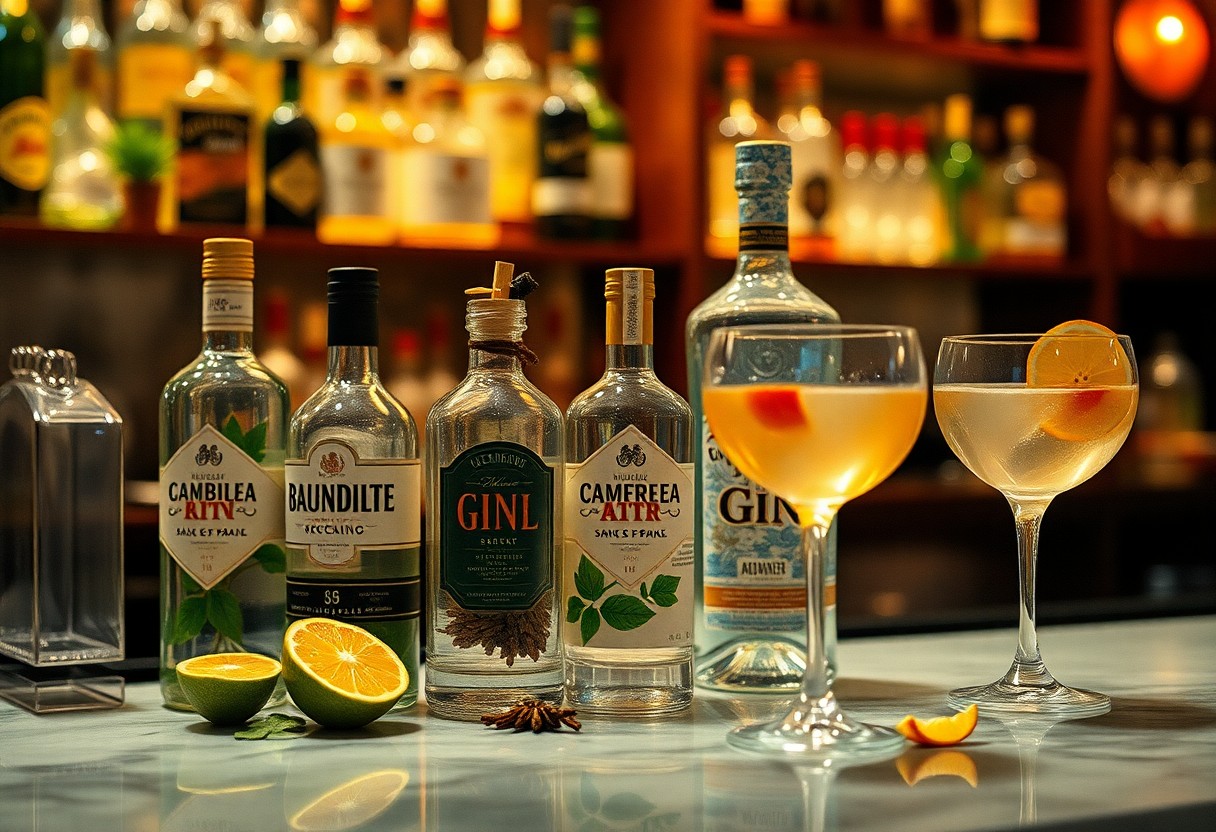
    Many gin enthusiasts are on the lookout for creative ways to elevate their beloved spirit beyond traditional botanicals. In this guide, you’ll discover how to experiment with unconventional ingredients and mixes that will transform your gin-drinking experience. From exotic spices to surprising fruits, we’ll explore how you can innovate your cocktails and impress your friends at your next gathering. Get ready to begin on a flavorful adventure and unleash your inner mixologist with these inventive ideas!

    Understanding Gin Ingredients

    Before venturing into the world of innovative gin mixes, it’s vital to familiarize yourself with the fundamental ingredients that shape this beloved spirit. At its core, gin is defined by its predominant botanical, juniper, along with a variety of other herbs, spices, and fruits that contribute to its unique flavor profile. Understanding these elements will empower you to experiment confidently with unconventional mixes, transforming your gin cocktails into extraordinary creations.

    Exploring Botanicals

    You can ignite your creativity by exploring the diverse range of botanicals that influence gin’s distinct character. From classic flavors like coriander and angelica root to more adventurous options like lavender or hibiscus, each botanical adds a unique layer to your gin experience. As you play with these flavors, consider how they harmonize with gin’s base and how they can elevate your cocktails to new heights.

    Uncommon Ingredients to Consider

    Now, let’s elevate your gin game by incorporating uncommon ingredients that will truly wow your taste buds. By integrating elements such as exotic fruits, herbs from your garden, or even spices typically used in savory cooking, you can create cocktails that stand out from the standard offerings.

    Consider using ingredients like chili peppers for a spicy kick, or fruits like passionfruit and lychee to add a fresh and tropical twist to your gin recipes. Incorporating herbs such as basil or rosemary can introduce an aromatic complexity. By experimenting with these unusual additions, you can create a unique flavor profile that reflects your personal taste while captivating your guests’ palates. The possibilities are endless when you step off the beaten path!

    How to Choose Your Base Gin

    The key to creating a remarkable gin cocktail lies in selecting the right base gin. Your choice will greatly influence the flavor profile and overall experience of your concoction. Explore various options from traditional dry gins to those flavored with unique botanicals, and consider how each will complement your unconventional ingredients and mixes.

    Key Factors in Selection

    There’s a variety of factors you should weigh when selecting your base gin. Consider the following elements:

    • Flavor Profile – Determine if you prefer a citrusy, herbal, or spicy essence
    • Alcohol Content – Higher proof gins can amplify flavors
    • Region – Different regions produce distinctive styles and characteristics
    • Craftsmanship – Look for artisanal producers with a reputation for quality

    This selection process will set the stage for your adventurous cocktail journey.

    How to Taste and Evaluate

    You should take your time to taste and evaluate different gins to find the one that resonates with your palate. Pay attention to the aroma, mouthfeel, and finish to gain deeper insights into the gin’s unique characteristics.

    Evaluate each gin by swirling it gently in your glass and inhaling the aromatic notes to uncover its botanical nuances. Take small sips, allowing the spirit to coat your tongue, noting the initial flavors and how they evolve. Is it bright and zesty, or does woodiness dominate? Consider the lingering finish and whether it plays well with the ingredients you foresee using. Exploring these sensory elements will help you curtail your selection to a base gin that elevates your adventurous cocktail creations.

    Experimenting with Flavor Pairings

    Clearly, exploring unconventional ingredients for your gin cocktails opens up a world of exciting flavor pairings. By combining unexpected elements—such as herbs, fruits, and even spices—you can create a unique tasting experience that tantalizes your palate. Delve into bold flavors like cardamom or hibiscus, and discover how they complement the botanical notes of gin, inspiring you to innovate and craft cocktails that stand out from the typical gin and tonic.

    Mixing Techniques for Unique Profiles

    If you’re looking to elevate your gin creations, experimenting with mixing techniques can deliver unique profiles that make your drinks shine. Try techniques such as infusing your gin with interesting ingredients or using a sous-vide method to extract flavors more intensely. Shake, stir, or muddle your way to finding the perfect balance that highlights your unconventional additions.

    Tips for Balancing Flavors

    Now, achieving harmony in your gin cocktails is key to ensuring all ingredients complement each other. Focus on identifying the dominant notes and adjusting them with complementary or contrasting flavors to strike the right balance. Consider these vital tips to guide you:

    • Start with a base flavor and build around it.
    • Experiment with sweetness and acidity to enhance different notes.
    • Use a tasting spoon to test flavors before finalizing your mix.

    After highlighting important characteristics of your ingredients, you can fine-tune your cocktail blend for maximum enjoyment.

    Unique pairings can significantly transform your gin-based drinks, allowing you to craft personalized flavors tailored to your preferences. To perfect your cocktails, consider the following guidelines:

    • Combine bold flavors with milder ones for a balanced experience.
    • Use seasoning ingredients sparingly, as they can overpower your creation.
    • Incorporate fresh garnishes to brighten your drink and enhance its appeal.

    After you’ve successfully balanced your flavors, you’ll find a whole new dimension opens up within your cocktails, inviting you to explore even more inventive pairings.

    Creative Mixes: Cocktails Beyond the Classics

    Many gin enthusiasts are stepping outside traditional gin-and-tonic combos to explore adventurous flavors. By incorporating unconventional ingredients like herbal liqueurs, exotic fruits, or even savory elements, you can create a cocktail experience that surprises and delights your palate. Delve into unique mixes that elevate your cocktail game and impress your guests with innovative drink selections.

    Unique Cocktail Recipes

    Now is the perfect time to unleash your creativity with unique cocktail recipes that feature unexpected ingredients. Consider infusing your gin with fresh herbs or creating a refreshing twist using artisanal sodas and fresh juices. Think outside the box and try combining bitter aperitifs or seasonal fruits to craft your very own signature drinks, turning your home bar into an exciting cocktail laboratory.

    How to Craft Signature Drinks

    While exploring the wide world of flavors, you have the chance to craft signature drinks that reflect your personal style and taste. By experimenting with various components, from garnishes to mixers, you can create distinctive cocktails that set your offerings apart from the crowd.

    Cocktails allow you to explore endless combinations, so start by considering flavors that you enjoy and how they might complement gin. For instance, pairing gin with fresh grapefruit and a hint of rosemary creates a refreshing concoction. Additionally, adding a touch of rare bitters or using house-made syrups can introduce an impressive layer of depth. The key is to balance sweetness, acidity, and herbal notes to achieve a well-rounded drink that showcases your unique flair. Enjoy the creative process as you refine your craft and develop drinks that tantalize the senses!

    Tips for Hosting an Adventurous Gin Tasting

    Not every gin tasting has to be ordinary; elevate your gathering with unique flavors. To create an engaging and memorable experience, consider the following tips:

    • Choose a variety of unconventional gins.
    • Incorporate unusual mixers and garnishes.
    • Provide tasting notes and pairing suggestions.
    • Encourage guests to share their impressions.

    This will set the stage for an unforgettable experience.

    Setting Up Your Space

    With the right setup, you can create an inviting atmosphere for your gin tasting. Arrange a clean, spacious table with clear glassware and tasting cards for your guests. Use good lighting to showcase your gin selections and consider adding some decor that ties into the theme of adventure, such as maps or travel-themed elements, to encourage conversation and exploration.

    Engaging Your Guests

    On a successful adventure, participation is key, especially in a gin tasting. Engage your guests by encouraging their input on flavors and aromas, prompting discussions about their favorite ingredients. This interactive approach not only breaks the ice but also fosters a lively atmosphere.

    Plus, you can incorporate fun activities like blind tastings or flavor-matching games. Consider offering small prizes for the most accurate guesses or the most creative cocktail contributions. This adds an element of friendly competition and keeps everyone invested in the experience, making it more enjoyable for all involved.

    Factors to Consider When Creating Your Own Gin

    For the adventurous mixologist, crafting your own gin involves several key considerations. Begin by evaluating:

    • Your choice of base spirit
    • The botanicals that will define your flavor profile
    • The distillation method you intend to use
    • The balance of sweetness and bitterness
    • Your desired alcohol content

    Assume that each element significantly influences your gin’s final character and experience.

    Understanding the Distillation Process

    Consider the nuances of distillation as you commence on your gin-making journey. This process involves heating your chosen ingredients to separate the alcohol from the other components, allowing you to capture the essence of your botanicals while creating a smooth spirit. Mastering distillation techniques can elevate your unique recipes to new heights.

    Regulations and Legal Considerations

    Some important factors include licensing, production limits, and labeling requirements in your region. Understanding these regulations is necessary to ensuring that your gin-making activities are compliant and legitimate.

    Considerations surrounding regulations can vary widely based on your location. You may need to apply for permits for distilling spirits, adhere to specific safety standards, and follow labeling laws intended to protect consumers. It’s critical to research local legislation to avoid potential fines and legal issues that can dampen your gin-making adventure.

    Conclusion

    On the whole, exploring unconventional gin ingredients and mixes opens up a world of unique flavors and experiences for your cocktail crafting. By experimenting with botanical infusions, exotic fruits, or unexpected spices, you can elevate your gin game and impress friends at your next gathering. Embrace your adventurous spirit, and don’t hesitate to think outside the bottle. Your journey through the diverse landscape of gin awaits, offering delightful surprises and endless creativity at every turn.
  • The Ultimate Guide To Gin – History, Types, And Tasting Notes

    The Ultimate Guide To Gin – History, Types, And Tasting Notes

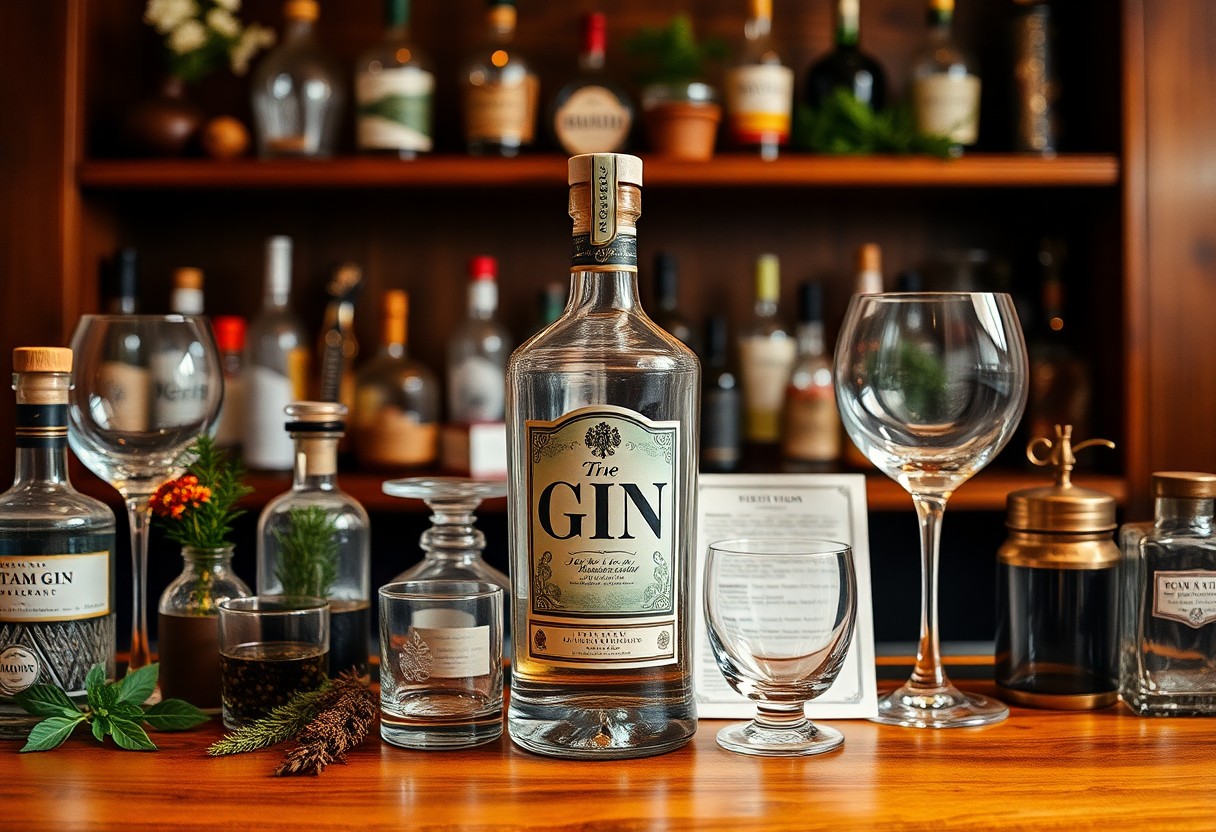
    Gin offers a fascinating journey that intertwines history, craftsmanship, and flavor. In this ultimate guide, you will explore the rich origins of gin, the various styles available, and the distinctive tasting notes that define them. Whether you’re a novice or an experienced enthusiast, you’ll gain insights into how to appreciate gin like never before. Get ready to immerse yourself in the world of gin, enhancing your knowledge and possibly even your palate along the way.

    The History of Gin

    A fascinating journey through time, the history of gin spans several centuries and reflects its transformation from a medicinal tonic to a beloved spirit. You will discover that it has deep roots in Europe, with its origins tracing back to the early 17th century in the Netherlands, where it began as jenever, a juniper-flavored spirit. Over the years, gin evolved, gaining popularity in England and evolving into the varieties you enjoy today.

    Origins and Evolution

    An exploration of gin’s beginnings reveals its roots in the medicinal use of juniper berries. You will find that Dutch physician Franciscus Sylvius is often credited with distilling the first gin in the 1600s, intended for health benefits. The spirit soon made its way to England, where it was embraced and adapted, leading to the gin craze of the 18th century, which forever changed the perception and production of this iconic beverage.

    Key Milestones in Gin Production

    If you’re tracking the advancement of gin, several key milestones highlight its evolution. The introduction of the column still in the 19th century marked a turning point, allowing for purer and higher-quality spirit production. The proliferation of gin distilleries in England during this period resulted in a diverse array of styles and flavors, setting the stage for today’s craft gin movement.

    Another pivotal moment occurred with the invention of London Dry Gin in the late 19th century, which became synonymous with quality and refinement. You may also appreciate that the use of unique botanicals has expanded since then, leading to modern artisanal gins showcasing innovative flavors. This rich timeline demonstrates that gin is not just a drink, but a vibrant story of cultural and technological progress.

    Types of Gin

    Now, let’s explore the diverse types of gin that cater to various palates and preferences. You’ll find that each style offers unique flavors and production methods. Here’s a snapshot:

    Type Description
    London Dry Gin Classic style, known for its dryness and strong juniper flavor.
    Old Tom Gin Sweeter style of gin, often used in cocktails.
    Sloe Gin Infused with sloe berries, offering a fruity taste.
    Plymouth Gin Distinctively earthy and slightly fruity.
    Western Dry Gin Variety of gins with less emphasis on juniper.

    Knowing each type will help you discover the right gin for your personal taste and occasion.

    London Dry Gin

    Assuming you are familiar with classic spirits, London Dry Gin is a quintvital style that defines gin for many enthusiasts. Distilled with a high proportion of juniper and often featuring botanicals like coriander and angelica, it offers a clean, crisp taste. This style is versatile for cocktails, from martinis to gin and tonics.

    Old Tom Gin

    To take a step back in time, Old Tom Gin offers a sweeter alternative to its London Dry counterpart. This type has seen a resurgence in popularity as cocktail culture evolves. It contains a touch of sugar during the distillation process, providing a smoother and more approachable flavor profile that complements many classic cocktails.

    With its rich history dating back to the 18th century, Old Tom Gin was traditionally enjoyed by the general public when gin was not yet regulated. Today, its revival has led to many craft distilleries producing unique variations, often incorporating different botanicals for a modern twist.

    Sloe Gin

    With a unique character, Sloe Gin is not a traditional gin but rather a liqueur made by infusing gin with sloe berries, which are the fruit of the blackthorn bush. The resulting drink is rich, sweet, and tart, providing delightful fruitiness and a beautiful ruby color.

    Types of Sloe Gin can vary significantly depending on the gin used and the recipe followed. Some versions maintain a higher gin content, giving it a stronger backbone, while others lean more on the sweetness of the sloe berries, making it perfect for sipping on its own or using in cocktails.

    Tasting Notes

    Your journey into the world of gin tasting begins with understanding its complexities. Each gin offers a unique experience, allowing you to explore a range of flavors and aromas. By paying close attention to the subtleties in each sip, you will develop an appreciation for the craftsmanship behind this beloved spirit. Whether you’re sampling a classic London Dry or a contemporary craft gin, capturing the essence of your tasting experience will deepen your enjoyment.

    Flavor Profiles

    To fully appreciate gin, you should explore its diverse flavor profiles that range from floral and citrus to herbal and spicy. Each distillation technique and ingredient contributes to the overall taste, creating a broad spectrum of experiences. As you sample different gins, take note of how these flavors interact and evolve on your palate, revealing the intricacies of each expression.

    Aromatic Components

    While flavor is vital, the aromatic components of gin play an equally important role in the tasting experience. The scent of gin often hints at its flavor profile, providing rich olfactory cues that enhance your enjoyment and understanding of the drink. Paying attention to these nuances can elevate your tasting and deepen your appreciation of the spirit.

    The aromatic components of gin can include a variety of botanicals, with juniper berries being the primary ingredient that gives gin its quintvital character. Depending on the recipe, you might also encounter notes of citrus peels, spices like coriander, or botanicals such as lavender or rosemary. These scents can evoke memories or impressions, enhancing your overall tasting experience. Experiment with different gins to discover how influential aromas contribute to the perception of taste, allowing you to savor the complexities of each spirit.

    Tips for Tasting Gin

    Unlike many spirits, tasting gin requires a discerning approach to appreciate its complex flavors. Here are some tips to enhance your gin-tasting experience:

    • Choose a clean glass to prevent any residual flavors.
    • Use the right temperature; gin is best at slightly chilled.
    • Take time to smell the gin before tasting.
    • Pay attention to the botanicals and how they evolve as you sip.

    After following these tips, you’ll gain a deeper understanding and appreciation of your gin experience.

    How to Properly Taste Gin

    The proper tasting technique involves several steps: Start by observing the gin’s appearance in your glass. Next, gently swirl it to release the aromas, and take a moment to inhale deeply. Focus on identifying distinct botanical notes before taking a small sip, allowing the spirit to coat your palate. Finally, take time to reflect on the flavors and how they transition while you sip.

    Common Mistakes to Avoid

    With gin tasting, it’s easy to overlook details that can impact your experience. One prevalent mistake is rushing through the tasting process without savoring the aromas and flavors. Avoid using mixers or ice initially, as they can mask the gin’s natural qualities. Also, don’t hesitate to keep a tasting note journal to track your observations and preferences.

    Understanding these pitfalls is vital for enhancing your gin appreciation. Many enthusiasts skip the smelling step, underestimating its role in flavor perception. Additionally, using inappropriate glassware can limit your ability to experience aromatics. Don’t forget the importance of palate clarity; eating strongly flavored foods beforehand may taint your tasting experience. By avoiding these common mistakes, you’ll develop a refined palate and a richer appreciation for this versatile spirit.

    Factors Influencing Gin Quality

    All gin enthusiasts know that several factors determine the quality of your favorite spirit. Key elements contributing to superior gin include:

    • Ingredient quality
    • Botanical selection
    • Distillation techniques
    • Age and storage conditions
    • Water source

    After understanding these factors, you can appreciate the craftsmanship behind every gin bottle.

    Ingredients and Botanical Selection

    If you want to elevate your gin experience, pay attention to the ingredients and botanicals used. A wide range of botanicals, including juniper berries, herbs, and spices, creates the distinct flavor profiles you taste in different gins. Each distiller crafts their unique blend, making the choice of ingredients vital to flavor complexity and quality.

    Distillation Methods

    Methods used in the distillation process also significantly affect the final result. Traditional pot stills impart rich flavors, while column stills create a cleaner, more neutral spirit. The method chosen can enhance the botanical choices and, consequently, the gin’s aromatic profile.

    Factors such as distillation time and temperature can further influence gin quality. Typically, longer distillation processes allow for a more refined taste as volatile compounds evaporate and leave behind a smoother spirit. Different distillers also experiment with unique techniques, such as vapor infusion or maceration, impacting flavor extraction and overall character. Understanding these nuances can help you appreciate the artistry behind each gin bottle you encounter.

    Pros and Cons of Different Gin Types

    Once again, understanding the pros and cons of various gin types helps you make an informed choice tailored to your palate and preferences. Each gin has its unique characteristics that can enhance your drinking experience. Below, you will find a comparison of the different gin types to help guide your selection.

    Type Pros Cons
    London Dry Classic and versatile May lack complexity
    New Western Innovative flavor profiles Can be polarizing
    Old Tom Rounded sweetness Less availability
    Plymouth Distinct regional identity More limited distribution
    Sloe Gin Unique fruity notes Not a traditional gin

    Advantages of Each Type

    Some gin varieties have specific advantages that can enhance your drinking experience. For instance, London Dry gin’s classic profile makes it an ideal base for cocktails, while New Western gins allow for experimentation with fresh flavors. Old Tom gin can offer a delightful sweetness, and Plymouth gin is celebrated for its maritime heritage. Sloe gin provides a unique twist, especially for those interested in sweeter options. Each type can cater perfectly to various preferences and occasions.

    Disadvantages to Consider

    Now, considering the disadvantages is just as important when exploring gin types. Some gins may not suit your taste or may be limited in availability, which can frustrate your search. London Dry can sometimes feel too straightforward, whereas New Western’s bold flavors may not appeal to traditionalists. Sloe gin, while unique, may not align with everyone’s expectations of a classic spirit.

    Types of gin can also bring certain challenges for you. For example, while Old Tom has pleasant sweetness, this characteristic isn’t always favored among gin enthusiasts seeking more neutrality. Plymouth gin has a rich legacy, but it is not as widely distributed, meaning you might have trouble finding it. Each gin offers a distinct experience, but it’s crucial to recognize if that experience aligns with your preferences and expectations.

    Conclusion

    Taking this into account, you now have a comprehensive understanding of gin’s rich history, diverse types, and intricate tasting notes. With this knowledge, you can confidently explore various brands and styles, enhancing your appreciation for this timeless spirit. Whether you’re a novice or an enthusiast, your journey into the world of gin will be all the more enjoyable as you savor the complexities and subtleties that each bottle has to offer.

  • The Science Of Gin – How Distillation And Botanicals Create Unique Flavors

    The Science Of Gin – How Distillation And Botanicals Create Unique Flavors

    Over the years, gin has evolved from a simple spirit to a complex and flavorful beverage enjoyed by many. Understanding the science behind gin’s unique flavors involves exploring the intricate processes of distillation and the diverse array of botanicals used in its production. In this blog post, you’ll discover how these elements work together to create the distinctive taste profiles that make each gin unique, allowing you to appreciate your next gin and tonic on a deeper level.

    The Distillation Process

    The distillation process is imperative in transforming the raw alcohol into the refined gin you enjoy. This method involves heating fermented grain mash or neutral spirits to separate the alcohol from impurities, allowing for the extraction and concentration of the flavors from botanicals. The outcome is a smoother spirit that serves as a perfect foundation for your favorite gin cocktails.

    Historical Overview

    Around the 9th century, the art of distillation emerged in the Middle East, evolving over centuries into modern techniques. By the 15th century, gin was popularized in the Netherlands, later gaining prominence in England, where it became a beloved spirit. The journey of gin reflects historical changes, societal influences, and the ongoing quest for unique flavors.

    Types of Distillation

    By understanding the different types of distillation, you can appreciate the nuances in flavor profiles that each method imparts to gin. The primary methods include:

    • Pot Still Distillation
    • Column Still Distillation
    • Single Distillation
    • Double Distillation
    • Vacuum Distillation

    Thou can choose a gin based on the distillation technique that best suits your palate.

    Type of Distillation Characteristics
    Pot Still Traditional, enhances flavor
    Column Still Continuous process, higher purity
    Single Distillation Quick, retains original character
    Double Distillation Refined taste, smoother finish
    Vacuum Distillation Lower boiling point, delicate flavors

    Due to their distinct processes, each distillation type affects the final product’s taste and aroma. Each method brings a unique perspective to the art of gin-making, allowing for endless creativity in flavor combinations. As you explore different gins, consider the method of distillation and how it may influence your tasting experience.

    • Enhances flavor complexity
    • Informs production techniques
    • Influences aroma profiles
    • Determines alcohol purity
    • Contributes to overall character

    Thou will find engaging differences as you dive deeper into the world of gin.

    The Role of Botanicals

    One of the defining aspects of gin is the careful selection of botanicals, which are aromatic plants, herbs, and spices used to create its distinctive flavors. Each botanical adds a unique note to the final spirit, ranging from floral to herbal, and even spicy profiles. The interplay between these botanicals can lead to an extraordinary range of taste experiences, making every gin unique and appealing to different palates. Understanding the role botanicals play allows you to appreciate the complex craftsmanship behind each bottle of gin.

    Common Botanicals Used in Gin

    Between juniper berries, coriander, angelica root, and citrus peels, these common botanicals form the backbone of many gin recipes. Juniper is a must for gin, providing that signature piney flavor, while herbs and spices like coriander add warmth and depth. Citrus elements contribute brightness and freshness, creating a harmonious balance that enhances the overall drinking experience. Each distiller has their unique blend, allowing for an infinite variety of flavors tailored to your taste preferences.

    The Influence of Regions on Botanical Selection

    Selection of botanicals for gin is often influenced by the geographical region where it is produced. Different climates and local ingredients lead to distinct flavor profiles. For instance, Mediterranean gins may highlight citrus and herbs native to that region, while gins produced in colder areas might incorporate more robust spices and roots. Understanding the place of origin enhances your tasting experience, as it connects you to the environment and culture that shaped the gin.

    Used in various gin styles, these regional influences create a diverse tapestry of flavors allowing for innovation and experimentation. A London Dry gin, for example, may emphasize traditional botanicals with a focus on juniper, while a New World gin might incorporate exotic ingredients such as tropical fruits or unique spices. This geographical distinction not only reflects the local flora but also the distiller’s creativity, encouraging you to explore gins from around the world for a truly global tasting adventure.

    Flavor Profiles in Gin

    It is the interplay of various botanicals and distillation methods that define the flavor profiles of gin. Each gin exhibits a unique combination of ingredients, allowing for a vast range of tastes—from floral to earthy, citrusy to spicy. As you explore different brands and types, you will discover how these elements come together to create distinct drinking experiences, elevating your gin choices based on personal preference and occasion.

    Understanding Taste and Aroma

    About the complexity of gin, it’s important to recognize that taste isn’t just about what you can taste on your tongue. Your sense of smell plays a powerful role in flavor perception. The botanicals used—whether juniper, coriander, or citrus—contribute not only to the taste but also infuse the aroma, creating an immersive experience for your senses when enjoying a gin cocktail.

    How Distillation Techniques Affect Flavor

    Affecting the end profile of your gin, the distillation technique is key. Different methods, such as pot still or column still distillation, extract various compounds from the botanicals, resulting in a range of flavors and aromas in your final spirit. Each process offers unique characteristics, impacting how intensely each botanical is expressed, thereby allowing distillers to craft gins with specific taste profiles tailored to your preferences.

    Understanding how distillation techniques affect flavor will enhance your appreciation for craftsmanship in gin production. Pot stills tend to preserve more congeners, resulting in a richer, more aromatic spirit, while column stills produce a cleaner, more neutral base. The choice of technique significantly influences the balance and nuance of botanicals, ultimately shaping the gin’s overall character. As you probe into the intricate world of flavors, you will appreciate the artistry behind every bottle.

    Craft Gin Movement

    Unlike mass-produced spirits that tend to follow conventional recipes, the craft gin movement emphasizes individuality and authenticity. This resurgence of interest in small-batch production allows distillers to explore creative flavor profiles, showcasing the unique botanicals native to their regions. As you examine into this world, you will discover how passionate artisans elevate gin from a simple drink to a complex experience, making each sip a journey through the craft of distillation.

    Rise of Artisan Distilleries

    By focusing on quality over quantity, artisan distilleries have emerged in response to consumer demand for distinctive and handcrafted beverages. You’ll find that these small producers often prioritize traditional methods and local ingredients, fostering a rich sense of community in their offerings. This shift not only enhances the diversity of gin available but also supports sustainable practices, ensuring each distillery tells its own story through the gin it creates.

    Innovative Flavors and Methods

    Innovative techniques and flavor combinations are at the forefront of the craft gin landscape. Distillers are experimenting with unexpected botanicals, such as exotic fruits and herbal nuances, to create distinctive expressions that appeal to adventurous palates. You’ll be intrigued to learn how methods like cold distillation or vacuum distillation open new avenues for flavor extraction, preserving the vital oils and aromatic profiles of the botanicals while enhancing the overall tasting experience.

    At this stage, the gin world is thriving with creativity and ingenuity. With no boundaries on ingredients, you might encounter gins infused with spices like cardamom or unique botanicals such as sea buckthorn. As distillers push the envelope and incorporate innovative methods, you will have the chance to taste gins that surprise and delight, bringing an entirely new dimension to the beloved spirit. Embracing these novel flavors allows your gin experience to go beyond the traditional, inviting curiosity and exploration in every glass.

    Pairing Gin with Mixers

    For the perfect gin experience, selecting the right mixer can elevate the flavors of your drink. Classic choices like tonic water, soda, and vermouth complement gin’s botanical essence, creating a harmonious balance. Consider your gin’s profile and how different mixers can enhance or contrast its unique flavors. The right pairing will not only refresh your palate but also deepen your appreciation for the complexities of your favorite spirit.

    Classic Combinations

    Across the world of cocktails, certain mixer combinations with gin have stood the test of time. A classic gin and tonic provides a crisp, refreshing taste that highlights the botanicals in the gin. Similarly, gin and soda offers a light alternative, while a gin martini showcases the pure essence of gin with a touch of vermouth. Each of these combinations serves to enhance your enjoyment of gin’s myriad flavors, allowing you to explore different profiles and aromas.

    Creative Mixing Techniques

    By experimenting with unconventional mixers, you can discover new dimensions of gin’s complex flavor profile. Unique ingredients such as flavored tonics, herbal syrups, or fresh juices can provide exciting contrasts and enrich your drink. Don’t be afraid to innovate by adding bitters, garnishing with unusual herbs, or incorporating seasonal fruits that can inspire a whole new cocktail experience.

    A great way to elevate your gin cocktails is to experiment with your mixing techniques. Try muddling fresh herbs or incorporating spices for an aromatic twist. Layering flavors through infusions or creating homemade sodas with less sugary alternatives can also significantly enhance your drink’s character. Through exploration and creativity, you can find surprising and delightful combinations that make your gin experience uniquely yours.

    The Future of Gin

    Now is an exciting time for gin, as creative distillers are constantly pushing boundaries to redefine this classic spirit. You can expect innovations in flavor combinations and production techniques to emerge, giving you even more options to explore. As the popularity of gin continues to grow, it’s likely that new distillation methods and unique botanicals will further elevate your tasting experience.

    Trends in Production

    With the rise of artisanal and craft distilling, you may notice a trend towards local, sustainable ingredients in gin production. Distillers are increasingly focusing on quality over quantity and experimenting with unconventional botanicals sourced from their immediate environment. This approach not only enhances the gin’s flavor profile but also creates a sense of community connection for you as a consumer.

    Gin’s Global Influence

    Above all, gin’s versatility has allowed it to capture the imagination of cultures around the world. You may find that regions once unfamiliar with botanicals are now producing distinctive styles that reflect local heritage and tastes, enriching the global gin landscape.

    At the heart of this global phenomenon, gin acts as a culinary canvas for local flavors. Distillers in Japan, for example, have embraced unique botanicals like yuzu and cherry blossom, while Mediterranean regions incorporate herbs like rosemary and thyme. This increasing diversity in gin showcases not only the spirit’s adaptability but also how cultural influences can contribute to distinctive flavor profiles. As you explore gin from different countries, you’ll discover a rich tapestry of flavors that reflect the essence of the landscape and people behind the spirit.

    Summing up

    From above, you can appreciate how the science of gin harmonizes distillation techniques and the selection of botanicals to craft unique flavors that appeal to diverse palates. Understanding these processes not only enhances your enjoyment of gin but also deepens your appreciation for the artistry involved in its creation. Whether your preference leans towards floral notes or spicy undertones, knowing how each element contributes to the final product allows you to explore the rich world of gin more comprehensively.

  • Crafting Unique Flavors – How To Create Your Own Infused Gin Recipes

    Crafting Unique Flavors – How To Create Your Own Infused Gin Recipes

    Infused with creativity and a passion for flavor, crafting your own gin recipes allows you to personalize your drinking experience. You can transform ordinary gin into an extraordinary spirit by thoughtfully selecting botanicals, fruits, and spices that resonate with your taste preferences. In this guide, you’ll learn the art of infusion, step-by-step, empowering you to create bespoke blends that will impress your friends and elevate your cocktail game. Let’s explore the world of infused gin and unlock endless flavor possibilities!

    Understanding the Basics of Gin

    Before submerging into the creative process of crafting your own infused gin recipes, it’s necessary to grasp the fundamentals of gin. This spirit, primarily made from grain, is defined by its predominant flavoring of juniper berries and can vary widely depending on the botanicals used, resulting in diverse profiles and characteristics that appeal to different palates.

    The Distillation Process

    An understanding of the distillation process is vital to creating your own gin. Typically, gin is produced by distilling grain alcohol and infusing it with various botanicals. The alcohol is distilled multiple times to achieve a high purity level before the job of flavor infusion begins, allowing you to experiment with different ingredients to achieve your desired taste.

    Common Botanicals and Their Profiles

    You will find a variety of botanicals used in gin, each offering unique flavors and aromas. While juniper is the predominant botanical, others like coriander, angelica root, and citrus peels can create a balanced profile that resonates with your taste. Understanding how these various botanicals contribute to the overall flavor and aroma of your gin will empower you to craft personalized infusions that truly express your vision.

    Understanding the distinct profiles of common botanicals allows you to explore the flavors that best suit your palate. Juniper berries infuse piney and resinous notes, while coriander provides a citrusy and spicy warmth. Angelica root adds earthiness, helping to balance the flavors, while citrus peels lend brightness and zest. By familiarizing yourself with these components, you can begin to combine botanicals creatively, resulting in an infused gin that captures your unique flavor aspirations.

    How to Choose Your Infusion Ingredients

    Even seasoned mixologists find that choosing the right infusion ingredients for your gin can greatly influence the final flavor profile. Start by considering the taste sensations you wish to highlight—whether it’s herbal, fruity, spicy, or floral. Balance is key, as complementary flavors elevate your gin while contrasting ones can add an exciting twist.

    Factors to Consider for Flavor Pairing

    Ingredients should enhance each other rather than overpower. Consider the following factors:

    • Flavor intensity—ensure a balanced proportion between stronger and milder ingredients.
    • Seasonality—fresh, in-season ingredients often yield the best flavors.
    • Botanical characteristics—pair flavors that naturally complement each other.

    Thou shalt always aim for harmony in your concoctions.

    Tips for Selecting Fresh and Unique Botanicals

    Ingredients play a vital role in defining the uniqueness of your infused gin. To select fresh and distinctive botanicals, consider:

    • Visiting local markets for seasonal finds.
    • Choosing organic or sustainably sourced ingredients whenever possible.
    • Experimenting with unexpected pairings for a bold twist.

    Perceiving the subtleties in fresh ingredients can lead to delightful discoveries.

    Understanding how to select fresh and unique botanicals is vital in crafting your infused gin. Engaging with local producers or foraging for your ingredients allows you to discover diverse flavors that might be overlooked. Consider these tips:

    • Opt for vibrant colors and enticing aromas as indicators of quality.
    • Experiment with both familiar and unconventional choices to broaden your palette.
    • Keep a record of successful combinations for future reference and experimentation.

    Perceiving the world of herbs, fruits, and spices around you will greatly enhance your infusion endeavors.

    Crafting Your Infusion

    Some of the most enjoyable aspects of creating your unique gin is the infusing process. It allows you to experiment with different ingredients, aromas, and flavors to craft a spirit that truly reflects your personal taste. Whether you prefer botanical herbs, fruity elements, or spicy notes, the infusion process opens a world of possibilities for you to explore and refine your own signature gin recipe.

    Step-by-Step Guide to Infusing Gin

    Guide yourself through the infusion process with this simple table that outlines the necessary steps:

    Step Description
    1. Choose Ingredients Select your desired botanicals, fruits, or spices for infusion.
    2. Combine Add the chosen ingredients to a jar with your gin.
    3. Seal Ensure the jar is tightly sealed to prevent air from entering.
    4. Infuse Let the gin sit in a cool, dark place for 3-10 days.
    5. Strain Remove the solids using a fine strainer or cheesecloth.
    6. Store Transfer your infused gin to a clean bottle and enjoy!

    Tips for Achieving Balanced Flavors

    An necessary aspect of infusing gin is ensuring the flavors balance perfectly. Here are some tips to help you navigate the infusion process successfully:

    • Start with small amounts of strong-flavored ingredients.
    • Taste frequently during the infusion to monitor flavor intensity.
    • Mix complementary flavors that enhance each other without overpowering.

    Recognizing the importance of balance will guide you in refining your gin to achieve the perfect harmony of flavors.

    Your approach to flavor balance can significantly impact your infusion’s ultimate success. Consider these additional tips:

    • Keep track of ingredient ratios for consistency in future batches.
    • Experiment with steeping times to find your preferred strength.
    • Incorporate a touch of sweetness for a smoother finish.

    Recognizing how flavors interact will empower you to craft a personalized gin that truly reflects your taste preferences.

    Experimenting with Flavors

    For an unforgettable infused gin experience, you should embrace the art of experimentation. Gather a variety of botanicals, fruits, and spices that intrigue you. Consider the balance of flavors and how they interact with each other, allowing your palate to dictate the direction of your infusions. Infusing gin is about personal expression, so don’t hesitate to try unconventional combinations that reflect your unique taste preferences.

    How to Create Signature Blends

    Flavors should harmonize within your infused gin, creating a signature blend that sets your creation apart. Begin with a base recipe, then introduce distinct botanicals, adjusting ratios as you go. Don’t shy away from testing seasonal ingredients or local favorites. Document your process to refine your blends over time and cultivate a personal recipe that will delight your taste buds.

    Factors That Influence Flavor Development

    An array of factors will influence how your infused gin develops flavor, including the ingredients you select, infusion time, and temperature. Key considerations include:

    • Quality of botanicals and fruits used
    • Infusion time for optimal extraction
    • Storage conditions, such as light and temperature

    After experimenting with these elements, you will notice significant differences in your gin’s flavor profile.

    That means each choice you make can significantly affect the final outcome of your infusion. Understanding these components will help you create better profiles tailored to your preferences. Consider the balance between sweet, bitter, savory, and aromatic qualities when selecting items for infusion. Key points to keep in mind include:

    • Freshness of ingredients enhances flavor
    • Time needed to achieve desired intensity
    • Potential interactions among various flavors

    After honing your technique, your infused gin will express your creative vision like never before.

    Bottling and Storing Your Infused Gin

    Keep your infused gin fresh and flavorful by using clean, airtight bottles for storage. Ideally, choose glass containers to preserve the quality of your creation, and make sure they are completely dry before filling. Store your bottles in a cool, dark place away from direct sunlight, which can degrade the infusion over time. Well-stored infused gin can last for several months, but for the best experience, enjoy it within three to six months.

    Best Practices for Preservation

    Storing your infused gin properly will help retain its unique flavors. Always make sure to seal your bottles tightly after each use. If you notice any sediment or discoloration, strain the gin through a coffee filter or fine mesh to maintain its clarity. Regularly checking your bottles will ensure that you enjoy your infusion at its best.

    Tips for Labeling and Presenting Your Creation

    Now that you’ve crafted your unique infusion, you’ll want to showcase it beautifully. Consider labeling your bottles with the name of the infused gin, the ingredients used, and the date of infusion. This not only adds a personal touch but also highlights the uniqueness of your creation. When presenting your infused gin, remember the following:

    • Use decorative labels for a polished look.
    • Include tasting notes to inform your guests.
    • Consider adding a serving suggestion for cocktails.

    The presentation can elevate your infused gin experience and make it a conversation starter!

    It’s also a lovely idea to personalize your labels further. You might think about including a brief story behind your infusion or the inspiration for the flavor combinations. Adding a small decorative element, like a sprig of the main botanical or a colorful ribbon, can enhance visual appeal. Consider these strategies:

    • Handwriting labels for a personal touch.
    • Incorporating seasonal themes for different infusions.
    • Creating a themed gift set with complementary ingredients.

    The ultimate goal is to create a memorable experience for your guests!

    Hosting Gin Tastings

    Not only is hosting a gin tasting a fun way to explore unique flavors, but it also allows you and your guests to appreciate the artistry behind infused gin. By curating a selection of your handcrafted recipes, you can create an engaging atmosphere where tasting notes and personal preferences come alive, enhancing everyone’s appreciation for this versatile spirit.

    How-to Organize a Flavor Exploration Event

    Hosting a flavor exploration event starts with selecting the right theme, whether it’s seasonal ingredients or a specific flavor profile. Gather your infused gins, mixers, and garnishes, and set up tasting stations where your guests can explore each infusion in depth. A guided discussion can help everyone share their thoughts and preferences!

    Tips for Pairing Infused Gin with Mixers and Garnishes

    Some of the best experiences come from thoughtfully pairing your infused gins with mixers and garnishes. Consider the flavor profiles of your creations and balance them with complementary or contrasting tastes. Here are some guidelines to enhance your tasting experience:

    • Use herbal mixers for floral-infused gins.
    • Opt for citrus garnishes with fruit-forward infusions.
    • Incorporate spices to add depth to your drinks.
    • Experiment with tonic, soda, or fruit juices for refreshing combinations.

    The right pairings can elevate your infused gin to new heights!

    Event planning should also take into account the overall theme and the guest experience. Engaging your guests with creative mixer combinations can make your gin tasting even more memorable. Here are a few ideas for successfully pairing infused gins with mixers and garnishes:

    • Use herbal and botanical elements as garnishes.
    • Consider seasonal fruits to highlight the infusion ingredients.
    • Try unique elements like flavored tonics to surprise your guests.
    • Encourage guests to share their favorite combinations.

    The key is to have fun while exploring the myriad of flavors available in infused gins!

    Summing up

    Now that you know the steps to craft your own unique infused gin recipes, it’s time to explore your creativity and experiment with flavors that resonate with your palate. By selecting the right botanicals, spices, and fruits, you can create a personalized spirit that tells your own story. Make sure to consider the balance of flavors and allow sufficient time for infusion, ensuring that your final product is both delightful and distinctive. Enjoy the process and have fun, as crafting unique gin blends is all about expressing your taste and preferences.

  • Savor The Season – 5 Gin Recipes Perfect For Every Time Of Year

    Savor The Season – 5 Gin Recipes Perfect For Every Time Of Year

    Over the course of the year, your palate can crave different flavors that embody each season, and gin offers a versatile base for crafting delightful cocktails throughout. In this post, you’ll discover five gin recipes, each tailored to enhance your seasonal experiences. Whether you’re enjoying a refreshing summer sip or a warming winter concoction, these recipes will elevate your gatherings and personal moments alike. Get ready to impress your friends and indulge your taste buds all year round with these creative gin cocktails!

    Spring Sips: Floral Gin Cocktails

    As the days grow longer and nature awakens, the arrival of spring calls for refreshing floral gin cocktails that showcase vibrant flavors. These delightful drinks not only brighten up your entertaining but also embrace the season’s essence. You can create your own imaginative concoctions or simply follow classic recipes that highlight the beauty of blossoms infused into gin. Get ready to bask in the aromas and flavors of spring as you mix up these perfect drinks for your gatherings.

    Lavender Lemonade Gin Fizz

    Any gin enthusiast will appreciate the calming taste of the Lavender Lemonade Gin Fizz. Combining the floral notes of lavender with zesty lemonade, this invigorating cocktail is sure to refresh your spirit as spring unfolds. Simply mix gin, fresh lemon juice, lavender syrup, and soda water to create a fizzy oasis that is as beautiful as it is tasty. Garnish with edible flowers for an extra touch of elegance.

    Cucumber Mint Spritz

    Above all, the Cucumber Mint Spritz is a quintimperative drink for warm spring afternoons. Featuring crisp cucumber and aromatic mint, this light cocktail is perfect for those who enjoy a fresh and invigorating sip. Paired with your favorite gin and topped with tonic water, you’ll find it effortlessly refreshing. Ideal for leisurely picnics or garden parties, it encapsulates the essence of spring with every sip.

    Another fantastic aspect of the Cucumber Mint Spritz is its simplicity and versatility. You can easily adjust the flavors to suit your taste, whether you prefer a stronger cucumber presence or a more pronounced mint flavor. Consider muddling fresh mint leaves at the bottom of your glass before adding gin and cucumber slices for a more aromatic experience. Experimenting with different gin brands can also highlight unique botanical notes, making each sip a delightful surprise. So, gather your friends, and enjoy this refreshing spritz as you celebrate the beauty of springtime.

    Summer Refreshers: Citrus and Fruit-Based Gin Drinks

    It’s time to embrace the warm, vibrant days of summer with gin cocktails that burst with citrusy and fruity flavors. These refreshing drinks not only quench your thirst but also elevate your spirits, making them perfect for picnics, barbecues, or lazy afternoons by the pool. From classic concoctions to innovative twists, you’ll find the ideal gin-based drinks to sip and savor all season long.

    Gin and Tonic with a Twist

    Before pouring yourself a classic Gin and Tonic, consider giving it a refreshing twist that enhances the botanicals of your gin. You can add slices of fresh cucumber, a sprig of rosemary, or a splash of elderflower cordial to elevate this simple drink. By infusing seasonal ingredients, you create a delightful personal touch that complements the crispness. This way, your G&T will stand out, offering a new flavor experience on a hot summer day.

    Berry Basil Smash

    At the peak of summer, indulge in a Berry Basil Smash that combines fresh berries and aromatic basil with gin. This cocktail not only looks beautiful with its vibrant colors but also delivers a perfect balance of sweetness and herbal freshness. Ideal for gatherings or a refreshing solo treat, this drink showcases the best of summer’s bounty.

    Drinks are more enjoyable when they’re rich in flavor and visually appealing. In the Berry Basil Smash, muddle a mix of your favorite berries—such as strawberries, raspberries, or blackberries—with basil leaves to release their natural juices. Add a splash of gin, a squeeze of fresh lime juice, and top it off with club soda for a fizzy finish. Serve over ice in a tall glass, garnished with additional basil leaves and a berry or two for an unforgettable summer cocktail experience.

    Autumn Aromas: Spiced and Earthy Gin Creations

    There’s a certain magic in the air during autumn, as the crisp leaves and cozy sweaters inspire you to sip on delightful gin blends. This season invites you to explore the captivating depth of spiced and earthy flavors that gin can offer, perfectly complementing the aromas of warm spices and harvest fruits. Embrace the rich hues of fall with these invigorating gin recipes that capture the essence of the season, providing you with the comfort and warmth you crave.

    Apple Cinnamon Gin Fizz

    Apple delights mingle beautifully with the botanical notes of gin, making the Apple Cinnamon Gin Fizz a seasonal favorite. This effervescent concoction combines fresh apple juice and a hint of cinnamon, creating a refreshing drink that perfectly embodies autumn. A splash of tonic water adds some sparkle, while a garnish of apple slices brings the presentation to life, making it an ideal choice for festive gatherings or cozy nights spent indoors.

    Maple Ginger Gin Mule

    Behind the scenes of the Maple Ginger Gin Mule lies a harmonious blend of flavors that will tantalize your taste buds. This innovative twist on the classic mule combines the warmth of maple syrup with zesty ginger beer, creating a comforting experience that defines fall. The natural sweetness of maple enhances the gin’s botanicals, while the ginger adds a delightful kick that makes each sip a perfect accompaniment to your autumn evenings.

    Cinnamon takes center stage in the Maple Ginger Gin Mule, giving it that quintvital autumn flavor you crave. The comforting aroma of cinnamon infuses the concoction, wrapping you in warmth with every taste. To prepare, simply mix your favorite gin with a touch of maple syrup and top it off with ginger beer. Garnish with a cinnamon stick or a slice of fresh ginger to amplify the cozy vibe. This mule not only delights the palate but also evokes the essence of fall, making it a go-to drink as the seasons change.

    Winter Warmers: Cozy Gin Cocktails

    Keep yourself warm and festive this winter with these delightful gin cocktails. As the temperatures drop, cozying up with a freshly crafted drink is the perfect way to embrace the season. From warming spices to vibrant flavors, these gin recipes will not only invigorate your spirits but also create a comforting atmosphere that you can enjoy with friends and family. So, grab your shaker and let’s explore some irresistible winter warmers!

    Hot Gin and Tonic

    The key to a delightful Hot Gin and Tonic is the balance between the warm, aromatic essence of the gin and the refreshing zest of tonic water. To make your own, heat tonic water and add your favorite gin along with a slice of lemon and a sprig of rosemary for an aromatic finish. This comforting twist on the classic drink is sure to warm you from the inside out and can easily be tailored to your personal tastes.

    Spiced Cranberry Gin Punch

    One delightful option for your winter gatherings is a Spiced Cranberry Gin Punch. This seasonal cocktail combines gin with tart cranberry juice, aromatic spices like cinnamon and cloves, and a splash of ginger ale to create a refreshing yet warming drink suitable for the season’s celebrations. Perfect for holiday parties or cozy evenings by the fire, this punch is not only visually appealing but also a crowd-pleaser that will spark joy and warmth in every sip.

    And to elevate your Spiced Cranberry Gin Punch, consider garnishing it with fresh cranberries and an orange wheel for a pop of color. You can also experiment with different spice levels by adjusting the amount of cinnamon and cloves used. Serve it in a large punch bowl for a festive touch while allowing your guests to serve themselves. This recipe is simple, delicious, and captures the essence of winter, making it an unforgettable addition to your seasonal celebrations.

    Tips for Selecting the Perfect Gin

    Your choice of gin can significantly elevate your cocktail experience. To find the right one for your palate, consider the following factors:

    • Botanical profile: Explore gins with unique botanicals for varied flavors.
    • Distillation method: Look for craft or artisanal distilleries for quality options.
    • ABV content: Higher alcohol content often leads to bolder flavors.
    • Flavor pairing: Assess how a gin will complement your mixers and garnishes.
    • Brand reputation: Trust well-reviewed brands that suit your personal taste.

    Perceiving the nuances in your gin will lead to a more satisfying drinking experience throughout the seasons.

    Garnishes: Elevating Your Gin Experience

    Not all garnishes are created equal, and choosing the right one can transform your gin cocktail into an extraordinary experience. You can enhance the botanical notes in your gin by pairing it with complementary garnishes like fresh herbs, citrus peels, or even edible flowers. For instance, a sprig of rosemary adds depth, while lemon zest brings brightness. Experimenting with different garnishes allows you to personalize your drink, showcasing your creativity and taste. Elevate your gin experience by making garnishes an crucial part of your cocktail-making routine.

    Final Words

    Considering all points, you can elevate your seasonal celebrations with these five gin recipes, each designed to highlight the unique flavors that every time of year brings. Whether you’re sipping a refreshing gin and tonic on a warm summer day or indulging in a cozy spiced gin cocktail as the leaves change, these recipes cater to your palate. Embrace the essence of the seasons and impress your friends and family with your mixology skills, ensuring that every gathering becomes a delightful experience.