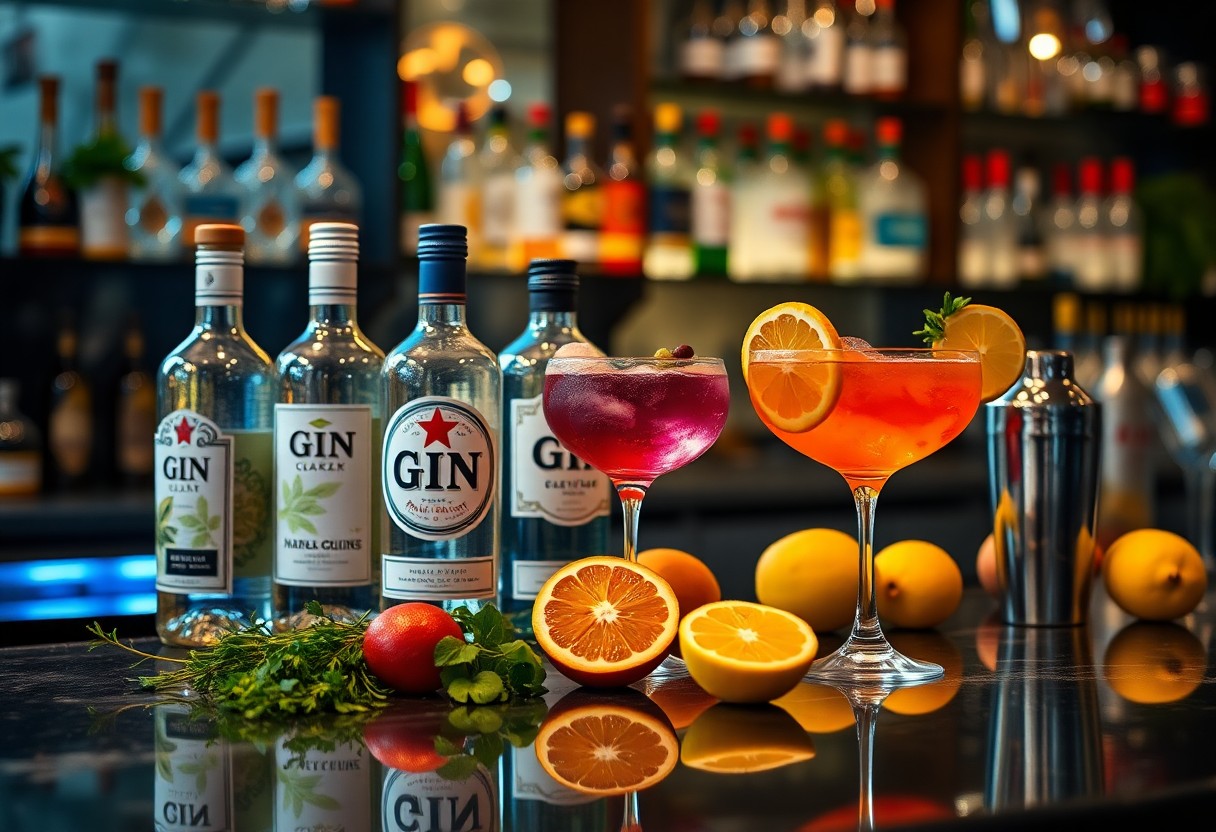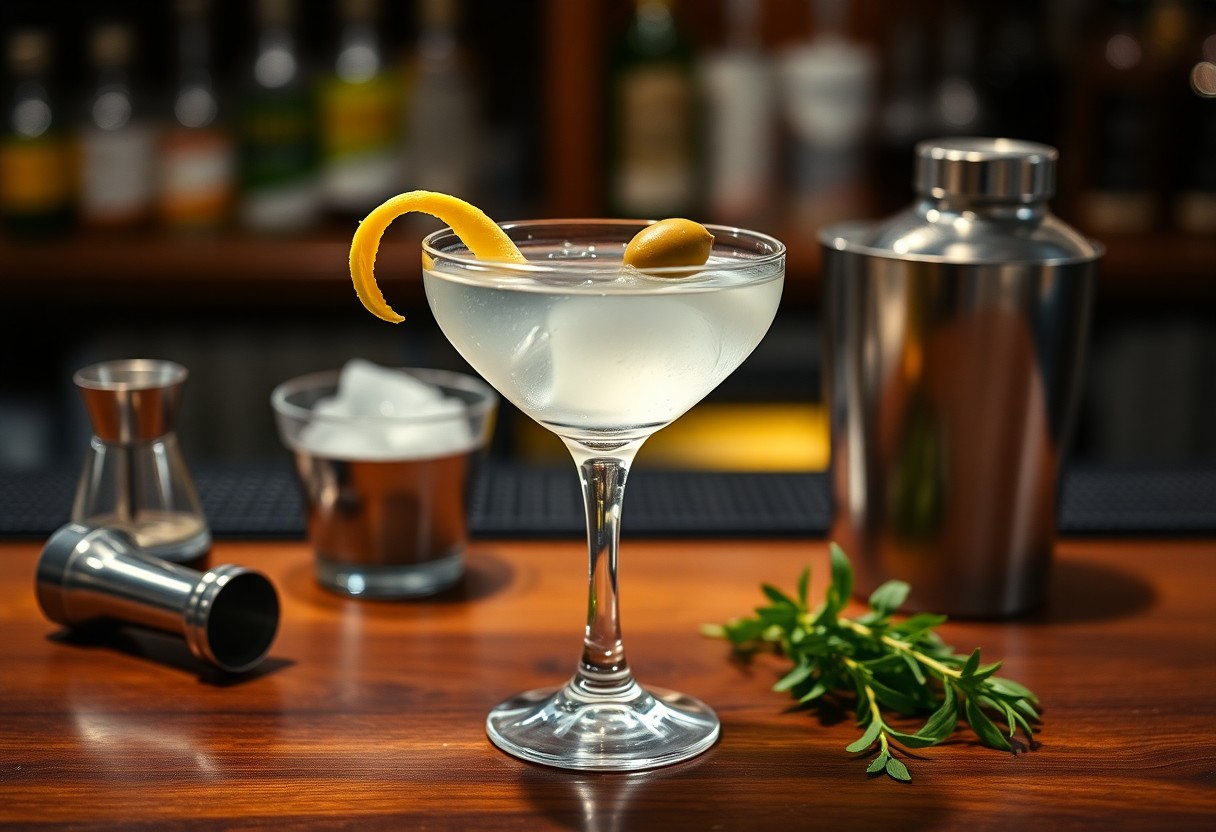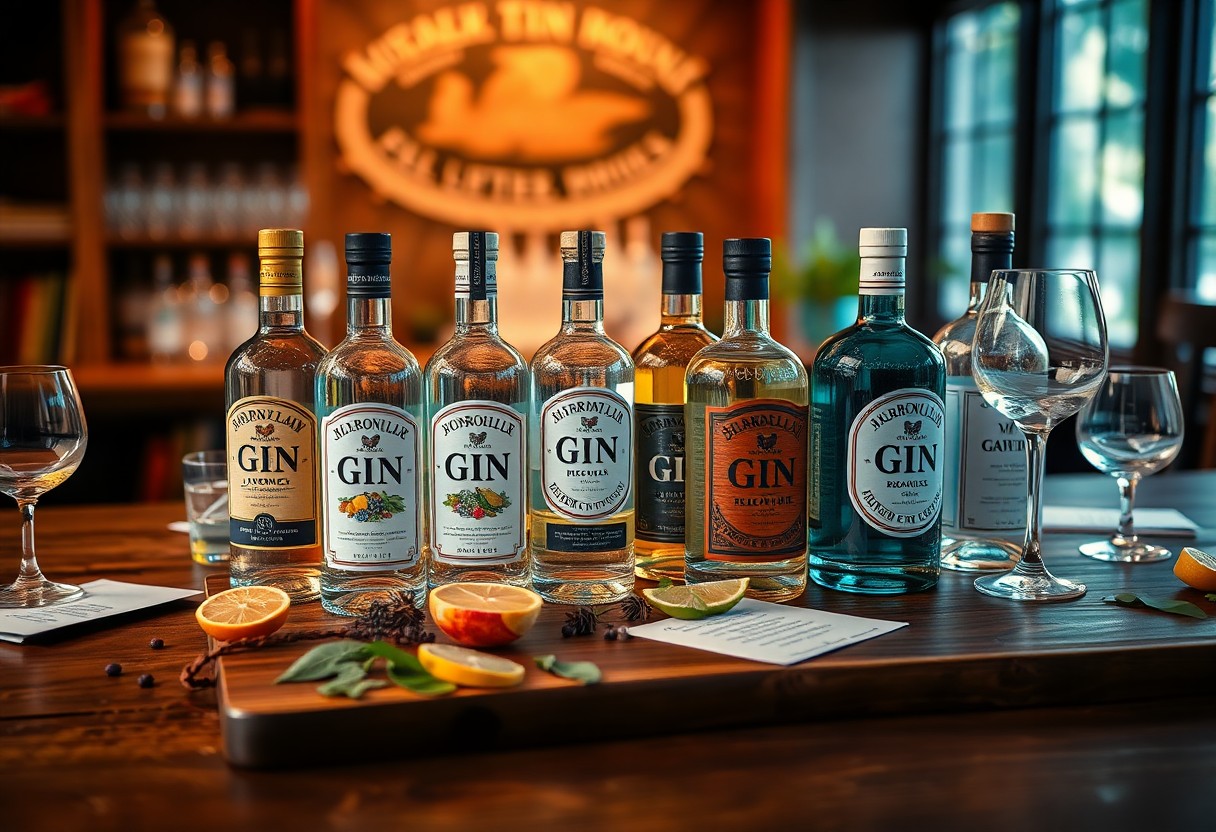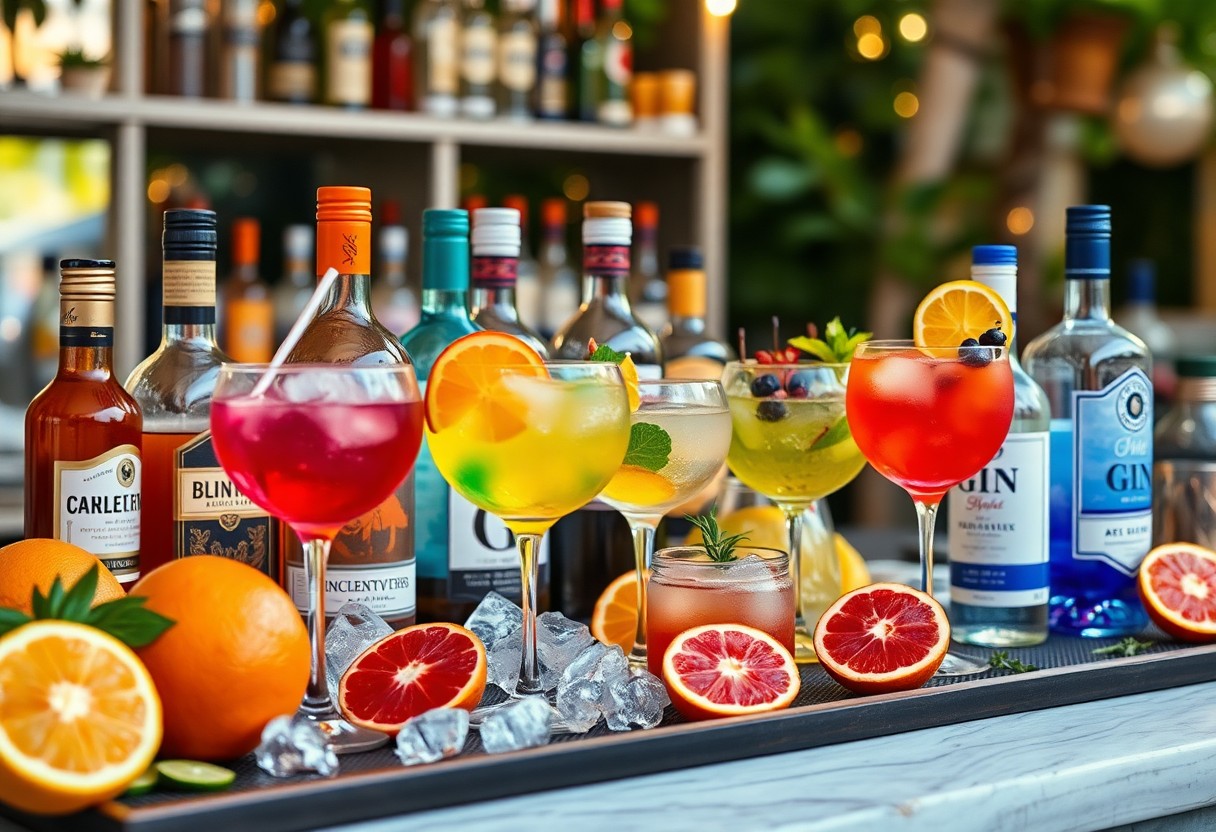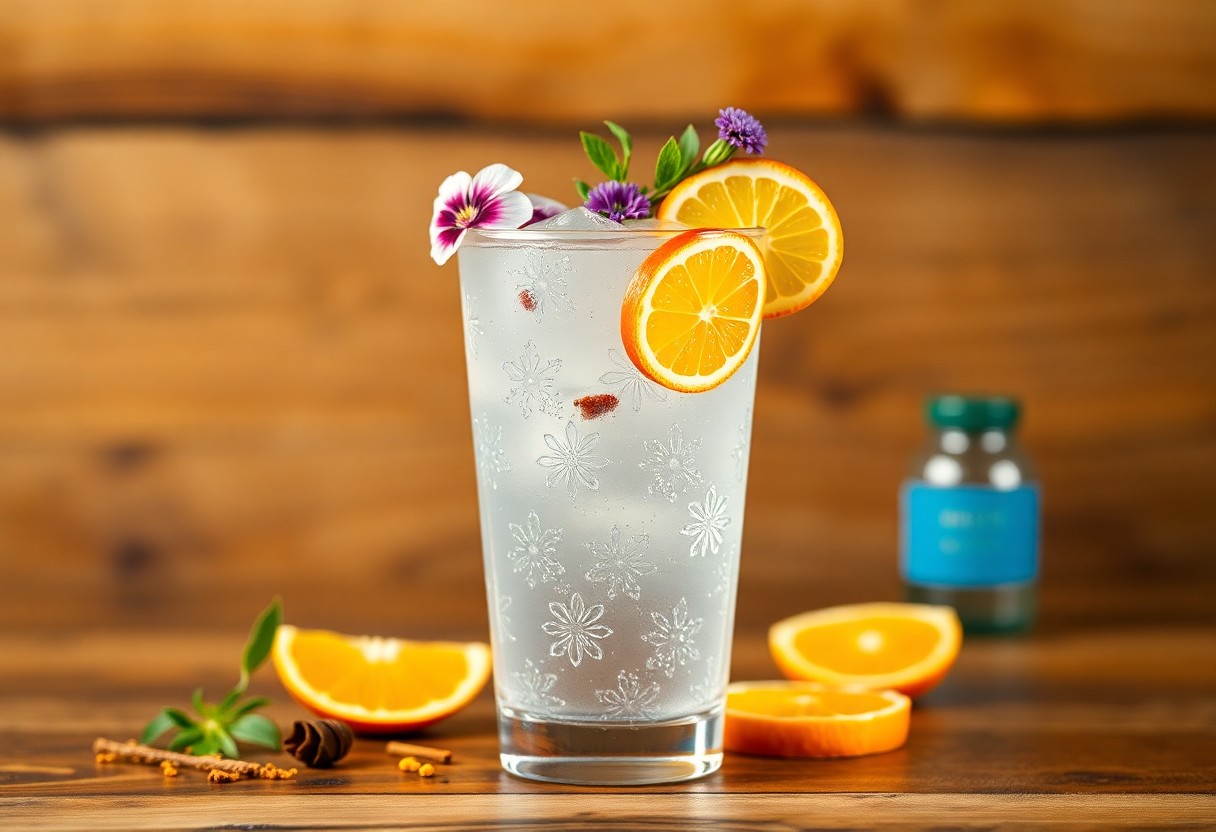
Category: Cocktails

  • What Heretical Garnishes Revolutionize The Classic Gin And Tonic Experience?

    What Heretical Garnishes Revolutionize The Classic Gin And Tonic Experience?

    Gin lovers around the world are embracing innovative garnishes that elevate the traditional gin and tonic to new heights. You might be surprised to discover how unconventional ingredients can enhance the refreshing qualities of your favorite spirit, transforming a familiar drink into an extraordinary experience. In this post, you will learn about creative garnishes that go beyond the classic lime or cucumber, empowering you to impress your guests and tantalize your taste buds with bold flavors and unique presentations. Get ready to rethink your gin and tonic!

    The Evolution of the Gin and Tonic

    While the gin and tonic has long been celebrated for its refreshing simplicity, its journey through the ages reflects significant cultural and culinary transformations. Originally a medicinal tonic, this delightful drink has evolved into a staple of social gatherings, adapting to various tastes and trends. Today, you can find countless variations that showcase both traditional and contemporary twists, highlighting the drink’s versatility and enduring popularity.

    Historical Background

    Against the backdrop of the British colonial era, gin and tonic emerged as a means to combat malaria, with quinine-laden tonic water serving as the key ingredient. Initially seen as a health remedy, it wasn’t long before the combination of gin and tonic became a symbol of sophistication in British culture. You may appreciate how this historical context has shaped the complex flavors you now enjoy.

    Modern Interpretations

    Before exploring into the sea of modern gin and tonic variations, you should know that many bartenders and mixologists are redefining this classic drink. With an array of gins infused with unique botanicals and artisanal tonic waters, the options are limited only by your imagination. Explore the invigorating combinations that can elevate your drinking experience.

    The gin and tonic has undergone a remarkable transformation, thanks to innovative bartenders eager to push culinary boundaries. You can now experiment with botanicals like cucumber, rosemary, or even exotic spices, complementing your chosen gin. Craft tonic waters featuring unique flavors such as Mediterranean herbs or grapefruit are becoming increasingly popular, providing a creative canvas to express your personal taste. This evolving landscape of gin and tonics invites you to explore a world of flavors that can elevate your drinking rituals into a truly remarkable experience.

    Traditional Garnishes and Their Roles

    Some garnishes have stood the test of time in the classic gin and tonic, each playing a distinctive role in enhancing the overall experience. From the refreshing zest of lime to the aromatic allure of herbs like rosemary, these traditional ingredients not only visually elevate your drink but also introduce complementary flavors that harmonize brilliantly with the botanicals in your gin.

    Classic Ingredients

    Above all, the classic ingredients in your gin and tonic include lime, cucumber, and even various types of berries. Each of these garnishes contributes a unique flavor profile that balances the spirit’s bitterness and highlights its botanical notes. You can elevate your drink by incorporating these familiar tastes that have become synonymous with this timeless cocktail.

    The Science of Flavor Pairing

    By understanding the science of flavor pairing, you can craft a gin and tonic that tantalizes your taste buds in unexpected ways. Flavor pairing is about matching ingredients based on complementary or contrasting flavor compounds, which can create a well-rounded and satisfying drink.

    Pairing different garnishes with your gin can transform a standard tonic into a flavor-rich journey. For instance, combining juniper-forward gins with the bright acidity of citrus or the earthiness of herbs can unlock new dimensions of flavor. Additionally, experimenting with unconventional ingredients like cardamom or lavender not only personalizes your drink but also invites a deeper exploration of how different tastes interact, making every sip a delightful experience.

    Innovative Garnishes to Enhance Experience

    Even the most classic gin and tonic can be transformed with innovative garnishes that elevate your drinking experience. By stepping outside the traditional lemon and lime, you can explore a world of flavors that not only exude creativity but also complement the botanical notes of gin. Whether you prefer vibrant aromas or subtle twists, the right garnishes invite you to discover new dimensions in every sip.

    Exotic Fruits and Herbs

    Around the globe, exotic fruits and aromatic herbs can provide a captivating twist to your gin and tonic. Think of adding fresh lychee, passion fruit, or even dragon fruit for a burst of color and sweetness. Pair these with fragrant herbs such as basil or mint, and you’ll create a refreshing concoction that tantalizes your senses and surprises your palate.

    Unexpected Spices

    Below the surface of traditional garnishes lies a realm of unexpected spices that can add depth to your gin and tonic. Simple ingredients like black peppercorns or a sprinkle of cardamom can invigorate your drink, introducing a warmth that balances nicely with the botanicals in your gin. Unique spices help break the mold, inviting you to experience flavors you might not have considered before.

    At the heart of your gin and tonic revolution lies unexpected spices that can dramatically transform your drink experience. Consider infusing your gin with a dash of coriander, cinnamon, or even a touch of chili to introduce an intriguing warmth or zest. Each spice you experiment with will invoke a different character that ties in harmoniously with your chosen gin, expanding your flavor profile and personalizing your drink in delightful ways. Step out of your comfort zone, and you may uncover a tantalizing combination that becomes your new favorite.

    Crafting Personalized Gin and Tonics

    Once again, the art of crafting a personalized gin and tonic invites you to explore your preferences and initiate on a flavor journey tailored to your palate. By experimenting with various botanicals, mixers, and garnishes, you can elevate this classic drink to meet your unique taste. The possibilities are endless, whether you prefer bold flavors or subtle notes, making it an exciting endeavor to find the perfect blend that speaks to you.

    Customization Techniques

    One effective way to customize your gin and tonic involves selecting complementary botanicals that enhance your chosen gin. By considering the flavor profiles of gins, you can create a harmonious blend by choosing mixers and garnishes that accentuate those notes. Add fresh herbs, fruits, or spices to create a bespoke drink that is a true reflection of your style.

    Seasonal and Regional Influences

    Among the many ways to personalize your gin and tonic are seasonal and regional influences that can shape your selection of ingredients. This approach infuses your drink with local character, allowing you to embrace the essence of your surroundings while celebrating seasonal flavors. Using fresh, in-season ingredients not only guarantees optimal flavor but also enhances the overall drinking experience.

    Personalized gin and tonics inspired by seasonal and regional influences offer a great opportunity to connect your drink to the environment. Experimenting with local fruits, herbs, and spices highlights the diversity of flavors available and allows you to embrace the spirit of your area. Whether it’s fresh berries in the summer or warming spices in winter, incorporating seasonal elements can elevate your G&T, making each sip a celebration of time and place.

    The Art of Presentation

    To elevate your gin and tonic experience, the art of presentation plays a significant role. While the core ingredients are imperative, the way you serve your cocktail can influence your enjoyment. From bold colors to elegant-finished drinks, how you showcase your concoction adds an element of sophistication, enticing your guests to indulge in the unique flavors you’ve curated.

    Glassware and Serving Styles

    Above all, the choice of glassware can dramatically affect the overall presentation of your gin and tonic. Opting for classic highball glasses, sophisticated coupes, or even creative jars can set the tone of your drink. Experimenting with serving styles, such as ice cubes shaped in unique molds or adding a cocktail stirrer, can also heighten the aesthetic appeal and enhance the sensory experience.

    Visual Appeal of Garnishes

    About the garnishes, the visual components can transform your drink from simple to stunning. With a vibrant array of herbs, fruits, and spices, these elements not only contribute flavor but also create an eye-catching display. Let your creativity shine by layering textures and colors that reflect your personal style, all while maintaining a harmonious balance between the classic and the avant-garde.

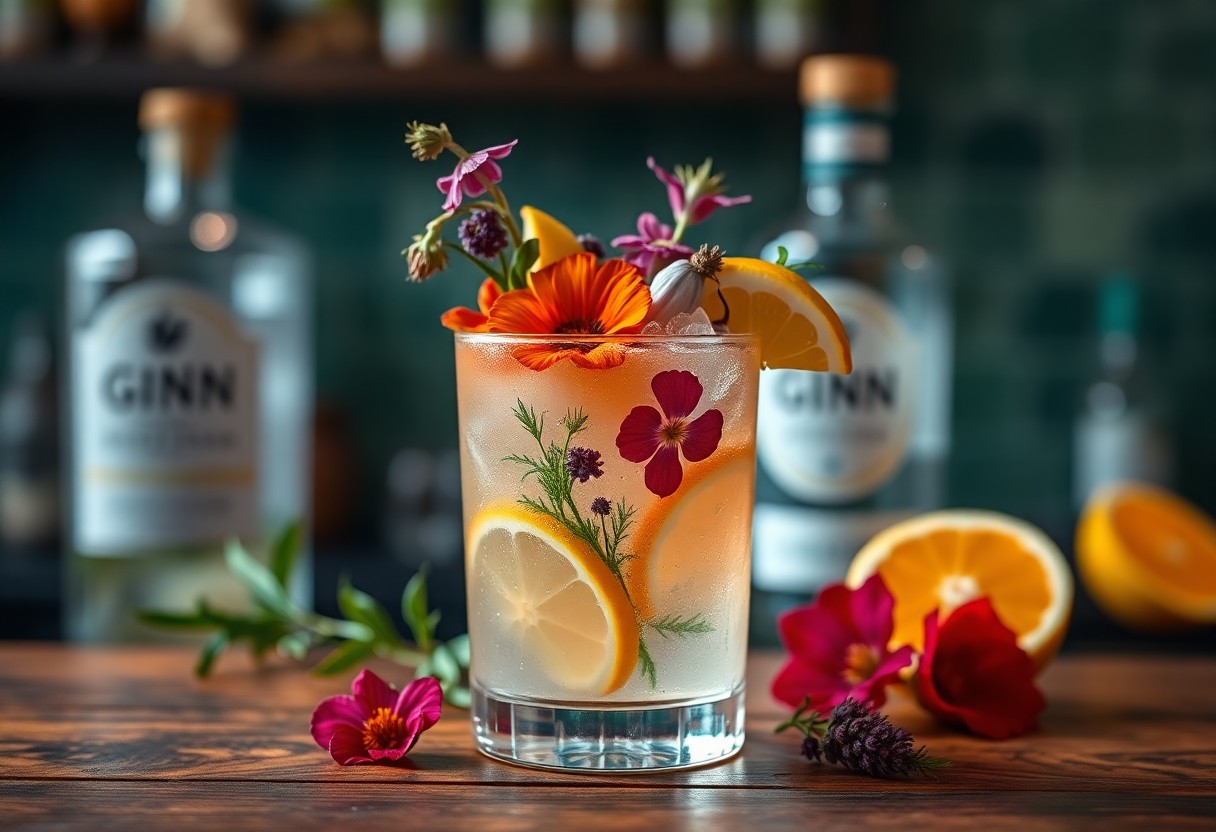
    To truly captivate your audience, focus on combining colors, shapes, and unique flavors in your garnishes. Citrus peels, edible flowers, or sprigs of fresh herbs can add a striking contrast to the base of your gin and tonic. By playing with different layers and arranging garnishes in unexpected ways, you can create a visual feast that invites curiosity and prompts those around you to experience this elevated take on a traditional favorite.

    Exploring Gin Varieties

    Many enthusiasts believe that the journey of enhancing your gin and tonic begins with understanding the variety of gin available. Each type boasts its unique characteristics, contributing differently to your drink and transcending the traditional experience. With your choice of gin acting as a foundation, the possibilities for innovative garnishes expand exponentially. Explore diverse gins to elevate your cocktail game.

    Flavor Profiles of Different Gin Types

    By examining the flavor profiles of various gin types, you can better appreciate how each impacts your cocktail. Here are some of the key distinctions:

    Type of Gin Flavor Profile
    London Dry Crisp, juniper-forward with herbal notes
    Old Tom Lightly sweet with floral and citrus undertones
    Naval Strength Intense, high-proof with rich, bold spices
    Sloe Gin Fruity, sweet with an earthy aftertaste
    New Western Creative, with flavor profiles ranging from floral to citrus

    Thou must explore these profiles to find the one that resonates with your palate.

    Pairing Gin with Unique Garnishes

    An exciting part of enhancing your gin and tonic is pairing it with unique garnishes that complement the gin’s characteristics. The right garnish not only elevates the presentation but also amplifies the taste experience. You can experiment with a variety of herbs, fruits, and spices, leading to countless variations that surprise and delight your taste buds.

    Further, consider how each garnish interacts with the distinct notes of your chosen gin. For example, pairing a London Dry gin with fragrant rosemary can enhance its herbal notes, while a slice of cucumber with a New Western gin brings out its refreshing citrus tones. Additionally, the use of spices such as pink peppercorn adds an unexpected twist and complexity to the classic G&T. By experimenting with these combinations, you can customize the drinking experience to suit your preferences and impress your guests. The journey of pairing is an adventure unto itself, and you are the curator of this delightful exploration.

    Summing up

    So, as you explore the heretical garnishes that can revolutionize your classic gin and tonic experience, consider experimenting with unique ingredients like cucumber, fresh herbs, or even exotic fruits. These unconventional additions not only enhance the visual appeal of your drink but also elevate its flavor profile. By stepping outside the traditional boundaries, you can create a more personalized and sophisticated gin and tonic that reflects your taste preferences. Embrace these innovative garnishes to redefine your enjoyment of this timeless cocktail.
  • How Do Seasonal Botanicals Infuse A Whimsical Twist Into Your Gin Delight?

    How Do Seasonal Botanicals Infuse A Whimsical Twist Into Your Gin Delight?

    You might not realize how seasonal botanicals can transform your gin experience into something truly magical. By incorporating unique ingredients that change with the seasons, you can elevate the flavor profile of your favorite spirit, creating delightful and unexpected combinations. Whether it’s aromatic herbs from your summer garden or foraged fruits in the fall, these botanicals add a charming twist, turning a simple gin cocktail into a seasonal celebration. Join us as we explore how these natural flavors can enhance your gin creations and delight your palate throughout the year.

    Understanding Seasonal Botanicals

    For gin enthusiasts, understanding seasonal botanicals can inspire your next cocktail creation. These botanicals are derived from plants, fruits, and herbs that flourish during specific times of the year, offering unique flavors, aromas, and visual appeal. Harnessing these seasonal ingredients can elevate your gin to delightful new heights while celebrating the beauty of nature’s changing palette.

    Definition and Characteristics

    Along with defining the essence of gin, seasonal botanicals bring distinct and fleeting flavors that can drastically alter the spirit’s profile. They are typically harvested at their peak, ensuring that every sip captures the full vibrancy of each ingredient. This characteristic allows you to enjoy the freshest tastes nature has to offer, making your gin experience even more special.

    Popular Seasonal Botanicals

    Above all, certain botanicals shine during specific seasons, transforming your gin into a work of art. Ingredients like elderflower, citrus fruits, and fresh herbs can redefine your drink, reflecting the essence of the current season. Their distinct flavors can spark creativity in your cocktail-making, allowing you to craft memorable and delightful drinks.

    And when you explore the world of popular seasonal botanicals, you may discover a plethora of options tailored to each time of the year. For instance, in spring, elderflower and lavender provide a floral touch, while summer brings refreshing notes of cucumber and mint. As autumn arrives, spices like cinnamon and nutmeg infuse warmth and comfort, while winter can welcome zesty flavors of winter citrus. By incorporating these seasonal botanicals into your gin, you’re not just sipping a drink—you’re experiencing a vibrant celebration of the seasons.

    The Art of Gin Distillation

    You commence on a captivating journey when you explore the art of gin distillation. This meticulous process involves extracting essence from botanicals, with each ingredient contributing unique aromas and flavors to the final spirit. By understanding the distillation techniques, you can appreciate how your favorite gin transforms from a simple mixture into a complex and delightful experience that tantalizes your palate.

    The Role of Botanicals in Gin Production

    Before entering into the world of gin production, it’s imperative to recognize the impact that botanicals have on your favorite spirit. Each botanical is carefully selected for its aromatic properties, from classic juniper to more adventurous seasonal herbs and spices. This diverse selection ensures that your gin is as unique as the environment from which its ingredients are harvested.

    Seasonal Influence on Flavor Profiles

    Around the year, the changing seasons bring forth a variety of botanicals that can fundamentally alter the flavor profiles of gin. As the temperature shifts, so do the plants that thrive in your area, allowing for a fresh, local spin on this classic spirit.

    Hence, embracing seasonal botanicals can lead to delightful discoveries in your gin drinking experience. Utilizing fresh herbs, fruits, and flowers available throughout the year not only introduces new flavors but also connects you to the environment and culture of your surroundings. Each season, from vibrant spring blossoms to warm autumn spices, presents an opportunity to experiment with and savor the unique botanical infusions that elevate your gin, inspiring a whimsical twist in your cocktails and personal preferences.

    Crafting Whimsical Gin Cocktails

    One of the most delightful aspects of gin is its versatility, allowing you to craft whimsical cocktails that dance on your palate. By incorporating seasonal botanicals like fresh herbs, fruits, and flowers, you can create a captivating experience that reflects the vibrancy of each season. Whether you’re hosting a summer garden party or a cozy winter gathering, infusing your gin cocktails with seasonal flavors elevates their appeal and showcases your creativity. With some imagination and the right ingredients, crafting these enchanting drinks will become a joyful ritual in your home bartending journey.

    Techniques for Infusing Seasonal Flavors

    Against the backdrop of traditional gin recipes, you can take a creative leap by experimenting with infusions that capture the essence of each season. One popular technique is to steep fresh herbs like basil or rosemary in your gin for a few days, unlocking their aromatic qualities. You can also create syrups using seasonal fruits and spices to add depth and complexity. Consider making a citrus-infused gin during warmer months or a spiced cranberry infusion in the fall; these techniques embrace the seasons while giving your cocktails a unique twist.

    Creative Cocktail Recipes

    About the delightful world of creative cocktail recipes, you can bring your seasonal botanical infusions to life through imaginative combinations. Try mixing your floral-infused gin with a splash of elderflower liqueur and lemon juice for a refreshing twist, or use citrus bottlings alongside vibrant herbs for a zingy concoction. These recipes not only showcase your infusion skills but also provide a canvas for personal expression. You can experiment with garnishes, glassware, and presentation, making each cocktail a visual delight that speaks to the season’s charm.

    Consequently, by combining fresh seasonal ingredients with your signature gin, you create cocktail recipes that are not only delicious but also thematic and visually appealing. Think about how you can use edible flowers for garnish in spring or cinnamon sticks in winter drinks. Your creative flair will shine through, and each cocktail you craft becomes a conversation starter, inviting your guests to appreciate the effort and artistry behind the drink in their hands. Exploring these recipes will ignite your passion for mixology and inspire new traditions in your entertaining repertoire.

    Pairing Seasonal Gin with Food

    To elevate your seasonal gin experience, pairing it thoughtfully with food can unlock new dimensions of flavor. Consider the botanicals in your gin and how they complement various dishes, enhancing your overall enjoyment. The right food pairing will not only highlight the crisp and refreshing qualities of your gin but also create a delightful culinary journey that dances on your palate.

    Complimentary Flavors and Ingredients

    At the heart of food and gin pairing lies the concept of balancing flavors. You can choose dishes that echo the notes found in your seasonal gin, whether it’s refreshing citrus, fragrant herbs, or subtle floral hints. By matching these flavors, you can create a harmonious experience that amplifies the essence of both your meal and your drink.

    Seasonal Food Pairing Suggestions

    For a perfect bite with your gin, think about seasonal ingredients that shine in your locality. Fresh spring peas, grilled asparagus, and delicate herbs work wonderfully in the warmer months, while hearty root vegetables and spiced meats are ideal for the cooler seasons. Tailoring your food choices around what’s in season not only enhances your gin experience but also supports local agriculture and sustainability.

    Even the simplest dishes can be elevated by seasonal pairings. For instance, a zesty spring gin infused with elderflower might beautifully complement a light salad sprinkled with fresh herbs and citrus vinaigrette. In contrast, a bold winter gin with warming spices can match perfectly with roasted meats and root veggies, creating a symphony of flavors that enhance your meal and drink alike. Seasonal food pairings are the key to deepening your enjoyment and exploring the diverse palette that both gin and nature have to offer.

    The Benefits of Using Seasonal Ingredients

    Your choice to incorporate seasonal ingredients not only enhances the flavors of your gin but also connects you to the rhythms of nature. By embracing what’s fresh and abundant in each season, you create unique drinks that celebrate the time of year, offering your palate an engaging experience. Seasonal botanicals can invigorate your gin cocktails with novel flavors, elevating them in both taste and presentation.

    Freshness and Flavor Intensity

    With seasonal ingredients, you can experience remarkable freshness in your gin creations. When botanicals are harvested at their peak, they deliver vibrant flavors and aromas that are far more intense than those found in off-season alternatives. This freshness directly translates to a more pronounced and delightful tasting experience in your cocktails.

    Sustainability and Local Sourcing

    With seasonal botanicals, you not only elevate your gin but also make sustainable choices. By sourcing ingredients that are in season and locally available, you contribute to reduced transportation emissions and support local farmers and artisans. This practice encourages a more responsible approach to consumption, as it fosters a symbiotic relationship with the environment and the community.

    The benefits of sourcing seasonal ingredients extend beyond just sustainability, as they also promote a deeper connection to local ecosystems. When you prioritize local sourcing, you gain insights into the varying produce available in your region, allowing you to tailor your gin recipes to highlight those unique flavors. This approach not only supports your local economy but also fosters a sense of community, as you join in the shared experience of celebrating what each season has to offer.

    Exploring Seasonal Gin Brands

    After venturing into the delightful world of seasonal botanicals, you can find an array of gin brands that celebrate nature’s annual offerings. These distilleries craft unique spirits that reflect the flavors of each season, bringing a fresh and intriguing twist to your gin experience. From vibrant spring infusions to cozy winter blends, seasonal gin brands provide a delightful spectrum of tastes, inviting you to explore new dimensions in your favorite cocktail.

    Notable Distillers and Their Offerings

    Offerings from well-known distillers showcase a harmonious balance of seasonal botanicals that enhance your drinking experience. These artisans often release limited-edition gins that highlight local ingredients and craft their spirits with passion. Consider seeking out brands that emphasize artisanal techniques and celebrate the changing seasons, inviting you to taste the essence of their surroundings.

    Regional Variations in Seasonal Gins

    Offerings in regional variations of seasonal gins reflect the unique terroirs and climates where they are produced. Each area contributes its specific botanicals, resulting in diverse flavor profiles that cater to local palates. From citrusy gins in warmer climates to herbal blends made with mountain botanicals, you can discover how geography shapes the spirit of your favorite gin.

    Exploring regional variations in seasonal gins reveals how landscape and culture influence flavor nuances. For example, coastal regions may infuse their gins with seaside botanicals like sea kale or coastal herbs, while urban distilleries might incorporate local spices and fruits, creating distinctive tastes that embody their environment. By tasting these gins, you can not only appreciate the craft behind each bottle but also gain a sense of place, enjoying the rich diversity of a global spirit.

    Final Words

    Summing up, utilizing seasonal botanicals allows you to infuse your gin with unique flavors that reflect the essence of each season. These botanicals not only enhance the aroma and taste of your drink but also add a whimsical twist that sparks joy in every sip. By experimenting with different ingredients, you can create a personalized gin experience that resonates with your palate and creativity. So, embrace the artistry of seasonal botanicals and let them transform your gin journey into a delightful adventure.

  • How Can Uncommon Garnishes Enhance The Gin Aficionado’s Palette?

    How Can Uncommon Garnishes Enhance The Gin Aficionado’s Palette?

    Just as a painter enhances a canvas with unexpected colors, you can elevate your gin experience by exploring uncommon garnishes. These unique additions can transform the familiar botanicals of your favorite gin, introducing new flavor profiles that intrigue your palate. By experimenting with unconventional herbs, fruits, and spices, you can uncover hidden dimensions of taste and aroma, making each sip a delightful journey. In this post, you will discover how these innovative garnishes can not only enhance your drink but also deepen your appreciation for the spirit itself.

    The Role of Garnishes in Gin Cocktails

    While you might think of garnishes as mere decoration, they actually play a vital role in shaping the overall experience of your gin cocktail. A well-chosen garnish complements the botanicals in your gin, enhancing its aroma and flavor profile. The right garnish can transform a simple drink into an exceptional one, elevating your tasting journey and delighting your palate with new dimensions. Understanding the interplay between gin and garnishes will deepen your appreciation for this classic spirit.

    Traditional Garnishes

    Garnishes such as lemon twists, lime wedges, and fresh herbs like rosemary or mint have long been staples in gin cocktails. These traditional choices not only add visual appeal but also serve to accentuate the gin’s inherent flavors. You often find citrus garnishes enhancing the botanicals in London Dry gin, while herbs bring a fresh element that can uplift any creation. This classic approach remains popular because of its effectiveness in bridging the flavors of the drink.

    Innovative Alternatives

    Around the world of gin cocktails, you can explore inventive garnishes that go beyond the usual selections. Experimenting with ingredients like chili peppers, candied ginger, or even edible flowers can provide surprising flavor combinations and visual intrigue. These unconventional choices offer a way for you to express your creativity while pushing the limits of traditional gin pairings, making each sip an exciting revelation.

    Garnishes like hibiscus flowers, cucumber ribbons, or even exotic spices like saffron can significantly alter the flavor profile of your gin cocktail. Adding these innovative alternatives not only invigorates your drink but also showcases your personal taste and style. As you experiment, you may discover new combinations that perfectly complement the botanicals in your gin, creating unique and unforgettable experiences. Embracing these alternatives allows you to craft cocktails that stand out, inviting both intrigue and admiration at your next gathering.

    Exploring Uncommon Garnishes

    Clearly, utilizing uncommon garnishes can transform your gin experience, elevating your tasting journey to new heights. By exploring unique options, you open up a world of flavors and aromas that challenge the traditional gin-and-tonic pairing. These unexpected garnish selections can enhance your beverage, offering a delightful surprise for both you and your guests while promoting creativity in your cocktails.

    Herbs and Botanicals

    By incorporating fresh herbs and unusual botanicals into your gin drink, you can add depth and complexity. Basil, thyme, or even lavender can complement the natural botanicals in gin, creating a harmonious blend that opens up your palate to new sensations. Consider experimenting with lesser-known options to discover unexpected flavor profiles that enhance your overall experience.

    Exotic Fruits

    Uncommon fruits can bring a vibrant twist to your gin cocktails. Ingredients like dragon fruit, lychee, or starfruit not only add eye-catching visuals but also introduce refreshing and unique flavor notes that perfectly complement the spirit. Pairing gin with these fruits allows you to move beyond traditional mixers and discover exciting combinations that elevate your drink.

    Even a small addition of exotic fruits can dramatically change how you perceive your beloved gin. These fruits often possess intricate flavors and aromas that can interact with the gin’s botanicals, creating an entirely new drinking experience. When you choose to garnish your drink with unique fruits, you invite curiosity and exploration, offering an exciting avenue for personalized expression along your journey as a gin aficionado.

    Flavor Profiles and Pairing Techniques

    Some unconventional garnishes can completely transform your gin experience by complementing or contrasting the spirit’s inherent flavors. Understanding these profiles enables you to create nuanced flavor harmonies that elevate your palate. Whether you’re hosting a gathering or simply enjoying a quiet evening, exploring different pairings can add depth and excitement to your gin repertoire, enhancing your tasting adventure.

    Complementary Flavors

    Along with the traditional botanicals, adding garnishes like fresh herbs or fruit that mirror the gin’s flavor notes can create a delightful synergy. For instance, a gin with floral notes may benefit from a sprig of lavender or a slice of cucumber, which balances the herbal aspects while refreshing your palate. By selecting garnishes that enhance these harmonious flavors, you can initiate on a flavorful journey that impressively showcases your gin selection.

    Contrasting Elements

    Along with complementary flavors, introducing contrasting elements can add layers of complexity to your gin drinks. By using garnishes that have strong, opposing flavors, like tart citrus or spicy peppers, you can effectively highlight the gin’s subtleties. This contrast creates a dynamic taste experience that can surprise and delight your senses.

    Profiles of contrasting elements engage your palate and provoke curiosity. For example, a zest of lemon paired with a gin infused with earthy botanicals can enliven your drink, while a hint of chili can introduce heat that amplifies the sweetness of the gin. These unexpected contrasts invite you to explore how different flavors interact, encouraging you to experiment and create unique combinations that tell a story in every sip.

    Presentation and Aesthetics

    Many gin aficionados understand that presentation plays a significant role in enhancing the overall drinking experience. The way your drink is garnished not only showcases your personality and creativity but also elevates the anticipation of the taste. A well-presented gin cocktail can captivate your guests, turning a simple drink into a centerpiece that sparks conversation and admiration.

    Visual Appeal

    An aesthetically pleasing drink can heighten your sensory experience. The interplay of colors, textures, and shapes from unusual garnishes can set the stage for your gin, creating a visual feast that entices you to savor each sip. By incorporating unique garnishes, you can turn your cocktail from an everyday beverage into a work of art that reflects your style and taste.

    The Art of Garnishing

    An effective garnish is not just about decoration; it serves as a functional element that adds complexity to your gin’s flavor profile. Choosing unexpected garnishes allows you to explore new tastes that complement the botanicals in your spirit. You’ll discover that the art of garnishing goes beyond mere visuals—it’s a way to create a multi-dimensional experience that engages your senses and keeps your palate intrigued.

    Presentation is about more than just looks; it enhances the entire drinking experience. By thoughtfully selecting your garnishes—these can include anything from exotic fruits to aromatic herbs, you contribute to a sensory journey. This fusion of taste and aesthetics transforms your gin into a memorable delight that shows off your expertise and appreciation for fine spirits. Allow your imagination to guide you, and elevate your gin moments into artistic expressions worth celebrating.

    Seasonal and Thematic Garnishes

    For a true gin aficionado, embracing seasonal and thematic garnishes can significantly elevate your drinking experience. Infusing your cocktails with ingredients that reflect the time of year or specific events adds a layer of complexity and enjoyment. By aligning your garnishes with seasonal flavors or festive motifs, you can create a drink that’s not only refreshing but also memorable, enhancing the overall flavor profile of your gin.

    Summer vs. Winter Garnishes

    The choice of garnishes can vastly differ based on the season, bringing distinct flavors and aesthetics to your gin cocktails. In summer, think bright fruits like berries and citrus, or refreshing herbs like mint and basil to complement the gin’s botanicals. In contrast, winter garnishes can include warming spices like cinnamon or cloves, earthy herbs, or even dried citrus, providing warmth and coziness to your drinks during the colder months.

    Celebratory and Event-Specific Options

    For special occasions, utilizing garnishes that reflect the theme or significance of the event can greatly enhance your gin cocktails. Tailoring your garnishes to match festivities, such as edible flowers for spring celebrations or gold flakes for New Year’s Eve, can elevate your cocktails to a new level of sophistication and fun.

    Another effective way to personalize your gin cocktails is by incorporating unique garnishes specific to the event you’re celebrating. For instance, using fresh rosemary sprigs during a holiday gathering or vibrant fruit skewers at summer barbecues can create a visually stunning effect in your drinks. These personalized touches not only enhance the flavor experience but also resonate with guests, creating a more immersive and enjoyable atmosphere around your cocktail creations.

    Enhancing the Tasting Experience

    Not all garnishes are created equal; unique ingredients can elevate your gin experience, transforming an ordinary drink into an exquisite journey for your palate. By experimenting with uncommon garnishes like fresh herbs, exotic spices, or unexpected fruits, you invite complexity and depth that sharpen your senses and delight your taste buds. These enhancements not only refresh your favorite gin but can also introduce you to new flavor profiles that enrich the overall tasting experience.

    Aroma and Sensory Impacts

    One of the most significant ways uncommon garnishes enhance your gin is through their aroma and sensory impacts. The right garnish can release enticing scents, stimulating your sense of smell and preparing your palate for the flavors to come. Ingredients like fresh rosemary or a twist of citrus peel can infuse your drink with captivating fragrances that linger, engaging your senses and making each sip a more holistic experience.

    Creating a Multi-Dimensional Drink

    At the heart of a memorable gin cocktail lies a multi-dimensional drink that goes beyond liquid alone. Layering flavors with unique garnishes invites you to explore different taste experiences, allowing you to savor the intricate notes in your gin. This multi-dimensional approach transforms a simple beverage into a complex symphony of flavors, offering an array of tastes, sensations, and aromas with every sip.

    Aroma plays a pivotal role in crafting this experience. When you introduce unconventional garnishes, you create opportunities for your gin to harmonize with complementary scents and tastes. Think of a gin infused with freshly cracked black pepper and served with a sprig of basil; the interplay between spice and herb creates a finely balanced drink that surprises and excites your taste buds. This layering helps you discover new depths in familiar spirits, making each tasting an adventure.

    Summing up

    Following this, you can elevate your gin experiences by experimenting with uncommon garnishes that excite your palate and enhance your appreciation for the spirit. By incorporating unique ingredients such as floral elements, exotic fruits, or herbaceous notes, you can create a more complex and personalized flavor profile. This exploration not only deepens your understanding of gin but also opens up new avenues for pairing and enjoyment, ultimately enriching your journey as a gin aficionado.

  • Ultimate How-To Guide For Crafting Refreshing Gin Cocktails

    Ultimate How-To Guide For Crafting Refreshing Gin Cocktails

    This guide will empower you to elevate your mixology skills with a variety of refreshing gin cocktails that are perfect for any occasion. You’ll discover the vital techniques for selecting the right ingredients, mastering key mixing methods, and garnishing your drinks to perfection. Whether you’re a novice or a seasoned bartender, your journey to crafting exquisite gin cocktails starts here. Get ready to impress your friends and family with delicious, aromatic creations that highlight the versatility of gin!

    Understanding Gin

    As you begin on your gin cocktail-making journey, understanding the essence of gin is necessary. This spirit, primarily distilled from juniper berries, offers a vast array of flavors and characteristics that can elevate your cocktails. Exploring its diverse history and types will deepen your appreciation for this popular libation and arm you with the knowledge to craft unique and refreshing drinks.

    History of Gin

    History shows that gin originated in the Netherlands during the 17th century as ‘geneva’ and was initially a medicinal tonic. Its popularity surged in England, leading to the infamous Gin Craze in the 18th century. Over time, gin evolved into the spirit we know today, blending regional botanicals and flavors, becoming a staple in classic cocktails.

    Types of Gin

    The types of gin can be categorized by their production methods and flavor profiles. Familiarizing yourself with these can help you select the perfect gin for your concoctions:

    Type of Gin Description
    London Dry Gin Classic style, known for its juniper-forward taste.
    Old Tom Gin Whiskied sweetness, bridging the gap between geneva and modern gin.
    Genever Traditional Dutch gin with a malty flavor.
    New Western Gin Contains a variety of botanical ingredients, not just juniper.
    Sloe Gin Sweet liqueur made by infusing gin with sloe berries.

    To craft the perfect gin cocktails, consider the distinct flavor profiles of these gin types. Each brings its own unique characteristics that can enhance your drinks:

    Flavor Profile Best Serve
    Juniper-forward Some great paired with tonic water.
    Herbal and floral Best in cocktails like the Gin Fizz.
    Fruity Well-suited for fruity cocktails.
    Spicy Use in flavorful cocktails.
    Sweet Perfect for dessert-style cocktails.
    • Assume that understanding the varieties will inspire your cocktail creativity.

    Essential Ingredients for Gin Cocktails

    Any gin cocktail enthusiast knows that the right ingredients can elevate your drink from ordinary to extraordinary. The foundation of any great gin cocktail starts with high-quality gin, but don’t overlook the importance of tonics, fresh herbs, fruits, and garnishes. These elements bring balance, flavor, and a refreshing twist to your concoctions, so it’s vital to choose them wisely. Having the right mix of ingredients on hand will ensure your cocktails are as vibrant and invigorating as the spirit itself.

    Choosing the Right Tonics

    Essential to the success of your gin cocktails, the tonic you select can dramatically influence the overall flavor profile. Opt for premium tonics that use natural ingredients, as they enhance the botanicals in your gin. Consider experimenting with different flavors, such as elderflower or Mediterranean-inspired tonics, to create a unique twist that complements your chosen gin.

    Fresh Herbs and Fruits

    An vital aspect of crafting refreshing gin cocktails lies in utilizing fresh herbs and fruits. These ingredients not only add vibrant colors but also introduce aromatic layers that enhance your drink’s overall complexity.

    With fresh herbs like basil, mint, or rosemary, you can infuse your cocktails with aromatic elements that elevate the drink’s freshness. Citrus fruits, such as lemons, limes, or grapefruits, contribute a zesty zing that beautifully balances the botanical notes in gin. Feel free to experiment with seasonal fruits, adding a contemporary flair to your cocktails, and don’t shy away from muddling them to release their natural juices and vital oils for maximum flavor. By incorporating these fresh ingredients, you’ll make each sip a delightful experience.

    How to Mix Gin Cocktails

    Clearly, mixing gin cocktails is about balancing flavors and creating refreshing experiences. Start by selecting quality gin and complementary mixers like tonic, soda, or fresh juices. Use a jigger for accurate measurements, and don’t shy away from fresh herbs and fruit garnishes to elevate your drink. Understanding your ingredients is key to crafting the perfect cocktail.

    Basic Mixing Techniques

    There’s a fundamental set of techniques that every cocktail enthusiast should master. Begin with the basics: muddling, stirring, and shaking. Muddling helps release the essence of fruits and herbs, stirring is perfect for chilling and diluting spirits, while shaking adds integration and aeration, creating a refreshing blend of flavors.

    Shaking vs. Stirring

    Some cocktail recipes benefit greatly from shaking, while others perform best when stirred. Shaking is ideal for cocktails with juice or cream, as it creates a frothy texture and combines flavors evenly. In contrast, stirring is the preferred method for spirit-only cocktails, allowing for a smooth, silky finish without excessive dilution.

    With shaking, you’ll want to use a shaker filled with ice to chill and mix ingredients thoroughly, which is particularly effective for cocktails like a Gin Sour or Gimlet. When stirring, use a bar spoon and a mixing glass, gently combining ingredients while chilling the drink without overly agitating it. Assess each recipe’s requirements to select the best method and achieve the perfect cocktail every time.

    Tips for Garnishing Your Gin Cocktails

    Not only do garnishes enhance the visual appeal of your gin cocktails, but they also elevate the overall flavor profile. To achieve the best results, consider these tips:

    • Choose garnishes that complement the botanical notes of your gin.
    • Incorporate fresh herbs for an aromatic experience.
    • Use colorful fruits to add vibrancy.
    • Be mindful of the size and proportions of your garnishes.

    After experimenting with various combinations, you’ll find your signature touch that makes your cocktails stand out.

    Creative Garnishing Ideas

    Cocktails can be transformed with a splash of creativity in their garnishing. Think beyond citrus slices; consider using candied ginger, edible flowers, or even flavored ice cubes infused with herbs or fruit. These innovative touches not only add flair but also surprise and delight your guests with unexpected flavor. Get creative and let your imagination guide you!

    Importance of Presentation

    While the taste of your gin cocktail is paramount, the way you present it can significantly influence the overall experience. A well-garnished drink invites curiosity and showcases your attention to detail, setting the stage for a delightful sip. The visual aspect also creates anticipation and enhances the enjoyment, making each cocktail feel special.

    With a focus on presentation, you can turn any simple gin cocktail into an eye-catching masterpiece. A beautifully garnished drink conveys effort and thoughtfulness, encouraging your guests to appreciate the craftsmanship behind it. Whether you opt for a minimalist style or an extravagant display, aim for balance and harmony that aligns with the flavors of your cocktail. Your presentation choices will ultimately leave a lasting impression on anyone who enjoys your creations.

    Factors to Consider When Crafting Gin Cocktails

    For a successful gin cocktail, you must consider various elements that enhance the drinking experience. Pay attention to:

    • Choice of gin and its botanicals
    • Mixers and their flavors
    • Garnishes that complement your drink
    • Glassware that enhances presentation
    • Seasonal availability of ingredients

    Assume that taking these factors into account will lead to balanced and enjoyable cocktails.

    Balancing Flavors

    Balancing flavors is crucial in crafting gin cocktails. Aim for harmony by combining sweet, sour, and bitter elements while highlighting the unique botanicals of your chosen gin. A well-rounded drink should have all components working together, neither overshadowing the other. Experiment with various ratios to find the perfect blend that suits your palate.

    Considering Seasonal Ingredients

    Clearly, using seasonal ingredients can elevate your gin cocktails to new heights. Fresh fruits, herbs, and spices not only provide vibrant flavors but also reflect the time of year.

    Consider incorporating ingredients like ripe strawberries in summer or warming spices like cinnamon in winter. Seasonal produce not only tastes better but also aligns with current trends and sustainability practices. By selecting ingredients at their peak, you ensure your cocktails are lively and aromatic, making for an unforgettable experience in every sip.

    Popular Gin Cocktail Recipes

    All gin enthusiasts can agree that crafting the perfect gin cocktail requires a blend of classic and innovative recipes. Whether you prefer the timeless favorites or want to explore bold, modern twists, there’s a gin cocktail for every occasion. In this section, you’ll uncover some popular recipes that highlight the versatility of gin, making them perfect for your next gathering or a quiet evening at home.

    Classic Gin & Tonic

    Assuming you appreciate the timeless elegance of the gin and tonic, this classic cocktail is a must-try. The beauty of a gin and tonic lies in its simplicity; just mix your favorite gin with tonic water and add a slice of lime or lemon for a touch of zest. The refreshing bubbles and herbal notes of gin provide a delightful balance, making it a refreshing choice any time of year.

    Innovative Gin Creations

    An exciting way to elevate your gin-drinking experience is by exploring innovative gin creations. These unique cocktails push the boundaries of flavor, incorporating unexpected ingredients like fresh herbs, exotic fruits, or artisanal bitters.

    With a little creativity, you can take classic gin notes and layer them with fresh flavors to craft a cocktail that surprises and delights your palate. Experiment with seasonal ingredients, try a gin fizz with basil, or a berry-infused gin smash to add a burst of color and flavor. Your adventure in innovative gin cocktails will not only impress your friends but also expand your mixology skills.

    Summing up

    Considering all points, your journey into crafting refreshing gin cocktails can be incredibly rewarding. By understanding the vital ingredients, mastering various techniques, and exploring creative combinations, you can elevate your mixology skills to new heights. With the knowledge in this ultimate guide, you have all the tools to impress your guests and enjoy your own exquisite creations at home. Embrace your passion for gin cocktails and let your creativity flow as you experiment and refine your favorite recipes!

  • Essential How-To Steps For Mixing Classic Gin Martinis

    Essential How-To Steps For Mixing Classic Gin Martinis

    Mixing the perfect gin martini is an art that combines the right ingredients and techniques to create a refreshing and sophisticated cocktail. In this guide, you’ll discover important steps to achieve the ideal balance of gin and vermouth, along with tips on garnishing and serving to elevate your cocktail experience. By mastering these techniques, you’ll impress your guests and enjoy a timeless classic straight from your own home bar.

    Selecting the Right Gin

    For a classic gin martini, choosing the right gin is fundamental to achieving the perfect balance of flavors. You should look for a gin that complements your taste preferences and enhances the overall experience of your cocktail. Different gins offer unique characteristics that can dramatically influence your martini’s profile, so take the time to select one that aligns with your desired outcome.

    Understanding Gin Varieties

    While you can find a plethora of gin varieties on the market, it helps to know the main types: London Dry, Old Tom, Plymouth, and Navy Strength. Each type has distinct flavor profiles and botanicals that can elevate your martini. For instance, London Dry is known for its crispness, while Old Tom offers a slightly sweeter taste, allowing you to tailor your drink to suit your palate.

    Tips for Choosing Quality Brands

    With so many options available, you may feel overwhelmed when selecting a quality gin. To simplify the process, consider the following tips:

    • Look for small-batch or artisanal brands, as they often prioritize quality over quantity.
    • Check for the use of organic or high-quality botanicals.
    • Read reviews or ask for recommendations from knowledgeable sources.
    • Sample a few varieties before making a decision.

    After considering these factors, you’ll be better equipped to select a gin that not only meets your expectations but also elevates your martini experience.

    The right brand can genuinely make a difference in your cocktail crafting. Take the time to explore different labels and styles, keeping an eye out for brands that prioritize their craftsmanship. Here are some additional factors to keep in mind:

    • Pay attention to the alcohol by volume (ABV); higher ABV gins can bring more intense flavors.
    • Consider the price point, as premium gins often reflect better quality.
    • Participate in gin tastings for hands-on insights.

    After evaluating these aspects, you’ll feel confident in your choice, ensuring that your martini is both refreshing and memorable.

    The Importance of Vermouth

    Even the finest gin can be transformed by the addition of vermouth, an vital component in creating a classic martini. This fortified wine enhances the complexity of your cocktail, offering depth and a subtle layer of flavor that balances the botanical notes of the gin. A well-measured vermouth can elevate your drink, providing a harmonious blend that complements rather than overpowers the spirit. Mastering how to use vermouth correctly can significantly impact the overall taste of your martini.

    Types of Vermouth

    An understanding of different vermouth types can guide your choice when preparing your martini. Here’s a concise overview:

    Type Description
    Dry Vermouth Less sweet, ideal for a classic martini.
    Sweet Vermouth Offers a richer, sweeter profile for variations.
    Bianco Vermouth Light and aromatic, suitable for refreshing martinis.
    Rosso Vermouth Herbal and slightly sweet, adds depth to cocktails.
    Extra Dry Vermouth Even less sweetness for a more potent flavor.

    This selection enhances your ability to customize your martini’s flavor profile.

    How to Balance Vermouth and Gin

    Now that you grasp the significance of vermouth, it’s important to know how to achieve the right balance between it and gin. The ideal martini should showcase both ingredients without one overshadowing the other. Generally, you’ll want to use a ratio of about 5:1 of gin to vermouth, adjusting to your personal taste. You’re aiming for a nuanced cocktail where both elements complement each other, creating a delightful sip that is neither too dry nor overly sweet.

    Balance is key in crafting the perfect martini. Begin by experimenting with different vermouth types and adjusting the amount to find what pleases your palate. If you enjoy a dryer martini, reduce the vermouth slightly, or if you prefer a richer taste, increase it to introduce more complexity. Trial and error will lead you to discover that perfect equilibrium, ensuring your classic gin martini showcases the harmonious blend of gin and vermouth that defines this iconic cocktail.

    Essential Tools for Mixing

    While mixing a classic gin martini, having the right tools at your disposal will greatly enhance your experience. Quality barware not only facilitates the mixing process but also elevates the overall aesthetic of your cocktail preparation. By investing in crucial tools, you ensure that each martini you create is consistent and enjoyable, allowing you to impress your guests with both your skills and the final product.

    Recommended Barware

    Barware is fundamental for crafting gin martinis. A sturdy cocktail shaker or mixing glass is crucial for combining ingredients, while a jigger ensures precise measurements. A bar spoon allows for smooth stirring, and a strainer will help you pour the drink without unwanted ice or herbs. To serve, opt for martini glasses that showcase your drink beautifully, adding sophistication to your cocktail presentation.

    Techniques for Stirring and Shaking

    You can master the art of mixing by understanding when to stir and when to shake your martini. Traditionally, a gin martini is stirred to maintain its clarity and integrity, while shaking can be used for certain variations to chill it quickly. Knowing the appropriate technique enhances the cocktail’s flavor and mouthfeel, resulting in a more refined experience.

    Another technique to consider is the temperature of your ingredients and glassware. Chilling your glass in advance and using cold gin will prevent dilution and keep your martini crisp. When stirring, employ a gentle hand to avoid aerating the drink, while shaking should be firm but controlled to achieve an optimal chill. Practice these techniques to discover what works best for you and your favorite gin martini recipe.

    Garnishes that Elevate Your Martini

    All great gin martinis are enhanced by the right garnishes, which not only add flavor but also create an appealing presentation. The choice of garnish can reflect your personal style and preferences, so it’s worth experimenting with different options to find what best complements your classic concoction. Whether you opt for the timeless olive or a twist of citrus, the right garnish can elevate your drink to new heights.

    Classic Choices: Olives vs. Lemon Twist

    While traditionalists often favor the briny depth of olives, a lemon twist offers a refreshing brightness that can cut through the botanical notes of gin. Olives provide a savory richness and a touch of saltiness, enhancing the drink’s overall flavor profile. In contrast, a lemon twist adds a zesty aroma that can awaken your palate, making it a popular choice for those who prefer a more invigorating sip.

    Creative Garnish Ideas

    You can take your martini to another level by incorporating unique garnishes that surprise and delight. Consider experimenting with ingredients like pickled vegetables, fresh herbs, or even flavored bitters to give your martini a personal twist. A sprig of rosemary or a few slices of cucumber can add a refreshing touch, while a splash of fragrant lavender bitters can introduce a floral note that beautifully complements the gin.

    This approach to garnishing allows you to tailor your martini based on seasonal ingredients or to match the occasion, making your cocktail experience even more enjoyable. Don’t be afraid to get creative and think outside the box; you might discover unexpected combinations that become your new favorites. Whether it’s a hint of dill or an infusion of cucumber, enhancing your classic gin martini with a fun garnish can truly set your drink apart.

    Mastering the Mixing Process

    Your approach to mixing a classic gin martini will significantly impact the final result. Mastering this art involves understanding the ingredients, the equipment, and the techniques that make a perfect martini. Aim for precision in every step, from ingredient selection to the garnishing, to ensure your drink delivers a delightful experience every time.

    Step-by-Step How-To Guide

    There’s a simple way to craft your perfect gin martini. Follow this structured guide to elevate your mixing skills:

    Step

    Action
    1 Chill your glass by filling it with ice water.
    2 In a mixing glass, add gin and dry vermouth.
    3 Add ice cubes and stir gently until well chilled.
    4 Strain into the chilled glass.
    5 Garnish with an olive or a lemon twist.

    Common Mistakes to Avoid

    Clearly, crafting the perfect martini requires attention to detail, and there are pitfalls you should steer clear of.

    The most frequent mistakes include over-using vermouth, which can overpower the gin, and neglecting to chill your glass, leading to a warmer drink. Stirring too vigorously can create unwanted air bubbles and dilute your martini. Additionally, using poor-quality ingredients can ruin your cocktail experience. To ensure your gin martini shines, prioritize quality and balance throughout your mixing process.

    Serving the Perfect Martini

    Many enthusiasts agree that serving the perfect martini is as important as the mixing process itself. To achieve an elevated experience, pay attention to the details like the glassware, chilling methods, and garnishes. A well-served martini not only enhances the flavors but also reflects your skill and care as a host.

    Glassware Selection

    For the ultimate gin martini, using the right glassware sets the stage for your cocktail. Classic options include the iconic martini glass, which showcases the drink beautifully, or a chilled coupe for a more modern twist. Selecting a proper vessel contributes to both the presentation and temperature retention, ensuring you enjoy every sip.

    Tips for Chilling Your Martini

    Serving your martini perfectly chilled elevates the drinking experience. To achieve this, consider these tips:

    • Use a freezer-stored glass to keep the drink colder longer.
    • Shake or stir your martini with ice to ensure the proper chill.
    • Before pouring, fill the glass with ice water to pre-chill it.

    Thou will savor the exquisite balance of flavors that a properly chilled martini provides.

    Another crucial aspect is the chilling process before serving. Cold drinks tantalize your palate and improve aroma perception. Here are a few more ways to keep your martini at an ideal temperature:

    • Chill your base spirits and vermouth ahead of time.
    • Consider using an ice sphere for slow melting and minimal dilution.
    • Keep your mixing glass and shaker in the freezer before use.

    Thou will appreciate the refreshing chill that enhances your martini experience.

    Conclusion

    Taking this into account, mastering the art of mixing classic gin martinis is an achievable goal that enhances your cocktail-making skills. By selecting high-quality ingredients, perfecting your shaking or stirring technique, and paying attention to the garnishing details, you can create a sophisticated drink that impresses. Whether you prefer it dry or wet, a well-crafted martini reflects your personal preferences. With practice, your ability to mix the perfect gin martini will surely elevate your hosting experience and delight your guests.

  • Creative How-To Techniques For Unique Gin Garnishes

    Creative How-To Techniques For Unique Gin Garnishes

    You can elevate your gin experience by incorporating unique garnishes that not only enhance the flavor but also make your cocktails visually stunning. This guide will walk you through innovative techniques that will allow you to create garnishes that impress your guests and express your creativity. From fresh herbs to exotic fruits, you’ll discover how simple techniques can transform your drinks, turning ordinary evenings into extraordinary experiences. Let’s probe the world of creative garnishing and unleash your inner mixologist!

    Understanding Gin and Garnishes

    Before you start crafting the perfect gin cocktail, it’s vital to understand the relationship between gin and its garnishes. Gin, with its diverse flavor profiles ranging from herbal to citrusy, plays a pivotal role in how well your garnishes complement the drink. A good balance will enhance your gin’s botanicals and elevate the overall tasting experience.

    How-To Choose the Right Gin

    You can begin by exploring various types of gin available in the market. Using a gin that aligns with your flavor preferences is key to crafting enjoyable cocktails. Pay attention to the gin’s botanical notes: whether it’s floral, citrus, or spice-heavy; this will guide you in pairing it with compatible garnishes.

    Tips for Selecting Complementary Garnishes

    To make the best choice for your gin’s garnish, focus on a few key elements: the gin’s primary flavor, the season, and your personal taste. Consider these points when selecting your garnishes:

    • Explore fresh herbs like basil or rosemary for aromatic notes.
    • Citrus fruits like lemons and limes can brighten the cocktail.
    • Fruits such as berries or apples offer natural sweetness.
    • Spices and botanicals can highlight specific gin characteristics.

    This method will ensure that your gin and garnish are harmonious.

    Right garnishes can truly elevate your gin experience. Think about how certain flavors interact and complement each other. Here’s a list to guide your choices:

    • Pair floral gins with edible flowers for a beautiful presentation.
    • Match herbal gins with fresh basil or dill to enhance the herbal notes.
    • Select spicy gins and pair them with fresh ginger or pink peppercorns for warmth.
    • Opt for sweetness when using richer gins by incorporating fruits like pears or peaches.

    This attention to detail will take your gin cocktails to the next level.

    Creative Garnish Techniques

    Assuming you want to elevate your gin cocktails, exploring creative garnish techniques can add a distinctive flair to your drinks. Think beyond the standard lime wedge or cucumber slice; consider herbs, edible flowers, or even fruits that bring out the unique profiles of your gin. Experimentation is key—don’t hesitate to mold or shape garnishes to not only enhance the flavors but also to delight the eyes. Each twist and turn of your garnish can create an unforgettable experience for your guests.

    How-To Infuse Flavors into Garnishes

    On your journey to enhance your gin cocktails, infusing flavors into your garnishes is an excellent way to deepen the tasting experience. One method is to steep herbs or fruits in simple syrup for several hours, allowing the flavors to meld. You can also use contrasting flavors, such as pairing citrus garnishes with herbal gins, to create a harmonious balance. These small adjustments can transform a simple drink into a conversation topic.

    Tips for Unique Presentation Styles

    Even the best garnishes can lose their impact if they aren’t presented well. Focusing on unique presentation styles can turn a cocktail from ordinary to extraordinary. Consider using unusual serving glasses, layering ingredients creatively, or garnishing drinks with a twist of whimsy. You can also play with ice shapes or colors to add more visual intrigue that complements your garnish. After implementing these tips, your cocktails will not only taste great but also look stunning.

    For instance, you might consider using spherical ice cubes to prolong the drink’s chill without diluting it too quickly. You can also opt for glassware that reflects your garnish choice, like serving a botanical gin in an herb-infused jar. Additionally, garnishing with a delicate edible flower can instantly enhance the visual appeal. After you explore these presentation styles, your cocktails will undoubtedly make a statement at any gathering.

    Factors Influencing Garnish Selection

    You should consider various factors when selecting garnishes for your gin cocktails. Key elements include:

    • The gin’s flavor profile
    • The cocktail’s overall style
    • Seasonal availability of ingredients
    • Visual appeal and presentation
    • Your personal taste preferences

    Assume that a thoughtful selection will elevate your cocktail experience.

    Seasonal Ingredients to Consider

    On your cocktail journey, embracing seasonal ingredients can make a significant difference. Fresh herbs, fruits, and edible flowers vary throughout the year, allowing you to incorporate flavors that are at their peak. By selecting ingredients that align with the current season, not only will you enhance the freshness of your gin, but you’ll also create visually stunning garnishes that reflect nature’s bounty.

    Flavor Pairings that Enhance the Gin Experience

    One pivotal element in choosing garnishes is understanding flavor pairings that enhance your gin experience. Complementary flavors can elevate your drink, creating a harmonious balance that delights the palate.

    Influencing the overall taste profile, spices like cardamom or allspice can pair beautifully with gin’s botanical notes, while citrus elements like lemon or grapefruit can brighten the drink. Additionally, using garnishes like cucumber or mint can introduce refreshing layers, providing contrast without overpowering the gin. Experimenting with unconventional ingredients, such as chili or tea, can also surprise and impress your guests, ultimately allowing for a unique twist on traditional gin cocktails.

    How-To Experiment with Textures

    After you’ve mastered the basics of gin garnishing, it’s time to explore the fascinating world of textures. Incorporating different textures can elevate your cocktails by adding visual appeal and enhancing the tasting experience. Try combining crispy, crunchy, and soft elements in your garnishes to create an interesting interplay. Think about pairing fresh herbs or fruits with crispy dehydrated chips or edible flowers to surprise your senses. This experimentation allows you to refine the balance between flavors and textures that best complements your gin choice.

    Tips for Mixing Fresh and Dry Garnishes

    There’s a delightful synergy between fresh and dry garnishes that can elevate your drink. When mixing these elements, consider the following tips:

    • Start with a fresh base, like herbs or citrus, for vibrant flavor.
    • Add dry garnishes, such as spices or dehydrated fruits, to introduce unique textures.
    • Choose garnishes that complement one another, enhancing the overall experience without overwhelming the palate.
    • Experiment with ratios to achieve the perfect balance for your personal taste.

    The right combination can create a memorable and multi-dimensional gin cocktail.

    Final Words

    To wrap up, exploring creative how-to techniques for unique gin garnishes allows you to elevate your cocktail presentations and impress your guests. By experimenting with fresh herbs, fruit peels, and unconventional spices, you can add depth and personality to your drinks. Don’t hesitate to let your creativity shine; play with colors and textures to create garnishes that not only taste great but also look stunning. With these innovative ideas, your gin cocktails will surely stand out, enhancing both the aesthetic and sensory experience for everyone who enjoys them.

  • Beginner’s How-To Approach For Exploring Gin Flavor Profiles

    Beginner’s How-To Approach For Exploring Gin Flavor Profiles

    You are about to commence on a delightful journey through the diverse and complex world of gin flavor profiles. Understanding the various botanicals and tasting notes in gin can elevate your cocktail experience and enhance your appreciation for this beloved spirit. In this guide, you will learn the fundamental aspects of gin tasting, from identifying different flavors to making your own comparisons. So, get ready to explore the captivating essence of gin and discover how to fully enjoy its unique characteristics.

    Understanding Gin: An Overview

    While gin has experienced a remarkable resurgence in recent years, it remains a category of spirits that often baffles newcomers. With a rich history and diverse flavor profiles, understanding gin can greatly enhance your appreciation for this versatile spirit. By familiarizing yourself with the basics, you’ll be well on your way to exploring the various gins available in the market and discovering your personal favorites.

    What is Gin?

    Now, let’s define gin. Gin is a distilled spirit that derives its predominant flavor from juniper berries, along with a range of botanicals. Originally developed in the 11th century, this aromatic spirit has evolved into numerous styles, including London Dry, Old Tom, and Plymouth, each offering unique tasting notes and characteristics that can enhance any cocktail or sip-to-savor experience.

    Key Distillation Processes

    Even if you’re new to gin, grasping the key distillation processes can elevate your understanding of its flavors. Distillation is the process that separates alcohol from the fermented mash and infuses it with botanicals. The two primary methods used are pot still distillation and column still distillation, each resulting in different qualities of gin.

    Understanding the distillation processes is necessary to appreciating the intricacies of gin. Pot still distillation provides a more artisanal approach, allowing for greater retention of flavors, while column still distillation enables large-scale production and a clean, neutral spirit. Additionally, the specific botanicals and their infusion timing, whether distilled “with” or “after” the alcohol, significantly influence the final flavor profile, making each gin unique in taste and aroma.

    Factors Influencing Gin Flavor Profiles

    If you want to examine deeper into gin’s flavor, it’s imperative to understand the various factors that shape its profile. These include:

    • The type of botanicals used
    • The distillation method
    • The base spirit quality
    • Flavor infusion techniques
    • Region of production

    Perceiving these elements will enhance your appreciation of gin’s complexity.

    Types of Botanicals

    One key aspect of gin is the botanicals, which define its unique characteristics. Common botanicals include:

    • Juniper berries
    • Coriander seeds
    • Citrus peels
    • Cardamom
    • Angelica root

    The combination of these botanicals creates a diverse range of flavors.

    Botanical Flavor Profile
    Juniper Berries Piney, resinous notes
    Coriander Seeds Spicy, citrus undertones
    Citrus Peels Bright, zesty flavors
    Cardamom Warm, herbal elements
    Angelica Root Earthy, aromatic qualities

    Base Spirit Characteristics

    Botanicals play a significant role, but the base spirit also influences the flavor. The base is typically made from grains, malt, or sugarcane, impacting the smoothness and mouthfeel of the gin.

    Characteristics like alcohol concentration, sweetness, and any residual flavors from the distillation process will shape your overall tasting experience. A high-quality base spirit contributes to a cleaner taste, allowing the botanicals to shine. Consider how the base spirit interacts with the botanicals when exploring different gin varieties, as this synergy contributes to the intricacy of each gin you taste.

    How to Taste Gin Like a Pro

    One of the best ways to deepen your appreciation for gin is to adopt a professional approach to tasting. Starting with the right mindset, focus on engaging your senses—sight, smell, and taste. Take your time with each sip, allowing the gin to unfold its complexities. Cleanse your palate between different samples to ensure you can identify the unique flavors in each gin. With a little practice, you will enhance your understanding of this diverse spirit.

    Proper Tasting Techniques

    Proper tasting techniques begin by selecting a clean glass that showcases the gin’s color. Swirl the liquid gently to observe its legs and clarity. Take a moment to inhale the aroma, letting the various scents reveal themselves. Then, take a small sip, letting it coat your tongue and appreciating the texture before swallowing. This process allows you to appreciate not just the flavor but also the body and finish of the gin.

    Identifying Flavor Notes

    Some flavors in gin can be quite pronounced, while others may linger subtly. Pay attention to the layers of taste as you sip, noting the botanical ingredients that create your drink’s signature character. Often, you can detect citrus, spices, or herbal notes, each contributing to the overall profile. With practice, you will become more adept at distinguishing these flavors and enhancing your gin-tasting experience.

    Identifying flavor notes in gin sets the stage for a rich tasting experience. Focus on the initial taste upon your palate, as this can indicate key botanicals like juniper, coriander, or citrus. As the gin develops, take note of the mid-palate flavors that might include floral hints or spices, and finally, consider the finish—whether it’s crisp, smooth, or lingering. By training your palate to recognize these elements, you can learn to appreciate the artistry behind each gin, elevating your tasting skills significantly.

    Tips for Pairing Gin with Food

    All gin lovers can elevate their tasting experience by thoughtfully pairing gin with food. Try these tips to create the perfect matches:

    • Consider the gin’s botanicals.
    • Seek balance between the food and gin’s flavor intensity.
    • Experiment with different textures.
    • Don’t hesitate to explore regional pairings.

    Assume that the right pairing can enhance both your gin and the meal, unlocking new taste experiences.

    Complementary Flavors

    Pairing gin with food involves selecting dishes that highlight the gin’s botanicals. For example, a floral gin can shine when served alongside citrus-based dishes or light salads, while a spicier gin pairs well with rich, savory foods. Explore these interactions to discover new flavor dimensions.

    Popular Pairing Choices

    To make the most of your gin experience, consider popular pairing choices that have proven successful. Classic combinations include gin with seafood, citrus-infused dishes, and herbaceous appetizers, all of which complement gin’s botanical profile.

    Plus, you can explore artisanal cheese and charcuterie boards, which often harmonize beautifully with gin’s diverse flavors. This approach not only enriches your palate but also encourages experimentation with various ingredients, leading to delightful surprises in flavor. Don’t hesitate to try different combinations, as your preferences may lead you to unexpected favorites!

    Exploring Gin Cocktails

    To truly appreciate the diverse flavor profiles of gin, it’s vital to research into the world of gin cocktails. Each cocktail presents an opportunity to highlight the unique botanical ingredients, allowing you to discover how they blend and complement one another. From timeless classics to inventive creations, exploring gin cocktails can enhance your understanding of this versatile spirit and expand your palate.

    Classic Gin Cocktails

    There’s a reason classic gin cocktails like the Martini, Negroni, and Gimlet have stood the test of time. Their simplicity and balance showcase gin at its finest, allowing the subtleties of the botanicals to shine through. By mastering these drinks, you build a solid foundation for your gin cocktail journey.

    Innovative Gin Mixology

    Any exploration of gin cocktails isn’t complete without experimenting with innovative mixology techniques. Creative bartenders are continually pushing the boundaries, infusing gins with unexpected flavors or using unusual ingredients to craft unique beverages that surprise and delight.

    Exploring innovative gin mixology opens doors to endless possibilities, allowing you to create refreshing, contemporary cocktails that elevate your home bar experience. Experiment with fresh herbs, seasonal fruits, and unconventional mixers to elevate classic recipes or invent your own beverages. By thinking outside the box, you can refine your mixology skills while discovering flavor combinations that suit your personal taste preferences.

    Building Your Gin Collection

    Now that you’ve taken the first steps into the world of gin, it’s time to build your personal gin collection. Start by exploring various styles and flavors, which will not only enhance your palate but also give you a great foundation for mixing cocktails. Consider the balance between classic and innovative gins, as a diverse collection will allow you to experience the wide range of what gin can offer.

    Essential Bottles to Start With

    Clearly, there are several standout gins that should be a part of your initial collection. Look for classic London Dry gins like Tanqueray or Beefeater, which embody the traditional gin character. You may also want to include a few modern options such as Hendrick’s, known for its infusion of cucumber and rose. These vital bottles will provide a solid base for understanding different flavor profiles.

    Sourcing Unique Gins

    Bottles of unique gins can elevate your collection and offer exciting flavor variations. Exploring local distilleries is a great way to find one-of-a-kind options, as many craft producers experiment with botanicals unique to their region. Additionally, keep an eye out for seasonal or limited editions that highlight innovative ingredients and techniques. This approach will not only enhance your collection but also provide memorable tasting experiences.

    Unique gins often reflect the creativity of their distillers, showcasing botanicals and flavors that you won’t find in mainstream offerings. Consider attending gin festivals or tasting events, where you can sample and purchase rare bottles directly from producers. You can also explore specialty liquor stores and online retailers that focus on craft spirits. Each unique acquisition will add depth to your collection, making your exploration of gin even more rewarding.

    Conclusion

    With this in mind, you can confidently launch on your journey to explore gin flavor profiles. By understanding the basic components and techniques for tasting gin, you can enhance your appreciation for this versatile spirit. Experiment with different brands, botanicals, and cocktails to discover your personal preferences. Engage in discussions with fellow enthusiasts and broaden your knowledge. The world of gin is vast, and your exploration will not only deepen your palate but also enrich your overall drinking experience.

  • Crisp How-To – Crafting The Perfect Classic Gin Martini

    Crisp How-To – Crafting The Perfect Classic Gin Martini

    Martini lovers know that crafting the perfect classic gin martini is an art that requires precision and a few important ingredients. In this guide, you’ll learn how to combine high-quality gin with the ideal vermouth, select the right garnishes, and master the technique of stirring or shaking to create a drink that is both crisp and refreshing. Whether you’re preparing for an elegant gathering or simply indulging in a classic cocktail, follow these steps to elevate your martini-making skills and impress your guests.

    Understanding Gin

    While gin has a rich history and a variety of styles, its core identity hinges on the distinct flavor of juniper berries. As you explore different gins, you will discover how botanicals influence each variant, creating a unique tasting experience that can greatly enhance your gin martini.

    Types of Gin

    While there are multiple types of gin available, understanding their differences can refine your cocktail experience. Here’s a quick overview:

    Type Description
    London Dry Sharp, bold, and mostly juniper-forward.
    Plymouth Slightly sweeter with a more earthy profile.
    Old Tom Medium sweetness, often used in historic cocktails.
    Geneva Rich and malty flavor, traditionally from the Netherlands.
    New Western Varied botanicals highlight flavors beyond juniper.
    • Each gin type caters to different palates.
    • Explore unique flavor profiles beyond juniper.
    • Experiment with various brands for distinct experiences.
    • Pair appropriate gin types with your cocktail recipes.

    Perceiving these variations will guide you towards the ideal choice for your martini.

    Choosing the Right Gin

    While selecting a gin, consider personal preference and the quality of ingredients, as these factors will shape the overall flavor of your martini. Look for a brand that resonates with your taste buds, whether you prefer a juniper-heavy London Dry or a more floral New Western style.

    The journey to find your perfect gin can be enjoyable as you taste different options. Visit local distilleries, explore artisanal brands, or sample at cocktail bars to gain insight into unique flavors. Pay attention to the balance of botanicals and how they interact with vermouth in your martini. Your choice in gin sets the stage for a delightful cocktail experience tailored to your liking.

    Essential Ingredients

    Clearly, crafting the perfect classic gin martini requires a handful of necessary ingredients. Primarily, you’ll need a high-quality gin, which serves as the foundation of this iconic drink. Next, dry vermouth plays a pivotal role in balancing the botanicals of your chosen gin. Lastly, the right garnishes enhance both the aroma and presentation, elevating your martini to new heights. Selecting each component with care ensures that your cocktail captures the classic essence of this timeless beverage.

    Dry Vermouth Selection

    An excellent dry vermouth can significantly impact the flavor profile of your martini. When choosing your vermouth, look for brands that offer a clean and crisp taste, as these will complement your gin without overpowering it. The ratio of gin to vermouth can vary, but you might start with a classic 5:1 proportion. Don’t hesitate to experiment with different brands to find the one that harmonizes best with your selected gin.

    Garnishes and Their Role

    Clearly, garnishes are not just decorative elements; they serve an important purpose in your gin martini. Think of garnishes as the final touch that enhances the overall drinking experience. Common choices like olives or lemon twists add complexity and depth, inviting your senses to explore the flavors in your cocktail.

    Garnishes can also impact the aroma of your martini, an often-overlooked aspect of cocktail enjoyment. An olive can introduce a briny note, while a lemon twist offers a burst of citrusy fragrance. These subtle flavors can elevate your martini, making each sip a more nuanced experience. So, when selecting your garnish, consider the flavor profile you desire and let your creativity shine, ensuring your classic gin martini is as enjoyable as it is visually appealing.

    The Perfect Ratio

    Now that you’ve gathered your ingredients, the key to a perfect gin martini lies in mastering the right ratio. Traditionally, gin is the star of the drink, complemented by a splash of dry vermouth. Finding that sweet spot between these components will elevate your cocktail from ordinary to extraordinary. Balancing the flavors is vital to creating a harmonious sip that highlights the botanicals of your chosen gin.

    Classic Ratios Explained

    Classic gin martinis typically follow a simple ratio: 2 to 1, which means two parts gin to one part vermouth. This ratio offers a robust gin flavor with a hint of herbal complexity from the vermouth. Some purists may prefer a drier martini, opting for a 3 to 1 ratio. Ultimately, understanding these basics will provide the foundation for your perfect martini.

    Adjusting for Personal Preference

    On the other hand, your ideal martini might not adhere strictly to classic ratios. Everyone has unique tastes, and you should feel empowered to adjust the ingredients to match your palate. Whether you prefer more vermouth for a smoother drink or a drier style with less, fine-tuning the balance allows you to craft a martini that truly reflects your preferences.

    Adjusting your martini ratios can transform your experience. Experiment with varying amounts of vermouth and explore different types, such as blanc or bianco, to find what excites your taste buds. If you enjoy a touch of citrus, consider a lemon twist or a dash of orange bitters. Don’t hesitate to assess your martini’s elements and tweak them until they resonate with you, ensuring every sip is a delight tailored to your individual liking.

    The Art of Mixing

    Despite the ongoing debate between traditional and modern approaches, mastering the art of mixing a gin martini is necessary for achieving the perfect balance of flavors. Understanding the nuances of each technique allows you to create a cocktail that suits your personal palate and showcases the quality of your ingredients. It’s not only about the final product but also about the experience of creating a drink that is both refreshing and timeless.

    Shaking vs. Stirring

    An age-old debate exists regarding whether to shake or stir your martini. Shaking incorporates air into the mixture, producing a colder, slightly diluted drink with a frothy texture, while stirring delivers a smoother, silkier cocktail that maintains the martini’s clarity. Your choice ultimately depends on personal preference and the desired characteristics of your drink.

    Tools of the Trade

    Clearly, having the right tools can elevate your martini-making experience. Essential items include a cocktail shaker, a stirring rod, a jigger for measuring, and a fine mesh strainer to achieve that perfect pour. Each tool plays a specific role in ensuring your drink is well-balanced and visually appealing.

    This set of tools not only boosts the efficiency of your cocktail-making process but also enhances the artistry involved. A classic cocktail shaker, for instance, allows you to mix ingredients according to your technique of choice, whether shaking or stirring. Investing in high-quality materials significantly impacts the outcome of your cocktail, allowing for greater control over temperature and dilution. With the right equipment in hand, you’ll find your journey in crafting the perfect martini more enjoyable and rewarding.

    Serving Suggestions

    Unlike many cocktails, the gin martini is elegantly simple in its presentation. To elevate your drinking experience, consider serving it with a twist of lemon or an olive. Garnishes not only add flavor but also enhance the visual appeal, making each sip a delight for the senses.

    Glassware Types

    Type Description
    Martini Glass Classic shape, wide bowl, and tapered rim.
    Coup Glass Similar to martini glass, but with a deeper bowl.
    Highball Glass Great for a tall, refreshing gin martini.
    Nick and Nora Glass Smaller, elegant option for martinis.
    Lowball Glass Ideal for stirred martinis with ice.

    After selecting a glass type, you can start crafting your perfect gin martini.

    Temperature and Presentation

    Serving Temperature

    Recommendation Details
    Chilled Glass Store in the freezer or ice bath before serving.
    Ice Cold Ingredients Use cold gin and vermouth for the best taste.
    Stirring Method Stirring over ice keeps the drink chilled.
    Serving Immediately Drink fresh after mixing for optimum flavor.
    Garnish Use a twist or olive for finishing presentation.

    Serving your martini at the right temperature significantly enhances its flavor and enjoyment. Ensure your ingredients and glass are nicely chilled, and serve them immediately after preparing to keep that crisp freshness.

    Presentation

    Aspect Importance
    Garnish Adds flavor and enhances visual appeal.
    Glass Choice Impacts the drinking experience.
    Drink Clarity A clear martini signals quality.
    Stirring Technique Preserves clarity and chill.
    Presentation Style Affects overall enjoyment of the drink.

    Presentation plays a vital role in how you enjoy your gin martini. From the choice of glass to the garnish, each decision can elevate your experience, making your gin martini not only delicious but visually appealing as well.

    Tips for the Home Bartender

    After perfecting your gin martini, consider these tips to elevate your home bartending skills:

    • Use freshly distilled gin for optimal flavor.
    • Chill your glass to keep your drink crisp.
    • Experiment with different vermouth brands.
    • Invest in a good-quality jigger for precise measurements.
    • Practice your shaking and stirring technique.

    Knowing these tips will help you craft a top-notch gin martini every time.

    Common Mistakes to Avoid

    Clearly, there are several common pitfalls that can sabotage your martini. Over-diluting your drink by shaking it too long, using the wrong gin-to-vermouth ratio, or opting for mediocre ingredients can ruin even the best recipes. Additionally, neglecting to chill your glass can lead to a warm sip that detracts from your cocktail experience.

    Enhancing Your Technique

    Mistakes can serve as valuable lessons for improving your martini crafting. Focus on the fundamentals while being mindful of your technique during preparation. Experiment with shaking and stirring to understand how each method affects dilution and texture. Additionally, take time to properly chill your tools and glassware, as temperature plays a significant role in the overall enjoyment of your drink. Consistency in your technique leads to a more refined and enjoyable gin martini.

    Technique is the bedrock of a well-crafted gin martini. The way you shake or stir your cocktail impacts its flavor profile, texture, and temperature. A gentle stir preserves the cocktail’s silky texture, while a vigorous shake might create a frothy, over-diluted drink. Practice getting the right amount of chill while maintaining your desired consistency. Pay attention to the tools you use, as a proper jigger and quality ice can enhance the overall experience. Fine-tuning your technique will significantly elevate your cocktail-making skills.

    To wrap up

    Taking this into account, you now have all the important steps to craft the perfect classic gin martini. From selecting high-quality gin and vermouth to perfecting your shaking technique, each detail contributes to a balanced and refreshing cocktail experience. By adjusting the garnish and ratios to suit your palate, you can personalize your drink and impress your guests. With practice, you’ll master the art of the gin martini, elevating your home bartending skills to a new level. Cheers to creating your ideal classic martini!

  • Refreshing How-To – Mix Delightful Gin Cocktails For Summer Parties

    Refreshing How-To – Mix Delightful Gin Cocktails For Summer Parties

    Many summer gatherings call for refreshing drinks, and gin cocktails are the perfect choice to impress your guests. With various flavors and easy-to-follow recipes, you can create delightful concoctions that will elevate your parties to the next level. In this guide, you will learn how to mix a selection of invigorating gin cocktails, ensuring that everyone enjoys a refreshing sip. Get ready to become the ultimate host with your newfound bartending skills!

    Understanding Gin

    To elevate your summer parties, it is necessary to understand the spirit at the heart of your cocktails: gin. This versatile liquor finds its roots in juniper berries but has evolved to include a variety of botanicals, creating a vast landscape of flavor possibilities. Whether you prefer your gin in classic cocktails or modern mixes, knowing its nuances will help you craft delightful drinks that impress your guests.

    Types of Gin

    To explore the different types of gin, consider the following options:

    • London Dry Gin
    • Old Tom Gin
    • Plymouth Gin
    • Sloe Gin
    • Barrel-Aged Gin

    Thou will find each type has unique characteristics that can influence your cocktail creations.

    Type of Gin Description
    London Dry Gin Crisp, aromatic, and ideal for classic cocktails.
    Old Tom Gin Slightly sweeter with a rich flavor, great for gin-forward drinks.
    Plymouth Gin A geographical protected style, earthy and less dry.
    Sloe Gin Fruit-based liqueur, adds berries’ sweetness to your cocktails.
    Barrel-Aged Gin Infused with wood aging for enhanced complexity.

    Flavor Profiles

    Now, let’s investigate the flavor profiles of gin that make it so intriguing. Each type of gin has a distinctive blend of botanicals that yield unique tasting notes, from floral and herbal to citrusy and spicy. Understanding these elements allows you to pair the right gin with mixers and garnishes, giving your cocktails depth and character.

    To further appreciate flavor profiles, consider experimenting with different brands and artisanal gins. You may discover subtle hints of coriander or the brightness of lemon peel in your favorite gin, enhancing your mixology skills. Pay attention to how these flavor notes come alive when combined with tonic, fruit juices, or fresh herbs, allowing you to create truly refreshing gin cocktails for summer. Your guests will be enchanted by the complexity and creativity of your drinks.

    Essential Ingredients for Gin Cocktails

    While crafting refreshing gin cocktails for your summer gatherings, you’ll want to ensure you have the right ingredients on hand. Quality gin serves as the foundation of your drinks, complemented by fresh fruits, herbs, mixers, and garnishes that elevate the flavor profiles. Each ingredient plays a key role in ensuring that your cocktails not only taste amazing but also look appealing, inviting guests to indulge in your delicious creations.

    Fresh Fruits and Herbs

    On your quest for the perfect gin cocktails, fresh fruits and herbs will be your best friends. Fruits like lemon, lime, berries, and cucumber add vibrant flavors that balance the botanicals in the gin. Fresh herbs such as mint, basil, or rosemary provide aromatic notes that can transform your drink into a refreshing summertime experience.

    Mixers and Garnishes

    Fresh mixers and garnishes bring your gin cocktails to life, enhancing their taste and visual appeal.

    Herbs and spices, citrus juices, tonic water, and flavored sodas serve as perfect mixers to elevate your gin’s flavors. You can also experiment with flavored syrups or infusions for a unique twist. Garnishes like citrus slices, herb sprigs, or edible flowers not only look beautiful but also add subtle hints of aroma that entice your senses, making each sip a delightful experience. Be creative and don’t hesitate to personalize your cocktails with unique combinations that reflect your taste!

    How to Choose the Right Gin for Your Cocktail

    Even the most refreshing gin cocktails can fall flat if you choose the wrong gin. Selecting the right type will enhance the flavors and elevate your drink experience. Each gin possesses its unique botanical blend, ranging from floral and citrusy to herbal and spicy. Understanding these profiles will help you create cocktails that delight your guests and complement your chosen mixers.

    Factors to Consider

    An important step in selecting your gin is to examine various elements that can influence your cocktail’s taste:

    • Botanical flavor notes
    • Alcohol content
    • Origin of the gin
    • Style (London Dry, Old Tom, etc.)

    Any of these factors can significantly impact your cocktail’s final taste and character.

    Recommendations

    While exploring gins, consider opting for brands known for their meticulous craftsmanship and quality ingredients. You might enjoy classic options like Tanqueray or Bombay Sapphire, which offer a well-rounded flavor profile suitable for a variety of cocktails. For a unique twist, try a local craft gin that boasts distinctive botanicals, enhancing the originality of your drink. Don’t hesitate to experiment with a few variations to find the perfect match for your taste.

    Cocktail enthusiast or novice, selecting the right gin helps deepen your understanding and appreciation of this timeless spirit. With so many exceptional options available, take your time to sample and choose accordingly. Your guests will certainly notice and appreciate the thought you put into your selections, making your summer party truly unforgettable.

    Tips for Mixing Gin Cocktails

    Now, mixing delightful gin cocktails can be an enjoyable and creative process. Here are some tips to elevate your cocktail game:

    • Use high-quality gin for a better taste.
    • Experiment with fresh herbs and botanicals.
    • Incorporate seasonal fruits for added flavor.
    • Balance the sweetness with acidity for a well-rounded cocktail.
    • Don’t shy away from garnishes; they enhance presentation.

    Assume that each cocktail is an expression of your taste, so have fun with your concoctions!

    Tools You Need

    The right tools will streamline your cocktail-making process and help you achieve a professional finish. Essential items include a cocktail shaker, jigger for measuring, strainer for smooth pours, and a muddler for infusing flavors from herbs or fruits. A mixing glass is also helpful for stirred cocktails, while a good-quality knife and cutting board will assist with ingredient prep.

    Mixing Techniques

    Tips for mixing cocktails depend on the technique you choose. You may want to shake to combine and chill your ingredients or stir for a smoother finish. Muddling is excellent for releasing oils from herbs or fruits, while layering allows for stunning visual effects in your drinks. Being aware of when to use each method can make your gin cocktails stand out in taste and presentation.

    Techniques you employ can greatly affect the flavor and texture of your cocktails. Shaking should be reserved for drinks with juices or heavy mixers to ensure proper mixing and chilling, while stirring is ideal for spirit-forward cocktails. Muddling gently will ensure you extract the right amount of flavor without being too overpowering. Always pour slowly to maintain the right balance of ingredients and to emphasize any garnishes you’re using.

    Refreshing Gin Cocktail Recipes

    All summer celebrations deserve a touch of sophistication, and what better way to elevate your gatherings than with refreshing gin cocktails? Whether you prefer the classic notes of gin or are looking to explore innovative flavors, these delightful recipes are sure to please your guests and quench your thirst in the warm weather.

    Classic Gin & Tonic Variations

    Even the timeless gin and tonic can be revitalized with simple tweaks. Experiment with various botanicals, such as fresh herbs or seasonal fruits like cucumber, lemon, or strawberries. By choosing unique tonic waters or garnishes, you can create an impressive range of flavors that cater to all tastes.

    Creative Summer-Inspired Recipes

    Any summer gathering can benefit from inventive gin cocktails that showcase the season’s freshest ingredients. By incorporating vibrant fruits and aromatic herbs, you’ll craft drinks that are not only delicious but also visually stunning, creating memorable experiences for your guests.

    Tonic blends perfectly with your creativity in crafting summer cocktails. Think outside the box by integrating flavors like coconut water, lavender, or even homemade syrups. Emphasizing the freshness of ingredients gives your cocktails a unique twist that stands out. Use garnishes like edible flowers or colorful fruit slices to elevate the presentation—your guests won’t just be sipping; they’ll be indulging in a beautiful experience!

    Serving and Presentation Tips

    After mixing your delightful gin cocktails, the way you serve them can elevate the experience for your guests. Consider these tips to enhance your presentation:

    • Chill your glasses before serving for a refreshing touch.
    • Use colorful, fun straws that match your drink’s theme.
    • Consider tray serving; it adds elegance to the presentation.
    • Label cocktails with stylish cards for fun identification.

    Recognizing the importance of presentation will make your drinks memorable and enjoyable.

    Glassware Selection

    There’s a perfect glass for every type of gin cocktail, and choosing the right one can enhance both the aesthetic and the drinking experience. For classic gin and tonics, use tall highball glasses, while elegant martinis should be served in sleek martini glasses. Don’t forget to consider the occasion—fun and colorful glasses can add a playful vibe, while sophisticated options are best for formal gatherings.

    Garnishing Ideas

    An eye-catching garnish adds a final touch to your gin cocktails and boosts their appeal. Simple garnishes like lemon or lime wedges can brighten up your drink, while herbs like rosemary or mint provide a refreshing aroma. Edible flowers are another unique option that can add color and sophistication to your presentation.

    A well-thought-out garnish not only enhances the drink’s visual appeal but can also complement the flavors. For instance, if you’re using a herbal-infused gin, a sprig of fresh basil or thyme can enhance the experience. Think outside the box by experimenting with unusual options, like jalapeño slices for heat or cucumber ribbons for a refreshing touch. With a little creativity, your garnishes can turn an ordinary drink into a memorable cocktail experience.

    Conclusion

    The delightful world of gin cocktails awaits you this summer, providing endless opportunities to impress your guests at parties. By experimenting with various flavors, herbs, and mixers, you can create refreshing drinks that perfectly complement the season. Embrace your creativity and explore classic recipes as well as your own unique concoctions. With these tips and tricks, you’ll become the go-to mixologist among your friends, ensuring that your summer gatherings are memorable and filled with delicious moments.