Category: Food & Drink

  • Easy How-To Tips For Perfecting Homemade Infused Gin

    Easy How-To Tips For Perfecting Homemade Infused Gin

    Many people overlook the delightful possibilities of creating your own infused gin, but with the right techniques, you can elevate your spirits to new heights. In this guide, you will learn simple and effective methods to craft your signature flavors, selecting the ideal botanicals and infusing them to perfection. Whether you prefer citrusy notes or herbal undertones, these easy tips will empower you to impress your friends and enhance your cocktail game. Get ready to commence on a flavorful journey that will make your homemade gin truly exceptional!

    Understanding Infused Gin

    As you initiate on your journey to create the perfect homemade infused gin, it’s vital to grasp the concept behind this delightful spirit. Infused gin is simply gin that has been flavored with various herbs, spices, fruits, or botanicals, resulting in a unique and personalized taste. This culinary art form allows you to experiment with flavors that resonate with your palate, transforming a classic spirit into something extraordinary.

    What is Infused Gin?

    Even though gin is traditionally a spirit dominated by its juniper flavor, infused gin expands this foundation by incorporating an array of aromatic elements. You can create unique combinations, allowing the natural essence of the ingredients to mingle with the gin and create an inviting bouquet of flavors.

    Key Factors to Consider

    One of the most important aspects of crafting infused gin is understanding the balance of flavors. Here are some key factors to think about:

    • Choosing the right gin base that complements your infusion ingredients.
    • Selecting fresh, high-quality botanicals to enhance the infusion.
    • Experimenting with infusion times to achieve desired intensity.

    Any of these factors can significantly impact the final flavor profile of your infused gin.

    What you also want to consider is the ratio of ingredients—finding the perfect blend of botanicals while ensuring each flavor shines through. You may also want to take note of the preparation method; some flavors may release oils that can either enhance or overpower your infusion. It’s all about achieving a harmonious balance that results in a smooth and enjoyable spirit.

    • Finding the right jar or container for infusion to maximize flavor extraction.
    • Keeps your infusions in a dark, cool place for optimal results.
    • Sampling your infusion at different time intervals to find your sweet spot.

    Any adjustments you make can help tailor your infused gin to suit your taste perfectly.

    Choosing Your Ingredients

    Any successful homemade infused gin starts with careful ingredient selection. Think about the flavors you want to incorporate – do you prefer a fruity, floral, or herbal profile? The beauty of infusion is the ability to customize, so select ingredients that reflect your personal taste. You can experiment with various fruits, herbs, and spices to create the perfect balance that suits your palate.

    Selecting the Right Botanicals

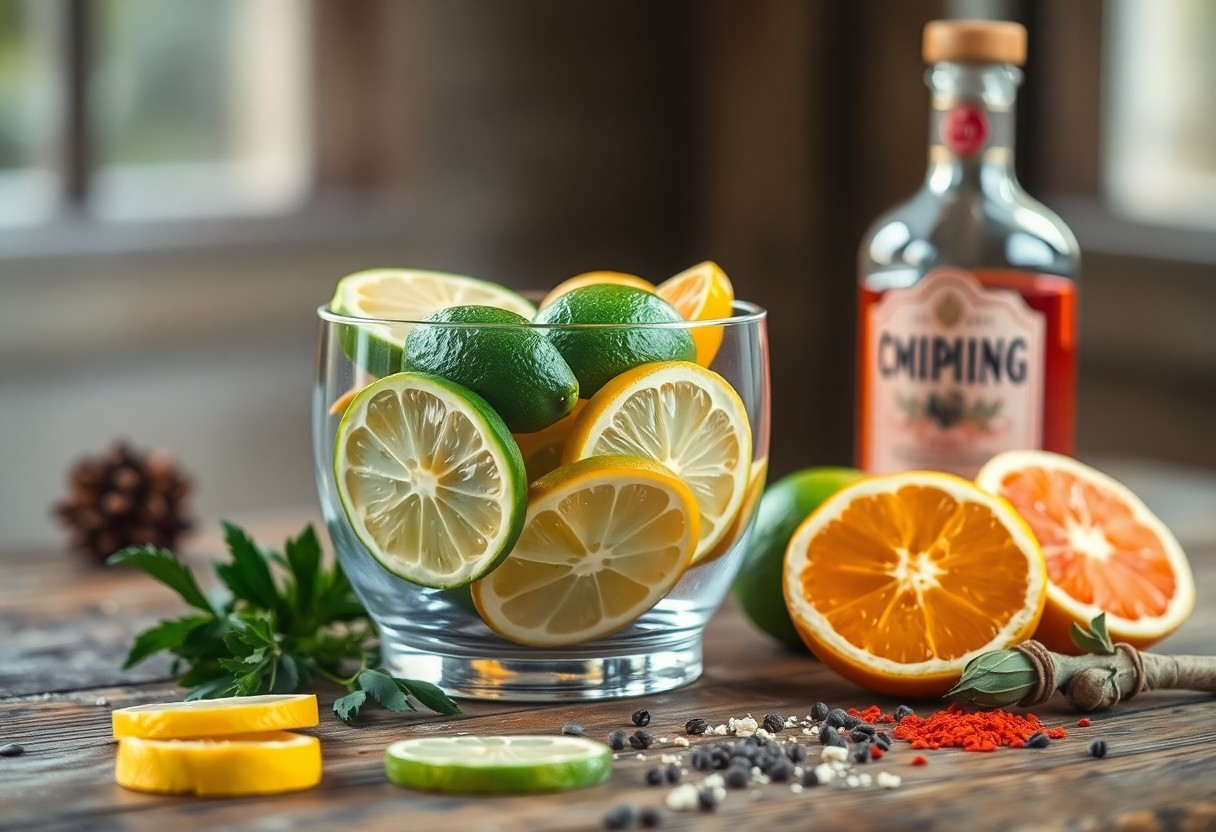
    On your journey to making infused gin, the botanicals you choose play a significant role in the overall flavor profile. Classic options include juniper berries, coriander, and citrus peels. Don’t shy away from experimenting with unique options like ginger, lavender, or even chamomile to discover flavors that surprise and delight.

    Fresh vs. Dried Ingredients

    To achieve the best infusion results, you need to consider whether to use fresh or dried ingredients. Fresh botanicals often provide a vibrant and bright flavor, while dried ingredients can deliver depth and complexity.

    With fresh ingredients, you’ll enjoy a burst of natural flavors, but they may also introduce more moisture, altering the infusion process. Dried botanicals, on the other hand, offer a concentrated taste and a longer shelf life, making them convenient for experimentation. Mixing both can provide a balanced and unique flavor experience, so don’t hesitate to combine the two to suit your preferences.

    The Infusion Process

    While the infusion process may seem complex, it’s quite simple once you grasp the basics. This magical transformation elevates your homemade gin, allowing you to tailor unique flavors that suit your palate. Whether using herbs, fruits, or spices, mastering this technique will yield delightful results that impress anyone who sips your artisanal creation.

    Step-by-Step Guide

    StepbyStep, follow this easy guide to infuse your gin:

    Step Action
    1 Choose your base gin.
    2 Select your infusion ingredients.
    3 Add ingredients to the gin.
    4 Seal the container tightly.
    5 Store in a cool, dark place.
    6 Strain the gin after 3-7 days.

    Timing and Temperature Considerations

    There’s a balance when it comes to timing and temperature for your gin infusion. Allowing the infusion to steep for too long can overpower the gin’s natural flavors. Typically, a range of 3 to 7 days is recommended, with warmer temperatures speeding up the infusion; however, storing it in cooler conditions helps maintain flavor integrity.

    To fine-tune your infusion, consider the types of ingredients used. For delicate herbs, shorter infusion times work best, while robust flavors like citrus or spices may benefit from longer steeping. Adjusting your approach based on the temperature during the process can also enhance the outcome. Keep the infusion container away from light and heat sources for optimal results.

    Ingredient Type Infusion Time
    Fruits 3-5 days
    Herbs 1-3 days
    Spices 5-7 days

    Flavor Pairing Tips

    Unlike store-bought gin, homemade infused gin allows you to tailor flavors to your liking. Here are some key pairing suggestions to elevate your infusion:

    • Herbs like rosemary and thyme can add depth.
    • Fruits such as citrus, berries, and stone fruits offer fresh notes.
    • Spices like cardamom or peppercorns introduce warmth.
    • Floral elements, such as lavender or hibiscus, enhance aroma.

    After experimenting with combinations, trust your palate to find the perfect mix!

    Complementary Flavors

    Flavors that complement each other can create a harmonious infusion. Consider pairing sweet fruits like strawberries with aromatic herbs such as basil or mint. The contrast in their profiles will enhance your gin’s complexity, allowing each sip to be a delightful experience. Use your creativity to explore unique combinations that awaken your taste buds.

    Balancing Sweetness and Bitterness

    Balancing your infusion’s sweetness and bitterness is vital for a well-rounded flavor profile. Incorporating ingredients with natural sweetness, like seasonal fruits or honey, can offset the more robust bitter notes from botanicals like wormwood or juniper. You may find that a small adjustment in one direction or the other can significantly influence the final experience.

    To achieve this balance, taste your infusion at different stages. Start by adding a small amount of your chosen sweetening agent, allowing it to meld with the other flavors. Gradually adjust until you reach a pleasing equilibrium, ensuring that one flavor doesn’t overpower the other. This approach encourages a smooth, enjoyable sip with layers of taste that are both refreshing and satisfying.

    Bottling and Storing Your Infused Gin

    Not only does proper bottling and storage enhance the longevity of your infused gin, but it also preserves the vibrant flavors you’ve created. Use sterilized bottles to prevent any unwanted contamination and seal them tightly. Label your bottles with the infusion date and ingredients to make it easier to track your creations. Store them in a cool, dark place away from direct sunlight to maintain the quality of your homemade gin.

    Proper Bottling Techniques

    You should always ensure that your bottles are thoroughly cleaned and sterilized before filling them with your infused gin. This prevents any spoilage from bacteria. Use a funnel to pour your gin into the bottles without spilling, and take care to leave a little headspace at the top. Once filled, securely seal your bottles to maintain freshness and flavor.

    Best Storage Practices

    Best practices for storing your infused gin involve keeping it in a cool, dark environment. Ideally, a cupboard or a cellar is perfect, shielding your gin from sunlight, which can degrade its flavors. Avoid places with temperature fluctuations, as consistency helps preserve the quality. With proper storage, your gin can last for months and even improve in flavor over time.

    Bottling and storing your infused gin correctly can significantly enhance its life and taste. Storing in a dark and cool environment helps prevent oxidation and loss of flavor potency. Additionally, sealing the bottles tightly keeps air out, which is vital for maintaining the integrity of the infusion. If you’ve created multiple flavors, organizing your bottles by type and date can streamline your selection process and make it easy to showcase your impressive homemade creations.

    Creative Serving Suggestions

    Despite the simplicity of infused gin, you can elevate your serving experience with a few creative ideas. Whether hosting a gathering or enjoying a quiet evening, consider how you present your infused gin. Serving it in unique glassware, adding vibrant colors with garnishes, or using bespoke mixers all contribute to an engaging experience. Explore the endless possibilities to truly impress your guests and enhance your enjoyment of homemade infused gin.

    Cocktails and Mixers

    To maximize the flavor profiles of your infused gin, experiment with various cocktails and mixers. Classic choices like tonic water or soda work well, but consider adding fresh fruit juices, sparkling wine, or herbal teas to complement the essence of your infusion. Your creativity will shine through as you discover new blends that highlight the unique flavors you’ve infused into your gin.

    Garnishing Ideas

    Any great drink deserves a thoughtful garnish that complements its flavors. For infused gin, think along the lines of fresh herbs, citrus slices, or edible flowers that enhance the aromatic experience. The right garnish not only adds visual appeal but can also elevate the scents and flavors in each sip.

    Cocktails can reach new heights with the right garnishes. Fresh herbs such as basil, rosemary, or mint can brighten your drink, while citrus peels or slices add a refreshing zing. Edible flowers or vibrant berries can also create an eye-catching display that entices your guests. Don’t shy away from mixing flavors; for instance, a sprig of thyme can give a botanical twist, while a slice of grapefruit can balance sweeter infusions beautifully. Be playful and let your creativity shine through with garnishing to make each cocktail uniquely yours.

    Final Words

    Ultimately, mastering the art of homemade infused gin is all about experimentation and creativity. By selecting the right botanicals, allowing adequate infusion time, and balancing flavors to suit your palate, you can create a unique gin that reflects your taste. Don’t hesitate to try different combinations and techniques to discover what works best for you. With these easy tips, you’ll be well on your way to concocting delightful infused gin that impresses friends and elevates your home bar.

  • Fun How-To Ideas For Hosting A Gin Tasting Party

    Fun How-To Ideas For Hosting A Gin Tasting Party

    There’s nothing quite like gathering friends for a delightful evening spent exploring the diverse world of gin. In this guide, you’ll discover fun how-to ideas that will elevate your gin tasting party, from choosing the right gin and mixers to creating a cozy atmosphere for your guests. You’ll learn how to curate an impressive selection and even incorporate fun games and activities to keep the energy bubbling. With these tips, you will create an unforgettable experience that celebrates one of the most versatile spirits around.

    How to Plan Your Gin Tasting Party

    To host an unforgettable gin tasting party, start with a clear plan that outlines your goals, guest list, and theme. Consider how many people you’d like to invite and whether or not you will provide food, water, and other beverages. Create a timeline for selecting gins, gathering supplies, and promoting the event to ensure everything runs smoothly on the day of your gathering.

    Choosing the Right Venue

    To choose the right venue, consider the space available to you and your guests. Depending on your group size, you may opt for your home, a friend’s place, or even a local bar with a private area. Make sure the location offers enough seating and a comfortable atmosphere that encourages conversation, and be mindful of lighting and ambiance, as they can greatly enhance the tasting experience.

    Selecting a Theme

    To make your gin tasting party even more engaging, select a theme that resonates with you and your guests. Themes can range from regional gins to botanical-focused selections or even a history of gin. This not only sets the tone for your event, but it also sparks interesting conversations among guests and deepens their appreciation for each gin’s unique profile.

    Plus, you can elevate your theme by incorporating matching decor, cocktails, or tasting notes that reflect your chosen concept. For example, if you decide on a garden botanicals theme, consider setting up floral arrangements and serving light, botanical-infused snacks. Engaging all the senses in this way will ensure a memorable experience for your guests and keep the atmosphere lively and interactive.

    How to Curate Your Gin Selection

    It’s imperative to choose a well-rounded gin selection for your tasting party. Start by sourcing various gins that represent the differences in flavor profiles and production methods, ensuring your guests have a memorable experience. You can opt for a mix of classic London Dry, modern craft gins, and unique flavored ones to keep it interesting.

    Understanding Different Types of Gin

    Different types of gin deliver unique experiences due to their distinct botanicals and production methods. Here’s a quick breakdown:

    Type of Gin Description
    London Dry Classic and juniper-forward, prominently featuring traditional botanicals.
    Old Tom Slightly sweeter than London Dry, often with added sugar.
    Sloe Gin A fruity liqueur made from sloe berries, adding richness and color.
    New Western Focuses on botanicals beyond juniper, offering a diverse range of flavors.
    Geneva Traditional Dutch gin, with malt and spice undertones.

    The selection of your gin types will dictate the overall theme of your tasting event.

    Recommendations for Popular Brands

    Popular gin brands often represent the best in quality and variety, making them great choices for your tasting party. Look for brands that have garnered awards or have strong reputations among gin enthusiasts.

    Plus, consider including renowned brands like Tanqueray, Hendrick’s, and Bombay Sapphire. These options provide distinctive flavor profiles while offering uniqueness in their botanicals. Additionally, you could explore craft gins from local distilleries, providing a fresh perspective on gin that might surprise your guests. Don’t shy away from experimenting with lesser-known brands either, as they often produce fascinating and innovative gins that can be real conversation starters.

    How to Prepare Tasting Notes

    The key to a successful gin tasting party is preparing impactful tasting notes that participants can refer to throughout the event. Well-crafted notes will help guests appreciate the nuances of each gin while enhancing their overall experience. Be sure to provide pens or pencils for jotting down impressions, as personal reflections contribute to a more interactive and enjoyable tasting experience.

    Key Factors to Include

    While creating your tasting notes, focus on the following elements to guide your guests effectively:

    • Aroma: Describe the scents that stand out.
    • Flavor Profile: Note the primary flavors experienced.
    • Finish: Observe the taste left after swallowing.
    • Alcohol and Tonic Pairing: Suggest suitable mixers.

    This will offer a comprehensive view of what to expect from each gin.

    Sample Tasting Note Format

    If you want to provide a structured approach, consider using a sample format for your tasting notes. This will help your guests organize their thoughts and observations systematically.

    A typical tasting note format may include sections labeled “Aroma,” “Flavor,” “Finish,” and “Overall Impression.” Each guest can take a moment to assess each gin in these categories, allowing them to articulate their experiences clearly. You can also leave space for pairing suggestions and personal ratings, which fosters a more engaging environment for discussion throughout the party.

    Tips for Pairing Gin with Food

    Now that you’ve chosen your gins, it’s important to think about food pairings that will enhance the tasting experience. Here are some tips to keep in mind:

    • Focus on botanicals: Match gin flavors with similar herbaceous ingredients.
    • Consider acidity: Pairing with citrus or pickled items can elevate the taste.
    • Use textures: Balance light gins with creamy or crunchy snacks.
    • Embrace contrasts: Bold gins can complement rich, fatty foods.

    The right food can elevate your gin tasting party to new heights.

    Best Snacks and Appetizers

    Assuming you want to provide food that complements your gin selection, opt for light, fresh snacks like olives, smoked salmon, and artisan cheeses. These options not only pair well with the botanicals in gin but also create a sophisticated atmosphere for your guests. Additionally, you can offer a variety of dips and spreads served with crackers or fresh vegetables for an enticing culinary spread.

    Crafting a Balanced Menu

    To create a well-rounded culinary experience, aim for a mix of flavors and textures that pair harmoniously with your gin selection. Consider the overall theme of your tasting and use ingredients that highlight the unique qualities of each gin. A variety of options such as savory bites, sweet treats, and refreshing sides will keep your guests engaged and satisfied throughout the tasting.

    Snacks should be diverse yet complementary to the gins being served. Incorporating sweet, savory, and spicy elements can keep the palates refreshed. Think about including elements such as goat cheese drizzled with honey, smoked almonds, or mini pork sliders. These choices can create exciting flavor profiles that resonate with the gins’ botanicals, enhancing the overall tasting experience. Balancing lighter fare with richer options will cater to different taste preferences among your guests, making your gin tasting party memorable.

    How to Set Up the Tasting Area

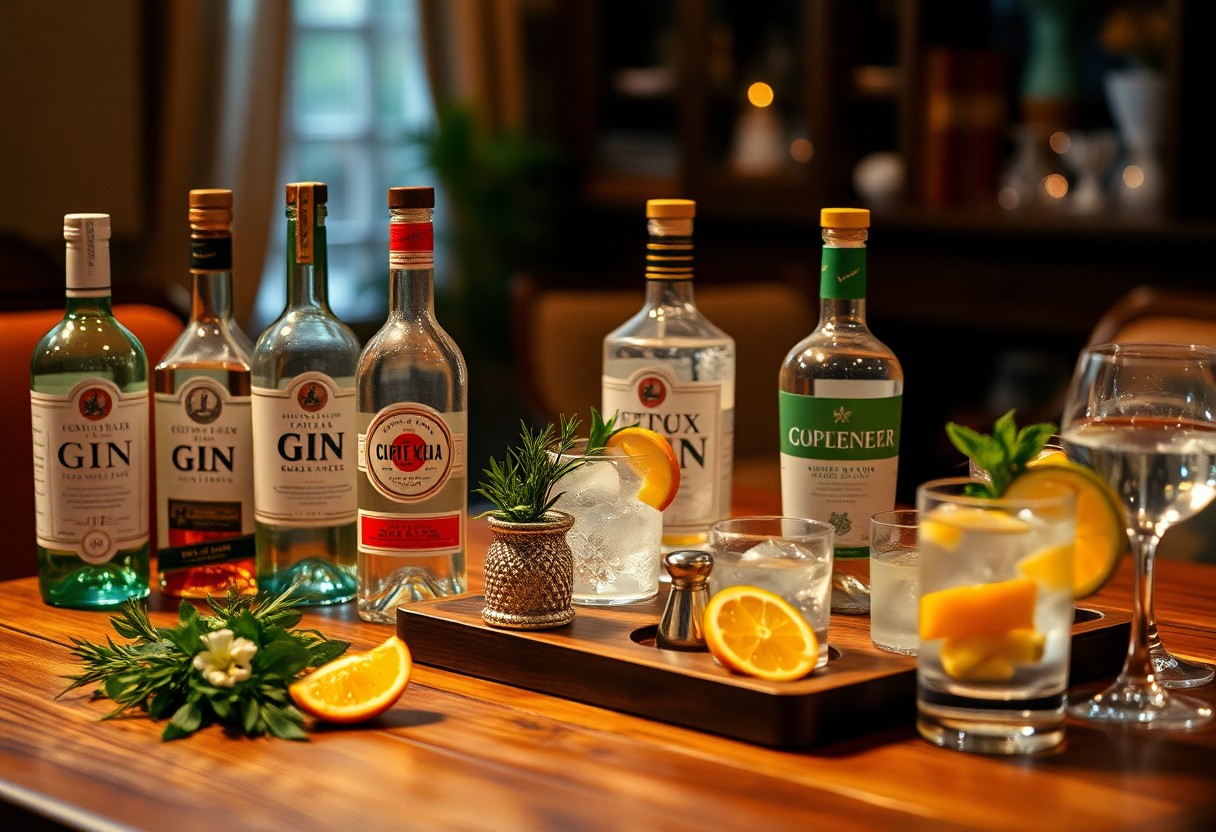
    Keep the tasting area organized and comfortable to enhance your guests’ experience. Start by selecting a spacious table to accommodate your gin selections and tasting glasses. Consider using a simple tablecloth to create a clean backdrop, and arrange the gins in a row or cluster for easy access. Light some candles or string lights to add a touch of warmth, and ensure there’s plenty of seating for everyone to relax and enjoy the tasting.

    Essential Equipment Needed

    One of the first steps in setting up your gin tasting area is to gather necessary equipment. You’ll need proper glassware, such as tasting glasses or Copitas, to showcase the gins’ aromas and flavors. Additionally, have a water pitcher on hand for palate cleansing, ice, and garnishes like citrus and herbs to enhance each gin’s profile. Don’t forget notebooks or tasting cards for your guests to jot down their impressions!

    Creating an Inviting Atmosphere

    Any successful gin tasting party invites your guests to feel relaxed and engaged. Set the mood with soft background music that complements the evening. Use comfortable seating arrangements that allow for group interactions and discussions about each gin. Add fragrant botanicals or fresh herbs as part of the decor to evoke the spirit of your tasting experience and help trigger sensory connections to the gins you’re serving.

    Creating an inviting atmosphere can significantly contribute to the overall enjoyment of your gin tasting party. The right ambiance encourages conversation and allows your guests to feel at ease as they explore the diverse flavors of your gin selections. Consider incorporating personal touches, such as themed decorations or creative table settings, to make the experience memorable. Ultimately, an inviting setting fosters camaraderie among guests, making your party not just about tasting gin, but also about connecting with friends over a shared experience.

    How to Engage Your Guests

    All great parties thrive on interaction, and a gin tasting is no exception. To keep your guests engaged, encourage playful conversations and let them share their own tasting experiences. Foster an entertaining atmosphere with activities that require participation, making the tasting a collective journey rather than a solo endeavor.

    Interactive Tasting Activities

    Even simple activities can elevate the experience. Consider incorporating a gin cocktail mixing competition or a blind tasting challenge where guests guess the botanicals in each gin. These fun tasks spark lively interactions while letting your guests explore their personal preferences and tasting skills.

    Encouraging Discussion and Feedback

    Encouraging an open dialogue about each gin allows guests to express their thoughts freely. Prompt them with questions such as, “What flavors do you experience?” or “How does this gin compare to the last one?” This exchange will not only enrich the experience but also create lasting memories among your friends.

    Engage your guests by setting up a warm atmosphere that invites feedback. You could provide tasting cards for them to jot down notes, which includes flavor profiles, scents, and their overall impressions. Sharing these insights sparks conversation and helps everyone discover their favorites together, enhancing both the social and educational elements of the tasting.

    Final Words

    Considering all points, hosting a gin tasting party can be an enjoyable and interactive experience that elevates your gatherings. By carefully selecting diverse gins, curating complementary mixers, and designing engaging activities, you can create an atmosphere of sophistication and fun for your guests. Encourage conversation and exploration as you guide everyone through the unique flavors and aromas of gin, while also providing insights into its history and production. With thoughtful planning, your gin tasting will not only be educational but also a memorable event that captivates everyone’s palate.

  • Savvy How-To Tricks For Pairing Gin With Food

    Savvy How-To Tricks For Pairing Gin With Food

    Most people enjoy a good drink with their meal, but pairing gin with food can elevate your dining experience like nothing else. This guide will equip you with savvy tricks to enhance your palate and discover the best flavor combinations. From selecting the right botanicals in your gin to understanding how different ingredients interact, you’ll gain the confidence to create unforgettable pairings. Get ready to impress your friends and family with your newfound expertise on how to harmonize gin with your favorite dishes.

    Understanding Gin

    For those begining on a culinary adventure with gin, it’s imperative to grasp its complexity. Gin is a versatile spirit defined primarily by its juniper berry flavor, but various botanicals elevate its character. This makes it an excellent companion for diverse cuisines, enhancing your dining experience with its aromatic and refreshing qualities.

    Types of Gin

    For a deeper appreciation, it’s helpful to understand the main types of gin:

    • London Dry Gin
    • Old Tom Gin
    • Distilled Gin
    • Compound Gin
    • Plymouth Gin

    Perceiving the distinct characteristics of each type will aid you in selecting the perfect gin to accompany your culinary creations.

    Type of Gin Description
    London Dry Gin Crisp and aromatic, with a strong juniper flavor.
    Old Tom Gin Sweeter, with a smoother profile than London Dry.
    Distilled Gin Made by redistilling neutral spirits with botanicals.
    Compound Gin Flavored without distillation; simpler in flavor.
    Plymouth Gin A more subdued, earthy style with a maritime edge.

    Flavor Profiles

    Now, let’s research into the flavor profiles that differentiate gin styles. Each type brings unique botanical elements and nuances, shaping your culinary pairings.

    Plus, understanding the flavor profiles allows you to explore new dimensions in food pairings. For instance, the citrus notes in a London Dry may beautifully complement seafood dishes, while the botanicals in Old Tom can enhance rich meats. By selecting the right gin based on flavor, you enhance not just the drink itself but the entire dining experience, making it a sensory delight that resonates with your palate and the food on your plate.

    How to Pair Gin with Different Cuisines

    One of the most delightful aspects of gin is its versatility, making it an excellent companion for diverse cuisines. Whether you’re enjoying spicy Indian dishes or fresh Mediterranean fare, your gin choice can elevate the dining experience. Pay attention to the botanicals in your gin and complement them with similar flavor profiles found in your food. By thoughtfully matching gin and cuisine, you can create harmonious and unforgettable meals.

    Classic Pairings

    On classic pairings, you’ll find gin plays wonderfully with traditional dishes. For instance, a classic London Dry gin pairs beautifully with fish and chips, where the crispness of the gin complements the fried batter. Similarly, a gin and tonic alongside a charcuterie board brings out the flavors in both the meats and the tonic’s citrus. Stick with timeless combinations to ensure a well-rounded dining experience.

    Innovative Combinations

    Pairings that go beyond the expected can lead to exhilarating flavor experiences. Think outside the box when combining your favorite gin with unconventional dishes, such as Vietnamese pho or Korean BBQ. The herbal and floral notes of your gin can enhance the umami and spice of these cuisines, creating a dynamic contrast. Don’t hesitate to experiment with unique ingredients and serving styles that excite your palate.

    Combinations can include harmonizing gin with spicy dishes like Thai curry, where the heat is beautifully balanced by the gin’s botanicals. Alternatively, pairing gin with rich, smoky flavors, such as those found in Southern barbecue, can provide a refreshing contrast that enhances both the food and the drink. Challenge yourself to mix traditional and modern flavors; your creativity can lead to fascinating and delicious pairings.

    Tips for Selecting the Right Gin

    Assuming you want to elevate your gin experience, selecting the right gin is key. Consider your flavor profiles and how they will pair with your dishes. Take note of the following tips when choosing your gin:

    • Identify your preferred flavor notes—citrus, herbal, or floral.
    • Review the gin’s production method—distilled or compound.
    • Explore various brands, as each has unique botanical blends.
    • Consider the alcohol content for balance with your food.

    The right gin can enhance your meal delightfully.

    Consider Ingredients

    Assuming the gin’s ingredients have a direct impact on its character, it’s crucial to think about what botanicals excite your palate. Look for gins that highlight specific flavors, such as those that boast a prominent juniper profile or ones infused with unique elements like cucumber, cardamom, or even lavender. This will help you determine how well they might complement the specific dishes you are pairing.

    Assessing Aromatics

    Ingredients are just one part of the equation; assessing the aromatics of your gin is equally important. The scent of your gin will play a significant role in how it interacts with the flavor of your food. When sniffing your gin, take note of its bouquet—floral notes might pair beautifully with seafood, while spicier gins could enhance richer meats. By understanding the aromatic nuances, you can select a gin that provides an inviting olfactory experience and elevates your meal’s overall enjoyment.

    Factors to Consider in Food Pairing

    Your approach to pairing gin with food should consider several elements to create a harmonious dining experience. Take into account:

    • The botanicals in your gin
    • The dish’s flavor profile
    • Serving temperature
    • Texture and body
    • Personal preferences

    Perceiving these factors will enhance your culinary and gin pairing skills.

    Texture and Body

    Some dishes have a light, delicate texture, while others are rich and hearty. The body of your gin, whether it’s smooth or bold, should complement the food texture. For instance, a creamy dessert pairs wonderfully with a soft gin, while a robust meat dish calls for a gin with a more pronounced character.

    Flavor Intensity

    Assuming you understand the flavor profiles of both your gin and food is necessary to a successful pairing. The intensity of flavors should match to avoid overwhelming your palate. Light gins with floral notes may be lost against strongly flavored dishes, while a bold, juniper-forward gin can stand up to spicy or robust cuisine.

    Body plays an necessary role in determining how flavor intensity interacts in your pairing. A heavier dish requires a gin that can balance its rich flavors without being overshadowed. Conversely, lighter foods can benefit from softer, more aromatic gins that enhance instead of compete. Striking the right balance between the gin’s body and the food’s intensity will make each bite and sip a delightful experience.

    How to Create a Gin Cocktail to Complement Your Meal

    Despite the complexity often associated with cocktail creation, crafting a gin cocktail that enhances your meal is quite straightforward. Start by considering the main flavors of your dish; a herbaceous gin pairs well with fresh salads, while a citrus-forward option complements grilled seafood. Balance your cocktail with acidity, sweetness, and herbal notes to create a harmonious experience on your palate. Ultimately, your cocktail should enhance the dining experience, making both your food and drink memorable.

    Mixing Techniques

    You can elevate your gin cocktail by mastering a few vital mixing techniques. Shaking, stirring, or muddling can all create different flavor profiles and textures. For instance, shaking with ice thoroughly blends citrus juice and ensures a refreshing chill, while stirring is ideal for delicate drinks that require a smoother mouthfeel. Experiment with various techniques to find the one that best complements your meal and personal preference.

    Garnishing and Presentation

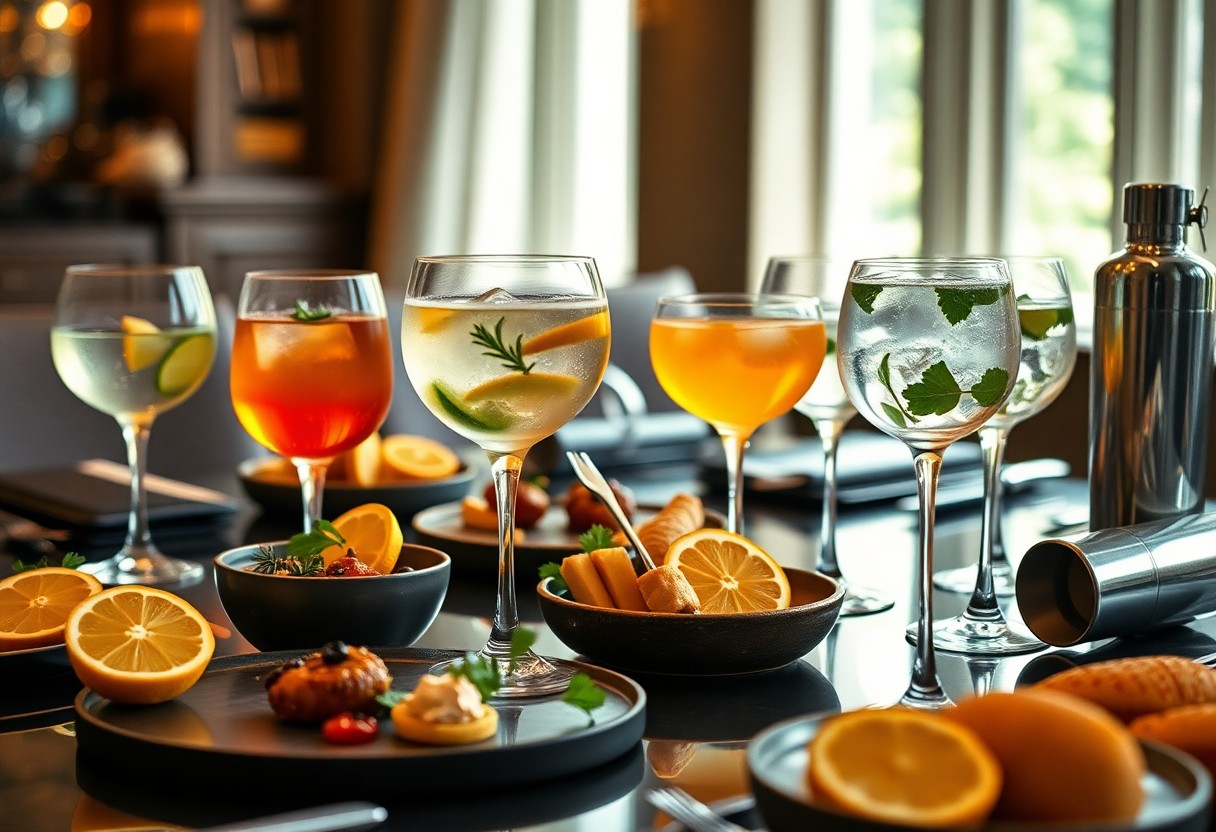
    You can significantly enhance the visual appeal and flavor of your gin cocktail with thoughtful garnishing and presentation. Fresh herbs, citrus peels, or even edible flowers can elevate your drink’s look while adding aromatic nuances. Take time to craft a stunning garnish that not only complements the drink but also ties in with the themes or ingredients of your meal. The right presentation can stimulate the senses and set the tone for your dining experience.

    Cocktail garnishing is an art that can elevate your home mixology. A simple twist of lemon or a sprig of rosemary can add both aroma and refinement to your drink. Consider color contrast and texture to create an inviting presentation; for example, vibrant garnishes can pop against a clear drink. Additionally, using unique glassware can enhance the overall experience. Be playful with your garnishes, and let them echo the spirit of your meal, creating a cohesive dining experience that indulges all the senses.

    Exploring Gin Tasting Events

    Not all gin tasting events are created equal, but they offer a fantastic opportunity to refine your palate and deepen your appreciation for this versatile spirit. At these events, you’ll encounter a wide variety of gins, showcasing different botanicals, distillation methods, and regions. This experience allows you to understand how each gin can complement various foods, making it easier for you to create delightful pairings at home.

    What to Expect

    Even if you haven’t attended a gin tasting before, you can anticipate an engaging atmosphere where you can sample a range of gins paired with complementary foods. Often, experts will guide you through the tasting process, sharing insights about each gin’s flavor profile. You’ll also have the chance to ask questions and discover how specific botanicals can impact the overall tasting experience.

    Enhancing Your Pairing Knowledge

    For those eager to deepen your understanding of gin and food pairings, participating in gin tasting events is a fantastic way. These gatherings not only provide you with opportunities to taste various gins but also allow you to learn from knowledgeable hosts who can explain the complexities of flavor matching.

    With each event, take notes on the nuances you detect in different gins and how they interact with specific foods. Engaging in discussions with other attendees can also introduce you to new ideas and perspectives on flavor pairings. The shared enthusiasm for gin will enrich your understanding and inspire you to experiment more in your own pairings at home.

    Final Words

    Conclusively, mastering the art of pairing gin with food opens up a world of culinary experiences. By understanding the key flavor profiles of your gin and thoughtfully selecting complementary dishes, you can elevate your dining occasions. Whether you’re enjoying a refreshing gin and tonic with seafood or a herbal gin with earthy vegetables, your ability to harmonize these flavors will impress your guests and enhance your palate. Embrace the versatility of gin, and let your taste adventures begin!

  • Hosting A Gin Tasting Party – Tips, Tricks, And Pairing Ideas

    Hosting A Gin Tasting Party – Tips, Tricks, And Pairing Ideas

    With the rise of craft gin and a growing appreciation for this spirited drink, hosting a gin tasting party is a delightful way to explore different flavors and botanicals. You’ll learn how to create a memorable experience for your guests, from selecting the perfect gins to pairing them with complementary snacks. This guide provides you with vital tips, tricks, and pairing ideas to elevate your gathering, ensuring everyone leaves with a newfound admiration for gin in all its complexities.

    Choosing the Perfect Gins

    A great gin tasting party begins with selecting a diverse range of gins to excite your guests. Look for a mix of classic and contemporary varieties to showcase the spirit’s versatility. Your choices should reflect different distillation methods, flavor profiles, and botanical infusions to create a well-rounded tasting experience.

    Types of Gin

    Before selecting your gins, it’s helpful to understand the different types available:

    London Dry Gin Classic and juniper-forward.
    Old Tom Gin Sweeter with a rich history.
    Genever Malty flavor from the Netherlands.
    Flavored Gin Infused with additional botanicals.
    Craft Gin Unique, small-batch production.
    • Consider different gin styles
    • Explore various regions
    • Include distinct botanicals
    • Taste and compare flavor profiles
    • The blend of different types can elevate your tasting experience.

    Notable Brands to Consider

    Against popular belief, not all gins are created equal, and choosing renowned brands can elevate your tasting experience. Seek out options that have established a reputation for quality and craft.

    Even within the category of notable brands, you can find endless creativity and innovation. Look for offerings from Tanqueray, Hendrick’s, Bombay Sapphire, or smaller artisanal distilleries that experiment with unique botanicals and flavor profiles. Not only does this add depth to your tasting, but it also allows you to introduce your guests to high-quality gins that highlight the diversity of this beloved spirit.

    Essential Tasting Tools

    Some of the key tasting tools you’ll need for your gin tasting party include appropriate glassware, tasting notes, and scorecards to help document your experience. By selecting the right equipment, you can enhance the tasting experience and help attendees engage more deeply with the flavors and aromas of each gin. Make sure you have everything ready to elevate your gin journey.

    Glassware Recommendations

    Recommendations for glassware suggest using copita or balloon glasses, as these shapes allow the aromas to concentrate, enhancing your tasting experience. If available, use larger glasses for a more rounded sipping experience, or consider a traditional gin and tonic goblet. Ensuring you have the right glassware will help everyone appreciate the characteristics of each gin better.

    Tasting Notes and Scorecards

    Tasting notes and scorecards are great tools for organizing your thoughts and feedback on each gin you sample. They allow you to jot down flavors, aromas, and any standout characteristics while tasting.

    Even the most passionate gin drinkers can benefit from using tasting notes and scorecards. By providing spaces to write down your impressions and rating each gin, you create a fun and interactive element to the party. Encourage your guests to share their findings—it’ll spark lively discussions and enhance everyone’s appreciation for the spirits being tasted. Plus, it can help your group remember the favorites for future purchases!

    The Art of Gin Pairing

    The art of gin pairing lies in understanding the diverse flavor profiles of gin and how they interact with various accompaniments. By matching gins with complementary or contrasting flavors, you can create a delightful tasting experience. Consider the botanicals in the gin and how they blend with your selected mixers and snacks, enhancing each sip and bite. With thoughtful pairings, you will elevate your gin tasting party to new heights, ensuring each guest appreciates the complexity and nuances of every pour.

    Complementary Flavors

    Besides focusing on the predominant botanicals like juniper, citrus, or floral notes in your gin, think about complementary flavors that can enhance this experience. For example, a citrus-forward gin pairs seamlessly with fresh herbs or citrus zest, while a more aromatic gin might benefit from earthy spices. Integrating these harmonious elements can create a balanced taste profile that delights your senses.

    Food Pairing Suggestions

    About pairing gin with food, think about the balance and flavors you want to achieve. Gins featuring citrus notes pair well with seafood, while herbal gins can beautifully complement light salads or grilled chicken. Heavier, spiced gins work harmoniously with richer dishes like charcuterie or robust cheeses, allowing each element to shine. A well-chosen snack not only fills the palate but also accentuates the unique characteristics of the gin.

    Plus, consider incorporating local ingredients or seasonal produce into your food pairings to create a refreshing twist. For instance, if you’re serving a gin infused with botanicals like rosemary or thyme, try pairing it with roasted vegetables or a herb-infused cheese. Additionally, think about the texture and richness of the food; crunchy snacks contrast well with the smoothness of gin, creating an enjoyable mouthfeel. These thoughtful pairings will ensure a memorable tasting experience at your party.

    Creating a Themed Tasting Experience

    Once again, enhancing your gin tasting party with a themed experience can elevate the entire occasion. Select a captivating theme, such as a botanical garden, a vintage speakeasy, or even a specific region like the British Isles. By incorporating elements related to your theme, you’ll create an engaging atmosphere that encourages your guests to immerse themselves fully in the tasting journey. Organizing your gins, mixers, and garnishes around this theme creates a cohesive experience that your guests will appreciate and remember.

    Decor and Ambiance

    The ambiance is vital for setting the tone of your gin tasting party. Choose decorations that align with your theme, like floral arrangements for a botanical garden or a jazz-inspired setup for a speakeasy vibe. Soft lighting, comfortable seating, and curated music playlists can enhance your guests’ experience, making the event not only about tasting gin but also about enjoying the overall atmosphere. Small touches like themed napkins or coasters can also contribute to a polished feel that your guests will admire.

    Thematic Activities and Games

    Above all, thematic activities and games can enliven the party atmosphere. Engaging your guests with activities, such as a gin trivia quiz or a blind tasting challenge, adds an interactive layer to the tasting experience. These activities not only entertain but also foster conversation among the guests, enhancing the social aspect of your gathering.

    But, make sure the activities complement the tasting rather than overshadow it. Consider organizing a “guess the flavor” game based on the gins you’re serving or a mixology contest where guests create their own cocktails using the gins featured. These engaging activities will keep energy levels high and encourage participants to share their experiences and insights, fostering a community vibe while ensuring everyone has a fantastic time.

    Guiding the Tasting Process

    Many guests will appreciate a structured tasting experience that guides them through different spirits. Start each segment by introducing the gin, providing details about its origin, botanicals used, and unique flavors. Encourage your guests to take their time to swirl, smell, and sip, enhancing their appreciation for each sample. Prompt discussions among your guests about their perceptions and favorite elements, making the experience interactive and enjoyable.

    Setting the Agenda

    Between the first sip and the last, it’s imperative to have a clear agenda that outlines the flow of the tasting. Begin your event with an introduction, followed by a selection of gins that cater to varied tastes. Aim for a balance between different styles (e.g., London Dry, Old Tom, and contemporary gins) and finish with a creative cocktail demonstration to wrap up the experience.

    Tips for Engaging Guests

    An interactive tasting experience will keep your guests engaged and excited about each gin. Incorporate various activities such as blind tastings or flavor wheel exercises to spice things up. You could also create discussion prompts or fun challenges. Here are some engaging tips to consider:

    • Encourage guests to share their thoughts on each gin.
    • Provide a rating card for each gin sampled.
    • Establish friendly competitions, like guessing ingredients or preferred gins.

    Thou will create an enjoyable atmosphere when guests feel involved.

    Even small interactive elements can significantly enhance your gin tasting party. Consider throwing in fun facts about the distillation process or hosting a mini-quiz on the gins featured. Encourage guests to mix their preferred gin with various mixers or garnishes. Here are a few more ideas:

    • Organize a ‘best gin cocktail’ contest.
    • Have guests vote on their favorite gin of the night.
    • Offer prizes for unique gin-related trivia.

    Thou will ensure that everyone leaves with newfound knowledge and enjoyment for gin tasting.

    Summing up

    With this in mind, hosting a gin tasting party can be a delightful experience that engages your guests’ senses and sparks conversation. By selecting a variety of gins, experimenting with garnishes, and offering complementary food pairings, you can create a memorable event. Tailoring your setup to your space and encouraging personal exploration of flavors will enhance enjoyment. Whether you’re a gin aficionado or a novice, your thoughtful planning will ensure everyone leaves with newfound appreciation for this versatile spirit.

  • How Does The Quintimperative Botanicals In Gin Transmute Classic Dishes?

    How Does The Quintimperative Botanicals In Gin Transmute Classic Dishes?

    As you explore the world of culinary innovation, you’ll discover that gin’s botanicals can elevate your cooking. You’ll find that the unique flavors of gin can transmute classic dishes, offering you new and exciting taste experiences. By incorporating gin into your recipes, you can add depth and complexity, transforming familiar flavors into something entirely new and intriguing, allowing you to reimagine your favorite dishes in a whole new light.

    The Aromatic Symphony of Gin

    While exploring the world of gin, you’ll discover that the quintimperative botanicals are the backbone of this spirit. As you investigate deeper, you’ll find that the combination of these botanicals creates a unique aromatic symphony that can elevate and transmute classic dishes. Your sense of smell will be the first to appreciate the complexity of gin, as the aromas of the botanicals waft up, teasing your senses and inviting you to take a sip. As you taste, the flavors will unfold, and you’ll begin to understand how the different botanicals contribute to the overall character of the gin.

    As you continue to explore the world of gin, you’ll start to notice the different flavor profiles that emerge from the various botanicals. You’ll find that some gins are more juniper-forward, while others showcase the brightness of citrus or the warmth of spices. Your palate will become more discerning, and you’ll begin to appreciate the nuances of each gin. Whether you’re a seasoned gin enthusiast or just starting to explore, the world of gin has something to offer, and the aromatic symphony of the botanicals is sure to delight and inspire you.

    Core Botanicals: Juniper, Coriander, and Citrus

    Prior to exploring the secondary notes, you should familiarize yourself with the core botanicals that form the foundation of gin. You’ll find that juniper, coriander, and citrus are the primary botanicals used in most gin recipes. Your understanding of these core botanicals will help you appreciate the complexity of the gin, as each botanical contributes its unique flavor and aroma profile. Juniper provides the distinctive piney flavor, while coriander adds a warm, spicy note, and citrus contributes a bright, uplifting quality.

    Before you move on to the secondary notes, take a moment to appreciate the harmony that the core botanicals create. You’ll notice that the combination of juniper, coriander, and citrus forms a balanced and refined flavor profile that is both refreshing and engaging. As you taste, you’ll find that the core botanicals provide a solid foundation for the gin, allowing the secondary notes to add depth and complexity to the overall flavor profile.

    Secondary Notes: Angelica, Orris, and Cardamom

    Across the various gin styles, you’ll encounter a range of secondary botanicals that add depth and complexity to the flavor profile. You’ll find that angelica, orris, and cardamom are commonly used secondary botanicals that contribute unique and intriguing flavors. Your sense of adventure will be sparked as you explore the different ways that these botanicals are used to create distinctive gin styles. Angelica adds a subtle earthy note, while orris provides a sweet, floral quality, and cardamom contributes a warm, aromatic spice flavor.

    It is worth noting that the secondary notes, such as angelica, orris, and cardamom, play a significant role in shaping the overall character of the gin. As you taste, you’ll find that these botanicals add a layer of complexity and depth to the flavor profile, making each gin unique and interesting. You’ll appreciate the way that the secondary notes interact with the core botanicals, creating a rich and engaging flavor experience that will leave you wanting to explore more of the world of gin.

    Botanical Transformations in Savory Dishes

    The art of incorporating botanicals from gin into your savory dishes can elevate your culinary creations to new heights. As you explore the world of gin-infused cuisine, you’ll discover that the quintvital botanicals in gin can transmute classic dishes, giving them a unique twist. You’ll find that the flavors of gin, with its complex blend of botanicals, can complement and enhance the natural flavors of various ingredients, resulting in a truly unforgettable dining experience. Whether you’re a seasoned chef or an adventurous home cook, you’ll appreciate the versatility of gin as a culinary ingredient.

    The possibilities for botanical transformations in savory dishes are endless, and you can experiment with various gin-infused preparations to create your own signature dishes. As you investigate into the world of gin-infused cuisine, you’ll notice that the botanicals in gin can add a new dimension to your favorite recipes, from seafood to game meats. You’ll be able to create dishes that are not only delicious but also visually stunning, making them perfect for special occasions or everyday meals.

    Gin-Infused Seafood Preparations

    Seemingly, seafood dishes are an ideal canvas for showcasing the flavors of gin, as the delicate flavors of the seafood can be enhanced by the botanicals in gin. You can create gin-infused seafood preparations that are both refreshing and flavorful, perfect for warm weather or special occasions. As you experiment with gin-infused seafood dishes, you’ll find that the botanicals in gin can add a new level of complexity to your recipes, making them stand out from the ordinary.

    Similarly, you can use gin as a marinade or a sauce to add flavor to your seafood dishes, and you’ll be amazed at how the botanicals in gin can elevate the natural flavors of the seafood. You can try pairing gin with citrus, herbs, or spices to create a unique flavor profile that complements your seafood dishes, and you’ll discover that the possibilities are endless.

    Game Meats and Herbaceous Gin Marinades

    Before you start experimenting with game meats and herbaceous gin marinades, consider the flavor profile you want to achieve, as the botanicals in gin can greatly impact the final result. You’ll find that the herbaceous notes in gin can complement the rich flavors of game meats, creating a truly unforgettable dining experience. As you explore the world of game meats and herbaceous gin marinades, you’ll discover that the key to success lies in balancing the flavors, ensuring that the gin enhances the natural flavors of the game meats without overpowering them.

    Before experimenting with different game meats, you should consider the type of gin you’ll use, as the botanicals in the gin can greatly impact the final result. You’ll find that a London Dry Gin with its bold, herbaceous flavors can pair perfectly with game meats, while a more delicate gin can be better suited for lighter dishes.

    Hence, as you continue to explore the world of game meats and herbaceous gin marinades, you’ll find that the possibilities are endless, and you can create dishes that are not only delicious but also visually stunning. You’ll be able to impress your guests with your culinary skills, and you’ll appreciate the versatility of gin as a culinary ingredient, allowing you to create unique and unforgettable dining experiences.

    Sweet Metamorphosis

    Assuming you’re familiar with the concept of pairing gin with sweet dishes, you’ll be excited to explore how the quintvital botanicals in gin can transmute classic desserts. As you probe into the world of gin-infused sweets, you’ll discover that the floral notes and citrus flavors can elevate your desserts to a whole new level. You’ll find that the subtle bitterness of the gin balances out the sweetness of the desserts, creating a harmonious balance of flavors. Your taste buds will be treated to a symphony of flavors, from the sweetness of the sugar to the tanginess of the gin.

    As you experiment with gin-infused desserts, you’ll notice that the botanicals in the gin can enhance the flavors of the ingredients, creating a unique and complex taste experience. You’ll be able to appreciate the subtleties of the gin’s flavor profile, from the juniper berries to the coriander, and how they interact with the other ingredients in the dessert. Your understanding of the relationship between gin and sweets will deepen, and you’ll be inspired to create your own innovative gin-infused desserts.

    Desserts Enhanced by Gin’s Floral Notes

    After exploring the world of gin-infused desserts, you’ll find that the floral notes in gin can add a delicate and sophisticated touch to your sweets. You’ll discover that the floral flavors of the gin can complement the sweetness of the desserts, creating a beautiful balance of flavors. Your desserts will take on a new level of elegance, with the gin’s floral notes adding a subtle yet refined touch. You’ll be able to appreciate the complexity of the gin’s flavor profile and how it enhances the overall taste experience of your desserts.

    As you continue to experiment with gin-infused desserts, you’ll find that the floral notes can be paired with a variety of ingredients, from fruits to nuts, to create unique and delicious flavor combinations. You’ll be able to appreciate the versatility of the gin’s floral notes and how they can be used to enhance a wide range of desserts. Your creativity will be sparked, and you’ll be inspired to create your own innovative gin-infused desserts that showcase the beauty of the gin’s floral notes.

    Citrus-Forward Confections

    About to take your desserts to the next level, you’ll find that citrus-forward confections are a perfect match for gin’s citrus flavors. You’ll discover that the citrus notes in the gin can add a bright and refreshing touch to your desserts, cutting through the sweetness and creating a beautiful balance of flavors. Your desserts will be elevated to a new level of sophistication, with the gin’s citrus notes adding a vibrant and uplifting touch. You’ll be able to appreciate the complexity of the gin’s flavor profile and how it enhances the overall taste experience of your desserts.

    Plus, as you experiment with citrus-forward confections, you’ll find that the gin’s citrus notes can be paired with a variety of citrus fruits, from lemons to oranges, to create unique and delicious flavor combinations. You’ll be able to appreciate the versatility of the gin’s citrus notes and how they can be used to enhance a wide range of desserts, from tangy lemon bars to sweet orange creamsicles. Your creativity will be sparked, and you’ll be inspired to create your own innovative gin-infused desserts that showcase the beauty of the gin’s citrus notes, and you will be delighted by the new flavors and possibilities that you discover.

    The Art of Botanical Pairing

    Once again, you find yourself exploring the world of gin, and this time, you’re delving into the art of botanical pairing. As you begin on this journey, you’ll discover that the quintcrucial botanicals in gin can elevate and transform classic dishes in ways you never thought possible. The key to successful pairing lies in understanding the unique flavor profiles of various botanicals and how they interact with different ingredients in your cooking. By experimenting with different combinations, you’ll unlock a world of new flavors and aromas that will take your culinary creations to the next level.

    As you explore the art of botanical pairing, you’ll begin to appreciate the complexity and nuance of gin’s flavor profile. You’ll learn to identify the distinct characteristics of individual botanicals, such as the bright, citrusy notes of juniper or the warm, spicy undertones of coriander. With this knowledge, you’ll be able to craft innovative pairings that showcase the best of both your gin and your cuisine. Whether you’re a seasoned chef or an enthusiastic home cook, the art of botanical pairing offers a wealth of creative possibilities waiting to be explored.

    Complementary Flavor Profiles

    Beneath the surface of gin’s complex flavor profile lies a world of complementary flavor profiles waiting to be discovered. As you explore the art of botanical pairing, you’ll find that certain botanicals naturally complement specific ingredients, enhancing their flavors and textures. For instance, the floral notes of rose petals or lavender can beautifully complement the sweetness of fruits or the richness of desserts, while the earthy undertones of angelica or orris root can add depth and warmth to savory dishes. By understanding these complementary flavor profiles, you’ll be able to create harmonious pairings that elevate your cuisine and delight your palate.

    Below individual botanicals, you’ll find that the overall flavor profile of your gin can also influence the pairing process. You’ll need to consider the balance of sweet, sour, bitter, and umami flavors in your gin, as well as its overall character, whether it’s light and crisp or rich and complex. By taking these factors into account, you’ll be able to craft pairings that not only showcase the best of your gin but also enhance the overall dining experience. As you experiment with different combinations, you’ll develop a deeper understanding of the intricate relationships between gin, food, and flavor.

    Regional Gin Variations and Local Cuisine

    For the adventurous cook, regional gin variations offer a fascinating opportunity to explore the intersection of local cuisine and botanical pairing. As you travel through different regions, you’ll encounter unique gin styles that reflect the local flora, climate, and cultural traditions. You’ll discover how regional gin variations can be paired with local ingredients and dishes to create truly authentic and delicious culinary experiences. From the bright, citrusy gins of the Mediterranean to the rich, spicy gins of the Orient, each region offers a distinct perspective on the art of botanical pairing.

    For instance, you might find that a London Dry Gin pairs perfectly with traditional British cuisine, such as fish and chips or roast beef, while a Plymouth Gin might be better suited to seafood dishes or creamy sauces. As you explore these regional variations, you’ll gain a deeper appreciation for the diversity and richness of gin’s flavor profile, as well as the creative possibilities it offers for culinary innovation.

    And as you explore deeper into the world of regional gin variations and local cuisine, you’ll begin to appreciate the subtle nuances that distinguish one region from another. You’ll learn to identify the characteristic flavor profiles of different regions, from the bold, juniper-forward gins of the Nordic countries to the delicate, floral gins of the Alps. By embracing these regional variations, you’ll be able to craft pairings that not only showcase the best of your gin but also celebrate the unique cultural and culinary heritage of each region, creating a truly immersive and unforgettable dining experience.

    Modern Culinary Applications

    Many of you may be wondering how the quintimperative botanicals in gin can be used to elevate classic dishes. As you explore the world of modern cuisine, you’ll discover that gin’s unique flavor profile can be used to add depth and complexity to a variety of dishes. From savory meats to sweet desserts, the possibilities are endless. You can use gin as a marinade, a sauce, or even as a flavor enhancer in your cooking. As you experiment with different recipes, you’ll find that the botanicals in gin can add a unique twist to traditional dishes, making them more exciting and flavorful.

    As you probe deeper into the world of modern culinary applications, you’ll find that the use of gin botanicals is not limited to just one type of cuisine. You can use them to create innovative dishes that blend different culinary traditions. For example, you can use gin to make a Korean-style BBQ sauce or to add a twist to traditional Indian curries. The key is to experiment and find the perfect balance of flavors that work for you. With a little creativity, you can create dishes that are truly unique and delicious.

    Contemporary Cooking Techniques

    Modern cooking techniques have made it possible for you to incorporate gin botanicals into your dishes in new and innovative ways. You can use techniques such as sous vide, foamification, or spherification to create unique and visually stunning dishes. For instance, you can use gin to make a flavorful foam that can be used as a topping for cocktails or desserts. Alternatively, you can use gin to make spheres of flavor that can be used as a garnish or as a component of a dish. The possibilities are endless, and it’s up to you to experiment and find the techniques that work best for you.

    As you explore contemporary cooking techniques, you’ll find that the use of gin botanicals can add an extra layer of complexity to your dishes. You can use gin to make flavorful sauces, marinades, or braising liquids that can be used to cook a variety of ingredients. You can also use gin to make flavorful oils or vinegars that can be used as a finishing touch for dishes. The key is to experiment and find the techniques that work best for you and your cooking style.

    Molecular Gastronomy with Gin Botanicals

    One of the most exciting ways to use gin botanicals in modern cuisine is through molecular gastronomy. You can use gin to create unique and innovative dishes that are both visually stunning and delicious. For example, you can use gin to make flavorful caviar or pearls that can be used as a garnish or as a component of a dish. Alternatively, you can use gin to make flavorful foams or sauces that can be used to add texture and flavor to dishes.

    Another aspect of molecular gastronomy with gin botanicals is the use of spherification and gelification techniques. You can use gin to make flavorful spheres or gel cubes that can be used as a garnish or as a component of a dish. For instance, you can use gin to make flavorful gin and tonic spheres that can be used as a unique and refreshing dessert. The possibilities are endless, and it’s up to you to experiment and find the techniques that work best for you. As you explore the world of molecular gastronomy with gin botanicals, you’ll find that the unique flavor profile of gin can be used to create truly innovative and delicious dishes.

    Preserving and Infusing Methods

    Now that you have a deeper understanding of the quintcrucial botanicals in gin, it’s time to explore how these ingredients can be used to transmute classic dishes. As you explore into the world of preserving and infusing, you’ll discover various techniques that will elevate your culinary creations. Your ability to preserve and infuse flavors will become a key aspect of your cooking, allowing you to experiment with new and exciting flavor combinations. By mastering these methods, you’ll be able to unlock the full potential of your ingredients and create truly unique dishes.

    As you begin to experiment with preserving and infusing methods, you’ll find that the possibilities are endless. Your kitchen will become a laboratory where you can test and refine your techniques, pushing the boundaries of what is possible with gin botanicals. Whether you’re a seasoned chef or a curious home cook, you’ll appreciate the versatility and creativity that these methods offer. With practice and patience, you’ll develop the skills and confidence to incorporate preserving and infusing into your daily cooking routine, and your dishes will undoubtedly benefit from the added depth and complexity of flavor.

    Traditional Preservation Techniques

    Along with the development of gin, traditional preservation techniques have played a significant role in the history of cuisine. As you explore these methods, you’ll learn about the various ways that botanicals can be preserved, from pickling and curing to jam-making and distillation. Your understanding of these techniques will allow you to appreciate the craftsmanship and dedication that goes into creating high-quality, preserved ingredients. By incorporating traditional preservation techniques into your cooking, you’ll be able to add a new layer of complexity and nuance to your dishes, and your guests will undoubtedly appreciate the effort and attention to detail that you bring to the table.

    Alongside traditional preservation techniques, you’ll also discover the art of creating your own preserved ingredients. As you experiment with different methods and ingredients, you’ll develop a deeper understanding of the relationship between flavor, texture, and presentation. Your preserved ingredients will become a staple in your kitchen, allowing you to add a personal touch to your dishes and showcase your creativity and skill. Whether you’re making your own pickles or curing your own meats, you’ll appreciate the satisfaction of creating something truly unique and delicious.

    Modern Infusion Approaches

    One of the most exciting aspects of working with gin botanicals is the opportunity to experiment with modern infusion approaches. As you explore these methods, you’ll discover new and innovative ways to incorporate flavor into your dishes, from sous vide and vacuum sealing to foamification and spherification. Your creativity will know no bounds as you push the boundaries of what is possible with infusion, and your guests will be amazed by the unique and exciting flavor combinations that you create. By incorporating modern infusion approaches into your cooking, you’ll be able to stay ahead of the curve and offer your guests a truly unforgettable dining experience.

    One of the key benefits of modern infusion approaches is the ability to precisely control the amount of flavor that is infused into your ingredients. As you experiment with different techniques and ingredients, you’ll develop a deeper understanding of the relationship between flavor, temperature, and time. Your dishes will become more refined and sophisticated, with a level of complexity and nuance that will impress even the most discerning palates. Whether you’re infusing your own oils or creating your own flavored vinegars, you’ll appreciate the versatility and creativity that modern infusion approaches offer.

    This approach to modern infusion is particularly useful when working with delicate ingredients, as it allows you to preserve their subtle flavors and aromas. As you master these techniques, you’ll be able to create dishes that are truly greater than the sum of their parts, with each ingredient working in harmony to create a cohesive and delicious whole. Your ability to balance and refine flavors will become one of your greatest strengths as a cook, and your guests will appreciate the care and attention that you bring to each and every dish. With modern infusion approaches, the possibilities are endless, and you’ll be limited only by your imagination and creativity.

    Final Words

    Hence, as you explore the world of gin and its quintvital botanicals, you will discover how they can transmute classic dishes into something entirely new and exciting. You will find that the unique flavor profiles of different gins, which are shaped by their botanical ingredients, can be used to enhance and complement various culinary creations. By understanding the characteristics of each botanical, you can experiment with pairing gin with your favorite dishes, and unlock a world of flavors that you may have never experienced before. As you probe deeper into the world of gin and food pairing, you will develop your own palate and preferences, and be able to create innovative and delicious dishes that showcase the versatility of gin.

    As you continue on your gastronomic journey, you will appreciate the complexity and nuance that gin can bring to your cooking and dining experiences. You will learn to appreciate the subtle differences between various gins, and how their distinct flavor profiles can be used to elevate your dishes. By embracing the world of gin and its botanicals, you will expand your culinary horizons and develop a deeper understanding of the art of food and drink pairing. Ultimately, you will be able to create unique and memorable dining experiences that showcase your creativity and flair, and leave a lasting impression on your guests. With your newfound knowledge, you will be able to take your cooking to the next level, and explore the endless possibilities that the world of gin has to offer.

  • What Unfathomable Flavors Emerge From Marinating With Gin And Citrus?

    What Unfathomable Flavors Emerge From Marinating With Gin And Citrus?

    As you explore the world of culinary experimentation, you may stumble upon the intriguing combination of gin and citrus in marinades. Your curiosity is piqued, and you wonder what unique flavors this pairing can bring to your dishes. By incorporating gin and citrus into your marinades, you can unlock a depth of flavor that elevates your cooking to new heights, and in this post, you will discover the astonishing flavors that emerge from this unexpected yet fascinating combination.

    The Botanical Dance of Gin

    While exploring the world of gin, you’ll discover that its unique flavor profile is largely attributed to the combination of botanicals used in its production. As you research deeper, you’ll find that gin is more than just a spirit – it’s an intricate balance of aromas and flavors that come together to create a truly distinctive taste experience. Your journey into the world of gin will take you through a myriad of botanicals, each contributing its own distinct character to the final product. From the sweetness of licorice root to the bitterness of angelica, every element plays a vital role in shaping the flavor of your gin.

    As you experiment with gin in your marinades, you’ll begin to appreciate the complexity of its botanical profile. You’ll notice how the different flavors interact with the citrus and other ingredients, creating a harmonious balance of tastes that elevate your dishes to new heights. Your understanding of gin’s botanicals will allow you to make informed decisions about which types of gin to use in your recipes, ensuring that you bring out the best in your ingredients. Whether you’re a seasoned chef or an adventurous home cook, your knowledge of gin’s botanical dance will undoubtedly enhance your culinary creations.

    Core Aromatics and Essential Oils

    Approximately, at the heart of every gin lies a combination of core aromatics and important oils that provide its foundation. You’ll find that these elements, such as coriander, orange peel, and cinnamon, are commonly used in gin production, each contributing its unique aroma and flavor to the spirit. As you explore different gins, you’ll notice how these core aromatics and important oils vary, resulting in a diverse range of flavor profiles that can be used to enhance your marinades. Your experimentation with these different gins will allow you to discover the perfect balance of flavors for your recipes.

    Alongside the core aromatics, you’ll also encounter a variety of other botanicals that add depth and complexity to your gin. You might find that some gins feature floral notes, while others have a more pronounced spicy or herbal character. As you become more familiar with these different botanicals, you’ll be able to select the perfect gin to complement your ingredients, taking your dishes to new and exciting heights. Your understanding of the core aromatics and important oils will serve as a foundation for your exploration of the world of gin, allowing you to make informed decisions about which gins to use in your cooking.

    Juniper’s Mysterious Role

    Basically, by examining the role of juniper in gin production, you’ll gain a deeper understanding of what sets this spirit apart from others. You’ll discover that juniper berries are the primary botanical in gin, providing its distinctive flavor and aroma. As you explore different gins, you’ll notice how the level of juniper can vary, resulting in a range of flavor profiles that can be used to enhance your marinades. Your experimentation with these different gins will allow you to discover the perfect balance of flavors for your recipes, and you’ll find that juniper plays a significant role in shaping the character of your gin.

    Generally, by understanding the mysterious role of juniper, you’ll be able to appreciate the complexity of gin’s flavor profile. You’ll find that juniper adds a unique, slightly bitter flavor that complements the sweetness of the citrus and other ingredients in your marinades. As you continue to experiment with gin, you’ll develop a deeper appreciation for the subtle nuances of juniper and its contribution to the overall flavor of your dishes.

    To further appreciate the role of juniper in your gin marinades, consider the way it interacts with the other ingredients in your recipes. You’ll find that the bitterness of the juniper is balanced by the acidity of the citrus, creating a harmonious balance of flavors that elevates your dishes to new heights. As you continue to experiment with different gins and marinade recipes, you’ll develop a deeper understanding of how juniper contributes to the overall flavor profile, allowing you to make informed decisions about which gins to use in your cooking. Your knowledge of juniper’s mysterious role will serve as a key to unlocking the full potential of your gin marinades, and you’ll be able to create dishes that are truly greater than the sum of their parts.

    Citrus Symphony

    It is no secret that citrus fruits are a cornerstone of many marinades, and when combined with gin, they create a truly unique flavor profile. As you experiment with different types of citrus, you’ll discover that each one brings its own distinct character to the table. Your marinades will take on a new level of complexity, with notes of bright, citrusy freshness that complement the botanicals in the gin perfectly. Whether you’re using lemons, limes, oranges, or grapefruits, the possibilities are endless, and the resulting flavors will be nothing short of astonishing.

    As you investigate deeper into the world of citrus-infused marinades, you’ll find that the type of citrus you choose can greatly impact the final flavor of your dish. You may find that you prefer the bold, tart flavor of lemons or the sweet, subtle taste of oranges. Whatever your preference, the key is to experiment and find the perfect balance of flavors to enhance your gin-based marinade. With a little practice, you’ll be creating dishes that are truly greater than the sum of their parts, with the citrus and gin working together in perfect harmony.

    Varieties and Their Unique Profiles

    For the adventurous chef, the variety of citrus fruits available is a treasure trove of flavors waiting to be explored. You can choose from a range of options, each with its own unique profile, from the tartness of lemons and limes to the sweetness of oranges and grapefruits. As you experiment with different types of citrus, you’ll discover that each one pairs differently with the botanicals in the gin, creating a wide range of flavor possibilities. Your goal is to find the perfect combination that enhances the natural flavors of your ingredients and adds a new level of depth to your dishes.

    For instance, you may find that the brightness of lemon zest pairs perfectly with the juniper notes in the gin, while the sweetness of orange juice complements the more subtle botanicals. As you explore the different varieties of citrus, you’ll develop a deeper understanding of how each one interacts with the gin, allowing you to create marinades that are tailored to your specific needs. With practice, you’ll be able to coax out the full potential of your ingredients, creating dishes that are truly unforgettable.

    Zest vs. Juice in Marination

    An crucial consideration when working with citrus in your marinades is the decision of whether to use the zest or the juice. You’ll find that each has its own unique advantages and disadvantages, and the choice ultimately depends on the specific flavor profile you’re trying to achieve. The zest, with its concentrated oil glands, adds a intense, aromatic flavor to your marinades, while the juice provides a more subtle, acidic taste. As you experiment with different combinations of zest and juice, you’ll discover that the key is to find the perfect balance between the two.

    Another important aspect to consider when using citrus in your marinades is the ratio of zest to juice. You may find that a combination of both works best, with the zest adding a burst of citrus flavor and the juice providing a more subtle, underlying taste. As you refine your techniques, you’ll develop a sense of how to balance these two elements to create marinades that are perfectly tailored to your needs. With a little practice, you’ll be able to unlock the full potential of citrus in your gin-based marinades, creating dishes that are truly exceptional.

    Another factor to keep in mind is that the zest and juice can be used in different ways to achieve different effects. You can use the zest to add a burst of flavor at the beginning of the marination process, while the juice can be added later to enhance the overall flavor of the dish. As you experiment with different techniques, you’ll discover that the possibilities are endless, and the resulting flavors will be nothing short of astonishing. By mastering the use of zest and juice in your marinades, you’ll be able to create dishes that are truly greater than the sum of their parts, with the citrus and gin working together in perfect harmony.

    The Chemistry of Flavor Marriage

    Any exploration of the flavors that emerge from marinating with gin and citrus must begin with an understanding of the chemical processes at play. As you explore into the world of flavor marriage, you’ll discover that the combination of gin and citrus is a match made in heaven. The botanicals present in gin, such as juniper berries and coriander, complement the citrus flavors in a way that creates a truly unique taste experience. When you combine these ingredients, you’ll notice that the flavors begin to meld together, creating a harmonious balance of sweet and sour notes.

    As you experiment with different marinade recipes, you’ll find that the key to unlocking the full potential of gin and citrus lies in the way the flavors interact with each other. This is where the concept of flavor marriage comes into play, and it’s imperative to understand the role that each ingredient plays in the process. By grasping the fundamental principles of flavor chemistry, you’ll be able to create marinades that are tailored to your specific tastes and preferences.

    Alcohol as Flavor Carrier

    Between the various components of a marinade, alcohol plays a significant role in carrying flavors into the food. As you work with gin, you’ll notice that it acts as a solvent, extracting the flavors and oils from the citrus and other ingredients. This process allows the flavors to penetrate deeper into the food, resulting in a more complex and nuanced taste experience. When you use gin as a flavor carrier, you’ll find that it enhances the overall flavor profile of your dish, adding a depth and richness that would be difficult to achieve with other ingredients.

    Beyond its role as a flavor carrier, gin also contributes its own unique flavor profile to the marinade. The botanicals present in gin add a subtle complexity to the dish, with notes of juniper and coriander that complement the citrus flavors. As you experiment with different gin varieties, you’ll discover that each one brings its own distinct character to the table, allowing you to tailor your marinades to your specific tastes and preferences.

    Time and Temperature Dynamics

    About the time and temperature dynamics at play in the marinating process, you’ll find that these factors have a significant impact on the final flavor profile of your dish. The following table outlines the key considerations:

    Time and Temperature Guidelines

    Time Temperature
    30 minutes to 2 hours Room temperature
    2-4 hours Refrigerator temperature
    Overnight Refrigerator temperature

    As you work with different marinade recipes, you’ll find that the time and temperature dynamics play a critical role in the flavor development process. By controlling these factors, you can influence the way the flavors interact with each other, resulting in a more balanced and harmonious taste experience.

    Consequently, as you master the art of marinating with gin and citrus, you’ll discover that the time and temperature dynamics are imperative to achieving the perfect flavor profile. The following table provides a summary of the key considerations:

    Optimal Marinating Conditions

    Marinating Time Temperature
    Short marinating times Room temperature
    Long marinating times Refrigerator temperature

    By understanding the interplay between time, temperature, and flavor, you’ll be able to create marinades that are tailored to your specific needs and preferences, resulting in dishes that are truly greater than the sum of their parts.

    Protein Interactions

    Once again, you find yourself exploring the vast world of marinades, and this time, you’re delving into gin and citrus. As you experiment with these flavors, you’ll notice that the type of protein you’re using plays a significant role in the final outcome. Your choice of protein will determine how the flavors of the gin and citrus meld together, creating a unique taste experience. You’ll begin to appreciate the complexity of the interactions between the protein and the marinade, and how they enhance the overall flavor profile of your dish.

    As you continue to experiment with different proteins, you’ll discover that the acidity in the citrus helps to break down the proteins, making them more tender and receptive to the flavors of the gin. This process allows you to create a wide range of dishes, from delicate fish to hearty meats, all infused with the bright, citrusy flavor of your gin and citrus marinade. You’ll be able to tailor your recipes to suit your tastes, using the protein interactions to your advantage and creating dishes that are truly unique and delicious.

    Fish and Seafood Transformations

    After mastering the basics of protein interactions, you can move on to exploring the specific effects of gin and citrus on fish and seafood. You’ll find that the delicate flavors of these proteins pair perfectly with the bright, citrusy notes of the marinade, creating a truly refreshing taste experience. Your dishes will take on a light, airy quality, with the gin and citrus working together to enhance the natural flavors of the fish and seafood. As you experiment with different types of fish and seafood, you’ll discover the unique characteristics of each and how they respond to the marinade.

    As you research deeper into the world of fish and seafood, you’ll begin to appreciate the subtle nuances of the gin and citrus marinade. You’ll learn how to balance the flavors to bring out the best in your protein, creating dishes that are both delicate and flavorful. Your repertoire will expand to include a wide range of fish and seafood dishes, each one showcasing the unique properties of the gin and citrus marinade and your skill as a chef.

    Meat and Poultry Applications

    One of the most exciting aspects of working with gin and citrus is the opportunity to experiment with meat and poultry. You’ll find that the bold flavors of these proteins pair perfectly with the bright, citrusy notes of the marinade, creating a truly robust taste experience. Your dishes will take on a rich, complex quality, with the gin and citrus working together to enhance the natural flavors of the meat and poultry. As you explore the world of meat and poultry, you’ll discover the unique characteristics of each and how they respond to the marinade.

    One of the key benefits of using gin and citrus with meat and poultry is the ability to add depth and complexity to your dishes. You’ll be able to create a wide range of flavors, from the bright, citrusy notes of a gin and lemon marinade to the rich, herbal flavors of a gin and orange marinade. As you experiment with different types of meat and poultry, you’ll begin to appreciate the versatility of the gin and citrus marinade and the many ways it can be used to enhance your cooking.

    In fact, as you continue to explore the world of meat and poultry, you’ll discover that the gin and citrus marinade can be used to create a wide range of dishes, from hearty stews and braises to quick and easy grilled meats. You’ll be able to tailor your recipes to suit your tastes, using the unique properties of the gin and citrus to add flavor and depth to your cooking. With practice and experimentation, you’ll become proficient in the art of using gin and citrus with meat and poultry, and your dishes will take on a new level of sophistication and complexity.

    Complementary Ingredients

    Unlike other marinades, combining gin and citrus offers a unique flavor profile that can be elevated with the right complementary ingredients. As you experiment with this marinade, you’ll find that certain ingredients enhance the flavors of the gin and citrus, creating a harmonious balance of tastes. Your choice of ingredients will depend on the type of dish you’re preparing, but some ingredients pair particularly well with the botanicals found in gin and the brightness of citrus. By selecting the right complementary ingredients, you can create a dish that is greater than the sum of its parts.

    As you consider the ingredients to pair with your gin and citrus marinade, think about the flavors you want to emphasize. You may want to enhance the herbal notes of the gin or the acidity of the citrus. Alternatively, you may want to add a richness or depth to the dish. Whatever your goal, there are several ingredients that can help you achieve it. In the following sections, we’ll explore some of the herbs, spices, and flavor combinations that complement gin and citrus, and provide you with the inspiration you need to create your own unique dishes.

    Herbs and Spices That Enhance

    Herbal notes are a key component of gin, and pairing the spirit with complementary herbs can enhance its flavor. You can use herbs like rosemary, thyme, or parsley to add a fragrant, aromatic flavor to your dish. These herbs pair well with the botanicals found in gin, and can help to create a cohesive flavor profile. As you experiment with different herbs, you’ll find that some pair better with certain types of citrus than others. For example, rosemary and lemon is a classic combination that works well in many dishes.

    Spices can also be used to enhance the flavor of your gin and citrus marinade. You can use warm spices like cinnamon, nutmeg, or cardamom to add depth and complexity to the dish. These spices pair well with the sweetness of the citrus and the botanicals of the gin, creating a balanced and harmonious flavor profile. As you experiment with different spices, you’ll find that some add a subtle warmth to the dish, while others provide a more pronounced flavor.

    Balance of Sweet and Bitter Notes

    On the palate, the balance of sweet and bitter notes is vital to creating a harmonious flavor profile. You want to balance the sweetness of the citrus with the bitterness of the gin, creating a flavor experience that is both refreshing and complex. As you taste your dish, you’ll want to adjust the balance of sweet and bitter notes to achieve the perfect harmony. This can be done by adding more citrus, gin, or other ingredients to the marinade.

    For instance, if you’re using a sweet and tangy citrus like orange or grapefruit, you may want to balance its sweetness with a bitter ingredient like bitter melon or arugula. Alternatively, if you’re using a bitter gin with a strong botanical flavor, you may want to balance its bitterness with a sweet ingredient like honey or sugar. By adjusting the balance of sweet and bitter notes, you can create a dish that is both refreshing and complex, with a flavor profile that is uniquely your own.

    Techniques and Timing

    Now that you have decided to experiment with marinating using gin and citrus, it’s important to understand the techniques and timing involved in this process. You will need to consider the type of ingredients you are using, the flavor profile you want to achieve, and the amount of time you have available for marination. As you investigate into the world of gin and citrus marination, you will discover that the possibilities are endless, and the right techniques and timing can make all the difference in the outcome of your dish.

    As you explore the world of marinating with gin and citrus, you will encounter various techniques and methods that can enhance the flavor and texture of your ingredients. You can experiment with different types of gin, citrus fruits, and spices to create unique and complex flavor profiles. The key to successful marination is to find the right balance between the ingredients and the timing, and this is where the art of marination comes into play.

    Short vs. Long Marination

    Betwixt the various marination methods, you will find that the duration of marination plays a significant role in the final outcome of your dish. You can choose between short marination times, which are ideal for delicate ingredients, and long marination times, which are better suited for tougher ingredients. When you opt for short marination, you can expect to marinate your ingredients for anywhere from 30 minutes to a few hours, while long marination can take anywhere from several hours to several days.

    Between these two extremes, you will find that the marination time will depend on the type and quantity of ingredients, as well as the desired level of flavor penetration. You can experiment with different marination times to find the perfect balance for your dish, and you will soon discover that the right timing can make all the difference in the flavor and texture of your ingredients.

    Temperature Considerations

    Between the various factors that affect marination, temperature is one of the most important considerations. You will need to decide whether to marinate your ingredients at room temperature, in the refrigerator, or in a temperature-controlled environment. The following table outlines the effects of different temperatures on marination:

    Temperature Effects on Marination
    Temperature Effect on Marination
    Room Temperature Faster marination, increased risk of spoilage
    Refrigerator Slower marination, reduced risk of spoilage
    Temperature-Controlled Environment Precise control over marination, optimal flavor development

    This table highlights the importance of temperature in marination, and you can use this information to determine the best temperature for your specific needs. You will find that the right temperature can enhance the flavor and texture of your ingredients, while the wrong temperature can lead to spoilage or uneven marination. The following table provides more information on temperature considerations:

    Temperature Guidelines for Marination
    Ingredient Recommended Temperature
    Delicate Fish Refrigerator
    Tough Meats Room Temperature or Temperature-Controlled Environment
    Vegetables Room Temperature or Refrigerator

    Final Words

    Conclusively, as you probe into the world of marinating with gin and citrus, you will discover a plethora of unfathomable flavors that will elevate your culinary creations to new heights. You will find that the botanicals present in gin, such as juniper berries and coriander, complement the bright, citrusy notes of lemons, limes, or oranges, resulting in a harmonious balance of flavors. As you experiment with different combinations of gin and citrus, you will uncover a wide range of flavor profiles, from the subtle and refreshing to the bold and complex, allowing you to tailor your marinades to suit your unique tastes and preferences.

    As you continue to explore the possibilities of marinating with gin and citrus, you will develop a deeper understanding of how these ingredients interact with your chosen proteins or vegetables, and how they enhance the overall dining experience. You will learn to appreciate the way the citrus helps to break down the connective tissues in meats, while the gin adds a depth and richness to the flavor profile. By mastering the art of marinating with gin and citrus, you will be able to create dishes that are not only delicious but also visually stunning, with the vibrant colors and aromas of the citrus and gin combining to create a truly unforgettable culinary experience, one that will leave your guests impressed and eager for more of your creative creations.
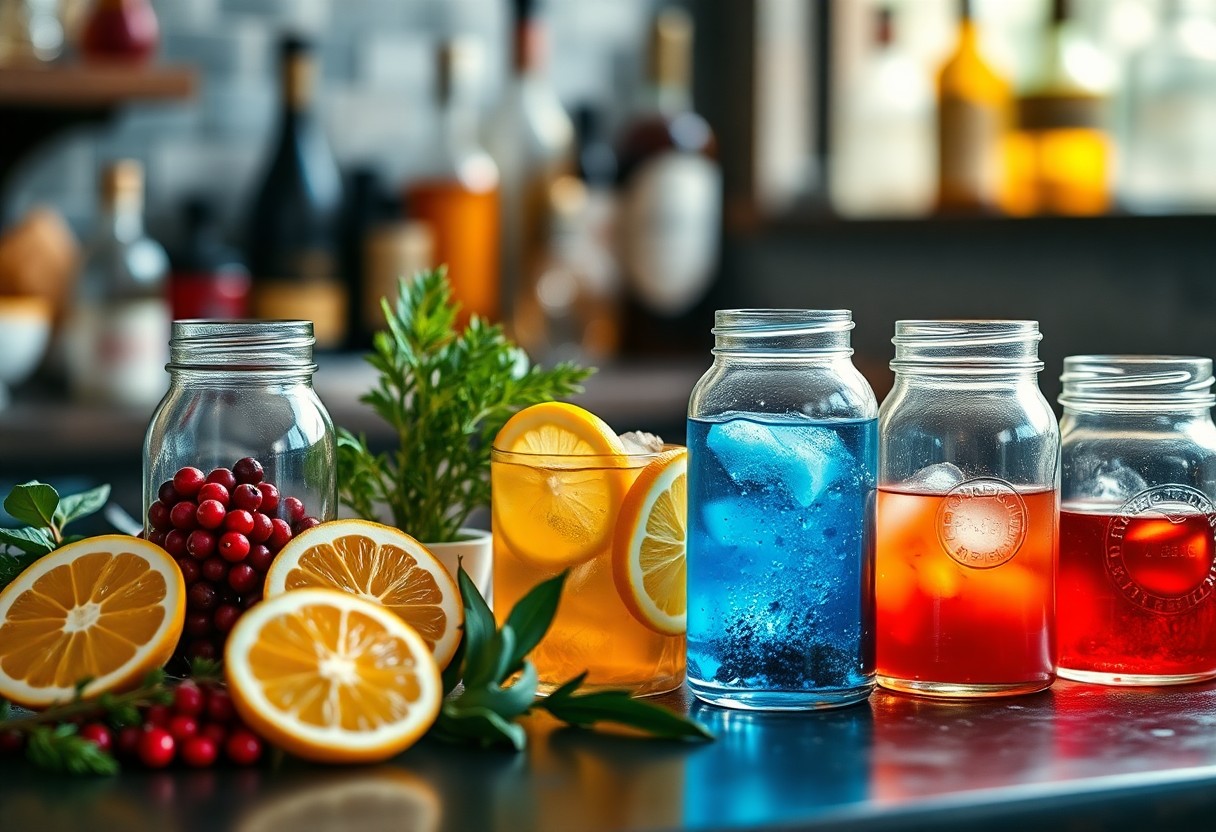
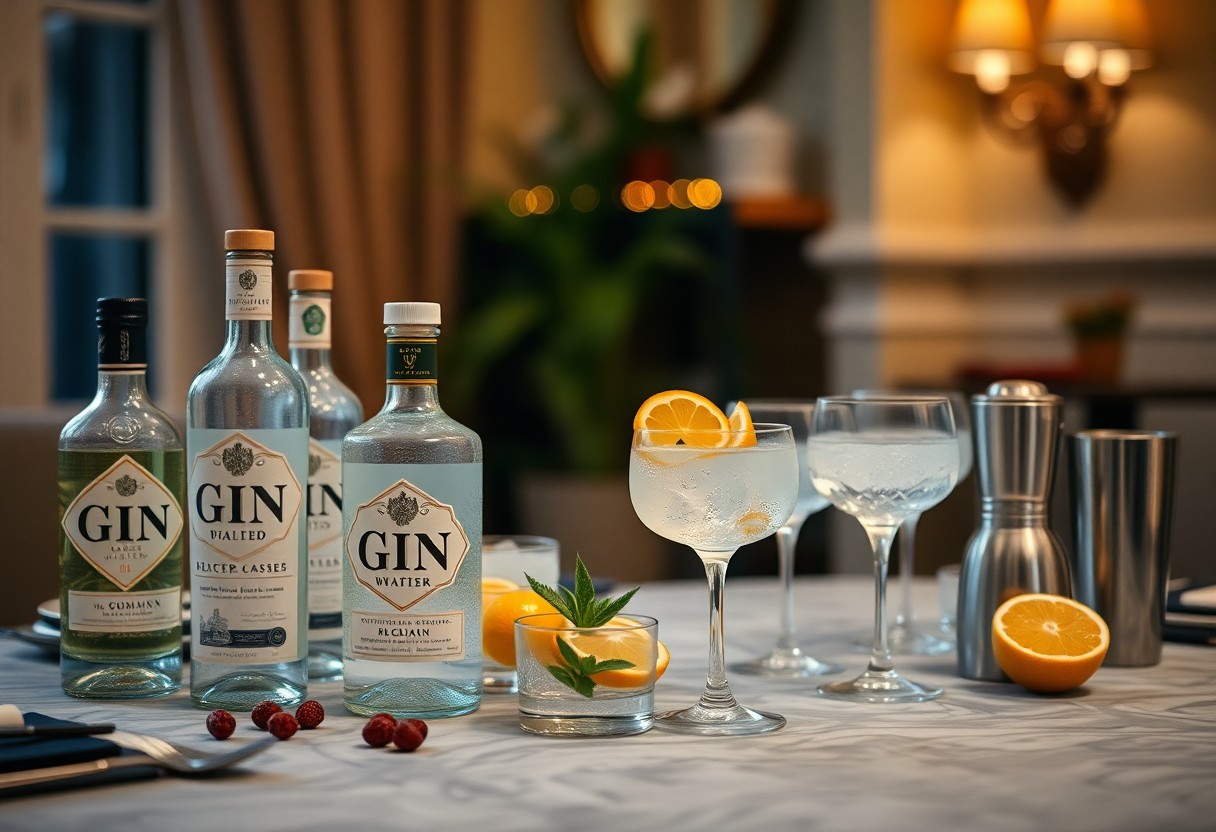
  • Refreshing How-To – Craft Exquisite Gin Recipes For Summer Sipping!

    Refreshing How-To – Craft Exquisite Gin Recipes For Summer Sipping!

    This guide will elevate your summer gatherings with refreshing gin concoctions that are sure to impress your guests. You’ll discover a variety of exquisite recipes featuring fresh ingredients and vibrant flavors that capture the essence of sunshine. From classic cocktails to innovative blends, you’ll learn how to make each drink not only a delight to taste but a feast for the eyes as well. Get ready to shake up your summer with these delightful gin recipes that are perfect for any occasion!

    How-to Choose the Right Ingredients

    Before you begin crafting your exquisite gin recipes for refreshing summer sipping, it’s imperative to select high-quality ingredients. The right ingredients will elevate your cocktails, making a noticeable difference in flavor and overall enjoyment. Focus on sourcing premium gin, fresh botanicals, and quality mixers to ensure a delightful sipping experience.

    Selecting Quality Gin

    One of the primary components of your drink is the gin. Look for artisanal brands that use natural botanicals, as these will provide depth and clarity to your cocktails. Explore various types such as London Dry or Old Tom to discover which flavor profiles resonate with your taste palates.

    Choosing Fresh Botanicals and Mixers

    Clearly, the mixers and botanicals you select play a vital role in the finished drink. Opt for fresh herbs, fruits, and spices that complement the gin’s flavor to create a harmonious blend.

    With fresh botanicals, you can experiment with a range of flavors, from zesty citrus to fragrant herbs. Fresh ingredients not only enhance the taste but also improve the aroma of your cocktails. Seek out seasonal produce at farmers’ markets or reputable grocery stores, ensuring that your arrangements reflect the vibrant essence of summer while delivering a tantalizing sensation with each sip.

    Tips for Flavor Pairing

    Assuming you want to elevate your gin cocktails, consider these expert flavor pairing tips to enhance your summer sipping experience:

    • Balance botanicals with fresh herbs, like rosemary or basil.
    • Introduce citrus notes from lemons, limes, or grapefruit to brighten the palate.
    • Incorporate spices such as cardamom or lemongrass for an aromatic twist.
    • Explore fruit flavors with berries, stone fruits, or melon for natural sweetness.

    This approach will ensure your gin creations are both refreshing and memorable.

    Complementary Flavors

    Assuming you want to create a harmonious drink, focus on complementary flavors that work well together. For instance, pairing your gin with tonic water infused with cucumber brings a crisp element, while muddling in fresh mint creates an aromatic harmony. Further enhancing your concoction with spices like black pepper or ginger can add depth and complexity, enriching your overall tasting experience.

    Seasonal Ingredients

    While exploring flavor combinations, consider using seasonal ingredients that resonate with the time of year. Fresh fruits and herbs that are available locally not only elevate your drink but also reflect the flavors of summer.

    Seasonal ingredients can transform your gin cocktails into vibrant, refreshing experiences. Use sun-ripened strawberries in late spring or juicy peaches in summer, inviting natural sweetness and aroma into your drinks. Sourcing locally grown herbs like mint or basil will bolster your cocktails with freshness and vibrancy, creating a connection to the season and making your summer sipping truly exquisite.

    How-to Craft Classic Gin Cocktails

    There’s something timeless about classic gin cocktails that makes them perfect for any summer gathering. Whether you’re a seasoned mixologist or a beginner, crafting these exquisite drinks can elevate your sipping experience. From the iconic Gin and Tonic to the refreshing Gin Fizz, you can impress your friends with your knowledge and skills while enjoying the delightful flavors of gin this summer.

    The Perfect Gin and Tonic

    Tonic water is the secret ingredient that transforms good gin into a fantastic Gin and Tonic. To create your perfect version, start with a high-quality gin and pair it with fresh tonic water. Add plenty of ice to a glass, pour in your gin, and top it with tonic before garnishing with a slice of lime or cucumber. This simple yet refreshing drink is sure to be a crowd-pleaser.

    Refreshing Gin Fizz Recipe

    Assuming you want to impress your guests with something light and bubbly, the Gin Fizz is an ideal choice. This cocktail blends gin, fresh lemon juice, simple syrup, and soda water for a refreshing drink that’s perfect for summer gatherings. It’s easy to make, and with a delightful fizz, it offers a lively alternative to heavier cocktails.

    Craft your Gin Fizz by first shaking together gin, freshly squeezed lemon juice, and simple syrup in a shaker with ice. Once well combined, strain the mixture into a glass filled with ice and top it off with soda water. For an extra touch, you can garnish with a lemon slice or a sprig of mint. This zesty and effervescent cocktail will quench your thirst and leave you feeling revitalized.

    Tips for Garnishing Your Cocktails

    Now, elevating your cocktails with the perfect garnish can enhance both visual appeal and flavor. Consider these simple yet effective tips:

    • Choose vibrant colors to make your drinks pop.
    • Use seasonal ingredients for a fresh taste.
    • Keep garnishes simple to avoid overpowering the cocktail.
    • Experiment with various textures, from crunchy to smooth.

    The right garnish transforms your cocktail into a work of art.

    Using Fresh Herbs and Fruits

    Tips for incorporating fresh herbs and fruits into your cocktails include selecting ingredients that complement your gin’s botanical profile. Fresh mint, basil, and rosemary can enhance flavors, while citrus fruits add brightness. Don’t be afraid to muddle herbs to release their important oils, and consider using fruit slices, zests, or even edible flowers for an aromatic touch.

    Creative Presentation Ideas

    Creative ways to present your cocktails can leave a lasting impression on your guests.

    Another effective technique is to use unusual glassware or decorative ice cubes with embedded herbs or fruits. Serve your cocktails on wooden boards or slate tiles, and try adding edible decorations or using twine and cloth to create rustic charm. Layering colors or textures in cocktails not only adds visual interest but can also link with the flavors you want to highlight, making for an unforgettable sipping experience.

    How-to Infuse Your Gin

    Unlike other spirits, gin’s versatile flavor profile makes it an ideal candidate for infusion. By incorporating fresh ingredients, you can enhance your gin and tailor it to your taste. Infusing is a simple, enjoyable process that elevates your summer sipping experience, transforming ordinary gin into a personalized creation that reflects your style and preferences.

    Step-by-Step Infusion Process

    Step Action
    1 Choose your botanicals or fruits.
    2 Add them to your gin in a clean jar.
    3 Seal the jar and let it sit for 3-7 days.
    4 Taste daily and strain when desired intensity is reached.
    5 Store your infused gin in a bottle.

    Recommended Infusion Combinations

    Process your infusions using a mix of fruits, herbs, and spices to enhance your gin. Popular combinations include refreshing cucumber and mint, zesty citrus with rosemary, or berries with black pepper. Feel free to experiment with flavors that inspire you; the possibilities are endless, and your creativity is the limit.

    Plus, you can also explore unique ingredients like lavender for a floral twist, or jalapeños for a spicy kick. Combining flavors creates a delightful balance, so don’t hesitate to test out unconventional pairings. By discovering what works for you, you’ll develop your signature gin infusion that impresses friends and family alike.

    Factors to Consider for Outdoor Sipping

    All outdoor sipping experiences can be enhanced by a few important factors. Consider the following points to ensure your gin recipes shine in the summer heat:

    • Location and setting
    • Type of glasses used
    • Accompaniments and garnishes
    • Noise and crowd level

    Any adjustments you make can transform your sipping session into a delightful occasion.

    Temperature and Refreshment

    Factors that contribute to refreshment on a warm day include your choice of ingredients and serving methods. Here’s a quick summary:

    Ingredient Type Impact on Refreshment
    Citrus Fruits Adds a zesty, invigorating flavor
    Herbs Provides a cooling and aromatic experience
    Chilled Mixers Enhances overall refreshment

    Serving Suggestions for Warm Weather

    Sipping exceptional gin drinks in warm weather is all about your presentation and accompaniments. Focus on serving your cocktails over ice to keep them chilled longer, and consider using large format ice cubes, which melt slower than standard ice, maintaining that refreshing taste. Fresh garnishes like mint, cucumber, or a splash of tonic can elevate your drinks while adding a visual appeal that’s perfect for sunny days.

    Weather plays a significant role in your outdoor sipping experience. Elevate your cocktails by using light and effervescent ingredients, ensuring that each sip feels refreshing. Additionally, consider serving your drinks with light appetizers, which not only complements the gin but also keeps the atmosphere enjoyable. By pairing your creations thoughtfully, you’ll create a memorable gathering under the summer sun.

    Conclusion

    From above, you’ve explored various exquisite gin recipes that will elevate your summer sipping experience. By experimenting with fresh ingredients and unique flavor combinations, you can craft refreshing cocktails that not only please your palate but also impress your guests. As the warm weather beckons, take the opportunity to showcase your mixology skills and enjoy delightful drinks that capture the essence of summer. Cheers to your new favorite gin creations!

  • Creative How-To – Mix Unique Gin Recipes That Impress Your Guests!

    Creative How-To – Mix Unique Gin Recipes That Impress Your Guests!

    Most gin lovers appreciate the sophistication that comes with crafting a unique cocktail. In this guide, you will discover how to elevate your bartending skills with creative gin recipes that will not only tantalize your taste buds but also impress your guests. From refreshing infusions to unexpected flavor combinations, you’ll learn step-by-step techniques to create delightful gin drinks that stand out at any gathering. Get ready to shake, stir, and sip your way to becoming the host with the most!

    Understanding Gin

    As a versatile spirit, gin offers a unique base for crafting memorable cocktails. Originating from juniper berries, its distinct flavor can be enhanced with various botanicals, making it a favorite among mixologists. Appreciating the intricacies of gin will help you create drinks that not only impress your guests but also elevate your home bartending skills.

    Types of Gin

    • London Dry Gin
    • Old Tom Gin
    • Plymouth Gin
    • New Western Gin
    • Sloe Gin

    Any of these types can serve as a foundation for your unique gin recipes.

    Type of Gin Characteristics
    London Dry Savory with a strong juniper flavor
    Old Tom Slightly sweeter, with a smooth finish
    Plymouth Earthy and robust with less juniper
    New Western Focuses on other botanicals, less juniper
    Sloe Made from sloe berries, sweet and fruity

    Flavor Profiles

    If you’re keen on experimenting with gin, it’s necessary to understand the various flavor profiles. Each type of gin showcases different botanicals that contribute to its taste, aroma, and overall experience. Knowing how these flavors interact will allow you to create well-balanced cocktails that your guests will love.

    Another aspect to explore is how different mixers and garnishes can enhance those flavor profiles. For example, pairing a botanical-rich gin with a citrus tonic or a fresh herb can elevate your cocktail to new heights. By experimenting with various combinations, you’ll discover the ideal balance that results in a truly unique and delightful drinking experience.

    How to Choose the Right Ingredients

    Clearly, selecting the ideal ingredients is important for crafting gin cocktails that wow your guests. Start by considering the flavors you want to emphasize and the botanicals that will complement your gin. Mixing well-balanced ingredients, including fresh fruits, herbs, and spices, can elevate your drink from ordinary to extraordinary. By exploring diverse combinations, you can create distinctive cocktails that reflect your unique taste and impress your friends.

    Selecting the Perfect Botanicals

    Clearly, the right botanicals can transform your gin cocktail into a sensational experience. Focus on fresh, high-quality ingredients that harmonize with the gin base, while considering various flavors such as citrus, floral notes, or spices. Experimenting with unconventional botanicals can also add a delightful twist to your recipes, providing your guests with a memorable taste adventure.

    The Importance of Quality Spirits

    For outstanding gin cocktails, the quality of your spirits plays a significant role. Using premium gin ensures that the foundation of your drink is both flavorful and aromatic. High-quality spirits enhance the overall taste and can elevate even the most straightforward recipes into remarkable creations, allowing you to showcase your mixing skills with confidence.

    Perfect quality spirits bring out the best in your cocktails, enriching your flavors and aromas. The difference between a mediocre drink and an exceptional one often lies in the spirit’s character. Investing in higher-quality gin not only enhances the taste but also provides a smoother drinking experience, making your cocktails truly enjoyable. Ultimately, opting for well-crafted spirits sets the stage for a memorable gathering as your guests indulge in the delightful concoctions you’ve created.

    Tips for Mixing Unique Gin Recipes

    You can elevate your gin cocktails with a few simple tips. Start with quality ingredients, experiment with botanicals, and don’t shy away from unusual pairings. Here are some ideas:

    • Choose a variety of gin types to discover different flavor profiles.
    • Try fresh herbs, fruits, and spices as mixers.
    • Adjust the acidity with citrus to balance flavors.
    • Incorporate bitters for complexity.

    Any effort to innovate will surely impress your guests!

    Experimenting with Flavors

    With each pour, the world of gin opens up numerous avenues for creative exploration. Don’t hesitate to mix and match floral, herbal, or fruity ingredients with your gin of choice. Consider using fresh ingredients like cucumber, basil, or berries to amplify your cocktails. The key is to taste as you go and find the perfect balance that suits your palate!

    Presentation Techniques

    Mixing your cocktails isn’t just about flavor; presentation plays a significant role in the overall experience. Bright garnishes, stylish glassware, and creative ice shapes can enhance the look of your drinks, making them more appealing. Additionally, consider layering colors for visual impact or using themed decorations that resonate with the mood of your gathering.

    It’s also beneficial to think about your serving style. You may want to add unique touches, such as edible flowers, flavored ice cubes, or personalized cocktail stirrers. These little details can elevate the drinking experience, creating a memorable event for your guests. Filming a quick video of the preparation or offering interactive mixing stations can further engage your attendees, making your gathering truly unforgettable.

    The Art of Garnishing

    For a truly memorable gin experience, mastering the art of garnishing is vital. A well-chosen garnish can elevate the aroma and flavor profile of your drink while adding a touch of elegance to your presentation. Think creatively when selecting your garnishes; vibrant herbs, zesty citrus peels, or even exotic fruits can all enhance your unique gin recipes, impressing your guests and making your cocktails stand out.

    Complementing the Drink

    Drink garnishes should harmonize with your gin’s botanical flavors, enhancing the overall tasting experience. For example, if you’re using a herbal gin, consider garnishing with fresh rosemary or thyme, while a citrus-infused gin pairs wonderfully with lemon or grapefruit zest. By thoughtfully choosing garnishes that complement your drink, you create a cohesive and delightful flavor journey that will excite your palate.

    Visual Appeal

    Assuming you want your cocktails to look as stunning as they taste, focus on the visual appeal of your garnishes. An aesthetically pleasing drink can set the mood for your gathering, enticing your guests before they even take a sip. Use colorful and varied garnishes to create layers, dimension, and vibrancy in each cocktail.

    The visual presentation of your cocktails can be a game changer. Incorporate elements like edible flowers, colorful fruit slices, or eye-catching herb sprigs to create a feast for the eyes. Consider using different glassware and even unique serving trays to elevate the look of your drinks. A little creativity in garnish placement can transform a simple cocktail into a true work of art, leaving a lasting impression on your guests.

    How to Impress Your Guests

    To really impress your guests, create an inviting atmosphere that complements your unique gin offerings. Elegant glassware, creative garnish presentations, and a curated playlist can elevate their experience. Consider lemon or cucumber twists for added flair. Additionally, engaging with your guests and inviting them to share their thoughts on the cocktails makes for a more personal touch, ensuring they feel valued and included.

    Crafting a Signature Cocktail

    You can create a signature cocktail that stands out by infusing gin with unique ingredients such as herbal syrups, specialty bitters, or seasonal fruits. Experiment with flavor pairings to develop a drink that embodies your style. This not only surprises and delights your guests but also serves as a memorable reflection of your creativity.

    Hosting Tips for a Memorable Experience

    An enjoyable atmosphere fosters connection and makes any gathering memorable. Focus on these tips to elevate your hosting game:

    • Prepare a cocktail menu in advance for easy selection.
    • Create a designated cocktail-making station for interactive fun.
    • Offer a variety of snacks that pair well with your gin selections.

    Recognizing the charm of your hosting skills can turn an ordinary evening into an extraordinary experience, making your guests feel truly special.

    Your attention to detail can enhance your guests’ overall experience. Ensure you utilize fresh ingredients and quality mixers to elevate each drink. Additionally, consider offering a brief explanation of your signature cocktail’s inspiration and components, adding an educational element to the enjoyment. Lastly, engaging in lively conversation keeps the atmosphere relaxed and enjoyable.

    • Set the mood with appropriate decor that reflects your theme.
    • Plan activities or games that invite interaction among guests.
    • Have a backup drink option for non-gin enthusiasts.

    Recognizing the importance of a well-thought-out approach can result in a gathering that you and your guests will fondly reminisce about for years to come.

    Factors to Consider When Creating Your Recipe

    Many aspects can influence your unique gin recipe, ensuring it stands out and delights your guests. Keep these factors in mind:

    • Flavor profile of your gin
    • Complementary mixers and garnishes
    • Serving temperature and presentation
    • Quantity and quality of ingredients

    After considering these elements, you’ll be well-equipped to craft an impressive gin cocktail.

    Balancing Flavors

    You want to create a harmonious blend of flavors in your gin recipe. Begin by identifying the dominant flavor notes in your gin and seek to complement them with mixers and garnishes that enhance without overwhelming. Experiment with different ratios, always tasting along the way, to find the perfect balance that will excite your palate and impress your guests.

    Seasonal Ingredients

    With a focus on seasonal ingredients, you can elevate your gin cocktails to new heights. Using fruits, herbs, and spices that are at their peak not only enhances the flavor but also creates a visually appealing drink that celebrates the season.

    Consider incorporating fresh strawberries in summer or spiced apples in fall. Seasonal ingredients add unique twists and freshness to your cocktails, making them more vibrant and appealing. They also allow you to explore various flavor combinations, ensuring that your gin recipes reflect the best of what nature has to offer throughout the year.

    Conclusion

    On the whole, mixing unique gin recipes can elevate your gatherings and impress your guests with delightful flavors and presentations. By experimenting with various ingredients, garnishes, and techniques, you can create signature cocktails that showcase your creativity and flair for mixology. Whether it’s a classic twist or an innovative blend, the right gin concoction will undoubtedly enhance the experience and leave a lasting impression. Embrace your inner mixologist and elevate your hosting game with these imaginative gin recipes!

  • Elegant How-To – Discover Sophisticated Gin Recipes For Fine Dining!

    Elegant How-To – Discover Sophisticated Gin Recipes For Fine Dining!

    Gin has become a staple in the world of fine dining, offering a unique blend of botanicals that can elevate your culinary experience. You can impress your guests and refine your home bar by learning how to craft elegant gin cocktails that highlight its complexity. In this guide, you will discover sophisticated gin recipes that not only tantalize the palate but also complement gourmet dishes, making your dining experience truly unforgettable. Let’s launch on this journey to transform your gatherings into memorable occasions with these exquisite libations.

    How-To Choose the Right Gin

    Your selection of gin can elevate your fine dining experience. The right gin adds depth to cocktails, complementing the nuances of your carefully curated meals. With a myriad of varieties available, understanding what sets each gin apart will help you make a sophisticated choice that aligns perfectly with your culinary delights.

    Understanding Gin Varieties

    How to appreciate gin begins with recognizing its diverse types, such as London Dry, Old Tom, and Plymouth. Each has distinctive characteristics and production methods, influencing their flavor and aroma. Exploring these styles will significantly enhance your cocktail-making skills and your overall enjoyment of gin.

    Flavor Profiles and Pairing Tips

    Choose your gin based on its flavor profile to harmonize with your dining experience. Consider the following aspects:

    • Botanicals – various herbs and spices impact the taste.
    • Juniper presence – some gins are more pine-forward.
    • Sweetness – balance herbal notes with sweetness for contrast.
    • Alcohol content – higher proof can intensify flavors.

    Recognizing these elements can help you identify which gin pairs seamlessly with your gastronomic creations.

    Understanding the key flavor profiles of different gins can guide your pairing decisions. For instance, a floral gin complements light seafood dishes, while spicier gins work wonderfully with rich meats. Consider the following pairings:

    • Citrus-forward gins with fresh salads.
    • Herbaceous gins alongside grilled vegetables.
    • Spicy gins for savory charcuterie boards.
    • Sweet gins to elevate dessert courses.

    Recognizing these combinations will ensure your gin selection enriches the dining experience.

    How-To Craft Sophisticated Gin Cocktails

    Some of the finest dining experiences begin with expertly crafted gin cocktails that elevate your palate. By selecting quality ingredients and following precise techniques, you can impress your guests and yourself. Sophisticated gin cocktails are not just beverages; they are a celebration of flavors that highlight the versatility of gin. In this guide, you will discover how to elevate your bartending skills and create delightful libations that are perfect for any elegant occasion.

    Essential Ingredients

    While crafting sophisticated gin cocktails, the choice of ingredients plays a pivotal role in achieving a refined flavor profile. Essential components include a high-quality gin, fresh herbs, premium mixers like tonic water or vermouth, and seasonal fruits. Additionally, garnishes such as citrus peels, berries, or edible flowers can add visual appeal and enhance aroma, making your cocktails not just tasty but also visually enticing.

    Step-by-Step Recipe Guide

    Assuming you have gathered your ingredients, follow this detailed guide to craft your signature gin cocktail:

    Steps to Create Your Gin Cocktail

    Step 1 Choose your favorite gin and glassware.
    Step 2 Add ice to chill your glass.
    Step 3 Measure and pour the gin.
    Step 4 Add mixers and stir gently.
    Step 5 Garnish and serve with style.

    It’s beneficial to take your time when following the recipe guide. Precision in measuring your ingredients ensures balance, while the stirring technique makes a difference in texture and mouthfeel. Experimenting with various mixers and garnishes will help you discover unique combinations that suit your taste preferences. Over time, you’ll develop your own signature gin cocktails that reflect your style and sophistication, impressing every guest at your gathering.

    Tips for Garnishing and Presentation

    One effective way to elevate your gin cocktails is through thoughtful garnishing and presentation. A well-styled drink not only looks appealing but also enhances the overall experience. Consider the following tips:

    • Use fresh herbs like rosemary or thyme for an aromatic touch.
    • Add colorful edible flowers for a pop of elegance.
    • Experiment with different citrus twists to brighten the flavor.
    • Choose complementary glassware that reflects your theme.
    • Utilize ice cubes embedded with fruit or lemon zest for added flair.

    Any effort you put into presentation will surely impress your guests.

    Elegant Garnishes that Enhance Flavor

    That simple addition of a garnish can significantly impact the taste and aesthetic of your cocktails. Opt for ingredients that not only look good but also harmonize with the gin’s botanicals. For instance, pairing a cucumber ribbon with a floral gin brings freshness, while a sprig of basil can enhance herbal notes. Seasonal fruits like pomegranate or blood orange can add both beauty and a layer of complexity to your drink, transforming it into a tantalizing masterpiece.

    Glassware Selection for Fine Dining

    If you want to achieve an elevated fine dining experience, your choice of glassware matters. The right glass not only complements the drink but also influences the aroma and taste profile. Opt for elegant stemware for gin martinis, while highball glasses work beautifully for refreshing gin and tonic creations. Vintage crystal options exude sophistication, further enhancing the luxurious ambiance of your table setting.

    Presentation is key when serving your cocktails in the right glassware. Utilizing unique and stylish vessels can elevate your drink from ordinary to extraordinary, adding a touch of refinement. Consider the overall theme of your dining experience, and choose glassware that harmonizes with your culinary vision. Ultimately, the perfect glass will not only enhance the visual appeal but also allow your guests to fully enjoy the delightful aromas and flavors of your meticulously crafted gin cocktails.

    How-To Create a Unique Gin Tasting Experience

    Many enthusiasts seek to elevate their gin tasting events, transforming them into memorable gatherings. Start by curating a selection of diverse gins that represent various styles and origins. Include unique tonics, garnishes, and even flavored ice cubes to enhance the tasting notes and allow your guests to savor each sip. Don’t forget to provide tasting notes, as they will enrich the overall experience and spark engaging conversations among your guests.

    Setting the Scene

    The ambiance is important for a successful gin tasting. Create a warm and inviting atmosphere with soft lighting and comfortable seating. Incorporate tasteful decorations, which may include botanical elements, as they reflect the spirit’s herbal notes. Ensure your tasting station is organized, presenting a visually pleasing assortment of gin bottles, tonics, and garnishes, enticing your guests’ curiosity before they even take their first sip.

    Engaging Guests with Gin Pairings

    With thoughtful gin pairings, you can elevate the tasting experience even further. Select small bites that complement the distinctive flavors of your chosen gins, such as cured meats, artisanal cheeses, or fresh fruits. This approach allows guests to explore the harmony between the spirit’s notes and the food, forging connections that stimulate their palate and enhance discussion.

    Engaging your guests in the gin pairing process adds an interactive element to your tasting. Encourage them to experiment with different combinations, sharing their discoveries and preferences with one another. You can facilitate the conversation by offering suggestions or creating a quiz to help guests identify which bite enhances their chosen gin best. This shared exploration not only entertains but also fosters a deeper appreciation for the intricate flavors in these exquisite spirits.

    Factors to Consider for Food Pairing

    Unlike standard spirits, gin’s complex botanical profile influences its ability to enhance food. When pairing your gin cocktails with dishes, consider the following factors:

    • Botanicals present in the gin
    • Flavor intensity of both food and drink
    • Serving temperature
    • Textural elements
    • Overall dining experience

    The right pairing can elevate your dining experience significantly.

    Matching Gin Cocktails with Cuisine

    Some cuisines pair harmoniously with specific gin cocktails, enhancing the overall taste experience. For instance, herbal gins can complement Mediterranean dishes, while floral or citrus notes can elevate Asian flavors. Take the time to explore how different ingredients interact to find the perfect match.

    Considering Seasonal Ingredients

    With each season, fresh, local ingredients offer unique flavors that can elevate your gin cocktails. Utilizing seasonal produce ensures that your drinks stay vibrant and relevant, not only enhancing the cocktail’s profile but also supporting local agriculture.

    Cocktails created with seasonal ingredients allow you to celebrate the flavors of the moment. By incorporating fruits, herbs, and spices that are in abundance at the time, you can craft refreshing or warming drinks that align perfectly with seasonal dining themes. This approach not only enhances taste but also demonstrates a commitment to quality and sustainability in your cocktail creations.

    How-To Host a Gin-Themed Dinner Party

    Despite the myriad of gin options available today, hosting a gin-themed dinner party can be a delightful and sophisticated experience. By carefully curating your menu and selecting the right cocktails, you can create an unforgettable evening for your guests. Embrace the versatility of gin to infuse elegance and flair into your gathering, emphasizing both flavor and presentation for a truly refined affair.

    Planning the Menu

    An vital aspect of hosting a successful gin-themed dinner party is planning a menu that complements your chosen gin selections. Start by pairing specific gin styles with corresponding dishes—think citrus-forward gins with fresh seafood or herbaceous varieties with aromatic roasts. Enhanced by seasonal ingredients, your culinary offerings can elevate the entire experience, ensuring your guests will savor each course in concert with their drinks.

    Organizing the Event

    Clearly, organizing the event is just as significant as the culinary aspect to ensure everything runs seamlessly. You should choose a suitable date, send out stylish invitations, and plan logistics such as seating arrangements and tableware that reflect your theme. A well-structured timeline for the evening can help maintain an enjoyable pace and allows your guests to indulge fully in each dish and cocktail pairings.

    To streamline the organization process, create a checklist that outlines your preparations leading up to the dinner party. Allocate time for menu prep, cocktail mixing, and setting the table for presentation. Consider incorporating interactive elements, such as a gin tasting station or DIY cocktail creation, to engage your guests more actively. By keeping a well-thought-out plan, you’ll ensure your gin-themed dinner party is executed flawlessly, allowing you to enjoy the evening just as much as your guests will.

    Summing Up

    From above, you can appreciate the art of crafting sophisticated gin recipes that elevate your fine dining experiences. By exploring unique flavor combinations and mastering techniques, you can create cocktails that not only complement your meals but also impress your guests. Embrace the elegance of gin in your culinary repertoire, and let your creativity shine as you transform simple ingredients into extraordinary beverages. With a bit of practice and experimentation, your gin cocktails will become a highlight of your dining occasions.