Category: Spirits

  • What Distinctive Terroirs Influence The Flavors Of Gin Across The Globe?

    What Distinctive Terroirs Influence The Flavors Of Gin Across The Globe?

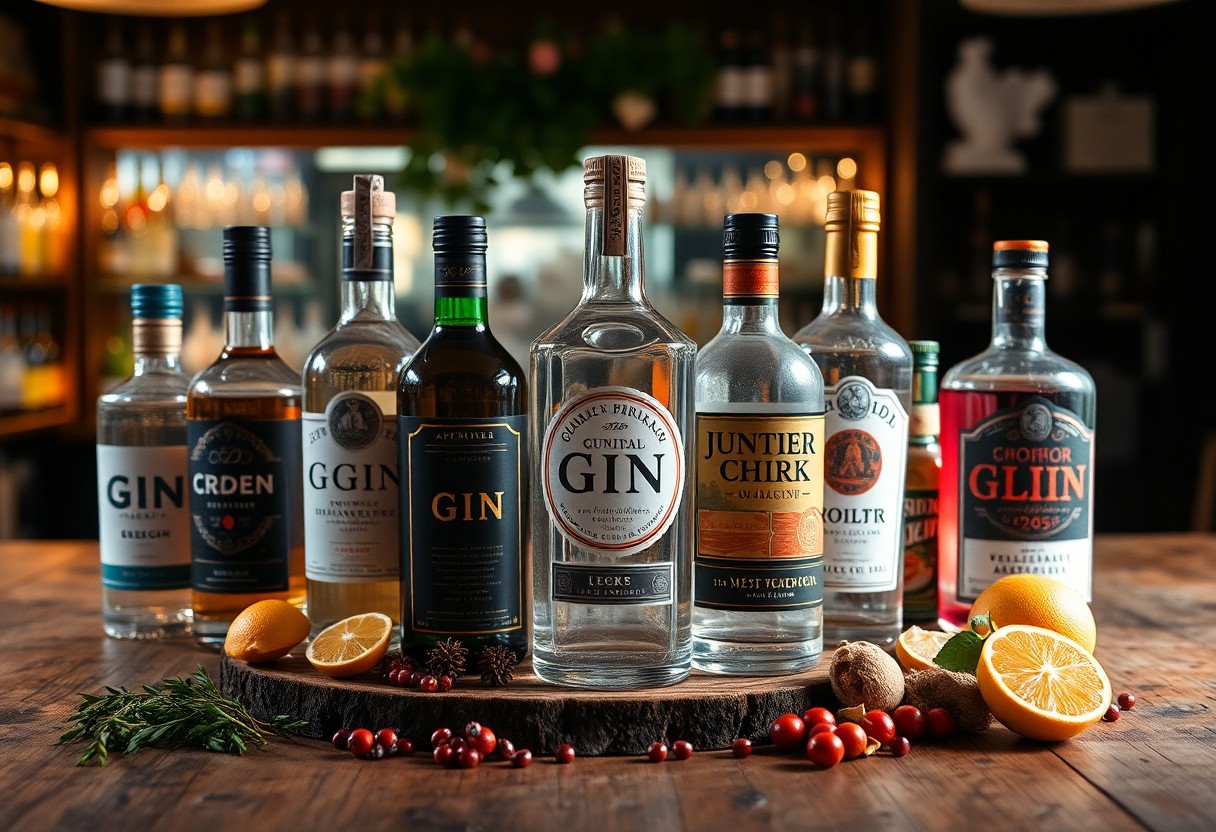
    You might be surprised to learn that the flavors of gin are significantly shaped by its terroir, the unique environmental conditions of its production area. From the aromatic botanicals of the English countryside to the zesty citrus notes of Mediterranean gins, various regions contribute distinct tastes that reflect their local climate, soil, and traditions. In this post, you will explore how these diverse terroirs influence the complex profiles of gins around the world, enriching your appreciation of this versatile spirit as you sip your next cocktail.

    Understanding Terroir in Spirits

    To fully appreciate the diverse flavors in gin, it’s vital to understand the concept of terroir—how the unique climate, soil, traditions, and practices of a specific location influence the quality and character of spirits. Just as terroir defines the taste of wine, it plays a significant role in shaping the aromas and flavors found in gin, bringing life to each bottle with its distinctive regional essence.

    Definition of Terroir

    Along with the ingredients themselves, terroir encompasses the environmental factors that affect the growth of botanicals and the overall production process. This interplay highlights how aspects like geography, climate, and local craftsmanship contribute to the final product’s flavor profile, giving each gin a sense of place.

    Historical Context of Terroir in Alcohol

    Above all, the appreciation of terroir isn’t a modern concept; it has deep historical roots in the production of alcoholic beverages across the globe. From ancient civilizations recognizing the distinct flavors of their locally sourced ingredients to the emergence of iconic spirits tied to specific regions, the notion of terroir has evolved, shaping how you perceive and enjoy your drinks today.

    Terroir influences not only the taste but also the tradition and identity of spirits. Regions like Scotland are famed for their whisky, while France has made a name for its brandies, with both benefiting from specific environmental conditions that enhance their individuality. The historical significance of terroir is a narrative woven through the ages, reflecting the relationship between land, local culture, and craftsmanship in your favorite alcoholic beverages.

    Botanical Influences on Gin Flavor

    It is the diverse range of botanicals that profoundly shapes the flavor profile of gin, allowing for a vast array of tastes and aromas. These botanicals, which can include everything from herbs, spices, and roots to fruits and flowers, are often sourced from the regions where the gin is produced. Each location offers unique environmental factors that contribute to the distinct characteristics found in each bottle, making every gin a reflection of its origin.

    Common Botanicals and Their Regions

    Between the juniper berries that dominate gins from Italy to the coriander seeds commonly used in London Dry gins, there is a noticeable pattern in how specific botanicals are associated with certain regions. Ingredients like angelica root and citrus peels also play significant roles, each lending their unique properties that enhance the overall spirit. These regional choices impact not just flavor, but also the cultural connection you experience with the gin.

    Unique Local Botanicals and Their Impact

    Against the backdrop of common botanicals, unique local ingredients further elevate gin’s flavor, offering captivating experiences through their distinctiveness. Each region may showcase botanicals exclusive to its ecosystem, leading to vibrant variations while emphasizing local heritage. For example, gins made in South Africa often incorporate fynbos plants like buchu, imparting aromatic notes that speak to the land’s unique botanical bounty.

    In addition, local botanicals do more than just add flavor; they tell a story of place and culture, connecting you to the land where the gin is crafted. By incorporating native ingredients, distillers celebrate their local ecosystems while allowing you to experience a sense of belonging and authenticity in every sip. This connection elevates your appreciation for the gin, as you explore the intricate tapestry of flavors shaped by geography, climate, and tradition.

    Water Source and Its Effects

    Now, you may not realize it, but the water source used in gin production can significantly impact the spirit’s flavor profile. Different regions offer distinct mineral compositions, which can enhance or alter the taste of the botanicals in your gin. From soft, pure spring water to hard, mineral-rich sources, the characteristics of the water can shape the overall drinking experience, making it a key component in the art of gin distillation.

    The Role of Water Quality in Distillation

    One of the most important aspects of distillation is the quality of the water you use. High-quality water can elevate the subtleties of your botanicals and provide a clean base for your gin. Water with unwanted impurities can lead to off-flavors that mask the nuances intended by the distiller, impacting your final product dramatically.

    Notable Water Sources for Distilleries

    By exploring various regions, you’ll find that many distilleries pride themselves on using exceptional local water sources. These sources often become synonymous with their brands, adding an extra layer of authenticity to the gin you enjoy, enhancing not just the flavor, but the story behind it.

    To give you a better understanding, consider the famous Lake Geneva in Switzerland, which supplies soft, mineral-rich water to several renowned distilleries. Similarly, Scotland’s soft moorland water is praised for its purity and has been a key element in some of the finest spirits. The limestone-rich aquifers found in places like the United States and Ireland add unique characteristics that help to define the gin produced in those regions. As you sip your gin, take a moment to appreciate the journey of the water that shaped its distinct flavor profile.

    Climate and Its Role in Terroir

    Keep in mind that climate significantly shapes the terroir of gin, as it impacts not just the botanicals used, but also the overall character of the spirit. Regions with varying temperatures, humidity, and sunlight create unique growing conditions for the botanicals, resulting in distinct flavor profiles. Each climate contributes its own essence, allowing you to discover a diverse range of gins that reflect the environment in which they are produced.

    Seasonal Variations and Botanical Growth

    Role of seasonal variations is vital in determining the optimal growth periods for botanicals used in gin production. Different seasons provide varying amounts of sunlight and rainfall, impacting the flavor concentration in the herbs and spices. For instance, a mild spring can enhance aromatic properties, allowing you to experience complex layers of flavor in your gin that are distinctly tied to the climate of that particular region.

    How Climate Affects Distilling Practices

    On the other hand, climate also influences how distillers approach their craft, impacting everything from fermentation to distillation techniques. Different temperatures can change the rate of fermentation, while humidity may affect how spirits are aged and mingled. Understanding these factors enables you to better appreciate the nuances of each gin, as distillers often adapt their methods to accommodate local climate conditions and ensure the final product embodies the true essence of its terroir.

    With fluctuating climatic conditions, distillers need to be highly adaptable in their practices. For example, if a region experiences a particularly hot summer, it might necessitate adjustments in the distillation temperature or timing to ensure optimal extraction of flavors from the botanicals. Similarly, high humidity levels can lead to increased evaporation rates during aging, enriching the remaining spirit without compromising its quality. These adaptations are crucial for capturing the unique terroir and translating it into a bottle that offers a genuine taste of the environment from which it originated.

    Regional Distilling Techniques

    For gin enthusiasts, understanding the diverse regional distilling techniques is important, as they play a significant role in shaping the spirit’s unique character. Each area’s traditions and methods reflect local culture and resources, resulting in distinctive flavors and aromas. Exploring these varied techniques allows you to appreciate the nuances and craftsmanship behind the gin you enjoy, from artisanal to large-scale productions.

    Traditional Distilling Methods

    Distilling gin traditionally involves pot stills, where juniper berries and other botanicals are carefully combined to extract their flavors. This age-old process emphasizes the art of slow distillation, allowing the distiller to control the temperature and intensity, which ultimately enhances the gin’s aromatic profile. As you sip a craft gin made through these methods, you can taste the dedication to quality and heritage in every sip.

    Innovations in Modern Gin Production

    Innovations in modern gin production have revolutionized the industry, employing advanced techniques that enhance flavor extraction and creativity. Distillers now utilize vacuum distillation, cold compounding, and the infusion of exotic botanicals, pushing the boundaries of traditional gin-making. This evolution allows you to explore a broader range of flavors, textures, and aromas that you might not experience in conventional gins.

    In addition, innovative approaches such as utilizing unique sources of water and experimenting with unconventional herbs and spices have paved the way for the creation of distinctive craft gins. As a gin enthusiast, you’re afforded the opportunity to discover flavors that reflect both the distiller’s vision and the terroir from which each ingredient originates. This modern wave of gin production has made it a vibrant and ever-evolving spirit to enjoy.

    Notable Gin Regions Around the World

    Not many spirits can boast the global popularity and versatility that gin enjoys today. Various regions contribute unique flavors and characteristics to gin, as they utilize local botanicals, water sources, and traditional distilling methods. From the juniper-rich hills of Europe to tropical landscapes in the Caribbean, you’ll find gins that reflect their origin while invoking a sense of place and craftsmanship. Understanding these notable gin-producing regions allows you to appreciate the diversity of this spirit as you explore its unique flavor profiles.

    London Dry Gin and Its Heritage

    Notable for its distinct style, London Dry Gin is considered the benchmark for gins worldwide. With a heritage steeped in tradition, it emerged in the 19th century and is characterized by its bold juniper flavor, balanced with a variety of botanicals. The meticulous distillation process adds to its purity, allowing each flavor to shine through. When you sip on a glass of London Dry Gin, you’re not just enjoying a drink; you’re experiencing 200 years of history and craftsmanship that make this gin style truly iconic.

    Craft Gin Movements in Other Countries

    An increasing number of countries are embracing the craft gin movement, allowing local producers to put their unique spin on this popular spirit. These artisanal distilleries often focus on local ingredients, using indigenous botanicals to create gins that reflect their region’s culture and environment. You’ll find flavors inspired by everything from native herbs to regional fruits, expanding your palate and understanding of gin beyond traditional styles.

    Regions around the globe are discovering their own gin identities, driven by passionate distillers who seek to innovate. Countries like Australia, Japan, and the United States now boast vibrant gin scenes, where botanical experimentation replaces strict adherence to traditional styles. You might find Japanese gins infused with delicate cherry blossoms or Australian varieties highlighting native bush spices. As you explore these craft gins, you’ll not only taste the unique flavors but also gain insight into the local customs and history that inspire them.

    Summing up

    Summing up, understanding the distinctive terroirs that influence gin’s flavors allows you to appreciate each spirit’s unique character. From the botanicals sourced in the lush English countryside to the exotic spices found in Asian distilleries, your palate can be exposed to a spectrum of tastes shaped by the land and climate. By exploring regional variations in gin, you not only enhance your tasting experience but also gain insight into the cultural heritage that each bottle encapsulates. Embrace this journey to deepen your appreciation of this versatile spirit.
  • Can The Quintessence Of Juniper Be Reimagined In Contemporary Gin Creations?

    Can The Quintessence Of Juniper Be Reimagined In Contemporary Gin Creations?

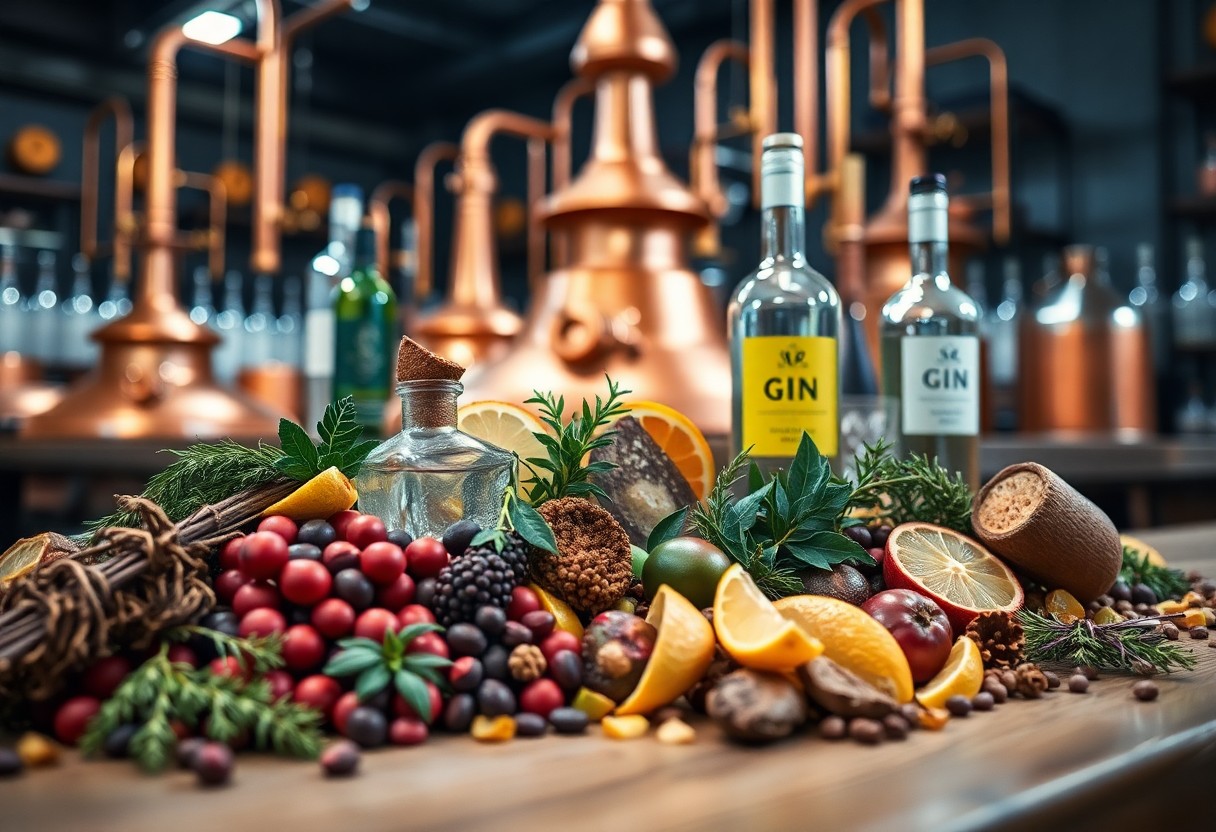
    There’s a fascinating dialogue brewing in the world of gin, where the traditional essence of juniper is being reinterpreted by contemporary distillers. As you explore this vibrant landscape, you may find that innovative techniques and unique botanicals can elevate your gin experience, placing a spotlight on juniper while welcoming new flavors. This blog post researchs into how these modern approaches challenge the classic profiles of gin, inviting you to rethink what you know about this beloved spirit and discover how it can be reshaped for today’s palate.

    Historical Significance of Juniper

    The historical significance of juniper dates back centuries, as it has been celebrated for its aromatic properties and medicinal uses. You’ll find its roots embedded in various ancient cultures, where juniper was revered not only for flavoring beverages but also for its role in spiritual practices. This evergreen berry serves as a bridge connecting the past to present-day culinary and distillation arts, providing a rich heritage for modern gin creations.

    Traditional Uses in Distillation

    About the traditional uses of juniper, it has long been associated with the art of distillation. You may be surprised to learn that its berries were the primary botanical used in the creation of gin, stemming from a European tradition that sought to capture its complex flavor profile. Juniper’s distinct notes contributed to flavoring spirits, paving the way for the diverse world of contemporary gin today.

    Cultural Associations and Symbolism

    By exploring cultural associations and symbolism, you uncover the deep-rooted connections that juniper holds in various societies. Often seen as a protective herb, juniper has been utilized in rituals to ward off negativity, bringing with it a sense of safety and reassurance. Its presence in folklore and traditional practices highlights its multifaceted significance and the ongoing allure it holds for gin enthusiasts.

    This symbolic essence is further evident in its use in various cultural festivities and healing traditions. You can find juniper employed in cleansing ceremonies, where it is burned to purify spaces, reflecting its longstanding status as a powerful agent of protection. As you examine deeper into the world of gin, understanding these cultural associations enriches your appreciation for juniper’s role not only as a flavoring ingredient but as a living symbol of tradition and community connection.

    The Role of Juniper in Gin

    You might be surprised to learn that juniper is the heart and soul of gin, providing its unmistakable character and anchor for various botanical flavors. This aromatic berry not only defines gin but also sets it apart from other spirits. The legal definition of gin mandates that juniper be the predominant ingredient, leading to diverse interpretations that cater to different palates. Understanding the role of juniper allows you to appreciate the complex landscape of flavors that modern distillers are creating in gin today.

    Flavor Profile and Distinct Characteristics

    Against the backdrop of its prominent pine notes, juniper offers a rich tapestry of flavors that can range from earthy to sweet, with hints of citrus, resin, and spice. This complexity allows for a versatile foundation in gin that can harmonize with other botanicals, making each expression unique. As you explore different gin varieties, you’ll notice how the juniper’s character influences the overall taste and aroma, inviting you to discover what resonates best with your palate.

    Juniper Varieties and Their Impact

    Impact on flavor profiles largely hinges on the type of juniper used in gin production. Each variety imparts distinct characteristics, contributing to the spirit’s overall complexity. From the sharp, zesty notes of common juniper to the mellower, sweeter profiles found in others, your choice of gin can transport you through a landscape of flavors based on these botanical selections.

    Juniper berries come in several varieties, each developing unique flavor profiles influenced by factors like region and climate. For example, Mediterranean juniper often delivers a sweeter and more aromatic taste, while the North American variant can impart a more piney and robust character. This variation allows distillers to craft gins that reflect their terroir, enabling you to experience a sense of place with each sip. When choosing your gin, taking the time to understand these differences can elevate your tasting experience, guiding you toward your favorite expressions.

    Contemporary Gin Trends

    Assuming you’re exploring the exciting world of gin today, you’ll notice a vibrant landscape where tradition meets innovation. With a growing appreciation for unique flavor profiles, contemporary gin is evolving, embracing not only the classic juniper but also a variety of exotic botanicals. This renaissance invites gin enthusiasts like you to discover new palate experiences that elevate this timeless spirit, allowing you to connect with its heritage in a fresh context.

    Innovative Ingredients and Flavor Pairings

    After years of sticking to the traditional ingredients, modern gin distillers are pushing boundaries by experimenting with unconventional botanicals. From floral notes like hibiscus and chamomile to savory spices like black pepper and cardamom, the potential for flavor pairings is limitless. By trying these innovative combinations, you can uncover new dimensions of gin that excite your taste buds and inspire your cocktails.

    Craft Distilling and Small Batch Production

    About the craft distilling movement, it emphasizes quality over quantity, skillfully crafting gin in small batches. This method allows distillers to maintain control over every aspect of production, ensuring each bottle reflects their unique vision and character. As a gin enthusiast, you can appreciate the artisanal approach and personalized flavors that small-batch producers bring to the table, often highlighting local ingredients and sustainable practices.

    To truly understand the importance of craft distilling and small-batch production, you should explore the stories behind these brands. Each distiller often pours their passion and creativity into the gin-making process, allowing you to enjoy artisanal spirits that showcase regional botanicals and traditional techniques. This attention to detail not only enhances the flavor but also fosters a deeper connection between you and the distillation process, making every sip of gin a unique experience worth savoring.

    Reimagining Juniper in Modern Creations

    For contemporary gin enthusiasts, the spirit of juniper isn’t merely a traditional cornerstone; it’s an avenue for creative exploration. By experimenting with diverse botanicals and innovative distillation techniques, you can uncover new flavor profiles that celebrate but also expand upon the essence of juniper. Modern distillers are embracing this challenge, merging heritage with avant-garde concepts to produce gins that engage the palate in exciting ways.

    Bold New Infusions and Recipes

    Below are examples of bold new infusions and recipes that push the boundaries of traditional gin while still honoring juniper’s foundational role:

    • Lavender and Lemon Zest Gin – Combining floral notes with citrus for a refreshing twist.
    • Spicy Chai Gin – Infusing traditional gin with chai spices for a warm, complex flavor.
    • Berry Blend Gin – Utilizing seasonal berries to create vibrant, fruity gins.
    • Herbal Garden Gin – Incorporating fresh herbs like basil and rosemary for an earthy tone.

    Case Studies of Distillers Leading the Change

    After examining trends in gin distillation, you’ll find several distillers at the forefront of this juniper evolution:

    • Seedlip – The world’s first non-alcoholic spirit, uses unique plant distillation techniques, resulting in three varieties that highlight diverse flavor profiles.
    • Monkey 47 – A Black Forest gin incorporating 47 botanicals, showcasing an intricate balance between juniper and other flavors.
    • Hendrick’s – Known for its infusion of cucumber and rose, expanding the traditional gin experience into uncharted territory.
    • Sipsmith – Pioneering the revival of traditional craftsmanship while experimenting with unusual botanicals.

    For instance, Seedlip’s approach has not only revolutionized the non-alcoholic sector but also inspired traditional distillers to contemplate new possibilities with juniper. Monkey 47 stands out with its diverse botanical mix, supported by its impressive popularity, with shares growing by 20% annually. Hendrick’s has seen a 30% increase in sales directly attributed to its inventive infusions, proving that consumers are eager for innovation. Lastly, Sipsmith’s commitment to hand-crafted distillation emphasizes quality and authenticity, driving a renaissance in the gin market and encouraging you to explore these remarkable creations.

    Consumer Preferences and Trends

    Keep in mind that the evolving landscape of consumer preferences is shaping the future of gin. As drinkers seek out more diverse and innovative options, your understanding of these trends will enhance your appreciation for contemporary gin creations. Tailoring your palate to accommodate these preferences can lead to exciting tasting experiences and a deeper connection to the gin community.

    The Rise of Gin Popularity

    Against a backdrop of cocktail culture resurgence, gin has experienced a remarkable surge in popularity. The revival of classic cocktails and the creative twists put on them have made gin a staple on bar menus everywhere. With its versatility and wide-ranging flavor profiles, you may find that gin fits perfectly into your social and culinary experiences, inviting you to explore new combinations and styles.

    Market Demand for Unique Flavors

    Across the globe, consumers are increasingly interested in unique and exotic flavors in their beverages, leading to a heightened demand for innovative gin blends. As you sample these diverse options, you’ll discover an abundance of profiles influenced by botanicals from various regions. This trend encourages distillers to experiment, allowing you to enjoy distinctive and refreshing spins on traditional gin.

    Indeed, as you probe into the market demand for unique flavors, you’ll find that the fusion of traditional juniper with unconventional botanicals is transforming the gin landscape. Craft distillers are eager to respond to your craving for novelty, experimenting with ingredients such as floral, herbal, and even savory notes. This ongoing exploration not only reflects your diverse tastes but also broadens the horizon for gin enthusiasts, paving the way for a vibrant and dynamic drinking culture where inventive flavors take the spotlight.

    Challenges of Reinterpreting Juniper

    Despite the rich heritage of juniper in traditional gin-making, reinterpreting its essence poses various challenges. You must consider the delicate balance of flavors while experimenting with innovative techniques and ingredients. This task requires a nuanced understanding of juniper’s profile, ensuring that its unique characteristics shine through in your contemporary creations. Furthermore, the existing stigma surrounding unconventional gin can limit your potential audience, making it important to navigate this landscape carefully.

    Balancing Tradition with Innovation

    Below the surface of innovation lies a deep-rooted tradition that you must respect when creating new gin. This balance is pivotal in ensuring that your reinterpretation resonates with both gin aficionados and adventurous drinkers. You can achieve this by infusing contemporary flavors while retaining the classic juniper backbone, creating a bridge between the past and present.

    Navigating Consumer Expectations

    Across the ever-evolving spirits market, consumer expectations continuously shape the landscape of gin production. Understanding your audience becomes important as you begin on reimagining juniper’s role in contemporary creations. Consumers often have preconceived notions about gin that can either challenge or inspire your innovative approaches.

    And as you explore new flavor profiles, it’s vital to communicate your artistic intentions clearly. You want to engage your audience’s curiosity while also honoring their expectations. By educating consumers about the process and intention behind your creations, you can foster a stronger connection to this traditional ingredient and invite them to try your innovative interpretations with open minds.

    Conclusion

    Ultimately, you can appreciate how the quintessence of juniper continues to be reimagined in contemporary gin creations. By exploring innovative infusions and production techniques, distillers are pushing the boundaries of flavor while honoring the traditional essence of this beloved spirit. This dynamic evolution invites you to experiment with various gin styles, enhancing your tasting experiences and finding new favorites that resonate with your palate. Enjoy the journey of discovering how juniper can inspire both classic and avant-garde gin expressions.

  • Can The Terroir Of Botanicals Influence Your Gin’s Taste Profile?

    Can The Terroir Of Botanicals Influence Your Gin’s Taste Profile?

    You might be surprised to learn that the concept of terroir, commonly associated with wine, also extends to the world of gin. The unique environmental factors, such as soil composition, climate, and even local flora, can significantly shape the botanicals used in your gin, ultimately influencing its taste profile. As you explore different gins, understanding the origin of these botanicals can enhance your appreciation for the complex flavors in your favorite spirits. Join us as we explore into how terroir plays a vital role in crafting unique gin experiences.

    Understanding Terroir

    For gin enthusiasts, the term “terroir” extends beyond wine to encompass the complex interplay of environmental factors influencing the flavor of botanicals. This concept suggests that the specific geographic location, climate, and soil conditions impact the taste profiles of the ingredients used in your gin, leading to unique expressions from distillery to distillery. By recognizing terroir, you can deepen your appreciation for the intricacies that define your favorite spirits.

    Definition of Terroir

    Any discussion about ter­roir begins with the acknowledgment that it refers to the unique characteristics of a specific environment that influence the growth and flavor of plants. In the context of gin production, these factors include the geographical area, climate variations, and soil types that affect the botanicals used in distillation. Understanding terroir helps you appreciate the nuances in flavor and aroma that come from these environmental specifics.

    Components of Terroir

    Definition of terroir encompasses a variety of components that play a pivotal role in shaping the flavors of botanicals. These components primarily include geography, climate, soil composition, and cultivation practices. Each factor contributes uniquely to the sensory attributes of the plants, enhancing flavors, aromas, and characteristics distinct to their growth environment.

    Also, exploring the components of terroir offers insight into how specific climates can yield botanicals with varying degrees of sweetness, bitterness, or aromatic complexity. For example, a warm, sunny climate may produce juniper berries that are richer and more aromatic, whereas cooler conditions might result in more subdued flavors. Soil quality also cannot be overlooked; the mineral content can infuse the plants with distinctive qualities that ultimately affect the final gin profile, providing you with a more layered tasting experience.

    The Role of Botanicals in Gin

    Now, when you think of gin, the first thing that likely comes to mind is its diverse and aromatic flavor profile. The various botanicals used in crafting gin not only define its character but also exemplify the art of gin-making. Each botanical contributes unique aromas and flavors, allowing for endless combinations, ultimately enhancing your tasting experience. It’s this intricate balance that makes gin a versatile spirit, appealing to a wide range of palates.

    Common Botanicals Used in Gin

    Used in gin production are a variety of botanicals, with juniper berries being the most imperative. Alongside juniper, common additions include coriander, angelica root, citrus peels, and various herbs and spices. Each botanical brings distinct flavors and aromas, shaping the final product into something truly unique. As you explore different gins, you’ll notice how these botanicals create a tapestry of flavors that can range from floral and fruity to earthy and spicy.

    Influence of Botanical Selection

    Around the world, the selection of botanicals significantly impacts the overall flavor profile of gin. Distillers often experiment with local ingredients, resulting in a product that reflects the spirit of its origin. This means that, as you sample gins from different regions, you may find variations that highlight the unique characteristics of the botanicals used. The result is a diverse array of gins that not only taste different but also tell a story of their terroir.

    Common examples include gins made with locally sourced botanicals that infuse a sense of place, whether it’s fresh herbs from a Mediterranean garden or spices from an Asian market. By choosing particular botanicals, distillers craft flavors that resonate with the landscape and culture of their region, allowing you to experience a taste of the local terroir in your gin. This connection between the land and the distillation process enriches your tasting experience, making each sip an exploration of its origins.

    Regional Influences on Botanical Characteristics

    The origin of botanicals plays a significant role in shaping the flavor and aroma profiles of your gin. Various regions boast unique flora, which can imbue their gin with distinctive characteristics that reflect local environmental conditions and agricultural practices. Each botanical’s specific traits will be enhanced or muted depending on where they are sourced, leading to an array of possibilities for flavor exploration in your gin experience.

    Climate and Soil Effects

    The climate influences not only the growth patterns of your botanicals but also their chemical compositions. Different temperatures, humidity levels, and soil types create distinct growing conditions, resulting in variations in flavor intensity and aromatic qualities. For example, herbs grown in nutrient-rich, well-drained soils often exhibit more robust flavors, while those from harsher environments may develop a more subdued taste, adding complexity to your gin.

    Local Distillation Practices

    Across different regions, distillation methods can impact the final character of your gin, leading to unique flavor profiles. Each distillery may employ distinctive practices, such as pot distillation or column distillation, which influence how the botanicals’ flavors are extracted and blended into the spirit.

    Even minimal variations in local distillation techniques can lead to substantial differences in your gin’s overall taste. For instance, some distillers may choose to macerate botanicals for extended periods, which can enhance the extraction of flavors, while others might opt for a vacuum distillation process to preserve delicate aromatic compounds. These local practices not only define the character of your gin but also contribute to the spirit’s story, making each bottle a reflection of its surroundings.

    Taste Profile Variations

    Keep in mind that the taste profile of gin can greatly vary based on the botanicals used and their sources. Different regions produce unique flavors, influenced by the soil, climate, and growing conditions. By exploring these variances, you can deepen your understanding of gin and find your perfect match.

    Comparing Different Gin Producers

    Taste the diversity in gin by comparing different producers and their distinctive botanical selections and processing methods. The following table highlights some key distinctions:

    Gin Producer Botanicals Used
    Producer A Juniper, citrus peels, coriander
    Producer B Juniper, spices, local herbs
    Producer C Juniper, floral notes, roots

    Influence of Terroir on Flavor Profiles

    Around the world, the terroir of botanicals plays a significant role in shaping the flavor profiles of gins. You may notice that gins produced in coastal areas carry a briny note, while those from mountainous regions may have herbal and earthy qualities, reflecting their environments.

    Profiles are often influenced by the local flora, climate, and soil composition, leading to an array of aromatic experiences. For instance, a gin distilled with botanicals sourced from a coastal region often carries a unique maritime essence. Understanding how these elements affect flavor can enhance your gin tasting experiences and allow you to appreciate the intricacies of various brands. Explore these profiles, and you may find new favorites that reflect the character of their origins.

    Case Studies of Terroir-Inspired Gins

    Not all gins are created equally, especially when influenced by their surroundings. Here are some notable case studies showcasing how terroir shapes gin flavors:

    • 1. Sipsmith London Dry Gin – Utilizes local hedgerow botanicals yielding vibrant citrus and floral notes.
    • 2. Hendrick’s Gin – Infuses cucumber sourced from the UK, adding an unusual refreshing element to its profile.
    • 3. Tanqueray No. Ten – Features botanicals from the Mediterranean, contributing to its zesty grapefruit undertones.
    • 4. The Botanist Islay Dry Gin – Incorporates 22 hand-foraged botanicals from the Isle of Islay, reflecting its coastal terroir with earthy notes.

    Notable Regions and Their Gins

    Around the globe, various regions imbue their gins with unique characteristics derived from local botanicals. For instance, gins from the United Kingdom often showcase a harmony of juniper and citrus, while gins produced in regions like the Mediterranean highlight herbal and floral elements. Each area’s climate and local flora impart exclusive flavors that enhance the gin experience.

    Tasting Notes and Profiles

    About each gin, nuances reveal themselves through careful tasting. By exploring these terroir-inspired spirits, you uncover distinct notes that reflect their origins, from herbaceous to fruity and beyond. Pairing them with different mixers or enjoying them neat will further highlight their unique profiles.

    Tasting these gins, you may experience a range of flavor dimensions, from bright, zesty citrus to earthy, herbaceous undertones. For example, Sipsmith brings forth floral aromas combined with the crispness of citrus, while The Botanist showcases a complex blend of botanicals, providing a rich, earthy flavor profile. By focusing on the terroir, you gain deeper appreciation for how the land shapes your gin experience.

    The Future of Terroir in Gin Production

    Many producers are beginning to explore the unique characteristics of local botanicals and their impact on gin’s flavor profiles. As the appreciation for artisanal spirits continues to grow, it is expected that terroir-driven gins will gain popularity. This evolution could lead to new regional expressions and storytelling through your favorite gin brands, emphasizing the importance of place and local ingredients in crafting exceptional spirits.

    Trends in Craft Distilling

    Above all, the craft distilling movement has intensified interest in the sources of botanicals, encouraging you to seek out gins that showcase unique local flavors. With a focus on transparency and sustainability, distilleries are more inclined to highlight the provenance of their ingredients, offering you a deeper connection to the spirits you enjoy.

    Consumer Preferences and Market Impact

    On the other hand, consumer preferences are shifting towards authentic and locally-sourced products, influencing the market dynamics of gin production. This shift recognizes the importance of flavor diversity and authenticity, prompting brands to adapt their offerings accordingly.

    Consumer interest in unique and locally-sourced products is reshaping the gin market, pushing distilleries to prioritize transparency and connection to their ingredients. As you increasingly favor artisanal spirits, brands are responding by promoting their use of local botanicals and storytelling through terroir. This not only enhances your drinking experience but also supports local economies, encouraging sustainable practices and reinforcing the importance of place in craft distillation.

    To wrap up

    Upon reflecting, it becomes clear that the terroir of botanicals indeed plays a significant role in shaping your gin’s taste profile. The unique environmental factors—such as soil, climate, and local flora—affect how botanicals develop their distinctive flavors. By selecting gins that emphasize these regional influences, you can deepen your appreciation for the nuances in each sip, enhancing your overall tasting experience. Exploring gins from different regions can also give you a broader understanding of how geography and tradition interplay to create diverse flavor profiles.

  • Which Esoteric Gin Brands Are Worthy Of Exploration?

    Which Esoteric Gin Brands Are Worthy Of Exploration?

    With an ever-expanding variety of gin on the market, you may find yourself wondering which esoteric brands are truly worth your time and tastebuds. This guide aims to introduce you to some unique and lesser-known gin labels that offer distinctive flavors and intriguing backstories. Whether you are a seasoned gin enthusiast or a curious novice, exploring these extraordinary brands will enrich your appreciation of this timeless spirit. Prepare to begin on a flavorful journey that will expand your gin horizons.

    Defining Esoteric Gin

    While the gin market has exploded with brands and styles, esoteric gin stands out by embracing less common ingredients and innovative distilling techniques. These unconventional spirits often surprise your palate, showcasing a range of flavors that break from the traditional juniper-forward profile. Exploring esoteric gins allows you to discover unique flavor experiences beyond the mainstream and encourages a deeper appreciation for the artistry of gin-making.

    Characteristics of Esoteric Gin

    For you, esoteric gin offers intriguing flavor profiles, often incorporating unusual botanicals such as lavender, seaweed, or exotic spices. These gins may also feature unique production methods or local ingredients, enhancing their distinctive character. As you sample esoteric gins, you’ll likely find that each bottle tells a story, reflecting the craft and creativity of its distiller.

    The Appeal of Unique Botanicals

    Above all, the use of unique botanicals sets esoteric gins apart from their more traditional counterparts. The creativity of distillers shines through as they blend flavors that may seem unconventional yet harmonize beautifully in your glass. This adventurous spirit invites you to expand your taste horizons and find unexpected favorites among the many artisanal offerings available.

    Characteristics of esoteric gin are defined by the placement of unique botanicals at their core, each chosen to create a distinctive flavor experience. You might encounter gins featuring ingredients like lemongrass, elderflower, or even regional herbs that reflect the distillery’s locale. This innovative approach often leads to beautifully complex gins that encourage experimentation in your cocktails or simply as sippers, enhancing your journey through the world of spirits. Ultimately, these bold choices invite you to engage with gin in a way that’s personal and exploratory.

    Notable Esoteric Gin Brands

    Even the most seasoned gin enthusiast will find that the world of esoteric gin is full of exciting brands that challenge the conventional. These unique offerings often feature unconventional botanicals, innovative distillation methods, and exceptional flavor profiles that set them apart from mainstream options. Exploring these brands not only expands your palate but also deepens your appreciation for the artistry behind craft gin.

    Brand A: Distinctive Profile and Origins

    Above all, Brand A stands out for its unique sourcing of botanicals that reflect the region’s terroir. Originating from a small distillery, this gin embodies a passion for quality and craftsmanship, utilizing ingredients that are both traditional and unexpected. With its harmonious blend of flavors, Brand A invites you to experience a genuine taste of its origin.

    Brand B: Innovative Distillation Techniques

    Brand B pushes the boundaries of gin production with revolutionary distillation techniques that create vibrant flavor profiles. By employing methods such as vacuum distillation, this brand captures the essence of botanicals at lower temperatures, ensuring the delicate flavors and aromas are preserved. Its dedication to innovation not only enhances taste but also sets a new standard in the world of gin.

    Plus, these advanced techniques allow Brand B to craft uniquely flavored gins that you won’t find elsewhere. It’s all about the flavors being more pronounced and aromatic, giving you an elevated drinking experience. Whether you enjoy your gin neat or in a creative cocktail, you’ll appreciate the craftsmanship that comes with each sip of this innovative brand.

    Brand C: Rare Ingredients and Flavor Notes

    Techniques such as wild-foraging set Brand C apart, as they utilize rare ingredients that lend exquisite flavor notes to their gin. By sourcing botanicals from unexpected locales, this brand captures unique flavors that transport your palate. With every pour, you’re invited on a sensory journey that highlights the beauty and complexity of these rare finds.

    This attention to detail ensures that Brand C’s offerings feature intriguing tasting notes and layers of flavor, enticing you to explore further. With accents of regional specialties, each sip opens a new experience, making it a favorite for those in search of truly distinctive gin profiles. Consider sampling Brand C to elevate your gin repertoire to new heights.

    Tasting Notes and Pairing Suggestions

    Now that you’ve ventured into the intriguing world of esoteric gins, it’s time to explore their unique tasting notes and pairing options. Each brand offers a distinctive profile, often influenced by rare botanicals, which can elevate your gin experience. Understanding these flavors can greatly enhance your appreciation of this complex spirit, allowing you to choose the perfect mixer or garnish for an unforgettable cocktail.

    Flavor Profiles of Esoteric Gins

    At the core of esoteric gins are their diverse flavor profiles, showcasing a remarkable blend of botanicals that go beyond the traditional juniper. You may encounter notes of citrus, floral hints, spicy undertones, or even herbal complexities. Each sip reveals layers of flavor, encouraging you to savor the journey and experiment with different gins to find your favorite profile.

    Ideal Food Pairings for Enhanced Experience

    Above all, pairing your esoteric gin with the right food can significantly enhance your tasting experience. The right match can highlight the unique flavors within the gin while creating a harmonious balance on your palate. Consider the characteristics of the gin you’ve chosen when selecting your culinary companions.

    The best food pairings for esoteric gins often include light, fresh dishes that complement rather than overpower the spirit. Think seafood, such as grilled prawns or ceviche, which will elevate the herbal and citrus notes. Lightly spiced Asian cuisine or a refreshing salad with zesty dressings can also work wonders, providing a delightful contrast to your gin’s complex flavors. Experimenting with these pairings not only enriches your tasting experience but also opens up new culinary horizons.

    Accessibility and Availability

    For enthusiasts exploring unique flavors and rare botanicals, understanding the accessibility and availability of esoteric gin brands is key. While some may be easily found in local liquor stores or specialty shops, others might require a bit of searching online or at niche retailers. You should be prepared to experiment with diverse sources, from small distilleries to artisanal markets, to fully experience the world of esoteric gin.

    Where to Find Esoteric Gins

    By seeking out local craft distilleries, attending gin festivals, and exploring online specialty retailers, you significantly increase your chances of discovering unique esoteric gins. Many distilleries sell directly to consumers, which can lead to exciting purchases not found in standard stores. You can also engage with local bartenders and mixologists who may have access to exclusive or limited-edition gins.

    Pricing and Investment Considerations

    Any exploration of esoteric gin requires an understanding of pricing and investment considerations. Due to their unique production methods and quality ingredients, these gins can vary widely in price, with some premium brands commanding higher price tags. Consequently, it’s important to balance your passion for unique spirits with your budget, ensuring that your choices reflect both quality and value.

    The price of esoteric gins often reflects the craftsmanship and rarity involved in their production. While some brands may be on the higher end, exploring a range of prices can lead you to hidden gems that offer incredible value. Investing in a few select bottles not only enhances your collection but also expands your palate, allowing you to appreciate the depth of flavors that esoteric gins provide.

    The Future of Esoteric Gin

    All signs point to a vibrant future for esoteric gin as consumers continue to seek unique and diverse flavors. As the craft distillation movement gains momentum, you can expect an increase in innovative recipes, local ingredients, and sustainable practices that cater to a more discerning palate. The rise of artisanal brands will enhance your exploration of gin, making the experience richer and more personalized.

    Emerging Trends in Craft Distillation

    Below are several captivating trends in craft distillation, including a surge in botanicals sourced from local ecosystems and innovative aging techniques that enhance flavor profiles. You’ll find distillers experimenting with non-traditional ingredients, which allows for a seemingly endless array of unique gins to discover. This dedication to craft sets a dynamic stage for your tastings.

    Predictions for Esoteric Gin Market Growth

    On the horizon, the esoteric gin market is expected to see significant growth, fueled by increasing consumer interest in premium, artisanal spirits. As more distinctive brands emerge, you’ll find a wealth of options that cater to your adventurous palate. Distillers are also concentrating on transparency, responding to your desire for quality and authenticity.

    In fact, projections indicate that the esoteric gin market could expand substantially in the coming years, driven by the demand for craft spirits and personalized experiences. Your interest will be key to supporting small distilleries that focus on meticulous production methods and regional botanicals. As more people become gin enthusiasts, the landscape of flavors and brands will evolve, ensuring that there are always new and exciting options for you to explore.

    Final Words

    The exploration of esoteric gin brands offers you a unique opportunity to expand your palate and discover new flavors and botanicals that can elevate your cocktail experience. With artisanal distilleries producing innovative gins from around the world, you can launch on a delightful journey of taste. Brands such as Monkey 47, Sipsmith, and Hendrick’s bring distinct profiles worth trying. By indulging in these intriguing options, you can not only enjoy superior quality but also gain a deeper appreciation for the craft of gin-making.

  • What Role Does Aged Gin Play In The Evolving Spirits Landscape?

    What Role Does Aged Gin Play In The Evolving Spirits Landscape?

    Just as you explore the diverse world of spirits, you may find yourself intrigued by the emergence of aged gin. This unique variant, which undergoes a maturation process similar to that of whiskey, is reshaping your understanding of gin and its place in modern cocktails. As you research into the characteristics and flavor profiles of aged gin, you’ll discover how it contributes to the evolving spirits landscape, offers new opportunities for mixology, and captivates your palate with its complex notes. Join us as we uncover the fascinating role of aged gin in today’s dynamic drinking culture.

    The History of Aged Gin

    Aged gin has a rich history that dates back centuries, intertwining with the evolution of distillation techniques and the changing preferences of drinkers. Initially overshadowed by its clear counterpart, the barrel-aging process gained traction as producers and consumers began to explore new flavor profiles, ultimately leading to the gin resurgence seen today. Whether sipped neat or in cocktails, aged gin possesses a unique character that reflects its storied past.

    Origins of Aged Gin

    Against the backdrop of the 19th century, some gin producers began experimenting with aging their spirits in wooden barrels, driven by a desire to create a smoother and more complex flavor. These early attempts were largely influenced by the popularity of other aged spirits, such as whiskey, which prompted distillers to adapt their methods and showcase the versatility of gin. As you investigate into its origins, you’ll uncover a tale of innovation and adaptation within the spirits industry.

    Evolution of Production Techniques

    One significant development in the world of aged gin has been the evolution of production techniques, which have dramatically transformed the way gin is crafted. Distillers are now utilizing a variety of aging processes and barrel types, allowing for an array of flavors to emerge during maturation.

    Further exploration into the aging process reveals that modern producers often experiment with different wood types, such as oak or cherry, and often incorporate various infusions during maturation. These innovative practices enable you to enjoy a diverse range of aromas and tastes in your aged gin, from rich vanilla to spicy undertones. Embracing these evolving techniques not only enhances your drinking experience but also reflects ongoing trends in the broader spirits landscape. As you sip aged gin, you are partaking in a tradition that harmonizes craftsmanship and creativity, elevating this timeless spirit to new heights.

    Aged Gin vs. Traditional Gin

    It is vital to understand the distinctions between aged gin and traditional gin as both contribute uniquely to the spirits landscape. While traditional gin typically emphasizes its botanical elements and crispness, aged gin transcends this by incorporating the nuances imparted during the maturation process, creating a fascinating dynamic in flavor and complexity.

    Flavor Profiles

    One of the most striking differences between aged gin and traditional gin lies in their flavor profiles. Aged gin often showcases deeper, richer notes derived from the barrels in which it is aged, accentuating flavors like vanilla, spice, and oak, while traditional gin focuses more on the fresh and vibrant botanicals like juniper, citrus, and herbs.

    Aging Processes and Ingredients

    Below the surface, the aging processes and ingredients play a significant role in defining the character of aged gin. Unlike traditional gin, which is typically unaged, aged gin is matured in wooden barrels, allowing it to absorb the essence of the wood and any residual flavors from previous contents.

    In addition, the choice of wood barrels can greatly influence the final product, with options ranging from American oak to more exotic woods imparting different flavor characteristics. Moreover, some distillers might experiment with the aging period or incorporate various botanicals that complement the wood’s influence, enriching your tasting experience with complexity and depth that traditional gin may not offer.

    The Rise in Popularity of Aged Gin

    You may have noticed the growing trend of aged gin in recent years, capturing the attention of both mixologists and spirits enthusiasts. As consumers seek out richer and more complex flavors, aged gin offers a unique alternative that stands apart from traditional clear gins. This evolution not only broadens the appeal of gin but also integrates it into different drinking cultures, making it a versatile choice for your next cocktail or neat pour.

    Consumer Trends

    With an increasing emphasis on craftsmanship and quality, consumers are gravitating toward spirits that tell a story. Aged gin, with its nuanced flavors derived from the barrels used in maturation, aligns perfectly with this trend. As you explore your preferences, you may find that aged gin appeals to your desire for unique taste experiences, blending the familiar essence of gin with the depth of barrel aging.

    Influential Brands and Their Impact

    An emerging wave of innovative brands is revolutionizing the aged gin landscape. These companies prioritize quality and creativity, crafting aged gins that appeal to adventurous palates. By leveraging unique botanicals and aging processes, they not only elevate the spirit but also educate consumers about the nuances of gin production.

    Consumer interest in brand storytelling and authenticity often leads to the popularity of these influential brands. As producers share their methods and creative visions, you are likely to feel a deeper connection and appreciation for the aged gin offerings. This impact fosters greater experimentation and encourages you to explore a wider range of flavors, driving both your interest and the demand for aged gin within the evolving spirits market.

    Cocktails and Mixology with Aged Gin

    To truly appreciate the depth of aged gin, experimentation in cocktails and mixology is key. As a unique spirit that harmonizes botanical nuances with subtle oak characteristics, aged gin offers a fresh take on both classic and modern cocktails. You can easily elevate your drink experience by incorporating this spirit into various refreshing recipes, showcasing its complex flavors and aromas.

    Innovative Recipes

    At the forefront of mixology, innovative recipes featuring aged gin can transform your cocktail repertoire. You can explore new combinations by blending aged gin with artisan tonics, exotic bitters, or seasonal fruits. This versatility allows you to craft cocktails that highlight the spirit’s refined notes, proving that aged gin is not just a trend but a vital ingredient for creative libations.

    Classic Cocktails Reimagined

    Innovative iterations of classic cocktails can breathe new life into your favorite drinks. By substituting traditional gin with aged gin, you’re adding layers of flavor and complexity that will surprise and delight your palate. Cocktails such as the Negroni or a Gin and Tonic take on a richer profile, with hints of vanilla and spice, when made with aged gin. The oak maturation softens the botanicals, allowing you to experience these timeless drinks anew.

    Mixology with aged gin opens up numerous possibilities, allowing you to reimagine classic recipes. For instance, consider using aged gin in a traditional martini to anchor a delightful shift in flavor, or opt for an aged gin-infused Gimlet that showcases vibrant, herbal notes. This not only elevates the drink’s profile, but it also encourages you to explore the diverse character of aged gin as it interacts with other ingredients. By embracing these reimagined classics, you’ll enhance your cocktail experience and showcase the exciting potential of aged gin in the evolving spirits landscape.

    Aged Gin in the Global Spirits Market

    Now, as the spirits landscape continues to evolve, aged gin emerges as a distinctive contender, captivating both connoisseurs and casual drinkers alike. Known for its unique flavor profiles achieved through barrel aging, you will find that this spirit not only diversifies your options but also enriches your tasting experiences. From craft distilleries to established brands, aged gin is gaining recognition, allowing you to explore an exciting segment of the gin market that may have long been overshadowed.

    Market Trends and Forecasts

    Market trends indicate a significant rise in the popularity of aged gin, particularly among millennials and a burgeoning interest in artisanal spirits. You can expect to see innovative aging processes and flavor experimentation as brands seek to differentiate themselves. Growth forecasts project an ongoing increase in sales, reflecting a shift towards premium spirits that cater to sophisticated palates.

    Regional Variations in Consumption

    Forecasts reveal intriguing regional variations in the consumption of aged gin that may influence your purchasing decisions. Different markets exhibit distinct preferences, driven by local tastes and cultural influences. You might notice that, for example, European countries are leading the charge in aged gin consumption, while interest is growing in the U.S. and Asia as well.

    For instance, in Europe, countries like the UK and Spain are at the forefront, showcasing a preference for locally crafted aged gins that highlight native botanicals. Your experience may differ in the U.S., where innovation in flavor profiles often drives interest, blending traditional techniques with modern twists. In Asia, the burgeoning cocktail culture and interest in premium spirits signify an expanding market for aged gin, presenting a growing opportunity for you to explore diverse offerings across the globe.

    The Future of Aged Gin

    After experiencing a surge in popularity, the future of aged gin looks promising. With more distilleries experimenting and innovating with aging techniques, you can expect to see unique flavor profiles that challenge traditional gin perceptions. As consumers become more adventurous, the demand for aged gin will likely continue to grow, pushing brands to create distinctive offerings that capture your interest.

    Emerging Trends

    At the forefront of the aged gin movement are innovative aging methods and collaborations with other spirits. You’ll find distilleries exploring barrel finishes, incorporating unusual botanicals, and even blending aged gins with other spirits like whiskey or rum. These trends not only enhance the aging process but also expand your palate, inviting you to explore the vast possibilities within this category.

    Potential Challenges

    Aged gins face several challenges as they evolve within the spirits landscape. You may notice that balancing the aging process with gin’s characteristic brightness can be tricky, and educating consumers about these nuanced products is imperative for their acceptance. Additionally, competition in the premium spirits market may hinder some brands from standing out.

    The challenge for aged gin producers lies in striking the right balance between traditional gin elements and the deeper, complex flavors imparted during the aging process. As consumers like you become more discerning, distillery brands must focus on educating you about their products and the distinct qualities they bring to the table. Moreover, the increasing competition can make it difficult for smaller producers to gain the visibility necessary to capture your attention and loyalty. Staying creative while maintaining quality will be key to navigating these hurdles in the ever-evolving spirits landscape.

  • Gin 101 – Everything You Need To Know About This Timeless Spirit

    Gin 101 – Everything You Need To Know About This Timeless Spirit

    Over the years, gin has emerged as a beloved spirit, fascinating enthusiasts with its unique botanicals and rich history. In this guide, you will discover everything you need to know about gin, from its origins and production process to the various styles and perfect cocktails. Whether you are just beginning to explore the world of gin or looking to deepen your knowledge, this comprehensive overview will equip you with important insights for appreciating and enjoying this timeless spirit to the fullest.

    History of Gin

    The history of gin is as rich and diverse as the spirit itself, tracing back to the 16th century when it was first produced in the Netherlands. Originally used for medicinal purposes, gin quickly gained popularity in England during the early 18th century, leading to the “Gin Craze,” where its consumption soared. This fascinating timeline showcases the transformation of gin from a simple herbal remedy to one of the most celebrated spirits in the world today.

    Origins and Evolution

    The origins of gin can be linked to the Dutch spirit, genever, which combined malt and juniper berries. As the spirit made its way to England in the early 17th century, it underwent significant evolution, becoming the clear, juniper-forward drink you know today. The evolution of gin has resulted in various styles, including London Dry and Old Tom, each with its unique taste profile that caters to diverse preferences.

    Cultural Significance

    At the heart of gin’s appeal is its cultural significance, as it has woven itself into the social fabric of numerous societies. From classic gin cocktails that have defined mixology to a burgeoning craft gin movement, this spirit has inspired camaraderie and creativity across generations. Furthermore, gin has played a role in various historical events, illustrating its influence on society and leisure.

    Further, gin has become synonymous with celebration and relaxation, often enjoyed in social settings. Its presence in iconic drinks like the gin and tonic signifies not just refreshment, but also a gathering place for friends and family. You can find gin festivals and tastings that celebrate artistry and innovation, showcasing new distillation techniques and botanicals. This cultural significance celebrates community, creativity, and enjoyment, solidifying gin’s status as a timeless spirit in your bar or home.

    Types of Gin

    Clearly, gin falls into various categories, each offering a unique flavor profile and drinking experience. Below are the main types of gin you’ll likely encounter:

    • London Dry Gin
    • Old Tom Gin
    • Genever
    • New Western or Contemporary Gin
    • Sloe Gin

    Knowing the differences between these types will enhance your appreciation and help you select the right gin for your taste and cocktail preferences.

    London Dry Gin Classic gin style with a robust juniper flavor and no added sweetness.
    Old Tom Gin A slightly sweeter gin, often used in classic cocktails.
    Genever A malty, smoother spirit that is the predecessor to modern gin.
    New Western Gin Focuses on botanical flavors beyond juniper, making it unique.
    Sloe Gin Flavored gin made from sloe berries, often sweet and fruity.

    London Dry Gin

    By choosing London Dry Gin, you opt for a spirit renowned for its crisp and clean taste, predominantly flavored with juniper berries. This style is appreciated for its lack of artificial flavorings and sweeteners, making it an ideal base for classic cocktails like the Gin and Tonic or the Martini. You’ll find that its balanced profile emphasizes the botanicals, offering a refreshing experience in each sip.

    Old Tom and Genever

    Against the backdrop of modern gin, Old Tom and Genever stand out with their rich histories and distinct flavors. Old Tom gin is a sweeter style that gained popularity in the 18th century, making it a perfect choice for various classic cocktails. Genever, hailing from the Netherlands, features a malty base and is often richer and more complex compared to other types. Both styles are key players in the evolution of gin and offer a wonderful contrast to today’s drier varieties.

    Even though Old Tom and Genever have fallen out of favor relative to their drier counterparts, they are worth exploring. Old Tom is typically sweeter and produces a smooth yet flavorful profile, making it excellent in cocktails that require a hint of sweetness. Genever, characterized by its maltiness, can range from young and approachable to aged and complex, offering a taste of gin’s historical roots. By experimenting with these unique styles, you open yourself to a richer palette of flavors and experiences within the fascinating world of gin.

    Production Process

    Assuming you’re keen to understand gin, it’s crucial to probe into the intricate production process. Gin begins as a neutral spirit, derived primarily from grain or malt, which is then flavored with botanicals, primarily juniper berries. The art of gin-making combines traditional practices with modern techniques, ensuring that each batch is unique. You’ll find that every distillery has its own signature recipes, which can lead to a diverse range of flavor profiles, from aromatic and floral to spiced and herbal.

    Ingredients Used

    Against popular belief, the key ingredient in gin is not just the juniper but also a variety of botanicals that add depth and complexity. Commonly used ingredients include coriander, angelica root, and citrus peels, but some distillers get creative with local herbs and spices, resulting in distinctive flavors. This variety allows you to select gins that suit your personal palate, whether you prefer the fresh zing of citrus or the grounding taste of earthy botanicals.

    Distillation Methods

    Below the surface, the distillation method plays a significant role in the final product’s character. Different techniques such as pot still distillation or column still distillation offer varying results. Pot still distillation is favored by craft distillers for its ability to retain robust flavors, while column still distillation often leads to a cleaner spirit suitable for mass production.

    For instance, pot stills allow for the infusion of botanicals during the initial distillation, enhancing the spirit’s aromatic qualities. In contrast, column stills can efficiently produce high-proof spirits, ideal for large-scale gin brands. The choice of distillation method will depend on the desired flavor profile; therefore, paying attention to how your gin was produced can elevate your tasting experience.

    Flavor Profiles

    Your exploration of gin wouldn’t be complete without acknowledging its diverse flavor profiles. Ranging from the traditional juniper-forward taste to more modern interpretations that highlight various botanicals, each gin offers a unique experience. These profiles can be influenced by distillation methods, the quality of botanicals used, and even the region it hails from. As you research into gin tasting, you’ll discover a wide array of flavors, from floral and citrusy to earthy and spicy, making gin an incredibly versatile spirit for cocktails and sipping alike.

    Botanical Influences

    About the fascinating world of botanicals, these ingredients form the bedrock of gin’s flavor. While juniper berries are the primary botanical, gins can incorporate a myriad of other elements, including coriander, angelica root, citrus peels, and even exotic spices. Each botanical contributes its unique characteristics, creating a harmonious blend that defines the gin’s personality. By experimenting with different gins, you can uncover how these botanical influences shape not only the aroma but also the taste experience you enjoy in your drink.

    Tasting Notes

    Influences from the diverse botanicals used in production come alive during a tasting session. You might encounter bright citrus notes, fragrant herbs, or even hints of spice on the palate. This complexity not only highlights the craftsmanship behind each bottle but also invites you to appreciate the subtle differences as you sip. As you identify and savor these tasting notes, you’ll gain a deeper understanding of how the various botanicals work together to create the signature flavor of your chosen gin.

    In fact, tasting notes can vary so widely that they often lead to exciting discussions among gin enthusiasts. For example, a sip might reveal zesty lemon followed by a whisper of rosemary, or a bold expression of cardamom backed by sweeter floral nuances. Keeping a tasting journal can help you articulate these experiences and fine-tune your palate, enabling you to discover your preferences and recommend gins that might cater to your tastes. Engaging with these notes elevates your overall gin experience, allowing you to savor every flavorful detail.

    Popular Cocktails

    Unlike many spirits, gin’s versatility shines through in its myriad of cocktails. From timeless classics to contemporary concoctions, gin can elevate any gathering. Whether you prefer the refreshing notes of a gin and tonic or the elegant bitterness of a Negroni, there’s a gin cocktail that suits every palate and occasion.

    Classic Gin Cocktails

    Classic gin cocktails have endured the test of time, showcasing the spirit’s botanical complexities. Iconic drinks such as the Martini and the Gimlet highlight gin’s crisp character and are foundational recipes you should master. These cocktails not only offer a glimpse into gin’s rich history but also serve as the perfect introduction for any budding mixologist.

    Modern Mixology

    Any enthusiast venturing into modern mixology will find that gin is at the forefront of innovative cocktail creation. Bartenders today blend unexpected ingredients with traditional gin to create exciting new flavor profiles. From herb-infused syrups to artisanal tonic waters and unique garnishes, modern mixology invites you to experiment and discover your own signature gin cocktail.

    Considering the rise of craft cocktails, it’s worth exploring how bartenders are reimagining gin. Many are incorporating unexpected ingredients, such as spicy peppers or seasonal fruits, allowing you to experience gin in completely new ways. By embracing modern mixology techniques, you can craft cocktails that not only delight the palate but also showcase your creativity as a mixologist.

    Health Aspects

    After enjoying a gin cocktail, you might wonder about its impact on your health. While gin can be part of a balanced lifestyle, moderation is key. This spirit is low in calories compared to many other alcoholic beverages, and when consumed responsibly, it can complement social gatherings without excessive calorie consumption or sugar intake.

    Nutritional Information

    To understand gin better, it’s important to know its nutritional content. A standard serving of gin (1.5 ounces) typically contains around 97 calories and negligible fats, carbohydrates, or sugars. It also has no vitamins or minerals, so while it may be enjoyable, it offers little nutritional benefit.

    Responsible Consumption

    Along with enjoying gin, maintaining responsible consumption habits is imperative. Pacing yourself, staying hydrated, and knowing your limits can help you savor your drink while minimizing negative effects on your health and well-being.

    Considering the impact of alcohol on your body, aim to drink water between cocktails and set a limit for your intake. Understanding your personal tolerance and planning your drinking environment can enhance your experience and ensure you enjoy the sociability and flavors of gin without overindulging. Prioritizing your health allows you to appreciate this beloved spirit fully.

    Conclusion

    Conclusively, understanding gin can greatly enhance your appreciation of this timeless spirit. From its rich history and diverse botanicals to the various styles and serving methods, you now have the foundational knowledge to explore and enjoy gin to its fullest. Whether you’re mixing classic cocktails or savoring it neat, your newfound insights will elevate your drinking experience. Embrace the versatility of gin, and enjoy discovering how it fits into your own taste preferences and social occasions.