Blog

  • Thorough How-To Methods For Selecting Quality Gin Brands

    Thorough How-To Methods For Selecting Quality Gin Brands

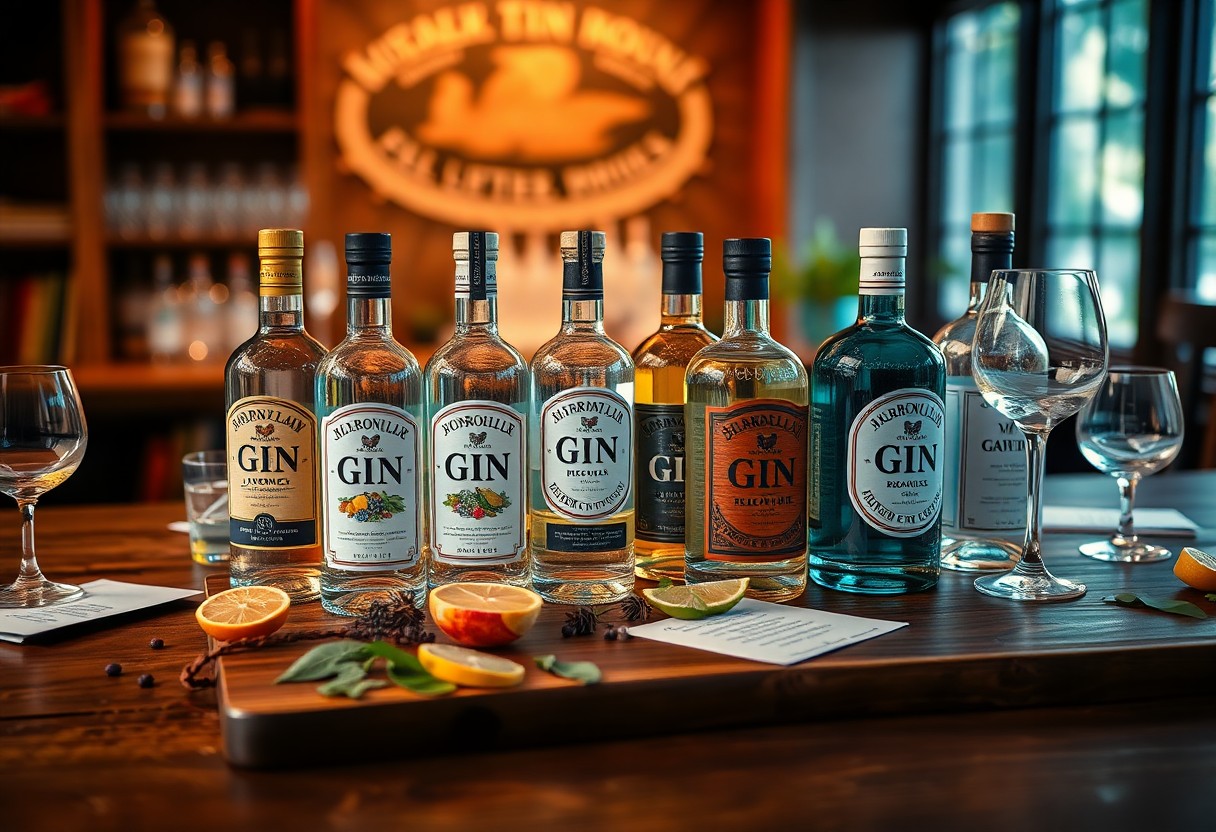
    Selection of the right gin brand can elevate your drinking experience significantly. To ensure you appreciate the finest flavors and botanicals, you need a solid understanding of what differentiates quality gin from the rest. This guide will walk you through thorough methods for evaluating gin brands, taking into account factors like ingredients, distillation processes, and personal taste preferences. By the end, you’ll be equipped to make informed choices that complement your palate and enhance every sip.

    Understanding Gin Types

    Your journey to selecting quality gin begins with understanding the various types available in the market. Knowing the distinctions between gin styles can enhance your tasting experience. Key types include:

    • London Dry Gin
    • Old Tom Gin
    • Genever
    • Plymouth Gin
    • Sipping Gin

    Recognizing these gin types will help you make an informed decision when selecting your next bottle.

    Type Description
    London Dry Gin Traditional, juniper-forward with no added sugars.
    Old Tom Gin Sweeter than London Dry, often with a softer finish.
    Genever Rich and malty, comes from the Netherlands and Belgium.
    Plymouth Gin Made in Plymouth, England, slightly earthy and fruity.
    Sipping Gin Crafted for neat drinking, often with distinctive botanicals.

    Distilled vs. Compound Gin

    Understanding the difference between distilled and compound gin is crucial for discerning quality. Distilled gin is made by redistilling neutral spirits with botanicals like juniper, allowing for a complex flavor profile. In contrast, compound gin is infused with botanicals without distillation, often resulting in a less refined taste. Choosing the right type depends on your flavor preferences and desired drinking experience.

    Flavored Gin Varieties

    Understanding flavored gin varieties will expand your options when selecting a bottle. These gins are infused with fruits, herbs, or spices, offering unique taste experiences beyond traditional juniper flavors. Popular choices include cucumber, rose petal, and citrus-flavored gins.

    The rise of flavored gins has introduced a vibrant array of options to gin enthusiasts. These variations can enhance cocktails or be enjoyed on their own. When exploring flavored gins, consider how the additional botanicals complement or contrast the classic juniper taste, allowing you to discover exciting combinations that suit your palate.

    Key Factors to Consider

    Any time you set out to choose a quality gin, there are several factors that can greatly influence your decision. To ensure you are making an informed choice, keep an eye on the following:

    • Ingredient quality
    • Production methods
    • Flavor profiles
    • Brand reputation

    Any of these elements can enhance your overall drinking experience and help you select the best gin suited to your taste.

    Ingredient Quality

    Any gin’s character begins with its ingredients; high-quality botanicals and water contribute significantly to the final product’s flavor. Look for brands that source their ingredients sustainably and use natural components, as these factors often indicate superior quality and taste.

    Production Methods

    Assuming you want to explore deeper into gin quality, understanding production methods is imperative. Distillation techniques, such as pot still versus column still, can affect the taste and aroma of the gin, leading to distinct profiles.

    A majority of premium gin brands utilize traditional pot stills to achieve a more nuanced flavor, while others may opt for column stills for efficiency. Distillation in small batches often allows for greater attention to detail and flavor complexity. Additionally, some brands may infuse botanicals in various ways, like steeping or vapor infusion, which can impact the final taste. Knowing these methods can guide you toward gins that align with your palate preferences.

    How to Research Gin Brands

    Even when the number of gin brands available can feel overwhelming, thorough research can lead you to discover top-quality options. Start by identifying your personal taste preferences, such as flavors or distillation methods, as this will guide you in exploring brands that align with your palate. Engaging with fellow gin enthusiasts and experts will also provide valuable insights into what to look for in a premium gin. With a structured approach, you can confidently navigate the gin landscape and make informed choices that enhance your enjoyment.

    Utilizing Online Resources

    Now, the internet is a goldmine for discovering information about gin brands. Websites, blogs, and forums dedicated to spirits can provide in-depth insights into various distilleries, their production processes, and the specific botanicals they use. You can also access online retailers that often feature tasting notes and recommendations from both experts and consumers. Diving into these resources will empower you to make well-informed decisions when selecting your next bottle of gin.

    Reading Reviews and Ratings

    Clearly, reading reviews and ratings is an imperative step in evaluating gin brands. By considering the experiences of others, you can gauge the quality and flavor profile of different gins before making a purchase.

    This step not only helps in deciphering the nuances in taste but also exposes you to potential brands you might not have considered. Look for reviews on sites dedicated to spirits or popular retail platforms where users share detailed experiences. Pay attention to recurring themes in comments regarding aroma, flavor balance, and overall satisfaction, as these can offer valuable insights into whether a particular brand is worth trying. Additionally, don’t shy away from engaging directly with reviewers or participating in tasting groups to deepen your understanding.

    Tips for Tasting Gin

    Once again, tasting gin is an engaging process that allows you to explore its diverse flavors. To enhance your gin-tasting experience, consider these necessary tips:

    • Choose a quiet space free from distractions.
    • Use a proper glass to appreciate the gin’s aromas.
    • Take your time to savor each sip.
    • Note your impressions in a tasting journal.

    Any detail can help you develop your palate and enhance your appreciation for different gin brands.

    Evaluating Aromas and Flavors

    On your journey to explore gin, evaluating its aromas and flavors is vital. Start by swirling the glass gently to release the botanical scents. Take a moment to inhale deeply, noting the various aromas, such as juniper, citrus, and herbs. Then, take a sip, allowing the liquid to coat your palate. Pay attention to the initial taste, body, and finish, as well as any changes as the gin breathes in your glass.

    Pairing with Foods

    On your foray into food pairings with gin, consider how the spirit complements different flavors. Gin’s aromatic profiles can enhance a variety of dishes, particularly those with herbal or citrus notes. Light salads, seafood, and charcuterie boards are excellent companions, allowing the gin’s botanicals to shine while enhancing your meal.

    The versatility of gin makes it a compelling choice for pairing with food. For example, a citrus-forward gin pairs beautifully with grilled fish or fresh salads, while a more floral option may enhance the flavors of cream-based sauces or soft cheeses. Experiment with different combinations to discover harmony between the gin characteristics and your chosen culinary delights.

    Recommendations for Quality Brands

    Not all gin brands are created equal, so you should seek out those that prioritize craftsmanship and flavor. Opt for artisanal gins that use organic botanicals and traditional distillation methods, as these often produce a more refined product. Look for brands that have received awards or accolades at spirits competitions, as this can be a strong indicator of quality. Moreover, engage with local bars or spirit shops to explore their selections, as they often have insightful recommendations.

    Noteworthy Small Distilleries

    While large-scale production gins dominate the market, many small distilleries craft exceptional spirits that deserve your attention. These artisanal producers often experiment with unique botanicals, allowing for innovative flavor profiles. By supporting small distilleries, you not only find high-quality gin but also contribute to local economies and the craft distillation movement.

    Established Brands to Consider

    Brands that have stood the test of time bring reliability and tradition to your gin selection. These well-known names often have a wide range of expressions, making it easier for you to find a gin that suits your palate. Their commitment to quality and consistency ensures that you’re likely to enjoy a polished product each time you reach for a bottle.

    It’s beneficial to explore legendary brands such as Tanqueray, Bombay Sapphire, and Hendrick’s, which are renowned for their signature profiles. Each of these brands has a distinct character, so you can choose based on whether you prefer a classic or a more experimental taste. Their longstanding reputation for quality means you can confidently incorporate their gins into cocktails or enjoy them neat, knowing you’re choosing from some of the best options available.

    How to Store and Serve Gin

    After selecting your quality gin, it’s important to know how to store and serve it properly to maintain its unique flavors and aromas. Store your gin in a dark, cool place away from direct sunlight, as light can degrade its quality over time. When serving, consider using a chilled glass and complementing your gin with suitable mixers and garnishes to enhance your drinking experience.

    Ideal Storage Conditions

    Ideal storage conditions for your gin include a temperature range between 15°C to 20°C (59°F to 68°F) and a dry environment. Keep the bottles upright to prevent cork deterioration and avoid fluctuating temperatures, which can negatively affect the spirit’s integrity. A dedicated liquor cabinet or dark cupboard is an excellent choice for preserving your gin’s flavor.

    Best Practices for Serving

    Storage isn’t the only factor; serving gin correctly elevates your experience. It is vital to use clean, dry glassware to avoid tinting the gin’s pure flavors. Chill your glass beforehand for a refreshing drink, and consider adding a splash of tonic or soda, letting your preferred botanicals shine through. Use high-quality ice to preserve taste, and garnish with fresh herbs, fruits, or spices that complement the gin’s profile to create a balanced and enjoyable serve.

    Final Words

    So, as you explore the diverse world of gin, allow yourself to engage with various brands and flavors. Focus on understanding the ingredients, production methods, and tasting notes that resonate with your palate. Don’t hesitate to seek recommendations and read reviews to inform your choices. By following these thorough methods, you’ll be well-equipped to select quality gin brands that not only elevate your drinking experience but also enhance your appreciation for this classic spirit. Cheers to your gin journey!

  • Innovative How-To Recipes For Seasonal Gin Punches

    Innovative How-To Recipes For Seasonal Gin Punches

    You may have noticed that gin has made a stunning comeback in the world of mixology, and what better way to celebrate its versatility than with refreshing seasonal gin punches? In this guide, you’ll discover innovative recipes that highlight the unique flavors of each season, blending gin with fresh fruits, herbs, and spices. Whether you’re hosting a summer barbecue or cozying up for a winter gathering, these delicious punches will elevate your cocktail game and impress your guests. Let’s investigate the art of crafting the perfect seasonal gin punch!

    How-To Select Seasonal Ingredients

    To create a delightful gin punch, selecting seasonal ingredients is key to achieving vibrant flavors. Start by visiting local farmers’ markets or grocery stores focusing on what’s in season in your area. Consider the color, scent, and texture of fruits, herbs, and spices to ensure they will enhance your cocktail experience. Seasonal ingredients not only provide freshness, but they also support local agriculture and reduce your carbon footprint, giving you a sustainable approach to your spirited concoctions.

    Identifying Fresh Produce

    Even a novice can identify fresh produce by looking for vibrant colors, firm textures, and pleasant aromas. Make it a habit to check the store’s organic or local sections, as these usually have the freshest options. Don’t hesitate to touch and smell the fruits and herbs; your senses are your best tools for selecting the finest ingredients for your seasonal gin punch.

    Seasonal Flavor Pairings

    An necessary aspect of crafting a memorable gin punch is understanding seasonal flavor pairings that complement each other beautifully. You might discover that summer peaches pair wonderfully with fragrant basil, or that autumn apples mix delightfully with spicy cinnamon. These combinations will not only enhance your drink’s taste but also create a layered sensory experience.

    Identifying complementary flavors is straightforward when you consider the elements of sweet, sour, and herbal. For example, you can balance the sweetness of ripe strawberries with the tartness of lemons, or you might want to marry the earthiness of rosemary with the crispness of cucumber. This exploration of flavors can lead to exciting discoveries, allowing you to customize your gin punch for any season and save your guests a memorable experience.

    How-To Craft the Perfect Base Gin

    Assuming you want your gin punch to stand out, creating the perfect base gin is important. Start with a high-quality gin that resonates with your flavor preferences, as it will serve as the foundation for your punch. Experiment with various brands and styles to communicate your unique taste.

    Types of Gin and Their Flavors

    Assuming you are exploring different gins, each type brings a unique flavor profile to the table.

    Type of Gin Flavor Profile
    London Dry Crisp and juniper-forward
    Old Tom Sweet herbal notes
    Geneva Rich maltiness
    Sloe Gin Fruity and sweet
    Craft Gin Artisanal flavors from local botanicals
    • Dive into the classic London Dry for a timeless cocktail.
    • Explore Old Tom for a touch of sweetness in your punch.
    • Try Geneva for a historical twist with rich flavors.
    • Incorporate Sloe Gin for a fruity experience.
    • Embrace Craft Gin to experience unique local botanicals.

    Knowing the attributes of each gin will help you craft an innovative gin punch that resonates with your guests.

    Infusing Gin with Herbs and Spices

    Base your infusion process on your flavor goals and seasonal ingredients. By incorporating herbs and spices, you can enrich your gin’s profile, producing a more vibrant punch. Think about what flavors you want to highlight or complement in your final beverage.

    To infuse gin successfully, choose fresh herbs like basil, rosemary, or thyme, or spices such as cardamom and cinnamon. Combine them with your chosen gin in a clean container, allowing the mixture to steep for several days to achieve the desired strength. Taste periodically to avoid overpowering the gin with strong flavors, and enjoy the depth it brings to your gin punch.

    How-To Create Refreshing Seasonal Syrups

    Even the simplest gin punch can be elevated with a splash of seasonal syrup. By creating your own syrups, you can infuse delightful flavors that match the essence of each season. Whether it’s a light and zesty summer lemon syrup or a rich spiced winter syrup, your homemade creations will add a personalized touch to your drinks. Start with a basic simple syrup and explore various flavor combinations that can delight your palate and enhance your seasonal celebrations.

    Simple Syrup Variations

    On your journey to crafting unique syrups, consider experimenting with different sweeteners and additions. Swap standard granulated sugar for alternatives like honey, agave, or even maple syrup to create richer flavors. You can also modify your syrup by infusing it with spices such as cinnamon or vanilla, or even a hint of citrus peel to give it that special twist. Each variation can transform your punch into a seasonal sensation.

    Fruit and Herb Infusions

    You can elevate your seasonal syrups by infusing them with fruits and herbs, bringing out fresh and vibrant flavors that pair perfectly with gin. Think of using seasonal berries, stone fruits, or citrus along with fragrant herbs such as basil, mint, or rosemary. The result is a delightful medley that adds both aroma and flavor to your gin punches, allowing you to craft cocktails that truly reflect the essence of their season.

    Simple fruit and herb-infused syrups start by simmering equal parts water and sugar with your chosen ingredients until the sugar dissolves and the flavors meld together. Strain the mixture to remove solid pieces, and you’ll be left with a fragrant syrup that can add excitement to your beverages. For example, a strawberry-basil infusion is perfect for summer, while a spiced apple-and-rosemary syrup can warm up your fall drinks. The opportunities for flavor combinations are endless, making it an enjoyable process to find your favorites!

    How-To Mix the Ideal Punch

    Once again, crafting the perfect seasonal gin punch involves a blend of creativity and technique. Start by selecting a high-quality gin that complements your chosen flavors. Incorporate fresh fruits, herbs, and spices that evoke the essence of the season. Make sure to combine your ingredients in a large punch bowl, allowing the flavors to meld together while ensuring that each component shines through. Serve the punch over ice for a refreshing experience that will elevate any gathering.

    Ratios and Measurements

    There’s a fine balance between too much and too little when it comes to mixing your punch. A good rule of thumb is to stick to a 2:1:1 ratio: two parts gin, one part citrus juice, and one part sweetener. Adjust these ratios based on your specific ingredients and personal taste preferences. For larger batches, you can scale the measurements up, keeping in mind to taste as you go to ensure a harmonious blend of flavors.

    Tips for Balancing Flavors

    HowTo create an enjoyable gin punch lies in layering flavors while maintaining a balanced taste. Use ingredients that complement rather than overpower each other. Consider the following tips:

    • Incorporate bitters to add depth and complexity.
    • Use fresh herbs like mint or basil for an aromatic touch.
    • Introduce contrasting elements, like sweet and sour, for better harmony.

    After you establish a base flavor, always taste and adjust as necessary, ensuring every sip is delightful.

    This balancing act can be enhanced by keeping your flavor profiles in sync. Think about pairing your gin with seasonal fruits—such as berries in summer or citrus in winter—and adjusting sweetness accordingly. The right amount of dilution from ice can also change the perception of flavors in your punch. Consider these points:

    • Experiment with carbonation for a lively finish.
    • Use different sweeteners to introduce new tastes, like honey or agave.
    • Infuse your gin with additional flavors beforehand, if time allows.

    After refining your technique, you’ll create a punch that leaves a lasting impression on your guests.

    How-To Garnish for Appeal

    All great gin punches deserve an equally stunning presentation. The right garnishes can elevate your drink from ordinary to extraordinary, drawing attention and whetting appetites. Creative garnishes enhance not only the visual appeal but also complement the flavors of the punch. From fresh herbs to colorful fruits, making your drink visually inviting will make your seasonal gatherings unforgettable.

    Visual Techniques

    For an eye-catching presentation, focus on color balance and arrangement. Consider layering garnishes like citrus slices and herbs for depth, or use tall garnishes like rosemary sprigs for height. Twisting citrus peels adds a dynamic element, while utilizing clear glassware can showcase the vibrant hues of your punch. Aim for a harmonious composition that catches the eye and entices your guests.

    Edible Decorations and Twists

    Visual decorations can turn an ordinary drink into a remarkable experience. For instance, consider using candied ginger or edible flowers as whimsical garnishes that enhance both color and flavor. Citrus peels, when twisted elegantly, lend a sophisticated flair while releasing their fragrant oils. Incorporate seasonal fruits like pomegranate seeds or cranberries that not only add pop but also provide a refreshing burst of flavor with every sip.

    Edible garnishes play a significant role in pulling together your gin punch presentation. By adding ingredients like fresh mint leaves or basil sprigs, you not only introduce a vibrant hue but also enhance the aromatic experience of your drink. Combinations such as cucumber ribbons or spiced apple slices can be visually stunning and elevate the drink’s seasonal theme. Let your creativity shine by experimenting with unusual ingredients that are festive and flavorful, making your punch not just a beverage, but a beautifully crafted work of art.

    Tips for Hosting a Gin Punch Party

    After deciding to host a gin punch party, consider the following tips to ensure your gathering is a hit:

    • Choose a variety of gin and mixers to cater to different tastes.
    • Prepare a signature punch that reflects the season.
    • Set up a DIY punch station for guests to mix their own drinks.
    • Offer light snacks that complement the flavors of your gin punch.
    • Incorporate simple decorations that enhance your theme.

    Perceiving the whole experience as an opportunity to connect with your guests will enhance the atmosphere of your party.

    Creating a Festive Atmosphere

    Clearly, the ambiance of your gin punch party plays a significant role in setting the tone. Use string lights and colorful table settings to create an inviting space. Incorporate seasonal decorations like fresh flowers, fruits, or themed centerpieces to bring your gathering to life. Adding a curated playlist can enhance the experience, making your event memorable for everyone. Think about cozy seating arrangements where guests can mingle and enjoy their drinks comfortably.

    Preparing in Advance

    Some preparation in advance can ease your hosting duties and let you enjoy the festivities. Begin by selecting recipes that can be pre-made, allowing the flavors to meld beautifully. Your punch can be mixed the night before and chilled, making it easy to serve straight from the pitcher. Gather all your glassware, decorations, and ingredients ahead of time. This way, you’ll be free to focus on interacting with your guests instead of rushing around.

    Party organization is key to a successful event. Preparing a shopping list and breaking down tasks by day ensures that everything is ready to go. Create an inventory of ingredients and supplies, so you’re not scrambling last minute. This streamlined approach ensures that you can greet your guests with a smile and a refreshing cocktail, all while enjoying your own gathering. Guests will appreciate the effort you put into providing them with a festive and delightful experience.

    Final Words

    Conclusively, exploring innovative how-to recipes for seasonal gin punches empowers you to elevate your entertaining game while showcasing the diverse flavors of the seasons. By experimenting with fresh ingredients and creative pairings, you can craft delightful cocktails that impress your guests. Embrace the art of mixology and make your gatherings memorable with refreshing gin punches tailored to spring blooms, summer fruits, autumn spices, or winter warmth. Your skills and creativity in the kitchen will shine, turning simple ingredients into extraordinary experiences.

  • Beginner’s How-To Approach For Exploring Gin Flavor Profiles

    Beginner’s How-To Approach For Exploring Gin Flavor Profiles

    You are about to commence on a delightful journey through the diverse and complex world of gin flavor profiles. Understanding the various botanicals and tasting notes in gin can elevate your cocktail experience and enhance your appreciation for this beloved spirit. In this guide, you will learn the fundamental aspects of gin tasting, from identifying different flavors to making your own comparisons. So, get ready to explore the captivating essence of gin and discover how to fully enjoy its unique characteristics.

    Understanding Gin: An Overview

    While gin has experienced a remarkable resurgence in recent years, it remains a category of spirits that often baffles newcomers. With a rich history and diverse flavor profiles, understanding gin can greatly enhance your appreciation for this versatile spirit. By familiarizing yourself with the basics, you’ll be well on your way to exploring the various gins available in the market and discovering your personal favorites.

    What is Gin?

    Now, let’s define gin. Gin is a distilled spirit that derives its predominant flavor from juniper berries, along with a range of botanicals. Originally developed in the 11th century, this aromatic spirit has evolved into numerous styles, including London Dry, Old Tom, and Plymouth, each offering unique tasting notes and characteristics that can enhance any cocktail or sip-to-savor experience.

    Key Distillation Processes

    Even if you’re new to gin, grasping the key distillation processes can elevate your understanding of its flavors. Distillation is the process that separates alcohol from the fermented mash and infuses it with botanicals. The two primary methods used are pot still distillation and column still distillation, each resulting in different qualities of gin.

    Understanding the distillation processes is necessary to appreciating the intricacies of gin. Pot still distillation provides a more artisanal approach, allowing for greater retention of flavors, while column still distillation enables large-scale production and a clean, neutral spirit. Additionally, the specific botanicals and their infusion timing, whether distilled “with” or “after” the alcohol, significantly influence the final flavor profile, making each gin unique in taste and aroma.

    Factors Influencing Gin Flavor Profiles

    If you want to examine deeper into gin’s flavor, it’s imperative to understand the various factors that shape its profile. These include:

    • The type of botanicals used
    • The distillation method
    • The base spirit quality
    • Flavor infusion techniques
    • Region of production

    Perceiving these elements will enhance your appreciation of gin’s complexity.

    Types of Botanicals

    One key aspect of gin is the botanicals, which define its unique characteristics. Common botanicals include:

    • Juniper berries
    • Coriander seeds
    • Citrus peels
    • Cardamom
    • Angelica root

    The combination of these botanicals creates a diverse range of flavors.

    Botanical Flavor Profile
    Juniper Berries Piney, resinous notes
    Coriander Seeds Spicy, citrus undertones
    Citrus Peels Bright, zesty flavors
    Cardamom Warm, herbal elements
    Angelica Root Earthy, aromatic qualities

    Base Spirit Characteristics

    Botanicals play a significant role, but the base spirit also influences the flavor. The base is typically made from grains, malt, or sugarcane, impacting the smoothness and mouthfeel of the gin.

    Characteristics like alcohol concentration, sweetness, and any residual flavors from the distillation process will shape your overall tasting experience. A high-quality base spirit contributes to a cleaner taste, allowing the botanicals to shine. Consider how the base spirit interacts with the botanicals when exploring different gin varieties, as this synergy contributes to the intricacy of each gin you taste.

    How to Taste Gin Like a Pro

    One of the best ways to deepen your appreciation for gin is to adopt a professional approach to tasting. Starting with the right mindset, focus on engaging your senses—sight, smell, and taste. Take your time with each sip, allowing the gin to unfold its complexities. Cleanse your palate between different samples to ensure you can identify the unique flavors in each gin. With a little practice, you will enhance your understanding of this diverse spirit.

    Proper Tasting Techniques

    Proper tasting techniques begin by selecting a clean glass that showcases the gin’s color. Swirl the liquid gently to observe its legs and clarity. Take a moment to inhale the aroma, letting the various scents reveal themselves. Then, take a small sip, letting it coat your tongue and appreciating the texture before swallowing. This process allows you to appreciate not just the flavor but also the body and finish of the gin.

    Identifying Flavor Notes

    Some flavors in gin can be quite pronounced, while others may linger subtly. Pay attention to the layers of taste as you sip, noting the botanical ingredients that create your drink’s signature character. Often, you can detect citrus, spices, or herbal notes, each contributing to the overall profile. With practice, you will become more adept at distinguishing these flavors and enhancing your gin-tasting experience.

    Identifying flavor notes in gin sets the stage for a rich tasting experience. Focus on the initial taste upon your palate, as this can indicate key botanicals like juniper, coriander, or citrus. As the gin develops, take note of the mid-palate flavors that might include floral hints or spices, and finally, consider the finish—whether it’s crisp, smooth, or lingering. By training your palate to recognize these elements, you can learn to appreciate the artistry behind each gin, elevating your tasting skills significantly.

    Tips for Pairing Gin with Food

    All gin lovers can elevate their tasting experience by thoughtfully pairing gin with food. Try these tips to create the perfect matches:

    • Consider the gin’s botanicals.
    • Seek balance between the food and gin’s flavor intensity.
    • Experiment with different textures.
    • Don’t hesitate to explore regional pairings.

    Assume that the right pairing can enhance both your gin and the meal, unlocking new taste experiences.

    Complementary Flavors

    Pairing gin with food involves selecting dishes that highlight the gin’s botanicals. For example, a floral gin can shine when served alongside citrus-based dishes or light salads, while a spicier gin pairs well with rich, savory foods. Explore these interactions to discover new flavor dimensions.

    Popular Pairing Choices

    To make the most of your gin experience, consider popular pairing choices that have proven successful. Classic combinations include gin with seafood, citrus-infused dishes, and herbaceous appetizers, all of which complement gin’s botanical profile.

    Plus, you can explore artisanal cheese and charcuterie boards, which often harmonize beautifully with gin’s diverse flavors. This approach not only enriches your palate but also encourages experimentation with various ingredients, leading to delightful surprises in flavor. Don’t hesitate to try different combinations, as your preferences may lead you to unexpected favorites!

    Exploring Gin Cocktails

    To truly appreciate the diverse flavor profiles of gin, it’s vital to research into the world of gin cocktails. Each cocktail presents an opportunity to highlight the unique botanical ingredients, allowing you to discover how they blend and complement one another. From timeless classics to inventive creations, exploring gin cocktails can enhance your understanding of this versatile spirit and expand your palate.

    Classic Gin Cocktails

    There’s a reason classic gin cocktails like the Martini, Negroni, and Gimlet have stood the test of time. Their simplicity and balance showcase gin at its finest, allowing the subtleties of the botanicals to shine through. By mastering these drinks, you build a solid foundation for your gin cocktail journey.

    Innovative Gin Mixology

    Any exploration of gin cocktails isn’t complete without experimenting with innovative mixology techniques. Creative bartenders are continually pushing the boundaries, infusing gins with unexpected flavors or using unusual ingredients to craft unique beverages that surprise and delight.

    Exploring innovative gin mixology opens doors to endless possibilities, allowing you to create refreshing, contemporary cocktails that elevate your home bar experience. Experiment with fresh herbs, seasonal fruits, and unconventional mixers to elevate classic recipes or invent your own beverages. By thinking outside the box, you can refine your mixology skills while discovering flavor combinations that suit your personal taste preferences.

    Building Your Gin Collection

    Now that you’ve taken the first steps into the world of gin, it’s time to build your personal gin collection. Start by exploring various styles and flavors, which will not only enhance your palate but also give you a great foundation for mixing cocktails. Consider the balance between classic and innovative gins, as a diverse collection will allow you to experience the wide range of what gin can offer.

    Essential Bottles to Start With

    Clearly, there are several standout gins that should be a part of your initial collection. Look for classic London Dry gins like Tanqueray or Beefeater, which embody the traditional gin character. You may also want to include a few modern options such as Hendrick’s, known for its infusion of cucumber and rose. These vital bottles will provide a solid base for understanding different flavor profiles.

    Sourcing Unique Gins

    Bottles of unique gins can elevate your collection and offer exciting flavor variations. Exploring local distilleries is a great way to find one-of-a-kind options, as many craft producers experiment with botanicals unique to their region. Additionally, keep an eye out for seasonal or limited editions that highlight innovative ingredients and techniques. This approach will not only enhance your collection but also provide memorable tasting experiences.

    Unique gins often reflect the creativity of their distillers, showcasing botanicals and flavors that you won’t find in mainstream offerings. Consider attending gin festivals or tasting events, where you can sample and purchase rare bottles directly from producers. You can also explore specialty liquor stores and online retailers that focus on craft spirits. Each unique acquisition will add depth to your collection, making your exploration of gin even more rewarding.

    Conclusion

    With this in mind, you can confidently launch on your journey to explore gin flavor profiles. By understanding the basic components and techniques for tasting gin, you can enhance your appreciation for this versatile spirit. Experiment with different brands, botanicals, and cocktails to discover your personal preferences. Engage in discussions with fellow enthusiasts and broaden your knowledge. The world of gin is vast, and your exploration will not only deepen your palate but also enrich your overall drinking experience.

  • Savvy How-To Tricks For Pairing Gin With Food

    Savvy How-To Tricks For Pairing Gin With Food

    Most people enjoy a good drink with their meal, but pairing gin with food can elevate your dining experience like nothing else. This guide will equip you with savvy tricks to enhance your palate and discover the best flavor combinations. From selecting the right botanicals in your gin to understanding how different ingredients interact, you’ll gain the confidence to create unforgettable pairings. Get ready to impress your friends and family with your newfound expertise on how to harmonize gin with your favorite dishes.

    Understanding Gin

    For those begining on a culinary adventure with gin, it’s imperative to grasp its complexity. Gin is a versatile spirit defined primarily by its juniper berry flavor, but various botanicals elevate its character. This makes it an excellent companion for diverse cuisines, enhancing your dining experience with its aromatic and refreshing qualities.

    Types of Gin

    For a deeper appreciation, it’s helpful to understand the main types of gin:

    • London Dry Gin
    • Old Tom Gin
    • Distilled Gin
    • Compound Gin
    • Plymouth Gin

    Perceiving the distinct characteristics of each type will aid you in selecting the perfect gin to accompany your culinary creations.

    Type of Gin Description
    London Dry Gin Crisp and aromatic, with a strong juniper flavor.
    Old Tom Gin Sweeter, with a smoother profile than London Dry.
    Distilled Gin Made by redistilling neutral spirits with botanicals.
    Compound Gin Flavored without distillation; simpler in flavor.
    Plymouth Gin A more subdued, earthy style with a maritime edge.

    Flavor Profiles

    Now, let’s research into the flavor profiles that differentiate gin styles. Each type brings unique botanical elements and nuances, shaping your culinary pairings.

    Plus, understanding the flavor profiles allows you to explore new dimensions in food pairings. For instance, the citrus notes in a London Dry may beautifully complement seafood dishes, while the botanicals in Old Tom can enhance rich meats. By selecting the right gin based on flavor, you enhance not just the drink itself but the entire dining experience, making it a sensory delight that resonates with your palate and the food on your plate.

    How to Pair Gin with Different Cuisines

    One of the most delightful aspects of gin is its versatility, making it an excellent companion for diverse cuisines. Whether you’re enjoying spicy Indian dishes or fresh Mediterranean fare, your gin choice can elevate the dining experience. Pay attention to the botanicals in your gin and complement them with similar flavor profiles found in your food. By thoughtfully matching gin and cuisine, you can create harmonious and unforgettable meals.

    Classic Pairings

    On classic pairings, you’ll find gin plays wonderfully with traditional dishes. For instance, a classic London Dry gin pairs beautifully with fish and chips, where the crispness of the gin complements the fried batter. Similarly, a gin and tonic alongside a charcuterie board brings out the flavors in both the meats and the tonic’s citrus. Stick with timeless combinations to ensure a well-rounded dining experience.

    Innovative Combinations

    Pairings that go beyond the expected can lead to exhilarating flavor experiences. Think outside the box when combining your favorite gin with unconventional dishes, such as Vietnamese pho or Korean BBQ. The herbal and floral notes of your gin can enhance the umami and spice of these cuisines, creating a dynamic contrast. Don’t hesitate to experiment with unique ingredients and serving styles that excite your palate.

    Combinations can include harmonizing gin with spicy dishes like Thai curry, where the heat is beautifully balanced by the gin’s botanicals. Alternatively, pairing gin with rich, smoky flavors, such as those found in Southern barbecue, can provide a refreshing contrast that enhances both the food and the drink. Challenge yourself to mix traditional and modern flavors; your creativity can lead to fascinating and delicious pairings.

    Tips for Selecting the Right Gin

    Assuming you want to elevate your gin experience, selecting the right gin is key. Consider your flavor profiles and how they will pair with your dishes. Take note of the following tips when choosing your gin:

    • Identify your preferred flavor notes—citrus, herbal, or floral.
    • Review the gin’s production method—distilled or compound.
    • Explore various brands, as each has unique botanical blends.
    • Consider the alcohol content for balance with your food.

    The right gin can enhance your meal delightfully.

    Consider Ingredients

    Assuming the gin’s ingredients have a direct impact on its character, it’s crucial to think about what botanicals excite your palate. Look for gins that highlight specific flavors, such as those that boast a prominent juniper profile or ones infused with unique elements like cucumber, cardamom, or even lavender. This will help you determine how well they might complement the specific dishes you are pairing.

    Assessing Aromatics

    Ingredients are just one part of the equation; assessing the aromatics of your gin is equally important. The scent of your gin will play a significant role in how it interacts with the flavor of your food. When sniffing your gin, take note of its bouquet—floral notes might pair beautifully with seafood, while spicier gins could enhance richer meats. By understanding the aromatic nuances, you can select a gin that provides an inviting olfactory experience and elevates your meal’s overall enjoyment.

    Factors to Consider in Food Pairing

    Your approach to pairing gin with food should consider several elements to create a harmonious dining experience. Take into account:

    • The botanicals in your gin
    • The dish’s flavor profile
    • Serving temperature
    • Texture and body
    • Personal preferences

    Perceiving these factors will enhance your culinary and gin pairing skills.

    Texture and Body

    Some dishes have a light, delicate texture, while others are rich and hearty. The body of your gin, whether it’s smooth or bold, should complement the food texture. For instance, a creamy dessert pairs wonderfully with a soft gin, while a robust meat dish calls for a gin with a more pronounced character.

    Flavor Intensity

    Assuming you understand the flavor profiles of both your gin and food is necessary to a successful pairing. The intensity of flavors should match to avoid overwhelming your palate. Light gins with floral notes may be lost against strongly flavored dishes, while a bold, juniper-forward gin can stand up to spicy or robust cuisine.

    Body plays an necessary role in determining how flavor intensity interacts in your pairing. A heavier dish requires a gin that can balance its rich flavors without being overshadowed. Conversely, lighter foods can benefit from softer, more aromatic gins that enhance instead of compete. Striking the right balance between the gin’s body and the food’s intensity will make each bite and sip a delightful experience.

    How to Create a Gin Cocktail to Complement Your Meal

    Despite the complexity often associated with cocktail creation, crafting a gin cocktail that enhances your meal is quite straightforward. Start by considering the main flavors of your dish; a herbaceous gin pairs well with fresh salads, while a citrus-forward option complements grilled seafood. Balance your cocktail with acidity, sweetness, and herbal notes to create a harmonious experience on your palate. Ultimately, your cocktail should enhance the dining experience, making both your food and drink memorable.

    Mixing Techniques

    You can elevate your gin cocktail by mastering a few vital mixing techniques. Shaking, stirring, or muddling can all create different flavor profiles and textures. For instance, shaking with ice thoroughly blends citrus juice and ensures a refreshing chill, while stirring is ideal for delicate drinks that require a smoother mouthfeel. Experiment with various techniques to find the one that best complements your meal and personal preference.

    Garnishing and Presentation

    You can significantly enhance the visual appeal and flavor of your gin cocktail with thoughtful garnishing and presentation. Fresh herbs, citrus peels, or even edible flowers can elevate your drink’s look while adding aromatic nuances. Take time to craft a stunning garnish that not only complements the drink but also ties in with the themes or ingredients of your meal. The right presentation can stimulate the senses and set the tone for your dining experience.

    Cocktail garnishing is an art that can elevate your home mixology. A simple twist of lemon or a sprig of rosemary can add both aroma and refinement to your drink. Consider color contrast and texture to create an inviting presentation; for example, vibrant garnishes can pop against a clear drink. Additionally, using unique glassware can enhance the overall experience. Be playful with your garnishes, and let them echo the spirit of your meal, creating a cohesive dining experience that indulges all the senses.

    Exploring Gin Tasting Events

    Not all gin tasting events are created equal, but they offer a fantastic opportunity to refine your palate and deepen your appreciation for this versatile spirit. At these events, you’ll encounter a wide variety of gins, showcasing different botanicals, distillation methods, and regions. This experience allows you to understand how each gin can complement various foods, making it easier for you to create delightful pairings at home.

    What to Expect

    Even if you haven’t attended a gin tasting before, you can anticipate an engaging atmosphere where you can sample a range of gins paired with complementary foods. Often, experts will guide you through the tasting process, sharing insights about each gin’s flavor profile. You’ll also have the chance to ask questions and discover how specific botanicals can impact the overall tasting experience.

    Enhancing Your Pairing Knowledge

    For those eager to deepen your understanding of gin and food pairings, participating in gin tasting events is a fantastic way. These gatherings not only provide you with opportunities to taste various gins but also allow you to learn from knowledgeable hosts who can explain the complexities of flavor matching.

    With each event, take notes on the nuances you detect in different gins and how they interact with specific foods. Engaging in discussions with other attendees can also introduce you to new ideas and perspectives on flavor pairings. The shared enthusiasm for gin will enrich your understanding and inspire you to experiment more in your own pairings at home.

    Final Words

    Conclusively, mastering the art of pairing gin with food opens up a world of culinary experiences. By understanding the key flavor profiles of your gin and thoughtfully selecting complementary dishes, you can elevate your dining occasions. Whether you’re enjoying a refreshing gin and tonic with seafood or a herbal gin with earthy vegetables, your ability to harmonize these flavors will impress your guests and enhance your palate. Embrace the versatility of gin, and let your taste adventures begin!

  • Crisp How-To – Crafting The Perfect Classic Gin Martini

    Crisp How-To – Crafting The Perfect Classic Gin Martini

    Martini lovers know that crafting the perfect classic gin martini is an art that requires precision and a few important ingredients. In this guide, you’ll learn how to combine high-quality gin with the ideal vermouth, select the right garnishes, and master the technique of stirring or shaking to create a drink that is both crisp and refreshing. Whether you’re preparing for an elegant gathering or simply indulging in a classic cocktail, follow these steps to elevate your martini-making skills and impress your guests.

    Understanding Gin

    While gin has a rich history and a variety of styles, its core identity hinges on the distinct flavor of juniper berries. As you explore different gins, you will discover how botanicals influence each variant, creating a unique tasting experience that can greatly enhance your gin martini.

    Types of Gin

    While there are multiple types of gin available, understanding their differences can refine your cocktail experience. Here’s a quick overview:

    Type Description
    London Dry Sharp, bold, and mostly juniper-forward.
    Plymouth Slightly sweeter with a more earthy profile.
    Old Tom Medium sweetness, often used in historic cocktails.
    Geneva Rich and malty flavor, traditionally from the Netherlands.
    New Western Varied botanicals highlight flavors beyond juniper.
    • Each gin type caters to different palates.
    • Explore unique flavor profiles beyond juniper.
    • Experiment with various brands for distinct experiences.
    • Pair appropriate gin types with your cocktail recipes.

    Perceiving these variations will guide you towards the ideal choice for your martini.

    Choosing the Right Gin

    While selecting a gin, consider personal preference and the quality of ingredients, as these factors will shape the overall flavor of your martini. Look for a brand that resonates with your taste buds, whether you prefer a juniper-heavy London Dry or a more floral New Western style.

    The journey to find your perfect gin can be enjoyable as you taste different options. Visit local distilleries, explore artisanal brands, or sample at cocktail bars to gain insight into unique flavors. Pay attention to the balance of botanicals and how they interact with vermouth in your martini. Your choice in gin sets the stage for a delightful cocktail experience tailored to your liking.

    Essential Ingredients

    Clearly, crafting the perfect classic gin martini requires a handful of necessary ingredients. Primarily, you’ll need a high-quality gin, which serves as the foundation of this iconic drink. Next, dry vermouth plays a pivotal role in balancing the botanicals of your chosen gin. Lastly, the right garnishes enhance both the aroma and presentation, elevating your martini to new heights. Selecting each component with care ensures that your cocktail captures the classic essence of this timeless beverage.

    Dry Vermouth Selection

    An excellent dry vermouth can significantly impact the flavor profile of your martini. When choosing your vermouth, look for brands that offer a clean and crisp taste, as these will complement your gin without overpowering it. The ratio of gin to vermouth can vary, but you might start with a classic 5:1 proportion. Don’t hesitate to experiment with different brands to find the one that harmonizes best with your selected gin.

    Garnishes and Their Role

    Clearly, garnishes are not just decorative elements; they serve an important purpose in your gin martini. Think of garnishes as the final touch that enhances the overall drinking experience. Common choices like olives or lemon twists add complexity and depth, inviting your senses to explore the flavors in your cocktail.

    Garnishes can also impact the aroma of your martini, an often-overlooked aspect of cocktail enjoyment. An olive can introduce a briny note, while a lemon twist offers a burst of citrusy fragrance. These subtle flavors can elevate your martini, making each sip a more nuanced experience. So, when selecting your garnish, consider the flavor profile you desire and let your creativity shine, ensuring your classic gin martini is as enjoyable as it is visually appealing.

    The Perfect Ratio

    Now that you’ve gathered your ingredients, the key to a perfect gin martini lies in mastering the right ratio. Traditionally, gin is the star of the drink, complemented by a splash of dry vermouth. Finding that sweet spot between these components will elevate your cocktail from ordinary to extraordinary. Balancing the flavors is vital to creating a harmonious sip that highlights the botanicals of your chosen gin.

    Classic Ratios Explained

    Classic gin martinis typically follow a simple ratio: 2 to 1, which means two parts gin to one part vermouth. This ratio offers a robust gin flavor with a hint of herbal complexity from the vermouth. Some purists may prefer a drier martini, opting for a 3 to 1 ratio. Ultimately, understanding these basics will provide the foundation for your perfect martini.

    Adjusting for Personal Preference

    On the other hand, your ideal martini might not adhere strictly to classic ratios. Everyone has unique tastes, and you should feel empowered to adjust the ingredients to match your palate. Whether you prefer more vermouth for a smoother drink or a drier style with less, fine-tuning the balance allows you to craft a martini that truly reflects your preferences.

    Adjusting your martini ratios can transform your experience. Experiment with varying amounts of vermouth and explore different types, such as blanc or bianco, to find what excites your taste buds. If you enjoy a touch of citrus, consider a lemon twist or a dash of orange bitters. Don’t hesitate to assess your martini’s elements and tweak them until they resonate with you, ensuring every sip is a delight tailored to your individual liking.

    The Art of Mixing

    Despite the ongoing debate between traditional and modern approaches, mastering the art of mixing a gin martini is necessary for achieving the perfect balance of flavors. Understanding the nuances of each technique allows you to create a cocktail that suits your personal palate and showcases the quality of your ingredients. It’s not only about the final product but also about the experience of creating a drink that is both refreshing and timeless.

    Shaking vs. Stirring

    An age-old debate exists regarding whether to shake or stir your martini. Shaking incorporates air into the mixture, producing a colder, slightly diluted drink with a frothy texture, while stirring delivers a smoother, silkier cocktail that maintains the martini’s clarity. Your choice ultimately depends on personal preference and the desired characteristics of your drink.

    Tools of the Trade

    Clearly, having the right tools can elevate your martini-making experience. Essential items include a cocktail shaker, a stirring rod, a jigger for measuring, and a fine mesh strainer to achieve that perfect pour. Each tool plays a specific role in ensuring your drink is well-balanced and visually appealing.

    This set of tools not only boosts the efficiency of your cocktail-making process but also enhances the artistry involved. A classic cocktail shaker, for instance, allows you to mix ingredients according to your technique of choice, whether shaking or stirring. Investing in high-quality materials significantly impacts the outcome of your cocktail, allowing for greater control over temperature and dilution. With the right equipment in hand, you’ll find your journey in crafting the perfect martini more enjoyable and rewarding.

    Serving Suggestions

    Unlike many cocktails, the gin martini is elegantly simple in its presentation. To elevate your drinking experience, consider serving it with a twist of lemon or an olive. Garnishes not only add flavor but also enhance the visual appeal, making each sip a delight for the senses.

    Glassware Types

    Type Description
    Martini Glass Classic shape, wide bowl, and tapered rim.
    Coup Glass Similar to martini glass, but with a deeper bowl.
    Highball Glass Great for a tall, refreshing gin martini.
    Nick and Nora Glass Smaller, elegant option for martinis.
    Lowball Glass Ideal for stirred martinis with ice.

    After selecting a glass type, you can start crafting your perfect gin martini.

    Temperature and Presentation

    Serving Temperature

    Recommendation Details
    Chilled Glass Store in the freezer or ice bath before serving.
    Ice Cold Ingredients Use cold gin and vermouth for the best taste.
    Stirring Method Stirring over ice keeps the drink chilled.
    Serving Immediately Drink fresh after mixing for optimum flavor.
    Garnish Use a twist or olive for finishing presentation.

    Serving your martini at the right temperature significantly enhances its flavor and enjoyment. Ensure your ingredients and glass are nicely chilled, and serve them immediately after preparing to keep that crisp freshness.

    Presentation

    Aspect Importance
    Garnish Adds flavor and enhances visual appeal.
    Glass Choice Impacts the drinking experience.
    Drink Clarity A clear martini signals quality.
    Stirring Technique Preserves clarity and chill.
    Presentation Style Affects overall enjoyment of the drink.

    Presentation plays a vital role in how you enjoy your gin martini. From the choice of glass to the garnish, each decision can elevate your experience, making your gin martini not only delicious but visually appealing as well.

    Tips for the Home Bartender

    After perfecting your gin martini, consider these tips to elevate your home bartending skills:

    • Use freshly distilled gin for optimal flavor.
    • Chill your glass to keep your drink crisp.
    • Experiment with different vermouth brands.
    • Invest in a good-quality jigger for precise measurements.
    • Practice your shaking and stirring technique.

    Knowing these tips will help you craft a top-notch gin martini every time.

    Common Mistakes to Avoid

    Clearly, there are several common pitfalls that can sabotage your martini. Over-diluting your drink by shaking it too long, using the wrong gin-to-vermouth ratio, or opting for mediocre ingredients can ruin even the best recipes. Additionally, neglecting to chill your glass can lead to a warm sip that detracts from your cocktail experience.

    Enhancing Your Technique

    Mistakes can serve as valuable lessons for improving your martini crafting. Focus on the fundamentals while being mindful of your technique during preparation. Experiment with shaking and stirring to understand how each method affects dilution and texture. Additionally, take time to properly chill your tools and glassware, as temperature plays a significant role in the overall enjoyment of your drink. Consistency in your technique leads to a more refined and enjoyable gin martini.

    Technique is the bedrock of a well-crafted gin martini. The way you shake or stir your cocktail impacts its flavor profile, texture, and temperature. A gentle stir preserves the cocktail’s silky texture, while a vigorous shake might create a frothy, over-diluted drink. Practice getting the right amount of chill while maintaining your desired consistency. Pay attention to the tools you use, as a proper jigger and quality ice can enhance the overall experience. Fine-tuning your technique will significantly elevate your cocktail-making skills.

    To wrap up

    Taking this into account, you now have all the important steps to craft the perfect classic gin martini. From selecting high-quality gin and vermouth to perfecting your shaking technique, each detail contributes to a balanced and refreshing cocktail experience. By adjusting the garnish and ratios to suit your palate, you can personalize your drink and impress your guests. With practice, you’ll master the art of the gin martini, elevating your home bartending skills to a new level. Cheers to creating your ideal classic martini!

  • Refreshing How-To – Mix Delightful Gin Cocktails For Summer Parties

    Refreshing How-To – Mix Delightful Gin Cocktails For Summer Parties

    Many summer gatherings call for refreshing drinks, and gin cocktails are the perfect choice to impress your guests. With various flavors and easy-to-follow recipes, you can create delightful concoctions that will elevate your parties to the next level. In this guide, you will learn how to mix a selection of invigorating gin cocktails, ensuring that everyone enjoys a refreshing sip. Get ready to become the ultimate host with your newfound bartending skills!

    Understanding Gin

    To elevate your summer parties, it is necessary to understand the spirit at the heart of your cocktails: gin. This versatile liquor finds its roots in juniper berries but has evolved to include a variety of botanicals, creating a vast landscape of flavor possibilities. Whether you prefer your gin in classic cocktails or modern mixes, knowing its nuances will help you craft delightful drinks that impress your guests.

    Types of Gin

    To explore the different types of gin, consider the following options:

    • London Dry Gin
    • Old Tom Gin
    • Plymouth Gin
    • Sloe Gin
    • Barrel-Aged Gin

    Thou will find each type has unique characteristics that can influence your cocktail creations.

    Type of Gin Description
    London Dry Gin Crisp, aromatic, and ideal for classic cocktails.
    Old Tom Gin Slightly sweeter with a rich flavor, great for gin-forward drinks.
    Plymouth Gin A geographical protected style, earthy and less dry.
    Sloe Gin Fruit-based liqueur, adds berries’ sweetness to your cocktails.
    Barrel-Aged Gin Infused with wood aging for enhanced complexity.

    Flavor Profiles

    Now, let’s investigate the flavor profiles of gin that make it so intriguing. Each type of gin has a distinctive blend of botanicals that yield unique tasting notes, from floral and herbal to citrusy and spicy. Understanding these elements allows you to pair the right gin with mixers and garnishes, giving your cocktails depth and character.

    To further appreciate flavor profiles, consider experimenting with different brands and artisanal gins. You may discover subtle hints of coriander or the brightness of lemon peel in your favorite gin, enhancing your mixology skills. Pay attention to how these flavor notes come alive when combined with tonic, fruit juices, or fresh herbs, allowing you to create truly refreshing gin cocktails for summer. Your guests will be enchanted by the complexity and creativity of your drinks.

    Essential Ingredients for Gin Cocktails

    While crafting refreshing gin cocktails for your summer gatherings, you’ll want to ensure you have the right ingredients on hand. Quality gin serves as the foundation of your drinks, complemented by fresh fruits, herbs, mixers, and garnishes that elevate the flavor profiles. Each ingredient plays a key role in ensuring that your cocktails not only taste amazing but also look appealing, inviting guests to indulge in your delicious creations.

    Fresh Fruits and Herbs

    On your quest for the perfect gin cocktails, fresh fruits and herbs will be your best friends. Fruits like lemon, lime, berries, and cucumber add vibrant flavors that balance the botanicals in the gin. Fresh herbs such as mint, basil, or rosemary provide aromatic notes that can transform your drink into a refreshing summertime experience.

    Mixers and Garnishes

    Fresh mixers and garnishes bring your gin cocktails to life, enhancing their taste and visual appeal.

    Herbs and spices, citrus juices, tonic water, and flavored sodas serve as perfect mixers to elevate your gin’s flavors. You can also experiment with flavored syrups or infusions for a unique twist. Garnishes like citrus slices, herb sprigs, or edible flowers not only look beautiful but also add subtle hints of aroma that entice your senses, making each sip a delightful experience. Be creative and don’t hesitate to personalize your cocktails with unique combinations that reflect your taste!

    How to Choose the Right Gin for Your Cocktail

    Even the most refreshing gin cocktails can fall flat if you choose the wrong gin. Selecting the right type will enhance the flavors and elevate your drink experience. Each gin possesses its unique botanical blend, ranging from floral and citrusy to herbal and spicy. Understanding these profiles will help you create cocktails that delight your guests and complement your chosen mixers.

    Factors to Consider

    An important step in selecting your gin is to examine various elements that can influence your cocktail’s taste:

    • Botanical flavor notes
    • Alcohol content
    • Origin of the gin
    • Style (London Dry, Old Tom, etc.)

    Any of these factors can significantly impact your cocktail’s final taste and character.

    Recommendations

    While exploring gins, consider opting for brands known for their meticulous craftsmanship and quality ingredients. You might enjoy classic options like Tanqueray or Bombay Sapphire, which offer a well-rounded flavor profile suitable for a variety of cocktails. For a unique twist, try a local craft gin that boasts distinctive botanicals, enhancing the originality of your drink. Don’t hesitate to experiment with a few variations to find the perfect match for your taste.

    Cocktail enthusiast or novice, selecting the right gin helps deepen your understanding and appreciation of this timeless spirit. With so many exceptional options available, take your time to sample and choose accordingly. Your guests will certainly notice and appreciate the thought you put into your selections, making your summer party truly unforgettable.

    Tips for Mixing Gin Cocktails

    Now, mixing delightful gin cocktails can be an enjoyable and creative process. Here are some tips to elevate your cocktail game:

    • Use high-quality gin for a better taste.
    • Experiment with fresh herbs and botanicals.
    • Incorporate seasonal fruits for added flavor.
    • Balance the sweetness with acidity for a well-rounded cocktail.
    • Don’t shy away from garnishes; they enhance presentation.

    Assume that each cocktail is an expression of your taste, so have fun with your concoctions!

    Tools You Need

    The right tools will streamline your cocktail-making process and help you achieve a professional finish. Essential items include a cocktail shaker, jigger for measuring, strainer for smooth pours, and a muddler for infusing flavors from herbs or fruits. A mixing glass is also helpful for stirred cocktails, while a good-quality knife and cutting board will assist with ingredient prep.

    Mixing Techniques

    Tips for mixing cocktails depend on the technique you choose. You may want to shake to combine and chill your ingredients or stir for a smoother finish. Muddling is excellent for releasing oils from herbs or fruits, while layering allows for stunning visual effects in your drinks. Being aware of when to use each method can make your gin cocktails stand out in taste and presentation.

    Techniques you employ can greatly affect the flavor and texture of your cocktails. Shaking should be reserved for drinks with juices or heavy mixers to ensure proper mixing and chilling, while stirring is ideal for spirit-forward cocktails. Muddling gently will ensure you extract the right amount of flavor without being too overpowering. Always pour slowly to maintain the right balance of ingredients and to emphasize any garnishes you’re using.

    Refreshing Gin Cocktail Recipes

    All summer celebrations deserve a touch of sophistication, and what better way to elevate your gatherings than with refreshing gin cocktails? Whether you prefer the classic notes of gin or are looking to explore innovative flavors, these delightful recipes are sure to please your guests and quench your thirst in the warm weather.

    Classic Gin & Tonic Variations

    Even the timeless gin and tonic can be revitalized with simple tweaks. Experiment with various botanicals, such as fresh herbs or seasonal fruits like cucumber, lemon, or strawberries. By choosing unique tonic waters or garnishes, you can create an impressive range of flavors that cater to all tastes.

    Creative Summer-Inspired Recipes

    Any summer gathering can benefit from inventive gin cocktails that showcase the season’s freshest ingredients. By incorporating vibrant fruits and aromatic herbs, you’ll craft drinks that are not only delicious but also visually stunning, creating memorable experiences for your guests.

    Tonic blends perfectly with your creativity in crafting summer cocktails. Think outside the box by integrating flavors like coconut water, lavender, or even homemade syrups. Emphasizing the freshness of ingredients gives your cocktails a unique twist that stands out. Use garnishes like edible flowers or colorful fruit slices to elevate the presentation—your guests won’t just be sipping; they’ll be indulging in a beautiful experience!

    Serving and Presentation Tips

    After mixing your delightful gin cocktails, the way you serve them can elevate the experience for your guests. Consider these tips to enhance your presentation:

    • Chill your glasses before serving for a refreshing touch.
    • Use colorful, fun straws that match your drink’s theme.
    • Consider tray serving; it adds elegance to the presentation.
    • Label cocktails with stylish cards for fun identification.

    Recognizing the importance of presentation will make your drinks memorable and enjoyable.

    Glassware Selection

    There’s a perfect glass for every type of gin cocktail, and choosing the right one can enhance both the aesthetic and the drinking experience. For classic gin and tonics, use tall highball glasses, while elegant martinis should be served in sleek martini glasses. Don’t forget to consider the occasion—fun and colorful glasses can add a playful vibe, while sophisticated options are best for formal gatherings.

    Garnishing Ideas

    An eye-catching garnish adds a final touch to your gin cocktails and boosts their appeal. Simple garnishes like lemon or lime wedges can brighten up your drink, while herbs like rosemary or mint provide a refreshing aroma. Edible flowers are another unique option that can add color and sophistication to your presentation.

    A well-thought-out garnish not only enhances the drink’s visual appeal but can also complement the flavors. For instance, if you’re using a herbal-infused gin, a sprig of fresh basil or thyme can enhance the experience. Think outside the box by experimenting with unusual options, like jalapeño slices for heat or cucumber ribbons for a refreshing touch. With a little creativity, your garnishes can turn an ordinary drink into a memorable cocktail experience.

    Conclusion

    The delightful world of gin cocktails awaits you this summer, providing endless opportunities to impress your guests at parties. By experimenting with various flavors, herbs, and mixers, you can create refreshing drinks that perfectly complement the season. Embrace your creativity and explore classic recipes as well as your own unique concoctions. With these tips and tricks, you’ll become the go-to mixologist among your friends, ensuring that your summer gatherings are memorable and filled with delicious moments.

  • Savory How-To – Infuse Your Own Unique Flavors Into Gin

    Savory How-To – Infuse Your Own Unique Flavors Into Gin

    Just imagine sipping a glass of gin that reflects your personal taste and creativity. Infusing your gin with unique flavors allows you to elevate your cocktails and make them truly one-of-a-kind. In this guide, you will learn how to choose the right botanicals, fruits, and spices to enhance the spirit, along with easy steps to create your personalized infusion. Get ready to impress friends and family with your custom-crafted gin that showcases your unique flavor profile!

    Understanding Gin

    While gin has seen a resurgence in popularity, it’s important to grasp its fundamental characteristics. At its core, gin is a distilled alcoholic beverage flavored primarily with juniper berries, which contribute to its distinct aromatic profile. You’ll find that each gin brand has its own unique blend of botanicals, resulting in a complex range of flavors that caters to various palates.

    Distillation Process

    To create gin, distillers start with a neutral spirit, usually derived from grain. The infusion of botanicals, primarily juniper berries, occurs during the distillation process, where the vapors extract flavors and aromas. Post-distillation, some gins undergo additional flavoring or aging to enhance their complexity, creating the unique profiles you find on the shelf today.

    Types of Gin

    With numerous styles of gin available, it’s beneficial to familiarize yourself with the options. Here’s a brief summary of popular types:

    • London Dry Gin
    • Old Tom Gin
    • Plymouth Gin
    • Geneva
    • Sloe Gin

    Knowing the various types will help you choose the right gin for your infusion journey.

    Type of Gin Description
    London Dry Gin Classic, juniper-forward with a dry finish.
    Old Tom Gin Sweeter, maltier style, often used in cocktails.
    Plymouth Gin Geographically protected, less dry with earthy notes.
    Geneva A Dutch-style gin, richer and malty in flavor.
    Sloe Gin Sweet liqueur made by infusing gin with sloe berries.

    It’s important to explore these gin styles further, as each offers unique tasting experiences. As you experiment with flavors, consider the following types:

    • Craft Gin
    • Flavored Gin
    • Barrel-Aged Gin
    • Robo-Gin
    • Contemporary Gin

    Knowing these options allows you to tailor your infusion process effectively.

    Type of Gin Description
    Craft Gin Small-batch production focusing on artisanal quality.
    Flavored Gin Infused with additional fruits or spices for new tastes.
    Barrel-Aged Gin Aged in barrels, gaining complexity and depth.
    Robo-Gin Innovative style using technology for infusion.
    Contemporary Gin Modern gins with experimental botanical lists.

    Choosing Your Flavor Elements

    Clearly, selecting the right flavor elements is crucial for crafting your unique gin. Start by considering your personal taste preferences and how various ingredients will complement each other. Whether you lean towards herbal, floral, or fruity profiles, the key is to experiment and discover what resonates with you. Consider balancing bold flavors with more subtle notes to create a harmonious infusion that reflects your palate.

    Herbal Ingredients

    Little touches of herbs can elevate your gin infusion dramatically. Popular choices include basil, thyme, rosemary, and sage, which offer earthy and aromatic qualities. You can also experiment with less common herbs to create a signature blend that expresses your creativity and adds complexity to your gin.

    Fruit Infusions

    With fruit infusions, you can introduce vibrant flavors to your gin, enhancing its refreshing qualities. Seasonal fruits like citrus, berries, and stone fruits are excellent options, as they can create a delightful contrast to the juniper base of gin. Each fruit adds its distinct sweetness, acidity, and aroma, making your infusion versatile for various cocktails.

    Elements such as the ripeness of the fruit and the duration of infusion play a significant role in determining the final flavor profile. Generally, softer fruits require shorter infusion times to avoid overpowering the gin, while tougher fruits can steep longer. Taste as you go to ensure the balance is just right for your palate, creating a personalized and enjoyable gin experience.

    Essential Tools for Infusion

    The right tools can make your gin infusion process smooth and enjoyable. To get started, you’ll want a few basic items: glass jars with tight-fitting lids, a fine mesh strainer, and a funnel. A kitchen scale can be helpful for measuring your botanicals, while a thermometer ensures you don’t overheat any liquid during the process. With these imperative tools, you’ll be well-equipped to explore your creative flavor combinations.

    Equipment Needed

    Little more than a few everyday kitchen items is necessary for infusion. You’ll need glass jars to hold your gin and flavors, as well as tools like measuring spoons or a kitchen scale for precise measurements. Having a fine mesh strainer on hand will help you separate your botanicals from the gin when the infusion is complete. An airtight container for storage will also be beneficial.

    Storage Solutions

    On top of your infusion equipment, proper storage solutions are important to maintain the flavors and freshness of your infused gin. You can use your original glass jars for this purpose, ensuring they have a tight seal to prevent air from degrading your infusion. Alternatively, consider using smaller bottles for gifting or sampling, ideally dark glass to protect your infusion from light. Keep them in a cool, dark place for the best results.

    This approach not only protects the integrity of your infused gin but also makes it easy to showcase your creations. Proper storage will help the flavors meld over time, enhancing the overall experience. Keeping your infused gin in a designated area will remind you to check on it periodically, allowing you to experiment with different infusion times and flavors.

    How to Infuse Gin

    Not all gins are created equal; you can enhance your gin experience by infusing it with unique flavors. Whether you prefer fruity, herbal, or spicy notes, infusing your gin allows you to craft a spirit that perfectly suits your palate. The process is simple and will elevate your cocktails to new heights.

    Step-by-Step Infusion Process

    With the right approach, you will be amazed at how easy it is to infuse your gin. Follow this simple guide:

    Step Description
    1 Select your botanicals (fruits, herbs, spices).
    2 Add your botanicals to a clean jar with your gin.
    3 Seal the jar and store it in a cool, dark place.
    4 Taste the infusion periodically until you reach your desired flavor.
    5 Strain the mixture and enjoy your infused gin.

    Infusion Timeframes

    Some infusions require only a few hours, while others benefit from weeks of steeping. The time you choose can significantly alter the flavors, so experiment to find what best suits your taste.

    Understanding the ideal timeframe for infusing gin is vital for achieving the flavor profile you’re after. Delicate botanicals like citrus or berries may only need a few hours to impart their essence, while stronger components like spices or herbs can take several days or even weeks. Taste your infusion regularly to identify the perfect balance, ensuring the result complements your unique preferences. Adjust the infusion time based on your desired intensity for truly personalized gin experiences.

    Tips for Perfecting Your Infusion

    Your success in infusing gin hinges on a few crucial techniques. Follow these tips to elevate your creation:

    • Choose high-quality gin as your base.
    • Select fresh, flavorful ingredients.
    • Allow adequate infusion time—patience is key.
    • Store in a cool, dark place to preserve flavor.
    • Taste regularly to monitor progress.

    Assume that fine-tuning your process will yield the best results.

    Balancing Flavors

    On your quest for a delightful infusion, finding the right balance of flavors is crucial. Each ingredient has its own strength and subtlety, and you’ll want to consider how they interact with one another. Be mindful of the dominant flavors and aim for a harmonious blend that enhances the gin without overloading your palate. Taste it periodically to ensure all elements complement rather than clash.

    Experimenting with Ratios

    Any successful infusion requires thoughtful experimentation with ingredient ratios. Adjusting the amount of each flavor component can significantly impact the final profile of your infused gin. Start with small amounts and gradually increase as needed, noting the changes along the way. This iterative process helps you discover your ideal taste combination.

    Your palate will guide you as you mix and match different flavors. Consider creating a tasting chart to document your experiments, including ingredient types, quantities, and infusion times. This will provide valuable insights for future batches, allowing you to refine your methods and develop the perfect signature infusion that reflects your unique taste preferences.

    Serving and Enjoying Your Infused Gin

    Despite the diverse ways to enjoy your infused gin, presenting it in a way that showcases its unique flavors can elevate your drinking experience. Serve your infused gin straight from the bottle or poured over ice in a stylish glass, garnished with complementary herbs, fruits, or spices. Additionally, consider pairing your infusion with premium tonic water or a splash of soda to bring out its distinctive notes, and always opt for clean, fresh ingredients to enhance your cocktail experience.

    Cocktail Recommendations

    The world of cocktails is vast, and your infused gin opens up countless creative possibilities. You might enjoy crafting a refreshing gin and tonic with your infusion paired with fresh botanicals, or try a unique spin on a classic martini by adding elements that complement your gin’s flavor profile. If you’re adventurous, explore craft cocktails that include muddled fruits or herbs that highlight your infused spirit’s characteristics for a truly personalized experience.

    Neat vs. Mixed Drinks

    Cocktail enthusiasts often debate between sipping their favorite gin neat or utilizing it in mixed drinks. While neat drinking allows you to appreciate the full spectrum of its infused flavors, mixed drinks can offer a harmonious blend that softens and balances those bold notes. Ultimately, the choice depends on your taste preferences and the particular infusion you have created.

    This choice also reflects your personal style as a drinker. Neat, your infused gin shines in its unadulterated form, allowing you to savor the subtleties of each ingredient. Conversely, mixed drinks not only introduce new layers but also provide a social aspect to your enjoyment. Experimenting with both methods can help you find the perfect balance that suits your palate, creating a satisfying experience every time you pour a glass.

    Conclusion

    Taking this into account, you now have the tools and knowledge to infuse your own unique flavors into gin. By experimenting with various herbs, fruits, and spices, you can create personalized drinks that reflect your taste and style. Whether you prefer a refreshing citrus or a herbal concoction, the possibilities are endless. Embrace your creativity, and enjoy the rewarding process of crafting unique gin infusions that you and your friends will love to savor.

  • Elegant How-To – Host An Exquisite Gin Tasting Experience

    Elegant How-To – Host An Exquisite Gin Tasting Experience

    You can elevate your hosting skills by creating a refined gin tasting experience that will leave your guests impressed and delighted. In this guide, you will discover how to select the perfect gins, curate complementary mixers and garnishes, and set the ideal atmosphere for a memorable evening. Whether you’re a gin novice or a seasoned connoisseur, this step-by-step approach will help you craft an unforgettable gathering that showcases the artistry of this beloved spirit.

    Understanding Gin

    For anyone looking to host an exquisite gin tasting experience, deeper knowledge about gin is imperative. This spirit, known for its botanical aroma and flavor, boasts a rich history and diverse range of styles. By familiarizing yourself with the various aspects of gin, you will not only impress your guests but also elevate the entire tasting event.

    What Makes Gin Unique

    On its own, gin is a spirit primarily defined by the presence of juniper berries, which give it a distinctive flavor. However, each brand or type of gin brings its own combination of botanicals and distillation methods, making the tasting experience unique. Understanding these characteristics can deepen your appreciation for the world of gin.

    Types of Gin to Consider

    An array of gin types can enhance your tasting experience. Each variant has unique flavor profiles and characteristics that can cater to distinct palates. Here’s a quick overview to help you make informed choices:

    Sipping Gin Best enjoyed neat or with minimal mixers
    Plymouth Gin Known for its earthy taste and slightly sweeter finish
    London Dry Gin Classic style, often very juniper-forward and crisp
    Old Tom Gin Sweeter and richer, perfect for classic cocktails
    Flavored Gin Infused with various botanicals for unique tastes

    The variety of gin types allows you to select options that cater to different tastes and preferences, making your tasting event memorable.

    What you select can significantly impact your tasting experience. When choosing gin, consider your guests’ preferences, the cocktails you plan to serve, and the flavor profiles you wish to explore. This attention to detail can enhance discussions and tastings:

    Hendricks Gin Distinctive cucumber and rose flavors
    Beefeater Gin Daring and bold, renowned for its balanced flavor
    Monkey 47 Complex and aromatic, celebrates a range of botanicals
    Tanqueray Classic choice with a juniper-forward profile
    Bombay Sapphire Light and floral, suitable for various cocktails

    The thoughtful selection of gins will allow you to create a diverse and enjoyable tasting experience.

    Planning Your Tasting Event

    The success of your gin tasting experience begins with thorough planning. Consider the number of guests you want to invite, the types of gins you want to showcase, and the overall atmosphere you want to create. Organizing these details in advance will ensure a seamless event where your guests can relax and enjoy the evening.

    Setting the Date and Time

    For a memorable gin tasting, choose a date and time that accommodates your guests’ schedules. Weekend evenings often work best, allowing attendees to unwind and fully engage with the tasting. Aim for a start time that allows for a leisurely experience, ensuring you have ample time for each gin sampling and discussion.

    Choosing the Location

    Tasting locations play a significant role in the overall experience. The setting should reflect the sophistication of gin while providing a comfortable atmosphere for your guests. Consider options like your home, a stylish friend’s residence, or a dedicated venue with a bar space. Ensure there’s enough room for standing and mingling, as well as seating for tasting discussions, making it an inviting environment to explore the nuances of gin together.

    This choice significantly impacts the ambiance and can steer the flow of your event. A cozy setting adds intimacy, while an upscale bar can enhance the exploration of premium gins. Be mindful of lighting and decor as well, aiming for an elegant touch that complements your theme, whether it’s a sleek modern vibe or a classic gin-inspired atmosphere.

    Selecting the Gins

    You want to curate a remarkable selection of gins that represent a range of flavors and styles. Consider sourcing gins that highlight distinctive botanicals, varying aromatic profiles, and unique distillation methods. By opting for a mix of local and international gins, you can create a diverse tasting experience that invites your guests to explore this versatile spirit in new and exciting ways.

    Craft vs. Commercial Gins

    Now, it’s important to differentiate between craft and commercial gins. Craft gins typically come from smaller distilleries and emphasize artisanal production techniques, while commercial gins are mass-produced and tend to have a more consistent profile. Including both in your tasting can stimulate interesting discussions among your guests about the nuances and characteristics that define quality gin.

    Importing Gins from Around the World

    Even as you explore local options, don’t overlook the rich variety of gins available internationally. Sourcing gins from various countries like England, Spain, and Japan can add an exciting global twist to your tasting event.

    From the vibrant citrus notes of Mediterranean gins to the herbal complexities found in some Japanese styles, each region offers its own take on gin, reflecting local botanicals and traditions. Introducing these imported gins not only diversifies your selection but also enlightens your guests on how geography and culture influence flavor profiles, making their tasting experience even more enriching.

    Essential Tasting Accessories

    Keep your gin tasting experience elegant and engaging by equipping yourself with the right accessories. Quality accessories not only enhance the aesthetic appeal but also elevate the sensory experience, allowing you and your guests to fully appreciate the nuances of each gin. From glassware to tasting tools, ensure every detail is considered for a truly memorable event.

    Glassware Options

    With various glassware options available, selecting the right ones can significantly impact your tasting experience. Opt for classic options such as tulip-shaped gin glasses or copitas that concentrate the aromas, allowing you to savor each sip fully. You might also consider highball glasses for a more casual touch when mixing gin cocktails.

    Tasting Tools

    You should incorporate a few imperative tasting tools to enhance your gin tasting journey. A jigger for precise measurements, nose glasses for aroma assessment, and palate cleansers like plain crackers or water will ensure a well-rounded tasting experience for you and your guests.

    This selection of tasting tools not only aids in the enjoyment of your chosen spirits but also emphasizes the importance of methodical tasting. Having a jigger allows you to measure out gins accurately for side-by-side comparisons, while nose glasses help isolate aromas without interference from typical glass shapes. Implementing palate cleansers between tastings will refresh your senses, making it easier to distinguish subtle flavor profiles in each gin. These tools contribute to a well-structured and sophisticated tasting event.

    Creating the Ideal Atmosphere

    Your gin tasting experience begins with setting the right atmosphere. Carefully consider the location—whether indoors or outdoors—and ensure the space reflects the elegance of the occasion. Utilize soft furnishings, high-quality glassware, and tasteful table settings to evoke a refined vibe. Incorporating elements that highlight gin’s heritage, like botanical-inspired centerpieces, can further enhance the experience, making it memorable for your guests.

    Ambiance and Decor

    Some key elements to focus on include color schemes, table settings, and decor that resonates with the botanical aspects of gin. Consider using greenery, fresh herbs, and elegant linens to create an inviting display. Choose a color palette that complements your chosen gin selections, enhancing the visual appeal of the entirety of your gathering.

    Music and Lighting

    Even the slightest details in your music and lighting selections can significantly contribute to the atmosphere of your gin tasting. Soft ambient music serves as an elegant backdrop that encourages conversation while not overpowering the delightful sounds of clinking glasses and laughter.

    For instance, opt for tasteful jazz or acoustic playlists that create a warm, welcoming ambiance. Utilize warm lighting, such as string lights or candles, to instill a cozy yet upscale feel. Dim lights can enhance the overall mood, reflecting the intimacy of the gathering while guiding your guests’ focus on the gin tasting itself.

    Developing Tasting Notes

    All guests will appreciate a well-organized tasting experience, and developing thoughtful tasting notes is key. Encourage participants to explore the complex flavors and aromas of each gin. Provide them with structured notes that prompt their observations on smell, taste, and overall impression. This will enhance their appreciation of the spirits and create a more engaging atmosphere for discussion.

    How to Structure Tasting Notes

    While every palate is unique, structuring tasting notes can help guide your guests’ reflections. You can create sections for appearance, aroma, taste, and finish. This will provide a consistent format for everyone to use, making it easier to compare their notes and share insights after the tasting.

    Factors to Consider in Tasting

    Factors that influence your tasting experience should be noted for a more profound appreciation of each gin. Consider the different elements that can impact flavor perception, such as:

    • Temperature of the gin
    • Glassware used
    • Food pairings
    • Personal mood and environment

    Recognizing these factors can deepen your understanding of each gin you sample.

    A comprehensive approach to understanding these factors can elevate your tasting experience. Take the time to reflect on how each element interacts with the spirit, as it can affect flavor and aroma. Keep an eye out for:

    • Regional differences in botanicals
    • Distillation methods and their impact
    • Barrel aging techniques
    • Personal associations that may influence perception

    Recognizing these influences will enhance your ability to articulate the complexities within each glass.

    Conclusion

    Now that you have a comprehensive guide to hosting an exquisite gin tasting experience, you can confidently curate an evening that will impress your guests. From selecting the right gins and garnishes to crafting a cozy atmosphere, your attention to detail will elevate the occasion. By engaging your guests with informative insights and delightful pairings, you’ll create memorable moments that celebrate the sophistication of gin. Enjoy the process and relish the joy of good company paired with exceptional spirits.

  • Versatile How-To – Create Bold Gin-Based Mocktails For Everyone

    Versatile How-To – Create Bold Gin-Based Mocktails For Everyone

    There’s a new wave of creativity waiting to burst forth in your kitchen with bold gin-based mocktails that cater to everyone, whether they’re avoiding alcohol or simply looking for a refreshing treat. In this guide, you’ll discover how to craft invigorating beverages using gin alternatives, vibrant ingredients, and your favorite mixers, ensuring each sip is packed with flavor and charm. Get ready to impress your friends and family with delightful mocktails that aren’t just alternatives, but standout offerings in their own right.

    Understanding Gin and Its Flavors

    As you launch on the journey of creating bold gin-based mocktails, understanding the complexity of gin and its flavors is necessary. Gin, a distilled spirit flavored with botanicals, primarily features juniper berries as its signature ingredient. This unique harmony of flavors offers a world of possibilities for crafting refreshing non-alcoholic beverages that still embody the essence of gin.

    What Makes Gin Unique

    Now that you’ve seen the basics, gin’s uniqueness lies in its versatility and the diverse botanicals that infuse it with character. Each gin brand has its own signature blends, creating a vast palette of flavors ranging from citrusy and herbal to floral and spicy. This varied composition allows you to experiment with an array of mixers to create delightful mocktails.

    Types of Gin: A Brief Overview

    An exploration of gin reveals several styles, each offering distinct flavor profiles and experiences. Understanding the various types of gin can help you select the perfect one for your mocktails. Below is a brief overview:

    Type of Gin Description
    London Dry Gin Classic style with a strong juniper presence.
    Old Tom Gin A sweeter style, balancing juniper and other botanicals.
    Sloe Gin A fruity gin made by infusing gin with sloe berries.
    Plymouth Gin A slightly sweeter and earthier alternative to London Dry.
    Genever A Dutch-style gin with a malted base, rich and smooth.

    This variety allows you to tailor your mocktail flavor profiles to match your personal tastes and preferences.

    Understanding the different types of gin can elevate your mocktail-making skills. Each gin’s flavor characteristics can significantly influence the overall taste experience in your beverages. Below is a more detailed breakdown:

    Type of Gin Flavor Profile
    London Dry Gin Clean, crisp, and herbal notes.
    Old Tom Gin Sweet, warming with spices and botanicals.
    Sloe Gin Rich, fruity, and slightly tart flavor.
    Plymouth Gin Soft and aromatic with earthy tones.
    Genever Malt-forward, smooth with a hint of sweetness.

    This understanding will empower you to mix the perfect gin-based mocktails for every occasion, ensuring that there’s something for everyone to enjoy.

    Essential Ingredients for Mocktails

    If you’re ready to craft bold gin-based mocktails, it’s crucial to gather your ingredients strategically. Stock up on non-alcoholic gin alternatives that mimic the complex botanical flavors of traditional gin. Don’t forget to include mixers like tonic water or ginger ale to add fizz, and select fresh fruits and herbs that enhance the overall taste. By having these components on hand, you’ll be well on your way to mixing delightful concoctions that everyone can enjoy.

    Choosing the Right Non-Alcoholic Gin Alternatives

    You have a plethora of non-alcoholic gin alternatives available that provide the complex flavors of gin without the alcohol. Look for products that emphasize botanical ingredients, as they will give your mocktail a robust depth. Many brands offer an impressive taste experience, allowing you to achieve the aromatic and herbal notes typical of gin, so you can enjoy your favorite cocktails without alcohol.

    Fresh Herbs and Fruits to Enhance Flavor

    While the backbone of your mocktail may be the non-alcoholic gin and mixers, the addition of fresh herbs and fruits is vital for elevating the flavor profile of your drink. Herbs such as mint, rosemary, or basil can impart refreshing notes, while fruits like lemon, cucumber, or berries add a zing that brings balance and brightness. Don’t hesitate to experiment with different combinations to discover which flavors resonate best with your palate.

    Ingredients like fresh herbs and fruits not only add flavor, but they also contribute to the overall visual appeal of your mocktails. Consider muddling mint leaves or adding a sprig of rosemary for an aromatic garnish. Citrus fruits like lime or grapefruit can add a refreshing acidity, while berries can provide natural sweetness. By incorporating various fresh elements, you create a multi-layered mocktail that is as pleasing to the eye as it is to the palate, inviting everyone to enjoy your creations.

    Crafting Bold Mocktails

    It’s time to unleash your creativity and craft delicious gin-based mocktails that everyone will love. By using bold flavors, fresh ingredients, and clever techniques, you can create a beverage that captures the essence of a cocktail without the alcohol. Start experimenting with herbal infusions, vibrant juices, and garnishes to elevate your drinks and impress your guests.

    Step-by-Step Guide to Mixing

    Little adjustments can make a big difference when mixing your mocktails. Refer to the table below for a straightforward approach to combining ingredients:

    Step Description
    1. Choose Your Base Select a non-alcoholic gin or flavored tonic as your foundation.
    2. Add Fresh Ingredients Incorporate fresh fruits, herbs, or spices to boost flavor.
    3. Mix and Shake Combine your ingredients in a shaker with ice to chill and blend well.
    4. Strain and Serve Pour into a glass, adding garnishes for a finishing touch.

    Balancing Flavors for Maximum Impact

    The key to crafting a standout mocktail lies in balancing flavors. Layering sweet, sour, and herbal elements allows each sip to reveal distinct notes, ensuring your drink is not only refreshing but also complex. When combining ingredients, think about how they interact and complement one another, aiming to create a harmonious blend that excites the palate.

    Crafting bold mocktails requires an adventurous spirit in flavor pairing. Experiment with different combinations of citrus, herbs, and spices to see how they enhance your base. For example, the brightness of lemon contrasts beautifully with the earthiness of rosemary, while a splash of tonic adds effervescence. Take notes on your favorite pairings, as you’ll soon discover unique concoctions that resonate with your personal taste and impress those you serve.

    Tips for Presentation

    Many factors contribute to creating stunning gin-based mocktails that are visually appealing. To enhance the presentation of your drinks, consider the following:

    • Use colorful garnishes to add vibrancy.
    • Select eye-catching glassware.
    • Layer ingredients for a stunning effect.
    • Utilize fresh herbs for a pop of greenery.

    Recognizing the importance of presentation can elevate your mocktail experience and impress your guests.

    Glassware Selection

    With the right glassware, your gin-based mocktails can look as good as they taste. Choose styles that complement your drink’s color and ingredients, such as highball glasses for tall, refreshing mixtures or coupe glasses for more sophisticated cocktails. Mixing and matching different shapes and sizes can add an artistic touch to your drink service, making each mocktail stand out.

    Garnishing Techniques

    Any mocktail can be transformed with effective garnishing techniques that enhance both flavor and aesthetic appeal. Use fresh fruits, herbs, or edible flowers to create an engaging focal point on your drinks.

    Glassware can set the stage for your garnishing techniques. A brightly colored citrus wheel or a sprig of mint can uplift a simple drink, while edible flowers can reflect a playful theme. Consider using skewers for fruit combinations or a twist of peel for a touch of elegance. Experiment with various combinations to discover what resonates best with your signature mocktails.

    Factors to Consider When Serving

    Once again, creating the perfect gin-based mocktail goes beyond just mixing ingredients; it involves understanding various factors to enhance your guests’ experience. Here are a few elements to keep in mind:

    • Type of occasion
    • Atmosphere and setting
    • Glassware and presentation
    • Garnishes and aromatics

    The right combinations will elevate your mocktails, ensuring that everyone enjoys the drinks you’ve crafted.

    Guest Preferences and Dietary Restrictions

    The preferences and dietary restrictions of your guests should guide your ingredients selection. Consider whether they are vegan, gluten-free, or have any allergies. Always ask beforehand to create a safe and enjoyable mocktail experience for all.

    Seasonal Ingredients for Fresh Tastes

    Fresh ingredients play a significant role in crafting bold, flavorful mocktails. Using seasonal fruits, herbs, and spices not only enhances taste but also allows you to create distinct beverages tailored to the time of year.

    Restrictions on ingredients can affect the freshness of your mocktails, so sourcing seasonal produce helps you maximize flavor profiles. For example, using juicy berries in the summer or warming spices like cinnamon in autumn can create a delightful contrast in your drinks. By incorporating what’s in season, you also support local farmers and reduce environmental impact, which adds another layer of purpose to your mocktail creations.

    Creative Flavor Combinations

    Your adventure into gin-based mocktails begins with the endless possibilities of flavor combinations. Explore the unique profiles that various ingredients bring to your drinks—citrus fruits add brightness, herbs introduce freshness, and spices can create warmth. With thoughtful pairing, you can elevate your mocktails to be as complex and enjoyable as their alcoholic counterparts, appealing to both taste buds and aesthetics.

    Popular Mocktail Recipes

    While there are numerous options, some standout recipes include the classic Virgin Gin and Tonic with fresh lime and cucumber, the refreshing Berry and Basil Spritzer, and a zesty Grapefruit and Rosemary Fusion. Each of these combinations highlights the botanical notes of gin, ensuring that everyone can enjoy a sophisticated drink without the alcohol.

    Experimental Mixes to Try

    While exploring new flavors can feel daunting, experimenting with mocktails allows you to unleash your creativity. Embrace unusual pairings like jalapeño with watermelon, or lavender-infused tonic water with elderflower syrup. By breaking out of traditional flavor profiles, you can create refreshing, complex drinks that surprise and delight your palate.

    The possibilities for experimental mixes are as vast as your imagination. Try incorporating unexpected ingredients such as charcoal for a dramatic twist, or muddle fruits like passionfruit and pineapple for tropical notes. Infuse your mocktails with unique spices such as cardamom or use flavored syrups for a hint of sweetness. The joy of crafting these drinks lies in the thrill of discovery, so don’t hesitate to combine flavors that may seem unlikely at first glance!

    Summing up

    Considering all points, you can confidently create bold gin-based mocktails that cater to everyone’s taste. By experimenting with fresh ingredients, mixers, and garnishes, you can craft unique beverages that offer a sophisticated drinking experience without the alcohol. Your creativity can shine through as you blend flavors and textures, making these mocktails perfect for any occasion. Whether hosting a gathering or simply enjoying a refreshing drink, your skills in making non-alcoholic options will impress and satisfy all your guests.