Blog

  • From Classic To Contemporary – The Evolution Of Gin Cocktails

    From Classic To Contemporary – The Evolution Of Gin Cocktails

    It’s fascinating to explore how gin cocktails have transformed over the years, evolving from timeless classics to innovative contemporary concoctions. As you examine into the world of gin, you’ll discover the rich history behind iconic drinks like the Martini and Negroni, along with exciting modern interpretations that embrace new flavors and techniques. This journey through the evolution of gin cocktails will not only enhance your appreciation for this versatile spirit but also inspire you to craft your own unique drinks at home.

    The Origins of Gin

    While you may enjoy the various modern twists on gin, the spirit’s rich history is deeply intertwined with its evolution as a beloved cocktail base. Originating in the 16th century as a medicinal tonic in the Netherlands, gin has centuries of stories behind it, setting the stage for its influential role in mixology. From its inception, gin was crafted for both health benefits and enjoyment, making it the perfect candidate for cocktails.

    Historical Context

    An appreciation for gin can be traced back to its roots during the 17th century, when Dutch distillers began producing genever, a juniper-flavored spirit. As it made its way to England through soldiers returning from the Thirty Years’ War, gin quickly gained popularity among the masses, leading to the Gin Craze. This fervent love for gin in Britain laid the groundwork for an exploration into cocktails and innovative drink mixing.

    The Birth of Gin Cocktails

    To fully understand the evolution of gin cocktails, you must recognize that the 19th century marked an era of creativity in the world of mixology. Bartenders began experimenting with gin, combining it with various ingredients, and thus, the first gin cocktails emerged. This period saw drinks like the gin sling and the Martinez, paving the way for the sophisticated concoctions that we now enjoy.

    Even as cocktail culture blossomed, the early gin cocktails served to highlight the spirit’s unique characteristics. Bartenders experimented with citrus, bitters, and sweeteners, balancing and enhancing the natural botanicals of gin. This experimentation was vital in ushering forth a new age of mixology, where gin cocktails became a staple, laying the groundwork for countless creative recipes that continue to evolve today.

    Classic Gin Cocktails

    Clearly, classic gin cocktails have stood the test of time, showcasing the spirit’s versatility and sophistication. From prohibition speakeasies to modern-day lounges, these enduring recipes maintain their charm and flavor. By understanding the history and composition of these cocktails, you can appreciate the craftsmanship behind each sip. Let’s look into some iconic cocktails that have shaped the gin landscape.

    The Martini

    Below, you’ll discover the Martini—a defining symbol of elegance and refinement. This cocktail balances the floral notes of gin with dry vermouth, typically garnished with an olive or lemon twist. Each element plays a role in creating a timeless drink that has captivated discerning palates for generations.

    The Gimlet

    Behind the Gimlet lies a refreshing simplicity, combining gin with lime juice and sugar. This cocktail’s origins trace back to sailors who used lime to ward off scurvy, making it as practical as it is enjoyable. You can fine-tune this drink according to your taste, varying the ratios of gin to lime for a perfect balance.

    This cocktail is particularly appealing for its adaptability and refreshing qualities. You may explore variations, such as using different citrus juices or flavored gins, to elevate your Gimlet experience. Classic or modern, the Gimlet remains a vivid representation of how gin can seamlessly blend tradition with personal preference. Crafting the perfect Gimlet allows you to celebrate the gin revival while paying homage to its storied past.

    The Golden Age of Cocktails

    Some consider the early 20th century the Golden Age of Cocktails, where mixology flourished and gin became a pivotal ingredient in myriad refreshing drinks. The art of cocktail creation became widespread, celebrated in bars, and gin was at the forefront, captivating patrons with its versatility and vibrant flavors. Bartenders experimented with a variety of mixers and garnishes, ensuring that gin cocktails were not only delicious but also visually appealing, thereby leaving a lasting imprint on bars and restaurant menus worldwide.

    Prohibition and Its Impact

    Beside the rising popularity of cocktail culture, Prohibition enacted in the 1920s drastically altered the landscape of drinking in America. Speakeasies, underground bars, emerged to meet the demand for alcoholic beverages, but the quality of drinks suffered as poorly distilled spirits flooded the market. Gin became synonymous with low quality, as many turned to it for a quick buzz, often masking its taste with mixers. You may find this era fascinating as it paved the way for a renewed focus on the quality and craftsmanship of cocktails post-Prohibition.

    The Revival of Gin

    Prohibition broke the flow of cocktail culture, but once it ended, gin’s reputation began to rebuild as a premium spirit, which reinvigorated the cocktail scene. Bartenders and enthusiasts sought high-quality gins infused with a growing range of botanicals, leading to an explosion of artisanal gins. You may appreciate how this revival encouraged a return to classic recipes while simultaneously inspiring contemporary interpretations, allowing gin cocktails to flourish and adapt to modern tastes.

    Golden opportunities emerged in the wake of gin’s revival, transforming it into a favorite among mixologists and cocktail lovers alike. You witnessed a parallel expansion in gin distilleries, often using unique botanicals that reflect local flavor profiles, further diversifying the category and elevating your drinking experience. Classic cocktails were reimagined with fresh perspectives, giving new life to beloved recipes while ensuring that each gin cocktail offered something unique and delightful. This period not only honored tradition but also embraced innovation, making gin once again a staple in cocktail culture.

    Contemporary Gin Trends

    After years of revival and experimentation, contemporary gin trends reflect a vibrant, dynamic industry. You will find an emphasis on artisanal quality and an inspired learning journey as mixologists experiment with botanicals and unique flavor profiles. With a renewed focus on sustainability and local ingredients, today’s gin cocktails illustrate a fascinating blend of tradition and innovation that captivates the modern palate.

    Craft Distilling

    To understand contemporary gin, you must explore the craft distilling movement. This grassroots approach has led to the establishment of countless small distilleries, each offering unique takes on classic gin. You’ll discover a wealth of botanicals, flavors, and production methods that highlight local and seasonal ingredients, making each bottle a reflection of its origin.

    Innovative Mixology Techniques

    Above all, you will notice that innovative mixology techniques have redefined how gin cocktails are created. Bartenders are now incorporating methods such as sous-vide infusion, fat-washing, and molecular gastronomy to create unique textures and flavor experiences.

    Trends in innovative mixology emphasize creativity and sophistication in craft cocktails. You may encounter spirits infused with exotic ingredients, vibrant garnishes, or even cocktails served in unconventional vessels. By pushing the boundaries of traditional recipes, mixologists are transforming how you perceive and enjoy gin, creating a thrilling spectrum of flavor experiences and visual presentations that will entice and surprise.

    Flavor Profiles and Garnishes

    To explore the flavor profiles of gin cocktails is to discover a rich tapestry of taste, influenced by various botanicals and complementary garnishes. Each gin carries its distinct character, bringing a delightful range of flavors that can be enhanced or balanced through thoughtful garnishing. From citrusy notes to herbal undertones, the choices you make can elevate your cocktail experience while providing necessary visual appeal.

    Botanical Ingredients

    Ingredients in gin cocktails play a vital role, with botanicals such as juniper, coriander, and angelica root contributing unique flavors and aromas. These ingredients not only define the gin itself but also set the stage for how they interact with other components in your cocktail. When combined with mixers and garnishes, the herbal and floral nuances create a mesmerizing sensory journey.

    The Art of Garnishing

    Against a backdrop of botanical richness, the art of garnishing serves to enhance your cocktail’s visual and aromatic presence. The right garnish can amplify flavors, adding a lively burst of freshness or a subtle aromatic hint that transforms your drink into a sensory delight.

    For instance, a twist of lemon can add brightness to a classic gin and tonic, while fresh herbs like thyme or basil introduce an unexpected depth that invites you to take a sip. Fruits like cucumber or berries not only beautify your drink but also complement the underlying flavors, creating harmony in every glass. Thoughtful garnishing allows you to explore and express your creativity while enhancing the overall enjoyment of your cocktails.

    Popular Modern Gin Cocktails

    Unlike classic gin cocktails that rely heavily on a few core ingredients, modern creations showcase an array of flavors and unique presentations. Today, bartenders experiment with diverse botanicals, infusions, and garnishes to elevate your drinking experience. This evolution has given rise to iconic drinks that reflect both tradition and innovation, allowing you to explore the versatility of gin in exciting ways.

    The Negroni

    Against the backdrop of its classic roots, the Negroni has surged in popularity as a symbol of sophistication. This delightful blend of gin, vermouth, and Campari tempts your palate with its bittersweet balance. The simplicity of its ingredients contrasts beautifully with the depth of flavor, making it a favorite among cocktail enthusiasts like you.

    The Gin and Tonic Reimagined

    To truly appreciate the modern interpretation of the Gin and Tonic, it’s crucial to explore into its creative possibilities. Skilled mixologists have elevated this classic beverage by incorporating various gins, tonics, and an array of botanicals and garnishes.

    With choices like elderflower tonic, fresh herbs, and exotic fruits, the Gin and Tonic has transformed into a canvas for your taste preferences. Each aspect, from the type of gin to the garnish, allows you to craft a personalized drink that elevates your gin experience. Whether you prefer a zesty lime or aromatic rosemary, the reimagined Gin and Tonic invites you to experiment and discover your ideal flavor profile. Enjoy the journey!

    Conclusion

    The evolution of gin cocktails from classic to contemporary reflects not only changing tastes but also innovative techniques and ingredients that expand your cocktail repertoire. As you explore the rich history of gin, you’ll find timeless classics that laid the foundation for modern creations, allowing you to appreciate the spirit’s versatility. Embrace the journey from vintage recipes to experimental mixes, and delight in crafting your own signature gin cocktails that resonate with both tradition and modernity.

  • 5 Must-Try Gin Distilleries – A Journey Through The World Of Craft Spirits

    5 Must-Try Gin Distilleries – A Journey Through The World Of Craft Spirits

    There’s a vibrant world waiting for you in craft gin, filled with unique flavors and artisanal techniques. As you commence on this journey, you’ll discover five exceptional distilleries renowned for their innovative approaches to gin-making. Each destination offers a chance to explore not only the production process but also the rich stories behind their artisan spirits. Whether you’re a seasoned gin enthusiast or a curious novice, your palate is in for an unforgettable treat.

    The History of Gin Distillation

    A deep-rooted history surrounds gin distillation, tracing back to the 16th century when it first emerged in the Netherlands. The process centers around the distillation of malt wine and the infusion of botanicals, primarily juniper berries, which were believed to have medicinal properties. As gin made its way to England, it gained immense popularity, leading to the establishment of countless distilleries. This evolution shaped the gin we know today, influenced by the unique craftsmanship of dedicated distillers seeking to create diverse flavor profiles.

    The Origins of Gin

    Along its journey, gin’s origins can be traced to a Dutch spirit called genever, which combined malt wine with botanical ingredients. This spirit was originally used for medicinal purposes before evolving into a recreational drink. As genever made its way to England in the 17th century, it transformed in style and flavor, leading to the development of what we now recognize as gin.

    Evolution of Craft Distilleries

    Evolution in the craft distillery scene has reshaped your experience with gin, as smaller, independent distillers have entered the market. These artisans focus on quality over quantity, using traditional methods to create unique variations of gin that celebrate regional ingredients and distinctive flavors.

    Consequently, a remarkable revival of interest in craft gin has emerged, characterized by creative experimentation and artisanal production techniques. You may find innovative recipes that incorporate local botanicals, blending tradition with modern artistry. This renaissance has not only resulted in an extensive array of gins but has also cultivated a supportive community of distillers passionate about their craft, leading to a vibrant culture that encourages exploration and appreciation of gin as a sophisticated spirit.

    Highlighted Distillery #1:

    While exploring the world of craft spirits, you cannot miss this standout distillery known for its passion and precision in gin production. Their commitment to quality ingredients and innovative techniques makes them a leader in the industry. Here, you’ll discover the art of gin-making that elevates each bottle to a new level, offering you an experience that is both educational and enjoyable.

    Unique Gin Offerings

    For those seeking something distinct, this distillery presents an array of unique gin varieties that push the boundaries of traditional flavor profiles. From herbal infusions to locally sourced botanicals, each offering showcases their creative spirit and dedication to crafting unforgettable gin experiences tailored for discerning palates.

    Distillation Process

    Unique to this distillery is their meticulous distillation process that combines traditional methods with modern technology. By utilizing custom-made pot stills, they are able to maintain the integrity of the botanicals while achieving rich and complex flavors that resonate with gin enthusiasts.

    Another fascinating aspect of their distillation process is the attention to detail in temperature and timing, which allows for greater control over flavor extraction. This precision ensures that the subtle notes of each botanical shine through, creating a balanced gin that elevates any cocktail. The distillery’s commitment to sustainable practices further enhances the quality of their spirits, resulting in a product you can feel good about enjoying.

    Highlighted Distillery #2:

    It’s time to explore the second featured distillery in your gin journey, where innovation and tradition harmoniously blend. This distillery prides itself on crafting unique flavors and experiences that capture the essence of its local environment, making each sip a true discovery. You’ll find that their dedication to quality and experimentation sets them apart in the world of craft spirits.

    Unique Gin Offerings

    Highlighted by a selection of small-batch gins, this distillery embraces unconventional botanicals, from local herbs to wild fruits, giving you delightful options that push the boundaries of traditional gin production. Each offering showcases its craftsmanship and inspires your palate to explore beyond the familiar.

    Distillation Process

    Offerings such as handcrafted pot stills and modern column stills create a unique depth in flavor without compromising the artisanal touch. You’ll appreciate the meticulous attention to detail in every stage of their crafting process.

    Distillation at this distillery involves a careful selection of botanicals and ingredients, allowing their true character to shine through. You will discover that they employ unique techniques, including vapor infusion, which gently extracts flavors while preserving the crucial oils, resulting in a spirit that is both complex and smooth. As you savor each sip, you’ll appreciate the masterful craftsmanship that transforms raw materials into a refined libation.

    Highlighted Distillery #3:

    For those seeking an exceptional gin experience, Distillery #3 stands out as a beacon of innovation. Nestled in the heart of a vibrant city, this distillery has mastered the art of crafting unique flavors that celebrate local botanicals and traditional techniques. With a passionate team dedicated to perfecting their recipe, you are guaranteed a delightful tasting journey that will leave you wanting more.

    Unique Gin Offerings

    Between seasonal infusions and limited editions, Distillery #3 consistently surprises you with its creative blend of botanicals. Each expression encapsulates a sense of place, showcasing flavors inspired by the region’s natural resources. The gin offerings range from floral to spicy notes, ensuring there is something to excite every palate.

    Distillation Process

    An intricate distillation process sets Distillery #3 apart from its competitors. Utilizing copper pot stills, their method highlights the purity of the botanicals while allowing for meticulous temperature control, crucial for capturing subtle flavors.

    Distillery #3 employs a combination of maceration and vapor infusion techniques during distillation. This approach ensures that the botanicals retain their original essence, resulting in an aromatic and flavorful gin. The distillers precisely monitor the distillation runs, selectively capturing the heart of each batch to achieve a smooth and refined spirit. This attention to detail in the process amplifies the quality of the final product and showcases their commitment to craft distilling excellence.

    Crafting Your Own Gin Experience

    Now that you’ve discovered some amazing gin distilleries, it’s time to elevate your experience by crafting your own personalized tour. Engage your senses as you explore deeper into the world of craft gin, allowing your palate to guide you through tastings, distillery tours, and hands-on workshops. With a wealth of options, you can create a unique adventure that not only satisfies your thirst but also expands your appreciation for this beloved spirit.

    Tasting Events

    Experience the tantalizing flavors of gin during exclusive tasting events, where you can sample a variety of craft gins and learn about their unique distillation processes. These events typically feature guided tastings led by knowledgeable experts, allowing you to explore different botanicals and flavor combinations. You’ll also gain insight into how to pair gin with mixers and garnishes to enhance your drinking experience.

    Distillery Tours

    Events at distilleries often include comprehensive tours that allow you to witness the intricate process of gin-making firsthand. You’ll have the opportunity to explore the equipment, learn about the history of the distillery, and discover the delicate balance of ingredients that contribute to the distinct characteristics of each gin. Engaging with passionate distillers will deepen your understanding of craft spirits, making each sip even more meaningful as you connect the taste back to its origin.

    Crafting your own gin experience through distillery tours opens a world of knowledge and excitement. As you walk through the serene surroundings of the distillery, you’ll be fascinated by the attention to detail required for each batch. You’ll witness the botanicals being expertly blended, the stills at work, and perhaps even participate in a small-scale distillation session, enhancing your appreciation for the art and science of gin production. This immersive journey not only enriches your tasting experience but also provides great stories to share with fellow gin enthusiasts.

    Conclusion

    The journey through the world of craft spirits reveals a remarkable array of gin distilleries waiting for your exploration. By visiting these five must-try establishments, you not only deepen your appreciation for this versatile spirit but also support the artisans who pour their passion into every bottle. Each distillery offers unique flavors and experiences, ensuring that your palate is treated to an unforgettable adventure. So, begin on this journey and discover how these exceptional gins can elevate your personal collection and enhance your enjoyment of this timeless beverage.

  • Hosting A Gin Tasting Party – Tips, Tricks, And Pairing Ideas

    Hosting A Gin Tasting Party – Tips, Tricks, And Pairing Ideas

    With the rise of craft gin and a growing appreciation for this spirited drink, hosting a gin tasting party is a delightful way to explore different flavors and botanicals. You’ll learn how to create a memorable experience for your guests, from selecting the perfect gins to pairing them with complementary snacks. This guide provides you with vital tips, tricks, and pairing ideas to elevate your gathering, ensuring everyone leaves with a newfound admiration for gin in all its complexities.

    Choosing the Perfect Gins

    A great gin tasting party begins with selecting a diverse range of gins to excite your guests. Look for a mix of classic and contemporary varieties to showcase the spirit’s versatility. Your choices should reflect different distillation methods, flavor profiles, and botanical infusions to create a well-rounded tasting experience.

    Types of Gin

    Before selecting your gins, it’s helpful to understand the different types available:

    London Dry Gin Classic and juniper-forward.
    Old Tom Gin Sweeter with a rich history.
    Genever Malty flavor from the Netherlands.
    Flavored Gin Infused with additional botanicals.
    Craft Gin Unique, small-batch production.
    • Consider different gin styles
    • Explore various regions
    • Include distinct botanicals
    • Taste and compare flavor profiles
    • The blend of different types can elevate your tasting experience.

    Notable Brands to Consider

    Against popular belief, not all gins are created equal, and choosing renowned brands can elevate your tasting experience. Seek out options that have established a reputation for quality and craft.

    Even within the category of notable brands, you can find endless creativity and innovation. Look for offerings from Tanqueray, Hendrick’s, Bombay Sapphire, or smaller artisanal distilleries that experiment with unique botanicals and flavor profiles. Not only does this add depth to your tasting, but it also allows you to introduce your guests to high-quality gins that highlight the diversity of this beloved spirit.

    Essential Tasting Tools

    Some of the key tasting tools you’ll need for your gin tasting party include appropriate glassware, tasting notes, and scorecards to help document your experience. By selecting the right equipment, you can enhance the tasting experience and help attendees engage more deeply with the flavors and aromas of each gin. Make sure you have everything ready to elevate your gin journey.

    Glassware Recommendations

    Recommendations for glassware suggest using copita or balloon glasses, as these shapes allow the aromas to concentrate, enhancing your tasting experience. If available, use larger glasses for a more rounded sipping experience, or consider a traditional gin and tonic goblet. Ensuring you have the right glassware will help everyone appreciate the characteristics of each gin better.

    Tasting Notes and Scorecards

    Tasting notes and scorecards are great tools for organizing your thoughts and feedback on each gin you sample. They allow you to jot down flavors, aromas, and any standout characteristics while tasting.

    Even the most passionate gin drinkers can benefit from using tasting notes and scorecards. By providing spaces to write down your impressions and rating each gin, you create a fun and interactive element to the party. Encourage your guests to share their findings—it’ll spark lively discussions and enhance everyone’s appreciation for the spirits being tasted. Plus, it can help your group remember the favorites for future purchases!

    The Art of Gin Pairing

    The art of gin pairing lies in understanding the diverse flavor profiles of gin and how they interact with various accompaniments. By matching gins with complementary or contrasting flavors, you can create a delightful tasting experience. Consider the botanicals in the gin and how they blend with your selected mixers and snacks, enhancing each sip and bite. With thoughtful pairings, you will elevate your gin tasting party to new heights, ensuring each guest appreciates the complexity and nuances of every pour.

    Complementary Flavors

    Besides focusing on the predominant botanicals like juniper, citrus, or floral notes in your gin, think about complementary flavors that can enhance this experience. For example, a citrus-forward gin pairs seamlessly with fresh herbs or citrus zest, while a more aromatic gin might benefit from earthy spices. Integrating these harmonious elements can create a balanced taste profile that delights your senses.

    Food Pairing Suggestions

    About pairing gin with food, think about the balance and flavors you want to achieve. Gins featuring citrus notes pair well with seafood, while herbal gins can beautifully complement light salads or grilled chicken. Heavier, spiced gins work harmoniously with richer dishes like charcuterie or robust cheeses, allowing each element to shine. A well-chosen snack not only fills the palate but also accentuates the unique characteristics of the gin.

    Plus, consider incorporating local ingredients or seasonal produce into your food pairings to create a refreshing twist. For instance, if you’re serving a gin infused with botanicals like rosemary or thyme, try pairing it with roasted vegetables or a herb-infused cheese. Additionally, think about the texture and richness of the food; crunchy snacks contrast well with the smoothness of gin, creating an enjoyable mouthfeel. These thoughtful pairings will ensure a memorable tasting experience at your party.

    Creating a Themed Tasting Experience

    Once again, enhancing your gin tasting party with a themed experience can elevate the entire occasion. Select a captivating theme, such as a botanical garden, a vintage speakeasy, or even a specific region like the British Isles. By incorporating elements related to your theme, you’ll create an engaging atmosphere that encourages your guests to immerse themselves fully in the tasting journey. Organizing your gins, mixers, and garnishes around this theme creates a cohesive experience that your guests will appreciate and remember.

    Decor and Ambiance

    The ambiance is vital for setting the tone of your gin tasting party. Choose decorations that align with your theme, like floral arrangements for a botanical garden or a jazz-inspired setup for a speakeasy vibe. Soft lighting, comfortable seating, and curated music playlists can enhance your guests’ experience, making the event not only about tasting gin but also about enjoying the overall atmosphere. Small touches like themed napkins or coasters can also contribute to a polished feel that your guests will admire.

    Thematic Activities and Games

    Above all, thematic activities and games can enliven the party atmosphere. Engaging your guests with activities, such as a gin trivia quiz or a blind tasting challenge, adds an interactive layer to the tasting experience. These activities not only entertain but also foster conversation among the guests, enhancing the social aspect of your gathering.

    But, make sure the activities complement the tasting rather than overshadow it. Consider organizing a “guess the flavor” game based on the gins you’re serving or a mixology contest where guests create their own cocktails using the gins featured. These engaging activities will keep energy levels high and encourage participants to share their experiences and insights, fostering a community vibe while ensuring everyone has a fantastic time.

    Guiding the Tasting Process

    Many guests will appreciate a structured tasting experience that guides them through different spirits. Start each segment by introducing the gin, providing details about its origin, botanicals used, and unique flavors. Encourage your guests to take their time to swirl, smell, and sip, enhancing their appreciation for each sample. Prompt discussions among your guests about their perceptions and favorite elements, making the experience interactive and enjoyable.

    Setting the Agenda

    Between the first sip and the last, it’s imperative to have a clear agenda that outlines the flow of the tasting. Begin your event with an introduction, followed by a selection of gins that cater to varied tastes. Aim for a balance between different styles (e.g., London Dry, Old Tom, and contemporary gins) and finish with a creative cocktail demonstration to wrap up the experience.

    Tips for Engaging Guests

    An interactive tasting experience will keep your guests engaged and excited about each gin. Incorporate various activities such as blind tastings or flavor wheel exercises to spice things up. You could also create discussion prompts or fun challenges. Here are some engaging tips to consider:

    • Encourage guests to share their thoughts on each gin.
    • Provide a rating card for each gin sampled.
    • Establish friendly competitions, like guessing ingredients or preferred gins.

    Thou will create an enjoyable atmosphere when guests feel involved.

    Even small interactive elements can significantly enhance your gin tasting party. Consider throwing in fun facts about the distillation process or hosting a mini-quiz on the gins featured. Encourage guests to mix their preferred gin with various mixers or garnishes. Here are a few more ideas:

    • Organize a ‘best gin cocktail’ contest.
    • Have guests vote on their favorite gin of the night.
    • Offer prizes for unique gin-related trivia.

    Thou will ensure that everyone leaves with newfound knowledge and enjoyment for gin tasting.

    Summing up

    With this in mind, hosting a gin tasting party can be a delightful experience that engages your guests’ senses and sparks conversation. By selecting a variety of gins, experimenting with garnishes, and offering complementary food pairings, you can create a memorable event. Tailoring your setup to your space and encouraging personal exploration of flavors will enhance enjoyment. Whether you’re a gin aficionado or a novice, your thoughtful planning will ensure everyone leaves with newfound appreciation for this versatile spirit.

  • The Science Of Gin – How Distillation And Botanicals Create Unique Flavors

    The Science Of Gin – How Distillation And Botanicals Create Unique Flavors

    Over the years, gin has evolved from a simple spirit to a complex and flavorful beverage enjoyed by many. Understanding the science behind gin’s unique flavors involves exploring the intricate processes of distillation and the diverse array of botanicals used in its production. In this blog post, you’ll discover how these elements work together to create the distinctive taste profiles that make each gin unique, allowing you to appreciate your next gin and tonic on a deeper level.

    The Distillation Process

    The distillation process is imperative in transforming the raw alcohol into the refined gin you enjoy. This method involves heating fermented grain mash or neutral spirits to separate the alcohol from impurities, allowing for the extraction and concentration of the flavors from botanicals. The outcome is a smoother spirit that serves as a perfect foundation for your favorite gin cocktails.

    Historical Overview

    Around the 9th century, the art of distillation emerged in the Middle East, evolving over centuries into modern techniques. By the 15th century, gin was popularized in the Netherlands, later gaining prominence in England, where it became a beloved spirit. The journey of gin reflects historical changes, societal influences, and the ongoing quest for unique flavors.

    Types of Distillation

    By understanding the different types of distillation, you can appreciate the nuances in flavor profiles that each method imparts to gin. The primary methods include:

    • Pot Still Distillation
    • Column Still Distillation
    • Single Distillation
    • Double Distillation
    • Vacuum Distillation

    Thou can choose a gin based on the distillation technique that best suits your palate.

    Type of Distillation Characteristics
    Pot Still Traditional, enhances flavor
    Column Still Continuous process, higher purity
    Single Distillation Quick, retains original character
    Double Distillation Refined taste, smoother finish
    Vacuum Distillation Lower boiling point, delicate flavors

    Due to their distinct processes, each distillation type affects the final product’s taste and aroma. Each method brings a unique perspective to the art of gin-making, allowing for endless creativity in flavor combinations. As you explore different gins, consider the method of distillation and how it may influence your tasting experience.

    • Enhances flavor complexity
    • Informs production techniques
    • Influences aroma profiles
    • Determines alcohol purity
    • Contributes to overall character

    Thou will find engaging differences as you dive deeper into the world of gin.

    The Role of Botanicals

    One of the defining aspects of gin is the careful selection of botanicals, which are aromatic plants, herbs, and spices used to create its distinctive flavors. Each botanical adds a unique note to the final spirit, ranging from floral to herbal, and even spicy profiles. The interplay between these botanicals can lead to an extraordinary range of taste experiences, making every gin unique and appealing to different palates. Understanding the role botanicals play allows you to appreciate the complex craftsmanship behind each bottle of gin.

    Common Botanicals Used in Gin

    Between juniper berries, coriander, angelica root, and citrus peels, these common botanicals form the backbone of many gin recipes. Juniper is a must for gin, providing that signature piney flavor, while herbs and spices like coriander add warmth and depth. Citrus elements contribute brightness and freshness, creating a harmonious balance that enhances the overall drinking experience. Each distiller has their unique blend, allowing for an infinite variety of flavors tailored to your taste preferences.

    The Influence of Regions on Botanical Selection

    Selection of botanicals for gin is often influenced by the geographical region where it is produced. Different climates and local ingredients lead to distinct flavor profiles. For instance, Mediterranean gins may highlight citrus and herbs native to that region, while gins produced in colder areas might incorporate more robust spices and roots. Understanding the place of origin enhances your tasting experience, as it connects you to the environment and culture that shaped the gin.

    Used in various gin styles, these regional influences create a diverse tapestry of flavors allowing for innovation and experimentation. A London Dry gin, for example, may emphasize traditional botanicals with a focus on juniper, while a New World gin might incorporate exotic ingredients such as tropical fruits or unique spices. This geographical distinction not only reflects the local flora but also the distiller’s creativity, encouraging you to explore gins from around the world for a truly global tasting adventure.

    Flavor Profiles in Gin

    It is the interplay of various botanicals and distillation methods that define the flavor profiles of gin. Each gin exhibits a unique combination of ingredients, allowing for a vast range of tastes—from floral to earthy, citrusy to spicy. As you explore different brands and types, you will discover how these elements come together to create distinct drinking experiences, elevating your gin choices based on personal preference and occasion.

    Understanding Taste and Aroma

    About the complexity of gin, it’s important to recognize that taste isn’t just about what you can taste on your tongue. Your sense of smell plays a powerful role in flavor perception. The botanicals used—whether juniper, coriander, or citrus—contribute not only to the taste but also infuse the aroma, creating an immersive experience for your senses when enjoying a gin cocktail.

    How Distillation Techniques Affect Flavor

    Affecting the end profile of your gin, the distillation technique is key. Different methods, such as pot still or column still distillation, extract various compounds from the botanicals, resulting in a range of flavors and aromas in your final spirit. Each process offers unique characteristics, impacting how intensely each botanical is expressed, thereby allowing distillers to craft gins with specific taste profiles tailored to your preferences.

    Understanding how distillation techniques affect flavor will enhance your appreciation for craftsmanship in gin production. Pot stills tend to preserve more congeners, resulting in a richer, more aromatic spirit, while column stills produce a cleaner, more neutral base. The choice of technique significantly influences the balance and nuance of botanicals, ultimately shaping the gin’s overall character. As you probe into the intricate world of flavors, you will appreciate the artistry behind every bottle.

    Craft Gin Movement

    Unlike mass-produced spirits that tend to follow conventional recipes, the craft gin movement emphasizes individuality and authenticity. This resurgence of interest in small-batch production allows distillers to explore creative flavor profiles, showcasing the unique botanicals native to their regions. As you examine into this world, you will discover how passionate artisans elevate gin from a simple drink to a complex experience, making each sip a journey through the craft of distillation.

    Rise of Artisan Distilleries

    By focusing on quality over quantity, artisan distilleries have emerged in response to consumer demand for distinctive and handcrafted beverages. You’ll find that these small producers often prioritize traditional methods and local ingredients, fostering a rich sense of community in their offerings. This shift not only enhances the diversity of gin available but also supports sustainable practices, ensuring each distillery tells its own story through the gin it creates.

    Innovative Flavors and Methods

    Innovative techniques and flavor combinations are at the forefront of the craft gin landscape. Distillers are experimenting with unexpected botanicals, such as exotic fruits and herbal nuances, to create distinctive expressions that appeal to adventurous palates. You’ll be intrigued to learn how methods like cold distillation or vacuum distillation open new avenues for flavor extraction, preserving the vital oils and aromatic profiles of the botanicals while enhancing the overall tasting experience.

    At this stage, the gin world is thriving with creativity and ingenuity. With no boundaries on ingredients, you might encounter gins infused with spices like cardamom or unique botanicals such as sea buckthorn. As distillers push the envelope and incorporate innovative methods, you will have the chance to taste gins that surprise and delight, bringing an entirely new dimension to the beloved spirit. Embracing these novel flavors allows your gin experience to go beyond the traditional, inviting curiosity and exploration in every glass.

    Pairing Gin with Mixers

    For the perfect gin experience, selecting the right mixer can elevate the flavors of your drink. Classic choices like tonic water, soda, and vermouth complement gin’s botanical essence, creating a harmonious balance. Consider your gin’s profile and how different mixers can enhance or contrast its unique flavors. The right pairing will not only refresh your palate but also deepen your appreciation for the complexities of your favorite spirit.

    Classic Combinations

    Across the world of cocktails, certain mixer combinations with gin have stood the test of time. A classic gin and tonic provides a crisp, refreshing taste that highlights the botanicals in the gin. Similarly, gin and soda offers a light alternative, while a gin martini showcases the pure essence of gin with a touch of vermouth. Each of these combinations serves to enhance your enjoyment of gin’s myriad flavors, allowing you to explore different profiles and aromas.

    Creative Mixing Techniques

    By experimenting with unconventional mixers, you can discover new dimensions of gin’s complex flavor profile. Unique ingredients such as flavored tonics, herbal syrups, or fresh juices can provide exciting contrasts and enrich your drink. Don’t be afraid to innovate by adding bitters, garnishing with unusual herbs, or incorporating seasonal fruits that can inspire a whole new cocktail experience.

    A great way to elevate your gin cocktails is to experiment with your mixing techniques. Try muddling fresh herbs or incorporating spices for an aromatic twist. Layering flavors through infusions or creating homemade sodas with less sugary alternatives can also significantly enhance your drink’s character. Through exploration and creativity, you can find surprising and delightful combinations that make your gin experience uniquely yours.

    The Future of Gin

    Now is an exciting time for gin, as creative distillers are constantly pushing boundaries to redefine this classic spirit. You can expect innovations in flavor combinations and production techniques to emerge, giving you even more options to explore. As the popularity of gin continues to grow, it’s likely that new distillation methods and unique botanicals will further elevate your tasting experience.

    Trends in Production

    With the rise of artisanal and craft distilling, you may notice a trend towards local, sustainable ingredients in gin production. Distillers are increasingly focusing on quality over quantity and experimenting with unconventional botanicals sourced from their immediate environment. This approach not only enhances the gin’s flavor profile but also creates a sense of community connection for you as a consumer.

    Gin’s Global Influence

    Above all, gin’s versatility has allowed it to capture the imagination of cultures around the world. You may find that regions once unfamiliar with botanicals are now producing distinctive styles that reflect local heritage and tastes, enriching the global gin landscape.

    At the heart of this global phenomenon, gin acts as a culinary canvas for local flavors. Distillers in Japan, for example, have embraced unique botanicals like yuzu and cherry blossom, while Mediterranean regions incorporate herbs like rosemary and thyme. This increasing diversity in gin showcases not only the spirit’s adaptability but also how cultural influences can contribute to distinctive flavor profiles. As you explore gin from different countries, you’ll discover a rich tapestry of flavors that reflect the essence of the landscape and people behind the spirit.

    Summing up

    From above, you can appreciate how the science of gin harmonizes distillation techniques and the selection of botanicals to craft unique flavors that appeal to diverse palates. Understanding these processes not only enhances your enjoyment of gin but also deepens your appreciation for the artistry involved in its creation. Whether your preference leans towards floral notes or spicy undertones, knowing how each element contributes to the final product allows you to explore the rich world of gin more comprehensively.

  • Sustainable Gin – Exploring Eco-Friendly Distilling Practices

    Sustainable Gin – Exploring Eco-Friendly Distilling Practices

    With the rising awareness of environmental issues, you may be curious about how your favorite spirits are crafted—particularly gin. Sustainable gin represents a harmonious blend of tradition and innovation, as distillers adopt eco-friendly practices to reduce their environmental footprint. In this post, you’ll discover how sustainable sourcing, renewable energy, and innovative production methods contribute to a greener gin industry. Join us in exploring the eco-friendly distilling practices that allow you to enjoy your gin responsibly, knowing that your choices support a healthier planet.

    The Importance of Sustainability in Distilling

    As distillation continues to evolve, the significance of sustainability in this industry cannot be overstated. Implementing eco-friendly practices not only preserves the environment but also aligns with the values of conscious consumers like you. By prioritizing sustainable methods, distillers effectively contribute to a healthier planet while offering high-quality products, engaging you with brands that truly care about their ecological footprint.

    Environmental Impact of Traditional Distilling

    Across the globe, traditional distilling practices often generate significant waste and consume excessive water and energy. This can lead to detrimental effects on local ecosystems, as pollution from distillation byproducts infiltrates waterways while the demand for natural resources escalates. As a consumer, you have the power to influence these practices by supporting sustainable distilling options that prioritize environmental health and reduce their overall impact.

    Consumer Demand for Eco-Friendly Products

    Sustainability has become a key factor in consumer purchasing decisions, as more individuals seek products that reflect their values. You are part of a growing movement that prioritizes eco-friendly options, driving distilleries to adopt innovative practices that reduce their environmental footprint. This shift encourages brands to explore sustainable sourcing, greener production methods, and transparent practices that resonate with you and your commitment to the planet.

    Consumer interest in eco-friendly products continues to rise, with many individuals actively choosing brands that demonstrate environmental responsibility. This shift not only influences purchasing habits but also inspires distilleries to adopt more sustainable practices, ensuring they appeal to your values. By opting for sustainable gin, you support a market that prioritizes the health of our planet, encouraging further innovation and environmental transparency in the distilling industry.

    Sourcing Sustainable Ingredients

    Now, as you examine into the world of sustainable gin, it’s crucial to understand the significance of sourcing sustainable ingredients. By carefully selecting botanicals that are grown and harvested responsibly, you not only enhance your gin’s flavor profile but also contribute to environmental conservation. Sustainable sourcing involves considering practices that support organic farming, reduce carbon footprints, and promote biodiversity, all of which play a vital role in the future of distilling.

    Organic Botanicals

    One way to elevate your gin while prioritizing sustainability is by using organic botanicals. Sourced from farms that utilize organic farming practices, these botanicals are grown without synthetic pesticides or fertilizers. This not only ensures a cleaner, more natural flavor but also promotes healthier ecosystems, helping you craft a spirit that aligns with your values.

    Local Sourcing and Biodiversity

    Sourcing your ingredients locally can significantly enhance the sustainability of your gin by reducing transportation emissions and supporting regional economies. When you prioritize local botanicals, you also promote biodiversity, as diverse plant varieties can thrive in their native environments. This practice not only enriches your gin’s flavor but fosters a stronger connection between your product and the land it comes from.

    Further exploring local sourcing opens new avenues for creativity in your gin-making process. By collaborating with local farmers, you can discover unique flavors that reflect the terroir of your region. This approach not only embodies the essence of sustainability but also invites a deeper appreciation for the environmental impact of your choices. Supporting local agriculture not only strengthens community ties but also contributes to the conservation of native flora and promotes ecological health in your area.

    Eco-Friendly Distillation Techniques

    If you want to explore sustainable gin production, understanding eco-friendly distillation techniques is imperative. These methods prioritize minimizing environmental impacts while maintaining the quality of the spirit. Distillers are increasingly adopting innovative practices to reduce waste and lower their carbon footprint, ensuring that enjoying gin does not come at the cost of the planet.

    Energy Efficiency in the Distillation Process

    Between various distillation methods, energy efficiency plays a significant role in reducing the environmental impact of gin production. Techniques such as using modern heat exchange systems and renewable energy sources can optimize energy consumption, resulting in a smaller carbon footprint. With these improvements, you can enjoy your favorite spirit guilt-free, knowing the distillation process is more sustainable.

    Water Conservation Strategies

    After examining distillation techniques, it’s equally important to consider water conservation strategies in gin production. Water usage in distilleries can be high, but there are sustainable practices to minimize waste and ensure responsible consumption.

    Water plays a vital role in gin production, from the base spirits to the final product. By implementing rainwater harvesting, recycling processes, and using advanced filtration systems, distilleries can significantly reduce their water consumption. Greater awareness of water usage, combined with efficient practices, not only minimizes waste but also conserves this precious resource, allowing you to enjoy your gin while supporting sustainable practices that benefit the environment.

    Packaging and Waste Reduction

    Keep a close eye on the way your favorite gin is packaged. Many distilleries are now prioritizing eco-friendly materials and designs that minimize waste. From recyclable bottles to biodegradable labels, sustainable packaging is key in reducing environmental impact. By choosing brands that embrace these practices, you contribute to a more sustainable future for the spirits industry.

    Sustainable Bottling Solutions

    One innovative approach to sustainable bottling is the use of lightweight glass and alternative materials, which reduce the carbon footprint associated with transportation. Many distilleries are also exploring refillable bottle programs, allowing you to return your bottles and receive a discount on your next purchase. This not only encourages responsible consumption but also cuts down on single-use waste.

    Recycling and Reusability Initiatives

    Around the world, gin producers are actively launching initiatives to promote recycling and reusability. These programs encourage customers to return empty bottles for reuse or recycling, creating a circular economy within the industry.

    Plus, many distilleries are collaborating with local recycling programs to ensure that their packaging materials are disposed of responsibly. By participating in these initiatives, you play a vital role in promoting sustainability. Supporting brands that prioritize recycling not only helps reduce landfill waste but also sets a standard for future production practices. Your choices can inspire others and contribute to a more eco-friendly spirit industry.

    Case Studies of Sustainable Gin Brands

    After exploring the landscape of sustainable gin, you might find it fascinating to examine specific brands leading the way. Here are several notable examples demonstrating eco-friendly distilling practices:

    • Seedlip: A pioneer in non-alcoholic spirits, their carbon-neutral distillation process uses botanicals sourced from local farms.
    • Hendrick’s Gin: Implements sustainable farming practices, employing solar energy and water conservation techniques at their distillery.
    • Monkey 47: Focuses on biodynamic agriculture, utilizing wild botanicals in the Black Forest of Germany.
    • Brooklyn Gin: Partners with local farmers to source organic ingredients, reducing their carbon footprint.
    • Adnams Copper House: The first distillery in the UK to be powered by a biomass boiler, focusing on sustainable energy sources.

    Innovative Practices from Leading Distillers

    After highlighting these brands, it’s clear that innovative practices are transforming the gin industry. Leaders in the field are adopting techniques such as closed-loop systems, where waste products are reused in production, and using local botanicals to minimize transportation emissions. By embracing technology and resourcefulness, these distillers are enhancing quality while reducing environmental impact.

    Success Stories and Industry Impact

    To truly appreciate the shift towards sustainability in gin production, you should consider the success stories emerging from these eco-friendly practices. Brands that incorporate these initiatives not only enhance their image but also drive positive change throughout the industry.

    With numerous gin brands embracing sustainable distilling methods, we’ve seen a ripple effect across the spirits sector. These success stories promote consumer awareness about eco-friendly choices, encouraging other distillers to adopt sustainable practices. The increased demand for premium, ethically produced spirits is reshaping the industry, fostering a culture of responsibility and innovation that can inspire future generations to make environmentally sound decisions.

    Future Trends in Sustainable Distilling

    All signs indicate that the future of gin distillation is leaning heavily towards sustainability. As environmental awareness grows, distillers are embracing innovative practices that reduce waste, conserve resources, and promote biodiversity. Expect to see an increase in eco-conscious brands that prioritize ethical sourcing and sustainable ingredients, paving the way for a new era in gin production.

    Technological Advances

    Above all, technological advances are transforming sustainable distilling practices. Innovations such as energy-efficient distillation equipment and waste-reduction technologies are becoming commonplace, allowing you to enjoy your favorite gin with a smaller environmental footprint. Digital monitoring systems can optimize the distillation process, ensuring minimal resource usage while maintaining high-quality standards.

    Shifts in Consumer Behavior

    Around the globe, shifts in consumer behavior are driving the demand for sustainable spirits. You may find that conscious consumerism is becoming the norm, with increasing numbers of gin drinkers prioritizing brands that demonstrate a commitment to sustainability. This trend encourages distillers to become more transparent about their practices and ingredients.

    Consumer preferences are evolving as more individuals seek out brands that align with their values. You are likely to gravitate towards gins that not only taste exceptional but also contribute positively to the environment. Enhanced labeling that highlights sustainable practices and ingredient sourcing allows you to make informed choices, thereby supporting distillers who prioritize eco-friendly methods. As a result, the gin market is increasingly reflecting a commitment to sustainability, driven by your growing awareness and demand for responsible consumption.

    To wrap up

    Summing up, as you explore sustainable gin, you gain insight into the innovative eco-friendly distilling practices that not only enhance the quality of your drinks but also contribute to environmental preservation. By choosing brands that prioritize sustainability, you actively participate in creating a more responsible spirits industry. Your choices can encourage distillers to adopt greener practices, fostering a positive impact on local ecosystems and communities. Embrace the movement towards sustainability in gin production, and enjoy a drink that aligns with your values.

  • Gin – The Spirit That Changed The World – Its Impact On Culture And Society

    Gin – The Spirit That Changed The World – Its Impact On Culture And Society

    You may not realize it, but gin has played a significant role in shaping cultural and societal norms throughout history. From its early origins in the Netherlands to its rise in popularity in Britain and beyond, this versatile spirit has influenced everything from social gatherings to art and literature. In this blog post, you’ll explore the profound impact of gin on various aspects of society, including its connection to public health, economic shifts, and enduring popularity in modern culture. Get ready to explore into the fascinating story of a spirit that has truly changed the world.

    The Historical Roots of Gin

    To understand gin’s profound impact on culture and society, you must first examine into its historical roots. This spirit has evolved over centuries, influencing social norms, economies, and even politics. You’ll discover that gin’s journey began long before it became the beloved drink it is today, encompassing a rich tapestry of traditions, innovations, and cultural shifts that shaped your modern understanding of this iconic spirit.

    Origins in Distillation

    Along with many spirits, gin traces its lineage to ancient distillation techniques, which were originally developed for medicinal purposes. You can appreciate that early distillers sought to extract the essence of plants and herbs, transforming them into potent elixirs. This burgeoning craft eventually paved the way for the creation of gin, combining herbal infusions with distilled grain spirits, thereby marking the beginning of what would become a global phenomenon.

    The Rise of Genever

    About the 17th century, genever emerged as the precursor to modern gin, originating in the Netherlands. You might find it fascinating that this juniper-flavored spirit became a favorite among both Dutch and English soldiers during the Eighty Years’ War, reinforcing its cultural significance. Genever’s unique blend of malt wine and botanicals created a complex spirit that set the stage for the gin revolution that would follow.

    In fact, as genever gained popularity, it became synonymous with Dutch national identity, deeply entwined in social gatherings and celebrations. You may observe that its unique flavor profile and the introduction of new production methods started to influence the tastes of neighboring regions, leading to the English adoption of gin. This made genever not just a drink but also a symbol of camaraderie and resilience, fuelling a passionate relationship with gin that continues to this day.

    Gin’s Role in the British Empire

    While the British Empire expanded its territories, gin emerged as an emblem of imperialism, shaping both military and civilian lives. The spirit became intertwined with the everyday experiences of British citizens and soldiers abroad, influencing social structures and leisure activities throughout the empire. As you explore into this era, you’ll find gin’s presence at colonial gatherings and formal events, symbolizing the union of culture and commerce in far-off lands.

    Colonial Trade and Consumption

    Empire trade routes facilitated mass consumption of gin, as the spirit was transported alongside other goods to colonies worldwide. You could find British sailors enjoying rations of gin, while colonial officers and merchants used the beverage as a means of bonding and networking in foreign settlements. Gin became a common currency within the empire, solidifying its role not just as a drink, but as an instrument of trade and control.

    Gin and Colonial Society

    Colonial gin culture blossomed as communities formed around this popular spirit, fostering a sense of identity among settlers. You would witness social gatherings, discussions brewed over gin, and ceremonies infused with the drink, painting a picture of unity amidst vastly different cultures. Its influence extended to various aspects of colonial life, from the arts to politics, reflecting a society that relied heavily on the spirit for connection and social maneuvering.

    Further exploration into the gin-fueled gatherings will reveal a unique colonial society. Events often revolved around this beloved spirit, acting as a social lubricant among diverse backgrounds. You experienced a blend of British customs and local influences, creating a rich tapestry of social interaction. As colonial officers and merchants bonded over gin, it served to reinforce both social hierarchies and camaraderie, highlighting the role of this spirit in shaping the dynamics of colonial life and culture.

    Cultural Significance of Gin

    One cannot underestimate the cultural significance of gin, which has woven itself into tapestries of societies across centuries. From its role in community gatherings to its presence in celebrations, this spirit has not only influenced drinking habits but has also shaped culinary trends, artistic expressions, and social dynamics. Your understanding of gin goes beyond the glass—it reflects traditions, traditions, and societal transformations that resonate deeply with your own experiences.

    Gin in Literature and Art

    Before gin became a staple in your life, it also found its way into literary works and artistic creations, enriching cultural narratives with its presence. Authors and artists have drawn inspiration from this spirit, exploring themes of indulgence, social commentary, and personal connection through the lens of gin, bringing the essence of the drink into a creative dialogue that continues to inspire you today.

    The Gin Craze and Social Change

    Below the surface of its popularity lies the story of the Gin Craze in 18th-century England, a phenomenon that ignited significant social change. The widespread availability of gin led to rising consumption rates, altering the social fabric as it was both celebrated and condemned. Your awareness of this period reveals how alcoholic beverages influence societal norms and conditions, leading to important discussions around public health and regulation.

    For instance, the Gin Craze of the 1700s saw a drastic increase in gin consumption, partly due to its affordability and convenience. This surge resulted in the rise of public houses and taverns, transforming social interactions. However, it also sparked serious health concerns, contributing to rising poverty and crime. Your insights about this era remind you that gin not only shaped cultural practices but also acted as a catalyst for legislative responses aimed at mitigating its negative societal impacts, ultimately prompting discussions on personal responsibility and public health.

    Gin in Modern Society

    After centuries of evolution, gin has solidified its place in contemporary culture. Today, it is celebrated not only for its distinctive botanical flavors but also as a versatile ingredient in cocktail culture. With the rise of social media and craft cocktail bars, you are likely to find gin at the heart of innovative concoctions, offering a nod to traditions while embracing modern tastes and trends.

    Craft Distilling and Innovation

    Against a backdrop of burgeoning interest in artisanal beverages, craft distilling has transformed the gin landscape. Small-batch producers are pushing the boundaries of flavor profiles by experimenting with unique botanicals and production methods. You can explore local distilleries that pride themselves on sustainability and creativity, providing you with a personalized gin experience that celebrates both tradition and innovation.

    The Gin & Tonic Revival

    To many, the gin and tonic is more than just a drink; it’s a symbol of a cultural renaissance. As gin’s popularity surged, this classic cocktail has been reimagined in bars worldwide, catering to a new generation of enthusiasts. With an emphasis on quality ingredients and presentation, you can discover various interpretations that elevate your drinking experience.

    It is worth noting that the gin and tonic revival reflects broader trends in the beverage industry, where consumers increasingly seek authenticity and flavor complexity. You might find yourself drawn to specialized tonic waters, craft gins infused with rare botanicals, and even garnishes that enhance the experience, creating a drink that is both refreshing and sophisticated. The revival not only celebrates gin’s historical significance but also invites you to partake in its rich cultural tapestry today.

    Health Perceptions and Myths

    Not all views on gin are negative; some health perceptions have emerged around its consumption. Many people consider gin to be a healthier alternative to other spirits, often attributing potential benefits to the botanicals used in its production. However, it’s imperative to separate fact from fiction when evaluating its effects on health and well-being.

    Meditinal Uses Throughout History

    Myths surrounding gin’s medicinal properties have existed for centuries, with claims that it could cure a range of ailments from digestive issues to various fevers. In the 17th century, doctors often prescribed gin as a remedy, believing that juniper berries could benefit health. While the historical context offers some fascinating insights, the relevance of these claims in modern medicine remains highly questionable.

    Contemporary Views on Spirits

    Uses of gin today often center on enjoyment and social interaction rather than medicinal purposes. Many contemporary drinkers appreciate gin for its diverse flavors and versatility in cocktails, viewing it more as a celebratory drink than a health tonic. The evolving perspective on spirits underscores a shift toward moderation and informed choices, encouraging consumers to savor their drinks responsibly.

    In fact, as you explore the world of gin, you’ll find that contemporary views prioritize the enjoyment of flavors and craftsmanship behind each bottle. Many enthusiasts appreciate the unique profiles of different gins, often infused with botanicals like herbs, spices, and fruits. This cultural shift invites you to discover the artistry in gin-making while fostering a more responsible approach to drinking that emphasizes quality over quantity.

    The Global Impact of Gin

    Your understanding of gin extends beyond cocktails; it encompasses a remarkable historical journey that has shaped cultures worldwide. As gin spread from England to various corners of the globe, it not only introduced a unique flavor but also created a vibrant culture of social gatherings, sparked discussions around health and morality, and contributed to the narrative of colonialism and trade.

    Gin Trends Across Cultures

    Cultures around the world have embraced gin, each adding their unique spin to this versatile spirit. From the classic gin and tonic in Spain to the herbal-infused variations in Southeast Asia, you’ll find that these local adaptations highlight the spirit’s ability to resonate with diverse tastes and traditions, showcasing its global appeal.

    The Influence of Gin on Global Drinking Practices

    Between traditional celebrations and modern social settings, gin has influenced drinking practices worldwide. It has evolved from a medicinal tonic to a popular beverage enjoyed in bars and homes alike, encouraging camaraderie and leisure. In many societies, gin serves as a catalyst for new drinking customs and rituals, showcasing creativity and cultural exchange.

    In addition, gin has played a pivotal role in establishing modern drinking trends such as craft cocktails and artisanal spirits. You’ll notice that bars and restaurants increasingly prioritize unique gin offerings, often featuring locally sourced botanicals that reflect regional influences. This movement not only enhances the social experience but also fosters a deeper appreciation for the intricate craftsmanship involved in gin production, connecting you to a rich tapestry of global drinking practices.

    Conclusion

    On the whole, you can see that gin has profoundly impacted culture and society, shaping everything from social norms to economic structures. As you explore its rich history, you’ll uncover how this spirit influenced art, literature, and even public health. Understanding gin’s legacy allows you to appreciate its role not just as a drink, but as a catalyst for social change and cultural evolution. Your awareness of gin’s journey will deepen your enjoyment of it, making each sip a connection to its fascinating past.

  • What Gastronomic Delights Await When Infusing Gin Into Savory Soups?

    What Gastronomic Delights Await When Infusing Gin Into Savory Soups?

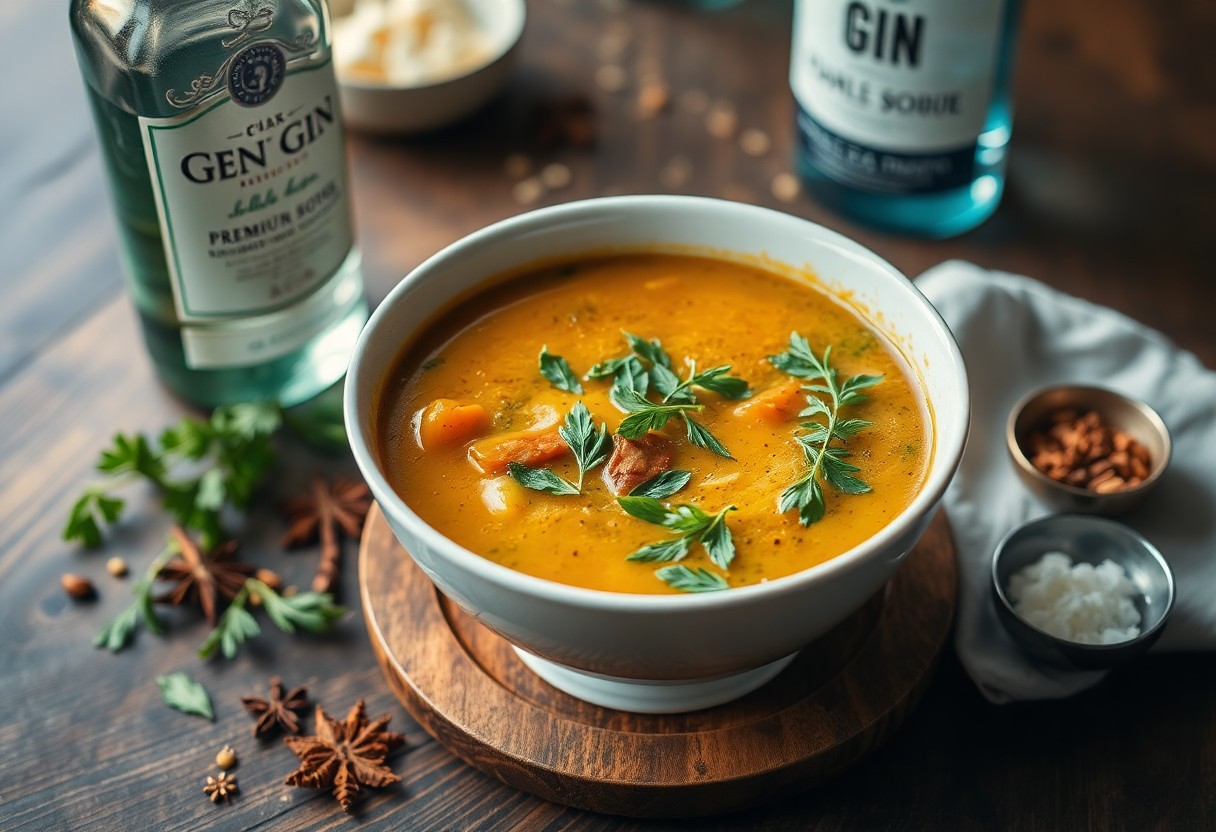
    As you explore the world of culinary innovation, you may stumble upon the intriguing concept of infusing gin into savory soups. You’ll discover that this unique technique can elevate your dishes to new heights, adding a depth of flavor that will leave your taste buds intrigued. Your senses will be delighted by the subtle botanical notes of gin, which complement a variety of ingredients, from creamy broths to rich stews, and you’ll be eager to experiment with this unexpected twist in your own kitchen.

    The Spirit of Gin in the Kitchen

    Your exploration of infusing gin into savory soups is an exciting culinary adventure that can elevate your cooking to new heights. As you research into the world of spirit-infused soups, you’ll discover a myriad of flavors and techniques to enhance your dishes. Gin, with its complex botanical profile, is an ideal spirit to pair with a variety of soups, from creamy broths to clear consommés. By incorporating gin into your soup-making process, you can add depth, warmth, and a subtle aroma that will leave your guests impressed.

    Your creativity in the kitchen will be sparked as you experiment with different gin-infused soup recipes. You’ll find that the spirit can be used in various ways, such as a flavor enhancer, a marinade, or even as a base for a sauce. As you become more comfortable with using gin in your cooking, you’ll begin to appreciate the versatility of this spirit and the unique characteristics it brings to your soups. Whether you’re a seasoned chef or an amateur cook, the possibilities of gin-infused soups are endless, and you’ll enjoy the process of discovering new flavors and techniques to incorporate into your culinary repertoire.

    Historical Marriage of Spirits and Soups

    Beside the traditional use of wine and beer in cooking, spirits like gin have been used for centuries to add flavor and depth to various dishes, including soups. You’ll find that the practice of infusing spirits into soups dates back to ancient times, when cooks would use alcohol to preserve and flavor food. As you explore the history of spirit-infused soups, you’ll discover that gin was a popular choice among cooks due to its botanical profile and versatility. You’ll learn about the various ways gin was used in traditional recipes and how it was often paired with other ingredients to create unique and delicious flavor combinations.

    Besides its culinary uses, gin has also played a significant role in the cultural and social aspects of food and drink. You’ll find that gin was often served as a digestif after meals, and its use in cooking was seen as a way to enhance the overall dining experience. As you research deeper into the history of gin-infused soups, you’ll appreciate the rich cultural heritage behind this culinary tradition and the ways in which it has evolved over time. You’ll be inspired to create your own unique gin-infused soup recipes, blending traditional techniques with modern flavors and ingredients.

    Botanical Notes and Flavor Profiles

    On the surface, gin may seem like a simple spirit, but its flavor profile is complex and multifaceted. You’ll discover that gin is infused with a variety of botanicals, including juniper berries, coriander, and citrus peel, which give it a unique and nuanced flavor. As you explore the world of gin-infused soups, you’ll learn about the different types of gin and their distinct flavor profiles, from London Dry Gin to Plymouth Gin. You’ll find that each type of gin pairs well with specific ingredients and soups, and you’ll enjoy the process of experimenting with different combinations to find your favorite flavors.

    On further exploration, you’ll find that the botanical notes in gin can enhance the flavors of various soups, from the brightness of citrus to the warmth of spices. You’ll learn about the different ways to balance the flavors of gin with other ingredients, creating harmonious and delicious soups that showcase the spirit’s unique characteristics. As you become more familiar with the flavor profiles of different gins, you’ll be able to create innovative and exciting soup recipes that showcase your culinary skills and creativity.

    Even as you continue to experiment with gin-infused soups, you’ll find that the possibilities for flavor combinations are endless. You’ll discover that the botanical notes in gin can complement a wide range of ingredients, from seafood to poultry, and that the spirit can be used in both hot and cold soups. As you push the boundaries of gin-infused soup-making, you’ll develop a deeper understanding of the spirit’s flavor profile and how it can be used to enhance and elevate your dishes, resulting in truly exceptional culinary creations.

    Foundational Techniques

    Some of the most exciting aspects of infusing gin into savory soups lie in the techniques you can employ to bring out the best flavors. As you begin to experiment with gin-infused soups, you’ll find that the methods you use can greatly impact the final product. You’ll want to consider the type of gin you’re using, the amount of gin to add, and the timing of the infusion. By mastering these foundational techniques, you’ll be well on your way to creating delicious and unique gin-infused soups that will impress your friends and family.

    As you research deeper into the world of gin-infused soups, you’ll discover that the possibilities are endless. You can experiment with different types of gin, from London Dry Gin to Plymouth Gin, and even try your hand at making your own infused gin at home. The key is to have fun and be creative with your recipes, and to not be afraid to try new things. With a little practice and patience, you’ll be creating gin-infused soups like a pro in no time.

    Infusion Methods

    Behind the scenes of every great gin-infused soup is a carefully considered infusion method. You’ll need to decide how you want to infuse your gin into the soup, whether it’s by adding it directly to the pot, using a gin-soaked ingredient, or even employing a more complex technique like fat washing. As you experiment with different infusion methods, you’ll find that each one produces a unique flavor profile that can enhance or overpower your soup, depending on your desired outcome. You can try adding gin to the soup during the cooking process, or use it as a finishing touch, adding it just before serving.

    Beyond the basics of infusion methods, you’ll also want to consider the role that gin plays in balancing the flavors of your soup. You’ll need to think about how the botanicals in the gin will interact with the other ingredients in the soup, and make adjustments accordingly. By taking the time to understand how different infusion methods affect the flavor of your soup, you’ll be able to create complex and delicious gin-infused soups that showcase your skills as a chef.

    Temperature Considerations

    On the surface, temperature may seem like a minor consideration when it comes to infusing gin into savory soups, but it can actually have a significant impact on the final flavor. As you heat or cool your soup, the gin will react differently, releasing different flavor compounds and aromas. You can use the following table to guide your temperature considerations:

    Temperature Ranges

    Temperature Effect on Gin
    High Heat Volatilizes gin, releasing intense flavors and aromas
    Low Heat Preserves delicate flavors and aromas, allowing for subtle infusion

    Temperature plays a significant role in the infusion process, and you’ll need to consider how it will affect the flavor of your gin-infused soup. You can use the following table to guide your temperature considerations:

    Temperature Guidelines

    Temperature Range Recommended Use
    150°F – 200°F Simmering or poaching, allowing for gentle infusion
    200°F – 250°F Boiling or reducing, resulting in intense flavor extraction

    Temperature is a key factor in determining the final flavor of your gin-infused soup, and you’ll need to carefully consider how it will affect the infusion process. By understanding how different temperatures impact the flavor of your gin, you’ll be able to create delicious and complex soups that showcase your skills as a chef. As you experiment with different temperatures, you’ll find that the optimal temperature range will depend on the specific ingredients and flavor profile you’re aiming for, so be sure to take notes and adjust your technique accordingly.

    Essential Soup Bases

    Clearly, when it comes to infusing gin into savory soups, the foundation of your dish is paramount. You will want to start with a solid understanding of the various soup bases that can serve as a canvas for your gin-infused creations. As you explore the world of gin-infused soups, you’ll find that the type of soup base you choose can greatly impact the final flavor profile of your dish. Your choice of soup base will depend on the type of flavors you want to highlight and the overall character you aim to achieve in your soup.

    As you explore into soup bases, you’ll discover a wide range of options to choose from, each with its own unique characteristics and potential for gin infusion. You can experiment with different combinations of ingredients and gin botanicals to create truly unique and delicious flavor profiles. Whether you’re looking to create a light and refreshing soup or a rich and creamy one, your understanding of imperative soup bases will be the key to unlocking your full creative potential in the kitchen.

    Clear Broths and Consommés

    The foundation of a clear broth or consommé is a great place to start when infusing gin into your soups. You can use a variety of ingredients such as chicken, beef, or vegetable stock as the base, and then add gin and other aromatics to create a delicious and complex flavor profile. As you experiment with clear broths and consommés, you’ll find that the clarity of the broth allows the flavors of the gin to shine through, creating a truly refreshing and light soup.

    The beauty of clear broths and consommés lies in their versatility, allowing you to add a wide range of ingredients and gin botanicals to create unique flavor combinations. You can try adding herbs, spices, or other aromatics to complement the flavors of the gin, and adjust the seasoning to your taste. As you master the art of creating clear broths and consommés, you’ll be able to craft gin-infused soups that are both elegant and delicious.

    Cream-Based Foundations

    Based on your knowledge of soup bases, you can begin to explore the rich and creamy world of cream-based foundations. You’ll find that these soups offer a luxurious and velvety texture that pairs perfectly with the botanicals found in gin. As you experiment with cream-based foundations, you can add a variety of ingredients such as vegetables, meats, or seafood to create a hearty and satisfying soup.

    Broths and stocks can be used as a starting point for your cream-based foundations, and you can then add cream, coconut milk, or other rich ingredients to create a decadent and creamy texture. You’ll discover that the richness of the cream-based foundation provides a beautiful backdrop for the flavors of the gin to shine through, creating a truly indulgent and delicious soup. As you continue to experiment with cream-based foundations, you’ll be able to craft gin-infused soups that are both comforting and sophisticated.

    Botanical Pairings

    After exploring the world of gin-infused savory soups, you’ll discover that the key to unlocking the perfect flavor lies in the botanical pairings. You’ll find that different gin botanicals can elevate your soups to new heights, adding depths of flavor and complexity that will leave your taste buds wanting more. As you experiment with various gin-infused soups, you’ll begin to notice that certain botanicals pair better with specific ingredients, creating harmonious and delicious flavor profiles that will become a staple in your culinary repertoire.

    As you examine deeper into the world of botanical pairings, you’ll start to appreciate the versatility of gin in savory soups. You’ll learn how to balance and combine different botanicals to create unique and exciting flavor experiences that will set your soups apart from the rest. Whether you’re a seasoned chef or an adventurous home cook, the world of gin-infused savory soups offers endless possibilities for creativity and innovation, and by understanding the art of botanical pairings, you’ll be well on your way to creating truly exceptional dishes.

    Juniper-Forward Combinations

    Combining gin with other ingredients can lead to some truly remarkable flavor experiences, and when it comes to juniper-forward combinations, you’ll find that the possibilities are endless. You can pair your gin with earthy ingredients like mushrooms or root vegetables, which complement the piney flavor of juniper perfectly. As you experiment with different combinations, you’ll discover that the bitterness of the juniper can be balanced by the richness of ingredients like cream or butter, creating a delightful harmony of flavors that will leave you wanting more.

    Considering the flavor profile of your gin, you’ll be able to create juniper-forward combinations that showcase the best of both the gin and the other ingredients. You’ll learn how to balance the flavors to create a soup that is both refreshing and savory, with the juniper adding a delightful depth and complexity to the dish. As you master the art of juniper-forward combinations, you’ll be able to create soups that are truly unique and delicious, and that will impress even the most discerning palates.

    Citrus and Herb Harmonies

    An abundance of citrus and herb flavors can be found in many gins, and when paired with savory soups, these flavors can create truly magical harmonies. You’ll find that the brightness of citrus can cut through the richness of creamy soups, while the herbal notes can add a fresh and uplifting quality to clear broths. As you experiment with different citrus and herb combinations, you’ll discover that the possibilities are endless, and that you can create soups that are both soothing and invigorating.

    At the heart of citrus and herb harmonies lies the art of balance and restraint, as you’ll need to carefully consider the amount of citrus and herbs to add to your soup in order to achieve the perfect harmony. You’ll learn how to use the citrus and herbal notes in your gin to enhance the flavors of your ingredients, rather than overpowering them, and how to create a delicate balance of flavors that will elevate your soups to new heights. As you master the art of citrus and herb harmonies, you’ll be able to create soups that are both delicious and visually stunning, with the citrus and herbs adding a pop of color and freshness to the dish.

    Seasonal Applications

    Now that you have explored the world of infusing gin into savory soups, it’s time to consider the seasonal applications that can elevate your culinary creations. As you commence on this gastronomic journey, you’ll discover that the changing seasons offer a plethora of opportunities to experiment with unique flavor profiles and ingredients. Your senses will be delighted by the diverse array of seasonal produce, and your creativity will be sparked by the prospect of incorporating gin into your soups in innovative ways.

    As you explore into the world of seasonal applications, you’ll find that the key to success lies in balancing the flavors and ingredients to complement the time of year. You’ll need to consider the characteristics of each season and how they can be enhanced by the addition of gin. From the light, refreshing flavors of summer to the rich, comforting flavors of winter, you’ll be able to craft soups that not only showcase the best of the season but also highlight the versatility of gin as an ingredient.

    Summer Chilled Variations

    Across the summer months, you’ll find that chilled soups are a perfect way to beat the heat, and infusing gin into these refreshing creations can add a whole new dimension of flavor. You can experiment with gin-infused gazpacho, cucumber soup, or even a chilled pea soup, each one showcasing the bright, citrusy notes of gin. As you explore these summer chilled variations, you’ll discover that the botanicals in gin complement the fresh, seasonal ingredients beautifully, creating a truly refreshing and revitalizing culinary experience.

    As you create your summer chilled soups, you’ll want to consider the type of gin you use and how its flavor profile will interact with the other ingredients. You may find that a lighter, more citrus-forward gin works perfectly in a chilled cucumber soup, while a more robust, herbal gin is better suited to a gazpacho. By experimenting with different gins and flavor combinations, you’ll be able to craft unique and delicious summer soups that showcase the best of the season.

    Winter Warming Bowls

    Wrapping yourself in the warmth of a rich, comforting soup is one of the greatest pleasures of the winter season, and adding gin to the mix can elevate this experience to new heights. You can create hearty, gin-infused stews and soups that showcase the rich, spicy flavors of winter, from a gin-spiked beef stew to a creamy, gin-infused potato soup. As you explore these winter warming bowls, you’ll find that the bold, warming flavors of gin are perfectly suited to the cold winter months.

    As you craft your winter warming bowls, you’ll want to consider the type of ingredients that will complement the rich, spicy flavors of gin. You may find that root vegetables, such as carrots and parsnips, work beautifully with the warm, spicy notes of gin, while a rich, beef broth provides a perfect backdrop for the bold flavors of a London Dry Gin. By experimenting with different ingredients and flavor combinations, you’ll be able to create delicious, comforting soups that are perfect for the winter season.

    A key aspect of winter warming bowls is the way they can evoke a sense of comfort and nostalgia, and the addition of gin can add a sophisticated twist to these traditional winter soups. As you serve your gin-infused creations to friends and family, you’ll find that the warm, spicy flavors and aromas transport you to a cozy winter wonderland, where the pleasures of good food and good company are paramount. By incorporating gin into your winter soups, you’ll be able to create truly special culinary experiences that will be cherished by all who partake.

    Service and Presentation

    All aspects of serving and presenting your gin-infused savory soups are just as important as the preparation itself. You want to create an immersive experience for your guests, and the way you serve and present your dish can elevate it to the next level. With respect to serving gin-infused soups, you have a variety of options to consider, from the type of bowl or cup you use to the garnishes and accompaniments you choose. By paying attention to these details, you can create a truly memorable dining experience for your guests.

    Your goal is to create a harmonious balance between the flavors and aromas of the soup and the visual presentation. This can be achieved by selecting a bowl or cup that complements the color and texture of the soup, and by adding garnishes and accompaniments that enhance the overall flavor profile. As you consider the service and presentation of your gin-infused savory soups, you may want to think about the ambiance and atmosphere you want to create for your guests. Do you want to create a cozy and intimate setting, or a more lively and festive one?

    Garnishing Elements

    One of the most effective ways to add visual interest to your gin-infused savory soups is to use garnishes and accompaniments. You can choose from a variety of options, such as fresh herbs, edible flowers, or crispy bread croutons. When opting for garnishes, consider the flavors and ingredients used in the soup, and choose elements that complement or contrast with them in interesting ways. For example, if you’re serving a creamy soup, you might choose a crunchy garnish like croutons or toasted nuts to add texture.

    One key thing to keep in mind when choosing garnishes is the balance between flavor and visual appeal. You want your garnishes to enhance the overall flavor profile of the soup, without overpowering it. You also want them to add visual interest and appeal, without overwhelming the dish. By striking the right balance, you can create a dish that is both delicious and visually stunning.

    Serving Temperatures

    An important consideration when serving gin-infused savory soups is the temperature at which you serve them. Different soups are best served at different temperatures, and serving a soup at the wrong temperature can affect its flavor and texture. The following table outlines some general guidelines for serving temperatures:

    Serving Temperatures for Gin-Infused Soups
    Soup Type Optimal Serving Temperature
    Cream-based soups 160-170°F (71-77°C)
    Clear soups 180-190°F (82-88°C)
    Pureed soups 170-180°F (77-82°C)

    Plus, you should also consider the temperature of the bowls or cups you’re serving the soup in. You want the bowls to be warm, but not hot, to ensure that the soup stays at the optimal temperature for as long as possible. You can warm the bowls by filling them with hot water and letting them sit for a few minutes before serving. This will help to keep the soup at the right temperature, and will also add to the overall sensory experience of the dish. The following table provides more information on optimal bowl temperatures:

    Optimal Bowl Temperatures
    Bowl Material Optimal Temperature
    Ceramic 100-120°F (38-49°C)
    Glass 90-110°F (32-43°C)

    Final Reflections: The Poetry of Gin-Kissed Soups

    For those who have ventured into infusing gin into savory soups, you have likely discovered a whole new dimension of flavors and aromas that elevate your culinary creations to unprecedented heights. As you experiment with different gin-infused soup recipes, you begin to appreciate the subtle nuances that this spirit brings to the table. Your palate is treated to a symphony of botanicals, from the brightness of citrus to the depth of juniper, which meld seamlessly with the rich flavors of your soups. Whether you’re a seasoned chef or an adventurous home cook, the art of gin-infused soups offers a world of possibilities for innovation and creativity.

    As you continue to explore the poetry of gin-kissed soups, you’ll find that the process of experimentation and discovery becomes an integral part of the journey. Your sense of taste and smell will become more refined, allowing you to discern the subtle differences between various gin styles and their interactions with different ingredients. You’ll develop a deeper understanding of how to balance and harmonize flavors, creating soups that are at once familiar and innovative. With each new creation, you’ll be able to share your passion for gin-infused soups with others, spreading the joy of this unique and exciting culinary experience. As you sit down to savor your latest gin-kissed soup, you’ll appreciate the beauty of this gastronomic delight and the satisfaction of having crafted something truly special.

  • Are You Ready To Discover The Alchemy Of Gin-Infused Desserts?

    Are You Ready To Discover The Alchemy Of Gin-Infused Desserts?

    You’re about to unlock a world of unique flavors as you explore into the art of gin-infused desserts. Your taste buds will thank you as you explore the possibilities of combining the botanicals of gin with sweet treats. With your curiosity piqued, you’ll learn how to elevate your desserts and create truly show-stopping dishes that will impress your friends and family. Get ready to experiment and uncover the magic of gin-infused desserts.

    The Spirit of Botanicals

    The world of gin-infused desserts is a fascinating realm where the art of mixology meets the sweetness of pastries. As you explore into this unique culinary experience, you’ll discover that the spirit of botanicals plays a significant role in crafting these innovative treats. Gin, with its diverse range of botanicals, offers a wide array of flavors that can be expertly paired with various dessert ingredients to create something truly magical. Your journey into the alchemy of gin-infused desserts begins with understanding the essence of gin and how its botanicals can elevate your desserts to new heights.

    The possibilities are endless when you consider the numerous botanicals used in gin production, from classic juniper and coriander to more exotic ingredients like rose petals and citrus peels. As you explore the world of gin-infused desserts, you’ll have the opportunity to experiment with different gin profiles, each offering a distinct flavor palette that can be matched with your favorite desserts. Whether you’re a seasoned pastry chef or an adventurous home baker, the spirit of botanicals in gin-infused desserts is sure to inspire your creativity and delight your taste buds.

    The Essence of Gin in Desserts

    Above all, the essence of gin in desserts lies in its ability to add a sophisticated and complex flavor dimension to traditional sweet treats. As you incorporate gin into your desserts, you’ll find that the botanicals in the spirit can enhance the natural flavors of your ingredients, creating a harmonious balance of tastes and aromas. Your desserts will take on a new level of depth and character, making them perfect for special occasions or as a unique offering in your bakery or restaurant.

    Akin to the art of perfumery, the essence of gin in desserts requires a delicate balance of flavors, where the botanicals in the gin complement and enhance the other ingredients in your recipe. As you experiment with different gin-infused desserts, you’ll develop a keen sense of how to pair the spirit with various flavors, from fruity and floral to rich and chocolatey. Your creations will be truly one-of-a-kind, showcasing your skill and creativity as a pastry chef or home baker.

    Selecting the Perfect Gin Profile

    By considering the specific botanicals used in a gin, you can select the perfect profile to pair with your dessert ingredients. As you explore the world of gin, you’ll encounter a wide range of styles, from London Dry Gin to Plymouth Gin, each with its unique blend of botanicals. Your choice of gin will depend on the flavor profile you want to achieve in your dessert, whether it’s the bright, citrusy notes of a grapefruit-infused gin or the warm, spicy flavors of a gin with cinnamon and nutmeg.

    Also, when selecting a gin for your desserts, consider the level of juniper flavor you prefer, as this can greatly impact the overall taste of your creations. Some gins have a more pronounced juniper flavor, while others are more subtle, allowing the other botanicals to take center stage. As you experiment with different gin profiles, you’ll develop a deeper understanding of how the various botanicals interact with your dessert ingredients, enabling you to craft truly exceptional gin-infused desserts that showcase your skill and creativity.

    Essential Techniques

    Some of the most impressive gin-infused desserts you’ll encounter are those that have been carefully crafted with a deep understanding of the underlying techniques. As you examine into the world of gin-infused desserts, you’ll find that mastering these techniques is important to creating truly exceptional treats. You’ll need to develop a sense of how to balance flavors, infuse your desserts with the perfect amount of gin, and present your creations in a way that’s both visually stunning and appetizing. By focusing on these important techniques, you’ll be well on your way to creating gin-infused desserts that will impress even the most discerning palates.

    As you explore the world of gin-infused desserts, you’ll discover that the possibilities are endless, and the techniques you use will depend on the specific dessert you’re creating. You may find that some desserts lend themselves perfectly to infusion methods, while others require a more delicate approach to balancing flavors. Regardless of the technique you choose, the key is to experiment and have fun with the process, as this will allow you to develop your own unique style and flair.

    Infusion Methods

    Any gin-infused dessert worth its salt will have been crafted using a thoughtful and intentional infusion method. You’ll need to consider the type of gin you’re using, as well as the other ingredients in your dessert, in order to determine the best infusion method for your creation. You may choose to use a simple infusion method, such as steeping your gin in a syrup or cream, or you may prefer a more complex method, such as using a vacuum sealer to infuse your gin into a delicate mousse. Regardless of the method you choose, the key is to ensure that your gin is evenly distributed throughout your dessert, and that the flavors are balanced and harmonious.

    Anytime you’re working with gin-infused desserts, you’ll need to be mindful of the potency of the gin, as it can quickly overpower the other flavors in your dessert. You’ll need to taste and adjust as you go, adding more gin or other ingredients as needed to achieve the perfect balance of flavors. By taking the time to carefully consider your infusion method, you’ll be able to create desserts that are both delicious and visually stunning, with a depth of flavor that will leave your guests begging for more.

    Balancing Flavors

    Above all, the key to creating exceptional gin-infused desserts is to balance your flavors carefully. You’ll need to consider the botanicals in your gin, as well as the other ingredients in your dessert, in order to create a harmonious and balanced flavor profile. You may find that certain flavors, such as citrus or floral notes, pair perfectly with the botanicals in your gin, while others may clash or overpower the other ingredients in your dessert. By taking the time to carefully balance your flavors, you’ll be able to create desserts that are both delicious and sophisticated, with a depth of flavor that will impress even the most discerning palates.

    Above and beyond the basics of balancing flavors, you’ll also need to consider the texture and presentation of your dessert. You may choose to add garnishes or toppings to enhance the visual appeal of your dessert, or you may prefer to keep things simple and let the flavors speak for themselves. Regardless of the approach you take, the key is to create a dessert that is both delicious and visually stunning, with a balance of flavors and textures that will leave your guests in awe.

    In fact, balancing flavors is an art that takes time and practice to master, and it’s an area where you can continually experiment and improve your skills. As you work with different types of gin and various dessert ingredients, you’ll develop a sense of how to balance your flavors to create harmonious and delicious desserts. You’ll learn to trust your palate and make adjustments on the fly, adding a pinch of this or a dash of that to create the perfect balance of flavors. With practice and patience, you’ll become a master of balancing flavors, and your gin-infused desserts will be the talk of the town.

    Classic Pairings

    It is no secret that gin-infused desserts have become a staple in modern culinary experiences, and for good reason. You are likely familiar with the unique flavor profiles that gin can bring to traditional desserts, elevating them to new heights. As you probe into the world of gin-infused desserts, you will discover that certain classic pairings stand out from the rest. Your taste buds will thank you as you explore the harmonious combinations that have been perfected by skilled pastry chefs and mixologists. From citrus and juniper to floral notes, the possibilities are endless, and you are about to commence on a journey to discover your new favorite dessert combinations.

    As you explore the world of classic pairings, you will find that the key to creating exceptional gin-infused desserts lies in balancing flavors. You will need to consider the botanicals used in the gin, as well as the ingredients in your dessert, to create a harmonious union. With a little practice and patience, you will be able to craft desserts that showcase the unique characteristics of gin, while also complementing the other ingredients. Whether you are a seasoned pastry chef or a novice baker, you will find that the art of creating gin-infused desserts is a fun and rewarding experience that will take your desserts to the next level.

    Citrus and Juniper Harmonies

    The combination of citrus and juniper is a match made in heaven, and you will find that it pairs perfectly with a variety of desserts. You can use gin-infused simple syrups, citrus zest, or even gin-soaked fruits to add depth and complexity to your desserts. As you experiment with different citrus flavors, such as lemon, lime, or grapefruit, you will discover that each one brings a unique twist to the classic combination. Your desserts will be elevated by the bright, citrusy flavors, which will cut through the richness of the gin, creating a beautiful balance of flavors.

    The beauty of citrus and juniper harmonies lies in their versatility, and you will find that they can be used in a wide range of desserts, from tangy key lime pies to sweet and sour lemon bars. You can also experiment with different types of citrus, such as yuzu or bergamot, to add an extra layer of complexity to your desserts. As you master the art of combining citrus and juniper, you will be able to create desserts that are both familiar and innovative, making them perfect for special occasions or everyday treats.

    Floral Notes in Sweet Creations

    Creations that feature floral notes are a staple in the world of gin-infused desserts, and you will find that they add a delicate and sophisticated touch to any dessert. You can use gin-infused syrups, floral extracts, or even edible flowers to create desserts that are as beautiful as they are delicious. As you experiment with different floral flavors, such as rose, lavender, or jasmine, you will discover that each one brings a unique and subtle flavor profile to your desserts. Your creations will be elevated by the delicate, floral notes, which will add a touch of elegance and sophistication to any dessert.

    Indeed, floral notes in sweet creations are a game-changer, and you will find that they can be used in a variety of desserts, from delicate rose petal cakes to lavender creme brulees. You can also experiment with different types of flowers, such as hibiscus or orange blossom, to add an extra layer of complexity to your desserts. As you master the art of incorporating floral notes into your desserts, you will be able to create unique and captivating flavor profiles that will set your desserts apart from the rest, and your guests will be sure to be impressed by your creativity and skill.

    Temperature Matters

    For achieving the perfect balance of flavors in your gin-infused desserts, temperature plays a significant role. You will need to consider the optimal temperature for preparing and serving your desserts to bring out the best in your gin infusions. The following table outlines the key temperature considerations for different preparation methods:

    Preparation Method Optimal Temperature
    Cold Infusions Refrigerator temperature (around 4°C/39°F)
    Baked Goods Varies by recipe, but typically between 150°C/300°F and 200°C/400°F

    Cold Preparations

    Before you start preparing your cold gin-infused desserts, you should consider the flavor profile you want to achieve. You can use cold infusions to create delicate and refreshing desserts, such as gin-infused sorbet or gin-spiked ice cream. By keeping your ingredients cold, you can prevent the gin from becoming overpowering and preserve the subtle flavors of your other ingredients.

    By experimenting with different cold preparation methods, you can develop a range of unique and delicious gin-infused desserts. You can try infusing your gin in the refrigerator for several hours or overnight to create a smooth and subtle flavor. Alternatively, you can use a cold infusion device to speed up the process and achieve a more intense flavor.

    Baked Applications

    Around the time you start baking your gin-infused desserts, you should be aware of the temperature and cooking time to ensure that your gin is evenly distributed and the flavors are well-balanced. You can use gin in a variety of baked goods, such as cakes, cookies, and tarts, to add a unique and sophisticated twist to your desserts. By understanding how temperature affects the flavor and texture of your baked goods, you can create a range of delicious and complex desserts.

    Around the world, bakers and pastry chefs are experimenting with gin-infused desserts, pushing the boundaries of flavor and creativity. You can join them by trying out new recipes and techniques, such as using gin-soaked fruits or gin-infused syrups to add depth and complexity to your baked goods.

    Matters of texture and flavor are also important when it comes to baked applications, as the heat from the oven can cause the gin to evaporate or become overpowering. You should carefully monitor the temperature and cooking time to ensure that your gin-infused desserts turn out light, fluffy, and full of flavor. By mastering the art of baking with gin, you can create a range of unique and delicious desserts that will impress your friends and family.

    Textural Elements

    After exploring the world of gin-infused desserts, you’ll discover that texture plays a significant role in enhancing the overall experience. You’ll find that the combination of gin with various ingredients can create a wide range of textures, from smooth and creamy to crunchy and crystalline. As you experiment with different recipes, you’ll notice how the texture of your desserts can elevate the flavors and aromas of the gin, creating a truly unique experience for your taste buds. Your sense of touch will also come into play, as you’ll be able to feel the different textures in your mouth, adding another layer of depth to your dessert experience.

    As you probe deeper into the world of gin-infused desserts, you’ll begin to appreciate the importance of balancing different textures to create a harmonious and engaging experience. You’ll learn to combine smooth and creamy elements with crunchy and crystalline ones, creating a delightful contrast that will leave your taste buds wanting more. Your creativity will be sparked, and you’ll be inspired to experiment with new and innovative texture combinations, pushing the boundaries of what’s possible with gin-infused desserts.

    Creamy Compositions

    Alongside the exploration of gin-infused desserts, you’ll encounter a variety of creamy compositions that will add a rich and velvety texture to your creations. Amidst the numerous possibilities, you’ll find that ingredients like cream, mascarpone, and custard can be perfectly paired with gin, resulting in desserts that are both decadent and refined. Your creamy compositions will become a cornerstone of your gin-infused dessert repertoire, providing a luxurious and indulgent experience for you and your guests.

    As you work with creamy compositions, you’ll discover that the key to success lies in balancing the flavors and textures of your ingredients. Along the way, you’ll learn to select the perfect type of cream or cheese to pair with your gin, and how to combine them in a way that creates a smooth and creamy texture. Your creamy desserts will become a hallmark of your culinary skills, and you’ll be able to impress your friends and family with your creations.

    Crystalline Structures

    Beside the creamy compositions, you’ll also encounter crystalline structures that will add a delicate and elegant touch to your gin-infused desserts. Beneath the surface of these structures, you’ll find a world of intricate flavors and textures, waiting to be explored and savored. By experimenting with ingredients like sugar, salt, and citrus, you’ll be able to create crystalline structures that complement your gin-infused desserts perfectly, adding a touch of sophistication and refinement.

    By working with crystalline structures, you’ll develop a deeper understanding of how to balance flavors and textures in your desserts. Beside the technical aspects, you’ll also learn to appreciate the aesthetic appeal of crystalline structures, and how they can add a touch of drama and visual interest to your presentations. Your crystalline creations will become a testament to your skill and creativity, and you’ll be able to impress your guests with your attention to detail.

    With the addition of crystalline structures to your gin-infused desserts, you’ll be able to create a truly immersive experience that engages all of your senses. With each bite, you’ll be able to appreciate the delicate crunch of the crystalline elements, the smoothness of the creamy compositions, and the bold flavors of the gin, all combining to create a truly unforgettable experience. Your desserts will become a masterpiece of texture and flavor, and you’ll be able to enjoy the satisfaction of having created something truly unique and special.

    Seasonal Inspirations

    Many of you may be wondering how to incorporate gin-infused desserts into your seasonal celebrations. As you explore the world of gin-infused desserts, you’ll discover that the changing seasons offer a wealth of inspiration for your creations. From the bright, citrusy flavors of summer to the warm, spicy tones of winter, each season presents an opportunity to craft unique and delicious gin-infused desserts that will impress your friends and family. As you probe into the world of seasonal desserts, you’ll find that the key to success lies in selecting ingredients that are at their peak flavor and freshness during each time of year.

    As you consider the seasons and their corresponding flavors, you’ll begin to envision the possibilities for your gin-infused desserts. You might imagine a summer garden party, complete with gin-infused desserts that showcase the freshest fruits and herbs of the season. Or, you might picture a cozy winter evening, with gin-infused desserts that warm the heart and soul with their rich, spicy flavors. Whatever the season, you’ll find that gin-infused desserts offer a world of creative possibilities, limited only by your imagination and creativity.

    Summer Garden Delights

    One of the most exciting aspects of creating gin-infused desserts is the opportunity to incorporate the fresh, vibrant flavors of the summer season. You can use your favorite gin as a base and combine it with ingredients like strawberries, raspberries, and lemons to create desserts that are as refreshing as they are delicious. As you experiment with different flavor combinations, you’ll discover that the botanicals in your gin can enhance and complement the natural flavors of your ingredients, resulting in desserts that are truly greater than the sum of their parts.

    One way to take advantage of the summer season is to incorporate edible flowers and herbs into your gin-infused desserts. You can use flowers like lavender and hibiscus to add subtle, floral notes to your desserts, or herbs like mint and basil to add bright, refreshing flavors. As you explore the world of summer garden delights, you’ll find that the possibilities are endless, and that your gin-infused desserts can be as unique and creative as you are.

    Winter Warmth and Spice

    Gently, the winter season arrives, bringing with it a wealth of opportunities to create gin-infused desserts that are warm, spicy, and comforting. You can use your favorite gin as a base and combine it with ingredients like cinnamon, nutmeg, and cloves to create desserts that are perfect for the holiday season. As you experiment with different flavor combinations, you’ll discover that the botanicals in your gin can add depth and complexity to your desserts, resulting in treats that are truly special.

    Garden fresh ingredients may be scarce during the winter months, but you can still create delicious gin-infused desserts using ingredients like dried fruits, nuts, and spices. You can also experiment with different types of gin, such as those infused with warm, spicy botanicals like cinnamon and cardamom, to add an extra layer of flavor to your desserts. As you explore the world of winter warmth and spice, you’ll find that the possibilities are endless, and that your gin-infused desserts can be a true delight.

    For instance, you can create a gin-infused dessert like a spiced apple crisp, using gin infused with cinnamon and nutmeg to add warmth and depth to the dish. You can also experiment with different types of citrus, like oranges and lemons, to add a bright, citrusy note to your winter desserts. As you explore the world of winter warmth and spice, you’ll discover that the key to success lies in balancing the warm, spicy flavors of the season with the bright, refreshing flavors of your gin, resulting in desserts that are truly greater than the sum of their parts.

    Final Words

    Upon reflecting on your journey to discover the alchemy of gin-infused desserts, you have likely gained a deeper understanding of the complex flavors and techniques involved in crafting these unique treats. You have learned how to balance the botanicals of gin with the sweetness of desserts, creating a truly one-of-a-kind experience for your taste buds. As you continue to experiment with gin-infused desserts, you will find that the possibilities are endless, and your creations will become more sophisticated and refined with time. Your newfound knowledge will allow you to impress your friends and family with innovative desserts that are sure to be the talk of any gathering.

    As you move forward in your culinary endeavors, you will find that the world of gin-infused desserts is constantly evolving, with new and exciting ingredients being introduced all the time. You will have the opportunity to explore different types of gin, each with its own unique flavor profile, and experiment with various dessert recipes to find the perfect combination. With your newfound expertise, you will be able to push the boundaries of what is possible with gin-infused desserts, creating truly show-stopping treats that will leave a lasting impression on anyone who tries them. Your passion for gin-infused desserts will continue to grow, and you will become a master of this unique and exciting culinary art form, always seeking out new ways to innovate and improve your craft.

  • What Uncommon Ingredients Pair Harmoniously With Gin In Your Recipes?

    What Uncommon Ingredients Pair Harmoniously With Gin In Your Recipes?

    You’re likely familiar with classic gin pairings, but have you explored the world of unconventional ingredients that can elevate your gin-based recipes? As you experiment with new flavors, you’ll discover that certain uncommon ingredients can beautifully complement the botanicals in gin, adding depth and complexity to your creations. Your journey to find the perfect harmony of flavors starts here, where you’ll uncover unique pairings to take your gin recipes to the next level.

    The Botanical Foundation of Gin

    The essence of gin lies in its botanical foundation, which sets it apart from other spirits. As you explore the world of gin, you’ll discover that the combination of botanicals used in its production is what gives gin its unique character. You’ll find that different gins have distinct flavor profiles, depending on the botanicals used, and this is what makes experimenting with gin in your recipes so exciting. Your understanding of these botanicals will help you pair gin with other ingredients in a way that enhances its natural flavors.

    The world of gin is vast and varied, with numerous botanicals contributing to its complexity. As you research deeper into the world of gin, you’ll encounter a wide range of flavors, from the traditional to the innovative. You’ll have the opportunity to experiment with different gins, each with its own unique botanical profile, and discover how they interact with other ingredients in your recipes. This experimentation will allow you to develop a deeper appreciation for the art of mixing gin and to create truly unique and delicious cocktails.

    Traditional Botanicals Overview

    Along with the mandatory juniper berries, gin producers often use a variety of traditional botanicals, including coriander, angelica, and citrus peels. As you become more familiar with these botanicals, you’ll begin to understand how they contribute to the overall flavor profile of gin. You’ll notice that different gins use varying proportions of these botanicals, resulting in a diverse range of flavors. Your knowledge of these traditional botanicals will serve as a foundation for exploring more unusual ingredients and discovering new pairings.

    Alongside the traditional botanicals, you’ll also encounter other ingredients that are commonly used in gin production, such as orris root, licorice, and cassia bark. As you experiment with different gins, you’ll develop an appreciation for how these ingredients interact with the traditional botanicals and contribute to the overall character of the spirit. You’ll begin to recognize the subtle nuances that each botanical brings to the table and how they can be used to create complex and intriguing flavor profiles.

    Understanding Gin’s Flavor Profile

    Along with the botanicals, the flavor profile of gin is also influenced by the production methods used, such as the type of still and the distillation technique. As you explore the world of gin, you’ll discover that these factors can significantly impact the final product, resulting in a wide range of flavors and aromas. You’ll learn to appreciate the differences between various gins and how they can be used in different recipes to achieve unique effects. Your understanding of gin’s flavor profile will enable you to make informed decisions when pairing it with other ingredients and to create cocktails that showcase its full potential.

    Along with the production methods, the aging process can also play a role in shaping the flavor profile of gin. As you become more familiar with the different types of gin, you’ll notice that some are aged in barrels, while others are bottled immediately after distillation. You’ll develop an appreciation for how the aging process can mellow out the flavors and add complexity to the spirit, and you’ll learn to consider this factor when selecting a gin for your recipes.

    Plus, as you continue to explore the world of gin, you’ll find that understanding its flavor profile is key to creating harmonious pairings with other ingredients. You’ll learn to identify the dominant flavors in a particular gin and balance them with complementary ingredients, resulting in cocktails that are both delicious and sophisticated. By considering the botanicals, production methods, and aging process, you’ll be able to unlock the full potential of gin and create unique and captivating recipes that showcase its versatility and charm.

    Exotic Fruits and Gin

    Assuming you’re looking to elevate your gin-based recipes, incorporating exotic fruits can be a great way to add unique flavors and aromas. You can experiment with a variety of exotic fruits to find the perfect pairing for your taste preferences. From kumquats to dragon fruits, the options are endless, and you can create some truly innovative and delicious combinations. As you explore the world of exotic fruits, you’ll discover that some pair exceptionally well with gin, complementing its botanicals and adding depth to your cocktails.

    As you research into the world of exotic fruits, you’ll find that some of the most unexpected pairings can lead to truly remarkable flavor profiles. You can start by experimenting with different types of citrus fruits, such as yuzu or kumquat, which add a nice balance of sweet and sour notes to your gin-based recipes. Alternatively, you can try combining gin with more tropical fruits like dragon fruit or lychee, which introduce a pop of color and a burst of juicy flavor to your cocktails. The key is to experiment and find the perfect balance of flavors that work for you and your taste preferences.

    Kumquat and Yuzu Pairings

    Yielding a unique flavor profile, kumquats and yuzu can add a fascinating twist to your gin-based recipes. You can use these exotic fruits to create a variety of cocktails, from refreshing spritzers to complex, layered drinks. When working with kumquats and yuzu, you’ll want to consider the balance of sweet and sour notes, as these fruits can add a nice brightness to your gin. By experimenting with different combinations, you can create some truly innovative and delicious drinks that showcase the unique flavors of these exotic fruits.

    Yuzu, in particular, is a great fruit to pair with gin, as its citrusy flavor complements the botanicals of the spirit nicely. You can use yuzu juice or zest to add a nice aroma and flavor to your cocktails, and pair it with other ingredients like honey or ginger to create a balanced and refreshing drink. As you experiment with kumquats and yuzu, you’ll find that these fruits can add a unique and exciting dimension to your gin-based recipes, and help you create some truly memorable cocktails.

    Dragon Fruit and Lychee Combinations

    Akin to other exotic fruits, dragon fruit and lychee can add a pop of color and a burst of juicy flavor to your gin-based recipes. You can use these fruits to create a variety of cocktails, from refreshing summer drinks to complex, layered concoctions. When working with dragon fruit and lychee, you’ll want to consider the balance of sweet and sour notes, as these fruits can add a nice brightness to your gin. By experimenting with different combinations, you can create some truly innovative and delicious drinks that showcase the unique flavors of these exotic fruits.

    At the heart of creating successful dragon fruit and lychee combinations is finding the right balance of flavors. You’ll want to consider the sweetness of the fruit, the botanicals of the gin, and the other ingredients you’re using in your recipe. By striking the right balance, you can create a cocktail that’s both refreshing and complex, with a unique flavor profile that showcases the best of these exotic fruits. As you experiment with dragon fruit and lychee, you’ll find that these fruits can add a unique and exciting dimension to your gin-based recipes, and help you create some truly memorable cocktails.

    Herbs Beyond Juniper

    There’s a world of herbs that can complement the flavor of gin in your recipes, going beyond the traditional juniper. As you explore these options, you’ll find that certain herbs can add unique and intriguing flavors to your gin-based dishes. You may be surprised at how well certain herbs pair with gin, and how they can elevate your recipes to the next level. With a little experimentation, you can discover new favorite combinations that will impress your friends and family.

    As you investigate into the world of herbs, you’ll notice that some unexpected pairings can work beautifully with gin. You can try combining gin with herbs like shiso, Thai basil, lemon verbena, and borage, among others. These herbs offer a range of flavors, from bright and citrusy to sweet and floral, and can add depth and complexity to your recipes. By experimenting with different herb and gin combinations, you can create unique and delicious dishes that showcase your creativity and skill.

    Shiso and Thai Basil

    Akin to the way you might pair gin with traditional herbs, you can also experiment with shiso and Thai basil to create unique flavor profiles. You’ll find that these herbs have a distinct aroma and taste that can complement the botanicals in gin. Shiso, in particular, has a bright, citrusy flavor that can work well in gin-based cocktails, while Thai basil adds a slightly spicy and sweet note. As you work with these herbs, you’ll discover that they can add a fascinating dimension to your recipes.

    Alongside shiso and Thai basil, you can also consider other herbs that have a similar flavor profile. You might find that herbs like mint, lemongrass, or galangal can also pair well with gin, depending on the specific botanicals used in the gin. By exploring these different herb and gin combinations, you can develop a deeper understanding of how to balance flavors and create harmonious pairings in your recipes.

    Lemon Verbena and Borage

    By exploring the world of herbs, you’ll come across lemon verbena and borage, two herbs that can add a unique twist to your gin-based recipes. You’ll find that lemon verbena has a light, citrusy flavor that can complement the botanicals in gin, while borage adds a sweet, floral note. As you work with these herbs, you’ll discover that they can add a delicate and refined flavor to your dishes.

    But what’s particularly interesting about lemon verbena and borage is the way they can enhance the flavor of gin without overpowering it. You’ll find that these herbs can add a subtle depth and complexity to your recipes, making them perfect for those who want to create sophisticated and refined dishes. As you experiment with lemon verbena and borage, you’ll develop a deeper understanding of how to balance flavors and create harmonious pairings in your recipes, and you’ll be able to impress your friends and family with your unique and delicious creations.

    Floral Elements

    After exploring the world of gin, you may have noticed that floral elements can add a unique and fascinating dimension to your recipes. As you experiment with different ingredients, you’ll discover that certain flowers pair harmoniously with gin, elevating its flavor profile and creating intriguing taste experiences. Your journey into floral gin pairings can begin with some uncommon ingredients that will surprise and delight your palate. You can start by considering the delicate flavors of various flowers, such as the butterfly pea flower, elderflower, and lavender, which can add subtle yet distinctive notes to your gin-based creations.

    As you explore deeper into the world of floral elements, you’ll find that each flower brings its own distinct character to the table. You can use these flowers to create complex and balanced flavor profiles that showcase the versatility of gin. Whether you’re crafting cocktails, cooking up a storm, or simply experimenting with new flavors, your exploration of floral elements is sure to yield some exciting results. With a little creativity and experimentation, you can unlock the full potential of gin and discover new favorite recipes that highlight the beauty of floral ingredients.

    Butterfly Pea Flower

    To take your gin pairings to the next level, you can try incorporating the butterfly pea flower into your recipes. This exotic flower is known for its vibrant blue color and delicate, slightly sweet flavor, which pairs surprisingly well with the botanicals found in gin. You can use the butterfly pea flower to create stunning cocktails that change color before your eyes, adding an extra layer of drama and excitement to your creations. As you experiment with this ingredient, you’ll find that it adds a subtle floral note to your gin, perfect for those who prefer a more delicate flavor profile.

    To fully appreciate the beauty of the butterfly pea flower, you can try pairing it with other ingredients that complement its unique flavor and color. You might find that citrus notes, such as lemon or grapefruit, enhance the floral character of the butterfly pea flower, while herbal notes like mint or basil add a refreshing contrast. As you explore the possibilities of this ingredient, you’ll discover that it’s a versatile and captivating addition to your gin repertoire, offering a wide range of creative possibilities.

    Elderflower and Lavender

    At the heart of many successful gin pairings lies the combination of elderflower and lavender, two ingredients that seem to have been made for each other. As you combine these flowers with gin, you’ll notice that they create a harmonious balance of flavors, with the elderflower adding a delicate, honey-like sweetness and the lavender contributing a subtle, herbaceous note. You can use this combination to craft cocktails that are both soothing and sophisticated, perfect for sipping on a warm summer evening or enjoying as a relaxing treat any time of the year.

    For instance, you can try pairing elderflower and lavender with gin in a refreshing summer cocktail, featuring citrus notes like lemon or orange, and a touch of sweetness from honey or sugar. As you sip this creation, you’ll appreciate the way the elderflower and lavender work together to enhance the flavor of the gin, creating a truly unique and captivating taste experience that will leave you wanting more. With this combination, you’ll discover a whole new world of flavor possibilities, and you’ll be inspired to experiment with other floral ingredients to create your own signature gin recipes.

    Spice Route Influences

    Now that you’re exploring the world of gin, you’re likely to encounter a variety of unique ingredients that can elevate your recipes. The spice route, with its rich history of trade and cultural exchange, has inspired many innovative pairings. As you experiment with different flavors, you’ll find that certain spices and botanicals complement the juniper flavor of gin perfectly. Your creations will be influenced by the diverse traditions of the spice route, from the warm, aromatic flavors of the Middle East to the bold, pungent flavors of Asia.

    As you investigate deeper into the world of spice route influences, you’ll discover a plethora of exciting ingredients to incorporate into your gin recipes. From the subtle, slightly sweet flavor of cardamom to the smoky, complex flavor of sumac, the possibilities are endless. Your gin creations will be a true reflection of your personal taste and style, as you balance and blend different spices and botanicals to create something entirely new and unique.

    Szechuan Peppercorns

    Between the various spice route influences, Szechuan peppercorns stand out for their distinctive numbing sensation and unique flavor profile. As you experiment with Szechuan peppercorns in your gin recipes, you’ll find that they add a fascinating dimension to your creations. Your taste buds will be treated to a symphony of flavors, from the initial citrus notes to the lingering, slightly spicy finish. You’ll be amazed at how Szechuan peppercorns can enhance the overall character of your gin, adding depth and complexity to even the simplest recipes.

    As you work with Szechuan peppercorns, you’ll discover that they pair exceptionally well with citrus flavors, particularly grapefruit and lemon. Your gin recipes will take on a fresh, vibrant quality, perfect for warm weather or anytime you want to add a bit of excitement to your cocktails. You’ll find that Szechuan peppercorns are a versatile ingredient, capable of elevating a wide range of flavors and ingredients, from sweet fruits to savory herbs.

    Grains of Paradise

    Graciously, Grains of Paradise offer a unique blend of spicy, spicy, and sweet flavors that will add a new dimension to your gin recipes. As you experiment with this ingredient, you’ll find that it pairs beautifully with floral and citrus flavors, creating a truly captivating taste experience. Your gin creations will be infused with the warm, aromatic flavors of the spice route, transporting your taste buds to exotic destinations. You’ll be delighted by the versatility of Grains of Paradise, which can be used to create everything from refreshing summer cocktails to rich, complex winter warmers.

    Gently, you’ll want to balance the flavor of Grains of Paradise with other ingredients, as it can be quite potent. You’ll find that a little goes a long way, and that subtle hints of this spice can add enormous depth and character to your gin recipes. As you work with Grains of Paradise, you’ll develop a sense of how to balance its unique flavor profile with other ingredients, creating harmonious and delicious cocktails that showcase your skill and creativity.

    At the heart of Grains of Paradise is a unique combination of flavors, including notes of ginger, cardamom, and citrus. As you explore this ingredient further, you’ll discover that it’s a key component in many traditional African and Asian spice blends, adding warmth and depth to a wide range of dishes and drinks. You’ll be fascinated by the history and cultural significance of Grains of Paradise, and you’ll appreciate the opportunity to incorporate this exotic spice into your own gin recipes, creating truly unique and captivating flavor experiences.

    Savory Components

    To elevate your gin-based recipes, you may want to consider incorporating savory components that complement the botanicals found in gin. You can experiment with various ingredients to find the perfect balance of flavors. Concerning savory elements, you have a wide range of options to choose from, allowing you to create unique and delicious dishes. Your choice of savory components can greatly impact the overall taste and character of your gin-based recipes, so it’s worth exploring different possibilities.

    As you explore the world of savory components, you’ll discover that some ingredients pair exceptionally well with gin. You can draw inspiration from various cuisines and flavor profiles to create innovative and harmonious combinations. By introducing savory elements into your recipes, you can add depth and complexity to your dishes, making them more engaging and enjoyable for your palate. Whether you’re creating a gin-based sauce, marinade, or cocktail, your choice of savory components can make all the difference in the final result.

    Olive Oil and Mediterranean Influences

    Mediterranean flavors are a great match for gin, and you can incorporate them into your recipes using olive oil and other ingredients inspired by the region. You can use olive oil as a base for your sauces or marinades, combining it with herbs and spices commonly found in Mediterranean cuisine, such as rosemary, thyme, or oregano. Your dishes will benefit from the rich, fruity flavor of olive oil, which pairs beautifully with the botanicals in gin. As you experiment with Mediterranean influences, you’ll find that the bright, citrusy notes in gin are enhanced by the savory flavors of the region.

    Similar to the way Mediterranean cuisine often combines rich flavors with bright, acidic notes, you can balance the savory elements in your recipes with a squeeze of fresh lemon juice or a splash of citrus-based gin. You can also incorporate other Mediterranean ingredients, such as garlic, sun-dried tomatoes, or Kalamata olives, to add depth and umami flavor to your dishes. By embracing the flavors of the Mediterranean, you can create gin-based recipes that are both familiar and innovative, with a unique twist that sets them apart.

    Umami Elements: Mushroom and Seaweed

    Around the world, you can find a variety of umami-rich ingredients that pair exceptionally well with gin, including mushrooms and seaweed. You can use these ingredients to add depth and complexity to your recipes, balancing the bright, botanical flavors of gin with the rich, savory flavors of umami elements. Your dishes will benefit from the earthy flavor of mushrooms, which complements the herbal notes in gin, while seaweed adds a salty, oceanic flavor that enhances the citrus and spice notes in your recipes.

    Around the globe, you can discover a wide range of mushrooms and seaweed varieties to experiment with, each offering a unique flavor profile and texture. You can use them to create sauces, marinades, or braising liquids that add depth and richness to your gin-based recipes. As you explore the world of umami elements, you’ll find that the key to successful pairings lies in balancing the flavors, allowing each ingredient to shine while creating a harmonious whole.

    Plus, when working with umami elements like mushroom and seaweed, you can enhance their natural flavors by pairing them with complementary ingredients, such as soy sauce, miso paste, or citrus juice. You can also experiment with different cooking methods, such as grilling or roasting, to bring out the natural sweetness in your ingredients and balance the savory flavors. By embracing the versatility of umami elements, you can create gin-based recipes that are both bold and nuanced, with a depth of flavor that will leave a lasting impression on your palate.

    To wrap up

    As a reminder, when experimenting with gin in your recipes, you’ll find that some uncommon ingredients pair harmoniously to create unique and exciting flavors. You may be surprised to discover that ingredients like cucumber, basil, and grapefruit can complement the botanicals in gin, resulting in refreshing and light cocktails. By incorporating these ingredients into your recipes, you can add a new dimension to your gin-based drinks and elevate your mixology skills. Whether you’re a seasoned bartender or an enthusiastic home mixologist, you’ll appreciate the versatility of gin and the numerous possibilities it offers when combined with unexpected ingredients.

    As you continue to explore the world of gin and its potential pairings, you’ll develop your own signature style and preferences. You’ll learn to balance the flavors and botanicals in your gin with complementary ingredients, creating cocktails that are both innovative and delicious. With practice and experimentation, you’ll become more confident in your ability to combine uncommon ingredients with gin, resulting in truly exceptional drinks. By pushing the boundaries of traditional gin recipes, you’ll unlock a world of new flavors and possibilities, allowing you to create unique and memorable experiences for yourself and those who enjoy your craft.