Tag: alchemy

  • How Does The Alchemy Of Distillation Transform Gin Into Liquid Art?

    How Does The Alchemy Of Distillation Transform Gin Into Liquid Art?

    Just as a painter blends colors to create a masterpiece, the distillation process enables you to experience gin as a sophisticated and complex spirit. In this post, you’ll discover how distillation transforms raw ingredients into the exquisite flavors and aromas that define gin. Delving into the chemistry and artistry behind this age-old technique, you’ll gain insights into how each distillation step shapes your drinking experience. Prepare to appreciate gin not just as a beverage, but as a remarkable form of liquid art that captivates the senses.

    The History of Distillation

    To appreciate the artistry of gin, it is important to understand the history of distillation. This ancient process dates back thousands of years, where it transformed ordinary substances into refined spirits through heat and cooling. Distillation laid the foundation for gin production, enabling distillers to extract flavor compounds and create distinct beverages enjoyed worldwide.

    Ancient Origins

    To explore the roots of distillation, we must look back to ancient civilizations, where early techniques were employed for the production of perfumes and medicinal concoctions. The Egyptians and Greeks utilized simple pot stills, extracting aromatic oils from plants, setting the stage for future advancements in distillation methods.

    Evolution of Techniques

    Along the way, distillation methods evolved significantly, adapting to the needs of different cultures. Innovative distillers began to experiment with varying heat sources and materials, leading to new designs like the alembic still during the Islamic Golden Age. These developments not only improved efficiency but also enhanced the quality and variety of spirits produced.

    Understanding the evolution of distillation techniques reveals how the art of making spirits, including gin, became increasingly sophisticated. As diverse cultures exchanged knowledge, the introduction of column stills in the 19th century marked a turning point, enabling higher alcohol concentrations and cleaner flavors. This progress directly influenced the craft of gin, allowing you to enjoy a greater array of botanicals and styles than ever before.

    The Science Behind Distillation

    The process of distillation harnesses the principles of separation and purification, allowing you to transform a mixture of liquid into a high-proof beverage. By heating a fermented mash, the alcohol vapors rise, and through cooling and collection, you create a refined spirit. This sophisticated technique is what elevates gin from a simple concoction to a complex and flavorful drink, rich with aromatic botanicals and craftsmanship.

    The Distillation Process

    After the mash has fermented, it undergoes heating in a still, where the alcohol evaporates and is captured through condensation. The temperature is carefully monitored, allowing you to isolate different alcohol fractions, each contributing unique flavors. As each distillation occurs, impurities are removed, resulting in a cleaner, smoother spirit that serves as the foundation for gin.

    Key Components of Gin

    Behind the aromatic allure of gin is a selection of botanicals that define its character. The primary ingredient is juniper berries, which you can find in the majority of gin varieties, lending that signature flavor. However, other botanicals, such as coriander, angelica root, and various citrus peels, also play an important role in creating the distinct profiles you appreciate in each gin.

    It is not just the juniper that defines a gin’s unique taste; the interplay of chosen botanicals gives each variety its personality. Commonly used botanicals enhance flavors, while others may introduce a hint of spice or floral notes. The balance and combination of these components allow you to explore a world of flavors, each crafted through the artistry of distillation. By understanding these elements, your appreciation for gin deepens, and you become more attuned to the diverse profiles available on the market.

    Botanical Selection in Gin Production

    Now, the magic of gin lies in the careful selection of botanicals, which infuse the spirit with unique flavors and aromas. Each distiller curates their own blend, allowing you to experience a vast array of taste profiles that reflect their creativity and expertise. The choice of botanicals can determine the character of your gin, making it an necessary part of the production process.

    Traditional Botanicals

    On your journey through gin production, you’ll find that traditional botanicals like juniper berries, coriander, and angelica root form the backbone of most recipes. These staples not only provide the iconic taste of gin but also allow you to explore the heritage and craftsmanship behind this beloved spirit.

    Innovative Additions

    Among the many trends in gin production, innovative additions have become increasingly popular, pushing the boundaries of flavor. Distillers experiment with unconventional ingredients, such as exotic spices, fruits, and even herbal infusions, crafting unique interpretations of gin that appeal to diverse palates.

    In addition to enhancing flavor complexity, these innovative additions allow you to discover new dimensions in your gin experience. From floral notes of lavender to the zing of citrus peels or even the warmth of spices, the possibilities are limitless. This creative exploration not only reflects the personality of the distiller but also invites you to initiate on a flavorful adventure as you sample different gins that showcase these unique botanical blends.

    The Role of Copper Pot Still

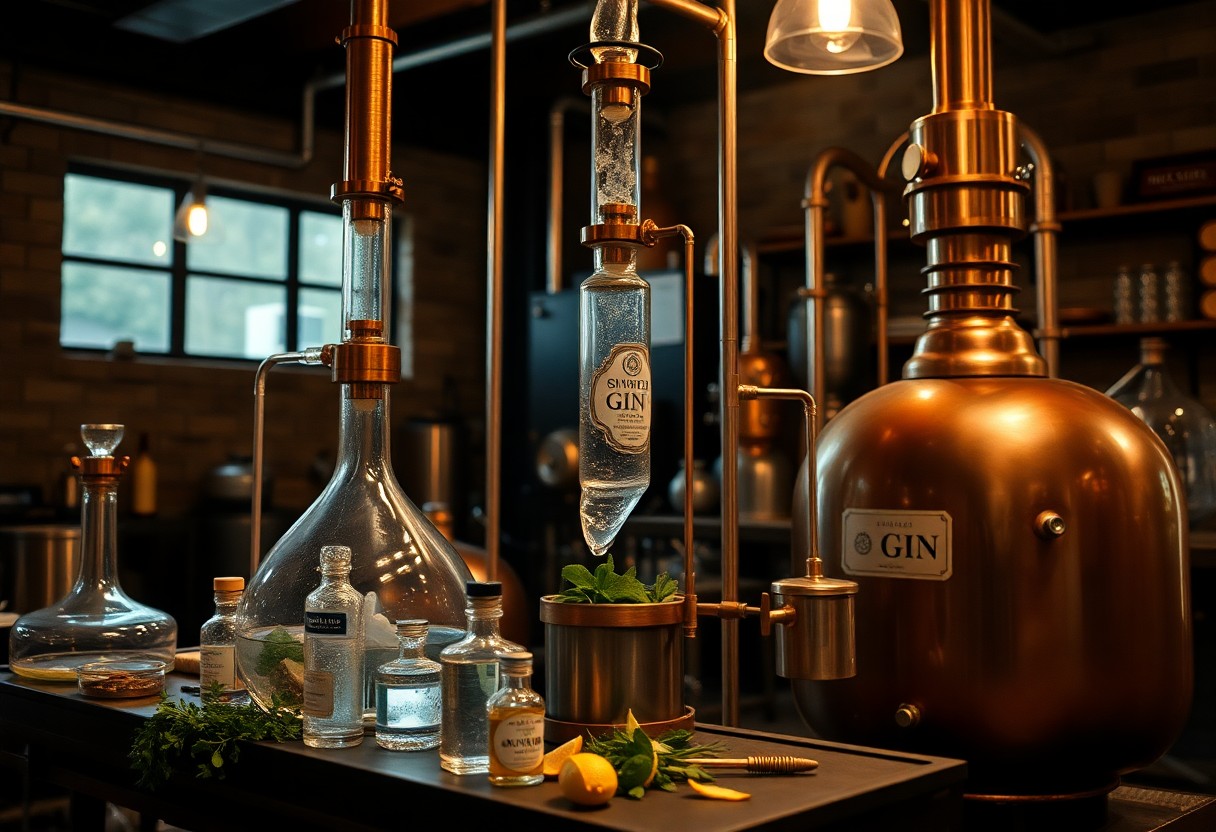
    Not only is the copper pot still an iconic symbol of gin production, but it also plays a vital role in shaping the spirit’s character. The unique properties of copper help to remove unwanted impurities and enhance the distillation process, ultimately transforming the raw ingredients into a smoother, more refined spirit. This traditional method allows distillers to maintain greater control over the entire process, ensuring that each batch of gin is a true reflection of their craft.

    Crafting Flavor Profiles

    Between the rich copper and the botanicals, the pot still serves as a canvas for flavor exploration. Each gin distiller uses a combination of herbs, spices, and other botanicals to create complex and memorable flavor profiles. The distillation process in a copper pot still allows the necessary oils from these ingredients to emerge beautifully, resulting in a spirit that captures the essence of the selected botanicals and showcases the distiller’s creativity.

    Influence on Purity

    Copper not only enhances the flavor of your gin but also impacts its purity. During distillation, the copper reacts with sulfur compounds present in the wash, eliminating unwanted flavors and odors. This chemical interaction ensures that your final spirit is free from harsh elements that might diminish its quality. By using a copper pot still, you are ensuring that what you sip is a cleaner, more enjoyable expression of the botanicals used.

    Flavor is paramount in gin, and the purity achieved through copper distillation greatly contributes to the overall tasting experience. Distillers cherish the way copper absorbs and neutralizes impurities, allowing the true characteristics of the botanicals to shine through. As a result, the gin produced is not just a drink; it’s a harmonious blend of flavors, elevated by the meticulous craftsmanship of distillers who rely on this time-honored process.

    The Art of Blending

    Many connoisseurs understand that the true magic of gin lies in the art of blending. This process transforms individual botanicals into harmonious flavor profiles, allowing a distiller to concoct unique interpretations. You might find that each batch of gin tells a story through its carefully curated blend, elevating the spirit from mere alcohol to an exquisite expression of creativity. By skillfully balancing ingredients, distillers create flavors that intrigue and delight, ensuring no two gins are ever the same.

    Creating Unique Flavors

    Along the journey of gin-making, you discover that creating unique flavors is an art form. Distillers experiment with various botanicals, ranging from classic juniper to unexpected elements like floral notes or exotic spices. Each ingredient contributes its character, merging to form a complex and often surprising taste experience, inviting you to savor every sip and explore the depths of flavor within your glass.

    Master Distillers at Work

    Any master distiller possesses an impressive array of skills, combining scientific knowledge with artistic flair. You’ll notice how their passion for craftsmanship drives them to perfect each blend, ensuring that every bottle embodies their vision and expertise. The patience and precision they apply to their work result in a product that not only reflects their individual style but also resonates with your palate, forging a deeper appreciation for the spirit.

    This dedication and artistry manifest as master distillers oversee each stage of gin production, from selecting botanicals to the final blending phase. You can appreciate their meticulous approach, as they pay close attention to temperature, timing, and flavor extraction, ensuring that every element harmonizes beautifully. Their ability to adapt and innovate plays a crucial role in pushing the boundaries of gin, inviting you to explore a vast world of flavors and aromas that continually evolve with each new batch.

    The Impact of Aging and Bottling

    Despite the fact that gin is often celebrated for its vibrant, botanical-forward profile, the aging and bottling processes play significant roles in establishing its final character. As distillers thoughtfully select when to bottle, they refine flavors, aroma, and overall mouthfeel, allowing the spirit to evolve into something unique and commanding. The very choice of vessel can further enhance the experience, creating a harmonious blend of tradition and innovation that transcends mere spirit consumption into a fine art form.

    Maturation Effects

    The aging process affects gin by allowing it to mellow and integrate various botanical flavors, resulting in a smoother and more complex profile. During maturation, subtle reactions can take place, with imperative oils from the botanicals harmonizing with the spirit. These transformations lead to a richer texture and an evolving palate that adds depth to your drinking experience.

    Packaging as Art

    Impact of the packaging design cannot be overlooked, as it significantly influences your perception of the gin inside. A captivating bottle elevates the overall experience, transforming the act of drinking into a visually enriching journey.

    Due to the artistry involved in creating unique bottle shapes and labels, packaging plays a vital role in establishing brand identity and consumer appeal. You’ll find that many distillers collaborate with artists to create exceptional designs that capture the essence of their gin. As you reach for a beautifully packaged bottle, you’re not just selecting a spirit; you’re engaging with a piece of art that reflects the craftsmanship and passion behind its creation.

    Conclusion

    With these considerations, you can appreciate how the alchemy of distillation elevates gin to a form of liquid art. The intricate balance of botanicals and meticulous distillation techniques allows you to experience a symphony of flavors in every sip. Understanding this transformation not only enhances your tasting experience but also deepens your connection to the craftsmanship behind each bottle. As you explore the world of gin, let the artistry of distillation inspire your palate and broaden your appreciation for this timeless spirit.

  • How Does The Alchemy Of Gin Distillation Craft Unique Flavors?

    How Does The Alchemy Of Gin Distillation Craft Unique Flavors?

    Distillation is the magical process that transforms simple ingredients into the complex and intriguing world of gin. As you probe into the alchemy of gin distillation, you’ll uncover how the selection of botanicals and the distillation techniques come together to create a symphony of flavors. By understanding these elements, you can enhance your appreciation for this beloved spirit and perhaps even inspire your own gin-infused creations. Join us as we explore the artistry behind each bottle, revealing the unique profiles that make every sip a delightful experience.

    The Basics of Gin Distillation

    A gin’s unique character begins with the distillation process, which is the foundation of creating this beloved spirit. During distillation, raw materials, primarily grains and botanicals, are transformed into high-proof alcohol. This intricate process extracts and intensifies the distinct flavors associated with gin, setting the stage for your tasting experience.

    The Distillation Process

    Below is a brief overview of the gin distillation process:

    Step Description
    Mashing Grains are mixed with water and heated to convert starches into sugars.
    Fermentation Yeast is added to the mash, converting sugars into alcohol.
    Distillation The alcoholic wash is heated, allowing alcohol to evaporate and then condense into a liquid.
    Flavoring Botanicals are introduced, often through steeping or vapor infusion, enriching the spirit.
    Proofing The distilled gin is diluted to achieve the desired alcohol content.

    Types of Distillation Methods

    By understanding the various distillation methods, you can appreciate how different gins capture unique flavor profiles:

    Type Description
    Pot Still Traditional method, creating rich and complex flavors.
    Column Still Continuous process producing a lighter, cleaner spirit.
    Vacuum Distillation Low-temperature method preserving delicate botanicals.
    Cold Distillation A technique that minimizes heat exposure for sensitive ingredients.
    Hybrid Distillation Combines methods for innovative flavor exploration.

    Further exploring these methods allows you to investigate into the nuances of gin production:

    • Pot Still is often favored for small-batch gins.
    • Column Still distillation enhances efficiency in large-scale production.
    • Vacuum Distillation helps create gins with fresh, botanical-forward flavors.
    • Cold Distillation is perfect for preserving the integrity of fragile ingredients.
    • Hybrid methods showcase creativity and innovation in flavor crafting.

    Knowing these methods can deepen your appreciation for the artistry behind each gin bottle you encounter.

    Key Botanicals in Gin

    Now that you’ve grasped the fundamentals of gin, it’s important to explore the key botanicals that define its character. Each botanical contributes unique flavors, creating a harmonious balance that elevates your gin experience. The art of blending these ingredients is where distillers showcase their creativity, allowing you to taste the nuances in every sip.

    Juniper Berries: The Heart of Gin

    Behind every exceptional gin lies the juniper berry, the quintimportant ingredient that distinguishes this spirit. Its piney and slightly peppery profile is what gives gin its signature taste, serving as the foundation upon which all other botanicals build. As you savor your gin, the distinctive flavor of juniper envelops your palate, making it truly unforgettable.

    Supporting Botanicals: Building Complexity

    Among the important botanicals, supporting ingredients play a significant role in crafting the overall flavor profile of your gin. While juniper sets the stage, botanicals like coriander, angelica root, and orris root add layers of complexity and depth. These ingredients create a rich tapestry of flavors, enhancing your sipping experience.

    Complexity in gin arises from the interplay of these supporting botanicals, each offering distinct flavors and aromas that complement and elevate the primary notes. When you taste gin, you might discover hints of citrus from lemon peel, spice from cardamom, or floral undertones from lavender. Each sip reveals new aspects, inviting you to explore the depth of your drink while showcasing the skill and intention behind the distillation process.

    The Influence of Water

    You may not realize it, but water plays a significant role in the gin distillation process, influencing the final flavor profile of your favorite spirit. The source and purity of the water used can either enhance or detract from the unique characteristics of the botanicals, showcasing the importance of quality in your gin experience.

    Source and Purity

    Around the world, distillers source their water from various locations, each bringing its mineral content and purity levels. This can dramatically affect the taste of gin, as water from different springs or regions might contain diverse minerals that impart subtle flavors, ensuring every batch of gin has its own distinct personality.

    Water’s Role in Flavor Development

    Before the distillation process, the minerals in water can influence how the botanicals extract their flavors, as softer water tends to yield a smoother gin while harder water adds depth and complexity.

    But the journey doesn’t end there; during dilution, the water interacts dynamically with the alcohol, bringing out hidden notes in the botanicals and providing balance to the spirit. This synergy between water and the other ingredients can create refreshing layers of flavor in your gin, enhancing your overall tasting experience. Understanding these intricacies helps you appreciate the craftsmanship behind each bottle, transforming your enjoyment of gin into a more informed and sophisticated pleasure.

    The Art of Flavor Balancing

    For those passionate about gin, understanding the art of flavor balancing is vital to appreciate the complexity of its profiles. Master distillers skillfully combine various botanicals, each contributing unique characteristics, to create an exceptional balance that captivates your palate. Every decision in the distillation process affects the final product, ensuring that no single note overpowers the others, allowing you to experience a harmonious blend that delights the senses.

    Sweetness vs. Bitterness

    One of the fascinating aspects of gin flavor balancing is the interplay between sweetness and bitterness. The sweetness from botanicals such as orange peel or a hint of sugar can soften the impact of more bitter elements like juniper or various herbs. This delicate dance ensures that the overall flavor is approachable and enjoyable, allowing you to appreciate each ingredient without being overwhelmed by harsh notes.

    Aroma vs. Palate

    Balancing aroma and palate is vital to the overall experience of gin. The aromas entice you, drawing you in and preparing your senses for the tasting journey ahead. As you take a sip, the interplay between the flavors on your palate unfolds, allowing for a more profound appreciation of the gin’s complexity. This dynamic interplay ensures that the scents you inhale seamlessly transition into the flavors you experience, crafting a holistic sensory experience.

    Flavor is at the heart of the gin experience, and the interplay of aroma and palate enhances your enjoyment. While the enticing scents may include citrus, herbs, or spices, the initial taste reveals the depth and complexity those aromas promise. As you savor the spirit, the lingering flavors should resonate with the notes you smelled earlier, creating a cohesive narrative that evolves with each sip. This seamless integration makes each gin unique and allows you to explore the nuances that distinguished distillers intentionally weave into their products.

    Crafting Regional Variations

    Your exploration of gin reveals a fascinating tapestry of flavors, influenced by geography, climate, and local botanicals. Distillers around the world craft gins that reflect their unique environment, creating distinctive profiles that celebrate the essence of their regions. From the juniper-heavy styles of the UK to the vibrant and aromatic blends found in places like Spain and Australia, each gin offers a unique tasting adventure that connects you to its origins.

    London Dry vs. Contemporary Gins

    Beside the classic London Dry gin, which adheres to a stringent set of guidelines emphasizing a strong juniper character, contemporary gins have emerged as a playful canvas for distillers. These modern interpretations include diverse botanicals, innovative flavors, and experimental techniques, allowing you to savor gins that push the boundaries of tradition while catering to your evolving palate.

    Global Inspirations and Innovations

    With distillers drawing inspiration from cultures worldwide, gin has evolved into a global phenomenon that incorporates local ingredients and distillation methods. This trend allows you to experience gins infused with exotic spices, herbs, fruits, and even tea, showcasing the influence of various culinary traditions. Each bottle tells a story of its origin, reflecting not just local tastes but also the innovative spirit of its makers.

    London is often considered the birthplace of gin, yet today, its influence transcends borders as distilleries around the world bring unique interpretations to this beloved spirit. Countries like Japan, Mexico, and the United States are embracing local botanicals, crafting gins that echo their food and drink heritage. The incorporation of elements like yuzu, cilantro, and even floral notes creates a tapestry of flavors that invites you to experience gin in entirely new ways. As you savor each sip, you initiate on a global journey through the art of distillation and flavor crafting.

    The Role of Aging in Flavor

    Many distillers are exploring the aging process in gin production, as it offers a unique opportunity to develop complex flavor profiles. Aging allows gin to mature, leading to a richer, smoother spirit that showcases the marriage of botanicals and wood influence. The length of time spent in barrels and the type of wood used can significantly impact the final product, resulting in distinct variations that intrigue your palate.

    Wood Influence on Gin

    With the right choice of wood, you can enhance your gin’s flavor profile in unexpected ways. Different woods impart various elements, such as vanilla, spice, or even caramel notes, that complement the botanicals. This interplay creates a harmonious blend that can elevate your drinking experience, offering depth and richness not typically found in unaged spirits.

    Experimentation with Aging Techniques

    One of the thrilling aspects of gin distillation is the ongoing experimentation with aging techniques. Distillers are constantly pushing the boundaries, using different barrel types, varying aging periods, and even incorporating unique methods like fractional aging to create distinct flavors.

    Aging opens the door to endless possibilities, allowing you to discover gins that boast rich, layered flavors usually attributed to whiskey. By employing techniques such as using previously used barrels from other spirits or combining different aging methods, distillers are producing innovative variations that can surprise and delight your taste buds. These experimental gins are a testament to the creativity in the industry, encouraging you to explore new tastes and find your perfect pour.

    Conclusion

    On the whole, understanding how the alchemy of gin distillation crafts unique flavors allows you to appreciate this beloved spirit even more. By exploring the intricate balance of botanicals, distillation methods, and even regional influences, you gain insight into the artistry that makes each gin distinctive. As you choose your next bottle, you’ll be equipped with the knowledge to savor the complex layers of flavor that each sip offers, enhancing your overall gin experience.

  • Are You Ready To Discover The Alchemy Of Gin-Infused Desserts?

    Are You Ready To Discover The Alchemy Of Gin-Infused Desserts?

    You’re about to unlock a world of unique flavors as you explore into the art of gin-infused desserts. Your taste buds will thank you as you explore the possibilities of combining the botanicals of gin with sweet treats. With your curiosity piqued, you’ll learn how to elevate your desserts and create truly show-stopping dishes that will impress your friends and family. Get ready to experiment and uncover the magic of gin-infused desserts.

    The Spirit of Botanicals

    The world of gin-infused desserts is a fascinating realm where the art of mixology meets the sweetness of pastries. As you explore into this unique culinary experience, you’ll discover that the spirit of botanicals plays a significant role in crafting these innovative treats. Gin, with its diverse range of botanicals, offers a wide array of flavors that can be expertly paired with various dessert ingredients to create something truly magical. Your journey into the alchemy of gin-infused desserts begins with understanding the essence of gin and how its botanicals can elevate your desserts to new heights.

    The possibilities are endless when you consider the numerous botanicals used in gin production, from classic juniper and coriander to more exotic ingredients like rose petals and citrus peels. As you explore the world of gin-infused desserts, you’ll have the opportunity to experiment with different gin profiles, each offering a distinct flavor palette that can be matched with your favorite desserts. Whether you’re a seasoned pastry chef or an adventurous home baker, the spirit of botanicals in gin-infused desserts is sure to inspire your creativity and delight your taste buds.

    The Essence of Gin in Desserts

    Above all, the essence of gin in desserts lies in its ability to add a sophisticated and complex flavor dimension to traditional sweet treats. As you incorporate gin into your desserts, you’ll find that the botanicals in the spirit can enhance the natural flavors of your ingredients, creating a harmonious balance of tastes and aromas. Your desserts will take on a new level of depth and character, making them perfect for special occasions or as a unique offering in your bakery or restaurant.

    Akin to the art of perfumery, the essence of gin in desserts requires a delicate balance of flavors, where the botanicals in the gin complement and enhance the other ingredients in your recipe. As you experiment with different gin-infused desserts, you’ll develop a keen sense of how to pair the spirit with various flavors, from fruity and floral to rich and chocolatey. Your creations will be truly one-of-a-kind, showcasing your skill and creativity as a pastry chef or home baker.

    Selecting the Perfect Gin Profile

    By considering the specific botanicals used in a gin, you can select the perfect profile to pair with your dessert ingredients. As you explore the world of gin, you’ll encounter a wide range of styles, from London Dry Gin to Plymouth Gin, each with its unique blend of botanicals. Your choice of gin will depend on the flavor profile you want to achieve in your dessert, whether it’s the bright, citrusy notes of a grapefruit-infused gin or the warm, spicy flavors of a gin with cinnamon and nutmeg.

    Also, when selecting a gin for your desserts, consider the level of juniper flavor you prefer, as this can greatly impact the overall taste of your creations. Some gins have a more pronounced juniper flavor, while others are more subtle, allowing the other botanicals to take center stage. As you experiment with different gin profiles, you’ll develop a deeper understanding of how the various botanicals interact with your dessert ingredients, enabling you to craft truly exceptional gin-infused desserts that showcase your skill and creativity.

    Essential Techniques

    Some of the most impressive gin-infused desserts you’ll encounter are those that have been carefully crafted with a deep understanding of the underlying techniques. As you examine into the world of gin-infused desserts, you’ll find that mastering these techniques is important to creating truly exceptional treats. You’ll need to develop a sense of how to balance flavors, infuse your desserts with the perfect amount of gin, and present your creations in a way that’s both visually stunning and appetizing. By focusing on these important techniques, you’ll be well on your way to creating gin-infused desserts that will impress even the most discerning palates.

    As you explore the world of gin-infused desserts, you’ll discover that the possibilities are endless, and the techniques you use will depend on the specific dessert you’re creating. You may find that some desserts lend themselves perfectly to infusion methods, while others require a more delicate approach to balancing flavors. Regardless of the technique you choose, the key is to experiment and have fun with the process, as this will allow you to develop your own unique style and flair.

    Infusion Methods

    Any gin-infused dessert worth its salt will have been crafted using a thoughtful and intentional infusion method. You’ll need to consider the type of gin you’re using, as well as the other ingredients in your dessert, in order to determine the best infusion method for your creation. You may choose to use a simple infusion method, such as steeping your gin in a syrup or cream, or you may prefer a more complex method, such as using a vacuum sealer to infuse your gin into a delicate mousse. Regardless of the method you choose, the key is to ensure that your gin is evenly distributed throughout your dessert, and that the flavors are balanced and harmonious.

    Anytime you’re working with gin-infused desserts, you’ll need to be mindful of the potency of the gin, as it can quickly overpower the other flavors in your dessert. You’ll need to taste and adjust as you go, adding more gin or other ingredients as needed to achieve the perfect balance of flavors. By taking the time to carefully consider your infusion method, you’ll be able to create desserts that are both delicious and visually stunning, with a depth of flavor that will leave your guests begging for more.

    Balancing Flavors

    Above all, the key to creating exceptional gin-infused desserts is to balance your flavors carefully. You’ll need to consider the botanicals in your gin, as well as the other ingredients in your dessert, in order to create a harmonious and balanced flavor profile. You may find that certain flavors, such as citrus or floral notes, pair perfectly with the botanicals in your gin, while others may clash or overpower the other ingredients in your dessert. By taking the time to carefully balance your flavors, you’ll be able to create desserts that are both delicious and sophisticated, with a depth of flavor that will impress even the most discerning palates.

    Above and beyond the basics of balancing flavors, you’ll also need to consider the texture and presentation of your dessert. You may choose to add garnishes or toppings to enhance the visual appeal of your dessert, or you may prefer to keep things simple and let the flavors speak for themselves. Regardless of the approach you take, the key is to create a dessert that is both delicious and visually stunning, with a balance of flavors and textures that will leave your guests in awe.

    In fact, balancing flavors is an art that takes time and practice to master, and it’s an area where you can continually experiment and improve your skills. As you work with different types of gin and various dessert ingredients, you’ll develop a sense of how to balance your flavors to create harmonious and delicious desserts. You’ll learn to trust your palate and make adjustments on the fly, adding a pinch of this or a dash of that to create the perfect balance of flavors. With practice and patience, you’ll become a master of balancing flavors, and your gin-infused desserts will be the talk of the town.

    Classic Pairings

    It is no secret that gin-infused desserts have become a staple in modern culinary experiences, and for good reason. You are likely familiar with the unique flavor profiles that gin can bring to traditional desserts, elevating them to new heights. As you probe into the world of gin-infused desserts, you will discover that certain classic pairings stand out from the rest. Your taste buds will thank you as you explore the harmonious combinations that have been perfected by skilled pastry chefs and mixologists. From citrus and juniper to floral notes, the possibilities are endless, and you are about to commence on a journey to discover your new favorite dessert combinations.

    As you explore the world of classic pairings, you will find that the key to creating exceptional gin-infused desserts lies in balancing flavors. You will need to consider the botanicals used in the gin, as well as the ingredients in your dessert, to create a harmonious union. With a little practice and patience, you will be able to craft desserts that showcase the unique characteristics of gin, while also complementing the other ingredients. Whether you are a seasoned pastry chef or a novice baker, you will find that the art of creating gin-infused desserts is a fun and rewarding experience that will take your desserts to the next level.

    Citrus and Juniper Harmonies

    The combination of citrus and juniper is a match made in heaven, and you will find that it pairs perfectly with a variety of desserts. You can use gin-infused simple syrups, citrus zest, or even gin-soaked fruits to add depth and complexity to your desserts. As you experiment with different citrus flavors, such as lemon, lime, or grapefruit, you will discover that each one brings a unique twist to the classic combination. Your desserts will be elevated by the bright, citrusy flavors, which will cut through the richness of the gin, creating a beautiful balance of flavors.

    The beauty of citrus and juniper harmonies lies in their versatility, and you will find that they can be used in a wide range of desserts, from tangy key lime pies to sweet and sour lemon bars. You can also experiment with different types of citrus, such as yuzu or bergamot, to add an extra layer of complexity to your desserts. As you master the art of combining citrus and juniper, you will be able to create desserts that are both familiar and innovative, making them perfect for special occasions or everyday treats.

    Floral Notes in Sweet Creations

    Creations that feature floral notes are a staple in the world of gin-infused desserts, and you will find that they add a delicate and sophisticated touch to any dessert. You can use gin-infused syrups, floral extracts, or even edible flowers to create desserts that are as beautiful as they are delicious. As you experiment with different floral flavors, such as rose, lavender, or jasmine, you will discover that each one brings a unique and subtle flavor profile to your desserts. Your creations will be elevated by the delicate, floral notes, which will add a touch of elegance and sophistication to any dessert.

    Indeed, floral notes in sweet creations are a game-changer, and you will find that they can be used in a variety of desserts, from delicate rose petal cakes to lavender creme brulees. You can also experiment with different types of flowers, such as hibiscus or orange blossom, to add an extra layer of complexity to your desserts. As you master the art of incorporating floral notes into your desserts, you will be able to create unique and captivating flavor profiles that will set your desserts apart from the rest, and your guests will be sure to be impressed by your creativity and skill.

    Temperature Matters

    For achieving the perfect balance of flavors in your gin-infused desserts, temperature plays a significant role. You will need to consider the optimal temperature for preparing and serving your desserts to bring out the best in your gin infusions. The following table outlines the key temperature considerations for different preparation methods:

    Preparation Method Optimal Temperature
    Cold Infusions Refrigerator temperature (around 4°C/39°F)
    Baked Goods Varies by recipe, but typically between 150°C/300°F and 200°C/400°F

    Cold Preparations

    Before you start preparing your cold gin-infused desserts, you should consider the flavor profile you want to achieve. You can use cold infusions to create delicate and refreshing desserts, such as gin-infused sorbet or gin-spiked ice cream. By keeping your ingredients cold, you can prevent the gin from becoming overpowering and preserve the subtle flavors of your other ingredients.

    By experimenting with different cold preparation methods, you can develop a range of unique and delicious gin-infused desserts. You can try infusing your gin in the refrigerator for several hours or overnight to create a smooth and subtle flavor. Alternatively, you can use a cold infusion device to speed up the process and achieve a more intense flavor.

    Baked Applications

    Around the time you start baking your gin-infused desserts, you should be aware of the temperature and cooking time to ensure that your gin is evenly distributed and the flavors are well-balanced. You can use gin in a variety of baked goods, such as cakes, cookies, and tarts, to add a unique and sophisticated twist to your desserts. By understanding how temperature affects the flavor and texture of your baked goods, you can create a range of delicious and complex desserts.

    Around the world, bakers and pastry chefs are experimenting with gin-infused desserts, pushing the boundaries of flavor and creativity. You can join them by trying out new recipes and techniques, such as using gin-soaked fruits or gin-infused syrups to add depth and complexity to your baked goods.

    Matters of texture and flavor are also important when it comes to baked applications, as the heat from the oven can cause the gin to evaporate or become overpowering. You should carefully monitor the temperature and cooking time to ensure that your gin-infused desserts turn out light, fluffy, and full of flavor. By mastering the art of baking with gin, you can create a range of unique and delicious desserts that will impress your friends and family.

    Textural Elements

    After exploring the world of gin-infused desserts, you’ll discover that texture plays a significant role in enhancing the overall experience. You’ll find that the combination of gin with various ingredients can create a wide range of textures, from smooth and creamy to crunchy and crystalline. As you experiment with different recipes, you’ll notice how the texture of your desserts can elevate the flavors and aromas of the gin, creating a truly unique experience for your taste buds. Your sense of touch will also come into play, as you’ll be able to feel the different textures in your mouth, adding another layer of depth to your dessert experience.

    As you probe deeper into the world of gin-infused desserts, you’ll begin to appreciate the importance of balancing different textures to create a harmonious and engaging experience. You’ll learn to combine smooth and creamy elements with crunchy and crystalline ones, creating a delightful contrast that will leave your taste buds wanting more. Your creativity will be sparked, and you’ll be inspired to experiment with new and innovative texture combinations, pushing the boundaries of what’s possible with gin-infused desserts.

    Creamy Compositions

    Alongside the exploration of gin-infused desserts, you’ll encounter a variety of creamy compositions that will add a rich and velvety texture to your creations. Amidst the numerous possibilities, you’ll find that ingredients like cream, mascarpone, and custard can be perfectly paired with gin, resulting in desserts that are both decadent and refined. Your creamy compositions will become a cornerstone of your gin-infused dessert repertoire, providing a luxurious and indulgent experience for you and your guests.

    As you work with creamy compositions, you’ll discover that the key to success lies in balancing the flavors and textures of your ingredients. Along the way, you’ll learn to select the perfect type of cream or cheese to pair with your gin, and how to combine them in a way that creates a smooth and creamy texture. Your creamy desserts will become a hallmark of your culinary skills, and you’ll be able to impress your friends and family with your creations.

    Crystalline Structures

    Beside the creamy compositions, you’ll also encounter crystalline structures that will add a delicate and elegant touch to your gin-infused desserts. Beneath the surface of these structures, you’ll find a world of intricate flavors and textures, waiting to be explored and savored. By experimenting with ingredients like sugar, salt, and citrus, you’ll be able to create crystalline structures that complement your gin-infused desserts perfectly, adding a touch of sophistication and refinement.

    By working with crystalline structures, you’ll develop a deeper understanding of how to balance flavors and textures in your desserts. Beside the technical aspects, you’ll also learn to appreciate the aesthetic appeal of crystalline structures, and how they can add a touch of drama and visual interest to your presentations. Your crystalline creations will become a testament to your skill and creativity, and you’ll be able to impress your guests with your attention to detail.

    With the addition of crystalline structures to your gin-infused desserts, you’ll be able to create a truly immersive experience that engages all of your senses. With each bite, you’ll be able to appreciate the delicate crunch of the crystalline elements, the smoothness of the creamy compositions, and the bold flavors of the gin, all combining to create a truly unforgettable experience. Your desserts will become a masterpiece of texture and flavor, and you’ll be able to enjoy the satisfaction of having created something truly unique and special.

    Seasonal Inspirations

    Many of you may be wondering how to incorporate gin-infused desserts into your seasonal celebrations. As you explore the world of gin-infused desserts, you’ll discover that the changing seasons offer a wealth of inspiration for your creations. From the bright, citrusy flavors of summer to the warm, spicy tones of winter, each season presents an opportunity to craft unique and delicious gin-infused desserts that will impress your friends and family. As you probe into the world of seasonal desserts, you’ll find that the key to success lies in selecting ingredients that are at their peak flavor and freshness during each time of year.

    As you consider the seasons and their corresponding flavors, you’ll begin to envision the possibilities for your gin-infused desserts. You might imagine a summer garden party, complete with gin-infused desserts that showcase the freshest fruits and herbs of the season. Or, you might picture a cozy winter evening, with gin-infused desserts that warm the heart and soul with their rich, spicy flavors. Whatever the season, you’ll find that gin-infused desserts offer a world of creative possibilities, limited only by your imagination and creativity.

    Summer Garden Delights

    One of the most exciting aspects of creating gin-infused desserts is the opportunity to incorporate the fresh, vibrant flavors of the summer season. You can use your favorite gin as a base and combine it with ingredients like strawberries, raspberries, and lemons to create desserts that are as refreshing as they are delicious. As you experiment with different flavor combinations, you’ll discover that the botanicals in your gin can enhance and complement the natural flavors of your ingredients, resulting in desserts that are truly greater than the sum of their parts.

    One way to take advantage of the summer season is to incorporate edible flowers and herbs into your gin-infused desserts. You can use flowers like lavender and hibiscus to add subtle, floral notes to your desserts, or herbs like mint and basil to add bright, refreshing flavors. As you explore the world of summer garden delights, you’ll find that the possibilities are endless, and that your gin-infused desserts can be as unique and creative as you are.

    Winter Warmth and Spice

    Gently, the winter season arrives, bringing with it a wealth of opportunities to create gin-infused desserts that are warm, spicy, and comforting. You can use your favorite gin as a base and combine it with ingredients like cinnamon, nutmeg, and cloves to create desserts that are perfect for the holiday season. As you experiment with different flavor combinations, you’ll discover that the botanicals in your gin can add depth and complexity to your desserts, resulting in treats that are truly special.

    Garden fresh ingredients may be scarce during the winter months, but you can still create delicious gin-infused desserts using ingredients like dried fruits, nuts, and spices. You can also experiment with different types of gin, such as those infused with warm, spicy botanicals like cinnamon and cardamom, to add an extra layer of flavor to your desserts. As you explore the world of winter warmth and spice, you’ll find that the possibilities are endless, and that your gin-infused desserts can be a true delight.

    For instance, you can create a gin-infused dessert like a spiced apple crisp, using gin infused with cinnamon and nutmeg to add warmth and depth to the dish. You can also experiment with different types of citrus, like oranges and lemons, to add a bright, citrusy note to your winter desserts. As you explore the world of winter warmth and spice, you’ll discover that the key to success lies in balancing the warm, spicy flavors of the season with the bright, refreshing flavors of your gin, resulting in desserts that are truly greater than the sum of their parts.

    Final Words

    Upon reflecting on your journey to discover the alchemy of gin-infused desserts, you have likely gained a deeper understanding of the complex flavors and techniques involved in crafting these unique treats. You have learned how to balance the botanicals of gin with the sweetness of desserts, creating a truly one-of-a-kind experience for your taste buds. As you continue to experiment with gin-infused desserts, you will find that the possibilities are endless, and your creations will become more sophisticated and refined with time. Your newfound knowledge will allow you to impress your friends and family with innovative desserts that are sure to be the talk of any gathering.

    As you move forward in your culinary endeavors, you will find that the world of gin-infused desserts is constantly evolving, with new and exciting ingredients being introduced all the time. You will have the opportunity to explore different types of gin, each with its own unique flavor profile, and experiment with various dessert recipes to find the perfect combination. With your newfound expertise, you will be able to push the boundaries of what is possible with gin-infused desserts, creating truly show-stopping treats that will leave a lasting impression on anyone who tries them. Your passion for gin-infused desserts will continue to grow, and you will become a master of this unique and exciting culinary art form, always seeking out new ways to innovate and improve your craft.