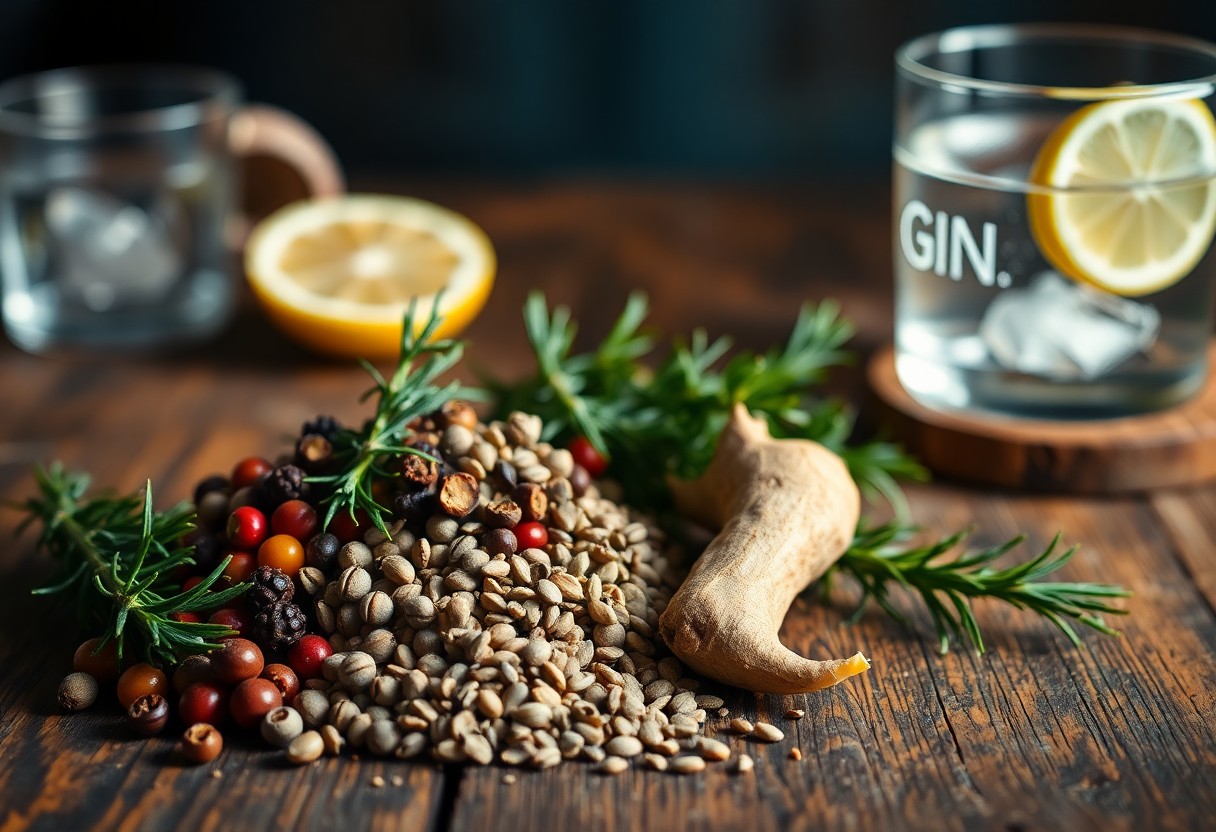
Many enthusiasts of this beloved spirit often find themselves captivated by the unique flavors that define gin. You may not realize that the secret lies in the botanicals—the array of herbs, spices, and fruits that create its distinct profile. In this post, we will examine into the fascinating world of gin’s ingredients, revealing how they come together to create the magic in your glass. By understanding these components, you can elevate your appreciation for gin and perhaps even inspire your next cocktail creation.
The History of Gin
While gin has evolved into a beloved spirit worldwide, its roots trace back to the 17th century. Initially used for medicinal purposes, this spirit gained immense popularity in the Dutch and English drinking culture. The drink’s unique combination of botanicals and juniper berries captured the hearts of many, leading to the gin boom that shaped its history and countless variations, influencing the way you enjoy your cocktails today.
Origins of Gin
With its origins deeply embedded in the Dutch spirit, genever, gin emerged in England during the 1600s. The drink was crafted from distilled grain spirits infused with juniper and other botanicals, originally marketed as a remedy for various ailments. As it made its way into English society, gin became a cultural icon, often associated with the working class, paving the way for the diverse gin styles we have now.
Evolution of Botanical Usage
Any exploration of gin reveals that botanicals have significantly evolved over the centuries. Historical recipes included primarily juniper, but as gin-making advanced, distillers began experimenting with an array of herbs, spices, and fruits. This dynamic experimentation not only led to unique flavor profiles but also gave rise to regional variations, providing you with a vast selection to discover and enjoy.
Also, as consumers’ palates expanded, so did the interest in unusual botanicals. Today, you’ll find gins infused with everything from citrus peels and floral notes to exotic spices and even local ingredients unique to specific regions. This evolution reflects a broader appreciation for artisanal crafting, allowing you to explore flavors beyond the traditional while still celebrating the historic roots of gin. With every sip, you connect with this rich botanical heritage that continues to evolve and inspire.
Key Botanicals in Gin
If you’re delving into the world of gin, understanding its key botanicals is crucial to appreciating its complex flavors. These ingredients not only contribute unique tastes but also play a significant role in defining various styles of gin. By exploring these botanicals, you’ll gain insight into the artistry and craftsmanship that goes into creating this beloved spirit.
Juniper Berries
Among the myriad botanicals that flavor gin, juniper berries stand out as the most iconic and defining element. These tiny blue-purple fruits impart a piney, resinous quality that serves as the backbone of every gin. Their distinct aroma and flavor profile set the stage for the other botanicals to shine, creating a harmonious balance in your gin experience.
Other Common Botanicals
Around juniper, you’ll find a variety of other botanicals that enhance its character. These can include coriander, angelica root, orris root, citrus peels, and an array of spices and herbs that lend depth and complexity to the gin. Each distiller may have unique combinations, resulting in a diverse range of flavors that reflect the distillery’s individual style.
For instance, coriander seeds often contribute a warm spice note, while citrus peels add brightness and freshness. Angelica root can provide earthy undertones and stability in the overall profile. You might also encounter unique botanicals such as cardamom, lavender, or even indigenous plants that regional distillers incorporate, allowing you to experience an exciting taste of place. This diversity is part of what makes every gin tasting an adventure in flavor exploration.
The Role of Distillation
One of the most fascinating aspects of gin production is the distillation process, which transforms raw ingredients into the aromatic spirit you love. Distillation allows for the extraction of flavors from botanicals while removing impurities, resulting in a refined and vibrant gin. This artful technique not only defines the spirit’s character but also enhances the botanical complexities that make each gin unique.
Process of Distillation
Against a backdrop of heat and science, distillation begins with a mash of grains or botanicals immersed in water. As the mixture heats up, the alcohol evaporates, carrying with it the distinctive flavors of the botanicals. These vapors then rise through a column or pot still, where they cool and condense back into liquid form, ultimately delivering a high-proof spirit that retains the essence of its ingredients.
Impact on Flavor Profiles
By carefully controlling the distillation process, you can influence the final flavor profile of your gin, highlighting specific botanicals or harmonizing various tastes. Different distillation methods, such as pot still or column still, play a significant role in determining how herbaceous, floral, or citrusy your gin will taste.
To truly appreciate the impact of distillation on gin’s flavor profiles, consider how variations in distillation time, temperature, and the choice of still can emphasize or mitigate specific botanical characteristics. A slower distillation might yield a more robust and intricate flavor profile, while a quicker approach can produce a lighter and more delicate spirit. Understanding these nuances allows you to choose gins that deliver the botanical wonders you crave, enhancing your tasting experience.
Creative Botanical Combinations
Not all gins are created equal; their unique profiles come from the artful combinations of botanicals that distillers employ. As you explore different brands, you’ll discover how juniper is expertly paired with herbs, flowers, spices, and even fruits, creating a diverse spectrum of flavors. Whether you prefer a traditional gin or something more experimental, your palate can launch on a delightful journey of discovery through these creative botanical blends.
Regional Variations
With gin production deeply rooted in various regions around the world, local botanicals often play a significant role in determining flavor profiles. For instance, Mediterranean gins might feature rosemary and thyme, while Nordic varieties often incorporate ingredients like birch and rowan berries. As you travel or enjoy tastings, consider how regional plants reflect the culture and history behind each gin’s creation.
Innovative Blends
Blends are where the real magic happens, often taking traditional recipes and giving them a modern twist. Distillers are increasingly experimenting with non-traditional ingredients and unexpected flavors, resulting in gins that can surprise and delight your senses.
Botanical diversity extends far beyond the typical herbs and spices as innovative blends push the boundaries of gin. You might encounter unique combinations such as matcha, lemongrass, or even rose petals, each adding a distinct character to the spirit. By entering into these inventive concoctions, you open the door to a world of flavor that’s constantly evolving, making every sip an exciting experience. Be prepared to let your taste buds guide you through this ever-expanding realm of possibilities.
Crafting Your Own Gin
Now that you understand the botanical wonders of gin, it’s time to immerse yourself in the art of crafting your own. Making gin at home allows you to experiment with different flavors and create a spirit that truly reflects your taste. With just a bit of guidance, you can transform a simple neutral spirit into a bespoke blend that captures your personal preferences.
Ingredients and Equipment
Beside your creativity, you’ll need some necessary ingredients and equipment to start your gin-making journey. The primary components include a neutral base spirit, various botanicals, and a suitable distilling apparatus. Ensuring you have quality supplies is key to achieving the flavors you desire.
Ingredients | Equipment
— | —
Neutral base spirit (e.g., vodka or grain alcohol) | Pot still or infusion jar
Botanicals (juniper berries, herbs, spices) | Measuring utensils
Water | Funnel
Glass bottles for storage | Labels
Step-by-step Guide
Beside gathering your ingredients and equipment, following a clear step-by-step guide will help you produce a delicious homemade gin. Here’s a simplified overview of the process to get you started:
Steps | Description
— | —
1. Prepare your botanicals | Select and measure your desired botanicals
2. Combine botanicals and spirit | Place botanicals in your still with the base spirit
3. Distill your mixture | Heat the still to extract flavors
4. Adjust and dilute | Add water to reach your desired alcohol content
5. Bottle and label | Store your gin in glass bottles; don’t forget to label!
Considering the nuances of gin-making, it’s important to keep track of your ingredient proportions and distillation times to adapt to your taste preferences. Each batch may produce unique flavors based on the botanicals you choose, so take notes. As you refine your technique, you’ll develop a distinct signature gin that showcases your taste and craftsmanship, making each sip a truly personal experience.
Considerations | Tips
— | —
Botanical selection | Experiment with different combinations for unique flavors
Distillation time | Control the heat for desired intensity
Storage conditions | Keep your gin in a cool, dark place to maintain quality
Taste testing | Create small batches to fine-tune your recipe before scaling up
The Future of Gin
Once again, the gin industry is evolving, with innovative distillers pushing the boundaries of flavor and sustainability. As consumer preferences shift toward more artisanal and locally-sourced products, you can expect to see unique botanicals and creative blends becoming even more prominent. The future of gin promises to be a vibrant tapestry of taste, embodying a harmonious blend of tradition and innovation.
Trends in Botanical Selection
Against a backdrop of heightened interest in craft spirits, you’ll find the botanical selection in gin undergoing transformative changes. Distillers are experimenting with exotic and locally-sourced ingredients, creating unique flavor profiles that cater to diverse palates. By embracing seasonal and regional botanicals, you can expect to discover gins that tell the story of their origins, offering a more personalized drinking experience.
Sustainability in Gin Production
Between rising environmental awareness and consumer demand for ethical practices, sustainability is becoming a defining feature of gin production. You will see distilleries implementing eco-friendly practices, sourcing botanicals responsibly, and minimizing waste. This focus not only enhances the quality of the gin but also contributes to a better world for future generations to enjoy.
Sustainability in gin production goes beyond just sourcing ingredients. Many distilleries are adopting renewable energy sources, reducing water consumption, and utilizing environmentally-friendly packaging to lessen their ecological footprint. As you explore the world of gin, look for brands that are committed to sustainable practices; by supporting them, you contribute to a thriving industry that values not only quality spirits but also the health of our planet.
Conclusion
To wrap up, exploring the botanical wonders of gin unveils a world of flavors and aromas that can elevate your drinking experience. By understanding the various ingredients that contribute to gin’s unique profile, you can appreciate the craftsmanship behind each bottle. From juniper and coriander to exotic herbs and spices, these elements come together to create a spirit that is both versatile and delightful. As you savor your next gin cocktail, you’ll have a new appreciation for the artistry involved in its creation.