Tag: Botanicals

  • What Enigmatic Botanicals Elevate Gin’s Aroma To Ethereal Heights?

    What Enigmatic Botanicals Elevate Gin’s Aroma To Ethereal Heights?

    Botanicals play a vital role in defining your gin experience, as they contribute to the spirit’s captivating aroma and flavor profile. You may find yourself enchanted by the subtle complexities these ingredients can offer, elevating your gin from mere beverage to an ethereal delight. Exploring various uncommon botanicals can broaden your palate, allowing you to appreciate the art of gin crafting on a whole new level. In this post, we will investigate into the enigmatic botanicals that can transform your gin’s aroma and create an unforgettable drinking experience.

    The Essence of Botanicals

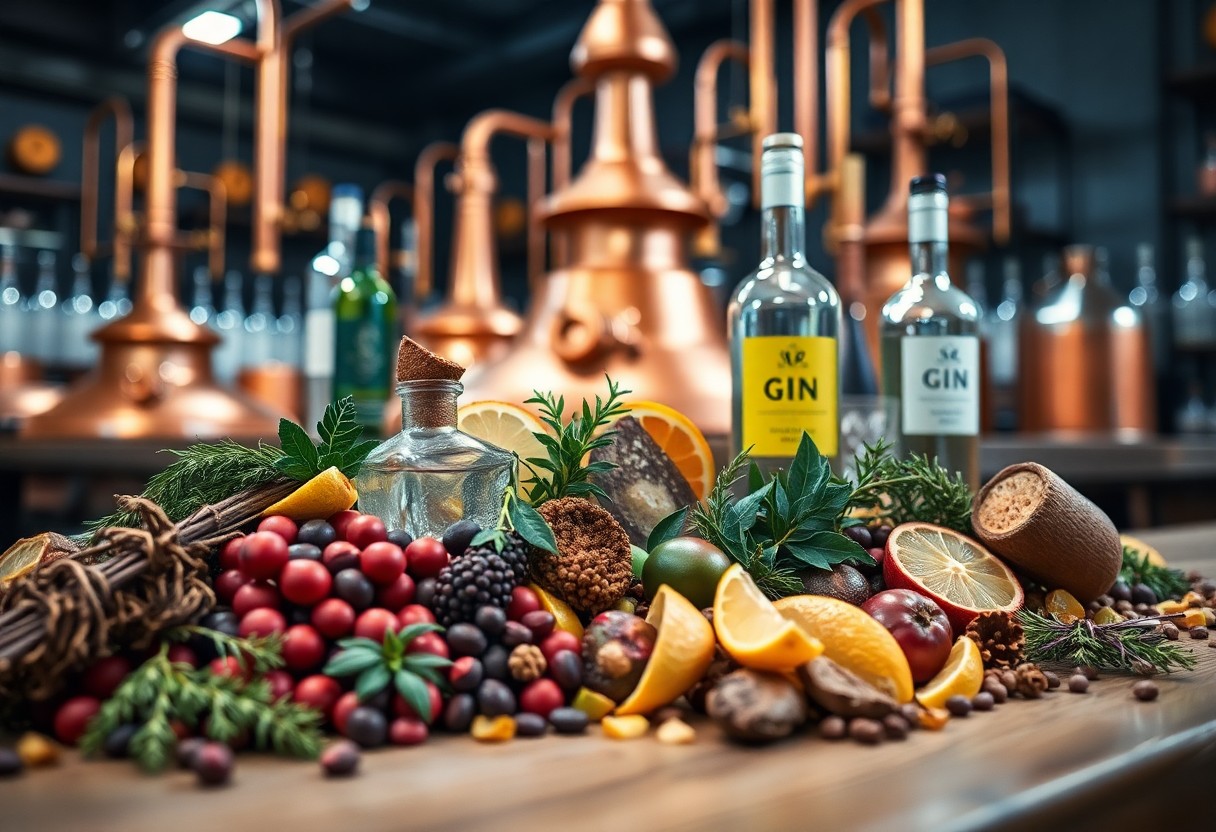
    Before delving deeper into the world of gin, it’s crucial to understand that the botanicals used in your favorite spirit are not simply flavor enhancers; they are its very essence. These carefully selected plant ingredients shape the aroma, taste, and character of gin, elevating it from a basic beverage to an extraordinary experience. The diversity of botanicals creates a unique aromatic palette, inviting you to explore the intricate layers each infusion brings to your glass.

    Defining Botanicals in Gin

    For any gin enthusiast, botanicals refer to the various herbs, spices, fruits, and flowers that are infused into the spirit during its distillation process. These are not just random additions; each botanical plays a specific role in contributing to the overall profile of the gin, offering nuanced flavors and scents that enhance your tasting experience.

    Historical Context of Botanical Use

    Above all, the use of botanicals in gin has deep historical roots that trace back centuries, intertwining with wellness, flavor experimentation, and cultural practices.

    In fact, the history of using botanicals in gin began as a means of medicinal practice before evolving into a sophisticated art form. In the 16th century, Dutch distillers were the pioneers of infusing spirits with botanicals, using juniper berries primarily for their health benefits. As the spirit made its way to England, the addition of various herbs and spices became a hallmark of the gin-making process, as distillers aimed to create more complex and flavorful profiles to tantalize the palate. This rich tradition has paved the way for what you enjoy in a contemporary gin today, reflecting both historical significance and innovative craft.

    Key Botanicals and Their Aromatic Profiles

    Some botanicals contribute uniquely to a gin’s aromatic experience, elevating its complexity and allure. Each botanical provides distinct notes that, when blended harmoniously, create the signature profile of your favorite gin. Understanding these key components can enhance your appreciation of this spirit, guiding you to discover new favorites that tantalize your senses.

    Juniper: The Foundation of Gin

    Foundation to any gin is the juniper berry, which imparts that signature piney, resinous flavor. This botanical is not just a mere ingredient; it is the backbone of gin, offering a refreshing aroma that is instantly recognizable. Without juniper, your gin wouldn’t embody the traditional essence that defines this beloved spirit.

    Coriander and Its Fragrant Complexity

    One of the most aromatic botanicals is coriander, which brings warmth and a hint of spice to gin. Its zesty, slightly citrusy notes balance the sharpness of juniper, making it an integral part of the botanical blend. This multifaceted herb invites your palate on a delightful journey, easily enhancing your gin’s aromatic appeal.

    At the heart of coriander’s charm lies its ability to harmonize with various other botanicals. You’ll find that this spice adds layers of flavor, from peppery undertones to bright citrus hints, making it a versatile choice in crafting aromatic profiles. It is this fragrant complexity that allows you to experience the depth of gin, nudging you to explore different varieties and styles.

    The Role of Citrus Peels

    On the journey of gin discovery, citrus peels play an instrumental role in augmenting the spirit’s aroma. Lemon, orange, and grapefruit peels lend bright, zesty notes that invigorate your senses. Their uplifting qualities can transform gin from simply refreshing to exquisitely aromatic, providing the perfect counterbalance to heavier botanicals.

    Hence, incorporating citrus peels elevates your gin’s profile by introducing a burst of freshness that invigorates the overall experience. These peels not only enhance the aroma but also add a vibrant complexity that interplay beautifully with other botanicals, making your next gin & tonic a refreshing delight.

    Unique and Enigmatic Botanicals

    Unlike other spirits, gin’s charm lies in its unique and enigmatic botanicals that contribute to its complex aroma profile. These botanicals, often sourced from diverse regions, blend harmoniously to create an extraordinary olfactory experience, inviting you to explore a world of subtle fragrances and intriguing flavors. From florals to spices, each botanical plays a role in elevating the gin experience, making it truly one-of-a-kind.

    Flowers and Their Ethereal Contributions

    After the base notes of juniper, flowers bring a delicate and ethereal quality to gin, transforming its scent into something magical. Botanicals such as lavender, chamomile, and hibiscus infuse the spirit with soft floral notes, inviting a sense of tranquility and elegance to your palate.

    Spices That Transform Tradition

    Along with traditional botanicals, spices bring warmth and depth to gin, surprising your senses and staying true to its heritage. Elements like cardamom, coriander, and black pepper not only enhance aroma but also add layers of complexity, making each sip a journey through time and taste.

    Enigmatic spices elevate gin beyond its classic roots, providing unexpected notes that delight your palate. By incorporating these spices, distillers create a captivating balance between aromatic freshness and flavorful warmth. It’s through this transformation that gin cultivates its rich character, allowing you to savor a spectrum of tastes and fragrances with every sip.

    Rare and Exotic Botanicals

    Botanicals that are rare and exotic hold tremendous potential to elevate gin’s aroma and flavor profile into uncharted territories. By incorporating unique ingredients like angelica root from the Himalayas or aromatic grains of paradise, you experience truly distinctive gins that transport your senses to distant lands.

    Contributions from rare botanicals create an exceptional sensory journey. These ingredients often showcase unusual flavor notes, leading to intriguing blends that pique your curiosity. With each sip, you will be enchanted by their ability to tell a story that reflects the culture and history behind the botanicals, ultimately enriching your gin-drinking experience.

    The Importance of Distillation Techniques

    Despite the allure of the botanicals themselves, the distillation technique plays a pivotal role in defining gin’s aromatic profile. Each method—whether pot stills, column stills, or vacuum distillation—can dramatically alter how these ingredients are expressed. Knowing the nuances of these processes allows you to appreciate how each distillation choice influences flavor intensity, clarity, and complexity, ultimately elevating your gin experience.

    Influence of Distillation on Aroma

    By selecting specific distillation methods, you can significantly affect the aromatic output of your gin. Pot stills may preserve heavier, more complex aromas, whereas column stills yield a cleaner, more neutral spirit. Understanding how each method impacts the botanical essence can enhance your ability to choose gins that align with your aromatic preferences.

    Innovations in Botanical Extraction

    Beside traditional distillation methods, innovations in botanical extraction continue to evolve the gin landscape. Techniques such as cold maceration and vacuum distillation offer exciting new ways to preserve delicate aromas while minimizing the loss of volatile compounds. These advancements enable you to explore a broader spectrum of flavors and scents that were once thought impossible, ultimately enriching your gin experience.

    Hence, innovations in botanical extraction invite you to savor previously undiscovered dimensions of aroma in gin. Techniques like supercritical CO2 extraction allow for the delicate capture of vital oils without subjecting the botanicals to heat, ensuring that every fragrant nuance is retained. These cutting-edge processes not only enhance the aromatic profile but also broaden the palate of flavors, empowering you to discover gins that excite and inspire.

    Pairing Botanicals with Flavor Profiles

    For a truly extraordinary gin experience, understanding how to pair botanicals with specific flavor profiles is vital. Each botanical brings unique characteristics that can enhance or contrast the main flavors in your gin, allowing you to create a well-rounded drink. By carefully selecting complementary botanicals, you can elevate your gin’s flavor, transforming it from ordinary to extraordinary, and crafting a delightful sensory experience.

    Balancing Botanical Aromas

    Profiles play a pivotal role in achieving harmony in your gin. By balancing the various aromas present, you allow each botanical to shine, enhancing the overall bouquet of your spirit. This delicate interplay invites deeper exploration, from zesty citrus notes to earthy herbs, ensuring your gin presents a well-defined, complexity that captivates the senses.

    Enhancing Cocktails with Strategic Choices

    Behind every exceptional cocktail is a masterful blending of ingredients, where your choice of botanicals plays a significant role. Selecting the right botanicals can elevate your cocktails by adding depth or an unexpected twist, allowing flavors to interact in exciting ways that leave a lasting impression on your guests.

    But to elevate your cocktails, it’s vital to consider how botanicals interact with other ingredients in the mix. For instance, a floral note can complement the sweetness of a syrup, while a spice can create a wonderful contrast against citrus acidity. Experimenting with these combinations allows you to discover unique flavors that engage the palate, ensuring your cocktails are not just drinks but experiences that your guests will appreciate long after the last sip.

    The Future of Gin and Botanical Exploration

    To fully appreciate the next wave of gin creations, you must anticipate the rich diversity of botanicals that will push the boundaries of flavor. As distillers focus on sustainability and indigenous ingredients, you’ll discover remarkable profiles that enhance gin’s complexities, offering a more enhanced aromatic experience. This exploration of the future calls for an adventurous palate and an open mind, inviting you to enjoy gin in innovative ways.

    Trends in Botanical Selection

    Above traditional botanicals, new trends are emerging that highlight unusual herbs, flowers, and spices. In your quest for unique flavors, look for distillers who embrace local flora and seasonal ingredients. These offerings not only bring freshness to your gin experience but also create a deeper connection with the landscape and culture surrounding each bottle.

    Consumer Preferences and Innovations

    At the heart of gin’s evolution lies a shifting landscape of consumer preferences, pushing brands to innovate. You are now more conscious of where ingredients come from and how they affect both taste and experience. This demand for transparency is driving distillers to experiment with botanicals in ways that resonate with your personal values and desires.

    This has led to a surge in craft distilleries catering to your tastes, experimenting with surprising combinations and techniques. You may find flavored gins infused with unusual ingredients that reflect current trends or those that celebrate heritage through timeless blends. This level of innovation not only provides you with more choices but also ensures that each sip tells a story, enhancing your overall enjoyment of gin.

    Conclusion

    Taking this into account, you can appreciate how the incorporation of enigmatic botanicals can profoundly enhance your gin experience. By exploring unique ingredients, you elevate the aroma to ethereal heights, creating a more complex and enjoyable drink. From exotic spices to rare herbs, each botanical imparts a distinct character that captivates your senses and transforms your cocktails. So, investigate into the world of botanicals and discover how they can enrich your gin journey.
  • How Do Seasonal Botanicals Infuse A Whimsical Twist Into Your Gin Delight?

    How Do Seasonal Botanicals Infuse A Whimsical Twist Into Your Gin Delight?

    You might not realize how seasonal botanicals can transform your gin experience into something truly magical. By incorporating unique ingredients that change with the seasons, you can elevate the flavor profile of your favorite spirit, creating delightful and unexpected combinations. Whether it’s aromatic herbs from your summer garden or foraged fruits in the fall, these botanicals add a charming twist, turning a simple gin cocktail into a seasonal celebration. Join us as we explore how these natural flavors can enhance your gin creations and delight your palate throughout the year.

    Understanding Seasonal Botanicals

    For gin enthusiasts, understanding seasonal botanicals can inspire your next cocktail creation. These botanicals are derived from plants, fruits, and herbs that flourish during specific times of the year, offering unique flavors, aromas, and visual appeal. Harnessing these seasonal ingredients can elevate your gin to delightful new heights while celebrating the beauty of nature’s changing palette.

    Definition and Characteristics

    Along with defining the essence of gin, seasonal botanicals bring distinct and fleeting flavors that can drastically alter the spirit’s profile. They are typically harvested at their peak, ensuring that every sip captures the full vibrancy of each ingredient. This characteristic allows you to enjoy the freshest tastes nature has to offer, making your gin experience even more special.

    Popular Seasonal Botanicals

    Above all, certain botanicals shine during specific seasons, transforming your gin into a work of art. Ingredients like elderflower, citrus fruits, and fresh herbs can redefine your drink, reflecting the essence of the current season. Their distinct flavors can spark creativity in your cocktail-making, allowing you to craft memorable and delightful drinks.

    And when you explore the world of popular seasonal botanicals, you may discover a plethora of options tailored to each time of the year. For instance, in spring, elderflower and lavender provide a floral touch, while summer brings refreshing notes of cucumber and mint. As autumn arrives, spices like cinnamon and nutmeg infuse warmth and comfort, while winter can welcome zesty flavors of winter citrus. By incorporating these seasonal botanicals into your gin, you’re not just sipping a drink—you’re experiencing a vibrant celebration of the seasons.

    The Art of Gin Distillation

    You commence on a captivating journey when you explore the art of gin distillation. This meticulous process involves extracting essence from botanicals, with each ingredient contributing unique aromas and flavors to the final spirit. By understanding the distillation techniques, you can appreciate how your favorite gin transforms from a simple mixture into a complex and delightful experience that tantalizes your palate.

    The Role of Botanicals in Gin Production

    Before entering into the world of gin production, it’s imperative to recognize the impact that botanicals have on your favorite spirit. Each botanical is carefully selected for its aromatic properties, from classic juniper to more adventurous seasonal herbs and spices. This diverse selection ensures that your gin is as unique as the environment from which its ingredients are harvested.

    Seasonal Influence on Flavor Profiles

    Around the year, the changing seasons bring forth a variety of botanicals that can fundamentally alter the flavor profiles of gin. As the temperature shifts, so do the plants that thrive in your area, allowing for a fresh, local spin on this classic spirit.

    Hence, embracing seasonal botanicals can lead to delightful discoveries in your gin drinking experience. Utilizing fresh herbs, fruits, and flowers available throughout the year not only introduces new flavors but also connects you to the environment and culture of your surroundings. Each season, from vibrant spring blossoms to warm autumn spices, presents an opportunity to experiment with and savor the unique botanical infusions that elevate your gin, inspiring a whimsical twist in your cocktails and personal preferences.

    Crafting Whimsical Gin Cocktails

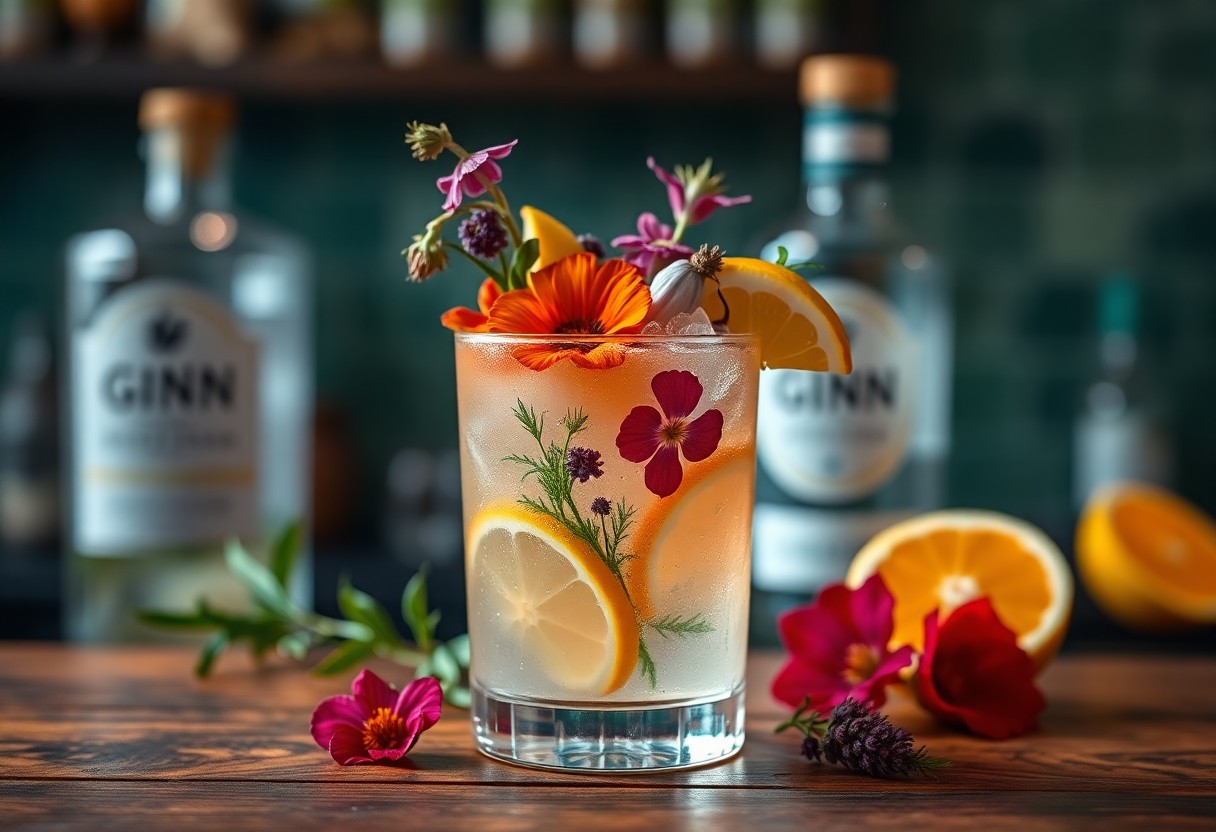
    One of the most delightful aspects of gin is its versatility, allowing you to craft whimsical cocktails that dance on your palate. By incorporating seasonal botanicals like fresh herbs, fruits, and flowers, you can create a captivating experience that reflects the vibrancy of each season. Whether you’re hosting a summer garden party or a cozy winter gathering, infusing your gin cocktails with seasonal flavors elevates their appeal and showcases your creativity. With some imagination and the right ingredients, crafting these enchanting drinks will become a joyful ritual in your home bartending journey.

    Techniques for Infusing Seasonal Flavors

    Against the backdrop of traditional gin recipes, you can take a creative leap by experimenting with infusions that capture the essence of each season. One popular technique is to steep fresh herbs like basil or rosemary in your gin for a few days, unlocking their aromatic qualities. You can also create syrups using seasonal fruits and spices to add depth and complexity. Consider making a citrus-infused gin during warmer months or a spiced cranberry infusion in the fall; these techniques embrace the seasons while giving your cocktails a unique twist.

    Creative Cocktail Recipes

    About the delightful world of creative cocktail recipes, you can bring your seasonal botanical infusions to life through imaginative combinations. Try mixing your floral-infused gin with a splash of elderflower liqueur and lemon juice for a refreshing twist, or use citrus bottlings alongside vibrant herbs for a zingy concoction. These recipes not only showcase your infusion skills but also provide a canvas for personal expression. You can experiment with garnishes, glassware, and presentation, making each cocktail a visual delight that speaks to the season’s charm.

    Consequently, by combining fresh seasonal ingredients with your signature gin, you create cocktail recipes that are not only delicious but also thematic and visually appealing. Think about how you can use edible flowers for garnish in spring or cinnamon sticks in winter drinks. Your creative flair will shine through, and each cocktail you craft becomes a conversation starter, inviting your guests to appreciate the effort and artistry behind the drink in their hands. Exploring these recipes will ignite your passion for mixology and inspire new traditions in your entertaining repertoire.

    Pairing Seasonal Gin with Food

    To elevate your seasonal gin experience, pairing it thoughtfully with food can unlock new dimensions of flavor. Consider the botanicals in your gin and how they complement various dishes, enhancing your overall enjoyment. The right food pairing will not only highlight the crisp and refreshing qualities of your gin but also create a delightful culinary journey that dances on your palate.

    Complimentary Flavors and Ingredients

    At the heart of food and gin pairing lies the concept of balancing flavors. You can choose dishes that echo the notes found in your seasonal gin, whether it’s refreshing citrus, fragrant herbs, or subtle floral hints. By matching these flavors, you can create a harmonious experience that amplifies the essence of both your meal and your drink.

    Seasonal Food Pairing Suggestions

    For a perfect bite with your gin, think about seasonal ingredients that shine in your locality. Fresh spring peas, grilled asparagus, and delicate herbs work wonderfully in the warmer months, while hearty root vegetables and spiced meats are ideal for the cooler seasons. Tailoring your food choices around what’s in season not only enhances your gin experience but also supports local agriculture and sustainability.

    Even the simplest dishes can be elevated by seasonal pairings. For instance, a zesty spring gin infused with elderflower might beautifully complement a light salad sprinkled with fresh herbs and citrus vinaigrette. In contrast, a bold winter gin with warming spices can match perfectly with roasted meats and root veggies, creating a symphony of flavors that enhance your meal and drink alike. Seasonal food pairings are the key to deepening your enjoyment and exploring the diverse palette that both gin and nature have to offer.

    The Benefits of Using Seasonal Ingredients

    Your choice to incorporate seasonal ingredients not only enhances the flavors of your gin but also connects you to the rhythms of nature. By embracing what’s fresh and abundant in each season, you create unique drinks that celebrate the time of year, offering your palate an engaging experience. Seasonal botanicals can invigorate your gin cocktails with novel flavors, elevating them in both taste and presentation.

    Freshness and Flavor Intensity

    With seasonal ingredients, you can experience remarkable freshness in your gin creations. When botanicals are harvested at their peak, they deliver vibrant flavors and aromas that are far more intense than those found in off-season alternatives. This freshness directly translates to a more pronounced and delightful tasting experience in your cocktails.

    Sustainability and Local Sourcing

    With seasonal botanicals, you not only elevate your gin but also make sustainable choices. By sourcing ingredients that are in season and locally available, you contribute to reduced transportation emissions and support local farmers and artisans. This practice encourages a more responsible approach to consumption, as it fosters a symbiotic relationship with the environment and the community.

    The benefits of sourcing seasonal ingredients extend beyond just sustainability, as they also promote a deeper connection to local ecosystems. When you prioritize local sourcing, you gain insights into the varying produce available in your region, allowing you to tailor your gin recipes to highlight those unique flavors. This approach not only supports your local economy but also fosters a sense of community, as you join in the shared experience of celebrating what each season has to offer.

    Exploring Seasonal Gin Brands

    After venturing into the delightful world of seasonal botanicals, you can find an array of gin brands that celebrate nature’s annual offerings. These distilleries craft unique spirits that reflect the flavors of each season, bringing a fresh and intriguing twist to your gin experience. From vibrant spring infusions to cozy winter blends, seasonal gin brands provide a delightful spectrum of tastes, inviting you to explore new dimensions in your favorite cocktail.

    Notable Distillers and Their Offerings

    Offerings from well-known distillers showcase a harmonious balance of seasonal botanicals that enhance your drinking experience. These artisans often release limited-edition gins that highlight local ingredients and craft their spirits with passion. Consider seeking out brands that emphasize artisanal techniques and celebrate the changing seasons, inviting you to taste the essence of their surroundings.

    Regional Variations in Seasonal Gins

    Offerings in regional variations of seasonal gins reflect the unique terroirs and climates where they are produced. Each area contributes its specific botanicals, resulting in diverse flavor profiles that cater to local palates. From citrusy gins in warmer climates to herbal blends made with mountain botanicals, you can discover how geography shapes the spirit of your favorite gin.

    Exploring regional variations in seasonal gins reveals how landscape and culture influence flavor nuances. For example, coastal regions may infuse their gins with seaside botanicals like sea kale or coastal herbs, while urban distilleries might incorporate local spices and fruits, creating distinctive tastes that embody their environment. By tasting these gins, you can not only appreciate the craft behind each bottle but also gain a sense of place, enjoying the rich diversity of a global spirit.

    Final Words

    Summing up, utilizing seasonal botanicals allows you to infuse your gin with unique flavors that reflect the essence of each season. These botanicals not only enhance the aroma and taste of your drink but also add a whimsical twist that sparks joy in every sip. By experimenting with different ingredients, you can create a personalized gin experience that resonates with your palate and creativity. So, embrace the artistry of seasonal botanicals and let them transform your gin journey into a delightful adventure.

  • What Arcane Botanicals Elevate Your Gin Experience?

    What Arcane Botanicals Elevate Your Gin Experience?

    You may not realize it, but the botanicals used in gin play a vital role in defining its character and enhancing your drinking experience. By exploring unique and arcane botanicals, you can discover flavors and aromas that elevate your gin from ordinary to extraordinary. In this post, we’ll research into some lesser-known ingredients that can transform your favorite gin and tonic into a vibrant sensory adventure, helping you craft cocktails that impress and delight. Get ready to elevate your gin experience with a deeper understanding of these fascinating botanicals.

    Understanding Arcane Botanicals

    Arcane botanicals are unique and often rare plant ingredients that elevate your gin experience by adding complex flavors and aromas. These botanicals can transform an ordinary gin into an extraordinary one, as they interact with the spirit’s base to create harmonious profiles that delight the palate. Understanding their role is imperative for any gin enthusiast looking to deepen their appreciation and discover new dimensions of taste in every sip.

    Definition and Importance

    Among the many elements that contribute to gin’s distinctive character, arcane botanicals stand out for their ability to introduce unexpected flavors and aromatic notes. They can include anything from exotic spices to unique herbs, and each selection plays an integral role in the final profile of your gin. By exploring these botanicals, you enhance not just your cocktail experience but also your understanding of gin itself.

    Historical Context

    Around the world, gin has evolved over centuries, shaped by the botanicals used in its production. Initially used for medicinal purposes, botanicals gradually became central to the flavoring process as gin transitioned into a popular spirit. This history provides context for how and why certain ingredients are used today, giving you insight into the craft behind your favorite gin brands.

    Botanicals have long influenced the cultural and geographical identity of gin. For instance, in the early 17th century, Dutch distillers first experimented with various herbs to mask the raw flavors of their grain alcohol. As gin spread to England, regional botanicals began to emerge, offering distinct flavor profiles reflective of local tastes and traditions. This historical backdrop not only enriches your drinking experience but also cultivates a deeper appreciation for the craftsmanship involved in creating your gin favorites.

    Popular Arcane Botanicals in Gin

    Now, as you explore into the world of gin, you’ll discover a range of arcane botanicals that elevate your tasting experience. From unusual spices to rare herbs, these ingredients can transform an ordinary gin into an extraordinary one. By understanding which botanicals are popular in acclaimed gins, you can enhance your palate and appreciation for this timeless spirit.

    Unique Flavors and Aromas

    Behind the complexity of gin lies a myriad of unique flavors and aromas crafted by each botanical used. While classic ingredients like juniper remain necessary, the addition of arcane botanicals adds layers of depth, bringing forth unexpected notes of citrus, floral essences, or even spicy undertones. This diversity is what keeps your gin experience exciting and continuously evolving.

    Key Examples and Their Profiles

    Their profiles can differ dramatically, with each botanical imparting its distinctive character to the gin. Common choices include angelica root, which offers earthy undertones, and coriander, providing a bright, citrusy note. Additionally, you may find ingredients like cardamom, contributing a warm spice, or even exotic botanicals such as togarashi, which adds a hint of umami.

    Popular botanicals such as lavender lend a floral aroma, enhancing the gin with a fragrant bouquet that tantalizes your senses. Similarly, adding cucumber can create a refreshing, cooling sensation, perfect for summer cocktails. By exploring these diverse ingredients, you not only elevate your gin experience but also expand your appreciation for the artistry behind distillation. Each sip becomes an exploration of unique flavor profiles, making your gin journey increasingly rewarding.

    The Role of Botanicals in Gin Production

    Some of the most enchanting aspects of gin creation lie in the selection and use of botanicals. These ingredients, often sourced from various plants, herbs, and spices, not only contribute to gin’s signature flavor but also define its overall character. Your choice of botanicals can elevate your gin experience, adding layers of complexity that can transport you to different climates and landscapes with each sip.

    Distillation Process

    Botanicals play a pivotal role in the distillation process of gin. During this stage, the flavors of the botanicals are extracted by heating, allowing their aromatic profiles to infuse into the alcohol. This transformation is where the essence of gin begins to take form, and your chosen botanicals dictate the final characteristics of the spirit, resulting in a unique blend that reflects your personal taste.

    Impact on Flavor Profiles

    An crucial aspect of botanicals in gin is their impact on flavor profiles. The careful selection and balance of botanicals can create a wide array of tastes, from refreshing citrus notes to earthy herbal undertones. Each botanical contributes its nuances, allowing for an intriguing interplay that enhances your tasting experience. Understanding these flavors enables you to explore gins that truly align with your palate.

    Indeed, the impact of botanicals on flavor profiles is vast and captivating. Whether you enjoy the zesty brightness of lemon peel or the floral softness of lavender, each botanical introduces a distinct layer of flavor that can transform your gin. This diversity allows you to experiment with various gins, discovering combinations that surprise and delight your senses. By understanding the roles that different botanicals play, you can curate a gin experience that is as unique as you are, enhancing not just the drink but the entire occasion around it.

    Crafting the Perfect Gin and Tonic

    Many enthusiasts regard the gin and tonic as an art form that goes beyond simple ingredients. To truly elevate your experience, it’s necessary to balance the juniper-forward character of your gin with the right tonic water. Experimenting with various botanicals allows you to discover the combinations that resonate with your palate, ensuring every sip is a refreshing delight.

    Pairing Botanicals with Tonic Water

    Any aromatic and flavorful botanicals can transform your gin and tonic into a bespoke cocktail. Consider how the tonic interacts with your chosen gin; lighter tonics work well with citrus-forward gins, while spicier gins may benefit from herbal or floral tonics. Take your time with these combinations to find your perfect match.

    Garnishing Techniques

    Before you serve your gin and tonic, elevating it with thoughtful garnishes can enhance both its aroma and visual appeal. Fresh herbs, slices of citrus, and even edible flowers can add depth and enhance the botanical notes in your drink.

    Crafting the perfect garnish allows you to express your creativity while complementing the necessary flavors of your gin and tonic. For instance, a twist of lemon or a sprig of rosemary can elevate the aromatic experience, enhancing the overall taste. You might also consider using unconventional garnishes like cucumber or elderflower to add an unexpected element that keeps your drink interesting. Always be mindful of how each garnish interacts with the gin and tonic base, as the right choice can make your cocktail memorable.

    Exploring Regional Variations of Gin

    Keep in mind that the diverse landscapes and climates across the globe have a profound impact on gin production. Each region infuses its unique character into the spirit, resulting in a plethora of flavors ranging from floral and fruity to herbaceous and spicy. Exploring these regional variations not only enhances your gin experience but also connects you to the cultures and histories behind each distillation process.

    Global Botanical Trends

    After examining the diverse gin offerings worldwide, you’ll notice that certain botanical trends emerge. Ingredients like juniper, citrus, and spices dominate, but innovative distillers are also incorporating exotic botanicals, showcasing regional plants. These global trends invite you to expand your palate and experiment with new flavor profiles in your gin cocktails.

    Local Ingredients and Their Influence

    Beside the exciting global trends, local ingredients play a vital role in shaping your gin experience. Many distillers pride themselves on sourcing botanicals from their immediate surroundings, allowing you to taste the essence of the region through your drink. These local elements can reflect the terroir, giving each gin its distinctive and often surprising character.

    Global variations in gin often stem from local botanicals that define a region’s spirit. For instance, Mediterranean gins may showcase aromatic herbs like rosemary and thyme, while gins from the UK might highlight locally grown berries. This use of native ingredients not only enriches your drinking experience but also supports local agriculture and craftspeople, creating a meaningful connection to the gin in your glass.

    Future Trends in Botanical Usage

    Once again, the gin industry is evolving, embracing a wider array of botanicals that not only enhance flavor but also speak to modern consumer preferences. You may notice an increased focus on unique and lesser-known ingredients, sourced from various regions around the globe. From exotic spices to floral notes, these innovative botanicals provide you with a richer tasting experience while reflecting a growing trend towards consumer exploration and sophistication in the world of gin.

    Innovative Pairings

    Above all, innovative pairings are taking the gin experience to new heights. You can expect to see gin producers experimenting with unexpected botanical combinations, marrying different flavors such as savory herbs with citrus peels. These creative blends elevate your sipping experience, inviting you to explore a broader palate while enjoying a refreshing gin and tonic or a meticulously crafted cocktail.

    Sustainability in Gin Production

    Trends in sustainability are reshaping the landscape of gin production, urging distillers to adopt eco-friendly practices. You may observe a shift towards sourcing botanicals locally and utilizing organic ingredients to reduce carbon footprints. As your awareness of environmental impact grows, you can feel good knowing that your choices support brands committed to sustainable production methods.

    Considering the importance of sustainability, many gin producers are now implementing practices that focus on ecological preservation while maintaining quality. You might find that brands are investing in regenerative farming methods for their botanicals or utilizing waste products to create new and exciting flavors. These efforts not only improve the gin’s environmental footprint but also provide you with a product that aligns with your values of sustainability and ethical consumption, making your gin experience not just enjoyable but also responsible.

    Conclusion

    The choice of arcane botanicals can significantly enhance your gin experience. By incorporating unique ingredients such as cardamom, hibiscus, or even rose petals, you can elevate your drink to new flavor profiles that entice your palate. Experimenting with these botanicals allows you to create a personalized gin that reflects your taste preferences and invites exploration. Consider blending different botanicals to uncover the perfect combination that will make your gin experience truly unforgettable.

  • Can The Terroir Of Botanicals Influence Your Gin’s Taste Profile?

    Can The Terroir Of Botanicals Influence Your Gin’s Taste Profile?

    You might be surprised to learn that the concept of terroir, commonly associated with wine, also extends to the world of gin. The unique environmental factors, such as soil composition, climate, and even local flora, can significantly shape the botanicals used in your gin, ultimately influencing its taste profile. As you explore different gins, understanding the origin of these botanicals can enhance your appreciation for the complex flavors in your favorite spirits. Join us as we explore into how terroir plays a vital role in crafting unique gin experiences.

    Understanding Terroir

    For gin enthusiasts, the term “terroir” extends beyond wine to encompass the complex interplay of environmental factors influencing the flavor of botanicals. This concept suggests that the specific geographic location, climate, and soil conditions impact the taste profiles of the ingredients used in your gin, leading to unique expressions from distillery to distillery. By recognizing terroir, you can deepen your appreciation for the intricacies that define your favorite spirits.

    Definition of Terroir

    Any discussion about ter­roir begins with the acknowledgment that it refers to the unique characteristics of a specific environment that influence the growth and flavor of plants. In the context of gin production, these factors include the geographical area, climate variations, and soil types that affect the botanicals used in distillation. Understanding terroir helps you appreciate the nuances in flavor and aroma that come from these environmental specifics.

    Components of Terroir

    Definition of terroir encompasses a variety of components that play a pivotal role in shaping the flavors of botanicals. These components primarily include geography, climate, soil composition, and cultivation practices. Each factor contributes uniquely to the sensory attributes of the plants, enhancing flavors, aromas, and characteristics distinct to their growth environment.

    Also, exploring the components of terroir offers insight into how specific climates can yield botanicals with varying degrees of sweetness, bitterness, or aromatic complexity. For example, a warm, sunny climate may produce juniper berries that are richer and more aromatic, whereas cooler conditions might result in more subdued flavors. Soil quality also cannot be overlooked; the mineral content can infuse the plants with distinctive qualities that ultimately affect the final gin profile, providing you with a more layered tasting experience.

    The Role of Botanicals in Gin

    Now, when you think of gin, the first thing that likely comes to mind is its diverse and aromatic flavor profile. The various botanicals used in crafting gin not only define its character but also exemplify the art of gin-making. Each botanical contributes unique aromas and flavors, allowing for endless combinations, ultimately enhancing your tasting experience. It’s this intricate balance that makes gin a versatile spirit, appealing to a wide range of palates.

    Common Botanicals Used in Gin

    Used in gin production are a variety of botanicals, with juniper berries being the most imperative. Alongside juniper, common additions include coriander, angelica root, citrus peels, and various herbs and spices. Each botanical brings distinct flavors and aromas, shaping the final product into something truly unique. As you explore different gins, you’ll notice how these botanicals create a tapestry of flavors that can range from floral and fruity to earthy and spicy.

    Influence of Botanical Selection

    Around the world, the selection of botanicals significantly impacts the overall flavor profile of gin. Distillers often experiment with local ingredients, resulting in a product that reflects the spirit of its origin. This means that, as you sample gins from different regions, you may find variations that highlight the unique characteristics of the botanicals used. The result is a diverse array of gins that not only taste different but also tell a story of their terroir.

    Common examples include gins made with locally sourced botanicals that infuse a sense of place, whether it’s fresh herbs from a Mediterranean garden or spices from an Asian market. By choosing particular botanicals, distillers craft flavors that resonate with the landscape and culture of their region, allowing you to experience a taste of the local terroir in your gin. This connection between the land and the distillation process enriches your tasting experience, making each sip an exploration of its origins.

    Regional Influences on Botanical Characteristics

    The origin of botanicals plays a significant role in shaping the flavor and aroma profiles of your gin. Various regions boast unique flora, which can imbue their gin with distinctive characteristics that reflect local environmental conditions and agricultural practices. Each botanical’s specific traits will be enhanced or muted depending on where they are sourced, leading to an array of possibilities for flavor exploration in your gin experience.

    Climate and Soil Effects

    The climate influences not only the growth patterns of your botanicals but also their chemical compositions. Different temperatures, humidity levels, and soil types create distinct growing conditions, resulting in variations in flavor intensity and aromatic qualities. For example, herbs grown in nutrient-rich, well-drained soils often exhibit more robust flavors, while those from harsher environments may develop a more subdued taste, adding complexity to your gin.

    Local Distillation Practices

    Across different regions, distillation methods can impact the final character of your gin, leading to unique flavor profiles. Each distillery may employ distinctive practices, such as pot distillation or column distillation, which influence how the botanicals’ flavors are extracted and blended into the spirit.

    Even minimal variations in local distillation techniques can lead to substantial differences in your gin’s overall taste. For instance, some distillers may choose to macerate botanicals for extended periods, which can enhance the extraction of flavors, while others might opt for a vacuum distillation process to preserve delicate aromatic compounds. These local practices not only define the character of your gin but also contribute to the spirit’s story, making each bottle a reflection of its surroundings.

    Taste Profile Variations

    Keep in mind that the taste profile of gin can greatly vary based on the botanicals used and their sources. Different regions produce unique flavors, influenced by the soil, climate, and growing conditions. By exploring these variances, you can deepen your understanding of gin and find your perfect match.

    Comparing Different Gin Producers

    Taste the diversity in gin by comparing different producers and their distinctive botanical selections and processing methods. The following table highlights some key distinctions:

    Gin Producer Botanicals Used
    Producer A Juniper, citrus peels, coriander
    Producer B Juniper, spices, local herbs
    Producer C Juniper, floral notes, roots

    Influence of Terroir on Flavor Profiles

    Around the world, the terroir of botanicals plays a significant role in shaping the flavor profiles of gins. You may notice that gins produced in coastal areas carry a briny note, while those from mountainous regions may have herbal and earthy qualities, reflecting their environments.

    Profiles are often influenced by the local flora, climate, and soil composition, leading to an array of aromatic experiences. For instance, a gin distilled with botanicals sourced from a coastal region often carries a unique maritime essence. Understanding how these elements affect flavor can enhance your gin tasting experiences and allow you to appreciate the intricacies of various brands. Explore these profiles, and you may find new favorites that reflect the character of their origins.

    Case Studies of Terroir-Inspired Gins

    Not all gins are created equally, especially when influenced by their surroundings. Here are some notable case studies showcasing how terroir shapes gin flavors:

    • 1. Sipsmith London Dry Gin – Utilizes local hedgerow botanicals yielding vibrant citrus and floral notes.
    • 2. Hendrick’s Gin – Infuses cucumber sourced from the UK, adding an unusual refreshing element to its profile.
    • 3. Tanqueray No. Ten – Features botanicals from the Mediterranean, contributing to its zesty grapefruit undertones.
    • 4. The Botanist Islay Dry Gin – Incorporates 22 hand-foraged botanicals from the Isle of Islay, reflecting its coastal terroir with earthy notes.

    Notable Regions and Their Gins

    Around the globe, various regions imbue their gins with unique characteristics derived from local botanicals. For instance, gins from the United Kingdom often showcase a harmony of juniper and citrus, while gins produced in regions like the Mediterranean highlight herbal and floral elements. Each area’s climate and local flora impart exclusive flavors that enhance the gin experience.

    Tasting Notes and Profiles

    About each gin, nuances reveal themselves through careful tasting. By exploring these terroir-inspired spirits, you uncover distinct notes that reflect their origins, from herbaceous to fruity and beyond. Pairing them with different mixers or enjoying them neat will further highlight their unique profiles.

    Tasting these gins, you may experience a range of flavor dimensions, from bright, zesty citrus to earthy, herbaceous undertones. For example, Sipsmith brings forth floral aromas combined with the crispness of citrus, while The Botanist showcases a complex blend of botanicals, providing a rich, earthy flavor profile. By focusing on the terroir, you gain deeper appreciation for how the land shapes your gin experience.

    The Future of Terroir in Gin Production

    Many producers are beginning to explore the unique characteristics of local botanicals and their impact on gin’s flavor profiles. As the appreciation for artisanal spirits continues to grow, it is expected that terroir-driven gins will gain popularity. This evolution could lead to new regional expressions and storytelling through your favorite gin brands, emphasizing the importance of place and local ingredients in crafting exceptional spirits.

    Trends in Craft Distilling

    Above all, the craft distilling movement has intensified interest in the sources of botanicals, encouraging you to seek out gins that showcase unique local flavors. With a focus on transparency and sustainability, distilleries are more inclined to highlight the provenance of their ingredients, offering you a deeper connection to the spirits you enjoy.

    Consumer Preferences and Market Impact

    On the other hand, consumer preferences are shifting towards authentic and locally-sourced products, influencing the market dynamics of gin production. This shift recognizes the importance of flavor diversity and authenticity, prompting brands to adapt their offerings accordingly.

    Consumer interest in unique and locally-sourced products is reshaping the gin market, pushing distilleries to prioritize transparency and connection to their ingredients. As you increasingly favor artisanal spirits, brands are responding by promoting their use of local botanicals and storytelling through terroir. This not only enhances your drinking experience but also supports local economies, encouraging sustainable practices and reinforcing the importance of place in craft distillation.

    To wrap up

    Upon reflecting, it becomes clear that the terroir of botanicals indeed plays a significant role in shaping your gin’s taste profile. The unique environmental factors—such as soil, climate, and local flora—affect how botanicals develop their distinctive flavors. By selecting gins that emphasize these regional influences, you can deepen your appreciation for the nuances in each sip, enhancing your overall tasting experience. Exploring gins from different regions can also give you a broader understanding of how geography and tradition interplay to create diverse flavor profiles.

  • The Science Of Gin – How Distillation And Botanicals Create Unique Flavors

    The Science Of Gin – How Distillation And Botanicals Create Unique Flavors

    Over the years, gin has evolved from a simple spirit to a complex and flavorful beverage enjoyed by many. Understanding the science behind gin’s unique flavors involves exploring the intricate processes of distillation and the diverse array of botanicals used in its production. In this blog post, you’ll discover how these elements work together to create the distinctive taste profiles that make each gin unique, allowing you to appreciate your next gin and tonic on a deeper level.

    The Distillation Process

    The distillation process is imperative in transforming the raw alcohol into the refined gin you enjoy. This method involves heating fermented grain mash or neutral spirits to separate the alcohol from impurities, allowing for the extraction and concentration of the flavors from botanicals. The outcome is a smoother spirit that serves as a perfect foundation for your favorite gin cocktails.

    Historical Overview

    Around the 9th century, the art of distillation emerged in the Middle East, evolving over centuries into modern techniques. By the 15th century, gin was popularized in the Netherlands, later gaining prominence in England, where it became a beloved spirit. The journey of gin reflects historical changes, societal influences, and the ongoing quest for unique flavors.

    Types of Distillation

    By understanding the different types of distillation, you can appreciate the nuances in flavor profiles that each method imparts to gin. The primary methods include:

    • Pot Still Distillation
    • Column Still Distillation
    • Single Distillation
    • Double Distillation
    • Vacuum Distillation

    Thou can choose a gin based on the distillation technique that best suits your palate.

    Type of Distillation Characteristics
    Pot Still Traditional, enhances flavor
    Column Still Continuous process, higher purity
    Single Distillation Quick, retains original character
    Double Distillation Refined taste, smoother finish
    Vacuum Distillation Lower boiling point, delicate flavors

    Due to their distinct processes, each distillation type affects the final product’s taste and aroma. Each method brings a unique perspective to the art of gin-making, allowing for endless creativity in flavor combinations. As you explore different gins, consider the method of distillation and how it may influence your tasting experience.

    • Enhances flavor complexity
    • Informs production techniques
    • Influences aroma profiles
    • Determines alcohol purity
    • Contributes to overall character

    Thou will find engaging differences as you dive deeper into the world of gin.

    The Role of Botanicals

    One of the defining aspects of gin is the careful selection of botanicals, which are aromatic plants, herbs, and spices used to create its distinctive flavors. Each botanical adds a unique note to the final spirit, ranging from floral to herbal, and even spicy profiles. The interplay between these botanicals can lead to an extraordinary range of taste experiences, making every gin unique and appealing to different palates. Understanding the role botanicals play allows you to appreciate the complex craftsmanship behind each bottle of gin.

    Common Botanicals Used in Gin

    Between juniper berries, coriander, angelica root, and citrus peels, these common botanicals form the backbone of many gin recipes. Juniper is a must for gin, providing that signature piney flavor, while herbs and spices like coriander add warmth and depth. Citrus elements contribute brightness and freshness, creating a harmonious balance that enhances the overall drinking experience. Each distiller has their unique blend, allowing for an infinite variety of flavors tailored to your taste preferences.

    The Influence of Regions on Botanical Selection

    Selection of botanicals for gin is often influenced by the geographical region where it is produced. Different climates and local ingredients lead to distinct flavor profiles. For instance, Mediterranean gins may highlight citrus and herbs native to that region, while gins produced in colder areas might incorporate more robust spices and roots. Understanding the place of origin enhances your tasting experience, as it connects you to the environment and culture that shaped the gin.

    Used in various gin styles, these regional influences create a diverse tapestry of flavors allowing for innovation and experimentation. A London Dry gin, for example, may emphasize traditional botanicals with a focus on juniper, while a New World gin might incorporate exotic ingredients such as tropical fruits or unique spices. This geographical distinction not only reflects the local flora but also the distiller’s creativity, encouraging you to explore gins from around the world for a truly global tasting adventure.

    Flavor Profiles in Gin

    It is the interplay of various botanicals and distillation methods that define the flavor profiles of gin. Each gin exhibits a unique combination of ingredients, allowing for a vast range of tastes—from floral to earthy, citrusy to spicy. As you explore different brands and types, you will discover how these elements come together to create distinct drinking experiences, elevating your gin choices based on personal preference and occasion.

    Understanding Taste and Aroma

    About the complexity of gin, it’s important to recognize that taste isn’t just about what you can taste on your tongue. Your sense of smell plays a powerful role in flavor perception. The botanicals used—whether juniper, coriander, or citrus—contribute not only to the taste but also infuse the aroma, creating an immersive experience for your senses when enjoying a gin cocktail.

    How Distillation Techniques Affect Flavor

    Affecting the end profile of your gin, the distillation technique is key. Different methods, such as pot still or column still distillation, extract various compounds from the botanicals, resulting in a range of flavors and aromas in your final spirit. Each process offers unique characteristics, impacting how intensely each botanical is expressed, thereby allowing distillers to craft gins with specific taste profiles tailored to your preferences.

    Understanding how distillation techniques affect flavor will enhance your appreciation for craftsmanship in gin production. Pot stills tend to preserve more congeners, resulting in a richer, more aromatic spirit, while column stills produce a cleaner, more neutral base. The choice of technique significantly influences the balance and nuance of botanicals, ultimately shaping the gin’s overall character. As you probe into the intricate world of flavors, you will appreciate the artistry behind every bottle.

    Craft Gin Movement

    Unlike mass-produced spirits that tend to follow conventional recipes, the craft gin movement emphasizes individuality and authenticity. This resurgence of interest in small-batch production allows distillers to explore creative flavor profiles, showcasing the unique botanicals native to their regions. As you examine into this world, you will discover how passionate artisans elevate gin from a simple drink to a complex experience, making each sip a journey through the craft of distillation.

    Rise of Artisan Distilleries

    By focusing on quality over quantity, artisan distilleries have emerged in response to consumer demand for distinctive and handcrafted beverages. You’ll find that these small producers often prioritize traditional methods and local ingredients, fostering a rich sense of community in their offerings. This shift not only enhances the diversity of gin available but also supports sustainable practices, ensuring each distillery tells its own story through the gin it creates.

    Innovative Flavors and Methods

    Innovative techniques and flavor combinations are at the forefront of the craft gin landscape. Distillers are experimenting with unexpected botanicals, such as exotic fruits and herbal nuances, to create distinctive expressions that appeal to adventurous palates. You’ll be intrigued to learn how methods like cold distillation or vacuum distillation open new avenues for flavor extraction, preserving the vital oils and aromatic profiles of the botanicals while enhancing the overall tasting experience.

    At this stage, the gin world is thriving with creativity and ingenuity. With no boundaries on ingredients, you might encounter gins infused with spices like cardamom or unique botanicals such as sea buckthorn. As distillers push the envelope and incorporate innovative methods, you will have the chance to taste gins that surprise and delight, bringing an entirely new dimension to the beloved spirit. Embracing these novel flavors allows your gin experience to go beyond the traditional, inviting curiosity and exploration in every glass.

    Pairing Gin with Mixers

    For the perfect gin experience, selecting the right mixer can elevate the flavors of your drink. Classic choices like tonic water, soda, and vermouth complement gin’s botanical essence, creating a harmonious balance. Consider your gin’s profile and how different mixers can enhance or contrast its unique flavors. The right pairing will not only refresh your palate but also deepen your appreciation for the complexities of your favorite spirit.

    Classic Combinations

    Across the world of cocktails, certain mixer combinations with gin have stood the test of time. A classic gin and tonic provides a crisp, refreshing taste that highlights the botanicals in the gin. Similarly, gin and soda offers a light alternative, while a gin martini showcases the pure essence of gin with a touch of vermouth. Each of these combinations serves to enhance your enjoyment of gin’s myriad flavors, allowing you to explore different profiles and aromas.

    Creative Mixing Techniques

    By experimenting with unconventional mixers, you can discover new dimensions of gin’s complex flavor profile. Unique ingredients such as flavored tonics, herbal syrups, or fresh juices can provide exciting contrasts and enrich your drink. Don’t be afraid to innovate by adding bitters, garnishing with unusual herbs, or incorporating seasonal fruits that can inspire a whole new cocktail experience.

    A great way to elevate your gin cocktails is to experiment with your mixing techniques. Try muddling fresh herbs or incorporating spices for an aromatic twist. Layering flavors through infusions or creating homemade sodas with less sugary alternatives can also significantly enhance your drink’s character. Through exploration and creativity, you can find surprising and delightful combinations that make your gin experience uniquely yours.

    The Future of Gin

    Now is an exciting time for gin, as creative distillers are constantly pushing boundaries to redefine this classic spirit. You can expect innovations in flavor combinations and production techniques to emerge, giving you even more options to explore. As the popularity of gin continues to grow, it’s likely that new distillation methods and unique botanicals will further elevate your tasting experience.

    Trends in Production

    With the rise of artisanal and craft distilling, you may notice a trend towards local, sustainable ingredients in gin production. Distillers are increasingly focusing on quality over quantity and experimenting with unconventional botanicals sourced from their immediate environment. This approach not only enhances the gin’s flavor profile but also creates a sense of community connection for you as a consumer.

    Gin’s Global Influence

    Above all, gin’s versatility has allowed it to capture the imagination of cultures around the world. You may find that regions once unfamiliar with botanicals are now producing distinctive styles that reflect local heritage and tastes, enriching the global gin landscape.

    At the heart of this global phenomenon, gin acts as a culinary canvas for local flavors. Distillers in Japan, for example, have embraced unique botanicals like yuzu and cherry blossom, while Mediterranean regions incorporate herbs like rosemary and thyme. This increasing diversity in gin showcases not only the spirit’s adaptability but also how cultural influences can contribute to distinctive flavor profiles. As you explore gin from different countries, you’ll discover a rich tapestry of flavors that reflect the essence of the landscape and people behind the spirit.

    Summing up

    From above, you can appreciate how the science of gin harmonizes distillation techniques and the selection of botanicals to craft unique flavors that appeal to diverse palates. Understanding these processes not only enhances your enjoyment of gin but also deepens your appreciation for the artistry involved in its creation. Whether your preference leans towards floral notes or spicy undertones, knowing how each element contributes to the final product allows you to explore the rich world of gin more comprehensively.

  • How Does The Quintimperative Botanicals In Gin Transmute Classic Dishes?

    How Does The Quintimperative Botanicals In Gin Transmute Classic Dishes?

    As you explore the world of culinary innovation, you’ll discover that gin’s botanicals can elevate your cooking. You’ll find that the unique flavors of gin can transmute classic dishes, offering you new and exciting taste experiences. By incorporating gin into your recipes, you can add depth and complexity, transforming familiar flavors into something entirely new and intriguing, allowing you to reimagine your favorite dishes in a whole new light.

    The Aromatic Symphony of Gin

    While exploring the world of gin, you’ll discover that the quintimperative botanicals are the backbone of this spirit. As you investigate deeper, you’ll find that the combination of these botanicals creates a unique aromatic symphony that can elevate and transmute classic dishes. Your sense of smell will be the first to appreciate the complexity of gin, as the aromas of the botanicals waft up, teasing your senses and inviting you to take a sip. As you taste, the flavors will unfold, and you’ll begin to understand how the different botanicals contribute to the overall character of the gin.

    As you continue to explore the world of gin, you’ll start to notice the different flavor profiles that emerge from the various botanicals. You’ll find that some gins are more juniper-forward, while others showcase the brightness of citrus or the warmth of spices. Your palate will become more discerning, and you’ll begin to appreciate the nuances of each gin. Whether you’re a seasoned gin enthusiast or just starting to explore, the world of gin has something to offer, and the aromatic symphony of the botanicals is sure to delight and inspire you.

    Core Botanicals: Juniper, Coriander, and Citrus

    Prior to exploring the secondary notes, you should familiarize yourself with the core botanicals that form the foundation of gin. You’ll find that juniper, coriander, and citrus are the primary botanicals used in most gin recipes. Your understanding of these core botanicals will help you appreciate the complexity of the gin, as each botanical contributes its unique flavor and aroma profile. Juniper provides the distinctive piney flavor, while coriander adds a warm, spicy note, and citrus contributes a bright, uplifting quality.

    Before you move on to the secondary notes, take a moment to appreciate the harmony that the core botanicals create. You’ll notice that the combination of juniper, coriander, and citrus forms a balanced and refined flavor profile that is both refreshing and engaging. As you taste, you’ll find that the core botanicals provide a solid foundation for the gin, allowing the secondary notes to add depth and complexity to the overall flavor profile.

    Secondary Notes: Angelica, Orris, and Cardamom

    Across the various gin styles, you’ll encounter a range of secondary botanicals that add depth and complexity to the flavor profile. You’ll find that angelica, orris, and cardamom are commonly used secondary botanicals that contribute unique and intriguing flavors. Your sense of adventure will be sparked as you explore the different ways that these botanicals are used to create distinctive gin styles. Angelica adds a subtle earthy note, while orris provides a sweet, floral quality, and cardamom contributes a warm, aromatic spice flavor.

    It is worth noting that the secondary notes, such as angelica, orris, and cardamom, play a significant role in shaping the overall character of the gin. As you taste, you’ll find that these botanicals add a layer of complexity and depth to the flavor profile, making each gin unique and interesting. You’ll appreciate the way that the secondary notes interact with the core botanicals, creating a rich and engaging flavor experience that will leave you wanting to explore more of the world of gin.

    Botanical Transformations in Savory Dishes

    The art of incorporating botanicals from gin into your savory dishes can elevate your culinary creations to new heights. As you explore the world of gin-infused cuisine, you’ll discover that the quintvital botanicals in gin can transmute classic dishes, giving them a unique twist. You’ll find that the flavors of gin, with its complex blend of botanicals, can complement and enhance the natural flavors of various ingredients, resulting in a truly unforgettable dining experience. Whether you’re a seasoned chef or an adventurous home cook, you’ll appreciate the versatility of gin as a culinary ingredient.

    The possibilities for botanical transformations in savory dishes are endless, and you can experiment with various gin-infused preparations to create your own signature dishes. As you investigate into the world of gin-infused cuisine, you’ll notice that the botanicals in gin can add a new dimension to your favorite recipes, from seafood to game meats. You’ll be able to create dishes that are not only delicious but also visually stunning, making them perfect for special occasions or everyday meals.

    Gin-Infused Seafood Preparations

    Seemingly, seafood dishes are an ideal canvas for showcasing the flavors of gin, as the delicate flavors of the seafood can be enhanced by the botanicals in gin. You can create gin-infused seafood preparations that are both refreshing and flavorful, perfect for warm weather or special occasions. As you experiment with gin-infused seafood dishes, you’ll find that the botanicals in gin can add a new level of complexity to your recipes, making them stand out from the ordinary.

    Similarly, you can use gin as a marinade or a sauce to add flavor to your seafood dishes, and you’ll be amazed at how the botanicals in gin can elevate the natural flavors of the seafood. You can try pairing gin with citrus, herbs, or spices to create a unique flavor profile that complements your seafood dishes, and you’ll discover that the possibilities are endless.

    Game Meats and Herbaceous Gin Marinades

    Before you start experimenting with game meats and herbaceous gin marinades, consider the flavor profile you want to achieve, as the botanicals in gin can greatly impact the final result. You’ll find that the herbaceous notes in gin can complement the rich flavors of game meats, creating a truly unforgettable dining experience. As you explore the world of game meats and herbaceous gin marinades, you’ll discover that the key to success lies in balancing the flavors, ensuring that the gin enhances the natural flavors of the game meats without overpowering them.

    Before experimenting with different game meats, you should consider the type of gin you’ll use, as the botanicals in the gin can greatly impact the final result. You’ll find that a London Dry Gin with its bold, herbaceous flavors can pair perfectly with game meats, while a more delicate gin can be better suited for lighter dishes.

    Hence, as you continue to explore the world of game meats and herbaceous gin marinades, you’ll find that the possibilities are endless, and you can create dishes that are not only delicious but also visually stunning. You’ll be able to impress your guests with your culinary skills, and you’ll appreciate the versatility of gin as a culinary ingredient, allowing you to create unique and unforgettable dining experiences.

    Sweet Metamorphosis

    Assuming you’re familiar with the concept of pairing gin with sweet dishes, you’ll be excited to explore how the quintvital botanicals in gin can transmute classic desserts. As you probe into the world of gin-infused sweets, you’ll discover that the floral notes and citrus flavors can elevate your desserts to a whole new level. You’ll find that the subtle bitterness of the gin balances out the sweetness of the desserts, creating a harmonious balance of flavors. Your taste buds will be treated to a symphony of flavors, from the sweetness of the sugar to the tanginess of the gin.

    As you experiment with gin-infused desserts, you’ll notice that the botanicals in the gin can enhance the flavors of the ingredients, creating a unique and complex taste experience. You’ll be able to appreciate the subtleties of the gin’s flavor profile, from the juniper berries to the coriander, and how they interact with the other ingredients in the dessert. Your understanding of the relationship between gin and sweets will deepen, and you’ll be inspired to create your own innovative gin-infused desserts.

    Desserts Enhanced by Gin’s Floral Notes

    After exploring the world of gin-infused desserts, you’ll find that the floral notes in gin can add a delicate and sophisticated touch to your sweets. You’ll discover that the floral flavors of the gin can complement the sweetness of the desserts, creating a beautiful balance of flavors. Your desserts will take on a new level of elegance, with the gin’s floral notes adding a subtle yet refined touch. You’ll be able to appreciate the complexity of the gin’s flavor profile and how it enhances the overall taste experience of your desserts.

    As you continue to experiment with gin-infused desserts, you’ll find that the floral notes can be paired with a variety of ingredients, from fruits to nuts, to create unique and delicious flavor combinations. You’ll be able to appreciate the versatility of the gin’s floral notes and how they can be used to enhance a wide range of desserts. Your creativity will be sparked, and you’ll be inspired to create your own innovative gin-infused desserts that showcase the beauty of the gin’s floral notes.

    Citrus-Forward Confections

    About to take your desserts to the next level, you’ll find that citrus-forward confections are a perfect match for gin’s citrus flavors. You’ll discover that the citrus notes in the gin can add a bright and refreshing touch to your desserts, cutting through the sweetness and creating a beautiful balance of flavors. Your desserts will be elevated to a new level of sophistication, with the gin’s citrus notes adding a vibrant and uplifting touch. You’ll be able to appreciate the complexity of the gin’s flavor profile and how it enhances the overall taste experience of your desserts.

    Plus, as you experiment with citrus-forward confections, you’ll find that the gin’s citrus notes can be paired with a variety of citrus fruits, from lemons to oranges, to create unique and delicious flavor combinations. You’ll be able to appreciate the versatility of the gin’s citrus notes and how they can be used to enhance a wide range of desserts, from tangy lemon bars to sweet orange creamsicles. Your creativity will be sparked, and you’ll be inspired to create your own innovative gin-infused desserts that showcase the beauty of the gin’s citrus notes, and you will be delighted by the new flavors and possibilities that you discover.

    The Art of Botanical Pairing

    Once again, you find yourself exploring the world of gin, and this time, you’re delving into the art of botanical pairing. As you begin on this journey, you’ll discover that the quintcrucial botanicals in gin can elevate and transform classic dishes in ways you never thought possible. The key to successful pairing lies in understanding the unique flavor profiles of various botanicals and how they interact with different ingredients in your cooking. By experimenting with different combinations, you’ll unlock a world of new flavors and aromas that will take your culinary creations to the next level.

    As you explore the art of botanical pairing, you’ll begin to appreciate the complexity and nuance of gin’s flavor profile. You’ll learn to identify the distinct characteristics of individual botanicals, such as the bright, citrusy notes of juniper or the warm, spicy undertones of coriander. With this knowledge, you’ll be able to craft innovative pairings that showcase the best of both your gin and your cuisine. Whether you’re a seasoned chef or an enthusiastic home cook, the art of botanical pairing offers a wealth of creative possibilities waiting to be explored.

    Complementary Flavor Profiles

    Beneath the surface of gin’s complex flavor profile lies a world of complementary flavor profiles waiting to be discovered. As you explore the art of botanical pairing, you’ll find that certain botanicals naturally complement specific ingredients, enhancing their flavors and textures. For instance, the floral notes of rose petals or lavender can beautifully complement the sweetness of fruits or the richness of desserts, while the earthy undertones of angelica or orris root can add depth and warmth to savory dishes. By understanding these complementary flavor profiles, you’ll be able to create harmonious pairings that elevate your cuisine and delight your palate.

    Below individual botanicals, you’ll find that the overall flavor profile of your gin can also influence the pairing process. You’ll need to consider the balance of sweet, sour, bitter, and umami flavors in your gin, as well as its overall character, whether it’s light and crisp or rich and complex. By taking these factors into account, you’ll be able to craft pairings that not only showcase the best of your gin but also enhance the overall dining experience. As you experiment with different combinations, you’ll develop a deeper understanding of the intricate relationships between gin, food, and flavor.

    Regional Gin Variations and Local Cuisine

    For the adventurous cook, regional gin variations offer a fascinating opportunity to explore the intersection of local cuisine and botanical pairing. As you travel through different regions, you’ll encounter unique gin styles that reflect the local flora, climate, and cultural traditions. You’ll discover how regional gin variations can be paired with local ingredients and dishes to create truly authentic and delicious culinary experiences. From the bright, citrusy gins of the Mediterranean to the rich, spicy gins of the Orient, each region offers a distinct perspective on the art of botanical pairing.

    For instance, you might find that a London Dry Gin pairs perfectly with traditional British cuisine, such as fish and chips or roast beef, while a Plymouth Gin might be better suited to seafood dishes or creamy sauces. As you explore these regional variations, you’ll gain a deeper appreciation for the diversity and richness of gin’s flavor profile, as well as the creative possibilities it offers for culinary innovation.

    And as you explore deeper into the world of regional gin variations and local cuisine, you’ll begin to appreciate the subtle nuances that distinguish one region from another. You’ll learn to identify the characteristic flavor profiles of different regions, from the bold, juniper-forward gins of the Nordic countries to the delicate, floral gins of the Alps. By embracing these regional variations, you’ll be able to craft pairings that not only showcase the best of your gin but also celebrate the unique cultural and culinary heritage of each region, creating a truly immersive and unforgettable dining experience.

    Modern Culinary Applications

    Many of you may be wondering how the quintimperative botanicals in gin can be used to elevate classic dishes. As you explore the world of modern cuisine, you’ll discover that gin’s unique flavor profile can be used to add depth and complexity to a variety of dishes. From savory meats to sweet desserts, the possibilities are endless. You can use gin as a marinade, a sauce, or even as a flavor enhancer in your cooking. As you experiment with different recipes, you’ll find that the botanicals in gin can add a unique twist to traditional dishes, making them more exciting and flavorful.

    As you probe deeper into the world of modern culinary applications, you’ll find that the use of gin botanicals is not limited to just one type of cuisine. You can use them to create innovative dishes that blend different culinary traditions. For example, you can use gin to make a Korean-style BBQ sauce or to add a twist to traditional Indian curries. The key is to experiment and find the perfect balance of flavors that work for you. With a little creativity, you can create dishes that are truly unique and delicious.

    Contemporary Cooking Techniques

    Modern cooking techniques have made it possible for you to incorporate gin botanicals into your dishes in new and innovative ways. You can use techniques such as sous vide, foamification, or spherification to create unique and visually stunning dishes. For instance, you can use gin to make a flavorful foam that can be used as a topping for cocktails or desserts. Alternatively, you can use gin to make spheres of flavor that can be used as a garnish or as a component of a dish. The possibilities are endless, and it’s up to you to experiment and find the techniques that work best for you.

    As you explore contemporary cooking techniques, you’ll find that the use of gin botanicals can add an extra layer of complexity to your dishes. You can use gin to make flavorful sauces, marinades, or braising liquids that can be used to cook a variety of ingredients. You can also use gin to make flavorful oils or vinegars that can be used as a finishing touch for dishes. The key is to experiment and find the techniques that work best for you and your cooking style.

    Molecular Gastronomy with Gin Botanicals

    One of the most exciting ways to use gin botanicals in modern cuisine is through molecular gastronomy. You can use gin to create unique and innovative dishes that are both visually stunning and delicious. For example, you can use gin to make flavorful caviar or pearls that can be used as a garnish or as a component of a dish. Alternatively, you can use gin to make flavorful foams or sauces that can be used to add texture and flavor to dishes.

    Another aspect of molecular gastronomy with gin botanicals is the use of spherification and gelification techniques. You can use gin to make flavorful spheres or gel cubes that can be used as a garnish or as a component of a dish. For instance, you can use gin to make flavorful gin and tonic spheres that can be used as a unique and refreshing dessert. The possibilities are endless, and it’s up to you to experiment and find the techniques that work best for you. As you explore the world of molecular gastronomy with gin botanicals, you’ll find that the unique flavor profile of gin can be used to create truly innovative and delicious dishes.

    Preserving and Infusing Methods

    Now that you have a deeper understanding of the quintcrucial botanicals in gin, it’s time to explore how these ingredients can be used to transmute classic dishes. As you explore into the world of preserving and infusing, you’ll discover various techniques that will elevate your culinary creations. Your ability to preserve and infuse flavors will become a key aspect of your cooking, allowing you to experiment with new and exciting flavor combinations. By mastering these methods, you’ll be able to unlock the full potential of your ingredients and create truly unique dishes.

    As you begin to experiment with preserving and infusing methods, you’ll find that the possibilities are endless. Your kitchen will become a laboratory where you can test and refine your techniques, pushing the boundaries of what is possible with gin botanicals. Whether you’re a seasoned chef or a curious home cook, you’ll appreciate the versatility and creativity that these methods offer. With practice and patience, you’ll develop the skills and confidence to incorporate preserving and infusing into your daily cooking routine, and your dishes will undoubtedly benefit from the added depth and complexity of flavor.

    Traditional Preservation Techniques

    Along with the development of gin, traditional preservation techniques have played a significant role in the history of cuisine. As you explore these methods, you’ll learn about the various ways that botanicals can be preserved, from pickling and curing to jam-making and distillation. Your understanding of these techniques will allow you to appreciate the craftsmanship and dedication that goes into creating high-quality, preserved ingredients. By incorporating traditional preservation techniques into your cooking, you’ll be able to add a new layer of complexity and nuance to your dishes, and your guests will undoubtedly appreciate the effort and attention to detail that you bring to the table.

    Alongside traditional preservation techniques, you’ll also discover the art of creating your own preserved ingredients. As you experiment with different methods and ingredients, you’ll develop a deeper understanding of the relationship between flavor, texture, and presentation. Your preserved ingredients will become a staple in your kitchen, allowing you to add a personal touch to your dishes and showcase your creativity and skill. Whether you’re making your own pickles or curing your own meats, you’ll appreciate the satisfaction of creating something truly unique and delicious.

    Modern Infusion Approaches

    One of the most exciting aspects of working with gin botanicals is the opportunity to experiment with modern infusion approaches. As you explore these methods, you’ll discover new and innovative ways to incorporate flavor into your dishes, from sous vide and vacuum sealing to foamification and spherification. Your creativity will know no bounds as you push the boundaries of what is possible with infusion, and your guests will be amazed by the unique and exciting flavor combinations that you create. By incorporating modern infusion approaches into your cooking, you’ll be able to stay ahead of the curve and offer your guests a truly unforgettable dining experience.

    One of the key benefits of modern infusion approaches is the ability to precisely control the amount of flavor that is infused into your ingredients. As you experiment with different techniques and ingredients, you’ll develop a deeper understanding of the relationship between flavor, temperature, and time. Your dishes will become more refined and sophisticated, with a level of complexity and nuance that will impress even the most discerning palates. Whether you’re infusing your own oils or creating your own flavored vinegars, you’ll appreciate the versatility and creativity that modern infusion approaches offer.

    This approach to modern infusion is particularly useful when working with delicate ingredients, as it allows you to preserve their subtle flavors and aromas. As you master these techniques, you’ll be able to create dishes that are truly greater than the sum of their parts, with each ingredient working in harmony to create a cohesive and delicious whole. Your ability to balance and refine flavors will become one of your greatest strengths as a cook, and your guests will appreciate the care and attention that you bring to each and every dish. With modern infusion approaches, the possibilities are endless, and you’ll be limited only by your imagination and creativity.

    Final Words

    Hence, as you explore the world of gin and its quintvital botanicals, you will discover how they can transmute classic dishes into something entirely new and exciting. You will find that the unique flavor profiles of different gins, which are shaped by their botanical ingredients, can be used to enhance and complement various culinary creations. By understanding the characteristics of each botanical, you can experiment with pairing gin with your favorite dishes, and unlock a world of flavors that you may have never experienced before. As you probe deeper into the world of gin and food pairing, you will develop your own palate and preferences, and be able to create innovative and delicious dishes that showcase the versatility of gin.

    As you continue on your gastronomic journey, you will appreciate the complexity and nuance that gin can bring to your cooking and dining experiences. You will learn to appreciate the subtle differences between various gins, and how their distinct flavor profiles can be used to elevate your dishes. By embracing the world of gin and its botanicals, you will expand your culinary horizons and develop a deeper understanding of the art of food and drink pairing. Ultimately, you will be able to create unique and memorable dining experiences that showcase your creativity and flair, and leave a lasting impression on your guests. With your newfound knowledge, you will be able to take your cooking to the next level, and explore the endless possibilities that the world of gin has to offer.