Tag: cuisine

  • How Does The Quintimperative Botanicals In Gin Transmute Classic Dishes?

    How Does The Quintimperative Botanicals In Gin Transmute Classic Dishes?

    As you explore the world of culinary innovation, you’ll discover that gin’s botanicals can elevate your cooking. You’ll find that the unique flavors of gin can transmute classic dishes, offering you new and exciting taste experiences. By incorporating gin into your recipes, you can add depth and complexity, transforming familiar flavors into something entirely new and intriguing, allowing you to reimagine your favorite dishes in a whole new light.

    The Aromatic Symphony of Gin

    While exploring the world of gin, you’ll discover that the quintimperative botanicals are the backbone of this spirit. As you investigate deeper, you’ll find that the combination of these botanicals creates a unique aromatic symphony that can elevate and transmute classic dishes. Your sense of smell will be the first to appreciate the complexity of gin, as the aromas of the botanicals waft up, teasing your senses and inviting you to take a sip. As you taste, the flavors will unfold, and you’ll begin to understand how the different botanicals contribute to the overall character of the gin.

    As you continue to explore the world of gin, you’ll start to notice the different flavor profiles that emerge from the various botanicals. You’ll find that some gins are more juniper-forward, while others showcase the brightness of citrus or the warmth of spices. Your palate will become more discerning, and you’ll begin to appreciate the nuances of each gin. Whether you’re a seasoned gin enthusiast or just starting to explore, the world of gin has something to offer, and the aromatic symphony of the botanicals is sure to delight and inspire you.

    Core Botanicals: Juniper, Coriander, and Citrus

    Prior to exploring the secondary notes, you should familiarize yourself with the core botanicals that form the foundation of gin. You’ll find that juniper, coriander, and citrus are the primary botanicals used in most gin recipes. Your understanding of these core botanicals will help you appreciate the complexity of the gin, as each botanical contributes its unique flavor and aroma profile. Juniper provides the distinctive piney flavor, while coriander adds a warm, spicy note, and citrus contributes a bright, uplifting quality.

    Before you move on to the secondary notes, take a moment to appreciate the harmony that the core botanicals create. You’ll notice that the combination of juniper, coriander, and citrus forms a balanced and refined flavor profile that is both refreshing and engaging. As you taste, you’ll find that the core botanicals provide a solid foundation for the gin, allowing the secondary notes to add depth and complexity to the overall flavor profile.

    Secondary Notes: Angelica, Orris, and Cardamom

    Across the various gin styles, you’ll encounter a range of secondary botanicals that add depth and complexity to the flavor profile. You’ll find that angelica, orris, and cardamom are commonly used secondary botanicals that contribute unique and intriguing flavors. Your sense of adventure will be sparked as you explore the different ways that these botanicals are used to create distinctive gin styles. Angelica adds a subtle earthy note, while orris provides a sweet, floral quality, and cardamom contributes a warm, aromatic spice flavor.

    It is worth noting that the secondary notes, such as angelica, orris, and cardamom, play a significant role in shaping the overall character of the gin. As you taste, you’ll find that these botanicals add a layer of complexity and depth to the flavor profile, making each gin unique and interesting. You’ll appreciate the way that the secondary notes interact with the core botanicals, creating a rich and engaging flavor experience that will leave you wanting to explore more of the world of gin.

    Botanical Transformations in Savory Dishes

    The art of incorporating botanicals from gin into your savory dishes can elevate your culinary creations to new heights. As you explore the world of gin-infused cuisine, you’ll discover that the quintvital botanicals in gin can transmute classic dishes, giving them a unique twist. You’ll find that the flavors of gin, with its complex blend of botanicals, can complement and enhance the natural flavors of various ingredients, resulting in a truly unforgettable dining experience. Whether you’re a seasoned chef or an adventurous home cook, you’ll appreciate the versatility of gin as a culinary ingredient.

    The possibilities for botanical transformations in savory dishes are endless, and you can experiment with various gin-infused preparations to create your own signature dishes. As you investigate into the world of gin-infused cuisine, you’ll notice that the botanicals in gin can add a new dimension to your favorite recipes, from seafood to game meats. You’ll be able to create dishes that are not only delicious but also visually stunning, making them perfect for special occasions or everyday meals.

    Gin-Infused Seafood Preparations

    Seemingly, seafood dishes are an ideal canvas for showcasing the flavors of gin, as the delicate flavors of the seafood can be enhanced by the botanicals in gin. You can create gin-infused seafood preparations that are both refreshing and flavorful, perfect for warm weather or special occasions. As you experiment with gin-infused seafood dishes, you’ll find that the botanicals in gin can add a new level of complexity to your recipes, making them stand out from the ordinary.

    Similarly, you can use gin as a marinade or a sauce to add flavor to your seafood dishes, and you’ll be amazed at how the botanicals in gin can elevate the natural flavors of the seafood. You can try pairing gin with citrus, herbs, or spices to create a unique flavor profile that complements your seafood dishes, and you’ll discover that the possibilities are endless.

    Game Meats and Herbaceous Gin Marinades

    Before you start experimenting with game meats and herbaceous gin marinades, consider the flavor profile you want to achieve, as the botanicals in gin can greatly impact the final result. You’ll find that the herbaceous notes in gin can complement the rich flavors of game meats, creating a truly unforgettable dining experience. As you explore the world of game meats and herbaceous gin marinades, you’ll discover that the key to success lies in balancing the flavors, ensuring that the gin enhances the natural flavors of the game meats without overpowering them.

    Before experimenting with different game meats, you should consider the type of gin you’ll use, as the botanicals in the gin can greatly impact the final result. You’ll find that a London Dry Gin with its bold, herbaceous flavors can pair perfectly with game meats, while a more delicate gin can be better suited for lighter dishes.

    Hence, as you continue to explore the world of game meats and herbaceous gin marinades, you’ll find that the possibilities are endless, and you can create dishes that are not only delicious but also visually stunning. You’ll be able to impress your guests with your culinary skills, and you’ll appreciate the versatility of gin as a culinary ingredient, allowing you to create unique and unforgettable dining experiences.

    Sweet Metamorphosis

    Assuming you’re familiar with the concept of pairing gin with sweet dishes, you’ll be excited to explore how the quintvital botanicals in gin can transmute classic desserts. As you probe into the world of gin-infused sweets, you’ll discover that the floral notes and citrus flavors can elevate your desserts to a whole new level. You’ll find that the subtle bitterness of the gin balances out the sweetness of the desserts, creating a harmonious balance of flavors. Your taste buds will be treated to a symphony of flavors, from the sweetness of the sugar to the tanginess of the gin.

    As you experiment with gin-infused desserts, you’ll notice that the botanicals in the gin can enhance the flavors of the ingredients, creating a unique and complex taste experience. You’ll be able to appreciate the subtleties of the gin’s flavor profile, from the juniper berries to the coriander, and how they interact with the other ingredients in the dessert. Your understanding of the relationship between gin and sweets will deepen, and you’ll be inspired to create your own innovative gin-infused desserts.

    Desserts Enhanced by Gin’s Floral Notes

    After exploring the world of gin-infused desserts, you’ll find that the floral notes in gin can add a delicate and sophisticated touch to your sweets. You’ll discover that the floral flavors of the gin can complement the sweetness of the desserts, creating a beautiful balance of flavors. Your desserts will take on a new level of elegance, with the gin’s floral notes adding a subtle yet refined touch. You’ll be able to appreciate the complexity of the gin’s flavor profile and how it enhances the overall taste experience of your desserts.

    As you continue to experiment with gin-infused desserts, you’ll find that the floral notes can be paired with a variety of ingredients, from fruits to nuts, to create unique and delicious flavor combinations. You’ll be able to appreciate the versatility of the gin’s floral notes and how they can be used to enhance a wide range of desserts. Your creativity will be sparked, and you’ll be inspired to create your own innovative gin-infused desserts that showcase the beauty of the gin’s floral notes.

    Citrus-Forward Confections

    About to take your desserts to the next level, you’ll find that citrus-forward confections are a perfect match for gin’s citrus flavors. You’ll discover that the citrus notes in the gin can add a bright and refreshing touch to your desserts, cutting through the sweetness and creating a beautiful balance of flavors. Your desserts will be elevated to a new level of sophistication, with the gin’s citrus notes adding a vibrant and uplifting touch. You’ll be able to appreciate the complexity of the gin’s flavor profile and how it enhances the overall taste experience of your desserts.

    Plus, as you experiment with citrus-forward confections, you’ll find that the gin’s citrus notes can be paired with a variety of citrus fruits, from lemons to oranges, to create unique and delicious flavor combinations. You’ll be able to appreciate the versatility of the gin’s citrus notes and how they can be used to enhance a wide range of desserts, from tangy lemon bars to sweet orange creamsicles. Your creativity will be sparked, and you’ll be inspired to create your own innovative gin-infused desserts that showcase the beauty of the gin’s citrus notes, and you will be delighted by the new flavors and possibilities that you discover.

    The Art of Botanical Pairing

    Once again, you find yourself exploring the world of gin, and this time, you’re delving into the art of botanical pairing. As you begin on this journey, you’ll discover that the quintcrucial botanicals in gin can elevate and transform classic dishes in ways you never thought possible. The key to successful pairing lies in understanding the unique flavor profiles of various botanicals and how they interact with different ingredients in your cooking. By experimenting with different combinations, you’ll unlock a world of new flavors and aromas that will take your culinary creations to the next level.

    As you explore the art of botanical pairing, you’ll begin to appreciate the complexity and nuance of gin’s flavor profile. You’ll learn to identify the distinct characteristics of individual botanicals, such as the bright, citrusy notes of juniper or the warm, spicy undertones of coriander. With this knowledge, you’ll be able to craft innovative pairings that showcase the best of both your gin and your cuisine. Whether you’re a seasoned chef or an enthusiastic home cook, the art of botanical pairing offers a wealth of creative possibilities waiting to be explored.

    Complementary Flavor Profiles

    Beneath the surface of gin’s complex flavor profile lies a world of complementary flavor profiles waiting to be discovered. As you explore the art of botanical pairing, you’ll find that certain botanicals naturally complement specific ingredients, enhancing their flavors and textures. For instance, the floral notes of rose petals or lavender can beautifully complement the sweetness of fruits or the richness of desserts, while the earthy undertones of angelica or orris root can add depth and warmth to savory dishes. By understanding these complementary flavor profiles, you’ll be able to create harmonious pairings that elevate your cuisine and delight your palate.

    Below individual botanicals, you’ll find that the overall flavor profile of your gin can also influence the pairing process. You’ll need to consider the balance of sweet, sour, bitter, and umami flavors in your gin, as well as its overall character, whether it’s light and crisp or rich and complex. By taking these factors into account, you’ll be able to craft pairings that not only showcase the best of your gin but also enhance the overall dining experience. As you experiment with different combinations, you’ll develop a deeper understanding of the intricate relationships between gin, food, and flavor.

    Regional Gin Variations and Local Cuisine

    For the adventurous cook, regional gin variations offer a fascinating opportunity to explore the intersection of local cuisine and botanical pairing. As you travel through different regions, you’ll encounter unique gin styles that reflect the local flora, climate, and cultural traditions. You’ll discover how regional gin variations can be paired with local ingredients and dishes to create truly authentic and delicious culinary experiences. From the bright, citrusy gins of the Mediterranean to the rich, spicy gins of the Orient, each region offers a distinct perspective on the art of botanical pairing.

    For instance, you might find that a London Dry Gin pairs perfectly with traditional British cuisine, such as fish and chips or roast beef, while a Plymouth Gin might be better suited to seafood dishes or creamy sauces. As you explore these regional variations, you’ll gain a deeper appreciation for the diversity and richness of gin’s flavor profile, as well as the creative possibilities it offers for culinary innovation.

    And as you explore deeper into the world of regional gin variations and local cuisine, you’ll begin to appreciate the subtle nuances that distinguish one region from another. You’ll learn to identify the characteristic flavor profiles of different regions, from the bold, juniper-forward gins of the Nordic countries to the delicate, floral gins of the Alps. By embracing these regional variations, you’ll be able to craft pairings that not only showcase the best of your gin but also celebrate the unique cultural and culinary heritage of each region, creating a truly immersive and unforgettable dining experience.

    Modern Culinary Applications

    Many of you may be wondering how the quintimperative botanicals in gin can be used to elevate classic dishes. As you explore the world of modern cuisine, you’ll discover that gin’s unique flavor profile can be used to add depth and complexity to a variety of dishes. From savory meats to sweet desserts, the possibilities are endless. You can use gin as a marinade, a sauce, or even as a flavor enhancer in your cooking. As you experiment with different recipes, you’ll find that the botanicals in gin can add a unique twist to traditional dishes, making them more exciting and flavorful.

    As you probe deeper into the world of modern culinary applications, you’ll find that the use of gin botanicals is not limited to just one type of cuisine. You can use them to create innovative dishes that blend different culinary traditions. For example, you can use gin to make a Korean-style BBQ sauce or to add a twist to traditional Indian curries. The key is to experiment and find the perfect balance of flavors that work for you. With a little creativity, you can create dishes that are truly unique and delicious.

    Contemporary Cooking Techniques

    Modern cooking techniques have made it possible for you to incorporate gin botanicals into your dishes in new and innovative ways. You can use techniques such as sous vide, foamification, or spherification to create unique and visually stunning dishes. For instance, you can use gin to make a flavorful foam that can be used as a topping for cocktails or desserts. Alternatively, you can use gin to make spheres of flavor that can be used as a garnish or as a component of a dish. The possibilities are endless, and it’s up to you to experiment and find the techniques that work best for you.

    As you explore contemporary cooking techniques, you’ll find that the use of gin botanicals can add an extra layer of complexity to your dishes. You can use gin to make flavorful sauces, marinades, or braising liquids that can be used to cook a variety of ingredients. You can also use gin to make flavorful oils or vinegars that can be used as a finishing touch for dishes. The key is to experiment and find the techniques that work best for you and your cooking style.

    Molecular Gastronomy with Gin Botanicals

    One of the most exciting ways to use gin botanicals in modern cuisine is through molecular gastronomy. You can use gin to create unique and innovative dishes that are both visually stunning and delicious. For example, you can use gin to make flavorful caviar or pearls that can be used as a garnish or as a component of a dish. Alternatively, you can use gin to make flavorful foams or sauces that can be used to add texture and flavor to dishes.

    Another aspect of molecular gastronomy with gin botanicals is the use of spherification and gelification techniques. You can use gin to make flavorful spheres or gel cubes that can be used as a garnish or as a component of a dish. For instance, you can use gin to make flavorful gin and tonic spheres that can be used as a unique and refreshing dessert. The possibilities are endless, and it’s up to you to experiment and find the techniques that work best for you. As you explore the world of molecular gastronomy with gin botanicals, you’ll find that the unique flavor profile of gin can be used to create truly innovative and delicious dishes.

    Preserving and Infusing Methods

    Now that you have a deeper understanding of the quintcrucial botanicals in gin, it’s time to explore how these ingredients can be used to transmute classic dishes. As you explore into the world of preserving and infusing, you’ll discover various techniques that will elevate your culinary creations. Your ability to preserve and infuse flavors will become a key aspect of your cooking, allowing you to experiment with new and exciting flavor combinations. By mastering these methods, you’ll be able to unlock the full potential of your ingredients and create truly unique dishes.

    As you begin to experiment with preserving and infusing methods, you’ll find that the possibilities are endless. Your kitchen will become a laboratory where you can test and refine your techniques, pushing the boundaries of what is possible with gin botanicals. Whether you’re a seasoned chef or a curious home cook, you’ll appreciate the versatility and creativity that these methods offer. With practice and patience, you’ll develop the skills and confidence to incorporate preserving and infusing into your daily cooking routine, and your dishes will undoubtedly benefit from the added depth and complexity of flavor.

    Traditional Preservation Techniques

    Along with the development of gin, traditional preservation techniques have played a significant role in the history of cuisine. As you explore these methods, you’ll learn about the various ways that botanicals can be preserved, from pickling and curing to jam-making and distillation. Your understanding of these techniques will allow you to appreciate the craftsmanship and dedication that goes into creating high-quality, preserved ingredients. By incorporating traditional preservation techniques into your cooking, you’ll be able to add a new layer of complexity and nuance to your dishes, and your guests will undoubtedly appreciate the effort and attention to detail that you bring to the table.

    Alongside traditional preservation techniques, you’ll also discover the art of creating your own preserved ingredients. As you experiment with different methods and ingredients, you’ll develop a deeper understanding of the relationship between flavor, texture, and presentation. Your preserved ingredients will become a staple in your kitchen, allowing you to add a personal touch to your dishes and showcase your creativity and skill. Whether you’re making your own pickles or curing your own meats, you’ll appreciate the satisfaction of creating something truly unique and delicious.

    Modern Infusion Approaches

    One of the most exciting aspects of working with gin botanicals is the opportunity to experiment with modern infusion approaches. As you explore these methods, you’ll discover new and innovative ways to incorporate flavor into your dishes, from sous vide and vacuum sealing to foamification and spherification. Your creativity will know no bounds as you push the boundaries of what is possible with infusion, and your guests will be amazed by the unique and exciting flavor combinations that you create. By incorporating modern infusion approaches into your cooking, you’ll be able to stay ahead of the curve and offer your guests a truly unforgettable dining experience.

    One of the key benefits of modern infusion approaches is the ability to precisely control the amount of flavor that is infused into your ingredients. As you experiment with different techniques and ingredients, you’ll develop a deeper understanding of the relationship between flavor, temperature, and time. Your dishes will become more refined and sophisticated, with a level of complexity and nuance that will impress even the most discerning palates. Whether you’re infusing your own oils or creating your own flavored vinegars, you’ll appreciate the versatility and creativity that modern infusion approaches offer.

    This approach to modern infusion is particularly useful when working with delicate ingredients, as it allows you to preserve their subtle flavors and aromas. As you master these techniques, you’ll be able to create dishes that are truly greater than the sum of their parts, with each ingredient working in harmony to create a cohesive and delicious whole. Your ability to balance and refine flavors will become one of your greatest strengths as a cook, and your guests will appreciate the care and attention that you bring to each and every dish. With modern infusion approaches, the possibilities are endless, and you’ll be limited only by your imagination and creativity.

    Final Words

    Hence, as you explore the world of gin and its quintvital botanicals, you will discover how they can transmute classic dishes into something entirely new and exciting. You will find that the unique flavor profiles of different gins, which are shaped by their botanical ingredients, can be used to enhance and complement various culinary creations. By understanding the characteristics of each botanical, you can experiment with pairing gin with your favorite dishes, and unlock a world of flavors that you may have never experienced before. As you probe deeper into the world of gin and food pairing, you will develop your own palate and preferences, and be able to create innovative and delicious dishes that showcase the versatility of gin.

    As you continue on your gastronomic journey, you will appreciate the complexity and nuance that gin can bring to your cooking and dining experiences. You will learn to appreciate the subtle differences between various gins, and how their distinct flavor profiles can be used to elevate your dishes. By embracing the world of gin and its botanicals, you will expand your culinary horizons and develop a deeper understanding of the art of food and drink pairing. Ultimately, you will be able to create unique and memorable dining experiences that showcase your creativity and flair, and leave a lasting impression on your guests. With your newfound knowledge, you will be able to take your cooking to the next level, and explore the endless possibilities that the world of gin has to offer.
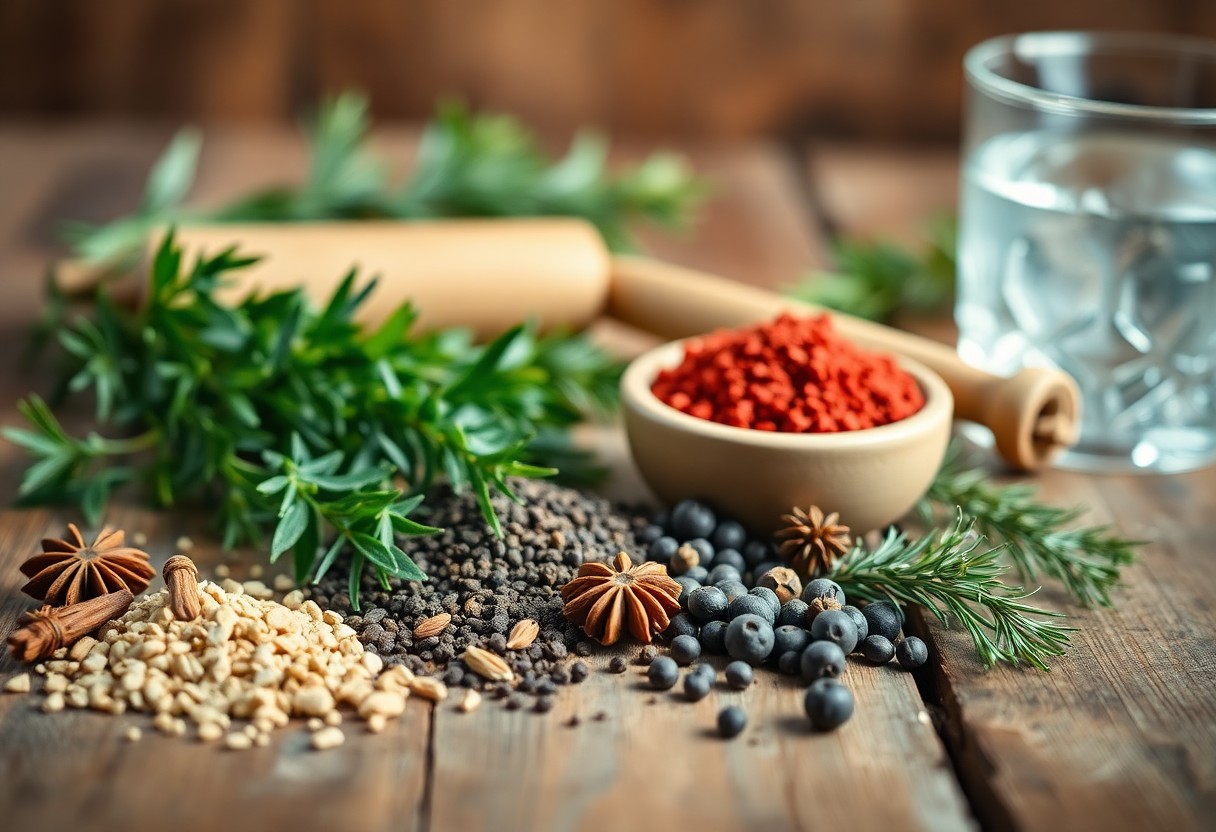
  • What Enigmatic Spices Complement The Juniper Notes In Gin-inspired Cuisine?

    What Enigmatic Spices Complement The Juniper Notes In Gin-inspired Cuisine?

    As you explore the world of gin-inspired cuisine, you’ll discover that the right spices can elevate your dishes to new heights. You’re likely familiar with the distinctive flavor of juniper, but what other enigmatic spices will complement its notes in your cooking? Your culinary creations can benefit from the perfect blend of spices, and understanding which ones to use will take your gin-infused meals from ordinary to extraordinary, allowing you to create unique and captivating flavors that showcase your skill and creativity.

    The Botanical Symphony of Gin

    The world of gin is a complex and fascinating one, with a multitude of botanicals coming together to create a unique flavor profile. As you investigate into the world of gin-inspired cuisine, you’ll discover that the juniper notes are just the beginning. You’ll find that the combination of botanicals used in gin production creates a symphony of flavors, with each one complementing and enhancing the others. Your exploration of gin-inspired cuisine will take you on a journey of discovery, as you uncover the various ways in which these botanicals can be used to create delicious and innovative dishes.

    The art of pairing gin with food is a highly personal one, and as you experiment with different combinations, you’ll develop your own unique understanding of how the various botanicals interact with different ingredients. You’ll find that the floral notes of some gins pair perfectly with delicate fish dishes, while the spicy notes of others complement rich and savory meats. As you explore the world of gin-inspired cuisine, you’ll begin to appreciate the incredible versatility of this spirit, and the many ways in which it can be used to elevate and enhance your cooking.

    Juniper’s Aromatic Character

    One of the most distinctive and recognizable flavors in gin is the juniper berry, which provides a piney, slightly bitter note that is both refreshing and invigorating. As you work with gin in your cooking, you’ll find that the juniper flavor is a versatile one, pairing well with a wide range of ingredients, from citrus and herbs to meats and vegetables. You’ll discover that the juniper flavor can be used to add depth and complexity to a variety of dishes, from soups and stews to sauces and marinades. Your use of juniper will become a key element in your gin-inspired cuisine, as you learn to balance and blend this distinctive flavor with other ingredients.

    One of the key challenges of working with juniper is finding the right balance of flavors, as the piney note can quickly overpower other ingredients. However, as you experiment with different combinations, you’ll develop a sense of how to use juniper to enhance and complement your dishes, rather than overwhelming them. You’ll find that the juniper flavor is a powerful tool in your culinary arsenal, and one that can be used to add a unique and distinctive twist to a wide range of recipes.

    Historical Significance in Cuisine

    Harmoniously, the use of gin in cuisine has a long and storied history, dating back to the Middle Ages, when gin was first used as a medicinal tonic. As you explore the historical significance of gin in cuisine, you’ll discover that this spirit has played a major role in shaping the course of culinary history, from the traditional gin-based cocktails of the 19th century to the modern gin-infused dishes of today. Your understanding of the historical context of gin will deepen your appreciation for this spirit, and provide you with a new perspective on its use in cooking.

    Symphonically, the combination of gin and food has been a staple of fine dining for centuries, with many classic dishes featuring gin as a key ingredient. You’ll find that the use of gin in cuisine is not limited to modern recipes, but has a rich and storied history that spans centuries and continents. As you investigate into the world of historical gin-based cuisine, you’ll discover a wide range of traditional dishes that showcase the versatility and flavor of this spirit.

    Historically, the significance of gin in cuisine is closely tied to the spirit’s medicinal properties, which were highly valued in the Middle Ages. As you explore the historical use of gin, you’ll discover that this spirit was often used to treat a range of ailments, from indigestion to influenza, and was highly prized for its perceived health benefits. Your understanding of the historical context of gin will provide you with a new appreciation for the spirit’s versatility and flavor, and inspire you to experiment with new and innovative recipes that showcase its unique characteristics.

    Complementary Spice Profiles

    Some of the most enigmatic spices that complement the juniper notes in gin-inspired cuisine are those that add a warm, aromatic depth to dishes. As you explore the world of gin-pairing, you’ll find that certain spice profiles stand out for their ability to enhance the botanicals found in gin. Your culinary creations will benefit from the addition of spices that not only complement the juniper flavor but also add a unique character to your dishes. By experimenting with different spice combinations, you’ll discover the perfect balance of flavors to elevate your gin-inspired cuisine.

    As you explore deeper into the world of complementary spice profiles, you’ll encounter a variety of options that will enhance your culinary creations. You’ll find that certain spices have a natural affinity for the juniper notes in gin, and by combining them in innovative ways, you can create truly unique flavor experiences. Your understanding of these spice profiles will allow you to craft dishes that not only showcase the flavors of gin but also add a new level of sophistication to your cuisine.

    Cardamom and Coriander Harmonies

    Akin to the complex flavor profile of gin, cardamom and coriander spices offer a harmonious balance of warm, aromatic notes that complement the juniper flavor. As you experiment with these spices, you’ll find that they add a unique depth to your dishes, from savory meats to sweet desserts. Your use of cardamom and coriander will depend on the specific gin-inspired cuisine you’re creating, but you’ll discover that they pair exceptionally well with a variety of ingredients.

    Alongside the juniper notes in gin, cardamom and coriander spices create a fascinating flavor dynamic that will elevate your culinary creations. You’ll appreciate the way these spices enhance the aromatic qualities of gin, adding a new level of sophistication to your dishes. By incorporating cardamom and coriander into your recipes, you’ll be able to craft unique flavor experiences that showcase the versatility of gin-inspired cuisine.

    Pink Peppercorn and Citrus Peel Dynamics

    Above the subtle nuances of gin’s botanicals, pink peppercorn and citrus peel spices add a vibrant, refreshing quality to dishes. As you explore the combination of these spices with juniper notes, you’ll discover a fascinating interplay of flavors that will enhance your culinary creations. Your use of pink peppercorn and citrus peel will depend on the specific gin-inspired cuisine you’re creating, but you’ll find that they pair exceptionally well with a variety of ingredients, from seafood to desserts.

    Understanding the dynamics of pink peppercorn and citrus peel spices is imperative to creating balanced flavor profiles in your gin-inspired cuisine. You’ll find that these spices not only complement the juniper notes but also add a bright, citrusy quality that cuts through rich or heavy flavors. By incorporating pink peppercorn and citrus peel into your recipes, you’ll be able to craft dishes that are both refreshing and sophisticated, perfect for showcasing the unique flavor profile of gin.

    Mediterranean Influences

    If you’re looking to complement the juniper notes in gin-inspired cuisine, you may want to consider the bold flavors of the Mediterranean. The region’s cuisine is known for its use of aromatic spices and herbs, which pair perfectly with the botanicals found in gin. As you explore the world of Mediterranean flavors, you’ll discover a variety of ingredients that will enhance your gin-inspired dishes. From the sweetness of citrus to the earthiness of thyme, the options are endless, and you’ll find that your culinary creations will be elevated to new heights.

    As you investigate deeper into the world of Mediterranean cuisine, you’ll notice that certain spices and herbs are used repeatedly in various dishes. This is because these ingredients have been perfected over time, and their flavors have become an integral part of the region’s culinary identity. You’ll find that your gin-inspired cuisine will benefit from the use of these ingredients, as they will add depth and complexity to your dishes. Whether you’re creating a simple appetizer or a complex main course, the flavors of the Mediterranean will provide you with a wealth of inspiration and guidance.

    Bay Leaf and Rosemary Connections

    Influenced by the sun-kissed hills of the Mediterranean, you’ll discover that bay leaves and rosemary are two herbs that pair perfectly with the juniper notes in gin. These herbs have a long history of use in Mediterranean cuisine, and their flavors have been refined over time to create a perfect balance of bitter and sweet. As you experiment with bay leaves and rosemary in your gin-inspired cuisine, you’ll find that they add a subtle yet distinctive flavor to your dishes. You can use them to create a fragrant sauce or as a seasoning for your favorite meats and vegetables.

    Insights into the use of bay leaves and rosemary in Mediterranean cuisine will help you to understand how these herbs can be used to enhance your gin-inspired dishes. You’ll find that the key to using these herbs effectively is to balance their flavors with other ingredients, creating a harmonious blend of tastes and aromas. As you gain experience with bay leaves and rosemary, you’ll become more confident in your ability to create delicious and complex gin-inspired dishes that showcase the unique flavors of the Mediterranean.

    Fennel and Anise Undertones

    For a more subtle approach to complementing the juniper notes in gin, you may want to consider the use of fennel and anise. These ingredients have a delicate, licorice-like flavor that pairs perfectly with the botanicals found in gin. As you experiment with fennel and anise in your gin-inspired cuisine, you’ll find that they add a sophisticated and refined flavor to your dishes. You can use them to create a flavorful sauce or as a seasoning for your favorite meats and vegetables.

    Furthermore, you’ll discover that fennel and anise are versatile ingredients that can be used in a variety of dishes, from appetizers to desserts. Anise, in particular, has a unique flavor that is both sweet and savory, making it a great addition to many gin-inspired dishes. As you continue to explore the world of fennel and anise, you’ll find that they become an important part of your culinary repertoire, allowing you to create complex and delicious dishes that showcase the unique flavors of the Mediterranean.

    Anise, with its distinctive flavor and aroma, is an ingredient that will add a new dimension to your gin-inspired cuisine. You’ll find that it pairs perfectly with the juniper notes in gin, creating a balanced and refined flavor profile. As you experiment with anise, you’ll discover that it can be used in a variety of dishes, from savory meats to sweet desserts, and that its unique flavor will elevate your culinary creations to new heights.

    Eastern Spice Traditions

    Many of the spices that complement the juniper notes in gin-inspired cuisine have their roots in Eastern traditions. As you explore the world of gin, you’ll find that the bold flavors of Eastern spices can elevate your dishes to new heights. You may be familiar with the warm, aromatic flavors of spices like cinnamon, cardamom, and star anise, but there are many more exotic spices to discover. From the spicy kick of Szechuan pepper to the sweet, floral flavor of galangal, Eastern spices offer a wealth of options for adding depth and complexity to your gin-inspired creations.

    As you explore into the world of Eastern spices, you’ll find that many of them have been used for centuries in traditional medicine and cooking. You can use these spices to create unique and delicious flavor profiles that will set your gin-inspired dishes apart. Whether you’re looking to add a subtle hint of spice or a bold, pungent flavor, Eastern spices have something to offer. With a little experimentation, you can find the perfect combination of spices to complement the juniper notes in your favorite gin and take your cooking to the next level.

    Grains of Paradise and Cubeb Berries

    Above all, the spices that you choose will depend on your personal taste preferences and the type of dish you’re creating. You may find that grains of paradise, with their slightly sweet, spicy flavor, are the perfect addition to your gin-inspired soup or stew. Alternatively, you might prefer the unique, slightly bitter flavor of cubeb berries, which pair well with the bold, juniper notes of gin. As you experiment with different spices, you’ll find that the possibilities are endless, and you can create a wide range of delicious and unique flavor profiles.

    Alike other Eastern spices, grains of paradise and cubeb berries have been used for centuries in traditional medicine and cooking. You can use them to add a subtle hint of spice or a bold, pungent flavor to your dishes. Whether you’re looking to create a traditional gin-inspired dish or something entirely new, these spices are definitely worth considering. With a little creativity, you can use grains of paradise and cubeb berries to create truly unforgettable flavor experiences.

    Galangal and Green Szechuan Notes

    To begin exploring the world of galangal and green Szechuan notes, you’ll want to start by familiarizing yourself with the unique flavors of these spices. You’ll find that galangal, with its sweet, floral flavor, pairs perfectly with the bold, juniper notes of gin. Green Szechuan notes, on the other hand, offer a spicy, slightly numbing flavor that can add a fascinating dimension to your dishes. As you experiment with these spices, you’ll find that they can be used in a wide range of applications, from soups and stews to marinades and sauces.

    Similarly, you can use galangal and green Szechuan notes to add a touch of exotic flair to your gin-inspired creations. You might find that the sweet, floral flavor of galangal is the perfect addition to your gin-infused desserts, while the spicy kick of green Szechuan notes pairs perfectly with the bold flavors of your favorite gin. With a little experimentation, you can create truly unique and delicious flavor profiles that will set your dishes apart.

    This combination of galangal and green Szechuan notes is particularly interesting when used in conjunction with other Eastern spices. You can use it to create a complex, layered flavor profile that will add depth and sophistication to your gin-inspired dishes. As you continue to experiment with these spices, you’ll find that the possibilities are endless, and you can create a wide range of delicious and unique flavor experiences that showcase the versatility of gin-inspired cuisine.

    Nordic Spice Elements

    Your exploration of gin-inspired cuisine will undoubtedly lead you to Nordic spice elements, where the bold and aromatic flavors of the region’s botanicals await. As you investigate into the world of Nordic spices, you’ll discover a plethora of options to complement the juniper notes in your dishes. From the earthy undertones of caraway to the bright, citrusy notes of dill, the possibilities are endless. You’ll find that these spices not only enhance the flavor profile of your gin-inspired creations but also add a unique cultural twist to your culinary endeavors.

    Your Nordic spice journey will take you through a variety of flavor landscapes, each with its own distinct character. As you experiment with different spice combinations, you’ll begin to appreciate the nuances of Nordic cuisine and how they intersect with the botanicals found in gin. Whether you’re crafting a traditional Scandinavian dish or innovating a modern gin-paired recipe, the Nordic spice elements will provide you with a rich foundation to build upon. With each new discovery, you’ll find yourself drawn deeper into the world of gin-inspired cuisine, eager to explore the next flavor combination.

    Caraway and Dill Interactions

    Beneath the surface of Nordic cuisine lies a complex interplay of flavors, where caraway and dill interact in fascinating ways. Between the slightly bitter, nutty flavor of caraway and the bright, airy taste of dill, you’ll find a beautiful balance that complements the juniper notes in gin perfectly. As you experiment with these spices, you’ll discover that caraway adds a satisfying depth to your dishes, while dill provides a refreshing contrast that cuts through the richness of other ingredients. You’ll find yourself reaching for these spices again and again as you develop your own unique gin-inspired recipes.

    Between the traditional uses of caraway and dill in Nordic cuisine and your own innovative applications, lies a world of possibilities waiting to be explored. You’ll find that these spices pair exceptionally well with the botanicals found in gin, particularly the juniper and coriander. As you continue to experiment with caraway and dill, you’ll develop a deeper understanding of how they interact with other flavors and how they can be used to enhance your gin-inspired creations. With each new discovery, you’ll become more confident in your ability to craft unique and delicious dishes that showcase the best of Nordic spice elements.

    Arctic Thyme Possibilities

    For the adventurous chef, Arctic thyme presents a fascinating array of possibilities. For those willing to experiment, this humble herb offers a unique flavor profile that pairs exceptionally well with the juniper notes in gin. You’ll find that Arctic thyme adds a subtle, slightly minty flavor to your dishes, which complements the botanicals in gin perfectly. As you explore the possibilities of Arctic thyme, you’ll discover that it pairs well with a variety of ingredients, from the brightness of citrus to the richness of game meats.

    It is worth noting that Arctic thyme is a versatile herb that can be used in a variety of applications, from marinades and sauces to soups and stews. You’ll find that it adds a unique, slightly bitter flavor to your dishes, which balances perfectly with the sweetness of other ingredients. As you continue to experiment with Arctic thyme, you’ll develop a deeper appreciation for its subtlety and nuance, and you’ll find yourself reaching for it again and again as you craft your own unique gin-inspired recipes. With Arctic thyme, the possibilities are endless, and you’ll discover that it is a valuable addition to your culinary arsenal.

    Modern Culinary Applications

    Not only is gin a popular spirit, but its unique flavor profile has also inspired a new wave of culinary creations. As you explore the world of gin-inspired cuisine, you’ll discover a variety of dishes that showcase the versatility of juniper notes. From savory meats to sweet desserts, the possibilities are endless, and it’s up to you to experiment with different flavors and ingredients to create your own signature dishes. You can start by incorporating gin-infused ingredients, such as gin-pickled vegetables or gin-glazed meats, into your recipes to add a depth of flavor that will elevate your cooking to the next level.

    As you examine deeper into the world of gin-inspired cuisine, you’ll find that the key to creating successful dishes lies in balancing the bold flavors of the gin with complementary ingredients. You can draw inspiration from traditional pairings, such as juniper and game meats, or experiment with more modern combinations, like gin and seafood. The important thing is to trust your palate and have fun with the process, as the world of gin-inspired cuisine is all about innovation and creativity.

    Savory Dish Innovations

    By exploring the savory side of gin-inspired cuisine, you’ll discover a range of innovative dishes that showcase the versatility of juniper notes. You can try pairing gin-glazed pork chops with roasted root vegetables, or experiment with gin-infused sauces to add a depth of flavor to your favorite meat dishes. As you experiment with different ingredients and flavor combinations, you’ll find that the possibilities are endless, and it’s up to you to push the boundaries of what’s possible with gin-inspired cuisine.

    By combining gin with other bold flavors, such as garlic and rosemary, you can create savory dishes that are both complex and delicious. You can try making a gin-infused marinade for your favorite meats, or experiment with gin-based sauces to add a tangy flavor to your dishes. As you explore the world of savory gin-inspired cuisine, you’ll find that the key to success lies in balancing flavors and trusting your instincts, so don’t be afraid to experiment and try new things.

    Sweet Flavor Combinations

    Innovations in sweet gin-inspired cuisine are just as exciting as their savory counterparts, and you’ll find that the possibilities are endless when it comes to combining gin with sweet ingredients. You can try making a gin-infused syrup to add a unique flavor to your favorite desserts, or experiment with gin-based sauces to add a tangy flavor to your sweet treats. As you explore the world of sweet gin-inspired cuisine, you’ll discover a range of innovative flavor combinations that will take your desserts to the next level.

    Innovations in sweet gin-inspired cuisine often involve combining gin with other sweet ingredients, such as fruit or chocolate, to create unique and delicious flavor combinations. You can try making a gin-infused chocolate truffle, or experiment with gin-based sauces to add a tangy flavor to your favorite fruit desserts. As you experiment with different ingredients and flavor combinations, you’ll find that the key to success lies in balancing flavors and trusting your instincts, so don’t be afraid to try new things and push the boundaries of what’s possible with sweet gin-inspired cuisine.

    Considering the unique flavor profile of gin, it’s no surprise that it pairs well with a range of sweet ingredients, from citrus fruits to rich chocolates. You can try making a gin-infused lemon tart, or experiment with gin-based sauces to add a tangy flavor to your favorite chocolate desserts. As you explore the world of sweet gin-inspired cuisine, you’ll discover a range of innovative flavor combinations that will take your desserts to the next level, and you’ll find that the possibilities are endless when it comes to combining gin with sweet ingredients.

    To wrap up

    Summing up your exploration of gin-inspired cuisine, you’ll find that the enigmatic spices that complement the juniper notes are a fascinating combination. As you explore into the world of flavors, you’ll discover that spices like coriander, cardamom, and cinnamon play a significant role in enhancing the botanicals present in gin. You’ll notice that these spices add a warm, aromatic flavor profile that balances out the bitterness of the juniper, creating a harmonious and complex taste experience. Your sense of adventure will be rewarded as you experiment with different spice blends and discover the unique characteristics each one brings to the table.

    As you continue to explore gin-inspired cuisine, you’ll develop a deeper understanding of how these enigmatic spices interact with the juniper notes to create a truly unique flavor experience. You’ll learn to appreciate the subtle nuances of each spice and how they contribute to the overall flavor profile of a dish. Your culinary skills will be elevated as you master the art of combining these spices with other ingredients to create innovative and delicious gin-inspired recipes. With your newfound knowledge, you’ll be able to impress your friends and family with your creations, and your appreciation for the complexity of gin-inspired cuisine will continue to grow, inspiring you to experiment with new flavors and ingredients.