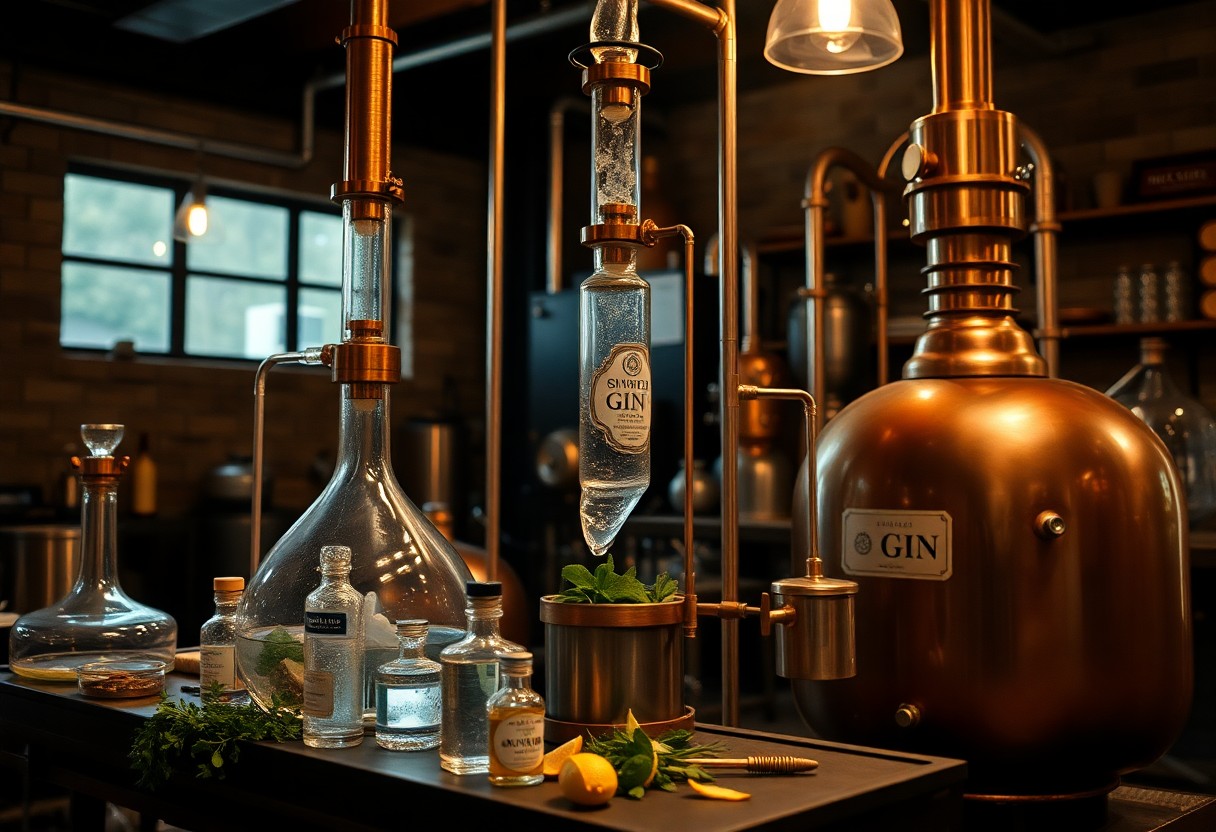
Just as a painter blends colors to create a masterpiece, the distillation process enables you to experience gin as a sophisticated and complex spirit. In this post, you’ll discover how distillation transforms raw ingredients into the exquisite flavors and aromas that define gin. Delving into the chemistry and artistry behind this age-old technique, you’ll gain insights into how each distillation step shapes your drinking experience. Prepare to appreciate gin not just as a beverage, but as a remarkable form of liquid art that captivates the senses.
The History of Distillation
To appreciate the artistry of gin, it is important to understand the history of distillation. This ancient process dates back thousands of years, where it transformed ordinary substances into refined spirits through heat and cooling. Distillation laid the foundation for gin production, enabling distillers to extract flavor compounds and create distinct beverages enjoyed worldwide.
Ancient Origins
To explore the roots of distillation, we must look back to ancient civilizations, where early techniques were employed for the production of perfumes and medicinal concoctions. The Egyptians and Greeks utilized simple pot stills, extracting aromatic oils from plants, setting the stage for future advancements in distillation methods.
Evolution of Techniques
Along the way, distillation methods evolved significantly, adapting to the needs of different cultures. Innovative distillers began to experiment with varying heat sources and materials, leading to new designs like the alembic still during the Islamic Golden Age. These developments not only improved efficiency but also enhanced the quality and variety of spirits produced.
Understanding the evolution of distillation techniques reveals how the art of making spirits, including gin, became increasingly sophisticated. As diverse cultures exchanged knowledge, the introduction of column stills in the 19th century marked a turning point, enabling higher alcohol concentrations and cleaner flavors. This progress directly influenced the craft of gin, allowing you to enjoy a greater array of botanicals and styles than ever before.
The Science Behind Distillation
The process of distillation harnesses the principles of separation and purification, allowing you to transform a mixture of liquid into a high-proof beverage. By heating a fermented mash, the alcohol vapors rise, and through cooling and collection, you create a refined spirit. This sophisticated technique is what elevates gin from a simple concoction to a complex and flavorful drink, rich with aromatic botanicals and craftsmanship.
The Distillation Process
After the mash has fermented, it undergoes heating in a still, where the alcohol evaporates and is captured through condensation. The temperature is carefully monitored, allowing you to isolate different alcohol fractions, each contributing unique flavors. As each distillation occurs, impurities are removed, resulting in a cleaner, smoother spirit that serves as the foundation for gin.
Key Components of Gin
Behind the aromatic allure of gin is a selection of botanicals that define its character. The primary ingredient is juniper berries, which you can find in the majority of gin varieties, lending that signature flavor. However, other botanicals, such as coriander, angelica root, and various citrus peels, also play an important role in creating the distinct profiles you appreciate in each gin.
It is not just the juniper that defines a gin’s unique taste; the interplay of chosen botanicals gives each variety its personality. Commonly used botanicals enhance flavors, while others may introduce a hint of spice or floral notes. The balance and combination of these components allow you to explore a world of flavors, each crafted through the artistry of distillation. By understanding these elements, your appreciation for gin deepens, and you become more attuned to the diverse profiles available on the market.
Botanical Selection in Gin Production
Now, the magic of gin lies in the careful selection of botanicals, which infuse the spirit with unique flavors and aromas. Each distiller curates their own blend, allowing you to experience a vast array of taste profiles that reflect their creativity and expertise. The choice of botanicals can determine the character of your gin, making it an necessary part of the production process.
Traditional Botanicals
On your journey through gin production, you’ll find that traditional botanicals like juniper berries, coriander, and angelica root form the backbone of most recipes. These staples not only provide the iconic taste of gin but also allow you to explore the heritage and craftsmanship behind this beloved spirit.
Innovative Additions
Among the many trends in gin production, innovative additions have become increasingly popular, pushing the boundaries of flavor. Distillers experiment with unconventional ingredients, such as exotic spices, fruits, and even herbal infusions, crafting unique interpretations of gin that appeal to diverse palates.
In addition to enhancing flavor complexity, these innovative additions allow you to discover new dimensions in your gin experience. From floral notes of lavender to the zing of citrus peels or even the warmth of spices, the possibilities are limitless. This creative exploration not only reflects the personality of the distiller but also invites you to initiate on a flavorful adventure as you sample different gins that showcase these unique botanical blends.
The Role of Copper Pot Still
Not only is the copper pot still an iconic symbol of gin production, but it also plays a vital role in shaping the spirit’s character. The unique properties of copper help to remove unwanted impurities and enhance the distillation process, ultimately transforming the raw ingredients into a smoother, more refined spirit. This traditional method allows distillers to maintain greater control over the entire process, ensuring that each batch of gin is a true reflection of their craft.
Crafting Flavor Profiles
Between the rich copper and the botanicals, the pot still serves as a canvas for flavor exploration. Each gin distiller uses a combination of herbs, spices, and other botanicals to create complex and memorable flavor profiles. The distillation process in a copper pot still allows the necessary oils from these ingredients to emerge beautifully, resulting in a spirit that captures the essence of the selected botanicals and showcases the distiller’s creativity.
Influence on Purity
Copper not only enhances the flavor of your gin but also impacts its purity. During distillation, the copper reacts with sulfur compounds present in the wash, eliminating unwanted flavors and odors. This chemical interaction ensures that your final spirit is free from harsh elements that might diminish its quality. By using a copper pot still, you are ensuring that what you sip is a cleaner, more enjoyable expression of the botanicals used.
Flavor is paramount in gin, and the purity achieved through copper distillation greatly contributes to the overall tasting experience. Distillers cherish the way copper absorbs and neutralizes impurities, allowing the true characteristics of the botanicals to shine through. As a result, the gin produced is not just a drink; it’s a harmonious blend of flavors, elevated by the meticulous craftsmanship of distillers who rely on this time-honored process.
The Art of Blending
Many connoisseurs understand that the true magic of gin lies in the art of blending. This process transforms individual botanicals into harmonious flavor profiles, allowing a distiller to concoct unique interpretations. You might find that each batch of gin tells a story through its carefully curated blend, elevating the spirit from mere alcohol to an exquisite expression of creativity. By skillfully balancing ingredients, distillers create flavors that intrigue and delight, ensuring no two gins are ever the same.
Creating Unique Flavors
Along the journey of gin-making, you discover that creating unique flavors is an art form. Distillers experiment with various botanicals, ranging from classic juniper to unexpected elements like floral notes or exotic spices. Each ingredient contributes its character, merging to form a complex and often surprising taste experience, inviting you to savor every sip and explore the depths of flavor within your glass.
Master Distillers at Work
Any master distiller possesses an impressive array of skills, combining scientific knowledge with artistic flair. You’ll notice how their passion for craftsmanship drives them to perfect each blend, ensuring that every bottle embodies their vision and expertise. The patience and precision they apply to their work result in a product that not only reflects their individual style but also resonates with your palate, forging a deeper appreciation for the spirit.
This dedication and artistry manifest as master distillers oversee each stage of gin production, from selecting botanicals to the final blending phase. You can appreciate their meticulous approach, as they pay close attention to temperature, timing, and flavor extraction, ensuring that every element harmonizes beautifully. Their ability to adapt and innovate plays a crucial role in pushing the boundaries of gin, inviting you to explore a vast world of flavors and aromas that continually evolve with each new batch.
The Impact of Aging and Bottling
Despite the fact that gin is often celebrated for its vibrant, botanical-forward profile, the aging and bottling processes play significant roles in establishing its final character. As distillers thoughtfully select when to bottle, they refine flavors, aroma, and overall mouthfeel, allowing the spirit to evolve into something unique and commanding. The very choice of vessel can further enhance the experience, creating a harmonious blend of tradition and innovation that transcends mere spirit consumption into a fine art form.
Maturation Effects
The aging process affects gin by allowing it to mellow and integrate various botanical flavors, resulting in a smoother and more complex profile. During maturation, subtle reactions can take place, with imperative oils from the botanicals harmonizing with the spirit. These transformations lead to a richer texture and an evolving palate that adds depth to your drinking experience.
Packaging as Art
Impact of the packaging design cannot be overlooked, as it significantly influences your perception of the gin inside. A captivating bottle elevates the overall experience, transforming the act of drinking into a visually enriching journey.
Due to the artistry involved in creating unique bottle shapes and labels, packaging plays a vital role in establishing brand identity and consumer appeal. You’ll find that many distillers collaborate with artists to create exceptional designs that capture the essence of their gin. As you reach for a beautifully packaged bottle, you’re not just selecting a spirit; you’re engaging with a piece of art that reflects the craftsmanship and passion behind its creation.
Conclusion
With these considerations, you can appreciate how the alchemy of distillation elevates gin to a form of liquid art. The intricate balance of botanicals and meticulous distillation techniques allows you to experience a symphony of flavors in every sip. Understanding this transformation not only enhances your tasting experience but also deepens your connection to the craftsmanship behind each bottle. As you explore the world of gin, let the artistry of distillation inspire your palate and broaden your appreciation for this timeless spirit.

