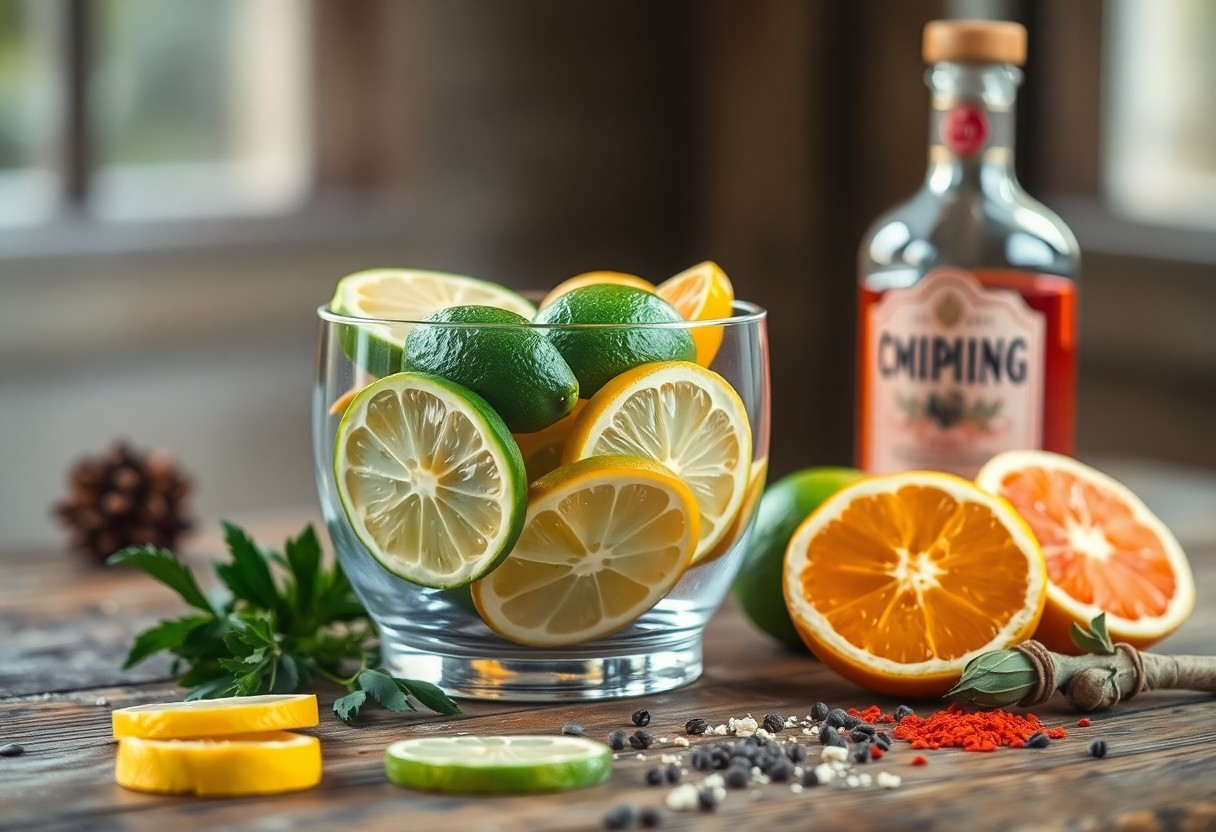
Tag: flavors

  • What Distinctive Terroirs Influence The Flavors Of Gin Across The Globe?

    What Distinctive Terroirs Influence The Flavors Of Gin Across The Globe?

    You might be surprised to learn that the flavors of gin are significantly shaped by its terroir, the unique environmental conditions of its production area. From the aromatic botanicals of the English countryside to the zesty citrus notes of Mediterranean gins, various regions contribute distinct tastes that reflect their local climate, soil, and traditions. In this post, you will explore how these diverse terroirs influence the complex profiles of gins around the world, enriching your appreciation of this versatile spirit as you sip your next cocktail.

    Understanding Terroir in Spirits

    To fully appreciate the diverse flavors in gin, it’s vital to understand the concept of terroir—how the unique climate, soil, traditions, and practices of a specific location influence the quality and character of spirits. Just as terroir defines the taste of wine, it plays a significant role in shaping the aromas and flavors found in gin, bringing life to each bottle with its distinctive regional essence.

    Definition of Terroir

    Along with the ingredients themselves, terroir encompasses the environmental factors that affect the growth of botanicals and the overall production process. This interplay highlights how aspects like geography, climate, and local craftsmanship contribute to the final product’s flavor profile, giving each gin a sense of place.

    Historical Context of Terroir in Alcohol

    Above all, the appreciation of terroir isn’t a modern concept; it has deep historical roots in the production of alcoholic beverages across the globe. From ancient civilizations recognizing the distinct flavors of their locally sourced ingredients to the emergence of iconic spirits tied to specific regions, the notion of terroir has evolved, shaping how you perceive and enjoy your drinks today.

    Terroir influences not only the taste but also the tradition and identity of spirits. Regions like Scotland are famed for their whisky, while France has made a name for its brandies, with both benefiting from specific environmental conditions that enhance their individuality. The historical significance of terroir is a narrative woven through the ages, reflecting the relationship between land, local culture, and craftsmanship in your favorite alcoholic beverages.

    Botanical Influences on Gin Flavor

    It is the diverse range of botanicals that profoundly shapes the flavor profile of gin, allowing for a vast array of tastes and aromas. These botanicals, which can include everything from herbs, spices, and roots to fruits and flowers, are often sourced from the regions where the gin is produced. Each location offers unique environmental factors that contribute to the distinct characteristics found in each bottle, making every gin a reflection of its origin.

    Common Botanicals and Their Regions

    Between the juniper berries that dominate gins from Italy to the coriander seeds commonly used in London Dry gins, there is a noticeable pattern in how specific botanicals are associated with certain regions. Ingredients like angelica root and citrus peels also play significant roles, each lending their unique properties that enhance the overall spirit. These regional choices impact not just flavor, but also the cultural connection you experience with the gin.

    Unique Local Botanicals and Their Impact

    Against the backdrop of common botanicals, unique local ingredients further elevate gin’s flavor, offering captivating experiences through their distinctiveness. Each region may showcase botanicals exclusive to its ecosystem, leading to vibrant variations while emphasizing local heritage. For example, gins made in South Africa often incorporate fynbos plants like buchu, imparting aromatic notes that speak to the land’s unique botanical bounty.

    In addition, local botanicals do more than just add flavor; they tell a story of place and culture, connecting you to the land where the gin is crafted. By incorporating native ingredients, distillers celebrate their local ecosystems while allowing you to experience a sense of belonging and authenticity in every sip. This connection elevates your appreciation for the gin, as you explore the intricate tapestry of flavors shaped by geography, climate, and tradition.

    Water Source and Its Effects

    Now, you may not realize it, but the water source used in gin production can significantly impact the spirit’s flavor profile. Different regions offer distinct mineral compositions, which can enhance or alter the taste of the botanicals in your gin. From soft, pure spring water to hard, mineral-rich sources, the characteristics of the water can shape the overall drinking experience, making it a key component in the art of gin distillation.

    The Role of Water Quality in Distillation

    One of the most important aspects of distillation is the quality of the water you use. High-quality water can elevate the subtleties of your botanicals and provide a clean base for your gin. Water with unwanted impurities can lead to off-flavors that mask the nuances intended by the distiller, impacting your final product dramatically.

    Notable Water Sources for Distilleries

    By exploring various regions, you’ll find that many distilleries pride themselves on using exceptional local water sources. These sources often become synonymous with their brands, adding an extra layer of authenticity to the gin you enjoy, enhancing not just the flavor, but the story behind it.

    To give you a better understanding, consider the famous Lake Geneva in Switzerland, which supplies soft, mineral-rich water to several renowned distilleries. Similarly, Scotland’s soft moorland water is praised for its purity and has been a key element in some of the finest spirits. The limestone-rich aquifers found in places like the United States and Ireland add unique characteristics that help to define the gin produced in those regions. As you sip your gin, take a moment to appreciate the journey of the water that shaped its distinct flavor profile.

    Climate and Its Role in Terroir

    Keep in mind that climate significantly shapes the terroir of gin, as it impacts not just the botanicals used, but also the overall character of the spirit. Regions with varying temperatures, humidity, and sunlight create unique growing conditions for the botanicals, resulting in distinct flavor profiles. Each climate contributes its own essence, allowing you to discover a diverse range of gins that reflect the environment in which they are produced.

    Seasonal Variations and Botanical Growth

    Role of seasonal variations is vital in determining the optimal growth periods for botanicals used in gin production. Different seasons provide varying amounts of sunlight and rainfall, impacting the flavor concentration in the herbs and spices. For instance, a mild spring can enhance aromatic properties, allowing you to experience complex layers of flavor in your gin that are distinctly tied to the climate of that particular region.

    How Climate Affects Distilling Practices

    On the other hand, climate also influences how distillers approach their craft, impacting everything from fermentation to distillation techniques. Different temperatures can change the rate of fermentation, while humidity may affect how spirits are aged and mingled. Understanding these factors enables you to better appreciate the nuances of each gin, as distillers often adapt their methods to accommodate local climate conditions and ensure the final product embodies the true essence of its terroir.

    With fluctuating climatic conditions, distillers need to be highly adaptable in their practices. For example, if a region experiences a particularly hot summer, it might necessitate adjustments in the distillation temperature or timing to ensure optimal extraction of flavors from the botanicals. Similarly, high humidity levels can lead to increased evaporation rates during aging, enriching the remaining spirit without compromising its quality. These adaptations are crucial for capturing the unique terroir and translating it into a bottle that offers a genuine taste of the environment from which it originated.

    Regional Distilling Techniques

    For gin enthusiasts, understanding the diverse regional distilling techniques is important, as they play a significant role in shaping the spirit’s unique character. Each area’s traditions and methods reflect local culture and resources, resulting in distinctive flavors and aromas. Exploring these varied techniques allows you to appreciate the nuances and craftsmanship behind the gin you enjoy, from artisanal to large-scale productions.

    Traditional Distilling Methods

    Distilling gin traditionally involves pot stills, where juniper berries and other botanicals are carefully combined to extract their flavors. This age-old process emphasizes the art of slow distillation, allowing the distiller to control the temperature and intensity, which ultimately enhances the gin’s aromatic profile. As you sip a craft gin made through these methods, you can taste the dedication to quality and heritage in every sip.

    Innovations in Modern Gin Production

    Innovations in modern gin production have revolutionized the industry, employing advanced techniques that enhance flavor extraction and creativity. Distillers now utilize vacuum distillation, cold compounding, and the infusion of exotic botanicals, pushing the boundaries of traditional gin-making. This evolution allows you to explore a broader range of flavors, textures, and aromas that you might not experience in conventional gins.

    In addition, innovative approaches such as utilizing unique sources of water and experimenting with unconventional herbs and spices have paved the way for the creation of distinctive craft gins. As a gin enthusiast, you’re afforded the opportunity to discover flavors that reflect both the distiller’s vision and the terroir from which each ingredient originates. This modern wave of gin production has made it a vibrant and ever-evolving spirit to enjoy.

    Notable Gin Regions Around the World

    Not many spirits can boast the global popularity and versatility that gin enjoys today. Various regions contribute unique flavors and characteristics to gin, as they utilize local botanicals, water sources, and traditional distilling methods. From the juniper-rich hills of Europe to tropical landscapes in the Caribbean, you’ll find gins that reflect their origin while invoking a sense of place and craftsmanship. Understanding these notable gin-producing regions allows you to appreciate the diversity of this spirit as you explore its unique flavor profiles.

    London Dry Gin and Its Heritage

    Notable for its distinct style, London Dry Gin is considered the benchmark for gins worldwide. With a heritage steeped in tradition, it emerged in the 19th century and is characterized by its bold juniper flavor, balanced with a variety of botanicals. The meticulous distillation process adds to its purity, allowing each flavor to shine through. When you sip on a glass of London Dry Gin, you’re not just enjoying a drink; you’re experiencing 200 years of history and craftsmanship that make this gin style truly iconic.

    Craft Gin Movements in Other Countries

    An increasing number of countries are embracing the craft gin movement, allowing local producers to put their unique spin on this popular spirit. These artisanal distilleries often focus on local ingredients, using indigenous botanicals to create gins that reflect their region’s culture and environment. You’ll find flavors inspired by everything from native herbs to regional fruits, expanding your palate and understanding of gin beyond traditional styles.

    Regions around the globe are discovering their own gin identities, driven by passionate distillers who seek to innovate. Countries like Australia, Japan, and the United States now boast vibrant gin scenes, where botanical experimentation replaces strict adherence to traditional styles. You might find Japanese gins infused with delicate cherry blossoms or Australian varieties highlighting native bush spices. As you explore these craft gins, you’ll not only taste the unique flavors but also gain insight into the local customs and history that inspire them.

    Summing up

    Summing up, understanding the distinctive terroirs that influence gin’s flavors allows you to appreciate each spirit’s unique character. From the botanicals sourced in the lush English countryside to the exotic spices found in Asian distilleries, your palate can be exposed to a spectrum of tastes shaped by the land and climate. By exploring regional variations in gin, you not only enhance your tasting experience but also gain insight into the cultural heritage that each bottle encapsulates. Embrace this journey to deepen your appreciation of this versatile spirit.

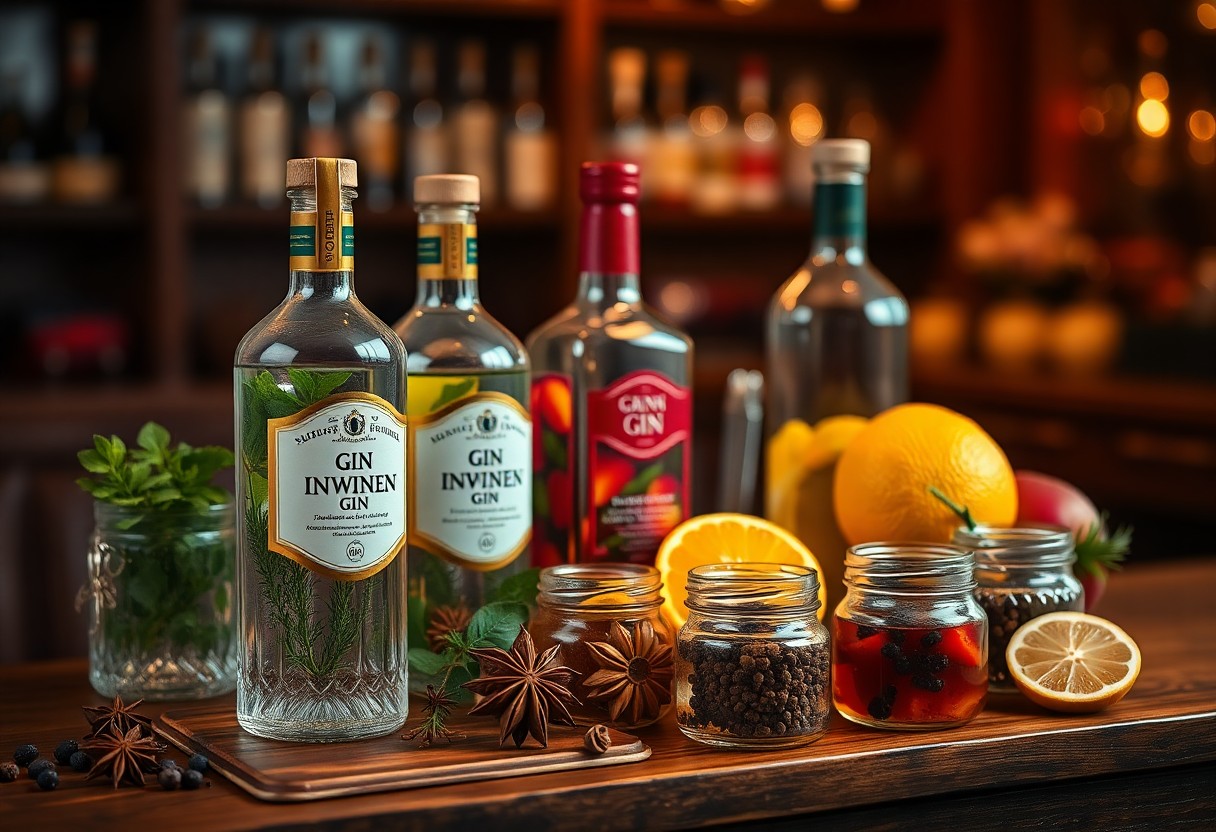
  • How Does The Alchemy Of Gin Distillation Craft Unique Flavors?

    How Does The Alchemy Of Gin Distillation Craft Unique Flavors?

    Distillation is the magical process that transforms simple ingredients into the complex and intriguing world of gin. As you probe into the alchemy of gin distillation, you’ll uncover how the selection of botanicals and the distillation techniques come together to create a symphony of flavors. By understanding these elements, you can enhance your appreciation for this beloved spirit and perhaps even inspire your own gin-infused creations. Join us as we explore the artistry behind each bottle, revealing the unique profiles that make every sip a delightful experience.

    The Basics of Gin Distillation

    A gin’s unique character begins with the distillation process, which is the foundation of creating this beloved spirit. During distillation, raw materials, primarily grains and botanicals, are transformed into high-proof alcohol. This intricate process extracts and intensifies the distinct flavors associated with gin, setting the stage for your tasting experience.

    The Distillation Process

    Below is a brief overview of the gin distillation process:

    Step Description
    Mashing Grains are mixed with water and heated to convert starches into sugars.
    Fermentation Yeast is added to the mash, converting sugars into alcohol.
    Distillation The alcoholic wash is heated, allowing alcohol to evaporate and then condense into a liquid.
    Flavoring Botanicals are introduced, often through steeping or vapor infusion, enriching the spirit.
    Proofing The distilled gin is diluted to achieve the desired alcohol content.

    Types of Distillation Methods

    By understanding the various distillation methods, you can appreciate how different gins capture unique flavor profiles:

    Type Description
    Pot Still Traditional method, creating rich and complex flavors.
    Column Still Continuous process producing a lighter, cleaner spirit.
    Vacuum Distillation Low-temperature method preserving delicate botanicals.
    Cold Distillation A technique that minimizes heat exposure for sensitive ingredients.
    Hybrid Distillation Combines methods for innovative flavor exploration.

    Further exploring these methods allows you to investigate into the nuances of gin production:

    • Pot Still is often favored for small-batch gins.
    • Column Still distillation enhances efficiency in large-scale production.
    • Vacuum Distillation helps create gins with fresh, botanical-forward flavors.
    • Cold Distillation is perfect for preserving the integrity of fragile ingredients.
    • Hybrid methods showcase creativity and innovation in flavor crafting.

    Knowing these methods can deepen your appreciation for the artistry behind each gin bottle you encounter.

    Key Botanicals in Gin

    Now that you’ve grasped the fundamentals of gin, it’s important to explore the key botanicals that define its character. Each botanical contributes unique flavors, creating a harmonious balance that elevates your gin experience. The art of blending these ingredients is where distillers showcase their creativity, allowing you to taste the nuances in every sip.

    Juniper Berries: The Heart of Gin

    Behind every exceptional gin lies the juniper berry, the quintimportant ingredient that distinguishes this spirit. Its piney and slightly peppery profile is what gives gin its signature taste, serving as the foundation upon which all other botanicals build. As you savor your gin, the distinctive flavor of juniper envelops your palate, making it truly unforgettable.

    Supporting Botanicals: Building Complexity

    Among the important botanicals, supporting ingredients play a significant role in crafting the overall flavor profile of your gin. While juniper sets the stage, botanicals like coriander, angelica root, and orris root add layers of complexity and depth. These ingredients create a rich tapestry of flavors, enhancing your sipping experience.

    Complexity in gin arises from the interplay of these supporting botanicals, each offering distinct flavors and aromas that complement and elevate the primary notes. When you taste gin, you might discover hints of citrus from lemon peel, spice from cardamom, or floral undertones from lavender. Each sip reveals new aspects, inviting you to explore the depth of your drink while showcasing the skill and intention behind the distillation process.

    The Influence of Water

    You may not realize it, but water plays a significant role in the gin distillation process, influencing the final flavor profile of your favorite spirit. The source and purity of the water used can either enhance or detract from the unique characteristics of the botanicals, showcasing the importance of quality in your gin experience.

    Source and Purity

    Around the world, distillers source their water from various locations, each bringing its mineral content and purity levels. This can dramatically affect the taste of gin, as water from different springs or regions might contain diverse minerals that impart subtle flavors, ensuring every batch of gin has its own distinct personality.

    Water’s Role in Flavor Development

    Before the distillation process, the minerals in water can influence how the botanicals extract their flavors, as softer water tends to yield a smoother gin while harder water adds depth and complexity.

    But the journey doesn’t end there; during dilution, the water interacts dynamically with the alcohol, bringing out hidden notes in the botanicals and providing balance to the spirit. This synergy between water and the other ingredients can create refreshing layers of flavor in your gin, enhancing your overall tasting experience. Understanding these intricacies helps you appreciate the craftsmanship behind each bottle, transforming your enjoyment of gin into a more informed and sophisticated pleasure.

    The Art of Flavor Balancing

    For those passionate about gin, understanding the art of flavor balancing is vital to appreciate the complexity of its profiles. Master distillers skillfully combine various botanicals, each contributing unique characteristics, to create an exceptional balance that captivates your palate. Every decision in the distillation process affects the final product, ensuring that no single note overpowers the others, allowing you to experience a harmonious blend that delights the senses.

    Sweetness vs. Bitterness

    One of the fascinating aspects of gin flavor balancing is the interplay between sweetness and bitterness. The sweetness from botanicals such as orange peel or a hint of sugar can soften the impact of more bitter elements like juniper or various herbs. This delicate dance ensures that the overall flavor is approachable and enjoyable, allowing you to appreciate each ingredient without being overwhelmed by harsh notes.

    Aroma vs. Palate

    Balancing aroma and palate is vital to the overall experience of gin. The aromas entice you, drawing you in and preparing your senses for the tasting journey ahead. As you take a sip, the interplay between the flavors on your palate unfolds, allowing for a more profound appreciation of the gin’s complexity. This dynamic interplay ensures that the scents you inhale seamlessly transition into the flavors you experience, crafting a holistic sensory experience.

    Flavor is at the heart of the gin experience, and the interplay of aroma and palate enhances your enjoyment. While the enticing scents may include citrus, herbs, or spices, the initial taste reveals the depth and complexity those aromas promise. As you savor the spirit, the lingering flavors should resonate with the notes you smelled earlier, creating a cohesive narrative that evolves with each sip. This seamless integration makes each gin unique and allows you to explore the nuances that distinguished distillers intentionally weave into their products.

    Crafting Regional Variations

    Your exploration of gin reveals a fascinating tapestry of flavors, influenced by geography, climate, and local botanicals. Distillers around the world craft gins that reflect their unique environment, creating distinctive profiles that celebrate the essence of their regions. From the juniper-heavy styles of the UK to the vibrant and aromatic blends found in places like Spain and Australia, each gin offers a unique tasting adventure that connects you to its origins.

    London Dry vs. Contemporary Gins

    Beside the classic London Dry gin, which adheres to a stringent set of guidelines emphasizing a strong juniper character, contemporary gins have emerged as a playful canvas for distillers. These modern interpretations include diverse botanicals, innovative flavors, and experimental techniques, allowing you to savor gins that push the boundaries of tradition while catering to your evolving palate.

    Global Inspirations and Innovations

    With distillers drawing inspiration from cultures worldwide, gin has evolved into a global phenomenon that incorporates local ingredients and distillation methods. This trend allows you to experience gins infused with exotic spices, herbs, fruits, and even tea, showcasing the influence of various culinary traditions. Each bottle tells a story of its origin, reflecting not just local tastes but also the innovative spirit of its makers.

    London is often considered the birthplace of gin, yet today, its influence transcends borders as distilleries around the world bring unique interpretations to this beloved spirit. Countries like Japan, Mexico, and the United States are embracing local botanicals, crafting gins that echo their food and drink heritage. The incorporation of elements like yuzu, cilantro, and even floral notes creates a tapestry of flavors that invites you to experience gin in entirely new ways. As you savor each sip, you initiate on a global journey through the art of distillation and flavor crafting.

    The Role of Aging in Flavor

    Many distillers are exploring the aging process in gin production, as it offers a unique opportunity to develop complex flavor profiles. Aging allows gin to mature, leading to a richer, smoother spirit that showcases the marriage of botanicals and wood influence. The length of time spent in barrels and the type of wood used can significantly impact the final product, resulting in distinct variations that intrigue your palate.

    Wood Influence on Gin

    With the right choice of wood, you can enhance your gin’s flavor profile in unexpected ways. Different woods impart various elements, such as vanilla, spice, or even caramel notes, that complement the botanicals. This interplay creates a harmonious blend that can elevate your drinking experience, offering depth and richness not typically found in unaged spirits.

    Experimentation with Aging Techniques

    One of the thrilling aspects of gin distillation is the ongoing experimentation with aging techniques. Distillers are constantly pushing the boundaries, using different barrel types, varying aging periods, and even incorporating unique methods like fractional aging to create distinct flavors.

    Aging opens the door to endless possibilities, allowing you to discover gins that boast rich, layered flavors usually attributed to whiskey. By employing techniques such as using previously used barrels from other spirits or combining different aging methods, distillers are producing innovative variations that can surprise and delight your taste buds. These experimental gins are a testament to the creativity in the industry, encouraging you to explore new tastes and find your perfect pour.

    Conclusion

    On the whole, understanding how the alchemy of gin distillation crafts unique flavors allows you to appreciate this beloved spirit even more. By exploring the intricate balance of botanicals, distillation methods, and even regional influences, you gain insight into the artistry that makes each gin distinctive. As you choose your next bottle, you’ll be equipped with the knowledge to savor the complex layers of flavor that each sip offers, enhancing your overall gin experience.

  • Savory How-To – Infuse Your Own Unique Flavors Into Gin

    Savory How-To – Infuse Your Own Unique Flavors Into Gin

    Just imagine sipping a glass of gin that reflects your personal taste and creativity. Infusing your gin with unique flavors allows you to elevate your cocktails and make them truly one-of-a-kind. In this guide, you will learn how to choose the right botanicals, fruits, and spices to enhance the spirit, along with easy steps to create your personalized infusion. Get ready to impress friends and family with your custom-crafted gin that showcases your unique flavor profile!

    Understanding Gin

    While gin has seen a resurgence in popularity, it’s important to grasp its fundamental characteristics. At its core, gin is a distilled alcoholic beverage flavored primarily with juniper berries, which contribute to its distinct aromatic profile. You’ll find that each gin brand has its own unique blend of botanicals, resulting in a complex range of flavors that caters to various palates.

    Distillation Process

    To create gin, distillers start with a neutral spirit, usually derived from grain. The infusion of botanicals, primarily juniper berries, occurs during the distillation process, where the vapors extract flavors and aromas. Post-distillation, some gins undergo additional flavoring or aging to enhance their complexity, creating the unique profiles you find on the shelf today.

    Types of Gin

    With numerous styles of gin available, it’s beneficial to familiarize yourself with the options. Here’s a brief summary of popular types:

    • London Dry Gin
    • Old Tom Gin
    • Plymouth Gin
    • Geneva
    • Sloe Gin

    Knowing the various types will help you choose the right gin for your infusion journey.

    Type of Gin Description
    London Dry Gin Classic, juniper-forward with a dry finish.
    Old Tom Gin Sweeter, maltier style, often used in cocktails.
    Plymouth Gin Geographically protected, less dry with earthy notes.
    Geneva A Dutch-style gin, richer and malty in flavor.
    Sloe Gin Sweet liqueur made by infusing gin with sloe berries.

    It’s important to explore these gin styles further, as each offers unique tasting experiences. As you experiment with flavors, consider the following types:

    • Craft Gin
    • Flavored Gin
    • Barrel-Aged Gin
    • Robo-Gin
    • Contemporary Gin

    Knowing these options allows you to tailor your infusion process effectively.

    Type of Gin Description
    Craft Gin Small-batch production focusing on artisanal quality.
    Flavored Gin Infused with additional fruits or spices for new tastes.
    Barrel-Aged Gin Aged in barrels, gaining complexity and depth.
    Robo-Gin Innovative style using technology for infusion.
    Contemporary Gin Modern gins with experimental botanical lists.

    Choosing Your Flavor Elements

    Clearly, selecting the right flavor elements is crucial for crafting your unique gin. Start by considering your personal taste preferences and how various ingredients will complement each other. Whether you lean towards herbal, floral, or fruity profiles, the key is to experiment and discover what resonates with you. Consider balancing bold flavors with more subtle notes to create a harmonious infusion that reflects your palate.

    Herbal Ingredients

    Little touches of herbs can elevate your gin infusion dramatically. Popular choices include basil, thyme, rosemary, and sage, which offer earthy and aromatic qualities. You can also experiment with less common herbs to create a signature blend that expresses your creativity and adds complexity to your gin.

    Fruit Infusions

    With fruit infusions, you can introduce vibrant flavors to your gin, enhancing its refreshing qualities. Seasonal fruits like citrus, berries, and stone fruits are excellent options, as they can create a delightful contrast to the juniper base of gin. Each fruit adds its distinct sweetness, acidity, and aroma, making your infusion versatile for various cocktails.

    Elements such as the ripeness of the fruit and the duration of infusion play a significant role in determining the final flavor profile. Generally, softer fruits require shorter infusion times to avoid overpowering the gin, while tougher fruits can steep longer. Taste as you go to ensure the balance is just right for your palate, creating a personalized and enjoyable gin experience.

    Essential Tools for Infusion

    The right tools can make your gin infusion process smooth and enjoyable. To get started, you’ll want a few basic items: glass jars with tight-fitting lids, a fine mesh strainer, and a funnel. A kitchen scale can be helpful for measuring your botanicals, while a thermometer ensures you don’t overheat any liquid during the process. With these imperative tools, you’ll be well-equipped to explore your creative flavor combinations.

    Equipment Needed

    Little more than a few everyday kitchen items is necessary for infusion. You’ll need glass jars to hold your gin and flavors, as well as tools like measuring spoons or a kitchen scale for precise measurements. Having a fine mesh strainer on hand will help you separate your botanicals from the gin when the infusion is complete. An airtight container for storage will also be beneficial.

    Storage Solutions

    On top of your infusion equipment, proper storage solutions are important to maintain the flavors and freshness of your infused gin. You can use your original glass jars for this purpose, ensuring they have a tight seal to prevent air from degrading your infusion. Alternatively, consider using smaller bottles for gifting or sampling, ideally dark glass to protect your infusion from light. Keep them in a cool, dark place for the best results.

    This approach not only protects the integrity of your infused gin but also makes it easy to showcase your creations. Proper storage will help the flavors meld over time, enhancing the overall experience. Keeping your infused gin in a designated area will remind you to check on it periodically, allowing you to experiment with different infusion times and flavors.

    How to Infuse Gin

    Not all gins are created equal; you can enhance your gin experience by infusing it with unique flavors. Whether you prefer fruity, herbal, or spicy notes, infusing your gin allows you to craft a spirit that perfectly suits your palate. The process is simple and will elevate your cocktails to new heights.

    Step-by-Step Infusion Process

    With the right approach, you will be amazed at how easy it is to infuse your gin. Follow this simple guide:

    Step Description
    1 Select your botanicals (fruits, herbs, spices).
    2 Add your botanicals to a clean jar with your gin.
    3 Seal the jar and store it in a cool, dark place.
    4 Taste the infusion periodically until you reach your desired flavor.
    5 Strain the mixture and enjoy your infused gin.

    Infusion Timeframes

    Some infusions require only a few hours, while others benefit from weeks of steeping. The time you choose can significantly alter the flavors, so experiment to find what best suits your taste.

    Understanding the ideal timeframe for infusing gin is vital for achieving the flavor profile you’re after. Delicate botanicals like citrus or berries may only need a few hours to impart their essence, while stronger components like spices or herbs can take several days or even weeks. Taste your infusion regularly to identify the perfect balance, ensuring the result complements your unique preferences. Adjust the infusion time based on your desired intensity for truly personalized gin experiences.

    Tips for Perfecting Your Infusion

    Your success in infusing gin hinges on a few crucial techniques. Follow these tips to elevate your creation:

    • Choose high-quality gin as your base.
    • Select fresh, flavorful ingredients.
    • Allow adequate infusion time—patience is key.
    • Store in a cool, dark place to preserve flavor.
    • Taste regularly to monitor progress.

    Assume that fine-tuning your process will yield the best results.

    Balancing Flavors

    On your quest for a delightful infusion, finding the right balance of flavors is crucial. Each ingredient has its own strength and subtlety, and you’ll want to consider how they interact with one another. Be mindful of the dominant flavors and aim for a harmonious blend that enhances the gin without overloading your palate. Taste it periodically to ensure all elements complement rather than clash.

    Experimenting with Ratios

    Any successful infusion requires thoughtful experimentation with ingredient ratios. Adjusting the amount of each flavor component can significantly impact the final profile of your infused gin. Start with small amounts and gradually increase as needed, noting the changes along the way. This iterative process helps you discover your ideal taste combination.

    Your palate will guide you as you mix and match different flavors. Consider creating a tasting chart to document your experiments, including ingredient types, quantities, and infusion times. This will provide valuable insights for future batches, allowing you to refine your methods and develop the perfect signature infusion that reflects your unique taste preferences.

    Serving and Enjoying Your Infused Gin

    Despite the diverse ways to enjoy your infused gin, presenting it in a way that showcases its unique flavors can elevate your drinking experience. Serve your infused gin straight from the bottle or poured over ice in a stylish glass, garnished with complementary herbs, fruits, or spices. Additionally, consider pairing your infusion with premium tonic water or a splash of soda to bring out its distinctive notes, and always opt for clean, fresh ingredients to enhance your cocktail experience.

    Cocktail Recommendations

    The world of cocktails is vast, and your infused gin opens up countless creative possibilities. You might enjoy crafting a refreshing gin and tonic with your infusion paired with fresh botanicals, or try a unique spin on a classic martini by adding elements that complement your gin’s flavor profile. If you’re adventurous, explore craft cocktails that include muddled fruits or herbs that highlight your infused spirit’s characteristics for a truly personalized experience.

    Neat vs. Mixed Drinks

    Cocktail enthusiasts often debate between sipping their favorite gin neat or utilizing it in mixed drinks. While neat drinking allows you to appreciate the full spectrum of its infused flavors, mixed drinks can offer a harmonious blend that softens and balances those bold notes. Ultimately, the choice depends on your taste preferences and the particular infusion you have created.

    This choice also reflects your personal style as a drinker. Neat, your infused gin shines in its unadulterated form, allowing you to savor the subtleties of each ingredient. Conversely, mixed drinks not only introduce new layers but also provide a social aspect to your enjoyment. Experimenting with both methods can help you find the perfect balance that suits your palate, creating a satisfying experience every time you pour a glass.

    Conclusion

    Taking this into account, you now have the tools and knowledge to infuse your own unique flavors into gin. By experimenting with various herbs, fruits, and spices, you can create personalized drinks that reflect your taste and style. Whether you prefer a refreshing citrus or a herbal concoction, the possibilities are endless. Embrace your creativity, and enjoy the rewarding process of crafting unique gin infusions that you and your friends will love to savor.

  • What Unfathomable Flavors Emerge From Marinating With Gin And Citrus?

    What Unfathomable Flavors Emerge From Marinating With Gin And Citrus?

    As you explore the world of culinary experimentation, you may stumble upon the intriguing combination of gin and citrus in marinades. Your curiosity is piqued, and you wonder what unique flavors this pairing can bring to your dishes. By incorporating gin and citrus into your marinades, you can unlock a depth of flavor that elevates your cooking to new heights, and in this post, you will discover the astonishing flavors that emerge from this unexpected yet fascinating combination.

    The Botanical Dance of Gin

    While exploring the world of gin, you’ll discover that its unique flavor profile is largely attributed to the combination of botanicals used in its production. As you research deeper, you’ll find that gin is more than just a spirit – it’s an intricate balance of aromas and flavors that come together to create a truly distinctive taste experience. Your journey into the world of gin will take you through a myriad of botanicals, each contributing its own distinct character to the final product. From the sweetness of licorice root to the bitterness of angelica, every element plays a vital role in shaping the flavor of your gin.

    As you experiment with gin in your marinades, you’ll begin to appreciate the complexity of its botanical profile. You’ll notice how the different flavors interact with the citrus and other ingredients, creating a harmonious balance of tastes that elevate your dishes to new heights. Your understanding of gin’s botanicals will allow you to make informed decisions about which types of gin to use in your recipes, ensuring that you bring out the best in your ingredients. Whether you’re a seasoned chef or an adventurous home cook, your knowledge of gin’s botanical dance will undoubtedly enhance your culinary creations.

    Core Aromatics and Essential Oils

    Approximately, at the heart of every gin lies a combination of core aromatics and important oils that provide its foundation. You’ll find that these elements, such as coriander, orange peel, and cinnamon, are commonly used in gin production, each contributing its unique aroma and flavor to the spirit. As you explore different gins, you’ll notice how these core aromatics and important oils vary, resulting in a diverse range of flavor profiles that can be used to enhance your marinades. Your experimentation with these different gins will allow you to discover the perfect balance of flavors for your recipes.

    Alongside the core aromatics, you’ll also encounter a variety of other botanicals that add depth and complexity to your gin. You might find that some gins feature floral notes, while others have a more pronounced spicy or herbal character. As you become more familiar with these different botanicals, you’ll be able to select the perfect gin to complement your ingredients, taking your dishes to new and exciting heights. Your understanding of the core aromatics and important oils will serve as a foundation for your exploration of the world of gin, allowing you to make informed decisions about which gins to use in your cooking.

    Juniper’s Mysterious Role

    Basically, by examining the role of juniper in gin production, you’ll gain a deeper understanding of what sets this spirit apart from others. You’ll discover that juniper berries are the primary botanical in gin, providing its distinctive flavor and aroma. As you explore different gins, you’ll notice how the level of juniper can vary, resulting in a range of flavor profiles that can be used to enhance your marinades. Your experimentation with these different gins will allow you to discover the perfect balance of flavors for your recipes, and you’ll find that juniper plays a significant role in shaping the character of your gin.

    Generally, by understanding the mysterious role of juniper, you’ll be able to appreciate the complexity of gin’s flavor profile. You’ll find that juniper adds a unique, slightly bitter flavor that complements the sweetness of the citrus and other ingredients in your marinades. As you continue to experiment with gin, you’ll develop a deeper appreciation for the subtle nuances of juniper and its contribution to the overall flavor of your dishes.

    To further appreciate the role of juniper in your gin marinades, consider the way it interacts with the other ingredients in your recipes. You’ll find that the bitterness of the juniper is balanced by the acidity of the citrus, creating a harmonious balance of flavors that elevates your dishes to new heights. As you continue to experiment with different gins and marinade recipes, you’ll develop a deeper understanding of how juniper contributes to the overall flavor profile, allowing you to make informed decisions about which gins to use in your cooking. Your knowledge of juniper’s mysterious role will serve as a key to unlocking the full potential of your gin marinades, and you’ll be able to create dishes that are truly greater than the sum of their parts.

    Citrus Symphony

    It is no secret that citrus fruits are a cornerstone of many marinades, and when combined with gin, they create a truly unique flavor profile. As you experiment with different types of citrus, you’ll discover that each one brings its own distinct character to the table. Your marinades will take on a new level of complexity, with notes of bright, citrusy freshness that complement the botanicals in the gin perfectly. Whether you’re using lemons, limes, oranges, or grapefruits, the possibilities are endless, and the resulting flavors will be nothing short of astonishing.

    As you investigate deeper into the world of citrus-infused marinades, you’ll find that the type of citrus you choose can greatly impact the final flavor of your dish. You may find that you prefer the bold, tart flavor of lemons or the sweet, subtle taste of oranges. Whatever your preference, the key is to experiment and find the perfect balance of flavors to enhance your gin-based marinade. With a little practice, you’ll be creating dishes that are truly greater than the sum of their parts, with the citrus and gin working together in perfect harmony.

    Varieties and Their Unique Profiles

    For the adventurous chef, the variety of citrus fruits available is a treasure trove of flavors waiting to be explored. You can choose from a range of options, each with its own unique profile, from the tartness of lemons and limes to the sweetness of oranges and grapefruits. As you experiment with different types of citrus, you’ll discover that each one pairs differently with the botanicals in the gin, creating a wide range of flavor possibilities. Your goal is to find the perfect combination that enhances the natural flavors of your ingredients and adds a new level of depth to your dishes.

    For instance, you may find that the brightness of lemon zest pairs perfectly with the juniper notes in the gin, while the sweetness of orange juice complements the more subtle botanicals. As you explore the different varieties of citrus, you’ll develop a deeper understanding of how each one interacts with the gin, allowing you to create marinades that are tailored to your specific needs. With practice, you’ll be able to coax out the full potential of your ingredients, creating dishes that are truly unforgettable.

    Zest vs. Juice in Marination

    An crucial consideration when working with citrus in your marinades is the decision of whether to use the zest or the juice. You’ll find that each has its own unique advantages and disadvantages, and the choice ultimately depends on the specific flavor profile you’re trying to achieve. The zest, with its concentrated oil glands, adds a intense, aromatic flavor to your marinades, while the juice provides a more subtle, acidic taste. As you experiment with different combinations of zest and juice, you’ll discover that the key is to find the perfect balance between the two.

    Another important aspect to consider when using citrus in your marinades is the ratio of zest to juice. You may find that a combination of both works best, with the zest adding a burst of citrus flavor and the juice providing a more subtle, underlying taste. As you refine your techniques, you’ll develop a sense of how to balance these two elements to create marinades that are perfectly tailored to your needs. With a little practice, you’ll be able to unlock the full potential of citrus in your gin-based marinades, creating dishes that are truly exceptional.

    Another factor to keep in mind is that the zest and juice can be used in different ways to achieve different effects. You can use the zest to add a burst of flavor at the beginning of the marination process, while the juice can be added later to enhance the overall flavor of the dish. As you experiment with different techniques, you’ll discover that the possibilities are endless, and the resulting flavors will be nothing short of astonishing. By mastering the use of zest and juice in your marinades, you’ll be able to create dishes that are truly greater than the sum of their parts, with the citrus and gin working together in perfect harmony.

    The Chemistry of Flavor Marriage

    Any exploration of the flavors that emerge from marinating with gin and citrus must begin with an understanding of the chemical processes at play. As you explore into the world of flavor marriage, you’ll discover that the combination of gin and citrus is a match made in heaven. The botanicals present in gin, such as juniper berries and coriander, complement the citrus flavors in a way that creates a truly unique taste experience. When you combine these ingredients, you’ll notice that the flavors begin to meld together, creating a harmonious balance of sweet and sour notes.

    As you experiment with different marinade recipes, you’ll find that the key to unlocking the full potential of gin and citrus lies in the way the flavors interact with each other. This is where the concept of flavor marriage comes into play, and it’s imperative to understand the role that each ingredient plays in the process. By grasping the fundamental principles of flavor chemistry, you’ll be able to create marinades that are tailored to your specific tastes and preferences.

    Alcohol as Flavor Carrier

    Between the various components of a marinade, alcohol plays a significant role in carrying flavors into the food. As you work with gin, you’ll notice that it acts as a solvent, extracting the flavors and oils from the citrus and other ingredients. This process allows the flavors to penetrate deeper into the food, resulting in a more complex and nuanced taste experience. When you use gin as a flavor carrier, you’ll find that it enhances the overall flavor profile of your dish, adding a depth and richness that would be difficult to achieve with other ingredients.

    Beyond its role as a flavor carrier, gin also contributes its own unique flavor profile to the marinade. The botanicals present in gin add a subtle complexity to the dish, with notes of juniper and coriander that complement the citrus flavors. As you experiment with different gin varieties, you’ll discover that each one brings its own distinct character to the table, allowing you to tailor your marinades to your specific tastes and preferences.

    Time and Temperature Dynamics

    About the time and temperature dynamics at play in the marinating process, you’ll find that these factors have a significant impact on the final flavor profile of your dish. The following table outlines the key considerations:

    Time and Temperature Guidelines

    Time Temperature
    30 minutes to 2 hours Room temperature
    2-4 hours Refrigerator temperature
    Overnight Refrigerator temperature

    As you work with different marinade recipes, you’ll find that the time and temperature dynamics play a critical role in the flavor development process. By controlling these factors, you can influence the way the flavors interact with each other, resulting in a more balanced and harmonious taste experience.

    Consequently, as you master the art of marinating with gin and citrus, you’ll discover that the time and temperature dynamics are imperative to achieving the perfect flavor profile. The following table provides a summary of the key considerations:

    Optimal Marinating Conditions

    Marinating Time Temperature
    Short marinating times Room temperature
    Long marinating times Refrigerator temperature

    By understanding the interplay between time, temperature, and flavor, you’ll be able to create marinades that are tailored to your specific needs and preferences, resulting in dishes that are truly greater than the sum of their parts.

    Protein Interactions

    Once again, you find yourself exploring the vast world of marinades, and this time, you’re delving into gin and citrus. As you experiment with these flavors, you’ll notice that the type of protein you’re using plays a significant role in the final outcome. Your choice of protein will determine how the flavors of the gin and citrus meld together, creating a unique taste experience. You’ll begin to appreciate the complexity of the interactions between the protein and the marinade, and how they enhance the overall flavor profile of your dish.

    As you continue to experiment with different proteins, you’ll discover that the acidity in the citrus helps to break down the proteins, making them more tender and receptive to the flavors of the gin. This process allows you to create a wide range of dishes, from delicate fish to hearty meats, all infused with the bright, citrusy flavor of your gin and citrus marinade. You’ll be able to tailor your recipes to suit your tastes, using the protein interactions to your advantage and creating dishes that are truly unique and delicious.

    Fish and Seafood Transformations

    After mastering the basics of protein interactions, you can move on to exploring the specific effects of gin and citrus on fish and seafood. You’ll find that the delicate flavors of these proteins pair perfectly with the bright, citrusy notes of the marinade, creating a truly refreshing taste experience. Your dishes will take on a light, airy quality, with the gin and citrus working together to enhance the natural flavors of the fish and seafood. As you experiment with different types of fish and seafood, you’ll discover the unique characteristics of each and how they respond to the marinade.

    As you research deeper into the world of fish and seafood, you’ll begin to appreciate the subtle nuances of the gin and citrus marinade. You’ll learn how to balance the flavors to bring out the best in your protein, creating dishes that are both delicate and flavorful. Your repertoire will expand to include a wide range of fish and seafood dishes, each one showcasing the unique properties of the gin and citrus marinade and your skill as a chef.

    Meat and Poultry Applications

    One of the most exciting aspects of working with gin and citrus is the opportunity to experiment with meat and poultry. You’ll find that the bold flavors of these proteins pair perfectly with the bright, citrusy notes of the marinade, creating a truly robust taste experience. Your dishes will take on a rich, complex quality, with the gin and citrus working together to enhance the natural flavors of the meat and poultry. As you explore the world of meat and poultry, you’ll discover the unique characteristics of each and how they respond to the marinade.

    One of the key benefits of using gin and citrus with meat and poultry is the ability to add depth and complexity to your dishes. You’ll be able to create a wide range of flavors, from the bright, citrusy notes of a gin and lemon marinade to the rich, herbal flavors of a gin and orange marinade. As you experiment with different types of meat and poultry, you’ll begin to appreciate the versatility of the gin and citrus marinade and the many ways it can be used to enhance your cooking.

    In fact, as you continue to explore the world of meat and poultry, you’ll discover that the gin and citrus marinade can be used to create a wide range of dishes, from hearty stews and braises to quick and easy grilled meats. You’ll be able to tailor your recipes to suit your tastes, using the unique properties of the gin and citrus to add flavor and depth to your cooking. With practice and experimentation, you’ll become proficient in the art of using gin and citrus with meat and poultry, and your dishes will take on a new level of sophistication and complexity.

    Complementary Ingredients

    Unlike other marinades, combining gin and citrus offers a unique flavor profile that can be elevated with the right complementary ingredients. As you experiment with this marinade, you’ll find that certain ingredients enhance the flavors of the gin and citrus, creating a harmonious balance of tastes. Your choice of ingredients will depend on the type of dish you’re preparing, but some ingredients pair particularly well with the botanicals found in gin and the brightness of citrus. By selecting the right complementary ingredients, you can create a dish that is greater than the sum of its parts.

    As you consider the ingredients to pair with your gin and citrus marinade, think about the flavors you want to emphasize. You may want to enhance the herbal notes of the gin or the acidity of the citrus. Alternatively, you may want to add a richness or depth to the dish. Whatever your goal, there are several ingredients that can help you achieve it. In the following sections, we’ll explore some of the herbs, spices, and flavor combinations that complement gin and citrus, and provide you with the inspiration you need to create your own unique dishes.

    Herbs and Spices That Enhance

    Herbal notes are a key component of gin, and pairing the spirit with complementary herbs can enhance its flavor. You can use herbs like rosemary, thyme, or parsley to add a fragrant, aromatic flavor to your dish. These herbs pair well with the botanicals found in gin, and can help to create a cohesive flavor profile. As you experiment with different herbs, you’ll find that some pair better with certain types of citrus than others. For example, rosemary and lemon is a classic combination that works well in many dishes.

    Spices can also be used to enhance the flavor of your gin and citrus marinade. You can use warm spices like cinnamon, nutmeg, or cardamom to add depth and complexity to the dish. These spices pair well with the sweetness of the citrus and the botanicals of the gin, creating a balanced and harmonious flavor profile. As you experiment with different spices, you’ll find that some add a subtle warmth to the dish, while others provide a more pronounced flavor.

    Balance of Sweet and Bitter Notes

    On the palate, the balance of sweet and bitter notes is vital to creating a harmonious flavor profile. You want to balance the sweetness of the citrus with the bitterness of the gin, creating a flavor experience that is both refreshing and complex. As you taste your dish, you’ll want to adjust the balance of sweet and bitter notes to achieve the perfect harmony. This can be done by adding more citrus, gin, or other ingredients to the marinade.

    For instance, if you’re using a sweet and tangy citrus like orange or grapefruit, you may want to balance its sweetness with a bitter ingredient like bitter melon or arugula. Alternatively, if you’re using a bitter gin with a strong botanical flavor, you may want to balance its bitterness with a sweet ingredient like honey or sugar. By adjusting the balance of sweet and bitter notes, you can create a dish that is both refreshing and complex, with a flavor profile that is uniquely your own.

    Techniques and Timing

    Now that you have decided to experiment with marinating using gin and citrus, it’s important to understand the techniques and timing involved in this process. You will need to consider the type of ingredients you are using, the flavor profile you want to achieve, and the amount of time you have available for marination. As you investigate into the world of gin and citrus marination, you will discover that the possibilities are endless, and the right techniques and timing can make all the difference in the outcome of your dish.

    As you explore the world of marinating with gin and citrus, you will encounter various techniques and methods that can enhance the flavor and texture of your ingredients. You can experiment with different types of gin, citrus fruits, and spices to create unique and complex flavor profiles. The key to successful marination is to find the right balance between the ingredients and the timing, and this is where the art of marination comes into play.

    Short vs. Long Marination

    Betwixt the various marination methods, you will find that the duration of marination plays a significant role in the final outcome of your dish. You can choose between short marination times, which are ideal for delicate ingredients, and long marination times, which are better suited for tougher ingredients. When you opt for short marination, you can expect to marinate your ingredients for anywhere from 30 minutes to a few hours, while long marination can take anywhere from several hours to several days.

    Between these two extremes, you will find that the marination time will depend on the type and quantity of ingredients, as well as the desired level of flavor penetration. You can experiment with different marination times to find the perfect balance for your dish, and you will soon discover that the right timing can make all the difference in the flavor and texture of your ingredients.

    Temperature Considerations

    Between the various factors that affect marination, temperature is one of the most important considerations. You will need to decide whether to marinate your ingredients at room temperature, in the refrigerator, or in a temperature-controlled environment. The following table outlines the effects of different temperatures on marination:

    Temperature Effects on Marination
    Temperature Effect on Marination
    Room Temperature Faster marination, increased risk of spoilage
    Refrigerator Slower marination, reduced risk of spoilage
    Temperature-Controlled Environment Precise control over marination, optimal flavor development

    This table highlights the importance of temperature in marination, and you can use this information to determine the best temperature for your specific needs. You will find that the right temperature can enhance the flavor and texture of your ingredients, while the wrong temperature can lead to spoilage or uneven marination. The following table provides more information on temperature considerations:

    Temperature Guidelines for Marination
    Ingredient Recommended Temperature
    Delicate Fish Refrigerator
    Tough Meats Room Temperature or Temperature-Controlled Environment
    Vegetables Room Temperature or Refrigerator

    Final Words

    Conclusively, as you probe into the world of marinating with gin and citrus, you will discover a plethora of unfathomable flavors that will elevate your culinary creations to new heights. You will find that the botanicals present in gin, such as juniper berries and coriander, complement the bright, citrusy notes of lemons, limes, or oranges, resulting in a harmonious balance of flavors. As you experiment with different combinations of gin and citrus, you will uncover a wide range of flavor profiles, from the subtle and refreshing to the bold and complex, allowing you to tailor your marinades to suit your unique tastes and preferences.

    As you continue to explore the possibilities of marinating with gin and citrus, you will develop a deeper understanding of how these ingredients interact with your chosen proteins or vegetables, and how they enhance the overall dining experience. You will learn to appreciate the way the citrus helps to break down the connective tissues in meats, while the gin adds a depth and richness to the flavor profile. By mastering the art of marinating with gin and citrus, you will be able to create dishes that are not only delicious but also visually stunning, with the vibrant colors and aromas of the citrus and gin combining to create a truly unforgettable culinary experience, one that will leave your guests impressed and eager for more of your creative creations.

  • Crafting Unique Flavors – How To Create Your Own Infused Gin Recipes

    Crafting Unique Flavors – How To Create Your Own Infused Gin Recipes

    Infused with creativity and a passion for flavor, crafting your own gin recipes allows you to personalize your drinking experience. You can transform ordinary gin into an extraordinary spirit by thoughtfully selecting botanicals, fruits, and spices that resonate with your taste preferences. In this guide, you’ll learn the art of infusion, step-by-step, empowering you to create bespoke blends that will impress your friends and elevate your cocktail game. Let’s explore the world of infused gin and unlock endless flavor possibilities!

    Understanding the Basics of Gin

    Before submerging into the creative process of crafting your own infused gin recipes, it’s necessary to grasp the fundamentals of gin. This spirit, primarily made from grain, is defined by its predominant flavoring of juniper berries and can vary widely depending on the botanicals used, resulting in diverse profiles and characteristics that appeal to different palates.

    The Distillation Process

    An understanding of the distillation process is vital to creating your own gin. Typically, gin is produced by distilling grain alcohol and infusing it with various botanicals. The alcohol is distilled multiple times to achieve a high purity level before the job of flavor infusion begins, allowing you to experiment with different ingredients to achieve your desired taste.

    Common Botanicals and Their Profiles

    You will find a variety of botanicals used in gin, each offering unique flavors and aromas. While juniper is the predominant botanical, others like coriander, angelica root, and citrus peels can create a balanced profile that resonates with your taste. Understanding how these various botanicals contribute to the overall flavor and aroma of your gin will empower you to craft personalized infusions that truly express your vision.

    Understanding the distinct profiles of common botanicals allows you to explore the flavors that best suit your palate. Juniper berries infuse piney and resinous notes, while coriander provides a citrusy and spicy warmth. Angelica root adds earthiness, helping to balance the flavors, while citrus peels lend brightness and zest. By familiarizing yourself with these components, you can begin to combine botanicals creatively, resulting in an infused gin that captures your unique flavor aspirations.

    How to Choose Your Infusion Ingredients

    Even seasoned mixologists find that choosing the right infusion ingredients for your gin can greatly influence the final flavor profile. Start by considering the taste sensations you wish to highlight—whether it’s herbal, fruity, spicy, or floral. Balance is key, as complementary flavors elevate your gin while contrasting ones can add an exciting twist.

    Factors to Consider for Flavor Pairing

    Ingredients should enhance each other rather than overpower. Consider the following factors:

    • Flavor intensity—ensure a balanced proportion between stronger and milder ingredients.
    • Seasonality—fresh, in-season ingredients often yield the best flavors.
    • Botanical characteristics—pair flavors that naturally complement each other.

    Thou shalt always aim for harmony in your concoctions.

    Tips for Selecting Fresh and Unique Botanicals

    Ingredients play a vital role in defining the uniqueness of your infused gin. To select fresh and distinctive botanicals, consider:

    • Visiting local markets for seasonal finds.
    • Choosing organic or sustainably sourced ingredients whenever possible.
    • Experimenting with unexpected pairings for a bold twist.

    Perceiving the subtleties in fresh ingredients can lead to delightful discoveries.

    Understanding how to select fresh and unique botanicals is vital in crafting your infused gin. Engaging with local producers or foraging for your ingredients allows you to discover diverse flavors that might be overlooked. Consider these tips:

    • Opt for vibrant colors and enticing aromas as indicators of quality.
    • Experiment with both familiar and unconventional choices to broaden your palette.
    • Keep a record of successful combinations for future reference and experimentation.

    Perceiving the world of herbs, fruits, and spices around you will greatly enhance your infusion endeavors.

    Crafting Your Infusion

    Some of the most enjoyable aspects of creating your unique gin is the infusing process. It allows you to experiment with different ingredients, aromas, and flavors to craft a spirit that truly reflects your personal taste. Whether you prefer botanical herbs, fruity elements, or spicy notes, the infusion process opens a world of possibilities for you to explore and refine your own signature gin recipe.

    Step-by-Step Guide to Infusing Gin

    Guide yourself through the infusion process with this simple table that outlines the necessary steps:

    Step Description
    1. Choose Ingredients Select your desired botanicals, fruits, or spices for infusion.
    2. Combine Add the chosen ingredients to a jar with your gin.
    3. Seal Ensure the jar is tightly sealed to prevent air from entering.
    4. Infuse Let the gin sit in a cool, dark place for 3-10 days.
    5. Strain Remove the solids using a fine strainer or cheesecloth.
    6. Store Transfer your infused gin to a clean bottle and enjoy!

    Tips for Achieving Balanced Flavors

    An necessary aspect of infusing gin is ensuring the flavors balance perfectly. Here are some tips to help you navigate the infusion process successfully:

    • Start with small amounts of strong-flavored ingredients.
    • Taste frequently during the infusion to monitor flavor intensity.
    • Mix complementary flavors that enhance each other without overpowering.

    Recognizing the importance of balance will guide you in refining your gin to achieve the perfect harmony of flavors.

    Your approach to flavor balance can significantly impact your infusion’s ultimate success. Consider these additional tips:

    • Keep track of ingredient ratios for consistency in future batches.
    • Experiment with steeping times to find your preferred strength.
    • Incorporate a touch of sweetness for a smoother finish.

    Recognizing how flavors interact will empower you to craft a personalized gin that truly reflects your taste preferences.

    Experimenting with Flavors

    For an unforgettable infused gin experience, you should embrace the art of experimentation. Gather a variety of botanicals, fruits, and spices that intrigue you. Consider the balance of flavors and how they interact with each other, allowing your palate to dictate the direction of your infusions. Infusing gin is about personal expression, so don’t hesitate to try unconventional combinations that reflect your unique taste preferences.

    How to Create Signature Blends

    Flavors should harmonize within your infused gin, creating a signature blend that sets your creation apart. Begin with a base recipe, then introduce distinct botanicals, adjusting ratios as you go. Don’t shy away from testing seasonal ingredients or local favorites. Document your process to refine your blends over time and cultivate a personal recipe that will delight your taste buds.

    Factors That Influence Flavor Development

    An array of factors will influence how your infused gin develops flavor, including the ingredients you select, infusion time, and temperature. Key considerations include:

    • Quality of botanicals and fruits used
    • Infusion time for optimal extraction
    • Storage conditions, such as light and temperature

    After experimenting with these elements, you will notice significant differences in your gin’s flavor profile.

    That means each choice you make can significantly affect the final outcome of your infusion. Understanding these components will help you create better profiles tailored to your preferences. Consider the balance between sweet, bitter, savory, and aromatic qualities when selecting items for infusion. Key points to keep in mind include:

    • Freshness of ingredients enhances flavor
    • Time needed to achieve desired intensity
    • Potential interactions among various flavors

    After honing your technique, your infused gin will express your creative vision like never before.

    Bottling and Storing Your Infused Gin

    Keep your infused gin fresh and flavorful by using clean, airtight bottles for storage. Ideally, choose glass containers to preserve the quality of your creation, and make sure they are completely dry before filling. Store your bottles in a cool, dark place away from direct sunlight, which can degrade the infusion over time. Well-stored infused gin can last for several months, but for the best experience, enjoy it within three to six months.

    Best Practices for Preservation

    Storing your infused gin properly will help retain its unique flavors. Always make sure to seal your bottles tightly after each use. If you notice any sediment or discoloration, strain the gin through a coffee filter or fine mesh to maintain its clarity. Regularly checking your bottles will ensure that you enjoy your infusion at its best.

    Tips for Labeling and Presenting Your Creation

    Now that you’ve crafted your unique infusion, you’ll want to showcase it beautifully. Consider labeling your bottles with the name of the infused gin, the ingredients used, and the date of infusion. This not only adds a personal touch but also highlights the uniqueness of your creation. When presenting your infused gin, remember the following:

    • Use decorative labels for a polished look.
    • Include tasting notes to inform your guests.
    • Consider adding a serving suggestion for cocktails.

    The presentation can elevate your infused gin experience and make it a conversation starter!

    It’s also a lovely idea to personalize your labels further. You might think about including a brief story behind your infusion or the inspiration for the flavor combinations. Adding a small decorative element, like a sprig of the main botanical or a colorful ribbon, can enhance visual appeal. Consider these strategies:

    • Handwriting labels for a personal touch.
    • Incorporating seasonal themes for different infusions.
    • Creating a themed gift set with complementary ingredients.

    The ultimate goal is to create a memorable experience for your guests!

    Hosting Gin Tastings

    Not only is hosting a gin tasting a fun way to explore unique flavors, but it also allows you and your guests to appreciate the artistry behind infused gin. By curating a selection of your handcrafted recipes, you can create an engaging atmosphere where tasting notes and personal preferences come alive, enhancing everyone’s appreciation for this versatile spirit.

    How-to Organize a Flavor Exploration Event

    Hosting a flavor exploration event starts with selecting the right theme, whether it’s seasonal ingredients or a specific flavor profile. Gather your infused gins, mixers, and garnishes, and set up tasting stations where your guests can explore each infusion in depth. A guided discussion can help everyone share their thoughts and preferences!

    Tips for Pairing Infused Gin with Mixers and Garnishes

    Some of the best experiences come from thoughtfully pairing your infused gins with mixers and garnishes. Consider the flavor profiles of your creations and balance them with complementary or contrasting tastes. Here are some guidelines to enhance your tasting experience:

    • Use herbal mixers for floral-infused gins.
    • Opt for citrus garnishes with fruit-forward infusions.
    • Incorporate spices to add depth to your drinks.
    • Experiment with tonic, soda, or fruit juices for refreshing combinations.

    The right pairings can elevate your infused gin to new heights!

    Event planning should also take into account the overall theme and the guest experience. Engaging your guests with creative mixer combinations can make your gin tasting even more memorable. Here are a few ideas for successfully pairing infused gins with mixers and garnishes:

    • Use herbal and botanical elements as garnishes.
    • Consider seasonal fruits to highlight the infusion ingredients.
    • Try unique elements like flavored tonics to surprise your guests.
    • Encourage guests to share their favorite combinations.

    The key is to have fun while exploring the myriad of flavors available in infused gins!

    Summing up

    Now that you know the steps to craft your own unique infused gin recipes, it’s time to explore your creativity and experiment with flavors that resonate with your palate. By selecting the right botanicals, spices, and fruits, you can create a personalized spirit that tells your own story. Make sure to consider the balance of flavors and allow sufficient time for infusion, ensuring that your final product is both delightful and distinctive. Enjoy the process and have fun, as crafting unique gin blends is all about expressing your taste and preferences.