Tag: gastronomy

  • What Gastronomic Delights Await When Infusing Gin Into Savory Soups?

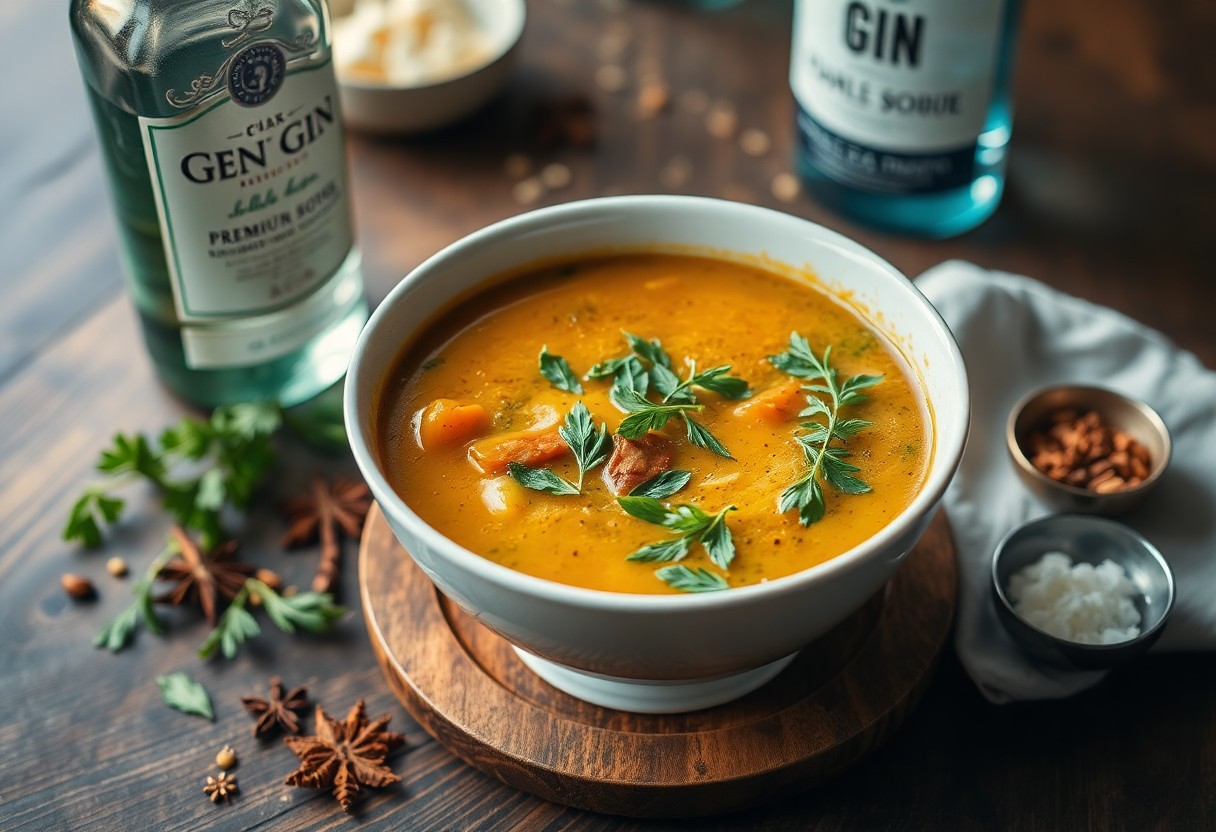
    What Gastronomic Delights Await When Infusing Gin Into Savory Soups?

    As you explore the world of culinary innovation, you may stumble upon the intriguing concept of infusing gin into savory soups. You’ll discover that this unique technique can elevate your dishes to new heights, adding a depth of flavor that will leave your taste buds intrigued. Your senses will be delighted by the subtle botanical notes of gin, which complement a variety of ingredients, from creamy broths to rich stews, and you’ll be eager to experiment with this unexpected twist in your own kitchen.

    The Spirit of Gin in the Kitchen

    Your exploration of infusing gin into savory soups is an exciting culinary adventure that can elevate your cooking to new heights. As you research into the world of spirit-infused soups, you’ll discover a myriad of flavors and techniques to enhance your dishes. Gin, with its complex botanical profile, is an ideal spirit to pair with a variety of soups, from creamy broths to clear consommés. By incorporating gin into your soup-making process, you can add depth, warmth, and a subtle aroma that will leave your guests impressed.

    Your creativity in the kitchen will be sparked as you experiment with different gin-infused soup recipes. You’ll find that the spirit can be used in various ways, such as a flavor enhancer, a marinade, or even as a base for a sauce. As you become more comfortable with using gin in your cooking, you’ll begin to appreciate the versatility of this spirit and the unique characteristics it brings to your soups. Whether you’re a seasoned chef or an amateur cook, the possibilities of gin-infused soups are endless, and you’ll enjoy the process of discovering new flavors and techniques to incorporate into your culinary repertoire.

    Historical Marriage of Spirits and Soups

    Beside the traditional use of wine and beer in cooking, spirits like gin have been used for centuries to add flavor and depth to various dishes, including soups. You’ll find that the practice of infusing spirits into soups dates back to ancient times, when cooks would use alcohol to preserve and flavor food. As you explore the history of spirit-infused soups, you’ll discover that gin was a popular choice among cooks due to its botanical profile and versatility. You’ll learn about the various ways gin was used in traditional recipes and how it was often paired with other ingredients to create unique and delicious flavor combinations.

    Besides its culinary uses, gin has also played a significant role in the cultural and social aspects of food and drink. You’ll find that gin was often served as a digestif after meals, and its use in cooking was seen as a way to enhance the overall dining experience. As you research deeper into the history of gin-infused soups, you’ll appreciate the rich cultural heritage behind this culinary tradition and the ways in which it has evolved over time. You’ll be inspired to create your own unique gin-infused soup recipes, blending traditional techniques with modern flavors and ingredients.

    Botanical Notes and Flavor Profiles

    On the surface, gin may seem like a simple spirit, but its flavor profile is complex and multifaceted. You’ll discover that gin is infused with a variety of botanicals, including juniper berries, coriander, and citrus peel, which give it a unique and nuanced flavor. As you explore the world of gin-infused soups, you’ll learn about the different types of gin and their distinct flavor profiles, from London Dry Gin to Plymouth Gin. You’ll find that each type of gin pairs well with specific ingredients and soups, and you’ll enjoy the process of experimenting with different combinations to find your favorite flavors.

    On further exploration, you’ll find that the botanical notes in gin can enhance the flavors of various soups, from the brightness of citrus to the warmth of spices. You’ll learn about the different ways to balance the flavors of gin with other ingredients, creating harmonious and delicious soups that showcase the spirit’s unique characteristics. As you become more familiar with the flavor profiles of different gins, you’ll be able to create innovative and exciting soup recipes that showcase your culinary skills and creativity.

    Even as you continue to experiment with gin-infused soups, you’ll find that the possibilities for flavor combinations are endless. You’ll discover that the botanical notes in gin can complement a wide range of ingredients, from seafood to poultry, and that the spirit can be used in both hot and cold soups. As you push the boundaries of gin-infused soup-making, you’ll develop a deeper understanding of the spirit’s flavor profile and how it can be used to enhance and elevate your dishes, resulting in truly exceptional culinary creations.

    Foundational Techniques

    Some of the most exciting aspects of infusing gin into savory soups lie in the techniques you can employ to bring out the best flavors. As you begin to experiment with gin-infused soups, you’ll find that the methods you use can greatly impact the final product. You’ll want to consider the type of gin you’re using, the amount of gin to add, and the timing of the infusion. By mastering these foundational techniques, you’ll be well on your way to creating delicious and unique gin-infused soups that will impress your friends and family.

    As you research deeper into the world of gin-infused soups, you’ll discover that the possibilities are endless. You can experiment with different types of gin, from London Dry Gin to Plymouth Gin, and even try your hand at making your own infused gin at home. The key is to have fun and be creative with your recipes, and to not be afraid to try new things. With a little practice and patience, you’ll be creating gin-infused soups like a pro in no time.

    Infusion Methods

    Behind the scenes of every great gin-infused soup is a carefully considered infusion method. You’ll need to decide how you want to infuse your gin into the soup, whether it’s by adding it directly to the pot, using a gin-soaked ingredient, or even employing a more complex technique like fat washing. As you experiment with different infusion methods, you’ll find that each one produces a unique flavor profile that can enhance or overpower your soup, depending on your desired outcome. You can try adding gin to the soup during the cooking process, or use it as a finishing touch, adding it just before serving.

    Beyond the basics of infusion methods, you’ll also want to consider the role that gin plays in balancing the flavors of your soup. You’ll need to think about how the botanicals in the gin will interact with the other ingredients in the soup, and make adjustments accordingly. By taking the time to understand how different infusion methods affect the flavor of your soup, you’ll be able to create complex and delicious gin-infused soups that showcase your skills as a chef.

    Temperature Considerations

    On the surface, temperature may seem like a minor consideration when it comes to infusing gin into savory soups, but it can actually have a significant impact on the final flavor. As you heat or cool your soup, the gin will react differently, releasing different flavor compounds and aromas. You can use the following table to guide your temperature considerations:

    Temperature Ranges

    Temperature Effect on Gin
    High Heat Volatilizes gin, releasing intense flavors and aromas
    Low Heat Preserves delicate flavors and aromas, allowing for subtle infusion

    Temperature plays a significant role in the infusion process, and you’ll need to consider how it will affect the flavor of your gin-infused soup. You can use the following table to guide your temperature considerations:

    Temperature Guidelines

    Temperature Range Recommended Use
    150°F – 200°F Simmering or poaching, allowing for gentle infusion
    200°F – 250°F Boiling or reducing, resulting in intense flavor extraction

    Temperature is a key factor in determining the final flavor of your gin-infused soup, and you’ll need to carefully consider how it will affect the infusion process. By understanding how different temperatures impact the flavor of your gin, you’ll be able to create delicious and complex soups that showcase your skills as a chef. As you experiment with different temperatures, you’ll find that the optimal temperature range will depend on the specific ingredients and flavor profile you’re aiming for, so be sure to take notes and adjust your technique accordingly.

    Essential Soup Bases

    Clearly, when it comes to infusing gin into savory soups, the foundation of your dish is paramount. You will want to start with a solid understanding of the various soup bases that can serve as a canvas for your gin-infused creations. As you explore the world of gin-infused soups, you’ll find that the type of soup base you choose can greatly impact the final flavor profile of your dish. Your choice of soup base will depend on the type of flavors you want to highlight and the overall character you aim to achieve in your soup.

    As you explore into soup bases, you’ll discover a wide range of options to choose from, each with its own unique characteristics and potential for gin infusion. You can experiment with different combinations of ingredients and gin botanicals to create truly unique and delicious flavor profiles. Whether you’re looking to create a light and refreshing soup or a rich and creamy one, your understanding of imperative soup bases will be the key to unlocking your full creative potential in the kitchen.

    Clear Broths and Consommés

    The foundation of a clear broth or consommé is a great place to start when infusing gin into your soups. You can use a variety of ingredients such as chicken, beef, or vegetable stock as the base, and then add gin and other aromatics to create a delicious and complex flavor profile. As you experiment with clear broths and consommés, you’ll find that the clarity of the broth allows the flavors of the gin to shine through, creating a truly refreshing and light soup.

    The beauty of clear broths and consommés lies in their versatility, allowing you to add a wide range of ingredients and gin botanicals to create unique flavor combinations. You can try adding herbs, spices, or other aromatics to complement the flavors of the gin, and adjust the seasoning to your taste. As you master the art of creating clear broths and consommés, you’ll be able to craft gin-infused soups that are both elegant and delicious.

    Cream-Based Foundations

    Based on your knowledge of soup bases, you can begin to explore the rich and creamy world of cream-based foundations. You’ll find that these soups offer a luxurious and velvety texture that pairs perfectly with the botanicals found in gin. As you experiment with cream-based foundations, you can add a variety of ingredients such as vegetables, meats, or seafood to create a hearty and satisfying soup.

    Broths and stocks can be used as a starting point for your cream-based foundations, and you can then add cream, coconut milk, or other rich ingredients to create a decadent and creamy texture. You’ll discover that the richness of the cream-based foundation provides a beautiful backdrop for the flavors of the gin to shine through, creating a truly indulgent and delicious soup. As you continue to experiment with cream-based foundations, you’ll be able to craft gin-infused soups that are both comforting and sophisticated.

    Botanical Pairings

    After exploring the world of gin-infused savory soups, you’ll discover that the key to unlocking the perfect flavor lies in the botanical pairings. You’ll find that different gin botanicals can elevate your soups to new heights, adding depths of flavor and complexity that will leave your taste buds wanting more. As you experiment with various gin-infused soups, you’ll begin to notice that certain botanicals pair better with specific ingredients, creating harmonious and delicious flavor profiles that will become a staple in your culinary repertoire.

    As you examine deeper into the world of botanical pairings, you’ll start to appreciate the versatility of gin in savory soups. You’ll learn how to balance and combine different botanicals to create unique and exciting flavor experiences that will set your soups apart from the rest. Whether you’re a seasoned chef or an adventurous home cook, the world of gin-infused savory soups offers endless possibilities for creativity and innovation, and by understanding the art of botanical pairings, you’ll be well on your way to creating truly exceptional dishes.

    Juniper-Forward Combinations

    Combining gin with other ingredients can lead to some truly remarkable flavor experiences, and when it comes to juniper-forward combinations, you’ll find that the possibilities are endless. You can pair your gin with earthy ingredients like mushrooms or root vegetables, which complement the piney flavor of juniper perfectly. As you experiment with different combinations, you’ll discover that the bitterness of the juniper can be balanced by the richness of ingredients like cream or butter, creating a delightful harmony of flavors that will leave you wanting more.

    Considering the flavor profile of your gin, you’ll be able to create juniper-forward combinations that showcase the best of both the gin and the other ingredients. You’ll learn how to balance the flavors to create a soup that is both refreshing and savory, with the juniper adding a delightful depth and complexity to the dish. As you master the art of juniper-forward combinations, you’ll be able to create soups that are truly unique and delicious, and that will impress even the most discerning palates.

    Citrus and Herb Harmonies

    An abundance of citrus and herb flavors can be found in many gins, and when paired with savory soups, these flavors can create truly magical harmonies. You’ll find that the brightness of citrus can cut through the richness of creamy soups, while the herbal notes can add a fresh and uplifting quality to clear broths. As you experiment with different citrus and herb combinations, you’ll discover that the possibilities are endless, and that you can create soups that are both soothing and invigorating.

    At the heart of citrus and herb harmonies lies the art of balance and restraint, as you’ll need to carefully consider the amount of citrus and herbs to add to your soup in order to achieve the perfect harmony. You’ll learn how to use the citrus and herbal notes in your gin to enhance the flavors of your ingredients, rather than overpowering them, and how to create a delicate balance of flavors that will elevate your soups to new heights. As you master the art of citrus and herb harmonies, you’ll be able to create soups that are both delicious and visually stunning, with the citrus and herbs adding a pop of color and freshness to the dish.

    Seasonal Applications

    Now that you have explored the world of infusing gin into savory soups, it’s time to consider the seasonal applications that can elevate your culinary creations. As you commence on this gastronomic journey, you’ll discover that the changing seasons offer a plethora of opportunities to experiment with unique flavor profiles and ingredients. Your senses will be delighted by the diverse array of seasonal produce, and your creativity will be sparked by the prospect of incorporating gin into your soups in innovative ways.

    As you explore into the world of seasonal applications, you’ll find that the key to success lies in balancing the flavors and ingredients to complement the time of year. You’ll need to consider the characteristics of each season and how they can be enhanced by the addition of gin. From the light, refreshing flavors of summer to the rich, comforting flavors of winter, you’ll be able to craft soups that not only showcase the best of the season but also highlight the versatility of gin as an ingredient.

    Summer Chilled Variations

    Across the summer months, you’ll find that chilled soups are a perfect way to beat the heat, and infusing gin into these refreshing creations can add a whole new dimension of flavor. You can experiment with gin-infused gazpacho, cucumber soup, or even a chilled pea soup, each one showcasing the bright, citrusy notes of gin. As you explore these summer chilled variations, you’ll discover that the botanicals in gin complement the fresh, seasonal ingredients beautifully, creating a truly refreshing and revitalizing culinary experience.

    As you create your summer chilled soups, you’ll want to consider the type of gin you use and how its flavor profile will interact with the other ingredients. You may find that a lighter, more citrus-forward gin works perfectly in a chilled cucumber soup, while a more robust, herbal gin is better suited to a gazpacho. By experimenting with different gins and flavor combinations, you’ll be able to craft unique and delicious summer soups that showcase the best of the season.

    Winter Warming Bowls

    Wrapping yourself in the warmth of a rich, comforting soup is one of the greatest pleasures of the winter season, and adding gin to the mix can elevate this experience to new heights. You can create hearty, gin-infused stews and soups that showcase the rich, spicy flavors of winter, from a gin-spiked beef stew to a creamy, gin-infused potato soup. As you explore these winter warming bowls, you’ll find that the bold, warming flavors of gin are perfectly suited to the cold winter months.

    As you craft your winter warming bowls, you’ll want to consider the type of ingredients that will complement the rich, spicy flavors of gin. You may find that root vegetables, such as carrots and parsnips, work beautifully with the warm, spicy notes of gin, while a rich, beef broth provides a perfect backdrop for the bold flavors of a London Dry Gin. By experimenting with different ingredients and flavor combinations, you’ll be able to create delicious, comforting soups that are perfect for the winter season.

    A key aspect of winter warming bowls is the way they can evoke a sense of comfort and nostalgia, and the addition of gin can add a sophisticated twist to these traditional winter soups. As you serve your gin-infused creations to friends and family, you’ll find that the warm, spicy flavors and aromas transport you to a cozy winter wonderland, where the pleasures of good food and good company are paramount. By incorporating gin into your winter soups, you’ll be able to create truly special culinary experiences that will be cherished by all who partake.

    Service and Presentation

    All aspects of serving and presenting your gin-infused savory soups are just as important as the preparation itself. You want to create an immersive experience for your guests, and the way you serve and present your dish can elevate it to the next level. With respect to serving gin-infused soups, you have a variety of options to consider, from the type of bowl or cup you use to the garnishes and accompaniments you choose. By paying attention to these details, you can create a truly memorable dining experience for your guests.

    Your goal is to create a harmonious balance between the flavors and aromas of the soup and the visual presentation. This can be achieved by selecting a bowl or cup that complements the color and texture of the soup, and by adding garnishes and accompaniments that enhance the overall flavor profile. As you consider the service and presentation of your gin-infused savory soups, you may want to think about the ambiance and atmosphere you want to create for your guests. Do you want to create a cozy and intimate setting, or a more lively and festive one?

    Garnishing Elements

    One of the most effective ways to add visual interest to your gin-infused savory soups is to use garnishes and accompaniments. You can choose from a variety of options, such as fresh herbs, edible flowers, or crispy bread croutons. When opting for garnishes, consider the flavors and ingredients used in the soup, and choose elements that complement or contrast with them in interesting ways. For example, if you’re serving a creamy soup, you might choose a crunchy garnish like croutons or toasted nuts to add texture.

    One key thing to keep in mind when choosing garnishes is the balance between flavor and visual appeal. You want your garnishes to enhance the overall flavor profile of the soup, without overpowering it. You also want them to add visual interest and appeal, without overwhelming the dish. By striking the right balance, you can create a dish that is both delicious and visually stunning.

    Serving Temperatures

    An important consideration when serving gin-infused savory soups is the temperature at which you serve them. Different soups are best served at different temperatures, and serving a soup at the wrong temperature can affect its flavor and texture. The following table outlines some general guidelines for serving temperatures:

    Serving Temperatures for Gin-Infused Soups
    Soup Type Optimal Serving Temperature
    Cream-based soups 160-170°F (71-77°C)
    Clear soups 180-190°F (82-88°C)
    Pureed soups 170-180°F (77-82°C)

    Plus, you should also consider the temperature of the bowls or cups you’re serving the soup in. You want the bowls to be warm, but not hot, to ensure that the soup stays at the optimal temperature for as long as possible. You can warm the bowls by filling them with hot water and letting them sit for a few minutes before serving. This will help to keep the soup at the right temperature, and will also add to the overall sensory experience of the dish. The following table provides more information on optimal bowl temperatures:

    Optimal Bowl Temperatures
    Bowl Material Optimal Temperature
    Ceramic 100-120°F (38-49°C)
    Glass 90-110°F (32-43°C)

    Final Reflections: The Poetry of Gin-Kissed Soups

    For those who have ventured into infusing gin into savory soups, you have likely discovered a whole new dimension of flavors and aromas that elevate your culinary creations to unprecedented heights. As you experiment with different gin-infused soup recipes, you begin to appreciate the subtle nuances that this spirit brings to the table. Your palate is treated to a symphony of botanicals, from the brightness of citrus to the depth of juniper, which meld seamlessly with the rich flavors of your soups. Whether you’re a seasoned chef or an adventurous home cook, the art of gin-infused soups offers a world of possibilities for innovation and creativity.

    As you continue to explore the poetry of gin-kissed soups, you’ll find that the process of experimentation and discovery becomes an integral part of the journey. Your sense of taste and smell will become more refined, allowing you to discern the subtle differences between various gin styles and their interactions with different ingredients. You’ll develop a deeper understanding of how to balance and harmonize flavors, creating soups that are at once familiar and innovative. With each new creation, you’ll be able to share your passion for gin-infused soups with others, spreading the joy of this unique and exciting culinary experience. As you sit down to savor your latest gin-kissed soup, you’ll appreciate the beauty of this gastronomic delight and the satisfaction of having crafted something truly special.
  • How Can One Master The Sublime Fusion Of Gin And Seafood In Gastronomy?

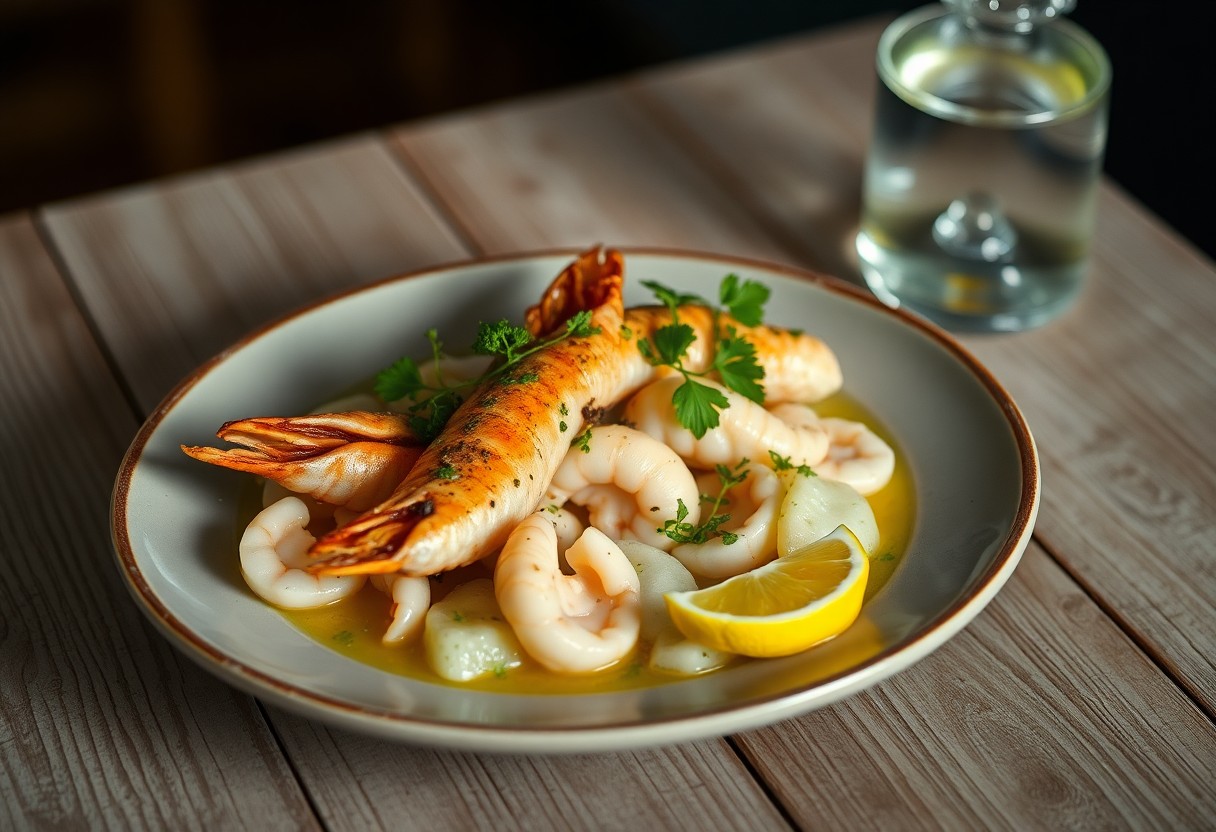
    How Can One Master The Sublime Fusion Of Gin And Seafood In Gastronomy?

    You are about to commence on a culinary journey to explore the perfect pairing of gin and seafood. As you examine into this gastronomic world, you will discover how your senses can be elevated by the combination of botanicals in gin and the freshness of seafood. Your understanding of flavor profiles will expand, allowing you to create exquisite dishes that showcase the sublime fusion of these two ingredients, and you will learn how to master this unique pairing to impress your guests and satisfy your palate.

    The Maritime Spirit: Gin’s Oceanic Heritage

    The relationship between gin and seafood is one that has been cultivated over centuries, with the spirit’s origins deeply rooted in the maritime traditions of Europe. As you probe into the world of gin and seafood, you’ll discover that the two have a long history of complementing each other, with gin’s botanicals enhancing the delicate flavors of fresh seafood. Your journey to mastering the sublime fusion of gin and seafood begins with understanding the historical context of gin’s production and its connection to coastal communities.

    The history of gin is intricately tied to the sea, with many of its traditional botanicals being transported across the globe by sailors and traders. As you explore the world of gin, you’ll find that its flavor profile is shaped by the ocean’s influence, with notes of citrus, seaweed, and other coastal botanicals. This maritime spirit is what sets gin apart from other spirits, making it the perfect pairing for seafood. By understanding the historical connection between gin and coastal communities, you’ll be able to appreciate the nuances of this pairing and create truly exceptional culinary experiences.

    Historical Connection Between Gin and Coastal Communities

    Along the coastlines of Europe, gin production has been a staple of local economies for centuries, with many distilleries relying on the sea for ingredients and transportation. As you explore the historical connection between gin and coastal communities, you’ll discover that the spirit was often used as a form of currency in trade, with sailors and fishermen exchanging gin for goods and services. Your understanding of this historical context will help you appreciate the significance of gin in coastal cultures and its role in shaping the local cuisine.

    Alongside the historical records, you’ll find that gin’s popularity in coastal communities was also driven by its perceived medicinal properties, with many believing it to have health benefits. As you learn more about the historical connection between gin and coastal communities, you’ll discover that the spirit was often used to treat ailments such as scurvy and other diseases common among sailors. This historical context will help you understand why gin has become an integral part of coastal traditions and why it pairs so well with seafood.

    Botanical Properties That Complement Seafood

    For those looking to master the art of pairing gin with seafood, understanding the botanical properties of the spirit is important. As you explore the world of gin, you’ll discover that its flavor profile is shaped by a range of botanicals, from citrus and juniper to seaweed and other coastal plants. Your knowledge of these botanicals will help you create pairings that enhance the delicate flavors of seafood, with the citrus notes in gin complementing the bright, refreshing flavors of seafood.

    For instance, the botanicals used in gin production can add a range of flavors to your seafood dishes, from the subtle sweetness of citrus to the savory umami of seaweed. As you experiment with different gin and seafood pairings, you’ll find that the right combination of botanicals can elevate the flavors of your dishes, creating a truly sublime culinary experience.

    Heritage botanicals such as samphire, sea purslane, and dulse seaweed are particularly well-suited to pairing with seafood, as they add a range of umami flavors that complement the rich, savory flavors of the sea. As you incorporate these botanicals into your gin and seafood pairings, you’ll find that they add a depth and complexity to your dishes, making them truly unforgettable. By understanding the botanical properties of gin and how they complement seafood, you’ll be able to create pairings that showcase the best of both worlds, with the subtle flavors of gin enhancing the delicate flavors of the sea.

    The Art of Pairing

    One of the most exciting aspects of gastronomy is the pairing of gin and seafood, as it allows you to explore a wide range of flavors and combinations. When you commence on this journey, you’ll discover that the subtle botanicals in gin can complement the delicate flavors of seafood, creating a truly sublime experience. As you explore into the world of gin and seafood pairing, you’ll find that the key to success lies in understanding the different profiles of gin and how they interact with various types of seafood. By experimenting with different pairings, you’ll develop your own unique approach to this art form, allowing you to create unforgettable culinary experiences.

    As you explore the art of pairing gin and seafood, you’ll encounter a vast array of possibilities, from the classic combinations to more innovative and adventurous pairings. You’ll learn to appreciate the nuances of different gin styles, from the bold and spicy to the light and floral, and how they can be matched with various seafood dishes to create harmonious and balanced flavors. Whether you’re a seasoned gourmet or just starting to explore the world of gin and seafood, you’ll find that the art of pairing is a journey of discovery, and one that will continue to inspire and delight you as you explore new flavors and combinations.

    Classic Gin Profiles and Their Seafood Matches

    Alongside the vast array of gin styles, you’ll find that certain classic profiles lend themselves particularly well to pairing with seafood. You’ll discover that a London Dry Gin, with its bold juniper and citrus notes, pairs beautifully with rich and oily fish like salmon or mackerel, while a more delicate Plymouth Gin, with its subtle earthy and floral notes, complements the sweetness of scallops or lobster. As you explore these classic pairings, you’ll develop a deeper understanding of how the different botanicals in gin interact with the flavors of seafood, allowing you to create your own signature pairings.

    Akin to the classic gin profiles, you’ll also encounter more modern and innovative styles, such as gin infused with botanicals like seaweed or citrus, which can add a fascinating dimension to your seafood pairings. You’ll find that these unique gin styles can be paired with a wide range of seafood, from the delicate flavors of sole or flounder to the rich and briny flavors of oysters or mussels. As you experiment with these modern gin styles, you’ll discover new and exciting ways to enhance the flavors of your seafood dishes, and create truly unforgettable culinary experiences.

    Regional Considerations and Flavor Mapping

    Their local ingredients and traditional cooking methods play a significant role in shaping the flavor profiles of gin and seafood pairings, and you’ll find that regional considerations can greatly impact the success of your pairings. You’ll discover that the bold and spicy flavors of a gin from the southern United States, for example, can be perfectly balanced by the rich and sweet flavors of Gulf Coast seafood, while the light and floral flavors of a gin from the Pacific Northwest can complement the delicate flavors of Dungeness crab or wild salmon. As you explore the regional considerations of gin and seafood pairing, you’ll develop a deeper appreciation for the local ingredients and traditions that shape the flavors of your favorite dishes.

    Their impact on the flavor profiles of gin and seafood pairings is further influenced by the unique characteristics of the local seafood, and you’ll find that the flavor mapping of different regions can be a fascinating aspect of this culinary journey. You’ll learn to appreciate the subtle differences in flavor between seafood from different regions, and how these differences can be used to create harmonious and balanced pairings with gin. Whether you’re pairing a gin from the Mediterranean with the rich flavors of Spanish seafood or a gin from the British Isles with the delicate flavors of Scottish seafood, you’ll discover that the regional considerations of flavor mapping can add a new level of depth and complexity to your culinary creations.

    Another aspect of regional considerations and flavor mapping is the way in which local ingredients and traditions can influence the flavor profiles of gin and seafood pairings. You’ll find that the use of local botanicals, such as seaweed or citrus, can add a unique dimension to your gin pairings, while the traditional cooking methods of a region, such as grilling or steaming, can greatly impact the flavor of the seafood. As you explore the regional considerations of gin and seafood pairing, you’ll develop a deeper appreciation for the local ingredients and traditions that shape the flavors of your favorite dishes, and you’ll be inspired to create your own unique pairings that showcase the best of your local cuisine.

    Preparation Techniques

    Assuming you have a solid understanding of the fundamentals of gin and seafood pairing, it’s time to examine into the preparation techniques that will elevate your dishes to the next level. Your ability to master these techniques will depend on your willingness to experiment and innovate in the kitchen. As you explore the world of gin and seafood, you’ll discover that the key to a sublime fusion lies in the preparation methods you employ. By understanding how to balance flavors and textures, you’ll be able to create dishes that showcase the unique characteristics of both gin and seafood.

    As you begin to experiment with different preparation techniques, you’ll find that the possibilities are endless. Your goal should be to create a harmonious balance between the botanicals in the gin and the delicate flavors of the seafood. To achieve this, you’ll need to consider the flavor profiles of both the gin and the seafood, as well as the cooking methods that will best preserve the delicate flavors of each ingredient. By taking a thoughtful and intentional approach to preparation, you’ll be able to create dishes that are truly greater than the sum of their parts.

    Gin-Based Marinades and Infusions

    Beneath the surface of a successful gin and seafood pairing lies a deep understanding of how to use gin as a marinade or infusion. Between the various botanicals and flavor profiles of different gins, you’ll find that some pair more naturally with certain types of seafood than others. By experimenting with different gin-based marinades and infusions, you’ll be able to add depth and complexity to your dishes. Your ability to create a harmonious balance between the gin and seafood will depend on your understanding of how the different flavor components interact with one another.

    Between the possibilities of gin-based marinades and infusions, you’ll find that the key to success lies in balance and restraint. You’ll need to be mindful of the amount of gin you use, as well as the length of time you allow the seafood to marinate. By finding the right balance, you’ll be able to create dishes that are both flavorful and refined. As you experiment with different gin-based marinades and infusions, you’ll discover that the possibilities are endless, and that the right combination can elevate your dishes to new heights.

    Cooking Methods That Preserve Delicate Flavors

    By employing cooking methods that preserve the delicate flavors of your ingredients, you’ll be able to create dishes that are both nuanced and refined. By taking a gentle approach to cooking, you’ll be able to prevent the loss of delicate flavors and textures, and create a more harmonious balance between the gin and seafood. Your goal should be to cook the seafood in a way that preserves its natural flavors and textures, while also allowing the gin to shine. By using cooking methods such as steaming, poaching, or grilling, you’ll be able to achieve a delicate balance between the two ingredients.

    Even when working with more delicate types of seafood, you’ll find that the right cooking method can make all the difference. Even the most fragile flavors can be preserved and showcased when you use the right technique. By cooking your seafood with care and attention, you’ll be able to create dishes that are both flavorful and refined, and that showcase the sublime fusion of gin and seafood. As you master the cooking methods that preserve delicate flavors, you’ll be able to take your gin and seafood pairings to new heights, and create dishes that are truly unforgettable.

    Service and Presentation

    Now that you have explored the various ways to combine gin and seafood in your culinary creations, it’s time to consider the art of presenting and serving these dishes. Your goal is to create an immersive experience for your guests, and the way you present your gin-infused seafood creations can elevate the entire dining experience. As you investigate into the world of service and presentation, you’ll discover the importance of attention to detail and the impact it can have on your guests’ perception of your dishes.

    As you prepare to serve your gin-infused seafood creations, you’ll want to consider the various elements that come into play. This includes temperature, glassware, and garnishing elements, all of which can enhance or detract from the overall experience. By carefully considering these factors, you can create a truly sublime fusion of gin and seafood that will leave your guests in awe.

    Temperature Considerations

    Across the spectrum of gin-infused seafood dishes, temperature plays a significant role in the overall experience. You’ll want to consider the ideal temperature for serving each dish, taking into account the type of seafood, the gin infusion method, and the desired texture and flavor profile. The following table outlines some general guidelines for temperature considerations:

    Dish Type Ideal Serving Temperature
    Gin-infused seafood cocktails Chilled, between 38°F and 42°F
    Gin-glazed seafood dishes Warm, between 120°F and 140°F

    As you experiment with different temperature ranges, you’ll find that it can greatly impact the flavor and texture of your dishes, allowing you to fine-tune your creations to perfection.

    Above all, your goal is to create a harmonious balance of flavors and textures that will delight your guests. By carefully considering temperature, you can unlock the full potential of your gin-infused seafood creations and create a truly unforgettable experience. Whether you’re serving a chilled gin-infused seafood cocktail or a warm gin-glazed dish, the right temperature can make all the difference in the world.

    Glassware and Garnishing Elements

    An vital aspect of presenting your gin-infused seafood creations is the choice of glassware and garnishing elements. You’ll want to select glasses that complement the color, clarity, and aroma of your dishes, while also considering the texture and flavor profile. For example, a delicate gin-infused seafood cocktail might be served in a slender, chilled glass, while a richer, more full-bodied dish might be paired with a more substantial glass.

    Alongside your choice of glassware, you’ll also want to consider the garnishing elements that will accompany your dishes. This might include a sprig of rosemary, a slice of citrus, or a delicate seafood garnish, all of which can add a pop of color and fragrance to your creations. By carefully selecting your glassware and garnishing elements, you can create a visually stunning presentation that will elevate your gin-infused seafood dishes to new heights.

    Indeed, the right glassware and garnishing elements can make a significant difference in the overall presentation of your gin-infused seafood creations. As you experiment with different combinations, you’ll find that the right balance of form and function can enhance the flavor, aroma, and visual appeal of your dishes, creating a truly immersive experience for your guests. By paying attention to these details, you can create a sublime fusion of gin and seafood that will leave a lasting impression on all who taste it.

    Creating Signature Combinations

    To master the sublime fusion of gin and seafood, you need to experiment with different combinations to find your perfect match. You can start by exploring various gin styles, from classic London Dry Gin to more modern and innovative varieties, and pairing them with an array of seafood options. As you research into the world of gin and seafood, you’ll discover that the botanicals in gin can beautifully complement the delicate flavors of seafood, creating a truly unique gastronomic experience. Your goal is to find the perfect balance between the two, where the gin enhances the flavors of the seafood without overpowering it.

    As you commence on this journey, you’ll find that the possibilities are endless, and your creativity will be the only limit. You can draw inspiration from traditional pairings, such as gin and oysters, or venture into uncharted territory by combining gin with more exotic seafood options like octopus or lobster. The key is to understand the flavor profiles of both the gin and the seafood, and to use that knowledge to create harmonious and exciting combinations that will elevate your dining experience. By doing so, you’ll be able to craft signature pairings that showcase your personal taste and style.

    Raw Bar Selections and Gin Accompaniments

    About the art of pairing gin with raw seafood, you should consider the delicate flavors and textures of the raw bar selections. You can start by pairing a classic Gin Martini with freshly shucked oysters, or try combining a more modern gin with a seafood platter featuring ceviche or sashimi. As you explore the world of raw seafood, you’ll discover that the citrus and botanical notes in gin can beautifully complement the bright, refreshing flavors of the seafood. Your task is to find the perfect gin to accompany your raw bar selections, and to use garnishes and mixers to enhance the overall flavor experience.

    About the specific gin styles, you can opt for a light and crisp gin to pair with delicate raw seafood options like scallops or shrimp, or choose a more robust gin to stand up to heartier options like tuna or salmon. You can also experiment with different garnishes, such as lemon or lime, to add a touch of brightness and acidity to your pairings. By doing so, you’ll be able to create a unique and refreshing raw bar experience that showcases the beauty of gin and seafood together.

    Cooked Seafood Dishes and Spirit Pairings

    The world of cooked seafood offers a wide range of possibilities for pairing with gin, from classic dishes like fish and chips to more elaborate creations like seafood paella. You can start by pairing a rich and savory gin with a hearty seafood stew, or try combining a light and citrusy gin with a delicate seafood salad. As you explore the world of cooked seafood, you’ll discover that the smoky and spicy notes in gin can beautifully complement the deep, satisfying flavors of the seafood. Your goal is to find the perfect gin to enhance the flavors of your cooked seafood dishes, and to use the pairing to create a truly memorable dining experience.

    The possibilities for pairing gin with cooked seafood are endless, and you can draw inspiration from a wide range of cuisines and traditions. You can try pairing a spicy gin with a seafood curry, or combine a botanical gin with a seafood risotto. Combinations like these will allow you to experience the full range of flavors and textures that gin and seafood have to offer, and to create a truly unique and exciting culinary experience. Combinations such as gin and grilled shrimp, or gin and seafood pasta, will become your new favorites as you master the art of pairing gin with cooked seafood.

    Seasonal Approaches

    Many factors contribute to the perfect fusion of gin and seafood, and one of the most significant is the time of year. As you explore the world of gin and seafood pairings, you’ll find that different seasons offer unique opportunities to experiment with flavors and ingredients. Your approach to pairing gin with seafood will vary depending on the season, and understanding these variations is key to mastering the art of gin and seafood fusion. By considering the seasonal availability of seafood and the characteristics of different gins, you can create pairings that are tailored to the time of year and showcase the best of each ingredient.

    As you explore into the world of seasonal gin and seafood pairings, you’ll discover that each season brings its own set of possibilities and challenges. Your goal is to find the perfect balance between the flavors of the gin and the seafood, and the season can play a significant role in achieving this balance. By taking into account the seasonal flavors and ingredients, you can create pairings that are not only delicious but also innovative and exciting.

    Summer Seafood and Light Gin Cocktails

    Approaching the summer season, you’ll find that the warm weather and fresh seafood create a perfect opportunity to experiment with light and refreshing gin cocktails. You can pair your favorite gin with seasonal seafood like lobster, crab, or shrimp, and create cocktails that are as refreshing as they are delicious. Your summer gin and seafood pairings can feature citrus-based gins, paired with seafood dishes that incorporate bright, citrusy flavors. As you explore the world of summer gin and seafood pairings, you’ll find that the key is to keep things light and refreshing, allowing the flavors of the seafood and gin to shine.

    As you create your summer gin and seafood pairings, you’ll want to consider the flavors and ingredients that are available during this time of year. You can incorporate seasonal fruits and herbs into your cocktails, and pair them with seafood dishes that feature fresh, light flavors. Your goal is to create pairings that are perfect for warm weather and outdoor dining, and by using seasonal ingredients and flavors, you can achieve this goal and create truly unforgettable gin and seafood experiences.

    Winter Warmers and Robust Pairings

    Seasonally, the winter months offer a unique opportunity to experiment with robust and warming gin pairings. You can pair your favorite gin with hearty seafood dishes like stews and chowders, and create cocktails that are as comforting as they are delicious. Your winter gin and seafood pairings can feature rich, full-bodied gins, paired with seafood dishes that incorporate warm, comforting flavors. As you explore the world of winter gin and seafood pairings, you’ll find that the key is to create pairings that are warm and comforting, perfect for cold weather and indoor dining.

    It is during the winter months that you can get creative with your gin and seafood pairings, experimenting with rich and robust flavors that complement the hearty seafood dishes of the season. You can incorporate warming spices and ingredients into your cocktails, and pair them with seafood dishes that feature bold, comforting flavors. By doing so, you can create pairings that are not only delicious but also comforting and satisfying, perfect for the cold winter months. As you master the art of winter gin and seafood pairings, you’ll find that the possibilities are endless, and the results are well worth the effort.

    To wrap up

    Summing up, mastering the sublime fusion of gin and seafood in gastronomy requires a deep understanding of the delicate balance between the botanicals in gin and the flavors of the seafood. As you begin on this culinary journey, you will discover that the key to a perfect pairing lies in the harmony between the two. You will need to consider the flavor profiles of different types of gin, such as London Dry Gin or Plymouth Gin, and how they complement the rich flavors of seafood like lobster, shrimp, or scallops. By experimenting with various combinations, you will develop your own unique approach to pairing gin with seafood, allowing you to create innovative and delicious dishes that showcase your culinary skills.

    As you continue to explore the world of gin and seafood, you will find that your palate becomes more refined, and your ability to balance flavors improves. You will learn to appreciate the subtle nuances of gin and how it can enhance the natural flavors of seafood, creating a truly sublime culinary experience. With practice and patience, you will become adept at crafting menus that showcase the perfect fusion of gin and seafood, impressing your guests and leaving them eager for more. By mastering this unique fusion, you will elevate your culinary skills and develop a new appreciation for the art of gastronomy, allowing you to create unforgettable dining experiences that will leave a lasting impression on your guests.