Tag: Gin

  • What Enigmatic Botanicals Elevate Gin’s Aroma To Ethereal Heights?

    What Enigmatic Botanicals Elevate Gin’s Aroma To Ethereal Heights?

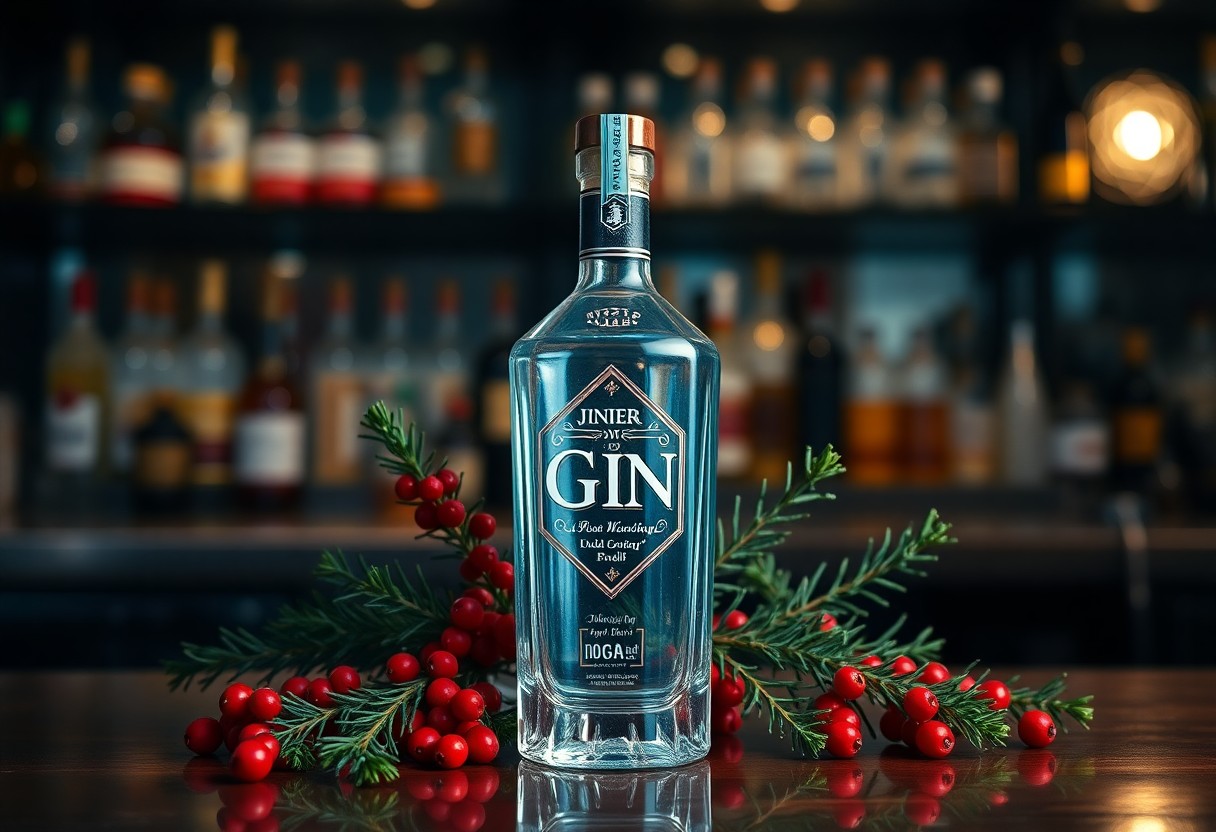
    Botanicals play a vital role in defining your gin experience, as they contribute to the spirit’s captivating aroma and flavor profile. You may find yourself enchanted by the subtle complexities these ingredients can offer, elevating your gin from mere beverage to an ethereal delight. Exploring various uncommon botanicals can broaden your palate, allowing you to appreciate the art of gin crafting on a whole new level. In this post, we will investigate into the enigmatic botanicals that can transform your gin’s aroma and create an unforgettable drinking experience.

    The Essence of Botanicals

    Before delving deeper into the world of gin, it’s crucial to understand that the botanicals used in your favorite spirit are not simply flavor enhancers; they are its very essence. These carefully selected plant ingredients shape the aroma, taste, and character of gin, elevating it from a basic beverage to an extraordinary experience. The diversity of botanicals creates a unique aromatic palette, inviting you to explore the intricate layers each infusion brings to your glass.

    Defining Botanicals in Gin

    For any gin enthusiast, botanicals refer to the various herbs, spices, fruits, and flowers that are infused into the spirit during its distillation process. These are not just random additions; each botanical plays a specific role in contributing to the overall profile of the gin, offering nuanced flavors and scents that enhance your tasting experience.

    Historical Context of Botanical Use

    Above all, the use of botanicals in gin has deep historical roots that trace back centuries, intertwining with wellness, flavor experimentation, and cultural practices.

    In fact, the history of using botanicals in gin began as a means of medicinal practice before evolving into a sophisticated art form. In the 16th century, Dutch distillers were the pioneers of infusing spirits with botanicals, using juniper berries primarily for their health benefits. As the spirit made its way to England, the addition of various herbs and spices became a hallmark of the gin-making process, as distillers aimed to create more complex and flavorful profiles to tantalize the palate. This rich tradition has paved the way for what you enjoy in a contemporary gin today, reflecting both historical significance and innovative craft.

    Key Botanicals and Their Aromatic Profiles

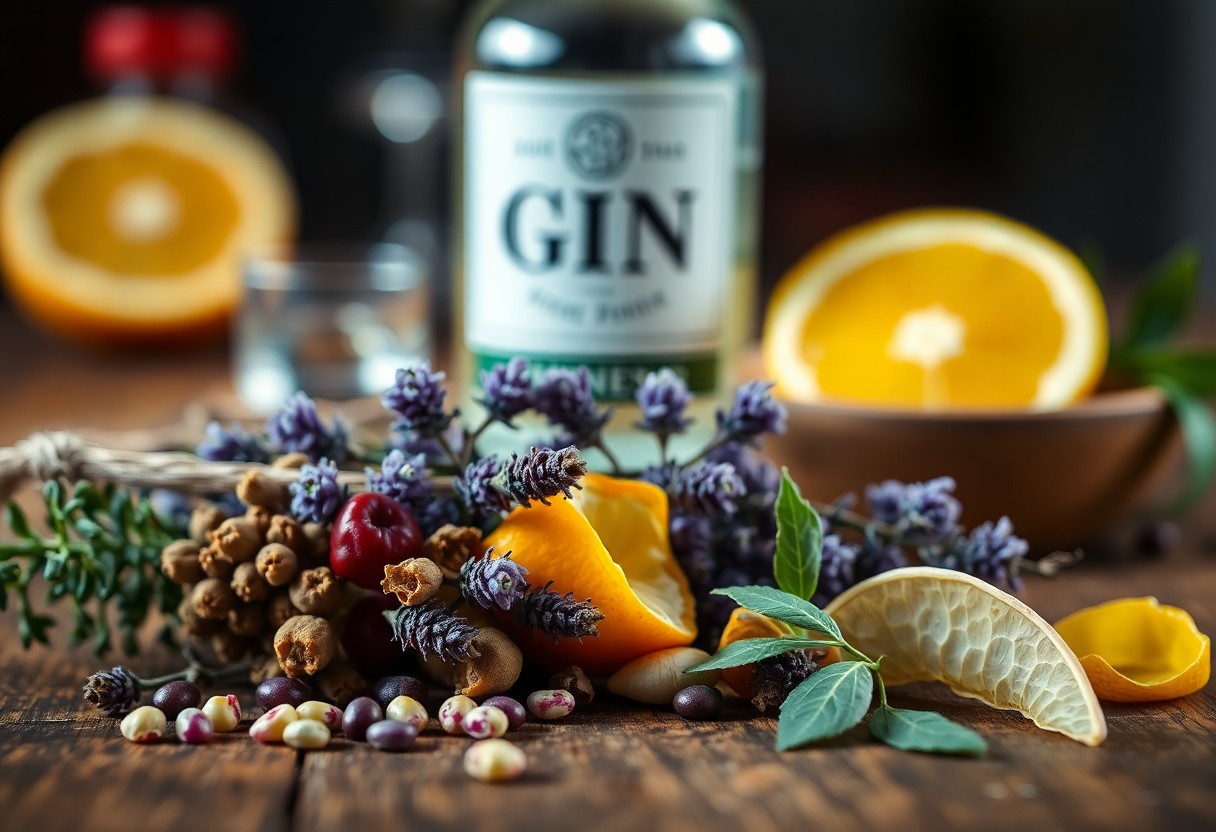
    Some botanicals contribute uniquely to a gin’s aromatic experience, elevating its complexity and allure. Each botanical provides distinct notes that, when blended harmoniously, create the signature profile of your favorite gin. Understanding these key components can enhance your appreciation of this spirit, guiding you to discover new favorites that tantalize your senses.

    Juniper: The Foundation of Gin

    Foundation to any gin is the juniper berry, which imparts that signature piney, resinous flavor. This botanical is not just a mere ingredient; it is the backbone of gin, offering a refreshing aroma that is instantly recognizable. Without juniper, your gin wouldn’t embody the traditional essence that defines this beloved spirit.

    Coriander and Its Fragrant Complexity

    One of the most aromatic botanicals is coriander, which brings warmth and a hint of spice to gin. Its zesty, slightly citrusy notes balance the sharpness of juniper, making it an integral part of the botanical blend. This multifaceted herb invites your palate on a delightful journey, easily enhancing your gin’s aromatic appeal.

    At the heart of coriander’s charm lies its ability to harmonize with various other botanicals. You’ll find that this spice adds layers of flavor, from peppery undertones to bright citrus hints, making it a versatile choice in crafting aromatic profiles. It is this fragrant complexity that allows you to experience the depth of gin, nudging you to explore different varieties and styles.

    The Role of Citrus Peels

    On the journey of gin discovery, citrus peels play an instrumental role in augmenting the spirit’s aroma. Lemon, orange, and grapefruit peels lend bright, zesty notes that invigorate your senses. Their uplifting qualities can transform gin from simply refreshing to exquisitely aromatic, providing the perfect counterbalance to heavier botanicals.

    Hence, incorporating citrus peels elevates your gin’s profile by introducing a burst of freshness that invigorates the overall experience. These peels not only enhance the aroma but also add a vibrant complexity that interplay beautifully with other botanicals, making your next gin & tonic a refreshing delight.

    Unique and Enigmatic Botanicals

    Unlike other spirits, gin’s charm lies in its unique and enigmatic botanicals that contribute to its complex aroma profile. These botanicals, often sourced from diverse regions, blend harmoniously to create an extraordinary olfactory experience, inviting you to explore a world of subtle fragrances and intriguing flavors. From florals to spices, each botanical plays a role in elevating the gin experience, making it truly one-of-a-kind.

    Flowers and Their Ethereal Contributions

    After the base notes of juniper, flowers bring a delicate and ethereal quality to gin, transforming its scent into something magical. Botanicals such as lavender, chamomile, and hibiscus infuse the spirit with soft floral notes, inviting a sense of tranquility and elegance to your palate.

    Spices That Transform Tradition

    Along with traditional botanicals, spices bring warmth and depth to gin, surprising your senses and staying true to its heritage. Elements like cardamom, coriander, and black pepper not only enhance aroma but also add layers of complexity, making each sip a journey through time and taste.

    Enigmatic spices elevate gin beyond its classic roots, providing unexpected notes that delight your palate. By incorporating these spices, distillers create a captivating balance between aromatic freshness and flavorful warmth. It’s through this transformation that gin cultivates its rich character, allowing you to savor a spectrum of tastes and fragrances with every sip.

    Rare and Exotic Botanicals

    Botanicals that are rare and exotic hold tremendous potential to elevate gin’s aroma and flavor profile into uncharted territories. By incorporating unique ingredients like angelica root from the Himalayas or aromatic grains of paradise, you experience truly distinctive gins that transport your senses to distant lands.

    Contributions from rare botanicals create an exceptional sensory journey. These ingredients often showcase unusual flavor notes, leading to intriguing blends that pique your curiosity. With each sip, you will be enchanted by their ability to tell a story that reflects the culture and history behind the botanicals, ultimately enriching your gin-drinking experience.

    The Importance of Distillation Techniques

    Despite the allure of the botanicals themselves, the distillation technique plays a pivotal role in defining gin’s aromatic profile. Each method—whether pot stills, column stills, or vacuum distillation—can dramatically alter how these ingredients are expressed. Knowing the nuances of these processes allows you to appreciate how each distillation choice influences flavor intensity, clarity, and complexity, ultimately elevating your gin experience.

    Influence of Distillation on Aroma

    By selecting specific distillation methods, you can significantly affect the aromatic output of your gin. Pot stills may preserve heavier, more complex aromas, whereas column stills yield a cleaner, more neutral spirit. Understanding how each method impacts the botanical essence can enhance your ability to choose gins that align with your aromatic preferences.

    Innovations in Botanical Extraction

    Beside traditional distillation methods, innovations in botanical extraction continue to evolve the gin landscape. Techniques such as cold maceration and vacuum distillation offer exciting new ways to preserve delicate aromas while minimizing the loss of volatile compounds. These advancements enable you to explore a broader spectrum of flavors and scents that were once thought impossible, ultimately enriching your gin experience.

    Hence, innovations in botanical extraction invite you to savor previously undiscovered dimensions of aroma in gin. Techniques like supercritical CO2 extraction allow for the delicate capture of vital oils without subjecting the botanicals to heat, ensuring that every fragrant nuance is retained. These cutting-edge processes not only enhance the aromatic profile but also broaden the palate of flavors, empowering you to discover gins that excite and inspire.

    Pairing Botanicals with Flavor Profiles

    For a truly extraordinary gin experience, understanding how to pair botanicals with specific flavor profiles is vital. Each botanical brings unique characteristics that can enhance or contrast the main flavors in your gin, allowing you to create a well-rounded drink. By carefully selecting complementary botanicals, you can elevate your gin’s flavor, transforming it from ordinary to extraordinary, and crafting a delightful sensory experience.

    Balancing Botanical Aromas

    Profiles play a pivotal role in achieving harmony in your gin. By balancing the various aromas present, you allow each botanical to shine, enhancing the overall bouquet of your spirit. This delicate interplay invites deeper exploration, from zesty citrus notes to earthy herbs, ensuring your gin presents a well-defined, complexity that captivates the senses.

    Enhancing Cocktails with Strategic Choices

    Behind every exceptional cocktail is a masterful blending of ingredients, where your choice of botanicals plays a significant role. Selecting the right botanicals can elevate your cocktails by adding depth or an unexpected twist, allowing flavors to interact in exciting ways that leave a lasting impression on your guests.

    But to elevate your cocktails, it’s vital to consider how botanicals interact with other ingredients in the mix. For instance, a floral note can complement the sweetness of a syrup, while a spice can create a wonderful contrast against citrus acidity. Experimenting with these combinations allows you to discover unique flavors that engage the palate, ensuring your cocktails are not just drinks but experiences that your guests will appreciate long after the last sip.

    The Future of Gin and Botanical Exploration

    To fully appreciate the next wave of gin creations, you must anticipate the rich diversity of botanicals that will push the boundaries of flavor. As distillers focus on sustainability and indigenous ingredients, you’ll discover remarkable profiles that enhance gin’s complexities, offering a more enhanced aromatic experience. This exploration of the future calls for an adventurous palate and an open mind, inviting you to enjoy gin in innovative ways.

    Trends in Botanical Selection

    Above traditional botanicals, new trends are emerging that highlight unusual herbs, flowers, and spices. In your quest for unique flavors, look for distillers who embrace local flora and seasonal ingredients. These offerings not only bring freshness to your gin experience but also create a deeper connection with the landscape and culture surrounding each bottle.

    Consumer Preferences and Innovations

    At the heart of gin’s evolution lies a shifting landscape of consumer preferences, pushing brands to innovate. You are now more conscious of where ingredients come from and how they affect both taste and experience. This demand for transparency is driving distillers to experiment with botanicals in ways that resonate with your personal values and desires.

    This has led to a surge in craft distilleries catering to your tastes, experimenting with surprising combinations and techniques. You may find flavored gins infused with unusual ingredients that reflect current trends or those that celebrate heritage through timeless blends. This level of innovation not only provides you with more choices but also ensures that each sip tells a story, enhancing your overall enjoyment of gin.

    Conclusion

    Taking this into account, you can appreciate how the incorporation of enigmatic botanicals can profoundly enhance your gin experience. By exploring unique ingredients, you elevate the aroma to ethereal heights, creating a more complex and enjoyable drink. From exotic spices to rare herbs, each botanical imparts a distinct character that captivates your senses and transforms your cocktails. So, investigate into the world of botanicals and discover how they can enrich your gin journey.
  • How Does The Alchemy Of Distillation Transform Gin Into Liquid Art?

    How Does The Alchemy Of Distillation Transform Gin Into Liquid Art?

    Just as a painter blends colors to create a masterpiece, the distillation process enables you to experience gin as a sophisticated and complex spirit. In this post, you’ll discover how distillation transforms raw ingredients into the exquisite flavors and aromas that define gin. Delving into the chemistry and artistry behind this age-old technique, you’ll gain insights into how each distillation step shapes your drinking experience. Prepare to appreciate gin not just as a beverage, but as a remarkable form of liquid art that captivates the senses.

    The History of Distillation

    To appreciate the artistry of gin, it is important to understand the history of distillation. This ancient process dates back thousands of years, where it transformed ordinary substances into refined spirits through heat and cooling. Distillation laid the foundation for gin production, enabling distillers to extract flavor compounds and create distinct beverages enjoyed worldwide.

    Ancient Origins

    To explore the roots of distillation, we must look back to ancient civilizations, where early techniques were employed for the production of perfumes and medicinal concoctions. The Egyptians and Greeks utilized simple pot stills, extracting aromatic oils from plants, setting the stage for future advancements in distillation methods.

    Evolution of Techniques

    Along the way, distillation methods evolved significantly, adapting to the needs of different cultures. Innovative distillers began to experiment with varying heat sources and materials, leading to new designs like the alembic still during the Islamic Golden Age. These developments not only improved efficiency but also enhanced the quality and variety of spirits produced.

    Understanding the evolution of distillation techniques reveals how the art of making spirits, including gin, became increasingly sophisticated. As diverse cultures exchanged knowledge, the introduction of column stills in the 19th century marked a turning point, enabling higher alcohol concentrations and cleaner flavors. This progress directly influenced the craft of gin, allowing you to enjoy a greater array of botanicals and styles than ever before.

    The Science Behind Distillation

    The process of distillation harnesses the principles of separation and purification, allowing you to transform a mixture of liquid into a high-proof beverage. By heating a fermented mash, the alcohol vapors rise, and through cooling and collection, you create a refined spirit. This sophisticated technique is what elevates gin from a simple concoction to a complex and flavorful drink, rich with aromatic botanicals and craftsmanship.

    The Distillation Process

    After the mash has fermented, it undergoes heating in a still, where the alcohol evaporates and is captured through condensation. The temperature is carefully monitored, allowing you to isolate different alcohol fractions, each contributing unique flavors. As each distillation occurs, impurities are removed, resulting in a cleaner, smoother spirit that serves as the foundation for gin.

    Key Components of Gin

    Behind the aromatic allure of gin is a selection of botanicals that define its character. The primary ingredient is juniper berries, which you can find in the majority of gin varieties, lending that signature flavor. However, other botanicals, such as coriander, angelica root, and various citrus peels, also play an important role in creating the distinct profiles you appreciate in each gin.

    It is not just the juniper that defines a gin’s unique taste; the interplay of chosen botanicals gives each variety its personality. Commonly used botanicals enhance flavors, while others may introduce a hint of spice or floral notes. The balance and combination of these components allow you to explore a world of flavors, each crafted through the artistry of distillation. By understanding these elements, your appreciation for gin deepens, and you become more attuned to the diverse profiles available on the market.

    Botanical Selection in Gin Production

    Now, the magic of gin lies in the careful selection of botanicals, which infuse the spirit with unique flavors and aromas. Each distiller curates their own blend, allowing you to experience a vast array of taste profiles that reflect their creativity and expertise. The choice of botanicals can determine the character of your gin, making it an necessary part of the production process.

    Traditional Botanicals

    On your journey through gin production, you’ll find that traditional botanicals like juniper berries, coriander, and angelica root form the backbone of most recipes. These staples not only provide the iconic taste of gin but also allow you to explore the heritage and craftsmanship behind this beloved spirit.

    Innovative Additions

    Among the many trends in gin production, innovative additions have become increasingly popular, pushing the boundaries of flavor. Distillers experiment with unconventional ingredients, such as exotic spices, fruits, and even herbal infusions, crafting unique interpretations of gin that appeal to diverse palates.

    In addition to enhancing flavor complexity, these innovative additions allow you to discover new dimensions in your gin experience. From floral notes of lavender to the zing of citrus peels or even the warmth of spices, the possibilities are limitless. This creative exploration not only reflects the personality of the distiller but also invites you to initiate on a flavorful adventure as you sample different gins that showcase these unique botanical blends.

    The Role of Copper Pot Still

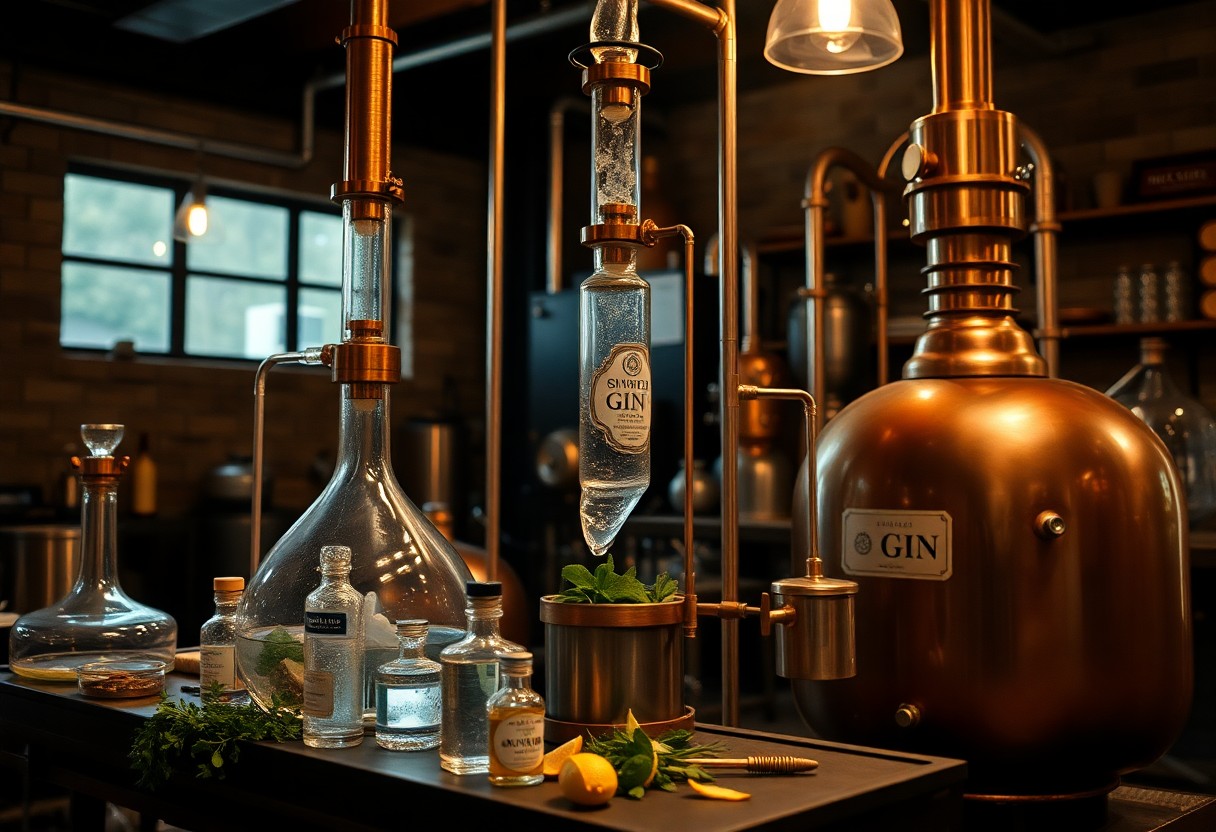
    Not only is the copper pot still an iconic symbol of gin production, but it also plays a vital role in shaping the spirit’s character. The unique properties of copper help to remove unwanted impurities and enhance the distillation process, ultimately transforming the raw ingredients into a smoother, more refined spirit. This traditional method allows distillers to maintain greater control over the entire process, ensuring that each batch of gin is a true reflection of their craft.

    Crafting Flavor Profiles

    Between the rich copper and the botanicals, the pot still serves as a canvas for flavor exploration. Each gin distiller uses a combination of herbs, spices, and other botanicals to create complex and memorable flavor profiles. The distillation process in a copper pot still allows the necessary oils from these ingredients to emerge beautifully, resulting in a spirit that captures the essence of the selected botanicals and showcases the distiller’s creativity.

    Influence on Purity

    Copper not only enhances the flavor of your gin but also impacts its purity. During distillation, the copper reacts with sulfur compounds present in the wash, eliminating unwanted flavors and odors. This chemical interaction ensures that your final spirit is free from harsh elements that might diminish its quality. By using a copper pot still, you are ensuring that what you sip is a cleaner, more enjoyable expression of the botanicals used.

    Flavor is paramount in gin, and the purity achieved through copper distillation greatly contributes to the overall tasting experience. Distillers cherish the way copper absorbs and neutralizes impurities, allowing the true characteristics of the botanicals to shine through. As a result, the gin produced is not just a drink; it’s a harmonious blend of flavors, elevated by the meticulous craftsmanship of distillers who rely on this time-honored process.

    The Art of Blending

    Many connoisseurs understand that the true magic of gin lies in the art of blending. This process transforms individual botanicals into harmonious flavor profiles, allowing a distiller to concoct unique interpretations. You might find that each batch of gin tells a story through its carefully curated blend, elevating the spirit from mere alcohol to an exquisite expression of creativity. By skillfully balancing ingredients, distillers create flavors that intrigue and delight, ensuring no two gins are ever the same.

    Creating Unique Flavors

    Along the journey of gin-making, you discover that creating unique flavors is an art form. Distillers experiment with various botanicals, ranging from classic juniper to unexpected elements like floral notes or exotic spices. Each ingredient contributes its character, merging to form a complex and often surprising taste experience, inviting you to savor every sip and explore the depths of flavor within your glass.

    Master Distillers at Work

    Any master distiller possesses an impressive array of skills, combining scientific knowledge with artistic flair. You’ll notice how their passion for craftsmanship drives them to perfect each blend, ensuring that every bottle embodies their vision and expertise. The patience and precision they apply to their work result in a product that not only reflects their individual style but also resonates with your palate, forging a deeper appreciation for the spirit.

    This dedication and artistry manifest as master distillers oversee each stage of gin production, from selecting botanicals to the final blending phase. You can appreciate their meticulous approach, as they pay close attention to temperature, timing, and flavor extraction, ensuring that every element harmonizes beautifully. Their ability to adapt and innovate plays a crucial role in pushing the boundaries of gin, inviting you to explore a vast world of flavors and aromas that continually evolve with each new batch.

    The Impact of Aging and Bottling

    Despite the fact that gin is often celebrated for its vibrant, botanical-forward profile, the aging and bottling processes play significant roles in establishing its final character. As distillers thoughtfully select when to bottle, they refine flavors, aroma, and overall mouthfeel, allowing the spirit to evolve into something unique and commanding. The very choice of vessel can further enhance the experience, creating a harmonious blend of tradition and innovation that transcends mere spirit consumption into a fine art form.

    Maturation Effects

    The aging process affects gin by allowing it to mellow and integrate various botanical flavors, resulting in a smoother and more complex profile. During maturation, subtle reactions can take place, with imperative oils from the botanicals harmonizing with the spirit. These transformations lead to a richer texture and an evolving palate that adds depth to your drinking experience.

    Packaging as Art

    Impact of the packaging design cannot be overlooked, as it significantly influences your perception of the gin inside. A captivating bottle elevates the overall experience, transforming the act of drinking into a visually enriching journey.

    Due to the artistry involved in creating unique bottle shapes and labels, packaging plays a vital role in establishing brand identity and consumer appeal. You’ll find that many distillers collaborate with artists to create exceptional designs that capture the essence of their gin. As you reach for a beautifully packaged bottle, you’re not just selecting a spirit; you’re engaging with a piece of art that reflects the craftsmanship and passion behind its creation.

    Conclusion

    With these considerations, you can appreciate how the alchemy of distillation elevates gin to a form of liquid art. The intricate balance of botanicals and meticulous distillation techniques allows you to experience a symphony of flavors in every sip. Understanding this transformation not only enhances your tasting experience but also deepens your connection to the craftsmanship behind each bottle. As you explore the world of gin, let the artistry of distillation inspire your palate and broaden your appreciation for this timeless spirit.

  • What Distinctive Terroirs Influence The Flavors Of Gin Across The Globe?

    What Distinctive Terroirs Influence The Flavors Of Gin Across The Globe?

    You might be surprised to learn that the flavors of gin are significantly shaped by its terroir, the unique environmental conditions of its production area. From the aromatic botanicals of the English countryside to the zesty citrus notes of Mediterranean gins, various regions contribute distinct tastes that reflect their local climate, soil, and traditions. In this post, you will explore how these diverse terroirs influence the complex profiles of gins around the world, enriching your appreciation of this versatile spirit as you sip your next cocktail.

    Understanding Terroir in Spirits

    To fully appreciate the diverse flavors in gin, it’s vital to understand the concept of terroir—how the unique climate, soil, traditions, and practices of a specific location influence the quality and character of spirits. Just as terroir defines the taste of wine, it plays a significant role in shaping the aromas and flavors found in gin, bringing life to each bottle with its distinctive regional essence.

    Definition of Terroir

    Along with the ingredients themselves, terroir encompasses the environmental factors that affect the growth of botanicals and the overall production process. This interplay highlights how aspects like geography, climate, and local craftsmanship contribute to the final product’s flavor profile, giving each gin a sense of place.

    Historical Context of Terroir in Alcohol

    Above all, the appreciation of terroir isn’t a modern concept; it has deep historical roots in the production of alcoholic beverages across the globe. From ancient civilizations recognizing the distinct flavors of their locally sourced ingredients to the emergence of iconic spirits tied to specific regions, the notion of terroir has evolved, shaping how you perceive and enjoy your drinks today.

    Terroir influences not only the taste but also the tradition and identity of spirits. Regions like Scotland are famed for their whisky, while France has made a name for its brandies, with both benefiting from specific environmental conditions that enhance their individuality. The historical significance of terroir is a narrative woven through the ages, reflecting the relationship between land, local culture, and craftsmanship in your favorite alcoholic beverages.

    Botanical Influences on Gin Flavor

    It is the diverse range of botanicals that profoundly shapes the flavor profile of gin, allowing for a vast array of tastes and aromas. These botanicals, which can include everything from herbs, spices, and roots to fruits and flowers, are often sourced from the regions where the gin is produced. Each location offers unique environmental factors that contribute to the distinct characteristics found in each bottle, making every gin a reflection of its origin.

    Common Botanicals and Their Regions

    Between the juniper berries that dominate gins from Italy to the coriander seeds commonly used in London Dry gins, there is a noticeable pattern in how specific botanicals are associated with certain regions. Ingredients like angelica root and citrus peels also play significant roles, each lending their unique properties that enhance the overall spirit. These regional choices impact not just flavor, but also the cultural connection you experience with the gin.

    Unique Local Botanicals and Their Impact

    Against the backdrop of common botanicals, unique local ingredients further elevate gin’s flavor, offering captivating experiences through their distinctiveness. Each region may showcase botanicals exclusive to its ecosystem, leading to vibrant variations while emphasizing local heritage. For example, gins made in South Africa often incorporate fynbos plants like buchu, imparting aromatic notes that speak to the land’s unique botanical bounty.

    In addition, local botanicals do more than just add flavor; they tell a story of place and culture, connecting you to the land where the gin is crafted. By incorporating native ingredients, distillers celebrate their local ecosystems while allowing you to experience a sense of belonging and authenticity in every sip. This connection elevates your appreciation for the gin, as you explore the intricate tapestry of flavors shaped by geography, climate, and tradition.

    Water Source and Its Effects

    Now, you may not realize it, but the water source used in gin production can significantly impact the spirit’s flavor profile. Different regions offer distinct mineral compositions, which can enhance or alter the taste of the botanicals in your gin. From soft, pure spring water to hard, mineral-rich sources, the characteristics of the water can shape the overall drinking experience, making it a key component in the art of gin distillation.

    The Role of Water Quality in Distillation

    One of the most important aspects of distillation is the quality of the water you use. High-quality water can elevate the subtleties of your botanicals and provide a clean base for your gin. Water with unwanted impurities can lead to off-flavors that mask the nuances intended by the distiller, impacting your final product dramatically.

    Notable Water Sources for Distilleries

    By exploring various regions, you’ll find that many distilleries pride themselves on using exceptional local water sources. These sources often become synonymous with their brands, adding an extra layer of authenticity to the gin you enjoy, enhancing not just the flavor, but the story behind it.

    To give you a better understanding, consider the famous Lake Geneva in Switzerland, which supplies soft, mineral-rich water to several renowned distilleries. Similarly, Scotland’s soft moorland water is praised for its purity and has been a key element in some of the finest spirits. The limestone-rich aquifers found in places like the United States and Ireland add unique characteristics that help to define the gin produced in those regions. As you sip your gin, take a moment to appreciate the journey of the water that shaped its distinct flavor profile.

    Climate and Its Role in Terroir

    Keep in mind that climate significantly shapes the terroir of gin, as it impacts not just the botanicals used, but also the overall character of the spirit. Regions with varying temperatures, humidity, and sunlight create unique growing conditions for the botanicals, resulting in distinct flavor profiles. Each climate contributes its own essence, allowing you to discover a diverse range of gins that reflect the environment in which they are produced.

    Seasonal Variations and Botanical Growth

    Role of seasonal variations is vital in determining the optimal growth periods for botanicals used in gin production. Different seasons provide varying amounts of sunlight and rainfall, impacting the flavor concentration in the herbs and spices. For instance, a mild spring can enhance aromatic properties, allowing you to experience complex layers of flavor in your gin that are distinctly tied to the climate of that particular region.

    How Climate Affects Distilling Practices

    On the other hand, climate also influences how distillers approach their craft, impacting everything from fermentation to distillation techniques. Different temperatures can change the rate of fermentation, while humidity may affect how spirits are aged and mingled. Understanding these factors enables you to better appreciate the nuances of each gin, as distillers often adapt their methods to accommodate local climate conditions and ensure the final product embodies the true essence of its terroir.

    With fluctuating climatic conditions, distillers need to be highly adaptable in their practices. For example, if a region experiences a particularly hot summer, it might necessitate adjustments in the distillation temperature or timing to ensure optimal extraction of flavors from the botanicals. Similarly, high humidity levels can lead to increased evaporation rates during aging, enriching the remaining spirit without compromising its quality. These adaptations are crucial for capturing the unique terroir and translating it into a bottle that offers a genuine taste of the environment from which it originated.

    Regional Distilling Techniques

    For gin enthusiasts, understanding the diverse regional distilling techniques is important, as they play a significant role in shaping the spirit’s unique character. Each area’s traditions and methods reflect local culture and resources, resulting in distinctive flavors and aromas. Exploring these varied techniques allows you to appreciate the nuances and craftsmanship behind the gin you enjoy, from artisanal to large-scale productions.

    Traditional Distilling Methods

    Distilling gin traditionally involves pot stills, where juniper berries and other botanicals are carefully combined to extract their flavors. This age-old process emphasizes the art of slow distillation, allowing the distiller to control the temperature and intensity, which ultimately enhances the gin’s aromatic profile. As you sip a craft gin made through these methods, you can taste the dedication to quality and heritage in every sip.

    Innovations in Modern Gin Production

    Innovations in modern gin production have revolutionized the industry, employing advanced techniques that enhance flavor extraction and creativity. Distillers now utilize vacuum distillation, cold compounding, and the infusion of exotic botanicals, pushing the boundaries of traditional gin-making. This evolution allows you to explore a broader range of flavors, textures, and aromas that you might not experience in conventional gins.

    In addition, innovative approaches such as utilizing unique sources of water and experimenting with unconventional herbs and spices have paved the way for the creation of distinctive craft gins. As a gin enthusiast, you’re afforded the opportunity to discover flavors that reflect both the distiller’s vision and the terroir from which each ingredient originates. This modern wave of gin production has made it a vibrant and ever-evolving spirit to enjoy.

    Notable Gin Regions Around the World

    Not many spirits can boast the global popularity and versatility that gin enjoys today. Various regions contribute unique flavors and characteristics to gin, as they utilize local botanicals, water sources, and traditional distilling methods. From the juniper-rich hills of Europe to tropical landscapes in the Caribbean, you’ll find gins that reflect their origin while invoking a sense of place and craftsmanship. Understanding these notable gin-producing regions allows you to appreciate the diversity of this spirit as you explore its unique flavor profiles.

    London Dry Gin and Its Heritage

    Notable for its distinct style, London Dry Gin is considered the benchmark for gins worldwide. With a heritage steeped in tradition, it emerged in the 19th century and is characterized by its bold juniper flavor, balanced with a variety of botanicals. The meticulous distillation process adds to its purity, allowing each flavor to shine through. When you sip on a glass of London Dry Gin, you’re not just enjoying a drink; you’re experiencing 200 years of history and craftsmanship that make this gin style truly iconic.

    Craft Gin Movements in Other Countries

    An increasing number of countries are embracing the craft gin movement, allowing local producers to put their unique spin on this popular spirit. These artisanal distilleries often focus on local ingredients, using indigenous botanicals to create gins that reflect their region’s culture and environment. You’ll find flavors inspired by everything from native herbs to regional fruits, expanding your palate and understanding of gin beyond traditional styles.

    Regions around the globe are discovering their own gin identities, driven by passionate distillers who seek to innovate. Countries like Australia, Japan, and the United States now boast vibrant gin scenes, where botanical experimentation replaces strict adherence to traditional styles. You might find Japanese gins infused with delicate cherry blossoms or Australian varieties highlighting native bush spices. As you explore these craft gins, you’ll not only taste the unique flavors but also gain insight into the local customs and history that inspire them.

    Summing up

    Summing up, understanding the distinctive terroirs that influence gin’s flavors allows you to appreciate each spirit’s unique character. From the botanicals sourced in the lush English countryside to the exotic spices found in Asian distilleries, your palate can be exposed to a spectrum of tastes shaped by the land and climate. By exploring regional variations in gin, you not only enhance your tasting experience but also gain insight into the cultural heritage that each bottle encapsulates. Embrace this journey to deepen your appreciation of this versatile spirit.

  • Can The Quintessence Of Juniper Be Reimagined In Contemporary Gin Creations?

    Can The Quintessence Of Juniper Be Reimagined In Contemporary Gin Creations?

    There’s a fascinating dialogue brewing in the world of gin, where the traditional essence of juniper is being reinterpreted by contemporary distillers. As you explore this vibrant landscape, you may find that innovative techniques and unique botanicals can elevate your gin experience, placing a spotlight on juniper while welcoming new flavors. This blog post researchs into how these modern approaches challenge the classic profiles of gin, inviting you to rethink what you know about this beloved spirit and discover how it can be reshaped for today’s palate.

    Historical Significance of Juniper

    The historical significance of juniper dates back centuries, as it has been celebrated for its aromatic properties and medicinal uses. You’ll find its roots embedded in various ancient cultures, where juniper was revered not only for flavoring beverages but also for its role in spiritual practices. This evergreen berry serves as a bridge connecting the past to present-day culinary and distillation arts, providing a rich heritage for modern gin creations.

    Traditional Uses in Distillation

    About the traditional uses of juniper, it has long been associated with the art of distillation. You may be surprised to learn that its berries were the primary botanical used in the creation of gin, stemming from a European tradition that sought to capture its complex flavor profile. Juniper’s distinct notes contributed to flavoring spirits, paving the way for the diverse world of contemporary gin today.

    Cultural Associations and Symbolism

    By exploring cultural associations and symbolism, you uncover the deep-rooted connections that juniper holds in various societies. Often seen as a protective herb, juniper has been utilized in rituals to ward off negativity, bringing with it a sense of safety and reassurance. Its presence in folklore and traditional practices highlights its multifaceted significance and the ongoing allure it holds for gin enthusiasts.

    This symbolic essence is further evident in its use in various cultural festivities and healing traditions. You can find juniper employed in cleansing ceremonies, where it is burned to purify spaces, reflecting its longstanding status as a powerful agent of protection. As you examine deeper into the world of gin, understanding these cultural associations enriches your appreciation for juniper’s role not only as a flavoring ingredient but as a living symbol of tradition and community connection.

    The Role of Juniper in Gin

    You might be surprised to learn that juniper is the heart and soul of gin, providing its unmistakable character and anchor for various botanical flavors. This aromatic berry not only defines gin but also sets it apart from other spirits. The legal definition of gin mandates that juniper be the predominant ingredient, leading to diverse interpretations that cater to different palates. Understanding the role of juniper allows you to appreciate the complex landscape of flavors that modern distillers are creating in gin today.

    Flavor Profile and Distinct Characteristics

    Against the backdrop of its prominent pine notes, juniper offers a rich tapestry of flavors that can range from earthy to sweet, with hints of citrus, resin, and spice. This complexity allows for a versatile foundation in gin that can harmonize with other botanicals, making each expression unique. As you explore different gin varieties, you’ll notice how the juniper’s character influences the overall taste and aroma, inviting you to discover what resonates best with your palate.

    Juniper Varieties and Their Impact

    Impact on flavor profiles largely hinges on the type of juniper used in gin production. Each variety imparts distinct characteristics, contributing to the spirit’s overall complexity. From the sharp, zesty notes of common juniper to the mellower, sweeter profiles found in others, your choice of gin can transport you through a landscape of flavors based on these botanical selections.

    Juniper berries come in several varieties, each developing unique flavor profiles influenced by factors like region and climate. For example, Mediterranean juniper often delivers a sweeter and more aromatic taste, while the North American variant can impart a more piney and robust character. This variation allows distillers to craft gins that reflect their terroir, enabling you to experience a sense of place with each sip. When choosing your gin, taking the time to understand these differences can elevate your tasting experience, guiding you toward your favorite expressions.

    Contemporary Gin Trends

    Assuming you’re exploring the exciting world of gin today, you’ll notice a vibrant landscape where tradition meets innovation. With a growing appreciation for unique flavor profiles, contemporary gin is evolving, embracing not only the classic juniper but also a variety of exotic botanicals. This renaissance invites gin enthusiasts like you to discover new palate experiences that elevate this timeless spirit, allowing you to connect with its heritage in a fresh context.

    Innovative Ingredients and Flavor Pairings

    After years of sticking to the traditional ingredients, modern gin distillers are pushing boundaries by experimenting with unconventional botanicals. From floral notes like hibiscus and chamomile to savory spices like black pepper and cardamom, the potential for flavor pairings is limitless. By trying these innovative combinations, you can uncover new dimensions of gin that excite your taste buds and inspire your cocktails.

    Craft Distilling and Small Batch Production

    About the craft distilling movement, it emphasizes quality over quantity, skillfully crafting gin in small batches. This method allows distillers to maintain control over every aspect of production, ensuring each bottle reflects their unique vision and character. As a gin enthusiast, you can appreciate the artisanal approach and personalized flavors that small-batch producers bring to the table, often highlighting local ingredients and sustainable practices.

    To truly understand the importance of craft distilling and small-batch production, you should explore the stories behind these brands. Each distiller often pours their passion and creativity into the gin-making process, allowing you to enjoy artisanal spirits that showcase regional botanicals and traditional techniques. This attention to detail not only enhances the flavor but also fosters a deeper connection between you and the distillation process, making every sip of gin a unique experience worth savoring.

    Reimagining Juniper in Modern Creations

    For contemporary gin enthusiasts, the spirit of juniper isn’t merely a traditional cornerstone; it’s an avenue for creative exploration. By experimenting with diverse botanicals and innovative distillation techniques, you can uncover new flavor profiles that celebrate but also expand upon the essence of juniper. Modern distillers are embracing this challenge, merging heritage with avant-garde concepts to produce gins that engage the palate in exciting ways.

    Bold New Infusions and Recipes

    Below are examples of bold new infusions and recipes that push the boundaries of traditional gin while still honoring juniper’s foundational role:

    • Lavender and Lemon Zest Gin – Combining floral notes with citrus for a refreshing twist.
    • Spicy Chai Gin – Infusing traditional gin with chai spices for a warm, complex flavor.
    • Berry Blend Gin – Utilizing seasonal berries to create vibrant, fruity gins.
    • Herbal Garden Gin – Incorporating fresh herbs like basil and rosemary for an earthy tone.

    Case Studies of Distillers Leading the Change

    After examining trends in gin distillation, you’ll find several distillers at the forefront of this juniper evolution:

    • Seedlip – The world’s first non-alcoholic spirit, uses unique plant distillation techniques, resulting in three varieties that highlight diverse flavor profiles.
    • Monkey 47 – A Black Forest gin incorporating 47 botanicals, showcasing an intricate balance between juniper and other flavors.
    • Hendrick’s – Known for its infusion of cucumber and rose, expanding the traditional gin experience into uncharted territory.
    • Sipsmith – Pioneering the revival of traditional craftsmanship while experimenting with unusual botanicals.

    For instance, Seedlip’s approach has not only revolutionized the non-alcoholic sector but also inspired traditional distillers to contemplate new possibilities with juniper. Monkey 47 stands out with its diverse botanical mix, supported by its impressive popularity, with shares growing by 20% annually. Hendrick’s has seen a 30% increase in sales directly attributed to its inventive infusions, proving that consumers are eager for innovation. Lastly, Sipsmith’s commitment to hand-crafted distillation emphasizes quality and authenticity, driving a renaissance in the gin market and encouraging you to explore these remarkable creations.

    Consumer Preferences and Trends

    Keep in mind that the evolving landscape of consumer preferences is shaping the future of gin. As drinkers seek out more diverse and innovative options, your understanding of these trends will enhance your appreciation for contemporary gin creations. Tailoring your palate to accommodate these preferences can lead to exciting tasting experiences and a deeper connection to the gin community.

    The Rise of Gin Popularity

    Against a backdrop of cocktail culture resurgence, gin has experienced a remarkable surge in popularity. The revival of classic cocktails and the creative twists put on them have made gin a staple on bar menus everywhere. With its versatility and wide-ranging flavor profiles, you may find that gin fits perfectly into your social and culinary experiences, inviting you to explore new combinations and styles.

    Market Demand for Unique Flavors

    Across the globe, consumers are increasingly interested in unique and exotic flavors in their beverages, leading to a heightened demand for innovative gin blends. As you sample these diverse options, you’ll discover an abundance of profiles influenced by botanicals from various regions. This trend encourages distillers to experiment, allowing you to enjoy distinctive and refreshing spins on traditional gin.

    Indeed, as you probe into the market demand for unique flavors, you’ll find that the fusion of traditional juniper with unconventional botanicals is transforming the gin landscape. Craft distillers are eager to respond to your craving for novelty, experimenting with ingredients such as floral, herbal, and even savory notes. This ongoing exploration not only reflects your diverse tastes but also broadens the horizon for gin enthusiasts, paving the way for a vibrant and dynamic drinking culture where inventive flavors take the spotlight.

    Challenges of Reinterpreting Juniper

    Despite the rich heritage of juniper in traditional gin-making, reinterpreting its essence poses various challenges. You must consider the delicate balance of flavors while experimenting with innovative techniques and ingredients. This task requires a nuanced understanding of juniper’s profile, ensuring that its unique characteristics shine through in your contemporary creations. Furthermore, the existing stigma surrounding unconventional gin can limit your potential audience, making it important to navigate this landscape carefully.

    Balancing Tradition with Innovation

    Below the surface of innovation lies a deep-rooted tradition that you must respect when creating new gin. This balance is pivotal in ensuring that your reinterpretation resonates with both gin aficionados and adventurous drinkers. You can achieve this by infusing contemporary flavors while retaining the classic juniper backbone, creating a bridge between the past and present.

    Navigating Consumer Expectations

    Across the ever-evolving spirits market, consumer expectations continuously shape the landscape of gin production. Understanding your audience becomes important as you begin on reimagining juniper’s role in contemporary creations. Consumers often have preconceived notions about gin that can either challenge or inspire your innovative approaches.

    And as you explore new flavor profiles, it’s vital to communicate your artistic intentions clearly. You want to engage your audience’s curiosity while also honoring their expectations. By educating consumers about the process and intention behind your creations, you can foster a stronger connection to this traditional ingredient and invite them to try your innovative interpretations with open minds.

    Conclusion

    Ultimately, you can appreciate how the quintessence of juniper continues to be reimagined in contemporary gin creations. By exploring innovative infusions and production techniques, distillers are pushing the boundaries of flavor while honoring the traditional essence of this beloved spirit. This dynamic evolution invites you to experiment with various gin styles, enhancing your tasting experiences and finding new favorites that resonate with your palate. Enjoy the journey of discovering how juniper can inspire both classic and avant-garde gin expressions.

  • What Heretical Garnishes Revolutionize The Classic Gin And Tonic Experience?

    What Heretical Garnishes Revolutionize The Classic Gin And Tonic Experience?

    Gin lovers around the world are embracing innovative garnishes that elevate the traditional gin and tonic to new heights. You might be surprised to discover how unconventional ingredients can enhance the refreshing qualities of your favorite spirit, transforming a familiar drink into an extraordinary experience. In this post, you will learn about creative garnishes that go beyond the classic lime or cucumber, empowering you to impress your guests and tantalize your taste buds with bold flavors and unique presentations. Get ready to rethink your gin and tonic!

    The Evolution of the Gin and Tonic

    While the gin and tonic has long been celebrated for its refreshing simplicity, its journey through the ages reflects significant cultural and culinary transformations. Originally a medicinal tonic, this delightful drink has evolved into a staple of social gatherings, adapting to various tastes and trends. Today, you can find countless variations that showcase both traditional and contemporary twists, highlighting the drink’s versatility and enduring popularity.

    Historical Background

    Against the backdrop of the British colonial era, gin and tonic emerged as a means to combat malaria, with quinine-laden tonic water serving as the key ingredient. Initially seen as a health remedy, it wasn’t long before the combination of gin and tonic became a symbol of sophistication in British culture. You may appreciate how this historical context has shaped the complex flavors you now enjoy.

    Modern Interpretations

    Before exploring into the sea of modern gin and tonic variations, you should know that many bartenders and mixologists are redefining this classic drink. With an array of gins infused with unique botanicals and artisanal tonic waters, the options are limited only by your imagination. Explore the invigorating combinations that can elevate your drinking experience.

    The gin and tonic has undergone a remarkable transformation, thanks to innovative bartenders eager to push culinary boundaries. You can now experiment with botanicals like cucumber, rosemary, or even exotic spices, complementing your chosen gin. Craft tonic waters featuring unique flavors such as Mediterranean herbs or grapefruit are becoming increasingly popular, providing a creative canvas to express your personal taste. This evolving landscape of gin and tonics invites you to explore a world of flavors that can elevate your drinking rituals into a truly remarkable experience.

    Traditional Garnishes and Their Roles

    Some garnishes have stood the test of time in the classic gin and tonic, each playing a distinctive role in enhancing the overall experience. From the refreshing zest of lime to the aromatic allure of herbs like rosemary, these traditional ingredients not only visually elevate your drink but also introduce complementary flavors that harmonize brilliantly with the botanicals in your gin.

    Classic Ingredients

    Above all, the classic ingredients in your gin and tonic include lime, cucumber, and even various types of berries. Each of these garnishes contributes a unique flavor profile that balances the spirit’s bitterness and highlights its botanical notes. You can elevate your drink by incorporating these familiar tastes that have become synonymous with this timeless cocktail.

    The Science of Flavor Pairing

    By understanding the science of flavor pairing, you can craft a gin and tonic that tantalizes your taste buds in unexpected ways. Flavor pairing is about matching ingredients based on complementary or contrasting flavor compounds, which can create a well-rounded and satisfying drink.

    Pairing different garnishes with your gin can transform a standard tonic into a flavor-rich journey. For instance, combining juniper-forward gins with the bright acidity of citrus or the earthiness of herbs can unlock new dimensions of flavor. Additionally, experimenting with unconventional ingredients like cardamom or lavender not only personalizes your drink but also invites a deeper exploration of how different tastes interact, making every sip a delightful experience.

    Innovative Garnishes to Enhance Experience

    Even the most classic gin and tonic can be transformed with innovative garnishes that elevate your drinking experience. By stepping outside the traditional lemon and lime, you can explore a world of flavors that not only exude creativity but also complement the botanical notes of gin. Whether you prefer vibrant aromas or subtle twists, the right garnishes invite you to discover new dimensions in every sip.

    Exotic Fruits and Herbs

    Around the globe, exotic fruits and aromatic herbs can provide a captivating twist to your gin and tonic. Think of adding fresh lychee, passion fruit, or even dragon fruit for a burst of color and sweetness. Pair these with fragrant herbs such as basil or mint, and you’ll create a refreshing concoction that tantalizes your senses and surprises your palate.

    Unexpected Spices

    Below the surface of traditional garnishes lies a realm of unexpected spices that can add depth to your gin and tonic. Simple ingredients like black peppercorns or a sprinkle of cardamom can invigorate your drink, introducing a warmth that balances nicely with the botanicals in your gin. Unique spices help break the mold, inviting you to experience flavors you might not have considered before.

    At the heart of your gin and tonic revolution lies unexpected spices that can dramatically transform your drink experience. Consider infusing your gin with a dash of coriander, cinnamon, or even a touch of chili to introduce an intriguing warmth or zest. Each spice you experiment with will invoke a different character that ties in harmoniously with your chosen gin, expanding your flavor profile and personalizing your drink in delightful ways. Step out of your comfort zone, and you may uncover a tantalizing combination that becomes your new favorite.

    Crafting Personalized Gin and Tonics

    Once again, the art of crafting a personalized gin and tonic invites you to explore your preferences and initiate on a flavor journey tailored to your palate. By experimenting with various botanicals, mixers, and garnishes, you can elevate this classic drink to meet your unique taste. The possibilities are endless, whether you prefer bold flavors or subtle notes, making it an exciting endeavor to find the perfect blend that speaks to you.

    Customization Techniques

    One effective way to customize your gin and tonic involves selecting complementary botanicals that enhance your chosen gin. By considering the flavor profiles of gins, you can create a harmonious blend by choosing mixers and garnishes that accentuate those notes. Add fresh herbs, fruits, or spices to create a bespoke drink that is a true reflection of your style.

    Seasonal and Regional Influences

    Among the many ways to personalize your gin and tonic are seasonal and regional influences that can shape your selection of ingredients. This approach infuses your drink with local character, allowing you to embrace the essence of your surroundings while celebrating seasonal flavors. Using fresh, in-season ingredients not only guarantees optimal flavor but also enhances the overall drinking experience.

    Personalized gin and tonics inspired by seasonal and regional influences offer a great opportunity to connect your drink to the environment. Experimenting with local fruits, herbs, and spices highlights the diversity of flavors available and allows you to embrace the spirit of your area. Whether it’s fresh berries in the summer or warming spices in winter, incorporating seasonal elements can elevate your G&T, making each sip a celebration of time and place.

    The Art of Presentation

    To elevate your gin and tonic experience, the art of presentation plays a significant role. While the core ingredients are imperative, the way you serve your cocktail can influence your enjoyment. From bold colors to elegant-finished drinks, how you showcase your concoction adds an element of sophistication, enticing your guests to indulge in the unique flavors you’ve curated.

    Glassware and Serving Styles

    Above all, the choice of glassware can dramatically affect the overall presentation of your gin and tonic. Opting for classic highball glasses, sophisticated coupes, or even creative jars can set the tone of your drink. Experimenting with serving styles, such as ice cubes shaped in unique molds or adding a cocktail stirrer, can also heighten the aesthetic appeal and enhance the sensory experience.

    Visual Appeal of Garnishes

    About the garnishes, the visual components can transform your drink from simple to stunning. With a vibrant array of herbs, fruits, and spices, these elements not only contribute flavor but also create an eye-catching display. Let your creativity shine by layering textures and colors that reflect your personal style, all while maintaining a harmonious balance between the classic and the avant-garde.

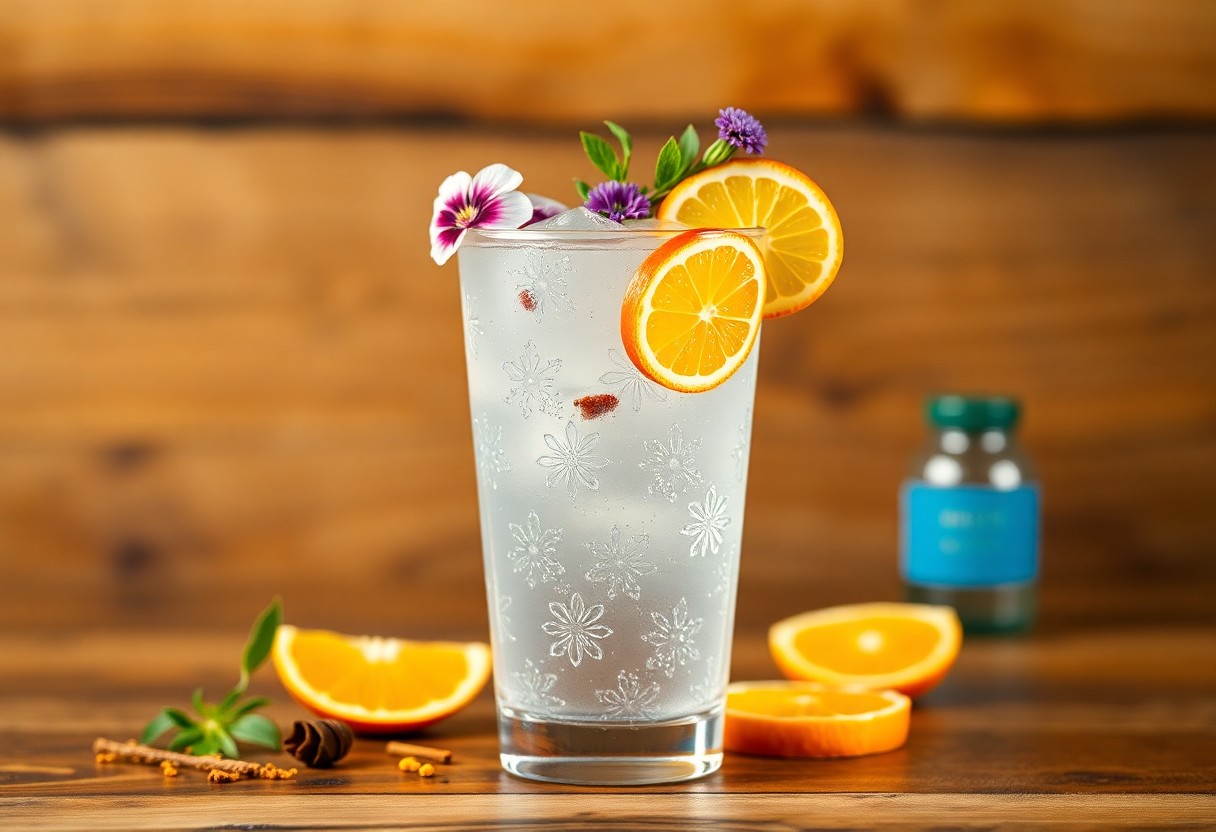
    To truly captivate your audience, focus on combining colors, shapes, and unique flavors in your garnishes. Citrus peels, edible flowers, or sprigs of fresh herbs can add a striking contrast to the base of your gin and tonic. By playing with different layers and arranging garnishes in unexpected ways, you can create a visual feast that invites curiosity and prompts those around you to experience this elevated take on a traditional favorite.

    Exploring Gin Varieties

    Many enthusiasts believe that the journey of enhancing your gin and tonic begins with understanding the variety of gin available. Each type boasts its unique characteristics, contributing differently to your drink and transcending the traditional experience. With your choice of gin acting as a foundation, the possibilities for innovative garnishes expand exponentially. Explore diverse gins to elevate your cocktail game.

    Flavor Profiles of Different Gin Types

    By examining the flavor profiles of various gin types, you can better appreciate how each impacts your cocktail. Here are some of the key distinctions:

    Type of Gin Flavor Profile
    London Dry Crisp, juniper-forward with herbal notes
    Old Tom Lightly sweet with floral and citrus undertones
    Naval Strength Intense, high-proof with rich, bold spices
    Sloe Gin Fruity, sweet with an earthy aftertaste
    New Western Creative, with flavor profiles ranging from floral to citrus

    Thou must explore these profiles to find the one that resonates with your palate.

    Pairing Gin with Unique Garnishes

    An exciting part of enhancing your gin and tonic is pairing it with unique garnishes that complement the gin’s characteristics. The right garnish not only elevates the presentation but also amplifies the taste experience. You can experiment with a variety of herbs, fruits, and spices, leading to countless variations that surprise and delight your taste buds.

    Further, consider how each garnish interacts with the distinct notes of your chosen gin. For example, pairing a London Dry gin with fragrant rosemary can enhance its herbal notes, while a slice of cucumber with a New Western gin brings out its refreshing citrus tones. Additionally, the use of spices such as pink peppercorn adds an unexpected twist and complexity to the classic G&T. By experimenting with these combinations, you can customize the drinking experience to suit your preferences and impress your guests. The journey of pairing is an adventure unto itself, and you are the curator of this delightful exploration.

    Summing up

    So, as you explore the heretical garnishes that can revolutionize your classic gin and tonic experience, consider experimenting with unique ingredients like cucumber, fresh herbs, or even exotic fruits. These unconventional additions not only enhance the visual appeal of your drink but also elevate its flavor profile. By stepping outside the traditional boundaries, you can create a more personalized and sophisticated gin and tonic that reflects your taste preferences. Embrace these innovative garnishes to redefine your enjoyment of this timeless cocktail.

  • How Do Ancient Infusions Resurface In Modern Gin Crafting Techniques?

    How Do Ancient Infusions Resurface In Modern Gin Crafting Techniques?

    Infusions have played a pivotal role in the world of gin for centuries, weaving flavors and aromas that reflect both tradition and innovation. You may find it fascinating how ancient methods are integrated into modern crafting techniques, elevating the spirit to new heights. In this blog post, you’ll explore how historic botanical combinations and infusion processes are making a comeback, influencing contemporary distillers and enhancing your gin-tasting experience. Understanding these connections will deepen your appreciation for the art of gin crafting and the rich history behind every bottle.

    Historical Context of Infusions

    Your understanding of gin’s evolution is incomplete without appreciating the rich history of infusions. Ancient civilizations explored the flavors and medicinal benefits of various botanicals, often through infusing herbs and spices in alcohol. This practice, steeped in tradition, laid the groundwork for modern gin crafting techniques, where the art of infusion continues to thrive and evolve.

    Ancient Infusion Techniques

    Beside using botanicals for flavor, ancient cultures mastered various infusion techniques by employing processes like steeping and maceration. From the Egyptians to the Chinese, these methods were often aimed at extracting the healing properties of plants, which speaks to the deep-rooted relationship humans have had with nature’s offerings.

    Cultural Significance of Herbal Ingredients

    An imperative aspect of infusion practices lies in the cultural significance of herbal ingredients. Different societies have long attributed specific meanings and healing properties to various plants, paving the way for their inclusion in alcoholic beverages.

    Considering the diverse flora available across cultures, the herbs and botanicals you’d find in ancient infusions often reflected their geographical and social contexts. For instance, juniper, known for its protective qualities, became iconic in gin, while other plants served both nutritional and medicinal roles. This connection not only shaped local traditions in distillation but also highlights how cultures used infusions to strengthen community bonds and share knowledge about the landscape around them.

    The Evolution of Gin Crafting

    If you explore the history of gin, you’ll uncover a fascinating journey from aromatic pot stills to sophisticated modern techniques. Gin crafting has significantly evolved, merging traditional methods with innovative practices to satisfy the ever-changing palate of spirits enthusiasts. Through this evolution, ancient infusions have found their way back into contemporary recipes, enriching the gin experience and celebrating its storied past. This chapter will explore into key processes that have continued to shape gin, ensuring it remains both classic and relevant in the spirits market.

    Traditional Distillation Methods

    An crucial part of gin’s heritage is its traditional distillation methods. Originating in the Middle Ages, these processes involved the meticulous distillation of malt wine infused with juniper berries and various botanicals. You will appreciate how these techniques laid the groundwork for modern practices, allowing flavor profiles to develop in unique ways while preserving the essence of the ingredients used. Each step reflects an artisanal essence that continues to influence today’s gin makers.

    The Role of Botanicals in Flavor Development

    On your journey to understand gin crafting, the role of botanicals becomes apparent as a defining factor in its flavor profile. They are not merely additive; rather, they interact with the spirit to create depth and complexity, transforming gin into a versatile canvas for mixology.

    It is through the careful selection and combination of botanicals that unique flavors emerge. You may encounter traditional botanicals like coriander and angelica root, alongside innovative choices such as hibiscus or lemongrass, each contributing to the gin’s overall character. This interplay between different ingredients allows you to experience the evolving landscape of gin while paying homage to its roots. As you explore various brands and craft gins, you’ll find that the use of botanicals serves as a key pillar in crafting distinctive profiles that resonate with your taste preferences.

    Modern Trends in Gin Production

    It’s fascinating to see how modern gin production embraces both innovation and tradition. Craft distillers are continually experimenting with various botanicals and infusion methods, leading to a dynamic range of flavors that pay homage to gin’s storied past. Your experience with gin today is shaped by the resurgence of these ancient practices that inspire contemporary crafting techniques, giving you a taste of history in each sip.

    Revival of Historical Infusion Techniques

    Above all, the revival of historical infusion techniques has become a defining element of modern gin crafting. You can find distillers researching methods used centuries ago, utilizing fresh and dried botanicals in innovative steeping processes, which bring depth and complexity to the final spirit. This approach not only honors the rich traditions of gin but also allows you to enjoy an authentic connection to its heritage.

    Innovative Approaches to Flavoring

    The innovative approaches to flavoring gin have transformed the way you perceive this classic spirit. By incorporating unusual ingredients and novel techniques, distillers craft unique profiles that can surprise and delight your palate. From cold-distilled botanicals to barrel-aging experiments, these methods enable a diverse range of flavors that appeal to your modern preferences.

    Considering the adventurous nature of today’s gin drinkers, distillers are increasingly blending unexpected botanicals like exotic fruits, spices, or even local herbs that reflect regional characteristics. You may encounter gins infused with lavender, sea buckthorn, or even tea, elevating the flavor experience. This creativity not only showcases the versatility of gin but also invites you to explore new taste horizons, ensuring your palate is constantly engaged, and your cocktail experience remains exciting and fresh.

    Case Studies of Ancient-Inspired Gins

    Now, you can explore several fascinating case studies that showcase the revival of ancient infusion techniques in modern gin crafting:

    • 1. Tanqueray No. Ten: Inspired by traditional botanical recipes, it utilizes whole fruits to enhance flavor.
    • 2. Sipsmith V.J.O.P: Based on historical methods that emphasize a higher juniper content, it appeals to gin purists.
    • 3. Beefeater 24: Incorporates rare Chinese teas and Japanese Sencha, reflecting a blend of global influences.
    • 4. Plymouth Gin: Upholds a recipe dating back to the 1790s while still meeting modern quality standards.
    • 5. Hendrick’s: Uses a mix of traditional cucumbers and roses, giving it a unique twist on age-old practices.

    Brands Utilizing Historical Recipes

    For many brands, leaning into historical recipes has become a way to differentiate their products in a competitive market. They often create gins that celebrate traditional botanicals and distilling methods, allowing you to experience the authentic flavors of the past while enjoying the comforts of contemporary craftsmanship.

    Consumer Reception and Market Impact

    Gins inspired by ancient recipes have seen a remarkable rise in consumer interest, attracting both gin enthusiasts and curious newcomers alike. This trend resonates with your desire for authenticity and craftsmanship in the products you choose.

    Also, the resurgence of gins that mimic historical infusions has led to a noticeable shift in market dynamics. Many consumers are gravitating toward brands that tell a story, as they appreciate the connection between the past and the present. This has encouraged distilleries to emphasize their heritage, creating a niche that offers not just a drink, but an experience that resonates with your appreciation for tradition and innovative flavor profiles.

    The Science Behind Infusions

    Unlike traditional distilling methods, modern gin crafting integrates a deep understanding of the scientific principles behind infusions. By harnessing the power of botanicals and their unique properties, you can create distinctive flavor profiles and aromas that elevate your gin experience. Through precise temperature control and steeping durations, you can draw out crucial oils and compounds, ultimately transforming your spirit into a complex and aromatic libation.

    Chemical Interactions of Botanicals

    Among the many factors that influence gin infusions, the chemical interactions of botanicals play a significant role. Different botanicals contain various compounds, such as terpenes and flavonoids, which can interact synergistically or antagonistically during the infusion process. This means that understanding these interactions allows you to better predict how the final product will taste and smell.

    Impact on Taste and Aroma Profiles

    Interactions between botanicals can significantly shape the taste and aroma profiles of your gin. The array of flavors you experience arises from both the individual characteristics of each botanical and their collaborative blending. For instance, the addition of citrus might amplify freshness, while spices introduce warmth. Therefore, by carefully selecting and combining botanicals, you can design a nuanced and captivating flavor journey for your palate.

    Behind every exotic and delightful gin lies a carefully orchestrated symphony of botanicals, each contributing to the overall taste and aroma. When you explore combinations, be mindful of how flavors can complement or clash with one another. This interplay can lead to unexpected results, so keeping records of your experiments is beneficial. By mastering these interactions, you can unlock a world of unique and harmonious gin infusions that delight the senses and encourage exploration of flavor complexities.

    Future Directions in Gin Crafting

    Many distillers are embracing innovative techniques, combining age-old methods with modern technology to create unique gin experiences. As consumer preferences shift, you may find that botanical experimentation and local sourcing become increasingly pivotal in crafting distinctive spirits. The future of gin not only depends on reimagining traditional infusions but also on the creativity and palate of both makers and drinkers alike.

    Potential for Further Historical Exploration

    After a resurgence of interest in historical botanicals, there is ample opportunity for you to explore lesser-known recipes and infusion techniques from the past. By investigating ancient texts and regional practices, you can discover fascinating ingredients that could inform contemporary gin crafting, fostering a deeper connection between tradition and innovation.

    Sustainability and Ethical Considerations

    Across the gin industry, a growing emphasis on sustainability and ethical practices influences how you approach crafting and enjoying your favorite spirits. Distillers are increasingly prioritizing ecological awareness and social responsibility, which can directly impact your choices as a consumer.

    At this intersection of craft and conscience, you can explore gins made from sustainably sourced botanicals and environmentally friendly practices. Distillers are taking steps like utilizing regenerative agriculture for their ingredients, adopting eco-friendly packaging, and minimizing water usage. By choosing brands that prioritize these values, you actively participate in a movement that not only enhances your drinking experience but also supports the planet and community wellbeing. This ethical approach to gin crafting will not only shape the market but also inform your personal taste and values in every pour.

    Summing up

    Drawing together the threads of ancient infusions with modern gin crafting techniques reveals a rich tapestry of flavors and traditions. You can explore how historical botanical practices inform current recipes, enabling you to create unique spirits that pay homage to the past while appealing to contemporary palates. By incorporating age-old ingredients and infusion methods, your gin can tell a story, bridging time and culture, ultimately enriching your craft and inviting your audience on a flavorful journey through history.

  • What Role Does Celestial Harmony Play In Perfecting Gin’s Flavor Profile?

    What Role Does Celestial Harmony Play In Perfecting Gin’s Flavor Profile?

    Most gin enthusiasts overlook the impact of celestial harmony on flavor development, yet it plays a significant role in crafting the perfect spirit. By exploring the interplay between lunar phases and herbal growth cycles, you’ll gain insights into how the natural world influences gin’s botanical balance. Understanding this relationship can enhance your appreciation of gin and guide your choices when selecting or mixing your favorite brands. Join us as we investigate into the fascinating connection between celestial harmony and the intricate flavor profiles of gin.

    Understanding Celestial Harmony

    Before stepping into the intricate world of gin, it’s important to grasp the concept of celestial harmony. This principle reflects the balance and connection between natural elements, which play a pivotal role in the distillation and flavoring processes of gin. By understanding celestial harmony, you can appreciate how the alignment of ingredients, environment, and even the time of year impacts the gin you enjoy.

    Definition and Components

    The components of celestial harmony encompass the relationships between botanicals, water sources, and atmospheric conditions that affect flavor. These elements must work together in perfect harmony to create a gin that delivers a well-rounded tasting experience. This synergy ensures that each ingredient complements rather than clashes with the others, enhancing your appreciation for gin.

    Historical Context

    Historical records unveil that the pursuit of harmony between celestial elements and flavor dates back centuries, particularly within ancient distilling practices.

    Considering this historical context, you’ll find that distillers have long believed in the influence of the cosmos on their creations. Many cultures traditionally aligned their brewing schedules with celestial events, using lunar phases and seasonal changes to perfect their gin’s flavor profile. This deep-rooted connection not only emphasizes the importance of celestial harmony in distilling but also showcases how centuries of craftsmanship continue to influence modern gin today.

    The Science of Flavor in Gin

    The intricate science of flavor in gin stems from its unique combination of botanicals and distillation processes. As you probe deeper into the world of gin, you’ll find that various ingredients contribute to its aromatic and taste profile, resulting in a delightful experience with each sip. Understanding these components allows you to appreciate and select gins that suit your palate and elevate your drinking experience.

    Key Flavor Profiles in Gin

    By exploring the key flavor profiles in gin, you will uncover the primary elements that shape its character. Juniper berries often serve as the backbone, imparting earthy and pine-like flavors. Additionally, citrus, floral, and spice notes can enhance the complexity, enriching the overall sensory experience. Recognizing these profiles enables you to choose gins that appeal to your preferences.

    Role of Botanicals and Distillation

    Flavor plays a pivotal role in your gin experience, driven by the diverse botanicals and the meticulous distillation process. Each botanical adds its unique essence, whether it’s the depth from coriander seeds, the brightness from citrus peels, or the herbal qualities from herbs. The distillation process further refines these flavors, allowing the master distiller to balance and highlight specific notes, resulting in a well-rounded final spirit.

    Plus, the interplay between botanicals and distillation techniques can greatly impact the flavor profile of gin. You may find that some distillers employ vapor infusion, where botanicals are placed in the vapor path of the distillation process, resulting in lighter and more fragrant aromas. In contrast, others may choose maceration, allowing botanicals to steep in the base spirit before distillation, which can lead to a more robust and bold flavor. Understanding these methods enhances your appreciation of the craftsmanship behind every gin, helping you choose a spirit that resonates with your taste preferences.

    Celestial Influences on Botanical Growth

    It is widely recognized that the celestial movements have a profound effect on the growth and development of botanicals used in gin production. Factors such as the alignment of planets, the moon’s position, and seasonal cycles influence the flavors, aromas, and overall quality of the plants you cultivate. By understanding these cosmic interactions, you can harness their potential to perfect your gin’s flavor profile.

    Lunar Phases and Plant Development

    About many botanists and distillers observe the phases of the moon to determine the optimal times for planting and harvesting. The waxing moon, for instance, is said to promote growth, while the waning moon is considered ideal for harvesting, as it encourages plants to focus energy on flavor concentration.

    Astrological Timing in Harvesting

    Celestial influences also extend to the timing of your harvesting based on astrological patterns. Different planets govern certain crops, and by aligning your harvest with these planetary movements, you can enhance the vibrancy of the botanicals, ensuring that your gin reflects the utmost quality.

    With careful attention to astrological timing, you can elevate the process of harvesting your botanicals. By selecting dates that are astrologically favorable for the crops you’re using, you’ll be able to ensure that the flavors are at their peak. This practice, which has roots in traditional agriculture, allows you to capture not just the essence of the plants but also the nuances that can enhance your gin’s complexity.

    The Art of Crafting Gin

    Despite the allure of commercial spirits, the art of crafting gin invites you into a world of creativity and precision. Each batch of gin offers an opportunity to explore diverse botanicals and flavor combinations, allowing you to express your own taste preferences. By understanding both the science and the artistry behind gin-making, you can enhance your palate and appreciate the subtleties that characterize this versatile spirit.

    Traditional Methods vs. Modern Techniques

    Before embracing modern innovations, it’s important to consider the traditional methods that have defined gin production for centuries. Techniques such as pot distillation and the use of classic botanicals highlight the craftsmanship involved in creating gin. While contemporary methods may streamline processes or introduce new flavors, understanding these foundational practices can enrich your appreciation for the spirit’s heritage.

    Importance of Timing and Celestial Alignment

    Above all, the timing of your distillation process can significantly affect the final flavor profile of your gin. Celestial alignment, including lunar phases and seasonal changes, is believed to influence the quality of botanicals and the overall essence of your spirit. By paying attention to these natural cycles, you can elevate the characteristics of your gin and create a product that resonates with harmony.

    Modern gin distillers often recognize that aligning their distillation processes with celestial events can enhance the flavors of their botanicals. For example, harvesting botanicals during a full moon is thought to amplify their aromatic qualities. By observing the moon’s phases and other natural cycles, you can make informed decisions about when to distill, infusing your gin with a distinct sense of place and time, ultimately crafting a more complex and refined flavor profile that reflects the rhythmic patterns of nature.

    Case Studies of Successful Gins

    Once again, a look at several gins illustrates how celestial harmony influences flavor profiles. These case studies highlight various successful brands that have effectively utilized atmospheric elements in crafting their gin:

    • Hendrick’s Gin – Balances floral notes with cucumber infusion, leading to a unique taste; 92 points in consumer ratings.
    • Tanqueray No. Ten – Uses citrus botanicals with a perfect balance of juniper; achieved 90 points from experts.
    • Monkey 47 – Combines 47 botanicals, resulting in complex flavors; noted for 95 points from gin enthusiasts.
    • Beefeater 24 – Incorporates Japanese teas and Asian botanicals, earning a 91-point score from taste testers.

    Examples of Celestial Harmony in Practice

    An exploration of these gins reveals how celestial harmony, such as seasonal influences and geographic terroir, greatly impacts their botanical selection and flavor development. Seasonal harvesting of botanicals can enhance freshness, creating a more vibrant gin, while the geographic location contributes to distinct flavor notes attributable to local flora.

    Taste Comparisons and Consumer Perceptions

    Studies indicate that consumers often perceive gins with harmonious flavor profiles as higher quality. Data from a recent survey shows that about 78% of consumers prefer gins with well-integrated botanicals over those with overpowering or discordant flavors.

    Consumer Preference Ratings

    Gin Brand Preference Rating (%)
    Hendrick’s Gin 85
    Monkey 47 90
    Beefeater 24 75

    Examples show a strong correlation between taste profiles and consumer preferences. Gins noted for their celestial balance often receive higher ratings, reinforcing that the harmony of flavors plays a significant role in consumer satisfaction and brand loyalty. Distillers who adopt this principle enjoy a competitive edge in the market.

    Flavor Profile Assessments

    Flavor Quality Expert Rating (points)
    Floral and Fruity 92
    Crisp and Fresh 90
    Complex and Layered 95

    Overall, the highlighted case studies emphasize how successful gins masterfully incorporate celestial harmony into their flavor profiles, influencing both expert ratings and consumer preferences. This balance not only enhances the drinking experience but also fosters consumer loyalty to the brands that excel in this artistry.

    Expert Opinions on Celestial Harmony and Flavor

    To understand the significance of celestial harmony in perfecting gin’s flavor profile, consider the insights from industry experts. Many distillers assert that the alignment of natural elements, from lunar phases to seasonal changes, profoundly influences the botanical selection and distillation processes, leading to a more refined and balanced spirit. Their experiences suggest that when gin is crafted in tune with these cosmic rhythms, the result is an elevated and distinctive flavor profile that resonates with consumers on a deeper level.

    Distillers’ Testimonials

    Across the gin industry, distillers have shared personal anecdotes about their experiments with celestial harmony. They often describe how particular moon phases inspire the selection of botanicals, leading to unique and harmonious flavor profiles. These hands-on experiences reinforce the idea that blending tradition with nature’s rhythms can yield exceptional gins that are both pleasurable and memorable.

    Scientific Perspectives

    Before you dismiss the connection between celestial alignment and flavor profiles, explore the insights offered by scientists studying the impact of environment on botanical growth. They argue that various factors, such as light quality and atmospheric pressure during lunar cycles, can affect flavor compounds in plants used for gin. This scientific backing adds another layer of validity to the distillers’ experiences and highlights the intricate interplay between nature and craft.

    Plus, research has indicated that the timing of harvests can alter the chemical composition of herbs and botanicals. When gathered at specific lunar phases, these plants may yield higher concentrations of imperative oils, impacting flavor intensity and aromatic properties. By marrying scientific understanding with traditional practices, you can appreciate how celestial harmony contributes to the art of crafting gin that delights the senses.

    Summing up

    Taking this into account, you begin to appreciate how celestial harmony intricately influences the flavor profile of gin. By understanding the cycles of the moon and the planets, you can enhance your gin-making process, from choosing botanicals to timing distillation. This alignment with nature not only cultivates unique flavors but also elevates your overall crafting experience, allowing you to create a spirit that resonates with both balance and complexity. Ultimately, aligning your gin-making with celestial rhythms can lead to a product that is not only more flavorful but also a true reflection of your personal artistry.

  • How Can The Opulent History Of Gin Inspire Today’s Cocktail Culture?

    How Can The Opulent History Of Gin Inspire Today’s Cocktail Culture?

    Many enthusiasts and mixologists alike often overlook the rich history of gin, which has evolved from a humble medicinal spirit to a cocktail cornerstone. Understanding gin’s fascinating journey can profoundly influence your own cocktail creations, allowing you to infuse modern drinks with historical nuances and flavors. By exploring gin’s heritage, you can unlock unique methods, ingredients, and serving styles that reflect centuries of innovation and tradition, ultimately enhancing your cocktail experience and impressing your guests with stories of the past.

    The Origins of Gin

    Before it became the popular spirit you enjoy today, gin originated as a medicinal tonic in the 17th century. Initially created by distilling malt wine, gin evolved as Dutch brewers infused their spirit with juniper berries. This combination not only added flavor but also provided purported health benefits, paving the way for gin’s eventual rise in popularity across Europe.

    Historical Background

    Across Europe, gin’s early adoption in Holland and England played a significant role in its evolution. As it found its way into English society, it became a symbol of both innovation and social turbulence during the Gin Craze of the 18th century. This cultural phenomenon led to rapid consumption and the opening of numerous gin houses, particularly in London, shaping your modern understanding of spirits.

    Early Distillation Techniques

    Techniques used in early distillation were fundamental in crafting the gin you enjoy today. The distillation process involved the careful heating of fermented grains or malt, allowing vapors to rise and condense into a potent liquid. By infusing botanicals like juniper, your early gin makers developed a spirit that was not only more palatable but also versatile in cocktails, influencing mixology practices for generations to come.

    Also, the emergence of pot stills played a significant role in refining these distillation techniques. This method allowed distillers to create a more concentrated spirit while maintaining unique flavors. As you investigate into the rich history of gin, you will uncover the innovative practices that continue to inspire modern mixologists in their craft, showcasing how traditional methods laid the groundwork for today’s diverse cocktail culture.

    The Evolution of Gin

    Some of the most significant changes in gin’s history illustrate its transformation from a basic spirit to a sophisticated staple of modern cocktails. This journey reflects societal attitudes and innovations in distillation techniques, shaping gin into the beloved drink you enjoy today. From its early roots to its current status, understanding this evolution deepens your appreciation for gin’s complexity.

    From Dutch Genever to London Dry

    An important part of gin’s history is its evolution from Dutch Genever, a malt-based spirit, which laid the groundwork for today’s gin. By the 18th century, London Dry gin emerged, characterized by its clean, crisp flavors and fragrant botanicals. This shift not only refined the spirit but also marked a pivotal moment in how you experience gin in cocktails.

    The Gin Craze and Its Cultural Impact

    Genever played an important role in the 18th-century Gin Craze in England, a period of rapid gin consumption that influenced social behavior and public health policies. During this time, gin became accessible to the masses, leading to both cultural celebrations and widespread concerns about alcohol abuse. As you explore gin’s evolution, consider how this frenzy shaped modern cocktail culture, encouraging the artistry and variety of gin you see today.

    At its core, the Gin Craze not only fueled the drink’s popularity but also inspired social change. The loud debates surrounding gin consumption prompted reforms in legislation and public health, ultimately paving the way for a more refined cocktail culture. This era showcases how gin served as a social lubricant, uniting people and fostering creativity in mixology—the impact of which you can still feel in your favorite gin cocktails today.

    The Role of Gin in Cocktail Culture

    Clearly, gin serves as a versatile backbone in the contemporary cocktail scene. Its unique flavor profile and various botanicals allow for creativity and experimentation, enriching experiences for both drinkers and mixologists alike. From classic concoctions to innovative craft cocktails, gin remains integral to the evolution of your cocktail culture.

    Classic Gin Cocktails

    Cocktail aficionados often turn to timeless classics like the Martini and Negroni, showcasing the pure essence of gin. These staple drinks not only highlight gin’s botanical notes but also serve as a foundation for your mixology repertoire, inviting you to explore flavor combinations and garnish techniques that enhance your drinking experience.

    Modern Interpretations and Innovations

    To truly appreciate gin’s role today, you should explore the myriad of innovative cocktails that have emerged in recent years. Bartenders are reimagining traditional recipes, incorporating unexpected ingredients such as unique bitters or house-made infusions. This experimentation allows you to discover new dimensions of gin and adds excitement to your cocktail adventures.

    It’s fascinating to observe how modern mixologists push the boundaries of gin-based cocktails. You may find local distilleries crafting unique gins infused with regional botanicals, while bartenders play with textural elements like foams or gels. This adventurous spirit encourages you to experiment at home, honoring gin’s rich history while crafting contemporary drinks that reflect your personal taste and creativity.

    The Craft Cocktail Movement

    Not only has the craft cocktail movement revitalized interest in quality ingredients and innovative techniques, but it has also brought gin back into the limelight. With a focus on artisanal spirits, craft bartenders are exploring the diverse world of gin, pushing boundaries and creating unique flavor profiles that reflect the spirit’s storied history. This movement celebrates the return to craftsmanship and creativity, inviting you to explore new and exciting gin-based cocktails that resonate with the past while igniting contemporary tastes.

    Revival of Artisan Practices

    Behind the scenes, a resurgence of artisan practices is transforming the cocktail landscape. Bartenders are now championing small-batch distilleries, sourcing fresh botanicals, and whisking you away on a journey through the nuances of gin. This connection to craftsmanship encourages transparency in production methods, allowing you to appreciate the dedication and skill that goes into every bottle. By embracing tradition and innovation, today’s mixologists are blending classic cocktails with a modern twist, elevating your drinking experience.

    Gin’s Influence on Modern Mixology

    For contemporary mixologists, gin has become a versatile foundation for creative exploration. The myriad of flavors found in gin, from herbal and floral to citrus and spicy, allows you to enjoy an array of cocktails that cater to your taste. These qualities invite experimentation and blend harmoniously with other ingredients, inspiring you to savor new concoctions. As bartenders investigate into gin’s rich history, they craft drinks that not only honor the past but also showcase innovation and artistry, enriching your cocktail experience.

    Revival of gin’s influence on modern mixology is evident in the increasing number of gin-centric bars and cocktail menus highlighting the spirit. This renewed fascination encourages you to discover a variety of styles, such as London Dry, Old Tom, and Plymouth Gin, each offering a distinct personality for your cocktails. You can explore an infinite combination of flavors in innovative drinks like gin fizzes, negronis, and martinis while appreciating how the spirit’s rich history contributes to your modern drinking culture. With mixologists constantly reinventing classics, gin remains at the forefront of an exciting evolution in the cocktail scene.

    Flavor Profiles and Botanicals

    After centuries of refinement, gin’s unique flavor profiles stem from an array of botanicals, which include juniper, coriander, citrus peels, and many more. Each ingredient brings its own character to the spirit, creating complex and versatile profiles that have inspired a wave of modern cocktail creations. As you explore these flavors, consider how the interplay of botanicals can elevate your cocktails, offering a balance of herbal notes and refreshing zest that captivates the palate.

    Understanding Gin Composition

    Above all, understanding gin’s composition is foundational to appreciating its diverse expressions. The base spirit is typically neutral grain alcohol, which serves as a canvas for the carefully selected botanicals. Juniper, as the dominant flavor, is complemented by various herbs, spices, and fruits, allowing you to experiment with different styles and flavor combinations that resonate with your taste preferences.

    Pairing Gin with Ingredients

    Before crafting your next cocktail, consider how gin interacts with various ingredients. Its herbal and aromatic qualities can harmonize beautifully with fresh fruits, spices, and even bitters, offering you endless possibilities for flavor enhancements. Each ingredient can transform the overall experience, from revitalizing citrus to deeper herbal tones, creating a balanced and satisfying drink.

    The key to successful gin pairings lies in understanding the nuances of both the spirit and your chosen ingredients. For example, citrus fruits like lemon or grapefruit can brighten the drink, while aromatic herbs like basil or rosemary can add depth and complexity. Experiment with flavored syrups, vermouths, or tonic waters to discover how they interact with the gin’s botanicals and enhance your cocktail experience. By thoughtfully selecting your components, you can create a cocktail that not only reflects your style but also pays homage to gin’s opulent history.

    Global Perspectives on Gin

    Despite its British origins, gin has evolved into a global phenomenon, captivating palates across continents. You will find unique interpretations of gin that reflect local ingredients, culture, and preferences, showcasing its adaptability and international appeal. From the juniper-rich spirits of the Netherlands to the vibrant flavors emerging from Australia, every region offers a distinctive take on this timeless spirit.

    Regional Variations

    Along your journey through gin culture, you will come across a fascinating array of regional variations. Each locale interprets the classic spirit through its lens, often incorporating indigenous botanicals. For instance, Spanish gins frequently highlight Mediterranean herbs, while Japanese gins may infuse elements like yuzu or matcha, bringing forth an intriguing blend of tradition and innovation.

    International Gin Festivals and Trends

    With a rise in global interest, gin festivals have become a popular platform for enthusiasts and producers alike. These events enable you to explore a multitude of brands and styles, celebrating both heritage and modern artistry in gin-making.

    Global gin festivals showcase a variety of trends, offering tastings, masterclasses, and opportunities to connect with craft distillers. You can immerse yourself in the latest flavor innovations, discover how different cultures celebrate gin, and explore the burgeoning world of small-batch and artisanal producers. Engaging with these events not only broadens your understanding but also deepens your appreciation for the rich history and diverse expressions of gin around the world.

    Conclusion

    Conclusively, exploring the opulent history of gin can profoundly enrich your cocktail culture experience. By understanding its evolution, unique botanicals, and regional variations, you can elevate your mixology skills and appreciate the craftsmanship behind each drink. Embracing the stories and traditions that have shaped gin over centuries will not only enhance your cocktail creations but also foster meaningful conversations with fellow enthusiasts. Allow the illustrious past of gin to inspire your present-day cocktails, making every sip a toast to history.

  • How Do Seasonal Botanicals Infuse A Whimsical Twist Into Your Gin Delight?

    How Do Seasonal Botanicals Infuse A Whimsical Twist Into Your Gin Delight?

    You might not realize how seasonal botanicals can transform your gin experience into something truly magical. By incorporating unique ingredients that change with the seasons, you can elevate the flavor profile of your favorite spirit, creating delightful and unexpected combinations. Whether it’s aromatic herbs from your summer garden or foraged fruits in the fall, these botanicals add a charming twist, turning a simple gin cocktail into a seasonal celebration. Join us as we explore how these natural flavors can enhance your gin creations and delight your palate throughout the year.

    Understanding Seasonal Botanicals

    For gin enthusiasts, understanding seasonal botanicals can inspire your next cocktail creation. These botanicals are derived from plants, fruits, and herbs that flourish during specific times of the year, offering unique flavors, aromas, and visual appeal. Harnessing these seasonal ingredients can elevate your gin to delightful new heights while celebrating the beauty of nature’s changing palette.

    Definition and Characteristics

    Along with defining the essence of gin, seasonal botanicals bring distinct and fleeting flavors that can drastically alter the spirit’s profile. They are typically harvested at their peak, ensuring that every sip captures the full vibrancy of each ingredient. This characteristic allows you to enjoy the freshest tastes nature has to offer, making your gin experience even more special.

    Popular Seasonal Botanicals

    Above all, certain botanicals shine during specific seasons, transforming your gin into a work of art. Ingredients like elderflower, citrus fruits, and fresh herbs can redefine your drink, reflecting the essence of the current season. Their distinct flavors can spark creativity in your cocktail-making, allowing you to craft memorable and delightful drinks.

    And when you explore the world of popular seasonal botanicals, you may discover a plethora of options tailored to each time of the year. For instance, in spring, elderflower and lavender provide a floral touch, while summer brings refreshing notes of cucumber and mint. As autumn arrives, spices like cinnamon and nutmeg infuse warmth and comfort, while winter can welcome zesty flavors of winter citrus. By incorporating these seasonal botanicals into your gin, you’re not just sipping a drink—you’re experiencing a vibrant celebration of the seasons.

    The Art of Gin Distillation

    You commence on a captivating journey when you explore the art of gin distillation. This meticulous process involves extracting essence from botanicals, with each ingredient contributing unique aromas and flavors to the final spirit. By understanding the distillation techniques, you can appreciate how your favorite gin transforms from a simple mixture into a complex and delightful experience that tantalizes your palate.

    The Role of Botanicals in Gin Production

    Before entering into the world of gin production, it’s imperative to recognize the impact that botanicals have on your favorite spirit. Each botanical is carefully selected for its aromatic properties, from classic juniper to more adventurous seasonal herbs and spices. This diverse selection ensures that your gin is as unique as the environment from which its ingredients are harvested.

    Seasonal Influence on Flavor Profiles

    Around the year, the changing seasons bring forth a variety of botanicals that can fundamentally alter the flavor profiles of gin. As the temperature shifts, so do the plants that thrive in your area, allowing for a fresh, local spin on this classic spirit.

    Hence, embracing seasonal botanicals can lead to delightful discoveries in your gin drinking experience. Utilizing fresh herbs, fruits, and flowers available throughout the year not only introduces new flavors but also connects you to the environment and culture of your surroundings. Each season, from vibrant spring blossoms to warm autumn spices, presents an opportunity to experiment with and savor the unique botanical infusions that elevate your gin, inspiring a whimsical twist in your cocktails and personal preferences.

    Crafting Whimsical Gin Cocktails

    One of the most delightful aspects of gin is its versatility, allowing you to craft whimsical cocktails that dance on your palate. By incorporating seasonal botanicals like fresh herbs, fruits, and flowers, you can create a captivating experience that reflects the vibrancy of each season. Whether you’re hosting a summer garden party or a cozy winter gathering, infusing your gin cocktails with seasonal flavors elevates their appeal and showcases your creativity. With some imagination and the right ingredients, crafting these enchanting drinks will become a joyful ritual in your home bartending journey.

    Techniques for Infusing Seasonal Flavors

    Against the backdrop of traditional gin recipes, you can take a creative leap by experimenting with infusions that capture the essence of each season. One popular technique is to steep fresh herbs like basil or rosemary in your gin for a few days, unlocking their aromatic qualities. You can also create syrups using seasonal fruits and spices to add depth and complexity. Consider making a citrus-infused gin during warmer months or a spiced cranberry infusion in the fall; these techniques embrace the seasons while giving your cocktails a unique twist.

    Creative Cocktail Recipes

    About the delightful world of creative cocktail recipes, you can bring your seasonal botanical infusions to life through imaginative combinations. Try mixing your floral-infused gin with a splash of elderflower liqueur and lemon juice for a refreshing twist, or use citrus bottlings alongside vibrant herbs for a zingy concoction. These recipes not only showcase your infusion skills but also provide a canvas for personal expression. You can experiment with garnishes, glassware, and presentation, making each cocktail a visual delight that speaks to the season’s charm.

    Consequently, by combining fresh seasonal ingredients with your signature gin, you create cocktail recipes that are not only delicious but also thematic and visually appealing. Think about how you can use edible flowers for garnish in spring or cinnamon sticks in winter drinks. Your creative flair will shine through, and each cocktail you craft becomes a conversation starter, inviting your guests to appreciate the effort and artistry behind the drink in their hands. Exploring these recipes will ignite your passion for mixology and inspire new traditions in your entertaining repertoire.

    Pairing Seasonal Gin with Food

    To elevate your seasonal gin experience, pairing it thoughtfully with food can unlock new dimensions of flavor. Consider the botanicals in your gin and how they complement various dishes, enhancing your overall enjoyment. The right food pairing will not only highlight the crisp and refreshing qualities of your gin but also create a delightful culinary journey that dances on your palate.

    Complimentary Flavors and Ingredients

    At the heart of food and gin pairing lies the concept of balancing flavors. You can choose dishes that echo the notes found in your seasonal gin, whether it’s refreshing citrus, fragrant herbs, or subtle floral hints. By matching these flavors, you can create a harmonious experience that amplifies the essence of both your meal and your drink.

    Seasonal Food Pairing Suggestions

    For a perfect bite with your gin, think about seasonal ingredients that shine in your locality. Fresh spring peas, grilled asparagus, and delicate herbs work wonderfully in the warmer months, while hearty root vegetables and spiced meats are ideal for the cooler seasons. Tailoring your food choices around what’s in season not only enhances your gin experience but also supports local agriculture and sustainability.

    Even the simplest dishes can be elevated by seasonal pairings. For instance, a zesty spring gin infused with elderflower might beautifully complement a light salad sprinkled with fresh herbs and citrus vinaigrette. In contrast, a bold winter gin with warming spices can match perfectly with roasted meats and root veggies, creating a symphony of flavors that enhance your meal and drink alike. Seasonal food pairings are the key to deepening your enjoyment and exploring the diverse palette that both gin and nature have to offer.

    The Benefits of Using Seasonal Ingredients

    Your choice to incorporate seasonal ingredients not only enhances the flavors of your gin but also connects you to the rhythms of nature. By embracing what’s fresh and abundant in each season, you create unique drinks that celebrate the time of year, offering your palate an engaging experience. Seasonal botanicals can invigorate your gin cocktails with novel flavors, elevating them in both taste and presentation.

    Freshness and Flavor Intensity

    With seasonal ingredients, you can experience remarkable freshness in your gin creations. When botanicals are harvested at their peak, they deliver vibrant flavors and aromas that are far more intense than those found in off-season alternatives. This freshness directly translates to a more pronounced and delightful tasting experience in your cocktails.

    Sustainability and Local Sourcing

    With seasonal botanicals, you not only elevate your gin but also make sustainable choices. By sourcing ingredients that are in season and locally available, you contribute to reduced transportation emissions and support local farmers and artisans. This practice encourages a more responsible approach to consumption, as it fosters a symbiotic relationship with the environment and the community.

    The benefits of sourcing seasonal ingredients extend beyond just sustainability, as they also promote a deeper connection to local ecosystems. When you prioritize local sourcing, you gain insights into the varying produce available in your region, allowing you to tailor your gin recipes to highlight those unique flavors. This approach not only supports your local economy but also fosters a sense of community, as you join in the shared experience of celebrating what each season has to offer.

    Exploring Seasonal Gin Brands

    After venturing into the delightful world of seasonal botanicals, you can find an array of gin brands that celebrate nature’s annual offerings. These distilleries craft unique spirits that reflect the flavors of each season, bringing a fresh and intriguing twist to your gin experience. From vibrant spring infusions to cozy winter blends, seasonal gin brands provide a delightful spectrum of tastes, inviting you to explore new dimensions in your favorite cocktail.

    Notable Distillers and Their Offerings

    Offerings from well-known distillers showcase a harmonious balance of seasonal botanicals that enhance your drinking experience. These artisans often release limited-edition gins that highlight local ingredients and craft their spirits with passion. Consider seeking out brands that emphasize artisanal techniques and celebrate the changing seasons, inviting you to taste the essence of their surroundings.

    Regional Variations in Seasonal Gins

    Offerings in regional variations of seasonal gins reflect the unique terroirs and climates where they are produced. Each area contributes its specific botanicals, resulting in diverse flavor profiles that cater to local palates. From citrusy gins in warmer climates to herbal blends made with mountain botanicals, you can discover how geography shapes the spirit of your favorite gin.

    Exploring regional variations in seasonal gins reveals how landscape and culture influence flavor nuances. For example, coastal regions may infuse their gins with seaside botanicals like sea kale or coastal herbs, while urban distilleries might incorporate local spices and fruits, creating distinctive tastes that embody their environment. By tasting these gins, you can not only appreciate the craft behind each bottle but also gain a sense of place, enjoying the rich diversity of a global spirit.

    Final Words

    Summing up, utilizing seasonal botanicals allows you to infuse your gin with unique flavors that reflect the essence of each season. These botanicals not only enhance the aroma and taste of your drink but also add a whimsical twist that sparks joy in every sip. By experimenting with different ingredients, you can create a personalized gin experience that resonates with your palate and creativity. So, embrace the artistry of seasonal botanicals and let them transform your gin journey into a delightful adventure.