Tag: gins

  • What Unveiled Secrets Lie Beneath The Crafting Of Small-Batch Artisan Gins?

    What Unveiled Secrets Lie Beneath The Crafting Of Small-Batch Artisan Gins?

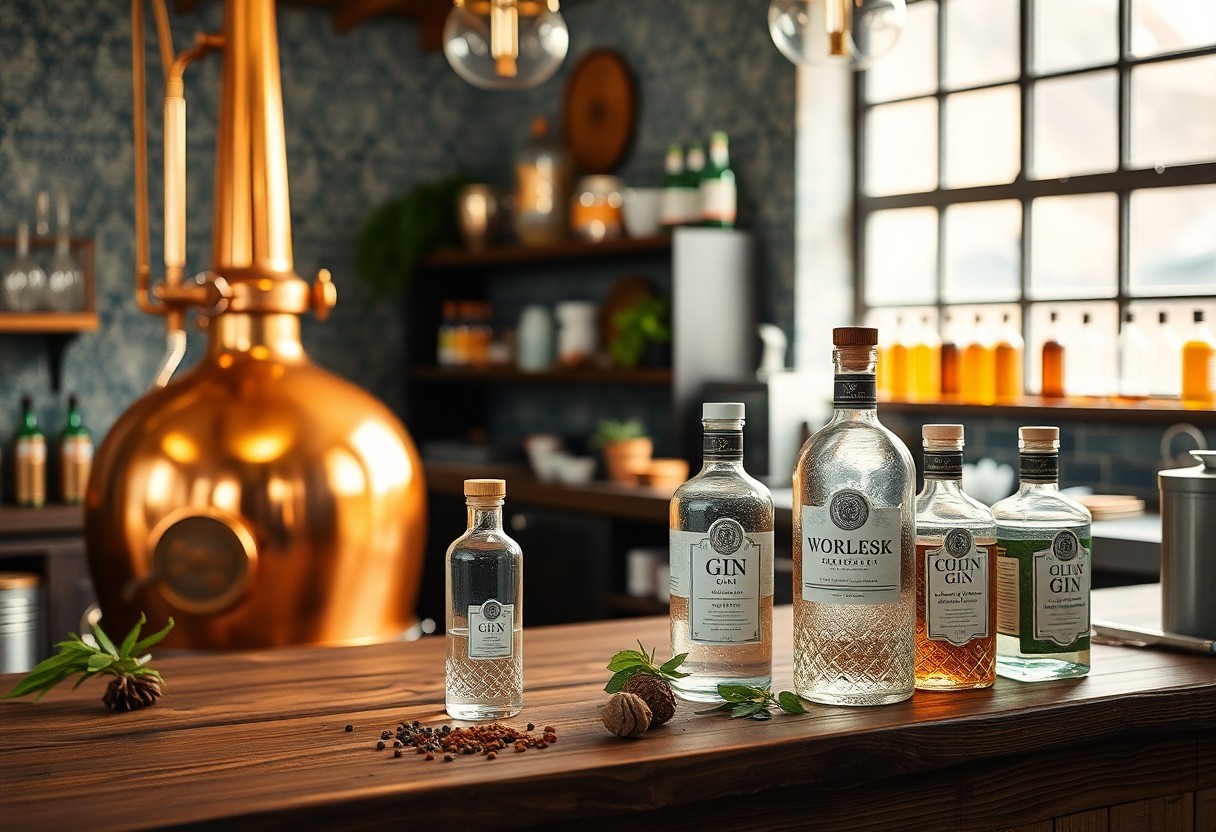
    Just as you savor a glass of small-batch artisan gin, you may wonder what techniques and ingredients contribute to its unique character. In this article, we will explore the intricate processes that distillers employ—from the selection of botanicals to the fermentation and distillation techniques that give each gin its distinctive flavor profile. Understanding these craft secrets will deepen your appreciation for this artisanal spirit and illuminate the artistry behind every sip you enjoy.

    The History of Artisan Gin

    To truly understand small-batch artisan gins, you must probe into their rich history. Born from centuries of tradition, gin has evolved from a medicinal tonic in the 17th century to a beloved spirit enjoyed worldwide. As you explore this journey, you’ll discover how cultural influences and innovations have shaped the craft, leading to the complex flavors and unique distilling techniques that define today’s artisan gins.

    Origins and Evolution

    Origins of artisan gin can be traced back to the early days of distillation when juniper berries were first utilized for their medicinal properties. Over time, gin transitioned from a pharmacy staple to a popular alcoholic beverage. You’ll find that as people experimented with various botanicals and distilling methods, the beverage began to evolve, spawning a plethora of regional styles and flavors that laid the groundwork for modern artisan gins.

    The Craft Revival

    History shows that the craft revival in the early 21st century reignited interest in artisan gins, as passionate distillers sought to reconnect with traditional practices. Indeed, this movement has prompted a resurgence of small-batch production, allowing you to experience gins that reflect local ingredients and artisan craftsmanship. Each bottle tells a story, emphasizing creativity, innovation, and a commitment to quality. As you explore the diverse landscape of artisanal gins, you will appreciate the meticulous care and artistry that go into crafting each unique spirit.

    The Distillation Process

    Any distillation process involves the careful extraction of flavors and aromas from your chosen botanicals, transforming them into a unique spirit that embodies the essence of small-batch artisan gin. The journey begins with mashing, followed by fermentation, and ultimately the distillation itself, where your selected botanicals are added to the still, allowing their character to shine through. Quality and attention to detail at each step ensure a rich, complex final product that truly reflects the artistry of the distiller.

    Ingredients and Botanicals

    Below the surface of any exceptional gin lies a meticulous selection of ingredients and botanicals, which may range from traditional juniper to exotic spices and local herbs. The balance and combination of these elements directly influence your gin’s flavor profile, aroma, and overall character, providing depth and individuality to each batch crafted.

    Techniques in Small-Batch Production

    For small-batch production, you will find that distillers often employ various techniques that highlight their craftsmanship and dedication to quality. These methods may include hand-selecting ingredients, utilizing pot stills, and practicing traditional methods that enhance the gin’s complexity while maintaining a personal touch.

    With a focus on quality over quantity, small-batch distillers often experiment with innovative techniques such as vapor infusion, where botanicals are placed above the boiling wash, allowing their delicate flavors to infuse through steam. This process results in a more fragrant spirit and preserves the integrity of the botanicals. Each technique contributes to the final product’s uniqueness, reflecting the distiller’s individual style and commitment to creating exceptional gin experiences.

    Flavor Profiles and Variations

    Some small-batch artisan gins boast a diverse range of flavor profiles, inviting you to explore the unique botanicals and techniques that define each creation. From the traditional juniper base to innovative infusions like lavender, cucumber, or exotic spices, these gins offer an array of tasting experiences that cater to various palates. As you research into the world of artisan gins, you’ll discover how master distillers blend their individual styles, allowing you to enjoy new and exciting interpretations of this beloved spirit.

    Regional Influences

    On your journey through the world of gin, you’ll find that regional influences play a significant role in shaping flavor profiles. Distillers often harness locally sourced botanicals, which not only adds a sense of place but also creates a dialogue with the terroir. You may encounter gins infused with sea herbs near coastal areas or citrus notes from warmer climates, revealing how geography, culture, and traditions intertwine to produce distinctive gin variations.

    Crafting Unique Recipes

    Flavor is the heart of crafting unique gin recipes, enabling distillers to express their creativity and passion. Each recipe is a delicate balance, combining botanicals, spices, and seasonal ingredients, often inspired by personal history or local heritage. This artistic approach results in one-of-a-kind flavor experiences that can’t be replicated, inviting you to savor the stories behind each bottle.

    Indeed, crafting unique recipes is a labor of love for many distillers, who experiment with myriad combinations to achieve the perfect balance in flavor. You will find that this process often involves trial and error, as they adjust ratios and ingredient sources until they strike gold. From the initial concept to the final product, every element is meticulously chosen to reflect their vision. This devotion to artistry not only amplifies the taste but also adds layers of complexity, encouraging you to think of every sip as an adventure in flavor.

    The Role of Terroir

    Now, you may not realize it, but the concept of terroir deeply influences the profile of small-batch artisan gins. Terroir encompasses the environmental factors, such as soil, climate, and geography, that shape the uniqueness of a spirit. When distillers embrace the distinctive characteristics of their locale, they create gins that reflect the identity of their region, delivering complex flavors that tell a story of place.

    Impact of Local Ingredients

    Ingredients play a vital role in the flavor complexity and authenticity of artisan gins. By sourcing botanicals, fruits, and herbs from local farms, distillers can infuse their gins with the essence of their surroundings. This commitment to local sourcing not only highlights seasonal freshness but also ensures that your gin retains a true connection to the landscape from which it originates.

    Seasonal Variations

    Around the world, the seasons dictate the availability of botanicals, directly influencing the flavor profile of your gin. As distillers adapt to the changing seasons, they may introduce new ingredients or alter their recipes to embrace seasonal offerings, resulting in gins that are unique to specific times of year.

    Even subtle shifts in temperature and rainfall can dramatically affect the taste of the botanicals, making it crucial for distillers to adapt their recipes accordingly. This dynamic approach keeps your gin fresh and seasonal, providing an exciting tasting journey that reflects the natural rhythms of the environment. By embracing these variations, you not only enjoy a unique spirit but also support sustainable practices that honor the land and its resources.

    Regulatory Challenges and Standards

    Unlike larger distilleries, small-batch artisan gin makers often grapple with an array of regulatory challenges. Navigating local, national, and international laws can be intricate, as each jurisdiction may impose distinct standards for production, labeling, and quality control. These regulations can impact everything from the sourcing of your botanicals to the methods you use for distillation, making it necessary for you to stay well-informed about compliance to maintain the integrity of your craft.

    Definitions of Artisan Gin

    Below, you’ll find various definitions of artisan gin that emphasize the importance of traditional craftsmanship, quality ingredients, and small-scale production methods. These definitions often serve as guidelines that help you differentiate your product within the rapidly growing gin market, ensuring that your brand embodies the true essence of artisanal spirit-making.

    Labeling and Quality Control

    Below, you’ll discover that labeling requirements and quality control processes are vital for ensuring your gin meets established standards while conveying accurate information to consumers. These elements not only help protect your brand’s reputation but also enhance consumer trust, guiding them toward making informed purchasing decisions.

    For instance, adherence to specific labeling guidelines ensures that you provide necessary details like alcohol content, ingredients, and origin. These details help consumers understand what they’re drinking, fostering a sense of transparency. Implementing quality control measures throughout your distillation process further guarantees that your product remains consistent and reflects the high standards expected of artisan gin. Regular testing and quality assessments can protect your brand from potential disputes and enhance your standing in a competitive market.

    Consumer Trends and Market Growth

    Many consumers today are shifting towards premium, handcrafted spirits, resulting in a significant surge in the small-batch artisan gin market. This trend reflects a broader desire for authenticity and unique flavors, prompting distillers to innovate and create distinctive profiles that resonate with discerning palates. As you explore this evolving landscape, you’ll find that the market for artisan gins is not only expanding but also diversifying, catering to a growing audience that values quality over quantity.

    The Rise of Gin Enthusiasts

    Above all, the recent explosion in gin popularity can be attributed to a passionate community of gin enthusiasts. You may find yourself among those who eagerly seek new tasting experiences and knowledge about the craft, exploring various botanicals and distillation methods. This movement has sparked a newfound appreciation for the artistry behind small-batch gins, encouraging local distilleries to flourish and expand their creative horizons.

    Influence of Social Media and Craft Culture

    One of the most significant factors driving the growth of artisan gin is the influence of social media and craft culture. You are likely aware that platforms like Instagram and Facebook have provided a vibrant space for distillers and consumers alike. Here, gin aficionados share their experiences, recipes, and recommendations, helping to forge a connected community that celebrates distillation as both an art form and a lifestyle.

    Enthusiasts are now using social media to engage with brands and each other, sharing their unique tasting notes and exploring new releases. This interaction creates a sense of belonging and empowers consumers to dive deeper into the world of spirits. With the rise of craft culture, you can appreciate how these platforms not only increase visibility for small-batch distilleries but also nurture an environment where creativity is celebrated and experimentation is encouraged. As you navigate this exciting arena, the insights and connections gained from social media will undoubtedly enhance your personal gin journey.

    Final Words

    Hence, as you explore the nuanced world of small-batch artisan gins, understanding the intricate processes, regional influences, and the passion behind each distillation elevates your appreciation for this craft. The meticulous selection of botanicals, innovative distilling techniques, and commitment to quality not only shape the final product but also tell a unique story. By diving deeper into these elements, you enrich your gin experience and enhance your ability to select and savor exceptional small-batch offerings.
  • How Do Anisotropic Gins Challenge Traditional Libation Conventions?

    How Do Anisotropic Gins Challenge Traditional Libation Conventions?

    Many enthusiasts like you are discovering the exciting world of anisotropic gins, which defy traditional expectations and redefine how we appreciate gin. These innovative spirits, crafted through unique distillation processes, offer a multitude of complex flavor profiles that can transform your cocktail experience. By embracing unconventional ingredients and techniques, anisotropic gins not only elevate the standard gin repertoire but also invite you to rethink your approach to elaborate libations. This post will explore how these gins challenge conventional wisdom and enhance your drinking journey.

    Understanding Anisotropic Gins

    Before entering into the world of anisotropic gins, it’s important to grasp their unique characteristics and how they diverge from conventional spirits. These gins offer distinct flavor profiles that evolve based on the method of distillation and the botanicals used. Unlike traditional gins, anisotropic gins challenge your palate by presenting layers of taste that can vary in different contexts, inviting you to explore new avenues in your drinking experience.

    Definition and Characteristics

    Gins are typically defined by their predominant flavor of juniper, but anisotropic gins take this a step further. These gins utilize a variety of botanicals and distillation techniques to create complex flavor matrices that shift based on temperature, mixing, and even the cocktail in which they’re used. You’ll find that each sip may reveal something new, providing a multi-dimensional experience that breaks away from the traditional gin flavor profile.

    Historical Context

    To appreciate anisotropic gins fully, you should consider their historical roots within the gin tradition. Originating from the ancient art of distillation, gin has evolved significantly, influenced by changing tastes and innovations. Anisotropic gins represent a modern twist that seeks to mesh traditional practices with contemporary craft distilling, paving the way for a new generation of spirits that capture your imagination.

    Even though the concept of anisotropic gins is relatively new, its emergence reflects a growing trend in the spirits industry towards experimentation and exploration. Historically, gin variations often focused on sourcing local botanicals or adhering to traditional recipes, but anisotropic gins break these molds. As you probe into their complex profiles, you may find that these modern interpretations echo the ethos of craft distilling, promoting innovation while staying deeply rooted in history.

    Traditional Libation Conventions

    The world of libations is steeped in history and cultural significance, characterized by set rituals and established practices. Traditionally, beverages like wine, beer, and spirits have been consumed in specific ways, often accompanied by ceremonies and social norms that dictate their usage. These conventions have shaped the drinking experience and fostered community, while also reflecting the values and customs of various societies throughout time.

    Overview of Libation Practices

    On observing libation practices, you will notice that they often revolve around social gatherings, celebrations, and rituals. Each culture has its own distinctive approach, whether it’s the toast to health and prosperity in Western societies or the intricate tea ceremonies in Eastern traditions. These practices not only enhance the drinking experience but also reinforce social bonds and shared cultural values.

    Cultural Significance

    With a deep-rooted presence in human history, libation practices carry profound cultural significance. They are often rites of passage, embodying traditions that have been passed down through generations. As you engage in these practices, you actively participate in the storytelling of your community, honoring the past while creating new memories.

    Also, libation conventions can serve as a means of expressing identity and solidarity. Whether you’re raising a glass in celebration or participating in a ritual, you connect with the traditions of your ancestors. This connection plays a vital role in shaping not just personal experiences, but also reinforcing collective memory within your culture. By understanding these conventions, you gain insight into the importance of the rituals that accompany your libation choices.

    The Rise of Anisotropic Gins

    Some enthusiasts have noticed a significant increase in the popularity of anisotropic gins, which are distinguished by their complex flavor profiles and unique botanical combinations. These gins aim to break away from traditional recipes, offering connoisseurs an exciting alternative that engages the palate in new ways. By emphasizing a diverse range of botanicals, anisotropic gins invite you to explore a world of innovative taste experiences that challenge conventional libation conventions.

    Market Trends and Consumer Preferences

    Behind the surge in anisotropic gin popularity is a shift in consumer preferences towards artisanal and craft beverages. As you seek unique experiences and flavors, the demand for innovative products that defy traditional expectations is on the rise. This trend aligns with an increased interest in sustainability and local sourcing, encouraging distillers to experiment with unconventional botanicals and techniques that resonate with your values.

    Innovations in Distillation

    Preferences in distillation methods are evolving as distillers embrace new technologies and processes that enhance flavor extraction. This shift allows for variations in how botanicals are incorporated, resulting in highly distinctive profiles that appeal to your adventurous palate. As innovation continues to flourish in the distillation space, you can expect to encounter gins that not only reflect the traditional essence but also introduce surprising twists.

    Consequently, the exploration of advanced distillation techniques—such as vacuum distillation and cold compounding—enables distillers to achieve optimal flavor retention and aromatic balance in their expressions. These methods help unlock a spectrum of tastes that were previously unattainable, inviting you to indulge in layered experiences that redefine what gin can be. Your journey into anisotropic gins promises both innovation and an exquisite adventure for your taste buds.

    Flavor Profiles and Pairings

    After exploring the depths of anisotropic gins, you will find that their complex flavor profiles serve as a canvas for unique libation experiences. The blending of botanicals and intricate distilling techniques results in a spectrum of tastes, allowing you to experiment with various pairings that can elevate your enjoyment. Understanding these flavor nuances will enrich your gin journey, encouraging you to think outside traditional conventions.

    Unique Taste Characteristics

    For enthusiasts, anisotropic gins present an array of taste characteristics that are distinctively layered. These gins often showcase a harmony of citrus, herbs, and spices, each meticulously crafted to stand out while complementing one another. This complexity invites you to savor not just the spirit itself but also the story behind every aromatic note.

    Recommended Food Pairings

    Against the typical spirit pairings, anisotropic gins shine alongside a diverse range of cuisines, offering versatility for any meal. Their botanical richness can harmonize beautifully with dishes such as citrus-infused seafood or herb-roasted chicken. You’ll discover that a well-crafted gin can amplify the flavors of your plate, creating a dining experience that dances on the palate.

    In addition to seafood and chicken, consider pairing your anisotropic gin with creamy cheeses like goat or brie, as well as fresh salads featuring citrus vinaigrettes. The bright notes of the botanicals can cut through richness, while the acidity enhances lighter dishes. Exploring these food pairings can lead to delightful discoveries, making your next meal a flavorful exploration of the possibilities with anisotropic gin.

    Challenging Established Norms

    Not only do anisotropic gins introduce unique flavors and aromas, but they also prompt you to rethink the way you enjoy your drinks. By breaking away from conventional gin profiles, they create opportunities for innovative pairings and fresh cocktail experiences. This shift challenges established norms in the beverage industry, encouraging both consumers and mixologists to explore uncharted territories in flavor and presentation.

    Breaking Traditional Barriers

    Below the surface of tradition, anisotropic gins are paving the way for a new era of libations. You are encouraged to step outside your comfort zone, discovering unexpected flavor combinations that resonate with your palate. This movement sparks a sense of excitement and exploration, proving that there is more to gin than just the standard botanicals.

    Impact on Bartending Techniques

    On a practical level, anisotropic gins demand a rethinking of bartending techniques. You’ll find that traditional mixing methods may not do justice to these versatile spirits, and instead, innovative techniques such as infusion and precise temperature control become vital to unlock their full potential.

    Understanding how anisotropic gins influence bartending techniques is key to elevating your cocktail experience. As you experiment with these spirits, you may find that adapting your mixing methods enhances the flavors. Techniques like layering, infusing, and changing the serving temperature can make a significant difference in how the distinct botanical notes shine through. Embracing these advanced skills not only enriches your own expertise but also allows you to create cocktails that not only taste remarkable but also tell a story—one that aligns with the spirit’s unique journey. Educating yourself on these methods positions you ahead in a rapidly evolving beverage landscape.

    Case Studies of Anisotropic Gins

    Your exploration of anisotropic gins can benefit from examining key case studies demonstrating their influence on traditional libation practices. Here are some notable examples:

    • Brand A: 30% of sales attributed to unique botanical blends.
    • Brand B: Introduced a limited edition with 15 new botanicals, resulting in a 50% increase in social media mentions.
    • Brand C: Engaged in a sensory tasting event, attracting over 200 participants, resulting in a 40% spike in local sales.
    • Brand D: Innovated with sustainable packaging, appealing to eco-conscious consumers, leading to a 35% growth in market share.

    Notable Brands and Their Offerings

    Against the backdrop of conventional spirits, brands such as Craft Gin Co. and Blue Sky Distillers have carved out niches. Craft Gin Co. offers a variety of expressions focusing on regional botanicals, while Blue Sky Distillers emphasizes organic ingredients in their flavor profiles. Each brand showcases how anisotropic characteristics can inform modern interpretations of gin, appealing to diverse palates and preferences.

    Consumer Reception and Critiques

    Across the market, consumer reception of anisotropic gins has been largely positive, but critiques exist. Taste testers often report excitement over the complex flavor profiles. However, some traditionalists argue that the bold botanical choices stray too far from gin’s classic roots. This duality in reception highlights both the innovative direction of spirits and the entrenched preferences of loyal gin enthusiasts.

    Their feedback also depicts a spectrum of enthusiasm, with many enjoying the exploratory aspect of anisotropic gins. Consumers appreciate the adventurous flavor combinations but may occasionally feel overwhelmed by the sheer variety available. It’s important for brands to strike a balance—embracing innovation while ensuring the foundational qualities of gin remain intact to satisfy traditional palates.

    To wrap up

    Following this exploration, you now understand how anisotropic gins disrupt traditional libation conventions by introducing novel flavor profiles and unique production methods. These variations challenge your perceptions and encourage you to experiment with your cocktail choices, revealing the diversity and potential of gin as a versatile spirit. Engaging with these innovative formulations not only enriches your drinking experience but also invites you to explore the creative possibilities of mixology, reshaping how you appreciate and enjoy your beverages.