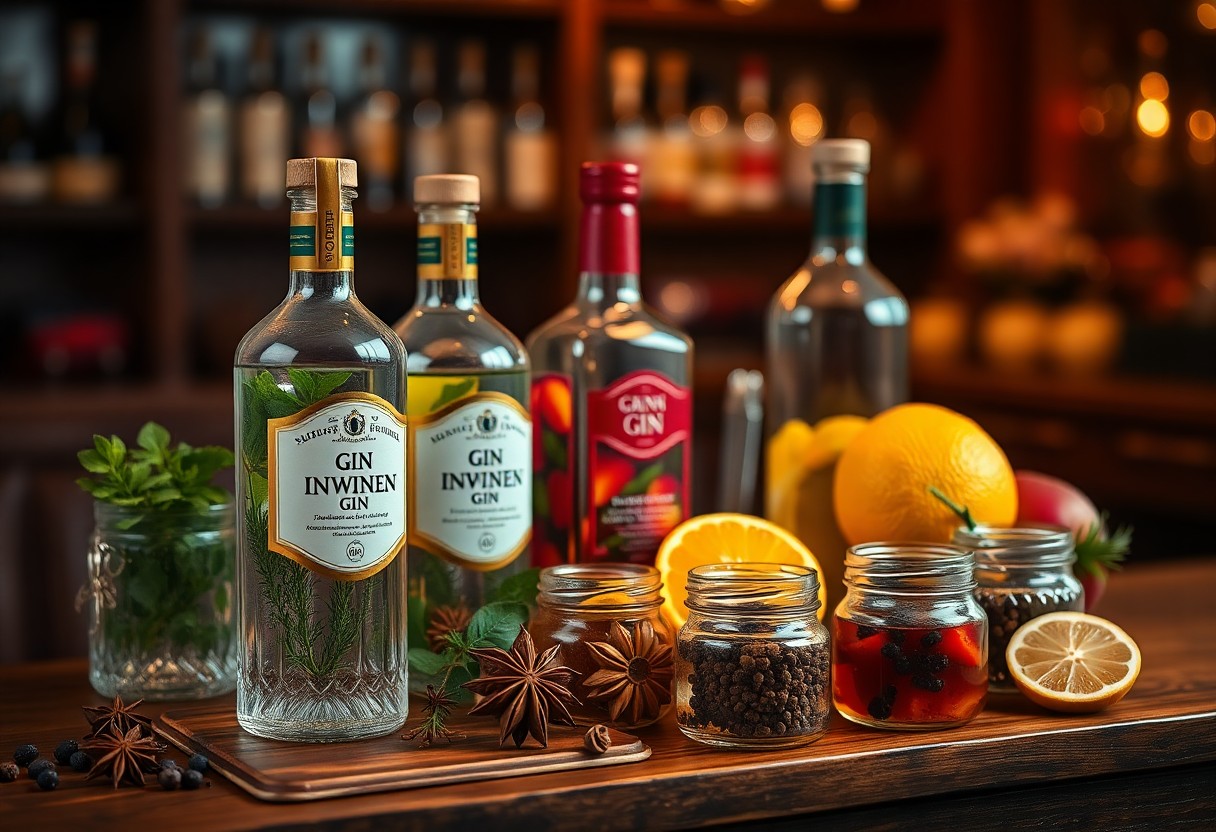
Many people overlook the delightful possibilities of creating your own infused gin, but with the right techniques, you can elevate your spirits to new heights. In this guide, you will learn simple and effective methods to craft your signature flavors, selecting the ideal botanicals and infusing them to perfection. Whether you prefer citrusy notes or herbal undertones, these easy tips will empower you to impress your friends and enhance your cocktail game. Get ready to commence on a flavorful journey that will make your homemade gin truly exceptional!
Understanding Infused Gin
As you initiate on your journey to create the perfect homemade infused gin, it’s vital to grasp the concept behind this delightful spirit. Infused gin is simply gin that has been flavored with various herbs, spices, fruits, or botanicals, resulting in a unique and personalized taste. This culinary art form allows you to experiment with flavors that resonate with your palate, transforming a classic spirit into something extraordinary.
What is Infused Gin?
Even though gin is traditionally a spirit dominated by its juniper flavor, infused gin expands this foundation by incorporating an array of aromatic elements. You can create unique combinations, allowing the natural essence of the ingredients to mingle with the gin and create an inviting bouquet of flavors.
Key Factors to Consider
One of the most important aspects of crafting infused gin is understanding the balance of flavors. Here are some key factors to think about:
- Choosing the right gin base that complements your infusion ingredients.
- Selecting fresh, high-quality botanicals to enhance the infusion.
- Experimenting with infusion times to achieve desired intensity.
Any of these factors can significantly impact the final flavor profile of your infused gin.
What you also want to consider is the ratio of ingredients—finding the perfect blend of botanicals while ensuring each flavor shines through. You may also want to take note of the preparation method; some flavors may release oils that can either enhance or overpower your infusion. It’s all about achieving a harmonious balance that results in a smooth and enjoyable spirit.
- Finding the right jar or container for infusion to maximize flavor extraction.
- Keeps your infusions in a dark, cool place for optimal results.
- Sampling your infusion at different time intervals to find your sweet spot.
Any adjustments you make can help tailor your infused gin to suit your taste perfectly.
Choosing Your Ingredients
Any successful homemade infused gin starts with careful ingredient selection. Think about the flavors you want to incorporate – do you prefer a fruity, floral, or herbal profile? The beauty of infusion is the ability to customize, so select ingredients that reflect your personal taste. You can experiment with various fruits, herbs, and spices to create the perfect balance that suits your palate.
Selecting the Right Botanicals
On your journey to making infused gin, the botanicals you choose play a significant role in the overall flavor profile. Classic options include juniper berries, coriander, and citrus peels. Don’t shy away from experimenting with unique options like ginger, lavender, or even chamomile to discover flavors that surprise and delight.
Fresh vs. Dried Ingredients
To achieve the best infusion results, you need to consider whether to use fresh or dried ingredients. Fresh botanicals often provide a vibrant and bright flavor, while dried ingredients can deliver depth and complexity.
With fresh ingredients, you’ll enjoy a burst of natural flavors, but they may also introduce more moisture, altering the infusion process. Dried botanicals, on the other hand, offer a concentrated taste and a longer shelf life, making them convenient for experimentation. Mixing both can provide a balanced and unique flavor experience, so don’t hesitate to combine the two to suit your preferences.
The Infusion Process
While the infusion process may seem complex, it’s quite simple once you grasp the basics. This magical transformation elevates your homemade gin, allowing you to tailor unique flavors that suit your palate. Whether using herbs, fruits, or spices, mastering this technique will yield delightful results that impress anyone who sips your artisanal creation.
Step-by-Step Guide
StepbyStep, follow this easy guide to infuse your gin:
| Step | Action |
| 1 | Choose your base gin. |
| 2 | Select your infusion ingredients. |
| 3 | Add ingredients to the gin. |
| 4 | Seal the container tightly. |
| 5 | Store in a cool, dark place. |
| 6 | Strain the gin after 3-7 days. |
Timing and Temperature Considerations
There’s a balance when it comes to timing and temperature for your gin infusion. Allowing the infusion to steep for too long can overpower the gin’s natural flavors. Typically, a range of 3 to 7 days is recommended, with warmer temperatures speeding up the infusion; however, storing it in cooler conditions helps maintain flavor integrity.
To fine-tune your infusion, consider the types of ingredients used. For delicate herbs, shorter infusion times work best, while robust flavors like citrus or spices may benefit from longer steeping. Adjusting your approach based on the temperature during the process can also enhance the outcome. Keep the infusion container away from light and heat sources for optimal results.
| Ingredient Type | Infusion Time |
| Fruits | 3-5 days |
| Herbs | 1-3 days |
| Spices | 5-7 days |
Flavor Pairing Tips
Unlike store-bought gin, homemade infused gin allows you to tailor flavors to your liking. Here are some key pairing suggestions to elevate your infusion:
- Herbs like rosemary and thyme can add depth.
- Fruits such as citrus, berries, and stone fruits offer fresh notes.
- Spices like cardamom or peppercorns introduce warmth.
- Floral elements, such as lavender or hibiscus, enhance aroma.
After experimenting with combinations, trust your palate to find the perfect mix!
Complementary Flavors
Flavors that complement each other can create a harmonious infusion. Consider pairing sweet fruits like strawberries with aromatic herbs such as basil or mint. The contrast in their profiles will enhance your gin’s complexity, allowing each sip to be a delightful experience. Use your creativity to explore unique combinations that awaken your taste buds.
Balancing Sweetness and Bitterness
Balancing your infusion’s sweetness and bitterness is vital for a well-rounded flavor profile. Incorporating ingredients with natural sweetness, like seasonal fruits or honey, can offset the more robust bitter notes from botanicals like wormwood or juniper. You may find that a small adjustment in one direction or the other can significantly influence the final experience.
To achieve this balance, taste your infusion at different stages. Start by adding a small amount of your chosen sweetening agent, allowing it to meld with the other flavors. Gradually adjust until you reach a pleasing equilibrium, ensuring that one flavor doesn’t overpower the other. This approach encourages a smooth, enjoyable sip with layers of taste that are both refreshing and satisfying.
Bottling and Storing Your Infused Gin
Not only does proper bottling and storage enhance the longevity of your infused gin, but it also preserves the vibrant flavors you’ve created. Use sterilized bottles to prevent any unwanted contamination and seal them tightly. Label your bottles with the infusion date and ingredients to make it easier to track your creations. Store them in a cool, dark place away from direct sunlight to maintain the quality of your homemade gin.
Proper Bottling Techniques
You should always ensure that your bottles are thoroughly cleaned and sterilized before filling them with your infused gin. This prevents any spoilage from bacteria. Use a funnel to pour your gin into the bottles without spilling, and take care to leave a little headspace at the top. Once filled, securely seal your bottles to maintain freshness and flavor.
Best Storage Practices
Best practices for storing your infused gin involve keeping it in a cool, dark environment. Ideally, a cupboard or a cellar is perfect, shielding your gin from sunlight, which can degrade its flavors. Avoid places with temperature fluctuations, as consistency helps preserve the quality. With proper storage, your gin can last for months and even improve in flavor over time.
Bottling and storing your infused gin correctly can significantly enhance its life and taste. Storing in a dark and cool environment helps prevent oxidation and loss of flavor potency. Additionally, sealing the bottles tightly keeps air out, which is vital for maintaining the integrity of the infusion. If you’ve created multiple flavors, organizing your bottles by type and date can streamline your selection process and make it easy to showcase your impressive homemade creations.
Creative Serving Suggestions
Despite the simplicity of infused gin, you can elevate your serving experience with a few creative ideas. Whether hosting a gathering or enjoying a quiet evening, consider how you present your infused gin. Serving it in unique glassware, adding vibrant colors with garnishes, or using bespoke mixers all contribute to an engaging experience. Explore the endless possibilities to truly impress your guests and enhance your enjoyment of homemade infused gin.
Cocktails and Mixers
To maximize the flavor profiles of your infused gin, experiment with various cocktails and mixers. Classic choices like tonic water or soda work well, but consider adding fresh fruit juices, sparkling wine, or herbal teas to complement the essence of your infusion. Your creativity will shine through as you discover new blends that highlight the unique flavors you’ve infused into your gin.
Garnishing Ideas
Any great drink deserves a thoughtful garnish that complements its flavors. For infused gin, think along the lines of fresh herbs, citrus slices, or edible flowers that enhance the aromatic experience. The right garnish not only adds visual appeal but can also elevate the scents and flavors in each sip.
Cocktails can reach new heights with the right garnishes. Fresh herbs such as basil, rosemary, or mint can brighten your drink, while citrus peels or slices add a refreshing zing. Edible flowers or vibrant berries can also create an eye-catching display that entices your guests. Don’t shy away from mixing flavors; for instance, a sprig of thyme can give a botanical twist, while a slice of grapefruit can balance sweeter infusions beautifully. Be playful and let your creativity shine through with garnishing to make each cocktail uniquely yours.
Final Words
Ultimately, mastering the art of homemade infused gin is all about experimentation and creativity. By selecting the right botanicals, allowing adequate infusion time, and balancing flavors to suit your palate, you can create a unique gin that reflects your taste. Don’t hesitate to try different combinations and techniques to discover what works best for you. With these easy tips, you’ll be well on your way to concocting delightful infused gin that impresses friends and elevates your home bar.