
Tag: juniper

  • Can The Quintessence Of Juniper Be Reimagined In Contemporary Gin Creations?

    Can The Quintessence Of Juniper Be Reimagined In Contemporary Gin Creations?

    There’s a fascinating dialogue brewing in the world of gin, where the traditional essence of juniper is being reinterpreted by contemporary distillers. As you explore this vibrant landscape, you may find that innovative techniques and unique botanicals can elevate your gin experience, placing a spotlight on juniper while welcoming new flavors. This blog post researchs into how these modern approaches challenge the classic profiles of gin, inviting you to rethink what you know about this beloved spirit and discover how it can be reshaped for today’s palate.

    Historical Significance of Juniper

    The historical significance of juniper dates back centuries, as it has been celebrated for its aromatic properties and medicinal uses. You’ll find its roots embedded in various ancient cultures, where juniper was revered not only for flavoring beverages but also for its role in spiritual practices. This evergreen berry serves as a bridge connecting the past to present-day culinary and distillation arts, providing a rich heritage for modern gin creations.

    Traditional Uses in Distillation

    About the traditional uses of juniper, it has long been associated with the art of distillation. You may be surprised to learn that its berries were the primary botanical used in the creation of gin, stemming from a European tradition that sought to capture its complex flavor profile. Juniper’s distinct notes contributed to flavoring spirits, paving the way for the diverse world of contemporary gin today.

    Cultural Associations and Symbolism

    By exploring cultural associations and symbolism, you uncover the deep-rooted connections that juniper holds in various societies. Often seen as a protective herb, juniper has been utilized in rituals to ward off negativity, bringing with it a sense of safety and reassurance. Its presence in folklore and traditional practices highlights its multifaceted significance and the ongoing allure it holds for gin enthusiasts.

    This symbolic essence is further evident in its use in various cultural festivities and healing traditions. You can find juniper employed in cleansing ceremonies, where it is burned to purify spaces, reflecting its longstanding status as a powerful agent of protection. As you examine deeper into the world of gin, understanding these cultural associations enriches your appreciation for juniper’s role not only as a flavoring ingredient but as a living symbol of tradition and community connection.

    The Role of Juniper in Gin

    You might be surprised to learn that juniper is the heart and soul of gin, providing its unmistakable character and anchor for various botanical flavors. This aromatic berry not only defines gin but also sets it apart from other spirits. The legal definition of gin mandates that juniper be the predominant ingredient, leading to diverse interpretations that cater to different palates. Understanding the role of juniper allows you to appreciate the complex landscape of flavors that modern distillers are creating in gin today.

    Flavor Profile and Distinct Characteristics

    Against the backdrop of its prominent pine notes, juniper offers a rich tapestry of flavors that can range from earthy to sweet, with hints of citrus, resin, and spice. This complexity allows for a versatile foundation in gin that can harmonize with other botanicals, making each expression unique. As you explore different gin varieties, you’ll notice how the juniper’s character influences the overall taste and aroma, inviting you to discover what resonates best with your palate.

    Juniper Varieties and Their Impact

    Impact on flavor profiles largely hinges on the type of juniper used in gin production. Each variety imparts distinct characteristics, contributing to the spirit’s overall complexity. From the sharp, zesty notes of common juniper to the mellower, sweeter profiles found in others, your choice of gin can transport you through a landscape of flavors based on these botanical selections.

    Juniper berries come in several varieties, each developing unique flavor profiles influenced by factors like region and climate. For example, Mediterranean juniper often delivers a sweeter and more aromatic taste, while the North American variant can impart a more piney and robust character. This variation allows distillers to craft gins that reflect their terroir, enabling you to experience a sense of place with each sip. When choosing your gin, taking the time to understand these differences can elevate your tasting experience, guiding you toward your favorite expressions.

    Contemporary Gin Trends

    Assuming you’re exploring the exciting world of gin today, you’ll notice a vibrant landscape where tradition meets innovation. With a growing appreciation for unique flavor profiles, contemporary gin is evolving, embracing not only the classic juniper but also a variety of exotic botanicals. This renaissance invites gin enthusiasts like you to discover new palate experiences that elevate this timeless spirit, allowing you to connect with its heritage in a fresh context.

    Innovative Ingredients and Flavor Pairings

    After years of sticking to the traditional ingredients, modern gin distillers are pushing boundaries by experimenting with unconventional botanicals. From floral notes like hibiscus and chamomile to savory spices like black pepper and cardamom, the potential for flavor pairings is limitless. By trying these innovative combinations, you can uncover new dimensions of gin that excite your taste buds and inspire your cocktails.

    Craft Distilling and Small Batch Production

    About the craft distilling movement, it emphasizes quality over quantity, skillfully crafting gin in small batches. This method allows distillers to maintain control over every aspect of production, ensuring each bottle reflects their unique vision and character. As a gin enthusiast, you can appreciate the artisanal approach and personalized flavors that small-batch producers bring to the table, often highlighting local ingredients and sustainable practices.

    To truly understand the importance of craft distilling and small-batch production, you should explore the stories behind these brands. Each distiller often pours their passion and creativity into the gin-making process, allowing you to enjoy artisanal spirits that showcase regional botanicals and traditional techniques. This attention to detail not only enhances the flavor but also fosters a deeper connection between you and the distillation process, making every sip of gin a unique experience worth savoring.

    Reimagining Juniper in Modern Creations

    For contemporary gin enthusiasts, the spirit of juniper isn’t merely a traditional cornerstone; it’s an avenue for creative exploration. By experimenting with diverse botanicals and innovative distillation techniques, you can uncover new flavor profiles that celebrate but also expand upon the essence of juniper. Modern distillers are embracing this challenge, merging heritage with avant-garde concepts to produce gins that engage the palate in exciting ways.

    Bold New Infusions and Recipes

    Below are examples of bold new infusions and recipes that push the boundaries of traditional gin while still honoring juniper’s foundational role:

    • Lavender and Lemon Zest Gin – Combining floral notes with citrus for a refreshing twist.
    • Spicy Chai Gin – Infusing traditional gin with chai spices for a warm, complex flavor.
    • Berry Blend Gin – Utilizing seasonal berries to create vibrant, fruity gins.
    • Herbal Garden Gin – Incorporating fresh herbs like basil and rosemary for an earthy tone.

    Case Studies of Distillers Leading the Change

    After examining trends in gin distillation, you’ll find several distillers at the forefront of this juniper evolution:

    • Seedlip – The world’s first non-alcoholic spirit, uses unique plant distillation techniques, resulting in three varieties that highlight diverse flavor profiles.
    • Monkey 47 – A Black Forest gin incorporating 47 botanicals, showcasing an intricate balance between juniper and other flavors.
    • Hendrick’s – Known for its infusion of cucumber and rose, expanding the traditional gin experience into uncharted territory.
    • Sipsmith – Pioneering the revival of traditional craftsmanship while experimenting with unusual botanicals.

    For instance, Seedlip’s approach has not only revolutionized the non-alcoholic sector but also inspired traditional distillers to contemplate new possibilities with juniper. Monkey 47 stands out with its diverse botanical mix, supported by its impressive popularity, with shares growing by 20% annually. Hendrick’s has seen a 30% increase in sales directly attributed to its inventive infusions, proving that consumers are eager for innovation. Lastly, Sipsmith’s commitment to hand-crafted distillation emphasizes quality and authenticity, driving a renaissance in the gin market and encouraging you to explore these remarkable creations.

    Consumer Preferences and Trends

    Keep in mind that the evolving landscape of consumer preferences is shaping the future of gin. As drinkers seek out more diverse and innovative options, your understanding of these trends will enhance your appreciation for contemporary gin creations. Tailoring your palate to accommodate these preferences can lead to exciting tasting experiences and a deeper connection to the gin community.

    The Rise of Gin Popularity

    Against a backdrop of cocktail culture resurgence, gin has experienced a remarkable surge in popularity. The revival of classic cocktails and the creative twists put on them have made gin a staple on bar menus everywhere. With its versatility and wide-ranging flavor profiles, you may find that gin fits perfectly into your social and culinary experiences, inviting you to explore new combinations and styles.

    Market Demand for Unique Flavors

    Across the globe, consumers are increasingly interested in unique and exotic flavors in their beverages, leading to a heightened demand for innovative gin blends. As you sample these diverse options, you’ll discover an abundance of profiles influenced by botanicals from various regions. This trend encourages distillers to experiment, allowing you to enjoy distinctive and refreshing spins on traditional gin.

    Indeed, as you probe into the market demand for unique flavors, you’ll find that the fusion of traditional juniper with unconventional botanicals is transforming the gin landscape. Craft distillers are eager to respond to your craving for novelty, experimenting with ingredients such as floral, herbal, and even savory notes. This ongoing exploration not only reflects your diverse tastes but also broadens the horizon for gin enthusiasts, paving the way for a vibrant and dynamic drinking culture where inventive flavors take the spotlight.

    Challenges of Reinterpreting Juniper

    Despite the rich heritage of juniper in traditional gin-making, reinterpreting its essence poses various challenges. You must consider the delicate balance of flavors while experimenting with innovative techniques and ingredients. This task requires a nuanced understanding of juniper’s profile, ensuring that its unique characteristics shine through in your contemporary creations. Furthermore, the existing stigma surrounding unconventional gin can limit your potential audience, making it important to navigate this landscape carefully.

    Balancing Tradition with Innovation

    Below the surface of innovation lies a deep-rooted tradition that you must respect when creating new gin. This balance is pivotal in ensuring that your reinterpretation resonates with both gin aficionados and adventurous drinkers. You can achieve this by infusing contemporary flavors while retaining the classic juniper backbone, creating a bridge between the past and present.

    Navigating Consumer Expectations

    Across the ever-evolving spirits market, consumer expectations continuously shape the landscape of gin production. Understanding your audience becomes important as you begin on reimagining juniper’s role in contemporary creations. Consumers often have preconceived notions about gin that can either challenge or inspire your innovative approaches.

    And as you explore new flavor profiles, it’s vital to communicate your artistic intentions clearly. You want to engage your audience’s curiosity while also honoring their expectations. By educating consumers about the process and intention behind your creations, you can foster a stronger connection to this traditional ingredient and invite them to try your innovative interpretations with open minds.

    Conclusion

    Ultimately, you can appreciate how the quintessence of juniper continues to be reimagined in contemporary gin creations. By exploring innovative infusions and production techniques, distillers are pushing the boundaries of flavor while honoring the traditional essence of this beloved spirit. This dynamic evolution invites you to experiment with various gin styles, enhancing your tasting experiences and finding new favorites that resonate with your palate. Enjoy the journey of discovering how juniper can inspire both classic and avant-garde gin expressions.

  • Which Rare Juniper Varieties Transform Your Gin Cocktails?

    Which Rare Juniper Varieties Transform Your Gin Cocktails?

    You may be surprised to learn that the choice of juniper berry can significantly influence the profile of your gin cocktails. Not all junipers are created equal, and exploring rare varieties can elevate your drink from ordinary to extraordinary. In this post, we’ll probe into some unique juniper species that could transform your favorite cocktails, enhancing flavors and adding depth. Discover how these rare gems can turn your gin experience into something truly remarkable.

    Understanding Juniper Varieties

    As an necessary ingredient in gin, juniper berries are available in various varieties, each offering distinct flavors and aromatic profiles. Understanding these differences can greatly enhance your gin cocktails, providing a foundation to explore and experiment with unique tastes. By stepping into rare juniper varieties, you can elevate your beverage experience and discover new dimensions of flavor that will surprise and delight your palate.

    The Role of Juniper in Gin

    On its own, juniper imparts the signature flavor that defines gin. The unique aromatic compounds found in juniper berries contribute to the spirit’s complexity and depth, balancing other botanicals while anchoring your cocktails. Ultimately, the type of juniper used can significantly influence your drink’s character, making it necessary to choose wisely when crafting your gin-based creations.

    Common vs. Rare Juniper Varieties

    Around the world, juniper is often categorized into common varieties like Juniperus communis, which is widely used in gin production, and rare varieties that offer distinctive flavors that can transform your cocktails. These rare junipers, such as Juniperus virginiana or Juniperus oxycedrus, can infuse your drinks with unique notes, elevating your cocktail experience beyond the ordinary.

    With an understanding of the differences between common and rare juniper varieties, you can appreciate the nuances each brings to your gin cocktails. While common juniper provides a familiar, traditional flavor, rare varieties invite exploration, delivering captivating notes that intrigue the senses. By experimenting with different junipers, you’ll uncover new pairings and elevate your mixology craft, ensuring each sip is uniquely delightful and memorable.

    Unique Flavor Profiles of Rare Juniper Varieties

    While exploring rare juniper varieties, you will uncover a spectrum of unique flavor profiles that can elevate your gin cocktails. These distinctive botanicals offer nuances ranging from earthy and resinous to sweet and fruity, transforming your drink into a complex sensory experience. By experimenting with different junipers, you can tailor your cocktails to highlight these exceptional flavors, setting your creations apart from the ordinary.

    Flavor Characteristics

    About the flavor characteristics of rare juniper varieties, you will find that each offers a unique blend of taste sensations. For instance, some may present citrusy notes that brighten your cocktails, while others may impart a deep, woody essence that adds depth. This variety allows you to customize the flavor profile of your gin cocktails, ensuring a delightful exploration of taste with every sip.

    Aromatic Qualities

    Aromatic characteristics play an necessary role in the overall experience of your cocktails. Rare juniper varieties can unleash a medley of aromas, enhancing not only the taste but also the presentation of your drinks. You might discover that some junipers offer a fresh, piney scent, while others evoke hints of warm, spicy undertones, creating a captivating olfactory journey for you and your guests.

    The right aromatic qualities can transform a simple cocktail into a multisensory delight. By choosing rare juniper varieties, you invite bold fragrances into your drinking experience, making each gin cocktail not just a drink but an aromatic adventure. Consider selecting junipers that complement other ingredients in your cocktail to create harmony between aroma and taste, amplifying your overall enjoyment.

    Highlighting Notable Rare Juniper Varieties

    Even among the vast selection of juniper species, some rare varieties truly stand out for their unique flavor profiles, enhancing your gin cocktails in memorable ways. These exceptional varieties bring depth and complexity, making your drink not just a refreshment, but an experience. Discovering these rarities can elevate your cocktail game and introduce you to new botanical explorations.

    Juniperus Communis

    Against popular belief, Juniperus Communis is not just your average juniper; it is the quintnecessary juniper berry known for its classic and widely appreciated flavor. This species forms the backbone of many traditional gins, delivering earthy and pine notes that provide a recognizable base for your favorite cocktails. Its versatility allows it to blend effortlessly with various botanicals, ensuring a balanced drink.

    Juniperus Sabina

    Before plunging into the complexities of Juniperus Sabina, it’s important to note its distinct flavor that sets it apart from other varieties. Often referred to as savin juniper, it carries a strong, bold essence with subtle notes of resin and spice, making it an exciting addition to your gin collection.

    Further exploring Juniperus Sabina, you will find that it offers a more aromatic experience compared to other junipers. Its flavor is deep and intense, which can bring an invigorating twist to your cocktails. While not as commonly used as Juniperus Communis, incorporating Juniperus Sabina into your gin repertoire can open new dimensions, creating adventurous flavor pairings that are sure to impress your guests.

    Pairing Rare Junipers with Gin Cocktails

    To elevate your gin cocktails, consider the unique flavors offered by rare juniper varieties. Each distinct type of juniper brings its own profile, whether it’s the resinous notes of Juniperus communis or the citrusy undertones of Juniperus phoenicea. By thoughtfully pairing these junipers with your favorite gin, you can enhance the aromatic experience and create a truly memorable cocktail. Explore the balance between the botanicals in your gin and the specific juniper notes for a harmonious blend in every sip.

    Classic Cocktails Reinvented

    Against the backdrop of traditional gin cocktails, the infusion of rare junipers allows for a delectable twist. Classic recipes, like the Gin Martini or Negroni, take on a fresh perspective when you incorporate unexpected juniper flavors. By using a variety such as Juniperus squamata, known for its floral fragrance, you can transform an ordinary drink into an extraordinary experience that surprises your palate.

    Crafting Signature Drinks

    Reinvented cocktails not only stand out but also become a reflection of your personal taste when you incorporate rare junipers. Experimenting with distinctive juniper varieties can inspire a new signature drink that showcases your creativity and preference. By combining unique juniper flavors with various mixers, herbs, and spices, you can create a cocktail that tells a story—a drink that is uniquely yours.

    Signature drinks allow you to express your individuality by pairing rare juniper flavors with innovative ingredients. Consider incorporating complementary flavors like elderflower, fresh citrus, or herbal notes to elevate your cocktails even further. This process involves trial and error but ultimately leads to the discovery of a drink that perfectly embodies your style and palate. The result not only showcases the beauty of rare junipers but also invites others into your creative cocktail journey.

    Sourcing Rare Juniper Varieties

    Despite the growing interest in gin cocktails, sourcing rare juniper varieties can be a challenge. Specialty suppliers and boutique distilleries often carry unique selections that can elevate your gin experience. Networking with other enthusiasts in the gin community and attending spirit festivals can also help uncover hidden gems that are not readily available in stores.

    Where to Find Rare Junipers

    By exploring local farmers’ markets and specialty herb shops, you can discover unique juniper varieties that are often overlooked. Additionally, online platforms dedicated to artisanal spirits may have rare options available, making it easier than ever to enhance your cocktail creations.

    Growing Your Own Juniper Plants

    Sourcing your own junipers can be a rewarding endeavor. Starting from seeds or nursery plants allows you to cultivate flavors tailored to your palate.

    Plus, growing your own juniper plants not only enables you to experiment with different species, but it also provides the satisfaction of crafting ingredients right from your garden. Ensure you choose the right variety suited to your climate, and invest time in understanding their care requirements. By nurturing these plants, you can enjoy a consistent supply of fresh juniper to enhance your gin cocktails.

    Conclusion

    Upon reflecting on which rare juniper varieties can elevate your gin cocktails, you will discover the unique flavors each brings to the table. From the sweet and fruity notes of the Juniperus communis to the spicy undertones of Juniperus drupacea, incorporating these distinct types can transform your drink experience. By experimenting with different junipers, you can refine your cocktail creations and impress your guests. Embrace the diversity of rare juniper varieties to find the perfect balance that suits your palate and enhances your mixology skills.

  • What Enigmatic Spices Complement The Juniper Notes In Gin-inspired Cuisine?

    What Enigmatic Spices Complement The Juniper Notes In Gin-inspired Cuisine?

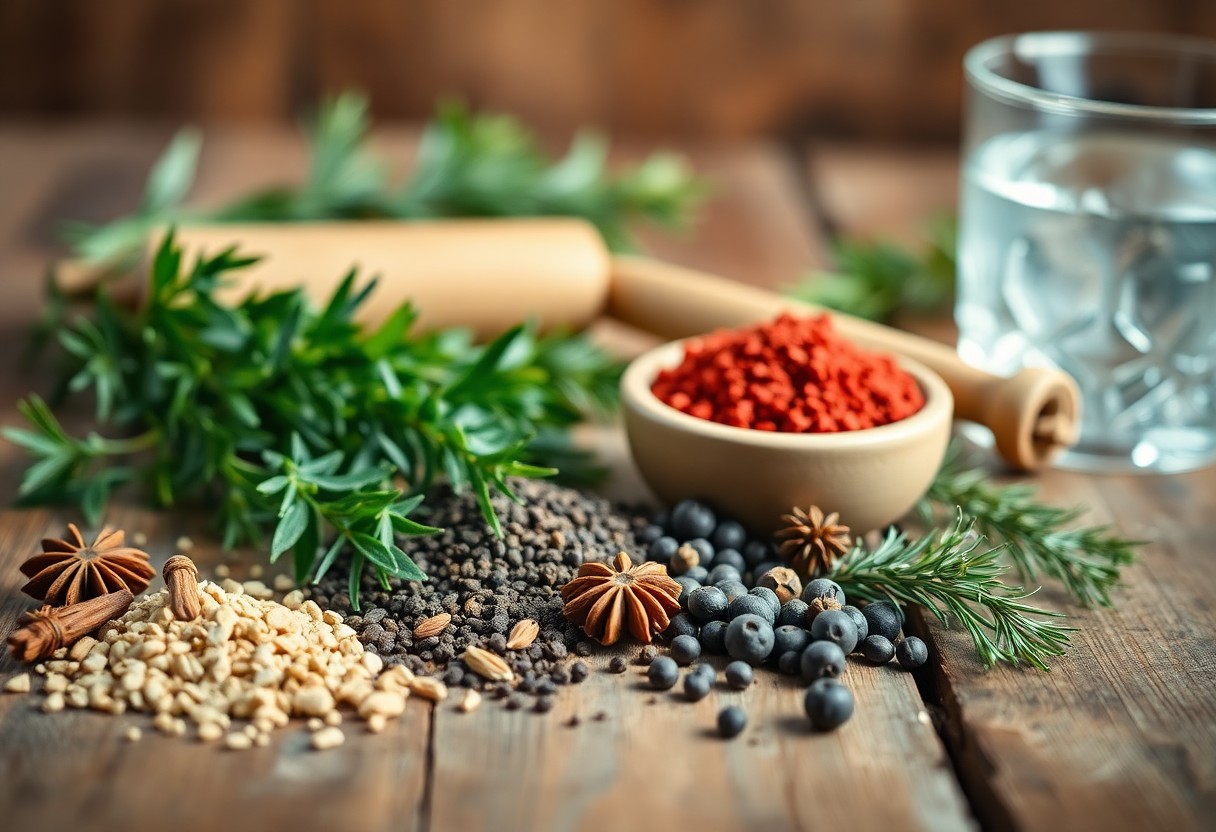
    As you explore the world of gin-inspired cuisine, you’ll discover that the right spices can elevate your dishes to new heights. You’re likely familiar with the distinctive flavor of juniper, but what other enigmatic spices will complement its notes in your cooking? Your culinary creations can benefit from the perfect blend of spices, and understanding which ones to use will take your gin-infused meals from ordinary to extraordinary, allowing you to create unique and captivating flavors that showcase your skill and creativity.

    The Botanical Symphony of Gin

    The world of gin is a complex and fascinating one, with a multitude of botanicals coming together to create a unique flavor profile. As you investigate into the world of gin-inspired cuisine, you’ll discover that the juniper notes are just the beginning. You’ll find that the combination of botanicals used in gin production creates a symphony of flavors, with each one complementing and enhancing the others. Your exploration of gin-inspired cuisine will take you on a journey of discovery, as you uncover the various ways in which these botanicals can be used to create delicious and innovative dishes.

    The art of pairing gin with food is a highly personal one, and as you experiment with different combinations, you’ll develop your own unique understanding of how the various botanicals interact with different ingredients. You’ll find that the floral notes of some gins pair perfectly with delicate fish dishes, while the spicy notes of others complement rich and savory meats. As you explore the world of gin-inspired cuisine, you’ll begin to appreciate the incredible versatility of this spirit, and the many ways in which it can be used to elevate and enhance your cooking.

    Juniper’s Aromatic Character

    One of the most distinctive and recognizable flavors in gin is the juniper berry, which provides a piney, slightly bitter note that is both refreshing and invigorating. As you work with gin in your cooking, you’ll find that the juniper flavor is a versatile one, pairing well with a wide range of ingredients, from citrus and herbs to meats and vegetables. You’ll discover that the juniper flavor can be used to add depth and complexity to a variety of dishes, from soups and stews to sauces and marinades. Your use of juniper will become a key element in your gin-inspired cuisine, as you learn to balance and blend this distinctive flavor with other ingredients.

    One of the key challenges of working with juniper is finding the right balance of flavors, as the piney note can quickly overpower other ingredients. However, as you experiment with different combinations, you’ll develop a sense of how to use juniper to enhance and complement your dishes, rather than overwhelming them. You’ll find that the juniper flavor is a powerful tool in your culinary arsenal, and one that can be used to add a unique and distinctive twist to a wide range of recipes.

    Historical Significance in Cuisine

    Harmoniously, the use of gin in cuisine has a long and storied history, dating back to the Middle Ages, when gin was first used as a medicinal tonic. As you explore the historical significance of gin in cuisine, you’ll discover that this spirit has played a major role in shaping the course of culinary history, from the traditional gin-based cocktails of the 19th century to the modern gin-infused dishes of today. Your understanding of the historical context of gin will deepen your appreciation for this spirit, and provide you with a new perspective on its use in cooking.

    Symphonically, the combination of gin and food has been a staple of fine dining for centuries, with many classic dishes featuring gin as a key ingredient. You’ll find that the use of gin in cuisine is not limited to modern recipes, but has a rich and storied history that spans centuries and continents. As you investigate into the world of historical gin-based cuisine, you’ll discover a wide range of traditional dishes that showcase the versatility and flavor of this spirit.

    Historically, the significance of gin in cuisine is closely tied to the spirit’s medicinal properties, which were highly valued in the Middle Ages. As you explore the historical use of gin, you’ll discover that this spirit was often used to treat a range of ailments, from indigestion to influenza, and was highly prized for its perceived health benefits. Your understanding of the historical context of gin will provide you with a new appreciation for the spirit’s versatility and flavor, and inspire you to experiment with new and innovative recipes that showcase its unique characteristics.

    Complementary Spice Profiles

    Some of the most enigmatic spices that complement the juniper notes in gin-inspired cuisine are those that add a warm, aromatic depth to dishes. As you explore the world of gin-pairing, you’ll find that certain spice profiles stand out for their ability to enhance the botanicals found in gin. Your culinary creations will benefit from the addition of spices that not only complement the juniper flavor but also add a unique character to your dishes. By experimenting with different spice combinations, you’ll discover the perfect balance of flavors to elevate your gin-inspired cuisine.

    As you explore deeper into the world of complementary spice profiles, you’ll encounter a variety of options that will enhance your culinary creations. You’ll find that certain spices have a natural affinity for the juniper notes in gin, and by combining them in innovative ways, you can create truly unique flavor experiences. Your understanding of these spice profiles will allow you to craft dishes that not only showcase the flavors of gin but also add a new level of sophistication to your cuisine.

    Cardamom and Coriander Harmonies

    Akin to the complex flavor profile of gin, cardamom and coriander spices offer a harmonious balance of warm, aromatic notes that complement the juniper flavor. As you experiment with these spices, you’ll find that they add a unique depth to your dishes, from savory meats to sweet desserts. Your use of cardamom and coriander will depend on the specific gin-inspired cuisine you’re creating, but you’ll discover that they pair exceptionally well with a variety of ingredients.

    Alongside the juniper notes in gin, cardamom and coriander spices create a fascinating flavor dynamic that will elevate your culinary creations. You’ll appreciate the way these spices enhance the aromatic qualities of gin, adding a new level of sophistication to your dishes. By incorporating cardamom and coriander into your recipes, you’ll be able to craft unique flavor experiences that showcase the versatility of gin-inspired cuisine.

    Pink Peppercorn and Citrus Peel Dynamics

    Above the subtle nuances of gin’s botanicals, pink peppercorn and citrus peel spices add a vibrant, refreshing quality to dishes. As you explore the combination of these spices with juniper notes, you’ll discover a fascinating interplay of flavors that will enhance your culinary creations. Your use of pink peppercorn and citrus peel will depend on the specific gin-inspired cuisine you’re creating, but you’ll find that they pair exceptionally well with a variety of ingredients, from seafood to desserts.

    Understanding the dynamics of pink peppercorn and citrus peel spices is imperative to creating balanced flavor profiles in your gin-inspired cuisine. You’ll find that these spices not only complement the juniper notes but also add a bright, citrusy quality that cuts through rich or heavy flavors. By incorporating pink peppercorn and citrus peel into your recipes, you’ll be able to craft dishes that are both refreshing and sophisticated, perfect for showcasing the unique flavor profile of gin.

    Mediterranean Influences

    If you’re looking to complement the juniper notes in gin-inspired cuisine, you may want to consider the bold flavors of the Mediterranean. The region’s cuisine is known for its use of aromatic spices and herbs, which pair perfectly with the botanicals found in gin. As you explore the world of Mediterranean flavors, you’ll discover a variety of ingredients that will enhance your gin-inspired dishes. From the sweetness of citrus to the earthiness of thyme, the options are endless, and you’ll find that your culinary creations will be elevated to new heights.

    As you investigate deeper into the world of Mediterranean cuisine, you’ll notice that certain spices and herbs are used repeatedly in various dishes. This is because these ingredients have been perfected over time, and their flavors have become an integral part of the region’s culinary identity. You’ll find that your gin-inspired cuisine will benefit from the use of these ingredients, as they will add depth and complexity to your dishes. Whether you’re creating a simple appetizer or a complex main course, the flavors of the Mediterranean will provide you with a wealth of inspiration and guidance.

    Bay Leaf and Rosemary Connections

    Influenced by the sun-kissed hills of the Mediterranean, you’ll discover that bay leaves and rosemary are two herbs that pair perfectly with the juniper notes in gin. These herbs have a long history of use in Mediterranean cuisine, and their flavors have been refined over time to create a perfect balance of bitter and sweet. As you experiment with bay leaves and rosemary in your gin-inspired cuisine, you’ll find that they add a subtle yet distinctive flavor to your dishes. You can use them to create a fragrant sauce or as a seasoning for your favorite meats and vegetables.

    Insights into the use of bay leaves and rosemary in Mediterranean cuisine will help you to understand how these herbs can be used to enhance your gin-inspired dishes. You’ll find that the key to using these herbs effectively is to balance their flavors with other ingredients, creating a harmonious blend of tastes and aromas. As you gain experience with bay leaves and rosemary, you’ll become more confident in your ability to create delicious and complex gin-inspired dishes that showcase the unique flavors of the Mediterranean.

    Fennel and Anise Undertones

    For a more subtle approach to complementing the juniper notes in gin, you may want to consider the use of fennel and anise. These ingredients have a delicate, licorice-like flavor that pairs perfectly with the botanicals found in gin. As you experiment with fennel and anise in your gin-inspired cuisine, you’ll find that they add a sophisticated and refined flavor to your dishes. You can use them to create a flavorful sauce or as a seasoning for your favorite meats and vegetables.

    Furthermore, you’ll discover that fennel and anise are versatile ingredients that can be used in a variety of dishes, from appetizers to desserts. Anise, in particular, has a unique flavor that is both sweet and savory, making it a great addition to many gin-inspired dishes. As you continue to explore the world of fennel and anise, you’ll find that they become an important part of your culinary repertoire, allowing you to create complex and delicious dishes that showcase the unique flavors of the Mediterranean.

    Anise, with its distinctive flavor and aroma, is an ingredient that will add a new dimension to your gin-inspired cuisine. You’ll find that it pairs perfectly with the juniper notes in gin, creating a balanced and refined flavor profile. As you experiment with anise, you’ll discover that it can be used in a variety of dishes, from savory meats to sweet desserts, and that its unique flavor will elevate your culinary creations to new heights.

    Eastern Spice Traditions

    Many of the spices that complement the juniper notes in gin-inspired cuisine have their roots in Eastern traditions. As you explore the world of gin, you’ll find that the bold flavors of Eastern spices can elevate your dishes to new heights. You may be familiar with the warm, aromatic flavors of spices like cinnamon, cardamom, and star anise, but there are many more exotic spices to discover. From the spicy kick of Szechuan pepper to the sweet, floral flavor of galangal, Eastern spices offer a wealth of options for adding depth and complexity to your gin-inspired creations.

    As you explore into the world of Eastern spices, you’ll find that many of them have been used for centuries in traditional medicine and cooking. You can use these spices to create unique and delicious flavor profiles that will set your gin-inspired dishes apart. Whether you’re looking to add a subtle hint of spice or a bold, pungent flavor, Eastern spices have something to offer. With a little experimentation, you can find the perfect combination of spices to complement the juniper notes in your favorite gin and take your cooking to the next level.

    Grains of Paradise and Cubeb Berries

    Above all, the spices that you choose will depend on your personal taste preferences and the type of dish you’re creating. You may find that grains of paradise, with their slightly sweet, spicy flavor, are the perfect addition to your gin-inspired soup or stew. Alternatively, you might prefer the unique, slightly bitter flavor of cubeb berries, which pair well with the bold, juniper notes of gin. As you experiment with different spices, you’ll find that the possibilities are endless, and you can create a wide range of delicious and unique flavor profiles.

    Alike other Eastern spices, grains of paradise and cubeb berries have been used for centuries in traditional medicine and cooking. You can use them to add a subtle hint of spice or a bold, pungent flavor to your dishes. Whether you’re looking to create a traditional gin-inspired dish or something entirely new, these spices are definitely worth considering. With a little creativity, you can use grains of paradise and cubeb berries to create truly unforgettable flavor experiences.

    Galangal and Green Szechuan Notes

    To begin exploring the world of galangal and green Szechuan notes, you’ll want to start by familiarizing yourself with the unique flavors of these spices. You’ll find that galangal, with its sweet, floral flavor, pairs perfectly with the bold, juniper notes of gin. Green Szechuan notes, on the other hand, offer a spicy, slightly numbing flavor that can add a fascinating dimension to your dishes. As you experiment with these spices, you’ll find that they can be used in a wide range of applications, from soups and stews to marinades and sauces.

    Similarly, you can use galangal and green Szechuan notes to add a touch of exotic flair to your gin-inspired creations. You might find that the sweet, floral flavor of galangal is the perfect addition to your gin-infused desserts, while the spicy kick of green Szechuan notes pairs perfectly with the bold flavors of your favorite gin. With a little experimentation, you can create truly unique and delicious flavor profiles that will set your dishes apart.

    This combination of galangal and green Szechuan notes is particularly interesting when used in conjunction with other Eastern spices. You can use it to create a complex, layered flavor profile that will add depth and sophistication to your gin-inspired dishes. As you continue to experiment with these spices, you’ll find that the possibilities are endless, and you can create a wide range of delicious and unique flavor experiences that showcase the versatility of gin-inspired cuisine.

    Nordic Spice Elements

    Your exploration of gin-inspired cuisine will undoubtedly lead you to Nordic spice elements, where the bold and aromatic flavors of the region’s botanicals await. As you investigate into the world of Nordic spices, you’ll discover a plethora of options to complement the juniper notes in your dishes. From the earthy undertones of caraway to the bright, citrusy notes of dill, the possibilities are endless. You’ll find that these spices not only enhance the flavor profile of your gin-inspired creations but also add a unique cultural twist to your culinary endeavors.

    Your Nordic spice journey will take you through a variety of flavor landscapes, each with its own distinct character. As you experiment with different spice combinations, you’ll begin to appreciate the nuances of Nordic cuisine and how they intersect with the botanicals found in gin. Whether you’re crafting a traditional Scandinavian dish or innovating a modern gin-paired recipe, the Nordic spice elements will provide you with a rich foundation to build upon. With each new discovery, you’ll find yourself drawn deeper into the world of gin-inspired cuisine, eager to explore the next flavor combination.

    Caraway and Dill Interactions

    Beneath the surface of Nordic cuisine lies a complex interplay of flavors, where caraway and dill interact in fascinating ways. Between the slightly bitter, nutty flavor of caraway and the bright, airy taste of dill, you’ll find a beautiful balance that complements the juniper notes in gin perfectly. As you experiment with these spices, you’ll discover that caraway adds a satisfying depth to your dishes, while dill provides a refreshing contrast that cuts through the richness of other ingredients. You’ll find yourself reaching for these spices again and again as you develop your own unique gin-inspired recipes.

    Between the traditional uses of caraway and dill in Nordic cuisine and your own innovative applications, lies a world of possibilities waiting to be explored. You’ll find that these spices pair exceptionally well with the botanicals found in gin, particularly the juniper and coriander. As you continue to experiment with caraway and dill, you’ll develop a deeper understanding of how they interact with other flavors and how they can be used to enhance your gin-inspired creations. With each new discovery, you’ll become more confident in your ability to craft unique and delicious dishes that showcase the best of Nordic spice elements.

    Arctic Thyme Possibilities

    For the adventurous chef, Arctic thyme presents a fascinating array of possibilities. For those willing to experiment, this humble herb offers a unique flavor profile that pairs exceptionally well with the juniper notes in gin. You’ll find that Arctic thyme adds a subtle, slightly minty flavor to your dishes, which complements the botanicals in gin perfectly. As you explore the possibilities of Arctic thyme, you’ll discover that it pairs well with a variety of ingredients, from the brightness of citrus to the richness of game meats.

    It is worth noting that Arctic thyme is a versatile herb that can be used in a variety of applications, from marinades and sauces to soups and stews. You’ll find that it adds a unique, slightly bitter flavor to your dishes, which balances perfectly with the sweetness of other ingredients. As you continue to experiment with Arctic thyme, you’ll develop a deeper appreciation for its subtlety and nuance, and you’ll find yourself reaching for it again and again as you craft your own unique gin-inspired recipes. With Arctic thyme, the possibilities are endless, and you’ll discover that it is a valuable addition to your culinary arsenal.

    Modern Culinary Applications

    Not only is gin a popular spirit, but its unique flavor profile has also inspired a new wave of culinary creations. As you explore the world of gin-inspired cuisine, you’ll discover a variety of dishes that showcase the versatility of juniper notes. From savory meats to sweet desserts, the possibilities are endless, and it’s up to you to experiment with different flavors and ingredients to create your own signature dishes. You can start by incorporating gin-infused ingredients, such as gin-pickled vegetables or gin-glazed meats, into your recipes to add a depth of flavor that will elevate your cooking to the next level.

    As you examine deeper into the world of gin-inspired cuisine, you’ll find that the key to creating successful dishes lies in balancing the bold flavors of the gin with complementary ingredients. You can draw inspiration from traditional pairings, such as juniper and game meats, or experiment with more modern combinations, like gin and seafood. The important thing is to trust your palate and have fun with the process, as the world of gin-inspired cuisine is all about innovation and creativity.

    Savory Dish Innovations

    By exploring the savory side of gin-inspired cuisine, you’ll discover a range of innovative dishes that showcase the versatility of juniper notes. You can try pairing gin-glazed pork chops with roasted root vegetables, or experiment with gin-infused sauces to add a depth of flavor to your favorite meat dishes. As you experiment with different ingredients and flavor combinations, you’ll find that the possibilities are endless, and it’s up to you to push the boundaries of what’s possible with gin-inspired cuisine.

    By combining gin with other bold flavors, such as garlic and rosemary, you can create savory dishes that are both complex and delicious. You can try making a gin-infused marinade for your favorite meats, or experiment with gin-based sauces to add a tangy flavor to your dishes. As you explore the world of savory gin-inspired cuisine, you’ll find that the key to success lies in balancing flavors and trusting your instincts, so don’t be afraid to experiment and try new things.

    Sweet Flavor Combinations

    Innovations in sweet gin-inspired cuisine are just as exciting as their savory counterparts, and you’ll find that the possibilities are endless when it comes to combining gin with sweet ingredients. You can try making a gin-infused syrup to add a unique flavor to your favorite desserts, or experiment with gin-based sauces to add a tangy flavor to your sweet treats. As you explore the world of sweet gin-inspired cuisine, you’ll discover a range of innovative flavor combinations that will take your desserts to the next level.

    Innovations in sweet gin-inspired cuisine often involve combining gin with other sweet ingredients, such as fruit or chocolate, to create unique and delicious flavor combinations. You can try making a gin-infused chocolate truffle, or experiment with gin-based sauces to add a tangy flavor to your favorite fruit desserts. As you experiment with different ingredients and flavor combinations, you’ll find that the key to success lies in balancing flavors and trusting your instincts, so don’t be afraid to try new things and push the boundaries of what’s possible with sweet gin-inspired cuisine.

    Considering the unique flavor profile of gin, it’s no surprise that it pairs well with a range of sweet ingredients, from citrus fruits to rich chocolates. You can try making a gin-infused lemon tart, or experiment with gin-based sauces to add a tangy flavor to your favorite chocolate desserts. As you explore the world of sweet gin-inspired cuisine, you’ll discover a range of innovative flavor combinations that will take your desserts to the next level, and you’ll find that the possibilities are endless when it comes to combining gin with sweet ingredients.

    To wrap up

    Summing up your exploration of gin-inspired cuisine, you’ll find that the enigmatic spices that complement the juniper notes are a fascinating combination. As you explore into the world of flavors, you’ll discover that spices like coriander, cardamom, and cinnamon play a significant role in enhancing the botanicals present in gin. You’ll notice that these spices add a warm, aromatic flavor profile that balances out the bitterness of the juniper, creating a harmonious and complex taste experience. Your sense of adventure will be rewarded as you experiment with different spice blends and discover the unique characteristics each one brings to the table.

    As you continue to explore gin-inspired cuisine, you’ll develop a deeper understanding of how these enigmatic spices interact with the juniper notes to create a truly unique flavor experience. You’ll learn to appreciate the subtle nuances of each spice and how they contribute to the overall flavor profile of a dish. Your culinary skills will be elevated as you master the art of combining these spices with other ingredients to create innovative and delicious gin-inspired recipes. With your newfound knowledge, you’ll be able to impress your friends and family with your creations, and your appreciation for the complexity of gin-inspired cuisine will continue to grow, inspiring you to experiment with new flavors and ingredients.