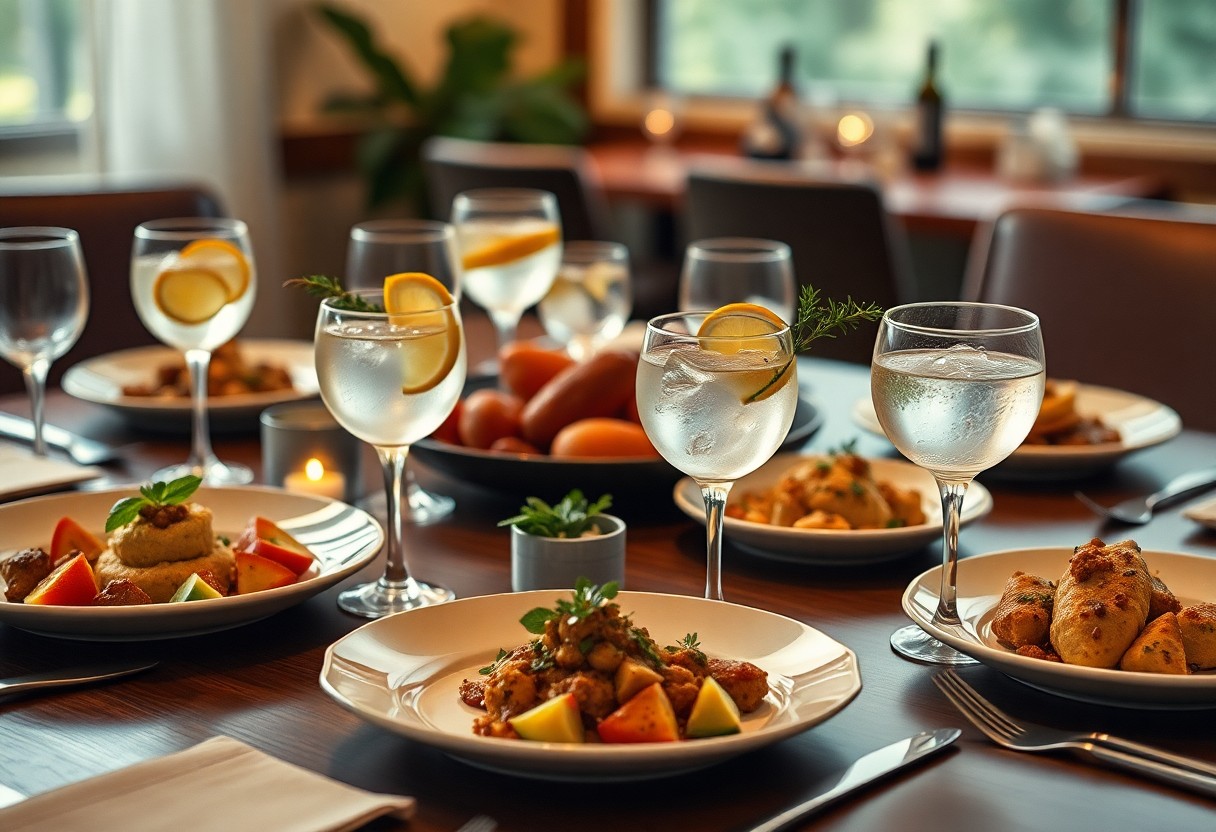
Most people enjoy a good drink with their meal, but pairing gin with food can elevate your dining experience like nothing else. This guide will equip you with savvy tricks to enhance your palate and discover the best flavor combinations. From selecting the right botanicals in your gin to understanding how different ingredients interact, you’ll gain the confidence to create unforgettable pairings. Get ready to impress your friends and family with your newfound expertise on how to harmonize gin with your favorite dishes.
Understanding Gin
For those begining on a culinary adventure with gin, it’s imperative to grasp its complexity. Gin is a versatile spirit defined primarily by its juniper berry flavor, but various botanicals elevate its character. This makes it an excellent companion for diverse cuisines, enhancing your dining experience with its aromatic and refreshing qualities.
Types of Gin
For a deeper appreciation, it’s helpful to understand the main types of gin:
- London Dry Gin
- Old Tom Gin
- Distilled Gin
- Compound Gin
- Plymouth Gin
Perceiving the distinct characteristics of each type will aid you in selecting the perfect gin to accompany your culinary creations.
| Type of Gin | Description |
| London Dry Gin | Crisp and aromatic, with a strong juniper flavor. |
| Old Tom Gin | Sweeter, with a smoother profile than London Dry. |
| Distilled Gin | Made by redistilling neutral spirits with botanicals. |
| Compound Gin | Flavored without distillation; simpler in flavor. |
| Plymouth Gin | A more subdued, earthy style with a maritime edge. |
Flavor Profiles
Now, let’s research into the flavor profiles that differentiate gin styles. Each type brings unique botanical elements and nuances, shaping your culinary pairings.
Plus, understanding the flavor profiles allows you to explore new dimensions in food pairings. For instance, the citrus notes in a London Dry may beautifully complement seafood dishes, while the botanicals in Old Tom can enhance rich meats. By selecting the right gin based on flavor, you enhance not just the drink itself but the entire dining experience, making it a sensory delight that resonates with your palate and the food on your plate.
How to Pair Gin with Different Cuisines
One of the most delightful aspects of gin is its versatility, making it an excellent companion for diverse cuisines. Whether you’re enjoying spicy Indian dishes or fresh Mediterranean fare, your gin choice can elevate the dining experience. Pay attention to the botanicals in your gin and complement them with similar flavor profiles found in your food. By thoughtfully matching gin and cuisine, you can create harmonious and unforgettable meals.
Classic Pairings
On classic pairings, you’ll find gin plays wonderfully with traditional dishes. For instance, a classic London Dry gin pairs beautifully with fish and chips, where the crispness of the gin complements the fried batter. Similarly, a gin and tonic alongside a charcuterie board brings out the flavors in both the meats and the tonic’s citrus. Stick with timeless combinations to ensure a well-rounded dining experience.
Innovative Combinations
Pairings that go beyond the expected can lead to exhilarating flavor experiences. Think outside the box when combining your favorite gin with unconventional dishes, such as Vietnamese pho or Korean BBQ. The herbal and floral notes of your gin can enhance the umami and spice of these cuisines, creating a dynamic contrast. Don’t hesitate to experiment with unique ingredients and serving styles that excite your palate.
Combinations can include harmonizing gin with spicy dishes like Thai curry, where the heat is beautifully balanced by the gin’s botanicals. Alternatively, pairing gin with rich, smoky flavors, such as those found in Southern barbecue, can provide a refreshing contrast that enhances both the food and the drink. Challenge yourself to mix traditional and modern flavors; your creativity can lead to fascinating and delicious pairings.
Tips for Selecting the Right Gin
Assuming you want to elevate your gin experience, selecting the right gin is key. Consider your flavor profiles and how they will pair with your dishes. Take note of the following tips when choosing your gin:
- Identify your preferred flavor notes—citrus, herbal, or floral.
- Review the gin’s production method—distilled or compound.
- Explore various brands, as each has unique botanical blends.
- Consider the alcohol content for balance with your food.
The right gin can enhance your meal delightfully.
Consider Ingredients
Assuming the gin’s ingredients have a direct impact on its character, it’s crucial to think about what botanicals excite your palate. Look for gins that highlight specific flavors, such as those that boast a prominent juniper profile or ones infused with unique elements like cucumber, cardamom, or even lavender. This will help you determine how well they might complement the specific dishes you are pairing.
Assessing Aromatics
Ingredients are just one part of the equation; assessing the aromatics of your gin is equally important. The scent of your gin will play a significant role in how it interacts with the flavor of your food. When sniffing your gin, take note of its bouquet—floral notes might pair beautifully with seafood, while spicier gins could enhance richer meats. By understanding the aromatic nuances, you can select a gin that provides an inviting olfactory experience and elevates your meal’s overall enjoyment.
Factors to Consider in Food Pairing
Your approach to pairing gin with food should consider several elements to create a harmonious dining experience. Take into account:
- The botanicals in your gin
- The dish’s flavor profile
- Serving temperature
- Texture and body
- Personal preferences
Perceiving these factors will enhance your culinary and gin pairing skills.
Texture and Body
Some dishes have a light, delicate texture, while others are rich and hearty. The body of your gin, whether it’s smooth or bold, should complement the food texture. For instance, a creamy dessert pairs wonderfully with a soft gin, while a robust meat dish calls for a gin with a more pronounced character.
Flavor Intensity
Assuming you understand the flavor profiles of both your gin and food is necessary to a successful pairing. The intensity of flavors should match to avoid overwhelming your palate. Light gins with floral notes may be lost against strongly flavored dishes, while a bold, juniper-forward gin can stand up to spicy or robust cuisine.
Body plays an necessary role in determining how flavor intensity interacts in your pairing. A heavier dish requires a gin that can balance its rich flavors without being overshadowed. Conversely, lighter foods can benefit from softer, more aromatic gins that enhance instead of compete. Striking the right balance between the gin’s body and the food’s intensity will make each bite and sip a delightful experience.
How to Create a Gin Cocktail to Complement Your Meal
Despite the complexity often associated with cocktail creation, crafting a gin cocktail that enhances your meal is quite straightforward. Start by considering the main flavors of your dish; a herbaceous gin pairs well with fresh salads, while a citrus-forward option complements grilled seafood. Balance your cocktail with acidity, sweetness, and herbal notes to create a harmonious experience on your palate. Ultimately, your cocktail should enhance the dining experience, making both your food and drink memorable.
Mixing Techniques
You can elevate your gin cocktail by mastering a few vital mixing techniques. Shaking, stirring, or muddling can all create different flavor profiles and textures. For instance, shaking with ice thoroughly blends citrus juice and ensures a refreshing chill, while stirring is ideal for delicate drinks that require a smoother mouthfeel. Experiment with various techniques to find the one that best complements your meal and personal preference.
Garnishing and Presentation
You can significantly enhance the visual appeal and flavor of your gin cocktail with thoughtful garnishing and presentation. Fresh herbs, citrus peels, or even edible flowers can elevate your drink’s look while adding aromatic nuances. Take time to craft a stunning garnish that not only complements the drink but also ties in with the themes or ingredients of your meal. The right presentation can stimulate the senses and set the tone for your dining experience.
Cocktail garnishing is an art that can elevate your home mixology. A simple twist of lemon or a sprig of rosemary can add both aroma and refinement to your drink. Consider color contrast and texture to create an inviting presentation; for example, vibrant garnishes can pop against a clear drink. Additionally, using unique glassware can enhance the overall experience. Be playful with your garnishes, and let them echo the spirit of your meal, creating a cohesive dining experience that indulges all the senses.
Exploring Gin Tasting Events
Not all gin tasting events are created equal, but they offer a fantastic opportunity to refine your palate and deepen your appreciation for this versatile spirit. At these events, you’ll encounter a wide variety of gins, showcasing different botanicals, distillation methods, and regions. This experience allows you to understand how each gin can complement various foods, making it easier for you to create delightful pairings at home.
What to Expect
Even if you haven’t attended a gin tasting before, you can anticipate an engaging atmosphere where you can sample a range of gins paired with complementary foods. Often, experts will guide you through the tasting process, sharing insights about each gin’s flavor profile. You’ll also have the chance to ask questions and discover how specific botanicals can impact the overall tasting experience.
Enhancing Your Pairing Knowledge
For those eager to deepen your understanding of gin and food pairings, participating in gin tasting events is a fantastic way. These gatherings not only provide you with opportunities to taste various gins but also allow you to learn from knowledgeable hosts who can explain the complexities of flavor matching.
With each event, take notes on the nuances you detect in different gins and how they interact with specific foods. Engaging in discussions with other attendees can also introduce you to new ideas and perspectives on flavor pairings. The shared enthusiasm for gin will enrich your understanding and inspire you to experiment more in your own pairings at home.
Final Words
Conclusively, mastering the art of pairing gin with food opens up a world of culinary experiences. By understanding the key flavor profiles of your gin and thoughtfully selecting complementary dishes, you can elevate your dining occasions. Whether you’re enjoying a refreshing gin and tonic with seafood or a herbal gin with earthy vegetables, your ability to harmonize these flavors will impress your guests and enhance your palate. Embrace the versatility of gin, and let your taste adventures begin!