Tag: spirits

  • What Role Does Aged Gin Play In The Evolving Spirits Landscape?

    What Role Does Aged Gin Play In The Evolving Spirits Landscape?

    Just as you explore the diverse world of spirits, you may find yourself intrigued by the emergence of aged gin. This unique variant, which undergoes a maturation process similar to that of whiskey, is reshaping your understanding of gin and its place in modern cocktails. As you research into the characteristics and flavor profiles of aged gin, you’ll discover how it contributes to the evolving spirits landscape, offers new opportunities for mixology, and captivates your palate with its complex notes. Join us as we uncover the fascinating role of aged gin in today’s dynamic drinking culture.

    The History of Aged Gin

    Aged gin has a rich history that dates back centuries, intertwining with the evolution of distillation techniques and the changing preferences of drinkers. Initially overshadowed by its clear counterpart, the barrel-aging process gained traction as producers and consumers began to explore new flavor profiles, ultimately leading to the gin resurgence seen today. Whether sipped neat or in cocktails, aged gin possesses a unique character that reflects its storied past.

    Origins of Aged Gin

    Against the backdrop of the 19th century, some gin producers began experimenting with aging their spirits in wooden barrels, driven by a desire to create a smoother and more complex flavor. These early attempts were largely influenced by the popularity of other aged spirits, such as whiskey, which prompted distillers to adapt their methods and showcase the versatility of gin. As you investigate into its origins, you’ll uncover a tale of innovation and adaptation within the spirits industry.

    Evolution of Production Techniques

    One significant development in the world of aged gin has been the evolution of production techniques, which have dramatically transformed the way gin is crafted. Distillers are now utilizing a variety of aging processes and barrel types, allowing for an array of flavors to emerge during maturation.

    Further exploration into the aging process reveals that modern producers often experiment with different wood types, such as oak or cherry, and often incorporate various infusions during maturation. These innovative practices enable you to enjoy a diverse range of aromas and tastes in your aged gin, from rich vanilla to spicy undertones. Embracing these evolving techniques not only enhances your drinking experience but also reflects ongoing trends in the broader spirits landscape. As you sip aged gin, you are partaking in a tradition that harmonizes craftsmanship and creativity, elevating this timeless spirit to new heights.

    Aged Gin vs. Traditional Gin

    It is vital to understand the distinctions between aged gin and traditional gin as both contribute uniquely to the spirits landscape. While traditional gin typically emphasizes its botanical elements and crispness, aged gin transcends this by incorporating the nuances imparted during the maturation process, creating a fascinating dynamic in flavor and complexity.

    Flavor Profiles

    One of the most striking differences between aged gin and traditional gin lies in their flavor profiles. Aged gin often showcases deeper, richer notes derived from the barrels in which it is aged, accentuating flavors like vanilla, spice, and oak, while traditional gin focuses more on the fresh and vibrant botanicals like juniper, citrus, and herbs.

    Aging Processes and Ingredients

    Below the surface, the aging processes and ingredients play a significant role in defining the character of aged gin. Unlike traditional gin, which is typically unaged, aged gin is matured in wooden barrels, allowing it to absorb the essence of the wood and any residual flavors from previous contents.

    In addition, the choice of wood barrels can greatly influence the final product, with options ranging from American oak to more exotic woods imparting different flavor characteristics. Moreover, some distillers might experiment with the aging period or incorporate various botanicals that complement the wood’s influence, enriching your tasting experience with complexity and depth that traditional gin may not offer.

    The Rise in Popularity of Aged Gin

    You may have noticed the growing trend of aged gin in recent years, capturing the attention of both mixologists and spirits enthusiasts. As consumers seek out richer and more complex flavors, aged gin offers a unique alternative that stands apart from traditional clear gins. This evolution not only broadens the appeal of gin but also integrates it into different drinking cultures, making it a versatile choice for your next cocktail or neat pour.

    Consumer Trends

    With an increasing emphasis on craftsmanship and quality, consumers are gravitating toward spirits that tell a story. Aged gin, with its nuanced flavors derived from the barrels used in maturation, aligns perfectly with this trend. As you explore your preferences, you may find that aged gin appeals to your desire for unique taste experiences, blending the familiar essence of gin with the depth of barrel aging.

    Influential Brands and Their Impact

    An emerging wave of innovative brands is revolutionizing the aged gin landscape. These companies prioritize quality and creativity, crafting aged gins that appeal to adventurous palates. By leveraging unique botanicals and aging processes, they not only elevate the spirit but also educate consumers about the nuances of gin production.

    Consumer interest in brand storytelling and authenticity often leads to the popularity of these influential brands. As producers share their methods and creative visions, you are likely to feel a deeper connection and appreciation for the aged gin offerings. This impact fosters greater experimentation and encourages you to explore a wider range of flavors, driving both your interest and the demand for aged gin within the evolving spirits market.

    Cocktails and Mixology with Aged Gin

    To truly appreciate the depth of aged gin, experimentation in cocktails and mixology is key. As a unique spirit that harmonizes botanical nuances with subtle oak characteristics, aged gin offers a fresh take on both classic and modern cocktails. You can easily elevate your drink experience by incorporating this spirit into various refreshing recipes, showcasing its complex flavors and aromas.

    Innovative Recipes

    At the forefront of mixology, innovative recipes featuring aged gin can transform your cocktail repertoire. You can explore new combinations by blending aged gin with artisan tonics, exotic bitters, or seasonal fruits. This versatility allows you to craft cocktails that highlight the spirit’s refined notes, proving that aged gin is not just a trend but a vital ingredient for creative libations.

    Classic Cocktails Reimagined

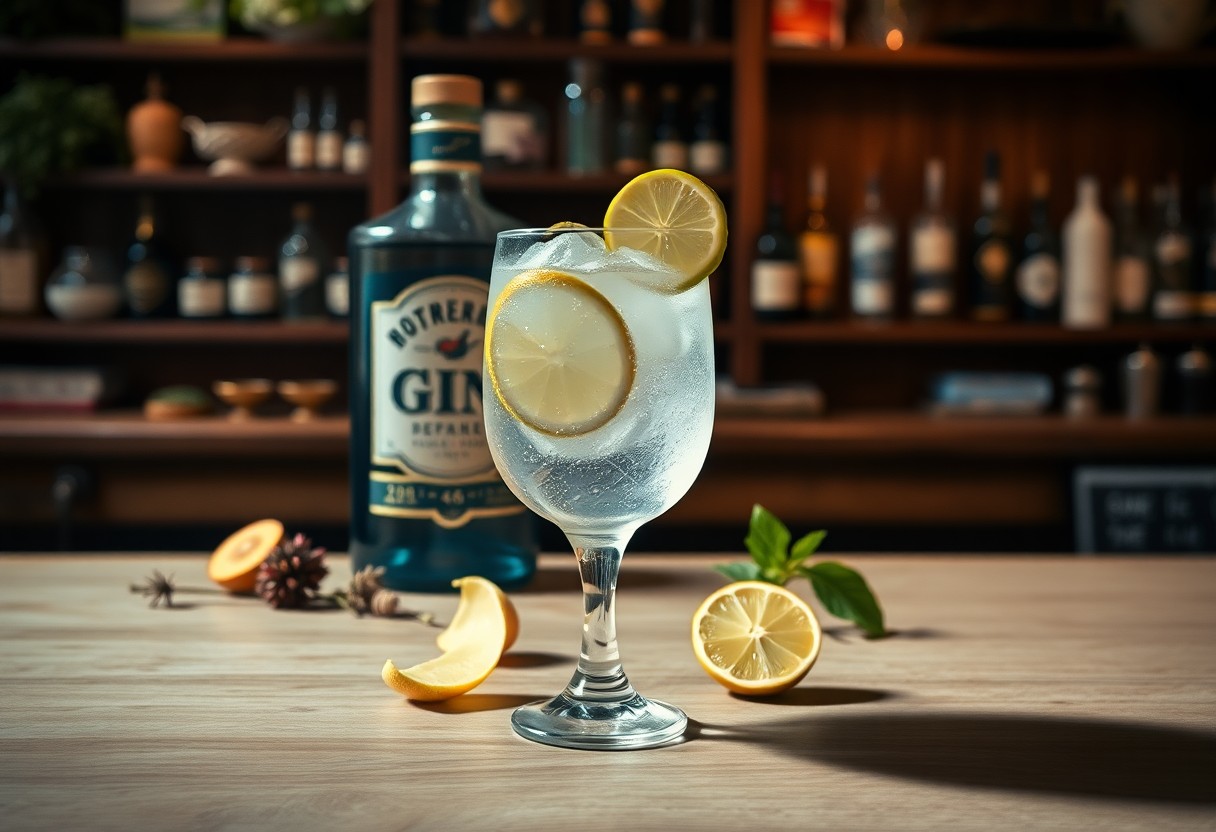
    Innovative iterations of classic cocktails can breathe new life into your favorite drinks. By substituting traditional gin with aged gin, you’re adding layers of flavor and complexity that will surprise and delight your palate. Cocktails such as the Negroni or a Gin and Tonic take on a richer profile, with hints of vanilla and spice, when made with aged gin. The oak maturation softens the botanicals, allowing you to experience these timeless drinks anew.

    Mixology with aged gin opens up numerous possibilities, allowing you to reimagine classic recipes. For instance, consider using aged gin in a traditional martini to anchor a delightful shift in flavor, or opt for an aged gin-infused Gimlet that showcases vibrant, herbal notes. This not only elevates the drink’s profile, but it also encourages you to explore the diverse character of aged gin as it interacts with other ingredients. By embracing these reimagined classics, you’ll enhance your cocktail experience and showcase the exciting potential of aged gin in the evolving spirits landscape.

    Aged Gin in the Global Spirits Market

    Now, as the spirits landscape continues to evolve, aged gin emerges as a distinctive contender, captivating both connoisseurs and casual drinkers alike. Known for its unique flavor profiles achieved through barrel aging, you will find that this spirit not only diversifies your options but also enriches your tasting experiences. From craft distilleries to established brands, aged gin is gaining recognition, allowing you to explore an exciting segment of the gin market that may have long been overshadowed.

    Market Trends and Forecasts

    Market trends indicate a significant rise in the popularity of aged gin, particularly among millennials and a burgeoning interest in artisanal spirits. You can expect to see innovative aging processes and flavor experimentation as brands seek to differentiate themselves. Growth forecasts project an ongoing increase in sales, reflecting a shift towards premium spirits that cater to sophisticated palates.

    Regional Variations in Consumption

    Forecasts reveal intriguing regional variations in the consumption of aged gin that may influence your purchasing decisions. Different markets exhibit distinct preferences, driven by local tastes and cultural influences. You might notice that, for example, European countries are leading the charge in aged gin consumption, while interest is growing in the U.S. and Asia as well.

    For instance, in Europe, countries like the UK and Spain are at the forefront, showcasing a preference for locally crafted aged gins that highlight native botanicals. Your experience may differ in the U.S., where innovation in flavor profiles often drives interest, blending traditional techniques with modern twists. In Asia, the burgeoning cocktail culture and interest in premium spirits signify an expanding market for aged gin, presenting a growing opportunity for you to explore diverse offerings across the globe.

    The Future of Aged Gin

    After experiencing a surge in popularity, the future of aged gin looks promising. With more distilleries experimenting and innovating with aging techniques, you can expect to see unique flavor profiles that challenge traditional gin perceptions. As consumers become more adventurous, the demand for aged gin will likely continue to grow, pushing brands to create distinctive offerings that capture your interest.

    Emerging Trends

    At the forefront of the aged gin movement are innovative aging methods and collaborations with other spirits. You’ll find distilleries exploring barrel finishes, incorporating unusual botanicals, and even blending aged gins with other spirits like whiskey or rum. These trends not only enhance the aging process but also expand your palate, inviting you to explore the vast possibilities within this category.

    Potential Challenges

    Aged gins face several challenges as they evolve within the spirits landscape. You may notice that balancing the aging process with gin’s characteristic brightness can be tricky, and educating consumers about these nuanced products is imperative for their acceptance. Additionally, competition in the premium spirits market may hinder some brands from standing out.

    The challenge for aged gin producers lies in striking the right balance between traditional gin elements and the deeper, complex flavors imparted during the aging process. As consumers like you become more discerning, distillery brands must focus on educating you about their products and the distinct qualities they bring to the table. Moreover, the increasing competition can make it difficult for smaller producers to gain the visibility necessary to capture your attention and loyalty. Staying creative while maintaining quality will be key to navigating these hurdles in the ever-evolving spirits landscape.
  • Gin 101 – Everything You Need To Know About This Timeless Spirit

    Gin 101 – Everything You Need To Know About This Timeless Spirit

    Over the years, gin has emerged as a beloved spirit, fascinating enthusiasts with its unique botanicals and rich history. In this guide, you will discover everything you need to know about gin, from its origins and production process to the various styles and perfect cocktails. Whether you are just beginning to explore the world of gin or looking to deepen your knowledge, this comprehensive overview will equip you with important insights for appreciating and enjoying this timeless spirit to the fullest.

    History of Gin

    The history of gin is as rich and diverse as the spirit itself, tracing back to the 16th century when it was first produced in the Netherlands. Originally used for medicinal purposes, gin quickly gained popularity in England during the early 18th century, leading to the “Gin Craze,” where its consumption soared. This fascinating timeline showcases the transformation of gin from a simple herbal remedy to one of the most celebrated spirits in the world today.

    Origins and Evolution

    The origins of gin can be linked to the Dutch spirit, genever, which combined malt and juniper berries. As the spirit made its way to England in the early 17th century, it underwent significant evolution, becoming the clear, juniper-forward drink you know today. The evolution of gin has resulted in various styles, including London Dry and Old Tom, each with its unique taste profile that caters to diverse preferences.

    Cultural Significance

    At the heart of gin’s appeal is its cultural significance, as it has woven itself into the social fabric of numerous societies. From classic gin cocktails that have defined mixology to a burgeoning craft gin movement, this spirit has inspired camaraderie and creativity across generations. Furthermore, gin has played a role in various historical events, illustrating its influence on society and leisure.

    Further, gin has become synonymous with celebration and relaxation, often enjoyed in social settings. Its presence in iconic drinks like the gin and tonic signifies not just refreshment, but also a gathering place for friends and family. You can find gin festivals and tastings that celebrate artistry and innovation, showcasing new distillation techniques and botanicals. This cultural significance celebrates community, creativity, and enjoyment, solidifying gin’s status as a timeless spirit in your bar or home.

    Types of Gin

    Clearly, gin falls into various categories, each offering a unique flavor profile and drinking experience. Below are the main types of gin you’ll likely encounter:

    • London Dry Gin
    • Old Tom Gin
    • Genever
    • New Western or Contemporary Gin
    • Sloe Gin

    Knowing the differences between these types will enhance your appreciation and help you select the right gin for your taste and cocktail preferences.

    London Dry Gin Classic gin style with a robust juniper flavor and no added sweetness.
    Old Tom Gin A slightly sweeter gin, often used in classic cocktails.
    Genever A malty, smoother spirit that is the predecessor to modern gin.
    New Western Gin Focuses on botanical flavors beyond juniper, making it unique.
    Sloe Gin Flavored gin made from sloe berries, often sweet and fruity.

    London Dry Gin

    By choosing London Dry Gin, you opt for a spirit renowned for its crisp and clean taste, predominantly flavored with juniper berries. This style is appreciated for its lack of artificial flavorings and sweeteners, making it an ideal base for classic cocktails like the Gin and Tonic or the Martini. You’ll find that its balanced profile emphasizes the botanicals, offering a refreshing experience in each sip.

    Old Tom and Genever

    Against the backdrop of modern gin, Old Tom and Genever stand out with their rich histories and distinct flavors. Old Tom gin is a sweeter style that gained popularity in the 18th century, making it a perfect choice for various classic cocktails. Genever, hailing from the Netherlands, features a malty base and is often richer and more complex compared to other types. Both styles are key players in the evolution of gin and offer a wonderful contrast to today’s drier varieties.

    Even though Old Tom and Genever have fallen out of favor relative to their drier counterparts, they are worth exploring. Old Tom is typically sweeter and produces a smooth yet flavorful profile, making it excellent in cocktails that require a hint of sweetness. Genever, characterized by its maltiness, can range from young and approachable to aged and complex, offering a taste of gin’s historical roots. By experimenting with these unique styles, you open yourself to a richer palette of flavors and experiences within the fascinating world of gin.

    Production Process

    Assuming you’re keen to understand gin, it’s crucial to probe into the intricate production process. Gin begins as a neutral spirit, derived primarily from grain or malt, which is then flavored with botanicals, primarily juniper berries. The art of gin-making combines traditional practices with modern techniques, ensuring that each batch is unique. You’ll find that every distillery has its own signature recipes, which can lead to a diverse range of flavor profiles, from aromatic and floral to spiced and herbal.

    Ingredients Used

    Against popular belief, the key ingredient in gin is not just the juniper but also a variety of botanicals that add depth and complexity. Commonly used ingredients include coriander, angelica root, and citrus peels, but some distillers get creative with local herbs and spices, resulting in distinctive flavors. This variety allows you to select gins that suit your personal palate, whether you prefer the fresh zing of citrus or the grounding taste of earthy botanicals.

    Distillation Methods

    Below the surface, the distillation method plays a significant role in the final product’s character. Different techniques such as pot still distillation or column still distillation offer varying results. Pot still distillation is favored by craft distillers for its ability to retain robust flavors, while column still distillation often leads to a cleaner spirit suitable for mass production.

    For instance, pot stills allow for the infusion of botanicals during the initial distillation, enhancing the spirit’s aromatic qualities. In contrast, column stills can efficiently produce high-proof spirits, ideal for large-scale gin brands. The choice of distillation method will depend on the desired flavor profile; therefore, paying attention to how your gin was produced can elevate your tasting experience.

    Flavor Profiles

    Your exploration of gin wouldn’t be complete without acknowledging its diverse flavor profiles. Ranging from the traditional juniper-forward taste to more modern interpretations that highlight various botanicals, each gin offers a unique experience. These profiles can be influenced by distillation methods, the quality of botanicals used, and even the region it hails from. As you research into gin tasting, you’ll discover a wide array of flavors, from floral and citrusy to earthy and spicy, making gin an incredibly versatile spirit for cocktails and sipping alike.

    Botanical Influences

    About the fascinating world of botanicals, these ingredients form the bedrock of gin’s flavor. While juniper berries are the primary botanical, gins can incorporate a myriad of other elements, including coriander, angelica root, citrus peels, and even exotic spices. Each botanical contributes its unique characteristics, creating a harmonious blend that defines the gin’s personality. By experimenting with different gins, you can uncover how these botanical influences shape not only the aroma but also the taste experience you enjoy in your drink.

    Tasting Notes

    Influences from the diverse botanicals used in production come alive during a tasting session. You might encounter bright citrus notes, fragrant herbs, or even hints of spice on the palate. This complexity not only highlights the craftsmanship behind each bottle but also invites you to appreciate the subtle differences as you sip. As you identify and savor these tasting notes, you’ll gain a deeper understanding of how the various botanicals work together to create the signature flavor of your chosen gin.

    In fact, tasting notes can vary so widely that they often lead to exciting discussions among gin enthusiasts. For example, a sip might reveal zesty lemon followed by a whisper of rosemary, or a bold expression of cardamom backed by sweeter floral nuances. Keeping a tasting journal can help you articulate these experiences and fine-tune your palate, enabling you to discover your preferences and recommend gins that might cater to your tastes. Engaging with these notes elevates your overall gin experience, allowing you to savor every flavorful detail.

    Popular Cocktails

    Unlike many spirits, gin’s versatility shines through in its myriad of cocktails. From timeless classics to contemporary concoctions, gin can elevate any gathering. Whether you prefer the refreshing notes of a gin and tonic or the elegant bitterness of a Negroni, there’s a gin cocktail that suits every palate and occasion.

    Classic Gin Cocktails

    Classic gin cocktails have endured the test of time, showcasing the spirit’s botanical complexities. Iconic drinks such as the Martini and the Gimlet highlight gin’s crisp character and are foundational recipes you should master. These cocktails not only offer a glimpse into gin’s rich history but also serve as the perfect introduction for any budding mixologist.

    Modern Mixology

    Any enthusiast venturing into modern mixology will find that gin is at the forefront of innovative cocktail creation. Bartenders today blend unexpected ingredients with traditional gin to create exciting new flavor profiles. From herb-infused syrups to artisanal tonic waters and unique garnishes, modern mixology invites you to experiment and discover your own signature gin cocktail.

    Considering the rise of craft cocktails, it’s worth exploring how bartenders are reimagining gin. Many are incorporating unexpected ingredients, such as spicy peppers or seasonal fruits, allowing you to experience gin in completely new ways. By embracing modern mixology techniques, you can craft cocktails that not only delight the palate but also showcase your creativity as a mixologist.

    Health Aspects

    After enjoying a gin cocktail, you might wonder about its impact on your health. While gin can be part of a balanced lifestyle, moderation is key. This spirit is low in calories compared to many other alcoholic beverages, and when consumed responsibly, it can complement social gatherings without excessive calorie consumption or sugar intake.

    Nutritional Information

    To understand gin better, it’s important to know its nutritional content. A standard serving of gin (1.5 ounces) typically contains around 97 calories and negligible fats, carbohydrates, or sugars. It also has no vitamins or minerals, so while it may be enjoyable, it offers little nutritional benefit.

    Responsible Consumption

    Along with enjoying gin, maintaining responsible consumption habits is imperative. Pacing yourself, staying hydrated, and knowing your limits can help you savor your drink while minimizing negative effects on your health and well-being.

    Considering the impact of alcohol on your body, aim to drink water between cocktails and set a limit for your intake. Understanding your personal tolerance and planning your drinking environment can enhance your experience and ensure you enjoy the sociability and flavors of gin without overindulging. Prioritizing your health allows you to appreciate this beloved spirit fully.

    Conclusion

    Conclusively, understanding gin can greatly enhance your appreciation of this timeless spirit. From its rich history and diverse botanicals to the various styles and serving methods, you now have the foundational knowledge to explore and enjoy gin to its fullest. Whether you’re mixing classic cocktails or savoring it neat, your newfound insights will elevate your drinking experience. Embrace the versatility of gin, and enjoy discovering how it fits into your own taste preferences and social occasions.

  • 5 Must-Try Gin Distilleries – A Journey Through The World Of Craft Spirits

    5 Must-Try Gin Distilleries – A Journey Through The World Of Craft Spirits

    There’s a vibrant world waiting for you in craft gin, filled with unique flavors and artisanal techniques. As you commence on this journey, you’ll discover five exceptional distilleries renowned for their innovative approaches to gin-making. Each destination offers a chance to explore not only the production process but also the rich stories behind their artisan spirits. Whether you’re a seasoned gin enthusiast or a curious novice, your palate is in for an unforgettable treat.

    The History of Gin Distillation

    A deep-rooted history surrounds gin distillation, tracing back to the 16th century when it first emerged in the Netherlands. The process centers around the distillation of malt wine and the infusion of botanicals, primarily juniper berries, which were believed to have medicinal properties. As gin made its way to England, it gained immense popularity, leading to the establishment of countless distilleries. This evolution shaped the gin we know today, influenced by the unique craftsmanship of dedicated distillers seeking to create diverse flavor profiles.

    The Origins of Gin

    Along its journey, gin’s origins can be traced to a Dutch spirit called genever, which combined malt wine with botanical ingredients. This spirit was originally used for medicinal purposes before evolving into a recreational drink. As genever made its way to England in the 17th century, it transformed in style and flavor, leading to the development of what we now recognize as gin.

    Evolution of Craft Distilleries

    Evolution in the craft distillery scene has reshaped your experience with gin, as smaller, independent distillers have entered the market. These artisans focus on quality over quantity, using traditional methods to create unique variations of gin that celebrate regional ingredients and distinctive flavors.

    Consequently, a remarkable revival of interest in craft gin has emerged, characterized by creative experimentation and artisanal production techniques. You may find innovative recipes that incorporate local botanicals, blending tradition with modern artistry. This renaissance has not only resulted in an extensive array of gins but has also cultivated a supportive community of distillers passionate about their craft, leading to a vibrant culture that encourages exploration and appreciation of gin as a sophisticated spirit.

    Highlighted Distillery #1:

    While exploring the world of craft spirits, you cannot miss this standout distillery known for its passion and precision in gin production. Their commitment to quality ingredients and innovative techniques makes them a leader in the industry. Here, you’ll discover the art of gin-making that elevates each bottle to a new level, offering you an experience that is both educational and enjoyable.

    Unique Gin Offerings

    For those seeking something distinct, this distillery presents an array of unique gin varieties that push the boundaries of traditional flavor profiles. From herbal infusions to locally sourced botanicals, each offering showcases their creative spirit and dedication to crafting unforgettable gin experiences tailored for discerning palates.

    Distillation Process

    Unique to this distillery is their meticulous distillation process that combines traditional methods with modern technology. By utilizing custom-made pot stills, they are able to maintain the integrity of the botanicals while achieving rich and complex flavors that resonate with gin enthusiasts.

    Another fascinating aspect of their distillation process is the attention to detail in temperature and timing, which allows for greater control over flavor extraction. This precision ensures that the subtle notes of each botanical shine through, creating a balanced gin that elevates any cocktail. The distillery’s commitment to sustainable practices further enhances the quality of their spirits, resulting in a product you can feel good about enjoying.

    Highlighted Distillery #2:

    It’s time to explore the second featured distillery in your gin journey, where innovation and tradition harmoniously blend. This distillery prides itself on crafting unique flavors and experiences that capture the essence of its local environment, making each sip a true discovery. You’ll find that their dedication to quality and experimentation sets them apart in the world of craft spirits.

    Unique Gin Offerings

    Highlighted by a selection of small-batch gins, this distillery embraces unconventional botanicals, from local herbs to wild fruits, giving you delightful options that push the boundaries of traditional gin production. Each offering showcases its craftsmanship and inspires your palate to explore beyond the familiar.

    Distillation Process

    Offerings such as handcrafted pot stills and modern column stills create a unique depth in flavor without compromising the artisanal touch. You’ll appreciate the meticulous attention to detail in every stage of their crafting process.

    Distillation at this distillery involves a careful selection of botanicals and ingredients, allowing their true character to shine through. You will discover that they employ unique techniques, including vapor infusion, which gently extracts flavors while preserving the crucial oils, resulting in a spirit that is both complex and smooth. As you savor each sip, you’ll appreciate the masterful craftsmanship that transforms raw materials into a refined libation.

    Highlighted Distillery #3:

    For those seeking an exceptional gin experience, Distillery #3 stands out as a beacon of innovation. Nestled in the heart of a vibrant city, this distillery has mastered the art of crafting unique flavors that celebrate local botanicals and traditional techniques. With a passionate team dedicated to perfecting their recipe, you are guaranteed a delightful tasting journey that will leave you wanting more.

    Unique Gin Offerings

    Between seasonal infusions and limited editions, Distillery #3 consistently surprises you with its creative blend of botanicals. Each expression encapsulates a sense of place, showcasing flavors inspired by the region’s natural resources. The gin offerings range from floral to spicy notes, ensuring there is something to excite every palate.

    Distillation Process

    An intricate distillation process sets Distillery #3 apart from its competitors. Utilizing copper pot stills, their method highlights the purity of the botanicals while allowing for meticulous temperature control, crucial for capturing subtle flavors.

    Distillery #3 employs a combination of maceration and vapor infusion techniques during distillation. This approach ensures that the botanicals retain their original essence, resulting in an aromatic and flavorful gin. The distillers precisely monitor the distillation runs, selectively capturing the heart of each batch to achieve a smooth and refined spirit. This attention to detail in the process amplifies the quality of the final product and showcases their commitment to craft distilling excellence.

    Crafting Your Own Gin Experience

    Now that you’ve discovered some amazing gin distilleries, it’s time to elevate your experience by crafting your own personalized tour. Engage your senses as you explore deeper into the world of craft gin, allowing your palate to guide you through tastings, distillery tours, and hands-on workshops. With a wealth of options, you can create a unique adventure that not only satisfies your thirst but also expands your appreciation for this beloved spirit.

    Tasting Events

    Experience the tantalizing flavors of gin during exclusive tasting events, where you can sample a variety of craft gins and learn about their unique distillation processes. These events typically feature guided tastings led by knowledgeable experts, allowing you to explore different botanicals and flavor combinations. You’ll also gain insight into how to pair gin with mixers and garnishes to enhance your drinking experience.

    Distillery Tours

    Events at distilleries often include comprehensive tours that allow you to witness the intricate process of gin-making firsthand. You’ll have the opportunity to explore the equipment, learn about the history of the distillery, and discover the delicate balance of ingredients that contribute to the distinct characteristics of each gin. Engaging with passionate distillers will deepen your understanding of craft spirits, making each sip even more meaningful as you connect the taste back to its origin.

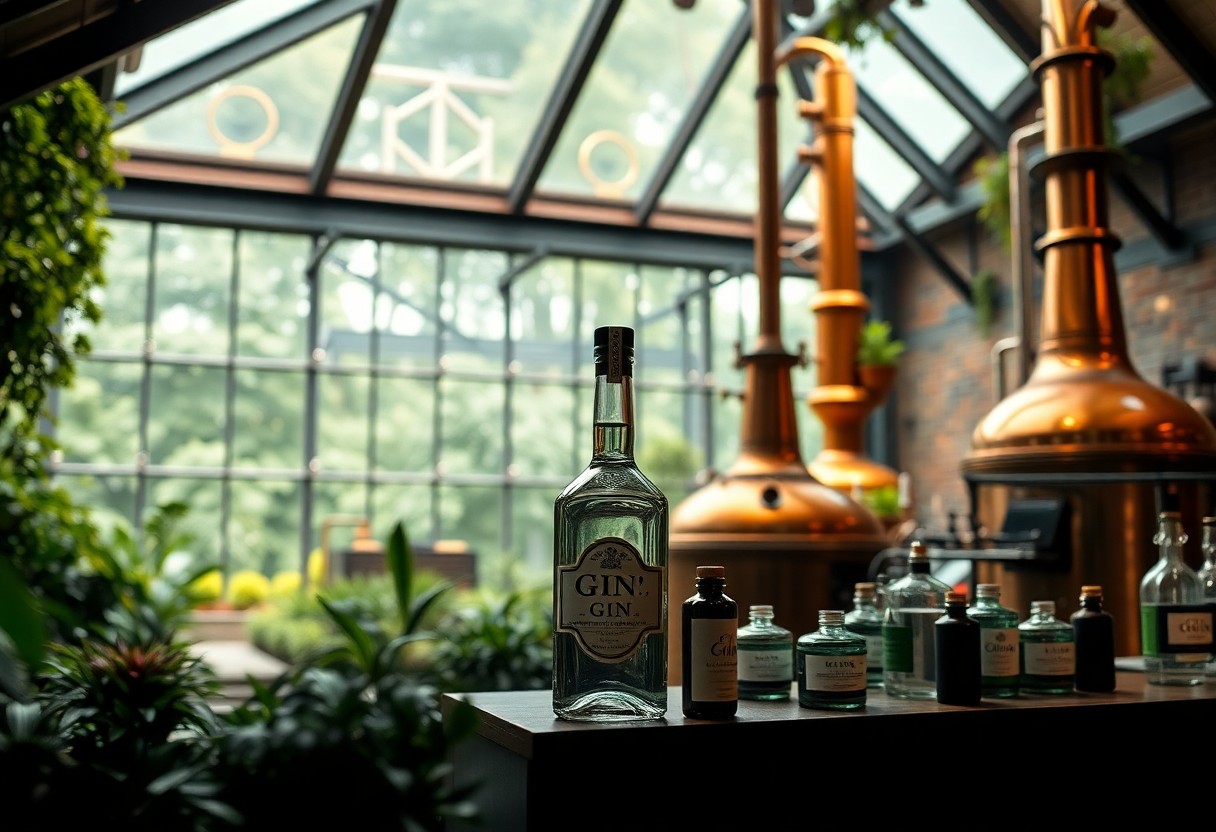
    Crafting your own gin experience through distillery tours opens a world of knowledge and excitement. As you walk through the serene surroundings of the distillery, you’ll be fascinated by the attention to detail required for each batch. You’ll witness the botanicals being expertly blended, the stills at work, and perhaps even participate in a small-scale distillation session, enhancing your appreciation for the art and science of gin production. This immersive journey not only enriches your tasting experience but also provides great stories to share with fellow gin enthusiasts.

    Conclusion

    The journey through the world of craft spirits reveals a remarkable array of gin distilleries waiting for your exploration. By visiting these five must-try establishments, you not only deepen your appreciation for this versatile spirit but also support the artisans who pour their passion into every bottle. Each distillery offers unique flavors and experiences, ensuring that your palate is treated to an unforgettable adventure. So, begin on this journey and discover how these exceptional gins can elevate your personal collection and enhance your enjoyment of this timeless beverage.